
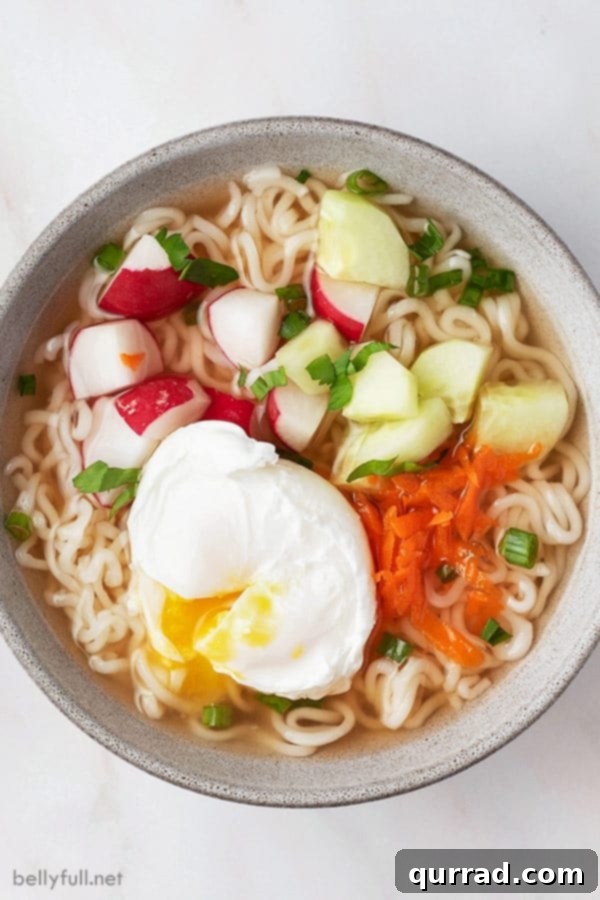
Transform ordinary ramen noodles into an extraordinary dining experience with this vibrant and flavorful Hot and Sour Ramen Soup. This recipe effortlessly elevates humble pantry staples and fresh vegetables into a light, bright, and invigorating meal that promises to leave your taste buds tingling with delight. Perfect for a quick weeknight dinner or a cozy weekend lunch, this soup delivers restaurant-quality flavors in minutes, making it an absolute game-changer for anyone seeking delicious simplicity.
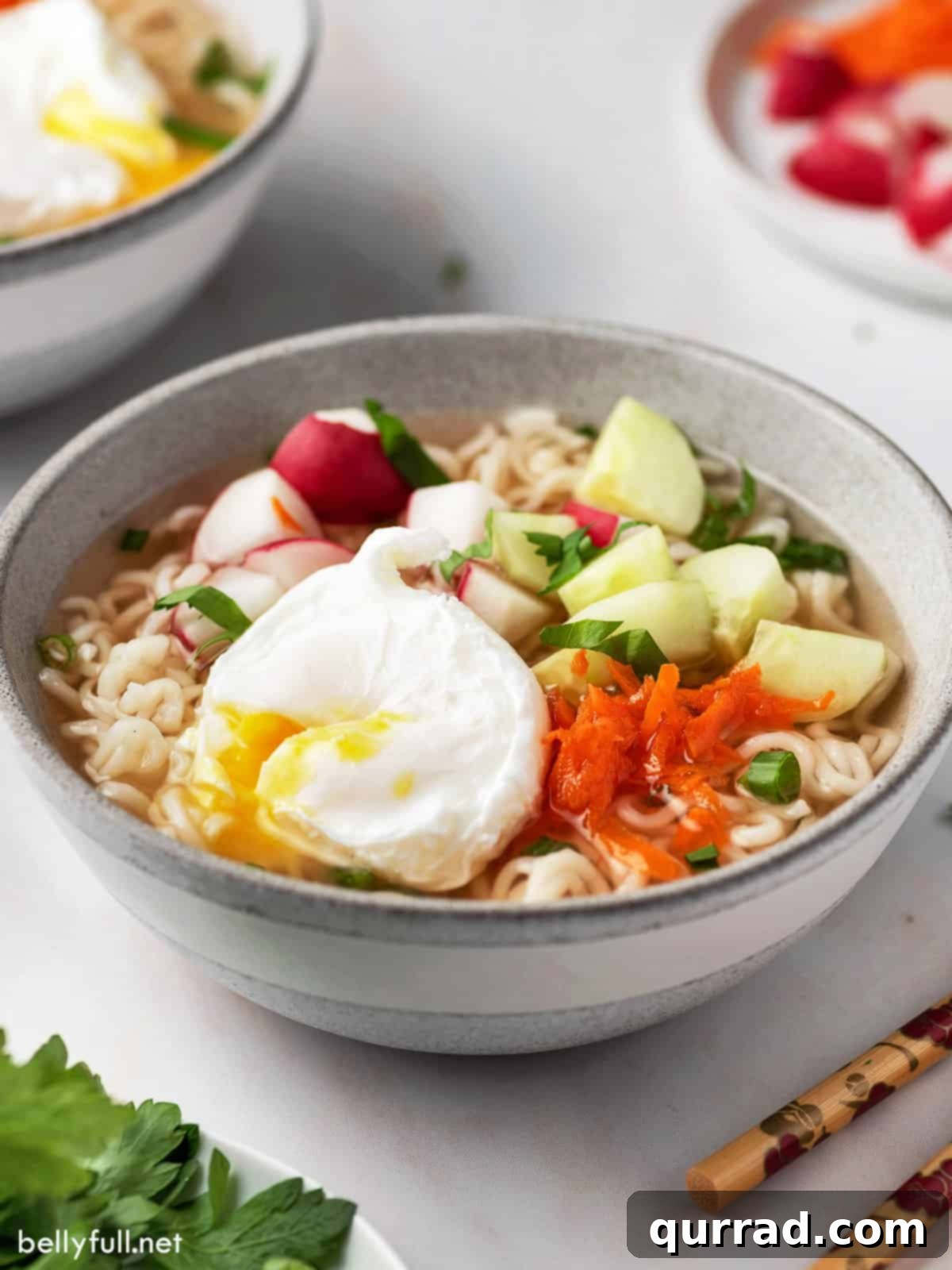
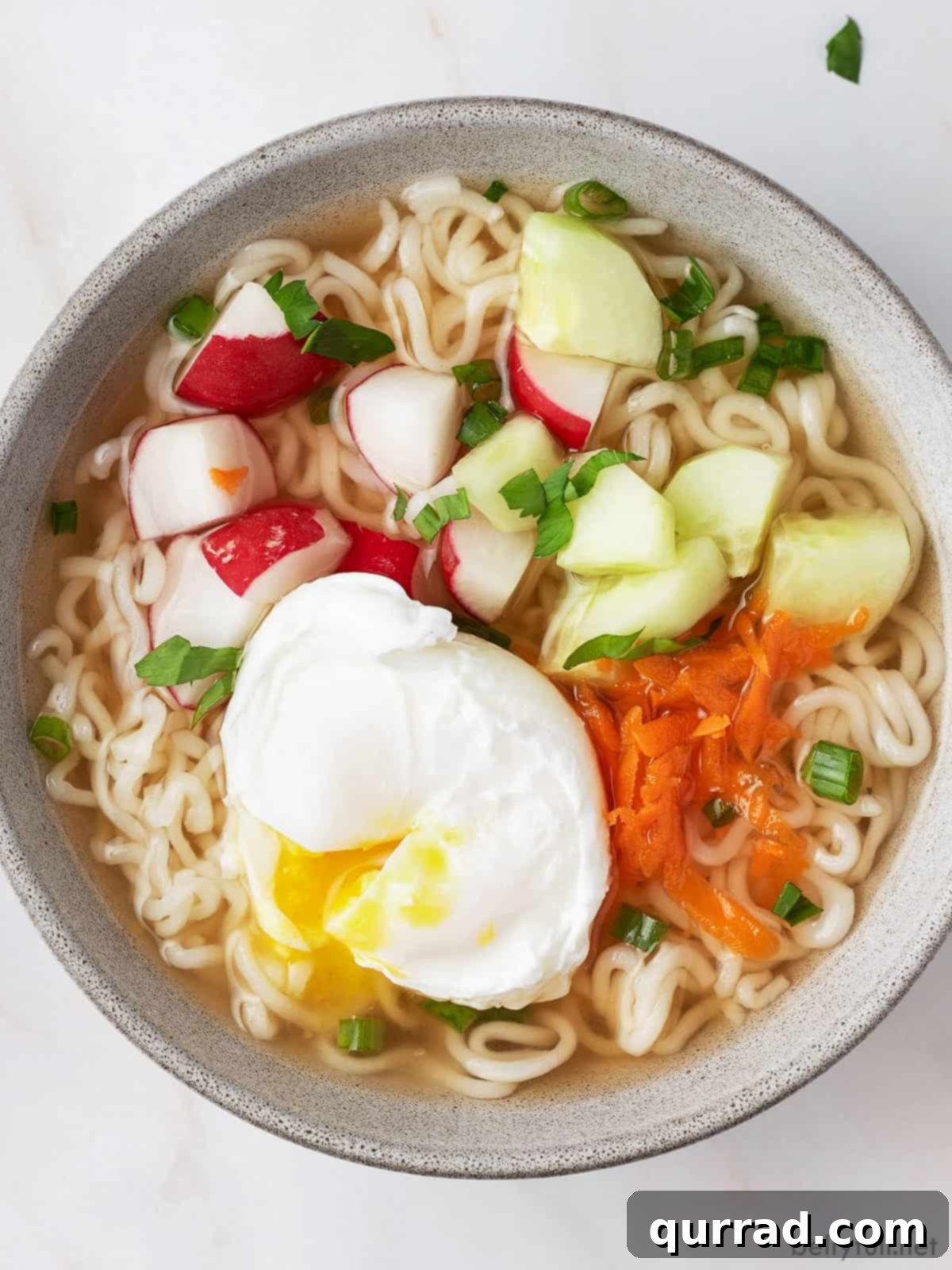
While this soup is magnificent on its own, for an added layer of richness and a truly satisfying meal, we highly recommend serving it with a perfectly poached egg. The creamy yolk wonderfully complements the bold hot and sour broth, creating a symphony of textures and tastes that you won’t soon forget. It’s a small addition that makes a huge difference, turning a simple bowl of ramen into a truly gourmet treat.
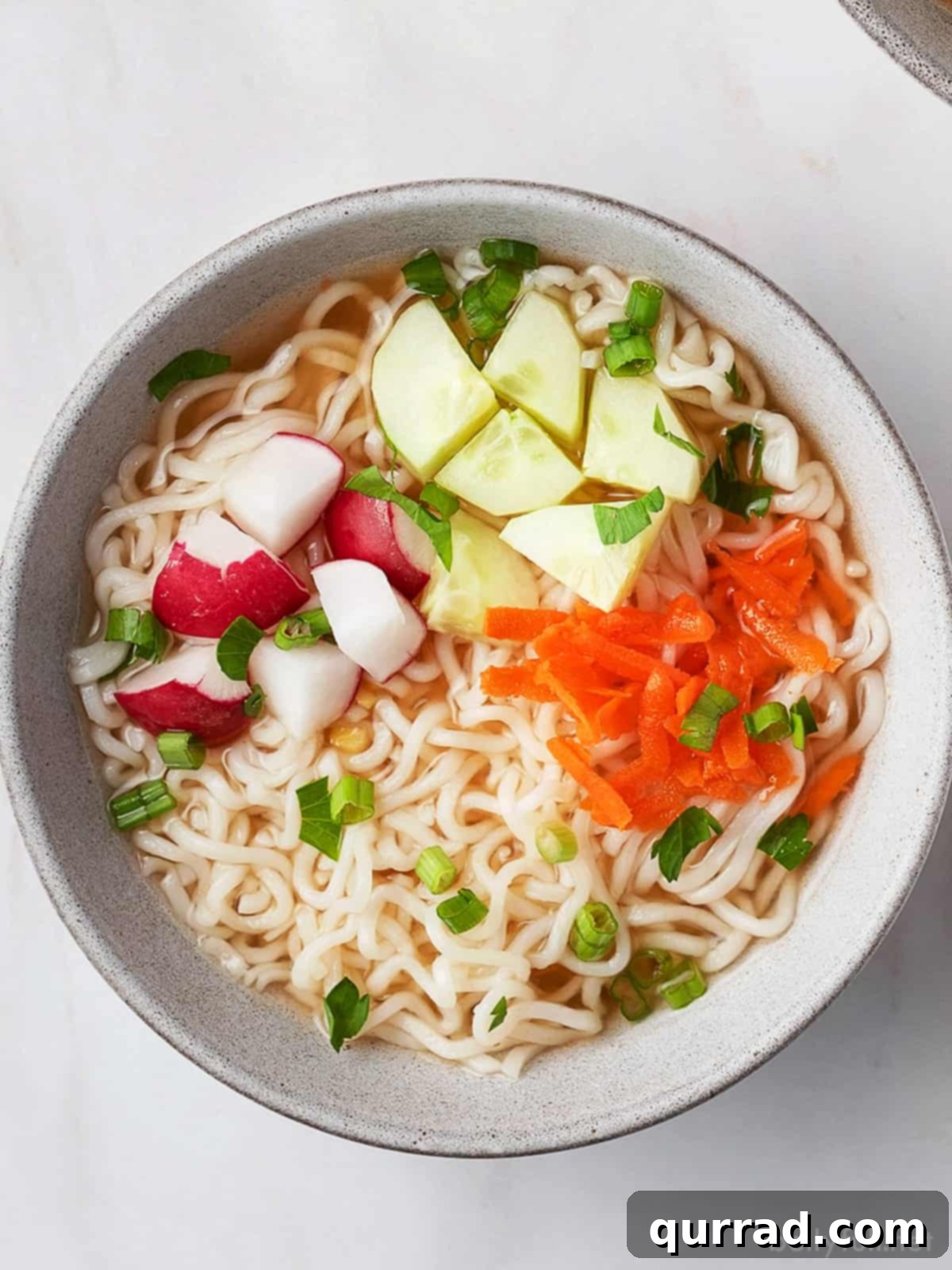
Effortless & Delicious: Crafting Your Easy Ramen Soup
Ramen noodles have long been a well-kept secret for conjuring dinners that are both incredibly budget-friendly and astonishingly quick to prepare. Beyond their humble beginnings as a student staple, these versatile noodles serve as a fantastic canvas for countless culinary creations. You might already know them as a clever hack for speedy stir-fries, like our popular pork ramen stir fry or the flavorful beef and broccoli ramen stir fry, and even innovative dishes like a ramen noodle salad. Today, we’re taking those beloved, inexpensive packets of noodles and transforming them into a sophisticated, restaurant-quality hot and sour ramen soup that tastes like it came straight from your favorite Asian eatery, all without the hefty price tag or the long wait.
Our inspiration for this hot and sour ramen soup comes from the classic Chinese takeout favorite. While this recipe offers a delicious homage to those vibrant flavors, it’s important to note that it’s not a traditional hot and sour soup, which typically features ingredients like dried shiitake mushrooms, bamboo shoots, and a thicker, darker broth often enriched with fermented soy products. Instead, our rendition focuses on a simpler, brighter profile that still captures the essence of that distinctive spicy and sour balance. It’s a quick, accessible, and utterly satisfying take on a beloved flavor combination, designed for busy home cooks who crave authentic tastes without a complex ingredient list. What’s more, it’s remarkably versatile and can easily be customized to include some of those traditional elements if you wish to experiment.
The beauty of this ramen noodle recipe lies in its incredible speed. From start to finish, you can have a steaming bowl of this delectable soup ready in approximately 20-25 minutes. This makes it an absolute lifesaver for those hectic weeknights when time is short, but the desire for a nourishing, flavorful meal is high. Say goodbye to bland, rushed meals and hello to a vibrant, homemade soup that rivals any takeout option.
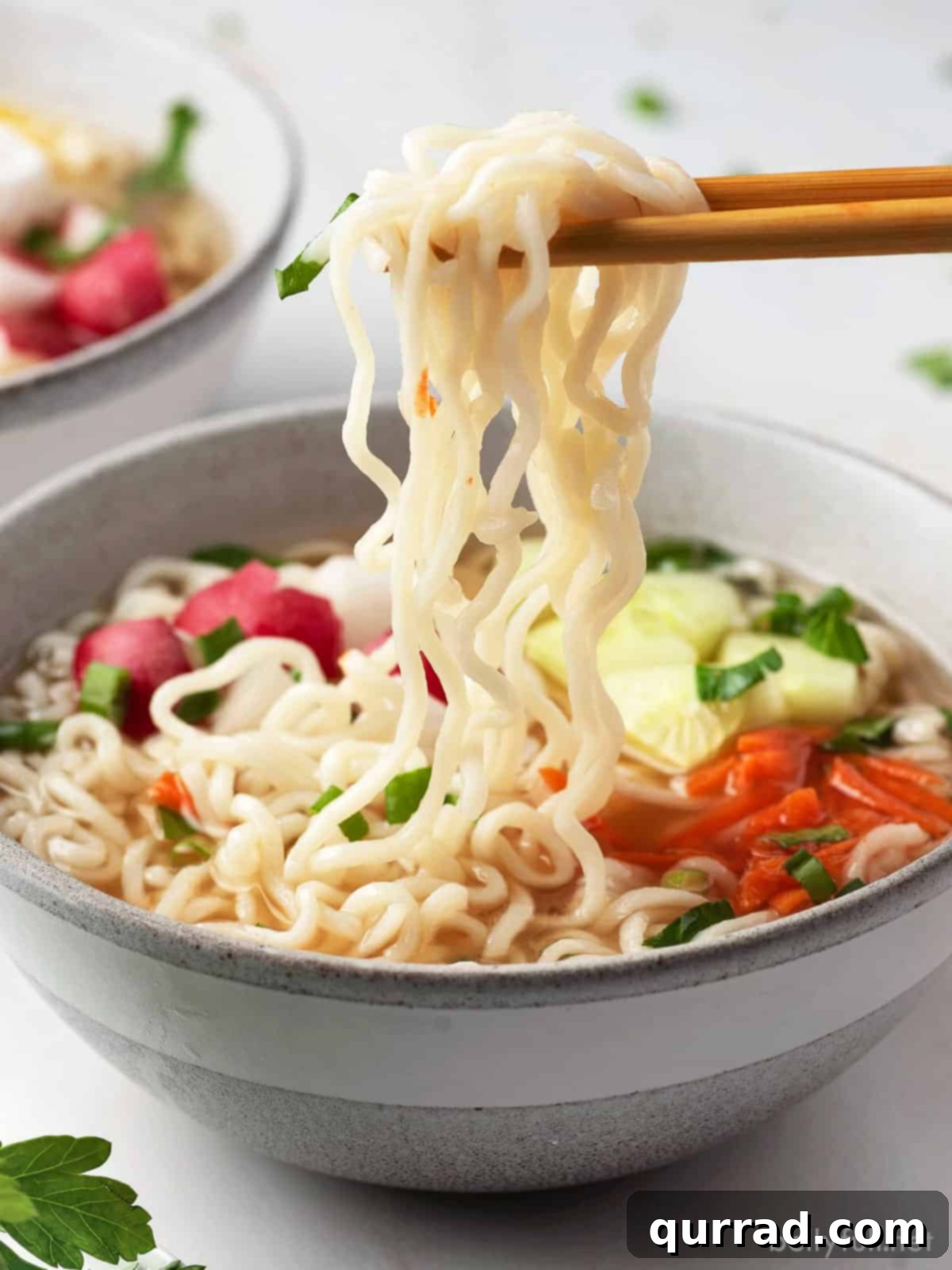
Essential Ingredients for Your Hot and Sour Ramen
Crafting this quick and flavorful hot and sour ramen soup requires a blend of readily available Asian cuisine staples and common kitchen items. The key is to select fresh, quality ingredients that will contribute to the soup’s vibrant flavor profile and appealing texture. Below is a comprehensive list, with notes on why each component is essential for achieving that perfect balance of hot, sour, and savory.
- Ramen noodles – You’ll just need the noodles themselves from a few packages. Be sure to discard the accompanying flavor packet, as we’ll be building our own superior broth from scratch. Any brand of instant ramen noodles will work perfectly.
- Garlic & Ginger – These aromatic powerhouses form the foundation of our soup’s flavor. Freshly minced garlic and grated ginger are crucial for a bright, pungent, and warm undertone that truly elevates the broth. Avoid powdered versions for the best results.
- Sesame oil – Used for sautéing the garlic and ginger, sesame oil imparts a distinct nutty, toasty flavor that is characteristic of many Asian dishes. It offers a much richer and more authentic taste compared to neutral oils like canola or vegetable oil.
- Vegetables – A medley of diced radishes, crisp cucumbers, and finely shredded carrots adds not only a delightful crunch and freshness but also a burst of color and essential nutrients. These are added fresh at the end to retain their texture.
- Scallions – Also known as green onions, scallions provide a subtle, peppery onion flavor and a beautiful green garnish. They contribute a mild zing that balances the other strong flavors in the soup.
- Chicken broth – This forms the liquid base of our soup. Opt for low-sodium chicken broth to give you precise control over the overall saltiness of your dish. For a delicious vegetarian or vegan version, a high-quality vegetable broth can be used interchangeably.
- Rice wine vinegar – This is the primary component responsible for the “sour” element of our soup. Rice wine vinegar has a milder, slightly sweeter acidity compared to other vinegars, making it ideal for creating a balanced tang without overpowering the other flavors.
- Sriracha – To bring the “hot” to our “hot and sour,” Sriracha hot sauce is our go-to. Its distinct spicy kick with a touch of sweetness and garlic perfectly rounds out the flavor profile. You can adjust the amount to suit your preferred spice level.
- Granulated sugar – Don’t let the sugar surprise you! This ingredient doesn’t make the soup overtly sweet but is vital for harmonizing the intense tartness of the rice wine vinegar and the heat of the Sriracha. It creates a well-rounded, balanced flavor that prevents the soup from being too sharp.
- Chopped parsley – Fresh chopped parsley serves as a vibrant garnish, adding a touch of herbaceous freshness and a lovely pop of green to the finished dish. While not traditionally Asian, it complements the other flavors beautifully.
- Egg (optional) – A small poached egg is an optional, but highly recommended, addition. Its rich, runny yolk adds a luxurious creaminess and extra protein, making the soup even more satisfying.

Simplified Steps: Your Guide to Making Hot and Sour Ramen Soup
One of the many appealing aspects of ramen soup recipes, especially this hot and sour rendition, is their inherent simplicity and ease of preparation. You don’t need to be an expert chef to create a truly remarkable meal. This section outlines the straightforward steps involved in bringing this delightful soup to life, ensuring a successful and delicious outcome every time. For precise measurements and more detailed instructions, please refer to the complete printable recipe card below.
- Cook the noodles: Begin by boiling water in a large pot. Once boiling, add your ramen noodles and cook according to the package directions, which typically takes only about 3 minutes. After cooking, drain the noodles thoroughly and set them aside. This ensures they don’t become mushy when combined with the hot broth.
- Prepare the flavorful soup base: Using the same pot (to save on dishes!), warm the sesame oil over medium heat. Add the minced garlic and grated ginger, sautéing them for about 20 seconds until they release their wonderfully fragrant aromas. Be careful not to burn the garlic. Next, pour in the chicken broth, rice wine vinegar, Sriracha, and granulated sugar. Bring this mixture to a gentle simmer, allowing the flavors to meld, then remove it from the heat. Stir in the diced scallions to infuse their mild oniony notes into the broth.
- Assemble and serve: Divide the cooked ramen noodles evenly among individual serving bowls. Ladle a generous amount of the hot and sour soup over the noodles. Finally, it’s time for the vibrant garnishes! Top each bowl with chopped radishes, crisp cucumber, shredded carrot, fresh parsley, and a few extra diced scallions. For an ultimate indulgence and added protein, crown your soup with a perfectly poached egg. Serve immediately and savor every hot, sour, and spicy spoonful!
Elevate Your Bowl: Tips & Delicious Variations
This hot and sour ramen recipe is wonderfully adaptable, offering numerous possibilities to customize it to your personal preferences or what you have on hand. Whether you’re looking to make it heartier, spicier, or entirely vegetarian, these tips and variations will help you create your perfect bowl of ramen every time.
- Make it vegetarian or vegan: The original recipe calls for chicken broth. To easily transform this into a 100% vegetarian dish, simply swap the chicken broth for an equally flavorful vegetable broth. To make it vegan, ensure all other additions are plant-based (e.g., skip the poached egg, or use a plant-based egg substitute).
- Boost the protein with tofu or mushrooms: For a more substantial soup that remains vegetarian-friendly, consider adding pan-fried cubes of firm tofu or sliced mushrooms (like shiitake or cremini) to the soup. Sauté them briefly before adding to the broth, or simply add them to the simmering broth to cook through. They absorb the flavors beautifully and add a satisfying texture.
- Incorporate meat for extra richness: If you’re a meat-lover, this soup welcomes extra protein. After draining your noodles, briefly heat a little olive oil in the same pot. Season some diced pork (pork belly or loin work well) or chicken (thighs or breast) with salt and pepper, then sauté until cooked through and slightly browned. Transfer the cooked meat to a bowl, then proceed with the recipe for the soup base. Add the cooked meat back into the pot when you bring the broth to a simmer to warm through. Cooked shrimp or thin slices of beef are also excellent additions.
- Embrace the sugar for balance: It might seem counterintuitive to add sugar to a savory hot and sour soup, but please, resist the urge to omit it! This soup is designed not to be sweet, but the small amount of granulated sugar plays a crucial role. It beautifully balances the intense heat from the Sriracha and the sharp tartness of the rice wine vinegar, creating a harmonious and well-rounded flavor profile that truly makes the “hot and sour” shine.
- Amp up the spice: For those who crave an extra fiery kick, adjusting the heat is simple. You can increase the amount of Sriracha, stir in a pinch of red chili flakes, or even add a few drops of chili oil when serving. Freshly sliced bird’s eye chilies can also be added for a vibrant, intense heat.
- Maintain noodle integrity: A key tip for perfect ramen texture is to avoid cooking the noodles directly in the soup broth. Ramen noodles tend to absorb liquid quickly and can become mushy if left submerged for too long. For the best al dente texture, always cook the noodles separately, drain them, and then pour the hot soup over them just before serving. This ensures every bite is perfect.
- Other Fresh Garnishes: Experiment with additional fresh garnishes like fresh cilantro, a squeeze of lime juice for extra brightness, or even a sprinkle of toasted sesame seeds for added crunch and flavor.
Perfect Pairings & Serving Suggestions
This Hot and Sour Ramen Soup is truly at its best when enjoyed immediately after being assembled. The vibrant flavors are most pronounced, the noodles are perfectly tender, and the fresh garnishes retain their crispness. Serve it steaming hot, allowing the aromatic vapors to entice your senses before that first satisfying spoonful.
For those looking to enhance their meal with additional protein, a perfectly poached egg resting atop the ramen is an exceptional choice. The rich, runny yolk adds a luxurious, creamy texture that beautifully contrasts with the spicy and sour broth, creating a more decadent and filling experience. Other protein boosters could include pan-seared tofu, thinly sliced cooked chicken or pork, or even a handful of cooked shrimp.
Beyond being a standalone delight, this hot and sour soup pairs wonderfully with a variety of other Chinese-inspired dishes, making it an excellent component of a larger Asian-themed meal. Consider serving it alongside classic appetizers like savory egg rolls or creamy crab rangoon. It also makes for a fantastic starter before heartier main courses such as fluffy fried rice, the robust flavors of beef and broccoli, or the ever-popular sweet and sour chicken. For a lighter accompaniment, a simple side salad with a ginger-sesame dressing or some quickly steamed greens would complement the soup beautifully without overpowering its distinct flavors. Whether it’s a casual weeknight dinner or a special gathering, this soup is sure to impress.
Storing and Reheating Your Delicious Leftovers
While this Hot and Sour Ramen Soup is best enjoyed fresh, you can certainly prepare it in advance or save leftovers for another meal. Proper storage is key to maintaining quality and ensuring your next bowl is just as delicious.
- How to store leftovers: To prevent your ramen noodles from becoming mushy and overly soft, it is crucial to store the soup broth and the cooked ramen noodles separately. Allow both components to cool completely before transferring them to airtight containers. The hot and sour soup broth can be stored in the refrigerator for up to 3 days, maintaining its vibrant flavor. The cooked ramen noodles should also be stored in a separate airtight container and are best consumed within 1-2 days. If you find yourself with leftover soup but no noodles, you can easily cook a fresh packet of ramen when you’re ready to reheat, ensuring the best possible texture.
- How to reheat leftovers: When you’re ready to enjoy your soup again, gently reheat the broth on the stovetop over medium heat until it is simmering and heated through. Alternatively, you can reheat it in the microwave in microwave-safe bowls, stirring occasionally, until hot. Once the broth is hot, add your separately stored cooked noodles (or freshly cooked noodles) to the warm broth. Continue to heat briefly, just until the noodles are thoroughly warmed. This method ensures that your noodles retain their desirable texture, preventing them from becoming soggy. Fresh garnishes are always recommended to be added just before serving for optimal crunch and flavor.
Explore More Easy Soup Recipes:
- Egg Drop Soup
- Matzo Ball Soup
- Stuffed Pepper Soup
- Zuppa Toscana
- Chicken Noodle Soup
We truly hope you adore this flavorful and straightforward Hot and Sour Ramen Soup recipe as much as we do! Your feedback means the world to us, so please don’t hesitate to share your thoughts and give it a review below. For more delicious inspiration and daily dose of recipes, be sure to follow Belly Full on TikTok, Facebook, Instagram, Pinterest, and YouTube! Happy cooking!
Hot and Sour Ramen Soup
Pin
Ingredients
- 3 packages ramen noodles, (3 oz each, broken in half along the fold, flavor packet discarded)
- 2 tablespoons sesame oil
- 1 clove garlic, , finely minced
- 1 1/2 teaspoons grated ginger
- 7 cups low-sodium chicken broth
- 3/4 cup rice wine vinegar
- 2 tablespoons Sriracha hot sauce
- 3 tablespoons granulated sugar
- 3 diced scallions, , plus more for garnish
- 1/4 cup diced radishes
- 1/4 cup diced cucumbers
- 1/4 cup shredded carrot
- 1/4 cup fresh chopped parsley
- poached egg, , optional but recommended
Instructions
-
Bring water to boil in a large pot. Cook noodles according to package directions, about 3 minutes; drain. Set aside.
-
In the same pot, warm the sesame oil over medium heat. Add in the garlic and ginger; saute until fragrant, about 20 seconds.
-
Add in the chicken broth, rice wine vinegar, Sriracha, and sugar. Bring to a simmer, then remove from heat. Stir in the scallions.
-
Place some noodles in individual bowls. Pour some soup over the noodles.
-
Top with some chopped radishes, cucumber, carrot, parsley, and a few diced scallions. We also like to finish it off with a poached egg. Delish!
Notes
Make it vegetarian. This recipe does call for chicken broth. If you prefer to keep it 100% vegetarian, simply use vegetable broth instead.
Add tofu or mushrooms. To make this soup a little heartier (but still keeping it vegetarian), add some mushrooms or tofu into the soup.
Resist the urge to omit the sugar. This soup is not sweet but the sugar gives the spicy and sour a nice balance of flavor and also cuts the tart vinegar taste.
Make it spicier. If you want an extra kick to your soup, stir in some chilies or red chili flakes.
Don’t cook the noodles in the soup. Since ramen noodles tend to get mushy when they absorb liquid, it’s best to pour the soup over the cooked noodles just before serving rather than combine the two.
Nutrition
Nutritional information given is an automatic calculation and can vary based on the exact products you use and any changes you make to the recipe. If these numbers are very important to you, I would recommend calculating them yourself.