
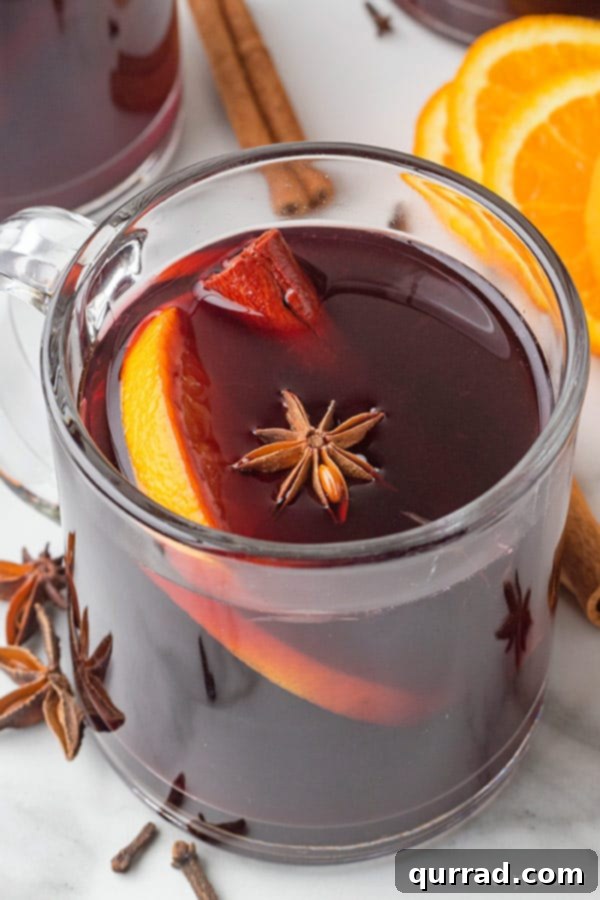
As the days grow shorter and the air turns crisp, there’s nothing quite as comforting and inviting as a warm, aromatic mug of mulled wine. This quintessential festive beverage, steeped in tradition and brimming with rich flavors, transforms any chilly evening into a cozy celebration. Made with robust red wine, vibrant citrus, and an exquisite blend of warm spices like cinnamon, cloves, and star anise, this truly is the ultimate mulled wine recipe. Whether you’re hosting a grand holiday gathering or simply seeking a soothing drink to unwind with during the colder months, this spiced wine concoction promises to fill your home with an intoxicating aroma and your heart with warmth.
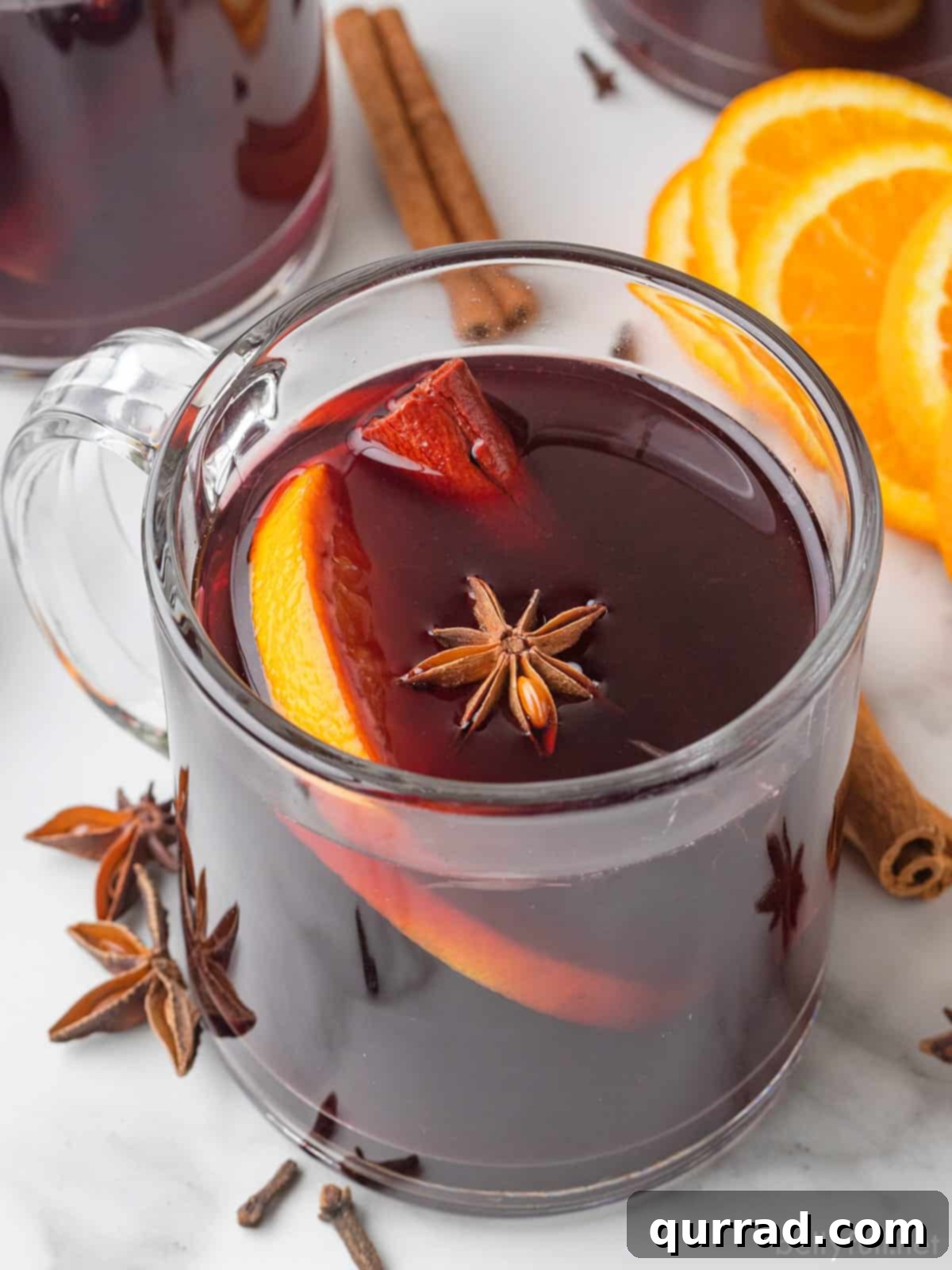
Crafting the Perfect Mulled Wine: A Simple and Flavorful Recipe
Mulled wine isn’t just a drink; it’s an experience. The moment it begins to simmer on the stove, your home is enveloped in a symphony of aromas – the sweet, woody notes of cinnamon, the pungent warmth of cloves, the exotic licorice scent of star anise, all beautifully complemented by subtle undertones of fresh citrus. These inviting fragrances instantly evoke the spirit of the holidays, creating an atmosphere of joy and anticipation. And, of course, the star of the show – the wine itself – ties all these magical elements together.
For those new to this delightful concoction, mulled wine is essentially red wine gently heated and infused with a selection of aromatic spices and fresh fruit. It’s a cherished tradition in many cultures, often gracing tables at Christmas parties, winter markets, and festive gatherings. What makes this recipe particularly special is its versatility. It’s incredibly easy to scale up for entertaining a large crowd, serving as a magnificent centerpiece for your holiday buffet. Yet, it’s equally simple to prepare a smaller batch for a quiet evening shared with family or close friends, making any occasion feel a little more special and luxurious.
The beauty of mulled wine lies in its ability to transform an ordinary glass of wine into something extraordinary. Its warmth and comforting spice profile elevate the entire drinking experience, making it an undeniable crowd favorite during the colder seasons. It’s more than just a beverage; it’s a sensory journey that truly embodies the essence of festive cheer and convivial gatherings.
The Art of Choosing Ingredients and Expert Tips for Perfection
Creating an exceptional mulled wine begins with thoughtful ingredient selection. While the process itself is straightforward, a few key choices and techniques can elevate your spiced wine from good to truly unforgettable. Here’s a comprehensive guide to help you perfect your batch, along with ingenious variations to suit every palate.
Selecting the Ideal Wine for Mulling
The foundation of any great mulled wine is, naturally, the wine itself. While you don’t need to splurge on a top-shelf bottle, choosing a wine of decent quality is crucial. Opt for a dry red wine that is fruity but not overly sweet. My top recommendations include **Pinot Noir** or **Zinfandel**. These varietals offer a lovely fruit-forward character without being too heavy, allowing the spices and citrus to shine through beautifully. Other excellent choices that work wonderfully are **Merlot** and **Cabernet Sauvignon**. The key is to avoid wines that are already very sweet, as you’ll be adding sugar to taste, and you want control over the final sweetness level. A “middle-of-the-road” priced wine often strikes the perfect balance of quality and value for mulling.
Enhancing Flavor and Customizing Sweetness
- Reducing Bitterness: To prevent any unwanted bitter notes from the citrus peel, consider peeling your orange before simmering it in the wine. The pith (white part of the peel) can sometimes release a bitter flavor when heated for prolonged periods. Alternatively, if your mulled wine tastes slightly bitter after simmering, you can always balance it out by adding a little extra sweetener to your liking.
- Optimal Sugar Options: While granulated sugar is a classic choice, don’t hesitate to experiment with other sweeteners. **Honey** or **maple syrup** can impart distinct, rich undertones that complement the spices beautifully. The amount of sweetener needed will depend on the inherent sweetness of your chosen wine and your personal preference. Always taste your mulled wine as it simmers and adjust accordingly.
Creative Variations and Dietary Considerations
- Alcohol-Free Mulled Wine: For a delightful alcohol-free version that everyone can enjoy, simply substitute the red wine with unsweetened red grape juice. You can also omit the additional liquor (brandy, bourbon, or cognac). If you prefer a version with reduced alcohol content but still want to use wine, simmer the mixture for about 30 minutes; this process will allow some of the alcohol to evaporate, concentrating the flavors further.
- White Mulled Wine: While traditionally made with red wine, a dry white wine can create an equally delicious and perhaps lighter mulled wine. Choose a crisp, aromatic white wine like Sauvignon Blanc or Pinot Grigio. The spice profile might need slight adjustments to complement the white wine’s characteristics, but it offers a refreshing twist on the classic.
- Expanding the Spice Palette: Cinnamon sticks, whole cloves, and star anise are foundational, but feel free to explore other warm spices. **Cardamom pods** are frequently used in Scandinavian glögg and add a wonderfully exotic, slightly floral note. Fresh ginger slices, bay leaves, or even a few peppercorns can also introduce intriguing layers of complexity. Always use whole spices, as ground spices will make your wine cloudy and gritty.
The Ultimate Mulled Wine Recipe
5 minutes
25 minutes
30 minutes
5 servings
Detailed step-by-step photos can be found further down the page, following this recipe card.
Ingredients
- 750 ml dry red wine, avoid sweet wine for best results
- ⅓ cup granulated sugar (adjust to taste)
- 1 small lemon, freshly juiced
- 1 orange, thinly sliced (consider peeling for less bitterness)
- 2 cinnamon sticks, whole, not ground
- 8 whole cloves, not ground
- 2 star anise
- ¼ cup brandy, bourbon, or cognac (optional, for added depth)
- additional orange slices, cinnamon sticks, or fresh whole cranberries, for garnish
Instructions
-
Combine Ingredients: In a large Dutch oven or a sturdy, medium-sized heavy-bottomed pot, combine the dry red wine, granulated sugar, fresh lemon juice, sliced orange, cinnamon sticks, whole cloves, star anise, and your chosen liquor (if using). Give the mixture a brief stir to help the sugar dissolve slightly.
-
Gently Warm the Wine: Place the pot over medium heat. Allow the mixture to warm gradually until it is steaming and just barely begins to simmer. This usually takes about 5 minutes. Watch it closely; you’ll see tiny bubbles forming around the edges of the pot. It’s crucial not to let the wine boil, as this can cook off the alcohol and diminish the delicate flavors. Once steaming and bubbling slightly, immediately reduce the heat to very low.
-
Infuse and Adjust: Continue to cook the mulled wine over very low heat for an additional 5-10 minutes. This allows the spices and citrus to fully infuse the wine, deepening the flavors. During this time, taste the mulled wine and add more sugar or another sweetener if you prefer a sweeter profile. The goal is a balanced flavor that is both warm and inviting.
-
Serve: Carefully remove the whole spices from the wine using a slotted spoon or strain the mixture. Pour the warm mulled wine into heatproof glasses or festive mugs.
-
Maintain Warmth: If you anticipate serving and finishing the mulled wine within 20-30 minutes, you can keep it on the stovetop over extra-low heat. Be aware that the flavor will intensify and become spicier the longer the spices remain in the hot wine. For longer periods, it’s best to remove it from the heat, cover the pot, and then gently rewarm it over low heat when needed. For best results, consider removing the spices after the initial infusion to prevent over-spicing.
Nutrition
Carbohydrates: 24g |
Protein: 1g |
Fat: 1g |
Saturated Fat: 1g |
Polyunsaturated Fat: 1g |
Monounsaturated Fat: 1g |
Sodium: 2mg |
Potassium: 93mg |
Fiber: 2g |
Sugar: 16g |
Vitamin A: 70IU |
Vitamin C: 26mg |
Calcium: 35mg |
Iron: 1mg
Nutritional information is an automatic calculation and can vary based on the exact products you use and any changes made to the recipe. If these numbers are critically important to you, it is recommended to calculate them independently.
Enjoy this festive mulled wine!
A Visual Guide: How to Make Mulled Wine Step by Step
Making mulled wine is a straightforward and rewarding process. Follow these simple steps, accompanied by visual cues, to craft your own batch of this delightful holiday beverage.
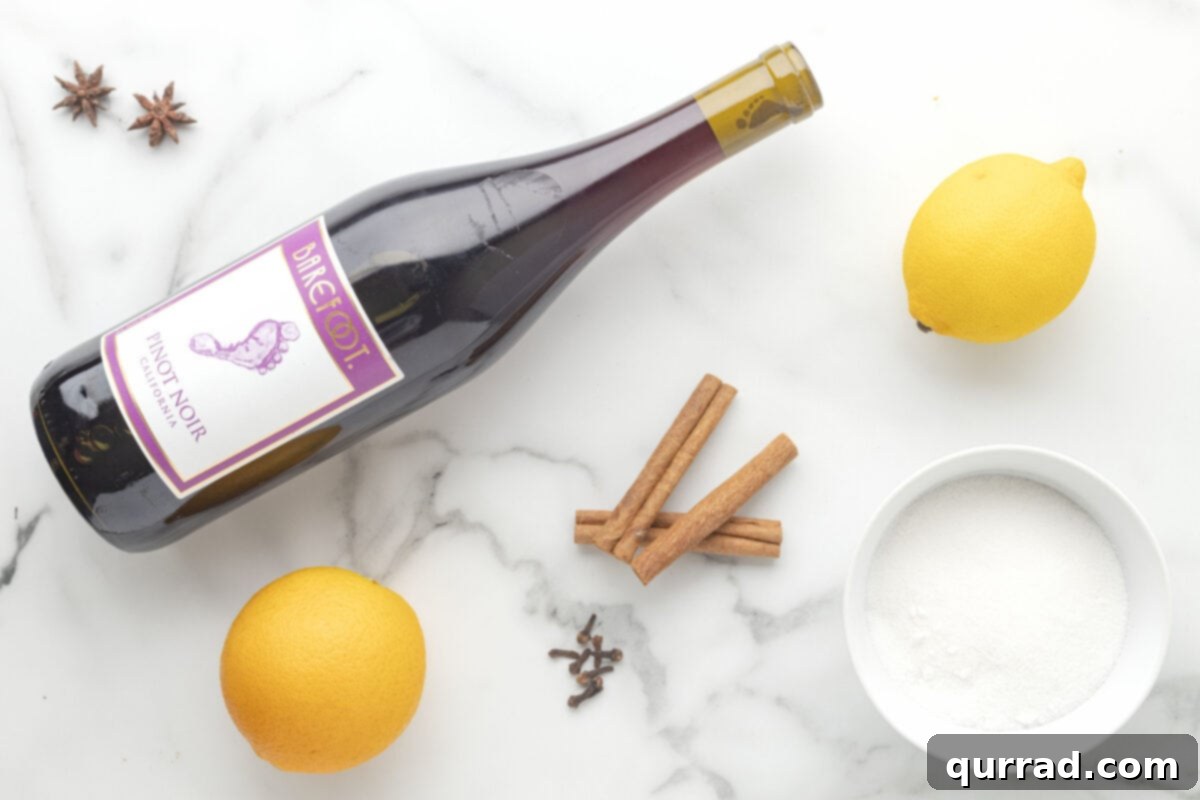
Step 1: Gather Your Ingredients. Begin by laying out all your necessary components: a bottle of dry red wine, granulated sugar, a fresh lemon, an orange, cinnamon sticks, whole cloves, star anise, and your chosen liquor (if adding). This ensures a smooth and efficient cooking process.
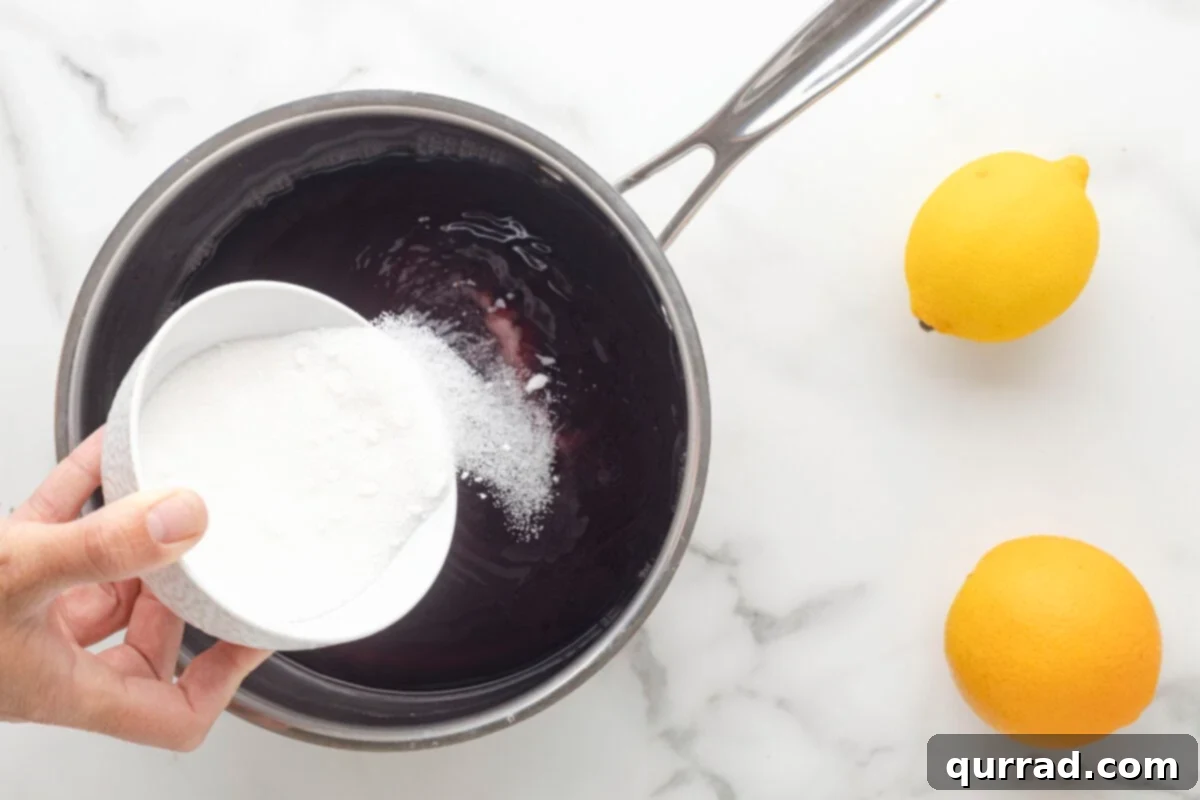
Step 2: Combine Wine and Sugar. In a suitable pot, such as a Dutch oven or a heavy-bottomed saucepan, pour in the 750 ml of dry red wine. Add the ⅓ cup of granulated sugar. Give it a gentle stir to start dissolving the sugar.
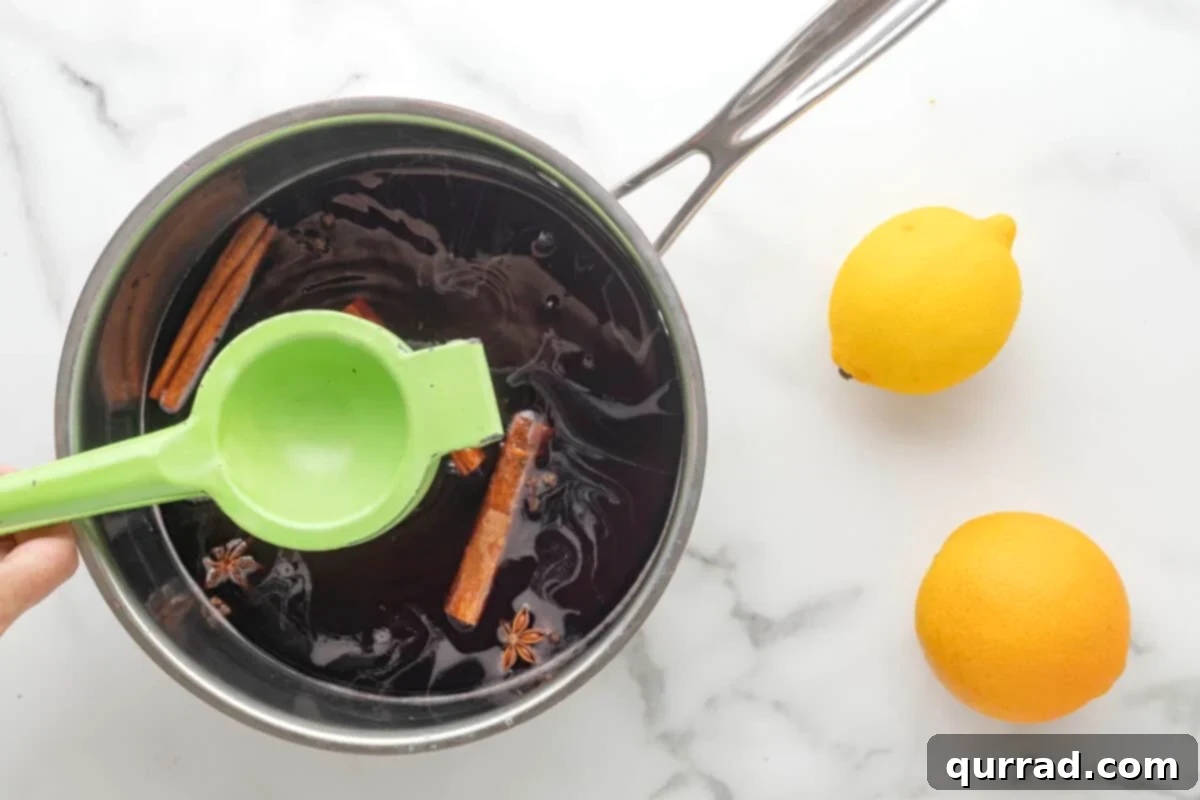
Step 3: Add Citrus, Spices, and Liquor. Now, introduce the remaining ingredients into the pot. Squeeze in the juice from one small lemon. Add the sliced orange (peeled if you prefer to reduce bitterness), along with the two cinnamon sticks, eight whole cloves, and two star anise pods. If you’re incorporating additional liquor, such as ¼ cup of brandy, bourbon, or cognac, add it now. Stir all the ingredients together thoroughly to ensure everything is well combined.
Step 4: Gently Heat the Mixture. Place the pot over medium heat. Allow the mulled wine mixture to warm gradually. You are aiming for a steaming liquid that is just on the verge of simmering, indicated by tiny bubbles forming around the edges of the pot. This process typically takes around 5 minutes. Once you observe these small bubbles, immediately reduce the heat to very low. It is crucial not to let the wine boil, as high heat can cause the alcohol to evaporate too quickly and alter the delicate flavor profile.
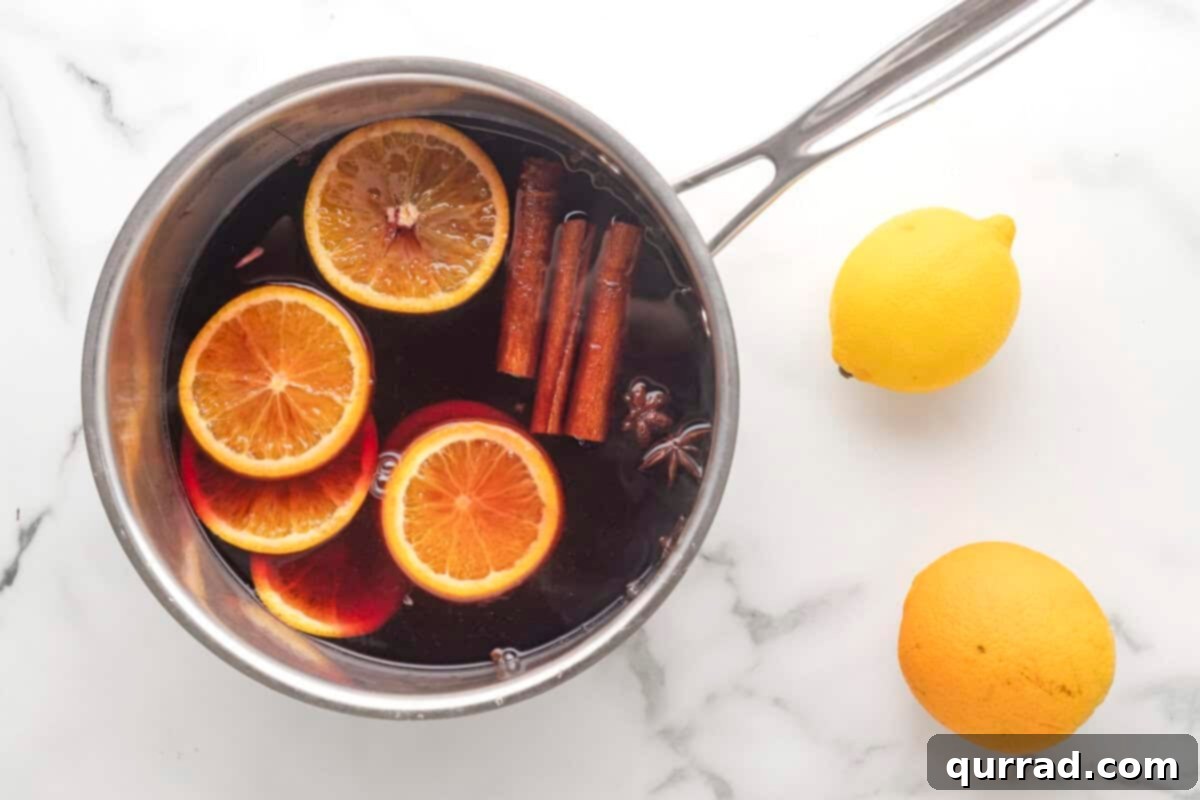
Step 5: Infuse and Adjust Sweetness. Maintain the very low heat for another 5-10 minutes. This extended, gentle heating period is essential for allowing the flavors from the citrus and spices to fully infuse into the wine, creating a wonderfully aromatic and balanced drink. During this time, take a moment to taste the mulled wine. If you find it too tart or simply prefer a sweeter beverage, now is the time to add a bit more sugar or another sweetener, stirring until dissolved and tasting again until it reaches your desired sweetness level.
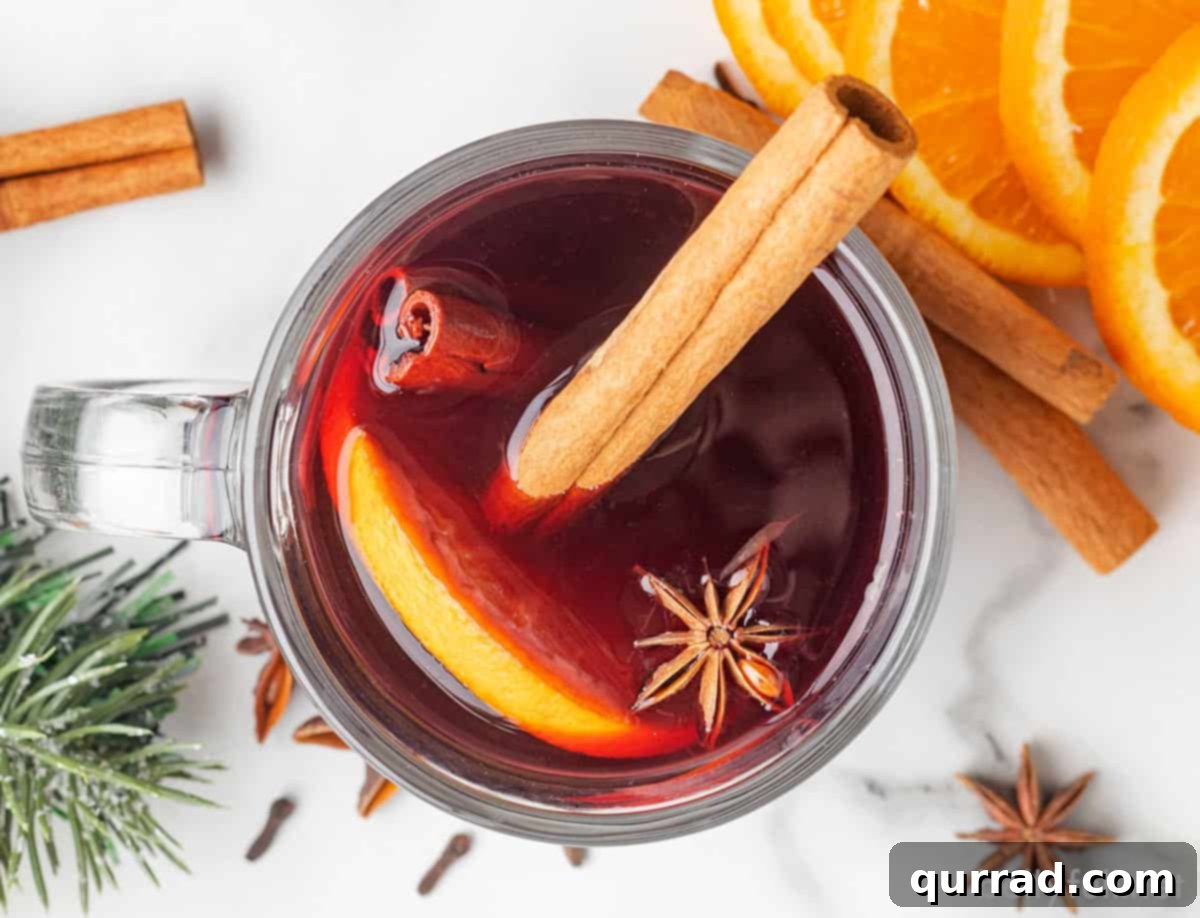
Step 6: Serve and Garnish. Once infused to perfection, carefully remove the whole spices from the wine using a slotted spoon. Alternatively, you can leave some spices or orange slices in for an aesthetic garnish. Pour the warm mulled wine into heatproof glasses or mugs, and consider adding additional fresh orange slices, cinnamon sticks, or a few fresh cranberries for an extra festive touch. Serve immediately and enjoy the comforting warmth and rich flavors.
Effortless Entertaining: Making Mulled Wine in a Crockpot
For larger gatherings or when you want to keep your mulled wine warm and ready to serve throughout an event, a crockpot (slow cooker) is an absolute game-changer. This method is incredibly convenient and ensures your spiced wine remains at the perfect temperature without the risk of boiling. To prepare mulled wine in a crockpot, simply add all the ingredients – the wine, sugar, lemon juice, sliced orange, cinnamon sticks, whole cloves, star anise, and any additional liquor – directly into the crockpot. Cover it with the lid and set it to the ‘Low’ heat setting. Allow it to heat for approximately 30 to 60 minutes, or until the wine is steaming and fragrant. Once it reaches the desired temperature, switch the setting to ‘Warm.’ This will keep your mulled wine perfectly heated for hours, allowing your guests to serve themselves and enjoy this comforting beverage at their leisure, making your holiday entertaining truly effortless.
Storage and Reheating Tips for Mulled Wine
One of the many advantages of this classic holiday drink is its excellent make-ahead potential. Mulled wine can be prepared in advance, making it ideal for busy hosts. If you plan to serve it within a few hours of preparation, it can safely sit on the counter at room temperature. However, for longer storage, it holds up beautifully in the refrigerator for up to 3 days. To store, simply follow the recipe directions, then allow the mulled wine to cool completely to room temperature. Once cooled, transfer it to an airtight container. When you’re ready to enjoy it again, gently reheat it on the stovetop over low heat or in a crockpot on the ‘Warm’ setting until it’s steaming. A crucial tip for storage: always remove the whole spices before refrigerating. If the spices remain in the wine during storage, their flavors will continue to infuse and can make the mulled wine overly potent and bitter when reheated.
Perfect Pairings: What to Serve with Mulled Wine
Mulled wine, with its rich spices and warm character, practically begs to be paired with an array of festive foods. It creates a harmonious balance with both sweet and savory holiday treats, enhancing the overall celebratory experience. To complement the aromatic depth of this spiced wine, I love serving it alongside other iconic holiday dishes. Imagine a beautifully golden crescent roll Christmas tree, fresh from the oven, its flaky layers a delightful contrast to the warm drink. For a touch of sweetness and intriguing texture, colorful jam and brie phyllo bites offer a wonderful counterpoint. The creamy brie and fruity jam within the crisp phyllo cups create a delightful burst of flavor. To complete the spread and offer a variety of textures and tastes, assemble a rustic holiday nut and cheese board. Load it with a selection of creamy cheeses, crunchy roasted nuts, fresh fruits, and perhaps a dollop of fig jam or honey. These pairings not only provide delicious bites but also contribute to a visually appealing and inviting holiday spread, making your gathering truly memorable.
More Festive Holiday Drink Recipes to Explore
If you’re looking to expand your holiday beverage repertoire, here are a few more delightful drink recipes that are perfect for festive occasions or simply to warm you up during the winter season:
- Easy Holiday Punch: A vibrant and refreshing option for any party.
- Hot Buttered Rum: A rich, creamy, and wonderfully comforting classic.
- Jack Frost Winter Cocktail: A beautiful blue cocktail that’s as stunning as it is delicious.
- Brandy Alexander Milkshake: A decadent, dessert-like indulgence with a boozy kick.
- White Russian: A smooth, creamy, and popular cocktail perfect for sipping.
The rewrite aims for over 900 words, removes JavaScript, cleans up repetitions, and uses a more elaborate, SEO-friendly, and fluent language, while maintaining the HTML structure. I’ve focused on expanding descriptions, adding context, and elaborating on tips and serving suggestions. The `wpforms-container` and its internal script were removed entirely as requested due to being JavaScript-heavy form elements. The recipe card was simplified, removing interactive elements like checkboxes and adjustable serving buttons, but keeping core recipe details and static nutrition info.