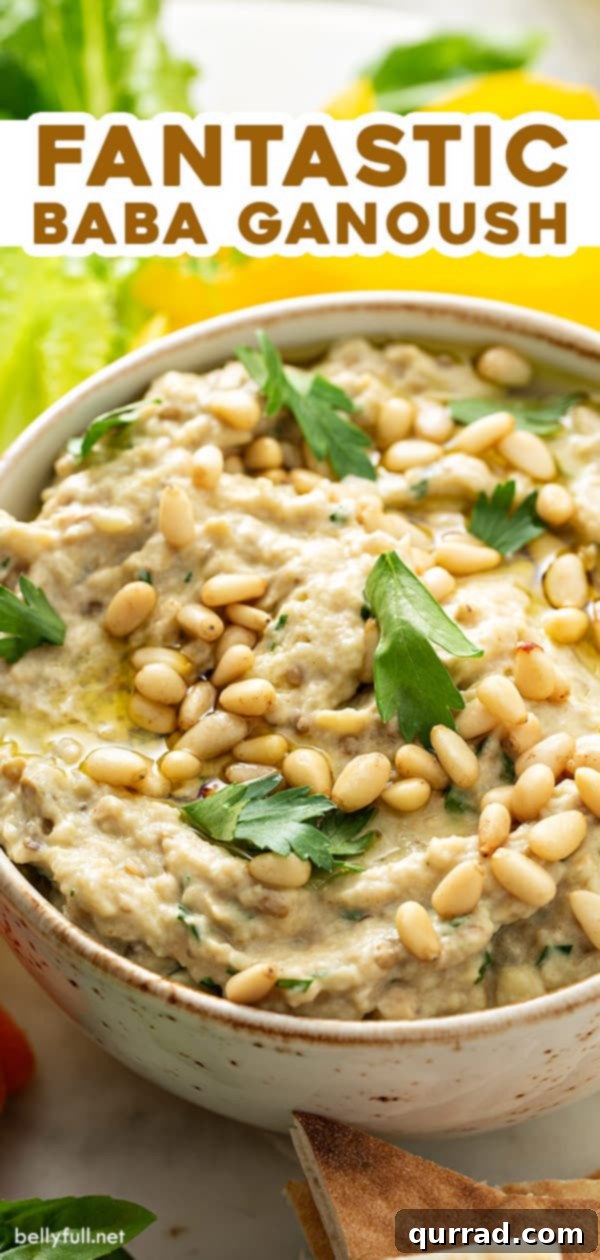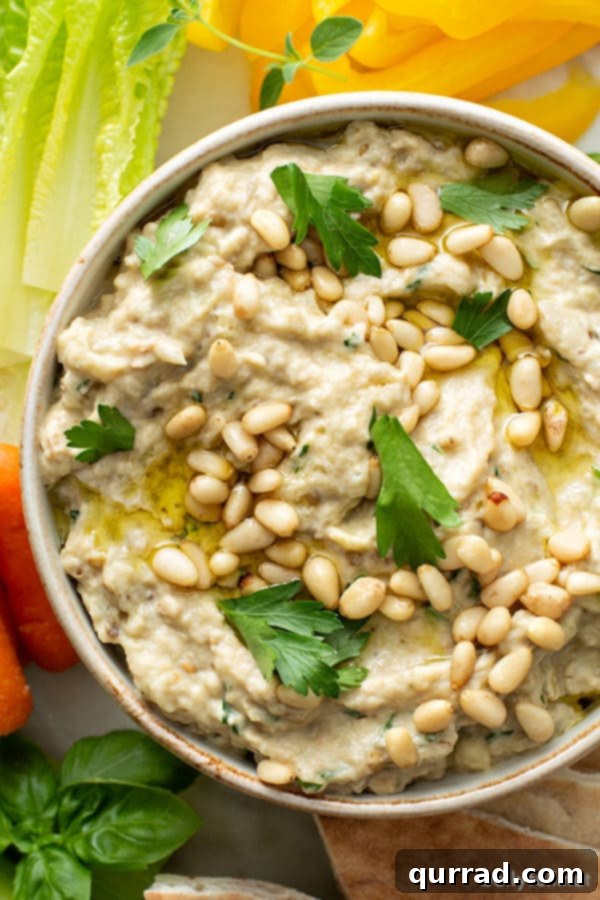
Welcome to the world of Baba Ganoush, a dip so irresistibly rich, smoky, and creamy, it’s destined to become your next obsession! This exceptional roasted eggplant dip is not just a delightful appetizer; it’s a versatile culinary masterpiece that effortlessly elevates snacks and meals alike. Perfect as a healthy snack, a sophisticated appetizer for guests, or a flavorful sandwich spread, this homemade baba ganoush recipe is a true game-changer in any kitchen.
What makes this dip even more appealing is its incredible adaptability to various dietary needs. Naturally vegetarian, low-carb, keto-friendly, and gluten-free, it caters to a wide range of preferences without compromising on taste or texture. Prepare to indulge in a dip that’s as wholesome as it is delicious, promising a burst of Mediterranean flavor in every scoop!
If you enjoy discovering new, savory dips, explore some other healthy favorites like our creamy white bean dip, the vibrant layered Greek dip, or a refreshing easy veggie dip. Each offers a unique flavor profile to complement your culinary adventures.
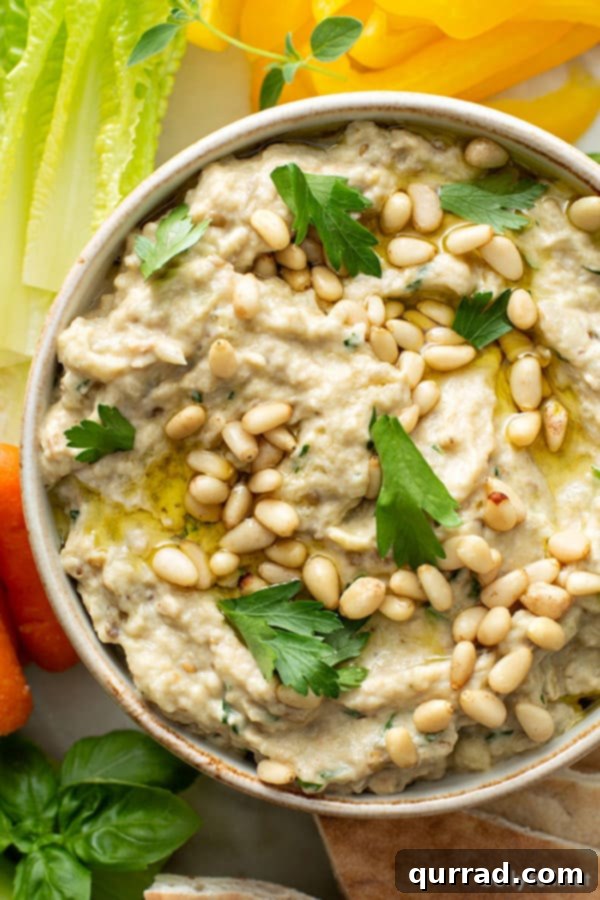
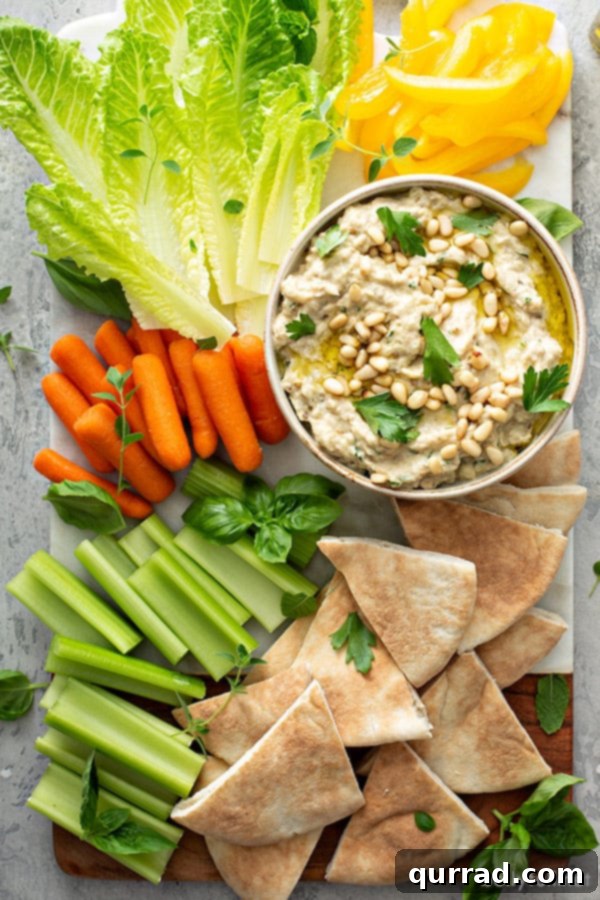
The moment a bowl of freshly prepared baba ganoush and an assortment of dippers appears, it’s hard to resist its allure. Its enchanting blend of smoky, creamy textures and profound flavors makes it an instant favorite. For many, it’s not just a dip; it’s an experience. This particular baba ganoush recipe has earned its place as a quintessential afternoon snack, delivering consistent satisfaction with every bite. The deep, earthy notes of roasted eggplant, combined with bright lemon and savory tahini, create a symphony of flavors that truly sets it apart.
What is Baba Ganoush? Unveiling the Mediterranean Gem
Baba Ganoush is a cornerstone of Mediterranean and Middle Eastern cuisine, a renowned appetizer beloved for its robust flavor and silky texture. At its heart lies the humble eggplant, transformed through grilling or roasting into a luxurious, spreadable dip. The name itself, “baba ganoush,” has a charming origin; in Arabic, “baba” means father, and “ghanoush” translates to spoiled. Thus, the name roughly means “spoiled dad,” humorously suggesting a dish so delightful it would spoil even the most demanding father.
Often compared to hummus, another popular dip, baba ganoush distinguishes itself by featuring eggplant as its star ingredient, rather than chickpeas. While both share a similar creamy consistency and are frequently served side-by-side with warm pita bread or crisp raw vegetables, baba ganoush offers a distinctive smoky depth that is truly unique. It’s a celebration of simple ingredients coming together to create something truly extraordinary. Understanding its roots enhances the appreciation for this timeless dip, making each serving a journey to its rich cultural heritage.
Why Homemade Baba Ganoush is Always Best
While store-bought baba ganoush offers convenience, making it at home unlocks a world of superior flavor and texture. Homemade versions allow you to control the quality of ingredients, ensuring freshness and avoiding unwanted additives. You can tailor the smokiness to your liking, adjust the garlic and lemon for perfect balance, and achieve that ideal creamy-yet-chunky texture that’s often missing in commercial products. The process of roasting or grilling the eggplant fills your kitchen with an enticing aroma, signaling the deliciousness to come. Plus, knowing exactly what goes into your food brings an added layer of satisfaction and health benefits. This recipe guides you through creating a dip that tastes authentic, vibrant, and utterly delicious.
The Essential Ingredients for Perfect Baba Ganoush
The magic of baba ganoush lies in its relatively simple yet perfectly balanced set of ingredients. Each component plays a vital role in creating its signature flavor and creamy texture. Here’s a detailed look at what you’ll need to craft this exquisite eggplant dip:
- Eggplant: The Heart of the Dip
This recipe primarily calls for two small-to-medium eggplants. Smaller eggplants tend to have fewer seeds and a less bitter taste, which is ideal for a smoother, milder dip. However, a large globe eggplant can certainly be used if that’s what’s available. The cooking method for the eggplant—whether baked or grilled—is crucial as it imparts the foundational smoky flavor that defines baba ganoush. - Tahini Paste: The Creamy Binder
Tahini is a paste made from toasted ground sesame seeds, a staple in Mediterranean and Middle Eastern cooking. It’s indispensable for baba ganoush, contributing a rich, nutty depth and a velvety smooth texture that binds all the ingredients together. Choose a good quality tahini for the best results; it should be pourable, not stiff. - Garlic: The Aromatic Foundation
Garlic cloves infuse the dip with a pungent, aromatic warmth. This recipe suggests two cloves, but the beauty of homemade baba ganoush is the flexibility to adjust. Feel free to increase or decrease the amount based on your preference for a stronger or milder garlic presence. Freshly minced garlic is always recommended for maximum flavor. - Lemon Juice: The Brightening Zest
Freshly squeezed lemon juice is essential for cutting through the richness of the tahini and eggplant, adding a bright, zesty tang that uplifts the entire dip. Two tablespoons provide a balanced citrus note, but taste and adjust as needed to achieve your desired level of brightness. - Plain Yogurt (Optional, but Recommended): For Extra Creaminess and Tang
While not strictly traditional in all baba ganoush recipes, a touch of plain full-fat or Greek yogurt is a highly recommended addition. It enhances the dip’s creaminess, introduces a subtle tanginess, and lightens its color for a more visually appealing presentation. For a vegan version of this dip, simply omit the yogurt. - Seasonings: Unlocking Depth and Warmth
Salt and pepper are non-negotiable for seasoning any dish, and baba ganoush is no exception. Beyond the basics, this recipe incorporates cumin for an earthy warmth, paprika (preferably smoked paprika for an extra layer of smoky flavor), and a pinch of red pepper flakes for a subtle, pleasing heat. These spices prevent the dip from tasting flat, adding complex layers of flavor that are truly fantastic. - Garnish: The Finishing Touch
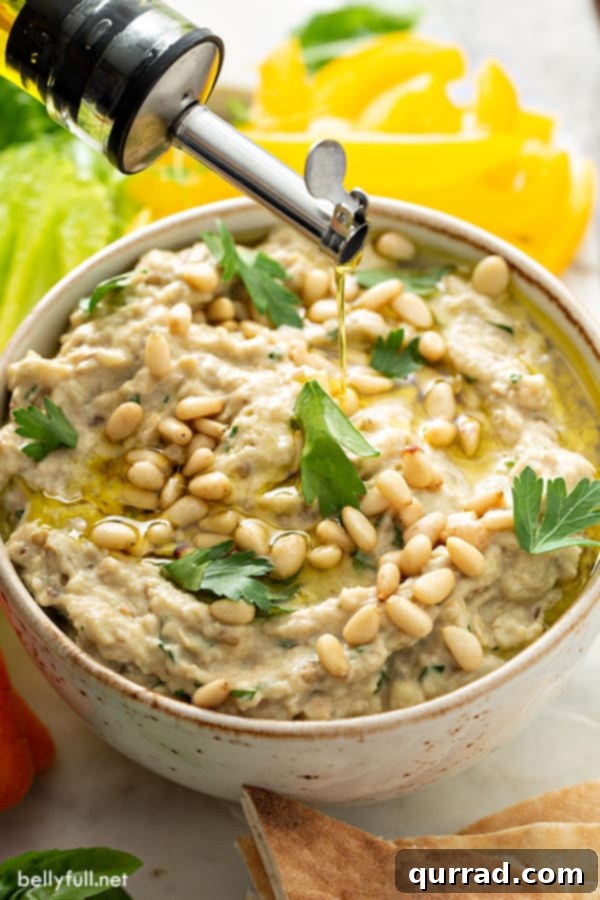
A sprinkle of fresh chopped parsley and toasted pine nuts, along with a drizzle of high-quality extra virgin olive oil, are optional garnishes that elevate the dip both visually and gastronomically. These additions provide fresh flavor, textural contrast, and a touch of elegance, making your baba ganoush presentation even more inviting.
Grill or Roast the Eggplant? Achieving That Signature Smoky Flavor
The choice between grilling and roasting your eggplant is key to defining the flavor profile of your baba ganoush. Both methods aim to soften the eggplant and infuse it with a smoky essence, but they achieve this in slightly different ways.
Traditional Grilling Method
Traditionally, baba ganoush calls for grilling the eggplant. This method directly exposes the eggplant to high heat, resulting in a beautiful char and an intense, authentic smoky flavor. To grill, simply place whole eggplants (without foil) over high heat, turning them frequently until the skin is thoroughly charred and the flesh is exceptionally soft and collapsed. Once grilled, transfer the hot eggplants to a paper bag, seal it, and let them steam in their skins for 15-20 minutes. This steaming process makes peeling off the charred skin incredibly easy, leaving you with tender, smoky eggplant flesh ready for the dip.
Convenient Oven Roasting Method
If you don’t have access to a grill or prefer a simpler approach, roasting the eggplant in the oven is a fantastic alternative that still delivers a wonderful smoky depth. By slicing the eggplant in half lengthwise and roasting it cut-side down, you allow the sugars to caramelize against the baking sheet, creating a rich, slightly charred surface that mimics the grilled flavor. This is the preferred method for many, including this recipe, due to its ease and reliable results. The caramelization provides a subtle smokiness and a lovely depth of flavor that complements the other ingredients beautifully.
Blend with a Food Processor or Mash with a Fork? The Texture Debate
The texture of baba ganoush is a matter of personal preference, and recipes often fall into one of two camps: blending for smoothness or mashing for a chunkier consistency.
For a Textural Experience: Mashing with a Fork
In my opinion, the very best baba ganoush offers a delightful texture—creamy yet with discernible bits of eggplant. This is why I strongly advocate for simply mashing and stirring all the ingredients together with a fork in a bowl. Roasted eggplant becomes incredibly tender and naturally falls apart with ease, making fork mashing a quick and effective method. This approach not only yields a more rustic and satisfying texture but also has the added benefit of significantly less cleanup! The slight unevenness in texture adds to the homemade charm and allows the eggplant to truly shine.
For Silky Smoothness: Using a Food Processor
If you prefer an ultra-smooth, almost puréed baba ganoush, a food processor is your tool of choice. When using a food processor, be mindful not to over-process the mixture. Over-blending can break down the eggplant’s fibers too much, potentially leading to a pasty, gummy consistency rather than a light, airy dip. Pulse gently until you reach your desired smoothness, ensuring you retain the vibrant flavors without compromising the texture.
What to Serve with Baba Ganoush: Versatile Pairing Ideas
Basic baba ganoush is a universal crowd-pleaser, making it an ideal appetizer for any gathering. Its inherent dietary flexibility is a huge advantage: it’s always vegetarian and gluten-free. If you skip the pine nuts, it’s also nut-free, and by omitting the optional yogurt, it becomes entirely vegan. This makes it a perfect choice for accommodating diverse guest needs.
Here are some popular and creative ways to enjoy your homemade baba ganoush:
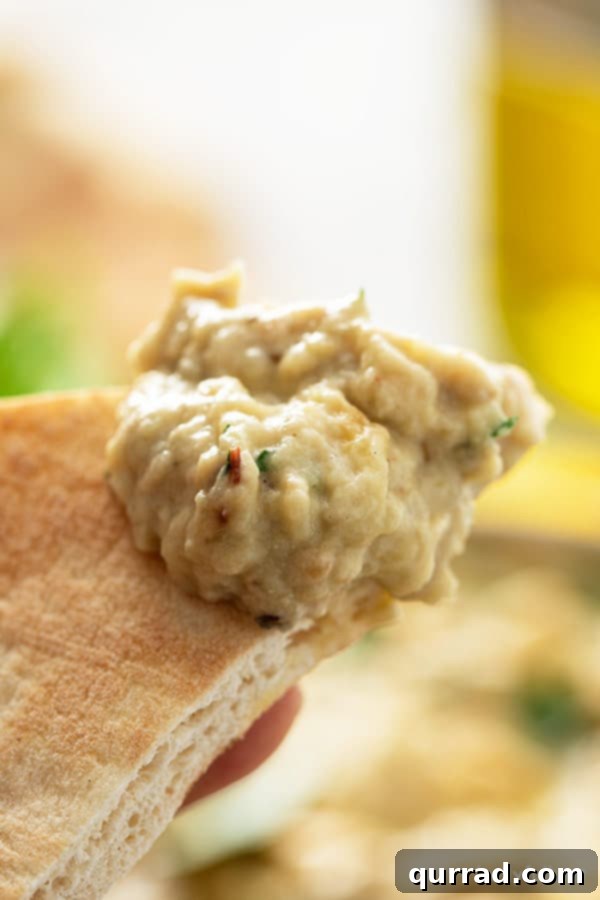
- Traditional Dippers: The classic choice includes toasted pita wedges or warm, fluffy pita bread. For a healthier, low-carb option, serve with an assortment of raw vegetables such as crisp carrot sticks, crunchy celery stalks, colorful bell pepper strips, cucumber slices, or cherry tomatoes.
- Beyond the Dip: Baba ganoush isn’t just for dipping! It makes a fantastic sandwich spread, adding a rich, smoky layer to wraps, pitas, or even a classic turkey sandwich. It can also be spread on toast or crackers for a quick and satisfying snack.
- Mezze Platter Essential: Integrate baba ganoush into a larger Mediterranean mezze platter alongside hummus, tabbouleh, olives, feta cheese, and dolmades for an impressive spread.
- As a Side Dish: Serve it as a flavorful accompaniment to grilled meats like chicken or lamb, or alongside falafel for a complete meal. Its creamy texture provides a wonderful contrast to heartier dishes.
- Creative Culinary Uses: Consider using it as a base for flatbread pizzas, a topping for baked potatoes, or even stirred into warm grains like couscous or quinoa for added flavor and creaminess.
The versatility of baba ganoush means you can always find a new and exciting way to enjoy its rich, smoky goodness!
Storage and Make-Ahead Tips for Baba Ganoush
While fresh baba ganoush is undeniably at its peak flavor and texture on the day it’s made, it remains wonderfully delicious the following day and can be enjoyed for several days after. Proper storage is key to maintaining its quality and freshness.
How to Store Leftovers
Any leftover baba ganoush should be transferred to an airtight container and stored in the refrigerator. When properly sealed, it will keep beautifully for up to 3 days. This prevents it from absorbing refrigerator odors and helps maintain its vibrant flavor.
Serving Temperature
You have flexibility when it comes to serving temperature. Some prefer their baba ganoush chilled right out of the fridge, finding its cool creaminess refreshing. Others prefer to let it come to room temperature for 15-30 minutes before serving, as this can enhance the complex flavors and make the dip feel slightly more luxurious. This is purely a matter of personal preference, so feel free to experiment to find what you enjoy most.
Make-Ahead Considerations
Baba ganoush is an excellent make-ahead appetizer. Preparing it a day in advance can sometimes even deepen the flavors as the ingredients have more time to meld together. Simply follow the recipe instructions, store it in the refrigerator, and then allow it to come to your preferred serving temperature before garnishing and presenting. This makes it perfect for entertaining, allowing you to focus on other aspects of your meal.
Frequently Asked Questions (FAQ) About Baba Ganoush
1. Can I use canned eggplant?
No, canned eggplant is not suitable for baba ganoush. The core of this dip is the smoky flavor and tender texture achieved through roasting or grilling fresh eggplant. Canned eggplant would result in a bland flavor and mushy texture, completely altering the authentic taste.
2. How can I make my baba ganoush smokier?
For maximum smokiness, grill your eggplants over an open flame until well charred. If using an oven, you can try charring the eggplant halves directly under the broiler for a few minutes after roasting, or adding a touch of liquid smoke (sparingly!) to the finished dip. Using smoked paprika also enhances the smoky notes.
3. My baba ganoush is too bitter. What went wrong?
Bitterness can occur if the eggplant is very mature, has too many seeds, or isn’t properly drained. To avoid this, choose smaller, younger eggplants. After roasting and scooping out the flesh, allow it to drain in a colander for a few minutes to remove excess moisture and any bitter liquids. Adding a little extra lemon juice can also help counteract any lingering bitterness.
4. Can I freeze baba ganoush?
While technically possible, freezing baba ganoush is not recommended. The texture of the eggplant can become watery and separated upon thawing, and the creamy consistency may be compromised. It’s best enjoyed fresh or stored in the refrigerator for up to 3 days.
5. What kind of tahini should I use?
Opt for a good quality, runny tahini for the best results. The consistency of tahini can vary greatly; a good tahini should be easy to stir and pour. If your tahini is very thick, you might need to add a little extra water or olive oil to the dip to achieve the desired creaminess.
6. How can I adjust the consistency if it’s too thick or too thin?
If your baba ganoush is too thick, gradually add a tablespoon of cold water or a drizzle of extra olive oil until it reaches your desired consistency. If it’s too thin, you can try adding a bit more tahini, or allow it to chill in the refrigerator for a longer period, which can sometimes help it firm up slightly.
These FAQs should help you troubleshoot common issues and perfect your baba ganoush-making skills!
Other Delicious Eggplant Recipes to Explore!
If you’ve fallen in love with the versatility of eggplant after making this baba ganoush, there are many more exciting ways to incorporate this nutritious vegetable into your cooking. Here are a few favorite eggplant-centric recipes to inspire your next meal:
- The absolute best! Ratatouille Recipe
- Simple and flavorful: Grilled Eggplant
- A vibrant side: Oven Roasted Eggplant (with cherry tomatoes)
- Mediterranean inspired: Eggplant with Couscous
We hope you thoroughly enjoy this rich, smoky, and healthy baba ganoush recipe. Your feedback is important to us, so please feel free to leave a review below after you’ve tried it! Don’t forget to follow us on Facebook, Instagram, Pinterest, and YouTube for more delicious recipes and cooking inspiration!
Baba Ganoush (Roasted Eggplant Dip)
Prep Time: 20 mins
Cook Time: 35 mins
Cool Down: 15 mins
Total Time: 1 hr 10 mins
Servings: 6 (about 1 3/4 cups total)
This rich, smoky, creamy baba ganoush recipe is a healthy and easy roasted eggplant dip that can be enjoyed as an appetizer, snack, or sandwich spread.
Ingredients
- 2 pounds eggplant (2 small-to-medium eggplants)
- 1/4 cup extra-virgin olive oil, divided
- 3 tablespoons tahini
- 2 tablespoons plain full-fat yogurt (optional but recommended)
- 2 tablespoons fresh lemon juice
- 2 clove garlic, finely minced
- 1 tablespoon finely chopped parsley, plus more for garnish
- 3/4 teaspoon kosher salt, or more to taste
- 1/8 teaspoon cumin
- Pinch smoked paprika
- Pinch red pepper flakes
- Toasted pine nuts, for serving, optional
- Toasted pita wedges and/or an assortment of sliced veggies, for serving
Instructions
- Preheat oven to 400 degrees F with the rack in the middle position.
- Poke the eggplants in several places with the tines of a fork. Slice them in half lengthwise and brush the cut sides lightly with olive oil (about 1 tablespoon).
- Place on a baking sheet, cut side down, and roast until very tender and deflated, about 35-40 minutes. Remove from oven and allow to cool for 15 minutes.
- When the eggplant has cooled, scoop the flesh out (leaving the skins behind) and transfer to a colander; let drain for a few minutes (don’t skip this step!).
- Dump the eggplant flesh into a large bowl; pick out any huge clumps of seeds and stray bits of eggplant skin, and discard. Mash well with a fork.
- To the bowl with the eggplant, add the remaining 3 tablespoons olive oil, tahini, yogurt, lemon juice, garlic, parsley, salt, cumin, paprika, and red pepper flakes.
- Mash well. (You want the mixture to be somewhat smooth but still retaining some of the eggplant’s texture.)
- Allow the baba ganoush to cool to room temperature, then taste and adjust the seasoning, if necessary.
- If you have time, allow to chill in the fridge for 1-2 hours before serving.
- Swirl a little olive oil on the top, if desired, and garnish with fresh chopped parsley and toasted pine nuts.
- Serve with toasted pita bread and a variety of fresh vegetable dippers.
Notes
- For more tips and frequently asked questions, please refer to the full article.
- Baba ganoush tastes best the same day you make it, but is still wonderful the next day. Leftovers should be stored in an airtight container in the refrigerator for up to 3 days. You can serve it chilled right from the fridge or let it come to room temperature, which is a personal preference.
- Nutritional calculations do not include the pine nuts or dippers.
Nutrition
Calories: 169kcal | Carbohydrates: 12g | Protein: 3g | Fat: 13g | Saturated Fat: 2g | Cholesterol: 1mg | Sodium: 300mg | Potassium: 391mg | Fiber: 5g | Sugar: 6g | Vitamin A: 91IU | Vitamin C: 7mg | Calcium: 34mg | Iron: 1mg
Nutritional information given is an automatic calculation and can vary based on the exact products you use and any changes you make to the recipe. If these numbers are very important to you, we recommend calculating them yourself.