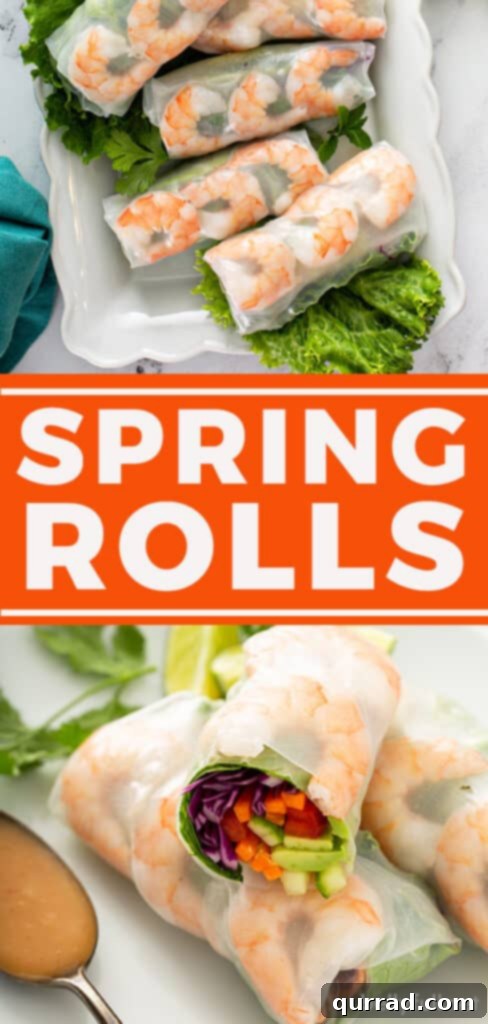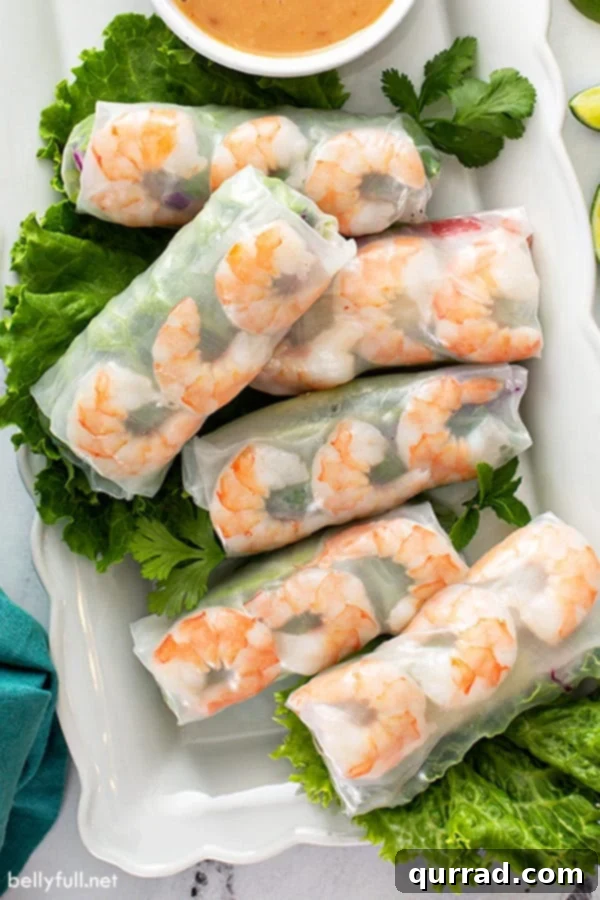
Unlock the secrets to crafting exquisite, restaurant-quality Vietnamese Spring Rolls right in your own kitchen! Forget deep-frying and heavy meals; these fresh, vibrant rolls are a celebration of crisp textures, bright flavors, and wholesome ingredients. Combining an array of colorful vegetables, aromatic herbs, and succulent shrimp, each bite offers a refreshing burst that’s perfect for warm days or when you simply crave something light and healthy. Far easier to assemble than you might imagine, our comprehensive guide, complete with detailed steps and expert tips, will transform you into a spring roll master in no time.
These delectable gems are incredibly versatile. Serve them as a light and satisfying lunch or dinner, or elevate your next gathering by presenting them as an impressive appetizer. They pair perfectly with classic dipping sauces like our homemade sweet chili sauce or a rich, creamy peanut sauce, adding another layer of flavor that truly completes the experience.
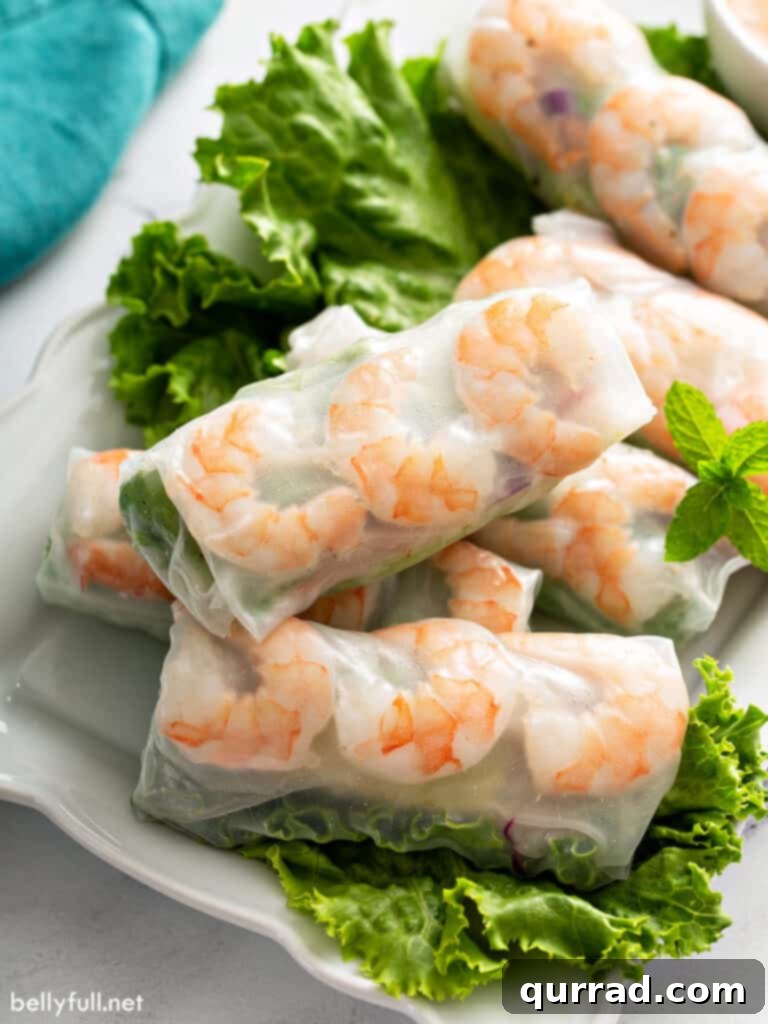
Fresh Vietnamese spring rolls, often distinguished from their deep-fried Chinese counterparts, are a true culinary delight. They are a feast not only for the taste buds but also for the eyes, with their translucent wrappers revealing a kaleidoscope of fresh ingredients. These “summer rolls” (as they are affectionately known) become a perennial craving for me throughout spring and summer, offering an ideal solution when the desire for food that is fresh, crisp, and wonderfully light takes over.
Fresh Spring Rolls vs. Summer Rolls: What’s the Difference?
The culinary landscape can sometimes be confusing with various names for similar dishes. When it comes to fresh spring rolls, rest assured that “fresh spring rolls,” “summer rolls,” “salad rolls,” and “Vietnamese spring rolls” generally refer to the same delightful creation. As confirmed by my dear Vietnamese friend, Lin, these are all terms for the iconic Vietnamese-origin dish. They typically feature a harmonious blend of fresh vegetables, aromatic herbs, delicate rice vermicelli noodles (though optional in some versions), and succulent shrimp, all elegantly encased in a translucent rice paper wrapper and served chilled alongside a flavorful dipping sauce.
It’s important not to confuse these with Chinese spring rolls or egg rolls, which utilize a different style of wrapper and are traditionally deep-fried, serving a distinct culinary purpose. Think of it this way: while all summer rolls can be categorized as a type of spring roll, not all spring rolls (especially the fried varieties) can be called summer rolls.
Why Vietnamese Spring Rolls Are a Culinary Favorite
Summer rolls truly have an abundance of appealing qualities that make them a beloved choice for so many. They are:
- Incredibly Refreshing and Light: Unlike many appetizers or meals, these rolls involve no oil in their preparation and are served cold. Filled with the freshest possible ingredients, they are the perfect antidote to hot weather, offering a cooling and revitalizing eating experience. Each bite feels clean and invigorating.
- Visually Stunning and Colorful: The beauty of spring rolls lies in their presentation. The translucent rice paper beautifully showcases the vibrant, contrasting colors of the fillings – from the bright green of lettuce and herbs to the rich red of bell peppers and the cheerful orange of carrots. This makes them a visually appealing addition to any table, particularly delightful for brunches, luncheons, or any occasion where presentation matters. They truly “pop” on the plate!
- Remarkably Healthy: For those conscious of their diet, Vietnamese spring rolls are an excellent choice. They are naturally low in fat, low in calories, and can easily be adapted to be low-carb and gluten-free. By simply omitting the shrimp, they transform into a delicious and satisfying vegan option, making them accessible to a wide range of dietary preferences. They embody healthy eating without sacrificing flavor.
- Amazingly Versatile: While we’re excited to share our favorite filling combination, the beauty of these rolls lies in their adaptability. They are incredibly forgiving and can be customized to suit your personal tastes or whatever fresh ingredients you happen to have on hand. Experiment with different proteins like grilled chicken or tofu, various vegetables, and an array of fresh herbs to create your unique signature roll.
- Incredibly Delicious: Beyond their healthy attributes, these rolls deliver on taste. They offer a delicate flavor profile, subtly enhanced by the fresh herbs, and provide a delightful satisfying crunch from the raw vegetables. When perfectly paired with a complementary dipping sauce—be it a sweet chili, a savory peanut, or a rich hoisin—the flavors meld into an unforgettable culinary experience.
- Fun and Engaging to Make: The process of assembling spring rolls is often likened to stuffing and rolling a burrito, but with a lighter, more artistic touch. It’s an enjoyable, hands-on activity that can be a great way to engage family and friends in the kitchen. There’s a certain satisfaction that comes from creating these beautiful, edible parcels.
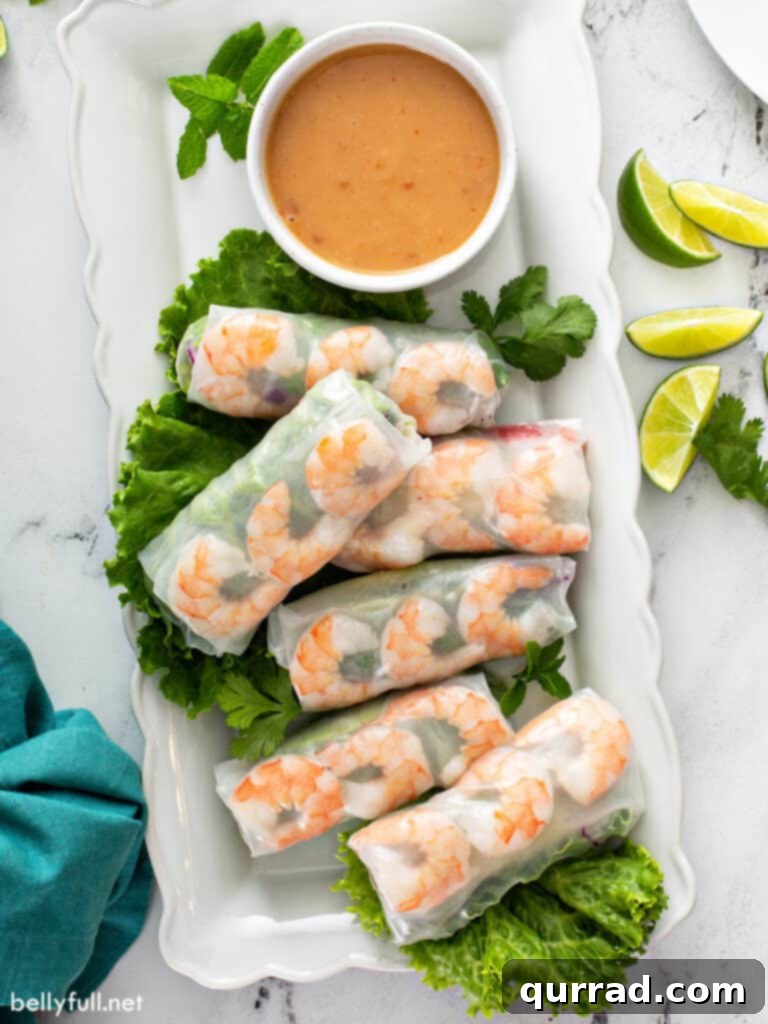
Essential Ingredients for Perfect Spring Rolls
At their core, Vietnamese Spring Rolls are typically built around a foundation of fresh vegetables, aromatic herbs, succulent shrimp, and fine rice vermicelli noodles. In this particular recipe, we’ve opted to omit the noodles for a lighter, more vegetable-forward experience, but feel free to reintroduce them or adjust any other ingredients to perfectly match your preferences. The true magic of these rolls lies in their incredible versatility and how easily they adapt to your creative touch.
To craft your perfect batch of fresh spring rolls, you’ll need the following key components:
- Rice Paper Wrappers: This is the canvas for your culinary masterpiece. You’ll need round rice paper wrappers, ideally around 8 1/2 inches in diameter. It’s always a good idea to have a few extra on hand, especially if you’re new to rolling, as they can sometimes tear during the learning process. More detailed information about selecting and handling these wrappers is provided below.
- Shrimp: For the best results, opt for medium-sized shrimp (roughly 21 to 25 count per pound). If you purchase them frozen, ensure they are thoroughly thawed before cooking. While pre-cooked shrimp offer a shortcut, we highly recommend buying them still in their shells and boiling them briefly for a few minutes. This method yields a brighter, more appealing pink color and superior fresh flavor. Once cooked and cooled, simply remove the shells and prepare them for rolling.
- Lettuce: Serving as the foundational layer, lettuce provides a stable “holder” for the medley of vegetables, herbs, and any noodles you might include. It’s also crucial for preventing the filling from poking through or falling out as you roll. Green leaf lettuce leaves are an excellent choice due to their flexibility, but butter lettuce also works beautifully. Remember to snap off any thick stem ends, as these can easily puncture the delicate rice paper.
- Vibrant Vegetables: Our go-to combination for a balance of taste, texture, and eye-catching color includes crisp carrots, finely shredded purple cabbage, sweet red bell pepper, refreshing cucumber, and creamy avocado. The trick is to cut all these vegetables into uniform, long matchsticks. This ensures that each ingredient runs the full length of the roll, allowing you to savor a taste of everything in every delightful bite. Feel free to experiment with other favorites like jicama, bean sprouts, or thin strips of mango.
- Aromatic Herbs: Fresh basil, mint, and cilantro are indispensable, infusing the rolls with bright, savory, and wonderfully aromatic flavors. These herbs are what give Vietnamese spring rolls their signature refreshing quality. Adjust the quantities to your liking, or if you have a strong preference, feel free to omit one or focus on another.
- Perfect Dipping Sauce: No Vietnamese spring roll is complete without its accompanying dipping sauce. These rolls are perfectly complemented by our homemade sweet chili sauce, a rich and nutty peanut sauce (recipe provided further down), or a classic hoisin sauce. The dipping sauce is truly the secret weapon that elevates the entire experience.
Mastering Rice Paper Wrappers: The Heart of Your Spring Rolls
Since the rice paper wrapper is such a pivotal component of summer rolls and can seem a bit daunting to work with initially, it warrants a closer look. Understanding these delicate sheets is key to achieving perfectly rolled spring rolls.
Summer rolls are enveloped in thin sheets of rice paper, which are primarily crafted from rice flour, often with the addition of tapioca flour, water, and a touch of salt. You’ll find them sold in a dry, brittle state, resembling rigid discs. However, their magic unfolds when they are briefly submerged in water: they transform into a pliable, almost translucent material with a wonderfully slightly chewy texture, perfect for wrapping.
When purchasing your wrappers, always look for those made predominantly with rice flour, or a combination of rice and tapioca flour. It’s advisable to avoid wrappers that are 100% tapioca, as these tend to be much more finicky and challenging to handle without tearing. For this recipe, 8 1/2-inch diameter wrappers are the ideal size, offering a good balance for generous fillings without being too cumbersome to roll. While many brands are available, the “Three Ladies” brand is highly regarded for its consistent quality and ease of use.
Finding these wrappers is generally quite easy. They are, of course, a staple at any Asian market. However, with the increasing popularity of global cuisine, most well-stocked common grocery stores now carry them. Look for them in the International aisle, usually alongside other Asian food products. Should you have difficulty locating them locally, they are also readily available for purchase online.
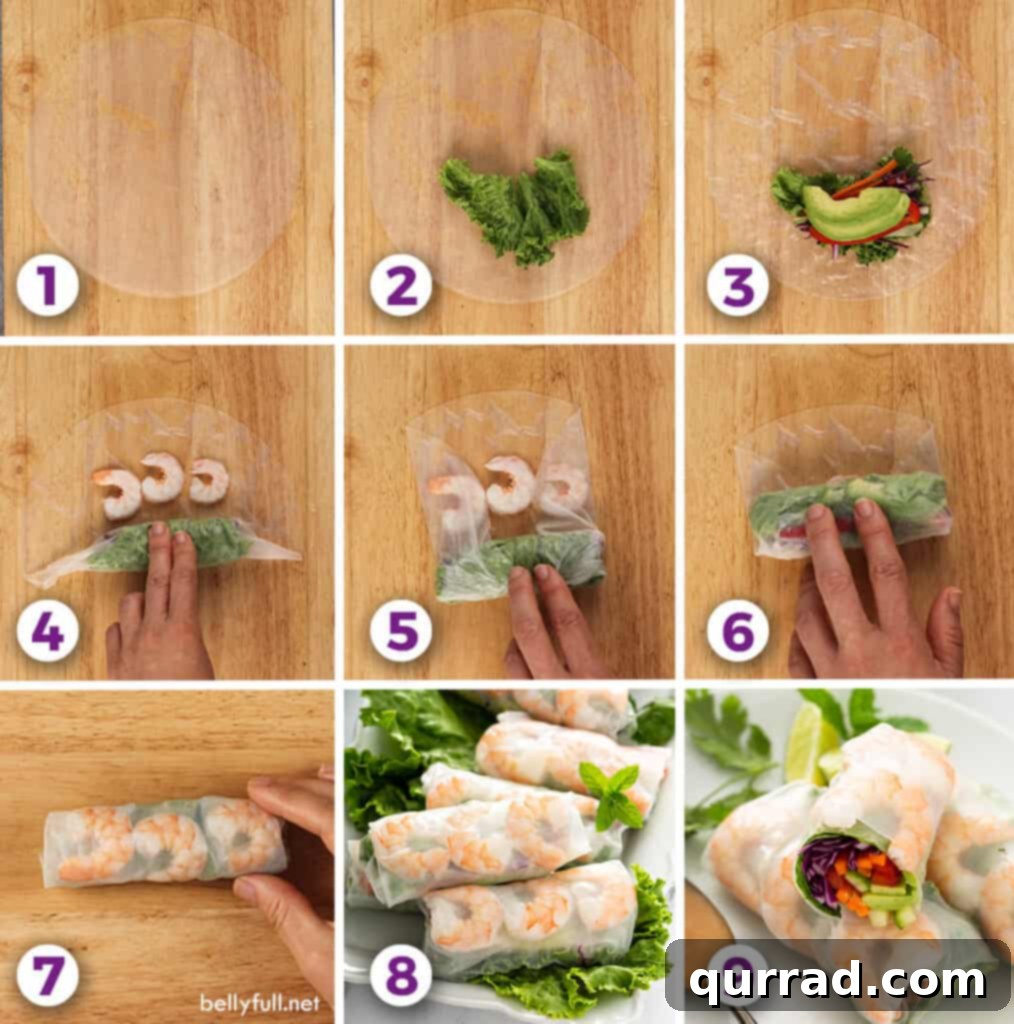
Simple Steps to Perfectly Roll Your Spring Rolls
Creating these fresh spring rolls is much like setting up an efficient assembly line. Once all your ingredients are prepped and organized, the rolling process becomes surprisingly straightforward and enjoyable. Here’s a concise overview of the steps involved, designed to make your spring roll assembly smooth and successful:
- Set Up Your Work Station: Begin by preparing a clean, flat surface. A cutting board or a clean, lightly damp (and lint-free) kitchen towel laid directly on your counter works perfectly. The dampness helps prevent the softened rice paper from sticking too much.
- Prepare All Ingredients: This crucial step ensures a seamless rolling process. If using raw shrimp, cook them until pink and opaque, then cool and slice each medium shrimp in half horizontally (with your knife parallel to the cutting board). Next, uniformly chop all your chosen vegetables into long, thin matchstick slices. Aim for consistency in size, as this ensures even distribution of flavor and texture in every bite.
- Soften the Rice Paper: Fill a pie plate or a large, shallow bowl with cool water. Take one rice paper wrapper at a time and immerse it fully in the water for a brief 10-15 seconds. Gently shake off any excess liquid. It’s normal for the rice paper to still feel a bit stiff at this point; it will continue to soften and become perfectly pliable as you begin to add the filling. Be careful not to over-soak, as overly soft wrappers can become difficult to handle and prone to tearing.
- Begin Layering the Filling: Carefully lay your softened rice paper wrapper flat on your prepared work surface. Place a single piece of lettuce leaf over the bottom third of the rice paper. On top of the lettuce, artfully arrange your fresh basil, mint, and cilantro leaves. Follow this with a generous portion of your prepped carrots, cabbage, bell pepper, cucumber, and avocado. Season this vibrant medley lightly with salt and pepper to taste.
- Add Shrimp and Roll with Precision: Gently but firmly begin to roll the bottom edge of the rice paper wrapper up and over the filling, creating a tight cylinder for about halfway. Once rolled halfway, arrange 3 shrimp halves, cut side up, neatly along the crease of the roll. Now, fold the sides of the rice paper inward, much like you would fold the sides of an envelope or a burrito. Continue rolling the paper tightly upwards to completely seal the roll. Work carefully to prevent tearing the delicate rice paper. The natural stickiness of the softened rice paper will ensure everything stays securely in place.
The Art of Dipping: Perfect Spring Roll Sauces
Vietnamese Spring Rolls are almost universally served with a complementary dipping sauce, which is essential for enhancing their fresh flavors. While I often find myself reaching for my cherished homemade sweet chili sauce, and hoisin sauce is another wonderfully savory option, many people have a particular fondness for a rich and creamy peanut sauce. Here’s an excellent recipe for a homemade peanut sauce that perfectly complements these fresh rolls:
Homemade Peanut Sauce for Spring Rolls
Ingredients:
- 1/4 cup creamy peanut butter
- 4 teaspoons reduced sodium soy sauce
- 1 tablespoon freshly squeezed lime juice
- 2 teaspoons brown sugar
- 1 teaspoon chili garlic sauce (adjust to your preferred spice level)
- 1 teaspoon freshly grated ginger
- 2-3 tablespoons water (for desired consistency)
Instructions:
To prepare this flavorful peanut sauce, simply whisk together the creamy peanut butter, low-sodium soy sauce, fresh lime juice, brown sugar, chili garlic sauce, and grated ginger in a small bowl until thoroughly combined. Gradually whisk in 2 to 3 tablespoons of water, adding more or less as needed, until you achieve a smooth, creamy consistency that’s perfect for dipping.
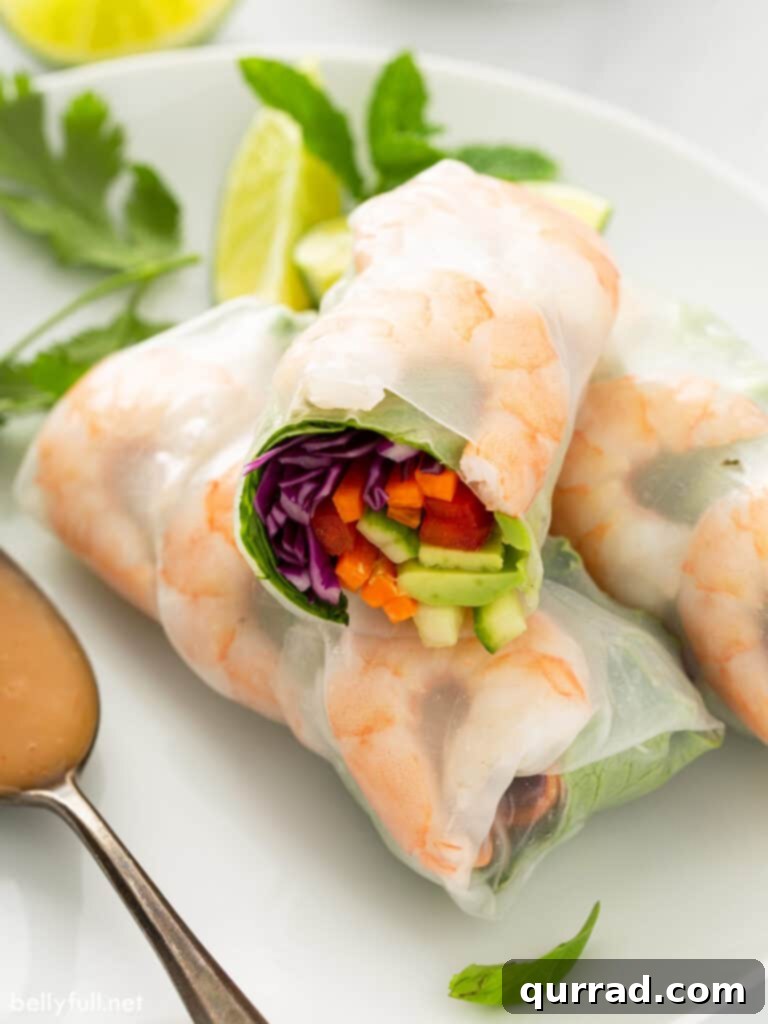
Expert Tips for Storing Your Summer Rolls
For the absolute best texture and visual appeal, fresh summer rolls are truly at their peak when enjoyed immediately after preparation. Their delicate rice paper wrappers and crisp fillings are most delightful when freshly assembled.
If you anticipate serving them within a couple of hours, you can gently place them on serving plates (avoiding paper plates, as they can absorb moisture and stick). Loosely cover them with plastic wrap or, even better, a lightly damp kitchen towel. Keeping them at room temperature for a short period helps the rice paper retain its soft, pliable texture. It’s generally advised to avoid refrigeration if possible, as the cold air tends to harden the rice paper, making it more prone to tearing and significantly tougher to chew.
However, if immediate consumption isn’t an option and you absolutely must store them overnight, there’s a specific method to minimize quality loss. Each roll should be individually wrapped tightly in plastic wrap. This crucial step helps to prevent them from drying out and, importantly, keeps them from sticking together in an unsightly mess. Once individually wrapped, store them in an airtight container in the refrigerator overnight. While they won’t be quite as perfect as fresh, this method will ensure they remain edible and enjoyable for the next day. A quick tip: if they do harden slightly, letting them sit at room temperature for 15-20 minutes before serving can help soften them slightly.
Watch and Learn: How to Roll Spring Rolls
For a visual guide to mastering the art of rolling Vietnamese spring rolls, a comprehensive video tutorial is available in the recipe section below. This step-by-step video demonstrates the techniques for preparing ingredients and assembling the rolls with ease and precision.
Discover More Asian-Inspired Culinary Delights
If you’ve enjoyed making and savoring these fresh Vietnamese spring rolls, you might also love exploring other delicious Asian-inspired recipes that bring vibrant flavors and unique textures to your table:
- Turon (Sweet Filipino Banana Spring Rolls, often air-fried for a healthier twist)
- Crispy Air Fryer Egg Rolls (A lighter take on a classic fried favorite)
- Homemade Yum Yum Sauce (The perfect creamy, tangy accompaniment for many dishes)
- Filipino Pancit (Flavorful stir-fried noodles packed with vegetables and savory goodness)
- Lumpia (Traditional Filipino Fried Spring Rolls, a delightful crispy treat)
We sincerely hope you cherish this delicious and surprisingly simple recipe. Don’t forget to leave a review below and share your experience!
Fresh Spring Rolls with Peanut Sauce
Restaurant-quality Fresh Spring Rolls with crisp vegetables, herbs, and plump shrimp are combined for a flavor-packed roll with bright, refreshing flavors. These are so delicious, healthy, and pretty!
Ingredients
- 15 medium shrimp (21-25 count), in shell, thawed if frozen
- 10 (8 1/2-inch) round rice paper wrappers (have extra in case they tear)
- 5 green leaf lettuce leaves, thick stem ends removed, torn in half
- 1 cup fresh basil leaves
- 20 fresh mint leaves
- 1/2 cup fresh cilantro leaves
- 1 cup matchstick carrots
- 1 cup shredded purple cabbage
- 1 small red bell pepper, seeds and ribs removed, cut into long matchsticks
- 1/2 English cucumber, seeded and cut into long matchsticks
- 1 medium avocado, peeled, halved, and thinly sliced
- Kosher salt and freshly ground black pepper, to taste
- Sweet chili sauce, for dipping
- Peanut Sauce, for dipping
Peanut Sauce (optional)
- 1/4 cup creamy peanut butter
- 4 teaspoons low-sodium soy sauce
- 1 tablespoon freshly squeezed lime juice
- 2 teaspoons brown sugar
- 1 teaspoon chili garlic sauce, or more to taste
- 1 teaspoon freshly grated ginger
- 2-3 tablespoons water (whisked in to desired consistency)
Instructions
- Prepare the Shrimp: Bring water to a boil in a medium saucepan. Add shrimp and cook for 1 1/2 to 2 minutes until they turn pink and opaque. Drain immediately and cool completely in the refrigerator. Once chilled, peel off the shells. Lay each shrimp flat on a cutting board, gently press down with one hand, and use a sharp knife to slice the shrimp in half horizontally (knife parallel to the board). Repeat for all shrimp and set aside. (While pre-cooked shrimp can save a step, freshly cooked shrimp will offer a brighter color and fresher taste.)
- Prepare Rice Paper: Fill a pie plate or a large, shallow bowl with cool water. Working with one rice paper wrapper at a time, immerse it in the water for 10-15 seconds. Gently shake off any excess liquid and transfer the softened wrapper to a clean, damp dish towel or a damp cutting board. (The wrapper may still feel a bit firm; it will become more pliable as you add the filling. Avoid soaking longer than 15 seconds to prevent it from becoming too soft and difficult to handle.)
- Layer the Filling: Place one piece of lettuce over the bottom third of the softened rice paper. On top of the lettuce, layer your fresh basil, mint, and cilantro. Then, add the matchstick carrots, shredded cabbage, red bell pepper, cucumber, and avocado. Season the filling lightly with kosher salt and freshly ground black pepper, to taste.
- Initial Roll: Tightly roll the bottom edge of the rice paper wrapper up and over the filling, forming a cylinder about halfway.
- Add Shrimp: Neatly arrange 3 shrimp halves, cut side up, along the visible crease of the partially rolled wrapper.
- Final Roll and Seal: Fold in the sides of the rice paper wrapper, mimicking the way you’d fold an envelope or a burrito. Continue to roll the paper upward into a tight cylinder to completely seal the roll. Exercise care not to tear the rice paper. The natural stickiness of the wrapper will help hold everything securely together.
- Storage Before Serving: Transfer the finished spring roll to a clean plate, placing it seam-side down. Cover it with a damp paper towel to prevent drying. Repeat this process with the remaining wrappers and filling until all rolls are made.
- Serve: Serve immediately with your choice of sweet chili sauce and/or peanut sauce for dipping.
- Visual Aid: For a clear visual demonstration of the rolling technique, refer to the step-by-step photos and video provided in the article above.
- Note: Nutritional calculation does not include the dipping sauce.
Video
A video demonstration for making Fresh Spring Rolls is available above, offering visual guidance for each step of the process.
Nutrition
Calories: 61kcal | Carbohydrates: 6g | Protein: 3g | Fat: 3g | Saturated Fat: 1g | Polyunsaturated Fat: 1g | Monounsaturated Fat: 2g | Cholesterol: 23mg | Sodium: 92mg | Potassium: 252mg | Fiber: 3g | Sugar: 2g | Vitamin A: 3458IU | Vitamin C: 26mg | Calcium: 40mg | Iron: 1mg
Nutritional information provided is an estimated automatic calculation and may vary based on specific product brands used and any modifications made to the recipe. If precise nutritional values are critical, independent calculation is recommended.
Please note: this recipe information is for guidance. For detailed and dynamic recipe features, including ratings, adjustable servings, and printable versions, please refer to the original source.