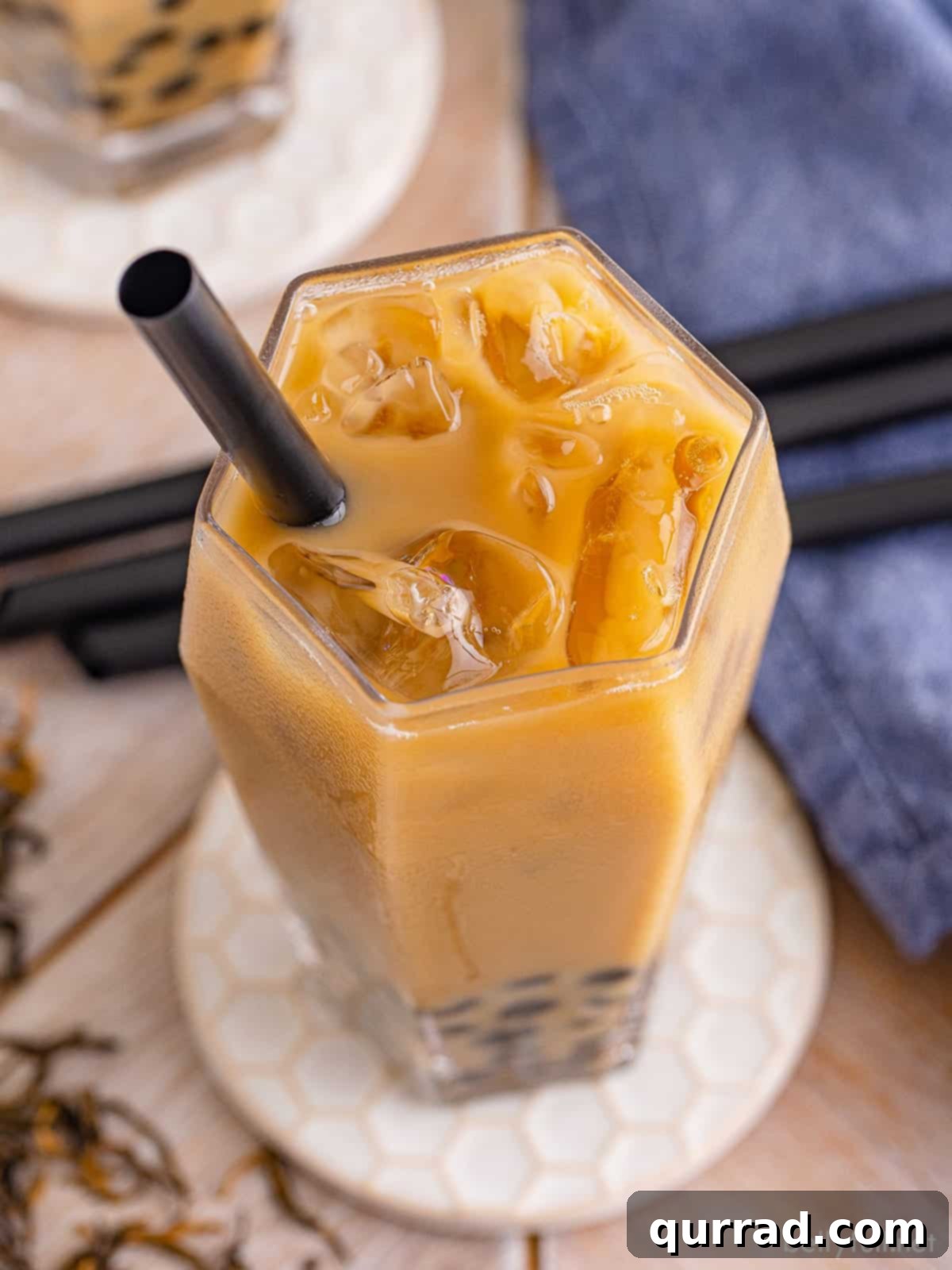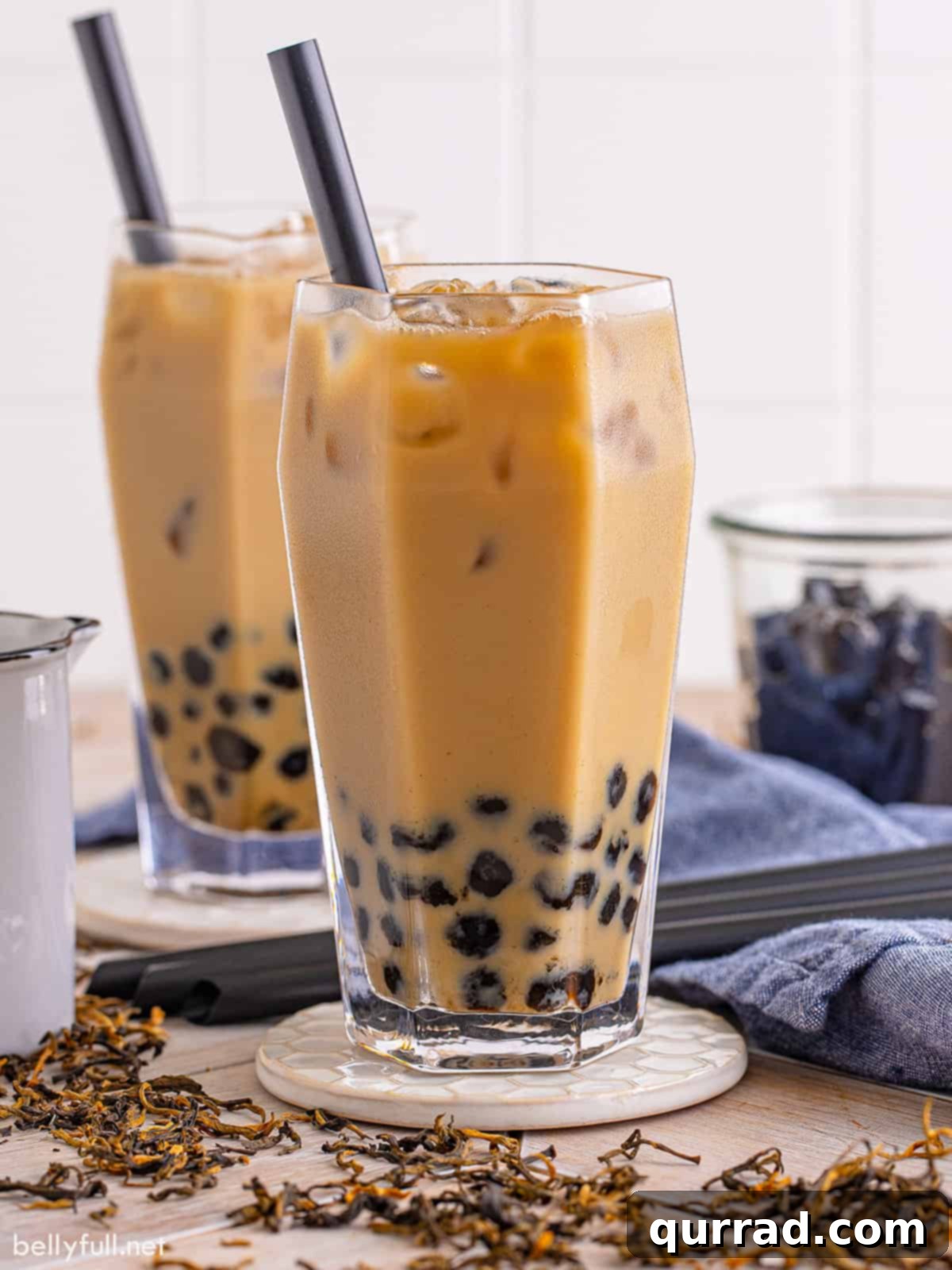
Craving that delightful, chewy, and sweet beverage known as Boba Tea? Also affectionately called Bubble Tea, this popular drink, made with rich black tea, soft tapioca pearls, golden brown sugar, and creamy sweetened condensed milk, is an absolute dream, especially on a warm summer day. Forget the hassle and expense of finding a specialized bubble tea shop; if you can simply boil water, you possess all the skills needed to craft this sensational boba milk tea right in your own kitchen!
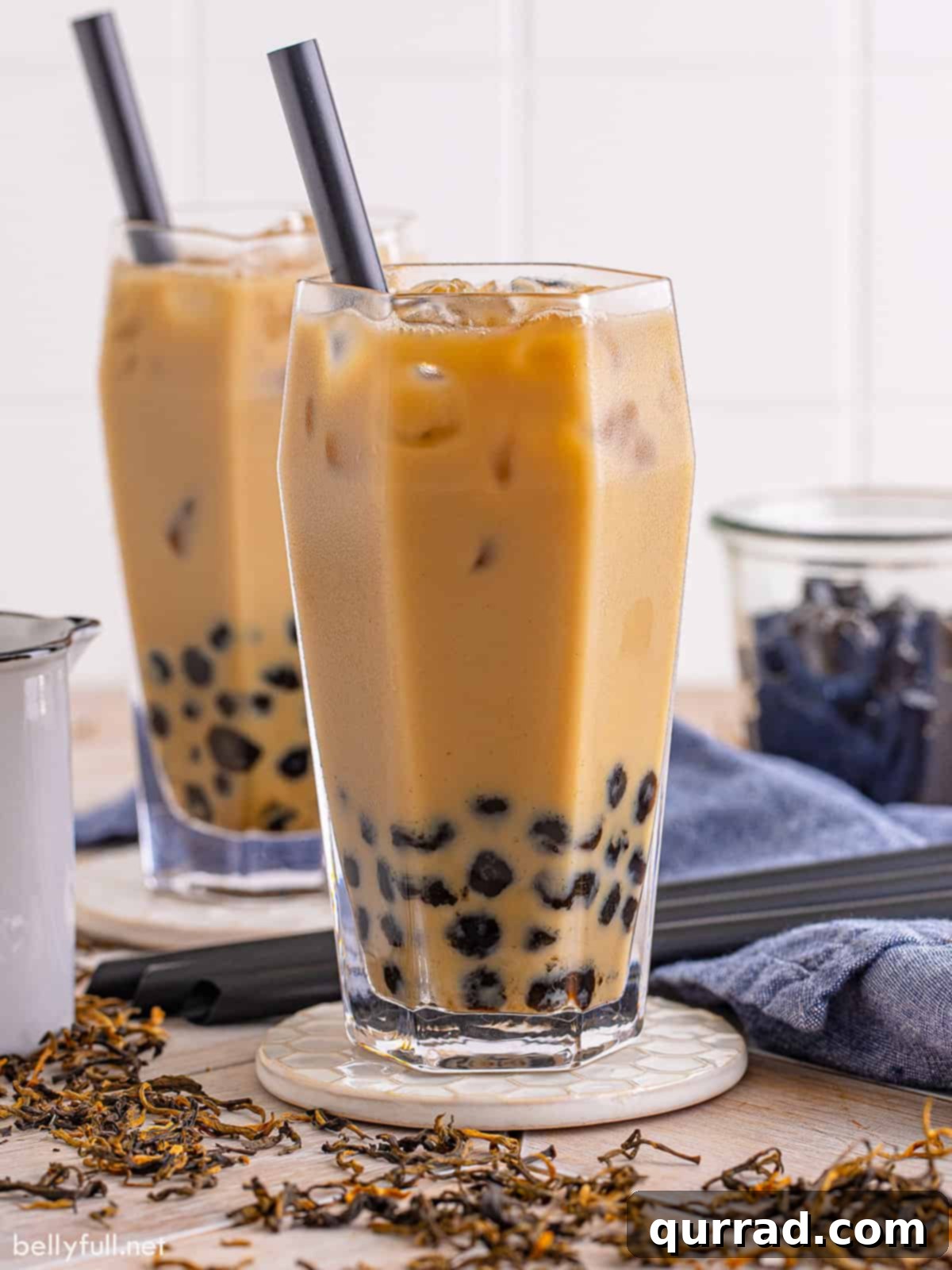
There’s nothing quite like the refreshing sensation of sipping on a cold glass of bubble tea. It’s the perfect pick-me-up, offering both a satisfying thirst-quencher and a gentle caffeine boost all in one delicious package. While the world of boba tea has expanded to include countless imaginative varieties and innovative flavors today, the recipe I’m thrilled to share with you is deeply rooted in the classic, original boba milk tea. It features a robust black tea base, perfectly complemented by just the right amount of rich, velvety sweet creaminess.
What Exactly Is Boba Tea? The Global Sensation Explained
Boba tea, globally recognized by many names including bubble tea, pearl milk tea, or just “boba,” exploded in popularity worldwide a few years ago, capturing the hearts and taste buds of millions. However, its origins are far from recent, tracing back to a rich and vibrant history in Taiwan. The captivating story often told is that boba tea first came into existence in Taiwan during the 1980s. Legend has it that Ms. Lin Hsi Hui, while enjoying her afternoon tea, spontaneously decided to add the tapioca balls from her dessert to her drink. The impromptu creation was an instant hit among her colleagues, leading the tea-room owner to quickly feature it on his menu, sparking a culinary revolution.
So, beyond the captivating origin story, what truly goes into a traditional boba tea? While the market is now flooded with a myriad of creative and often elaborate variations, the quintessential boba milk tea adheres to a simple yet perfect formula: strong black tea, those distinctively chewy tapioca pearls (universally known as “boba”), and a generous addition of milk or cream to achieve its signature creamy texture.
A Deeper Dive into Boba Tea’s Cultural Impact and Evolution
From its humble beginnings in Taiwan, boba tea rapidly evolved from a local specialty to a global phenomenon. Its appeal lies not just in its unique flavor profile but also in the fun, interactive experience of consuming it. The “bubbles” or “boba” are what make this drink truly distinctive, offering a delightful textural contrast to the smooth, creamy tea. Initially, black tea was the standard, but as its popularity grew, variations with green tea, jasmine tea, and even fruit-flavored teas emerged, catering to diverse palates. Sweeteners also diversified beyond brown sugar, incorporating honey, fruit syrups, and various sugar levels to suit individual preferences. The journey of boba tea from a simple dessert-meets-drink innovation to a worldwide cultural icon showcases its remarkable versatility and universal appeal.
Why Craft Your Own Boba Tea? The Advantages of Homemade
While bubble tea shops are abundant, making your own boba tea at home offers a plethora of benefits that go beyond just convenience. Firstly, it’s significantly more cost-effective. Regular trips to a boba shop can add up, but preparing it yourself drastically reduces the expenditure, allowing you to enjoy this delightful treat more often. Secondly, homemade boba tea offers unparalleled customization. You have complete control over the sweetness level, the strength of your tea, the type of milk, and even the quality of your ingredients. This means you can tailor each glass precisely to your liking, ensuring every sip is exactly what you crave. Lastly, there’s an immense satisfaction in creating something delicious from scratch. The process itself can be a fun and rewarding culinary adventure, transforming your kitchen into your very own boba sanctuary.
Essential Ingredients for the Perfect Homemade Boba Tea
The Tea Base: Selecting Your Brew
The foundation of any great boba milk tea is, of course, the tea itself. While you truly can use any tea you enjoy, the most traditional choices for boba tea are robust black tea or fragrant jasmine tea, both known for their strong flavors that stand up well to milk and sugar. For this recipe, we recommend using four black tea bags. However, if you prefer loose-leaf tea, approximately 1/4 cup will achieve a similar strength. Consider varieties like Assam for a malty kick, Earl Grey for a hint of bergamot, or Ceylon for a bright and bold taste. The key is to start with a strong tea, as its flavor will be mellowed by the ice and milk added later. Don’t be afraid to brew it a little stronger than you might typically drink it black.
The Chewy Delight: Understanding Tapioca Pearls (Boba)
The signature “balls” in boba tea are black tapioca pearls, often simply called “boba,” which gives the drink its name. These delightful spheres are made from tapioca starch, giving them their characteristic soft and wonderfully chewy texture. They are typically available in two main forms: regular, which requires longer cooking times, and instant or quick-cooking pearls, which are much faster to prepare. For convenience and speed, quick-cooking tapioca pearls are highly recommended for homemade boba tea. Ensure you purchase black tapioca pearls for the authentic look and taste. The texture of properly cooked boba is crucial – it should be perfectly soft and bouncy, never hard or mushy.
Sweetness and Creaminess: Achieving the Ideal Balance
To achieve the sweet and creamy profile of classic boba milk tea, this recipe utilizes dark brown sugar for the syrup and sweetened condensed milk for the creaminess. Dark brown sugar adds a richer, deeper molasses flavor compared to light brown sugar, contributing significantly to the overall taste of the drink. Sweetened condensed milk not only provides a luxurious creaminess but also additional sweetness, simplifying the flavoring process. However, if you prefer, you can swap the sweetened condensed milk for half-and-half, whole milk, heavy cream, or even non-dairy alternatives like almond milk or oat milk, adjusting the amount of brown sugar syrup or adding a simple syrup to reach your desired level of sweetness.
Helpful Tips for Mastering Your Homemade Boba Tea
- Brew a Strong Black Tea: When steeping your tea, don’t be shy about making it robust. The strong tea flavor is essential as it will be diluted by ice and milk. A bold black tea like Assam or Ceylon provides the best base, ensuring the tea’s character shines through even after mixing. Using 4 tea bags or 1/4 cup loose-leaf tea for 4 cups of water is a good starting point.
- The Perfect Tapioca Pearls: The “boba” are the star! Always follow the package directions for cooking your tapioca pearls. Cook them until they are soft and chewy all the way through, but still retain a slight bounce. After cooking, it’s crucial to immediately drain and rinse them under cold water. This prevents them from sticking together and stops the cooking process, maintaining their ideal texture.
- Don’t Refrigerate Tapioca Pearls: Cooked tapioca pearls are best enjoyed fresh, ideally within a few hours of preparation. Refrigerating them causes them to harden and lose their signature chewiness. If you must store them, keep them at room temperature in the brown sugar syrup for no more than 4-6 hours.
- Watch Your Brown Sugar Syrup: When making the brown sugar syrup, keep a close eye on it. Brown sugar syrup boils very quickly and can easily boil over. Stir constantly over medium heat and be ready to remove it from the heat as soon as it reaches a gentle simmer and slightly thickens, usually within 3 minutes. A rapid boil can lead to crystallization and a burnt taste.
- Customize Your Sweetness: This recipe delivers a balanced sweetness that isn’t overly saccharine. If you have a sweeter tooth, feel free to add more of the brown sugar syrup to your glass when assembling the drink. Alternatively, a simple syrup (equal parts sugar and water, dissolved) can be added to taste without altering the flavor profile significantly.
- Consider Dairy-Free Alternatives: For those avoiding dairy, this recipe is easily adaptable. Simply substitute sweetened condensed milk with your preferred non-dairy milk (almond, oat, or soy milk work wonderfully) and adjust the sweetness with additional brown sugar syrup or simple syrup as needed.
- Invest in Wide Straws: To fully enjoy the experience of homemade boba tea, wide straws specifically designed for bubble tea are a must. They allow you to comfortably slurp up the chewy tapioca pearls along with your tea.
Easy Homemade Boba Tea Recipe
This sweet, creamy, and refreshing Boba Tea is the perfect treat for any hot day. Skip the expensive shops and make this incredibly easy bubble tea at home!
Ingredients
For the Tea
- 4 cups water
- 4 black tea bags (or 1/4 cup loose-leaf black tea)
For the Tapioca Syrup
- 1/2 cup dark brown sugar
- 1/4 cup water
- 1 cup black tapioca pearls (instant/quick-cooking recommended)
For Serving
- Ice
- 1/2 cup sweetened condensed milk, divided (or milk/cream of choice)
Instructions
-
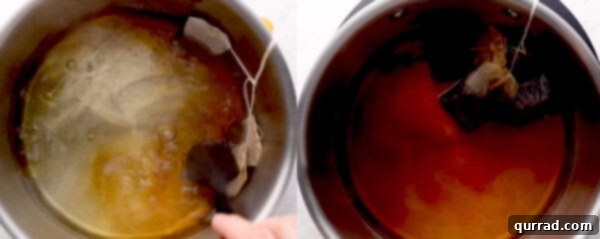
Prepare the Tea: In a large pot, bring 4 cups of water to a rolling boil. Once boiling, add the black tea bags. Stir once or twice to ensure the tea leaves are fully saturated with water. Remove the pot from the heat immediately and allow the tea to steep in the hot water until it cools completely to room temperature. This slow cooling helps develop a richer flavor. Discard the used tea bags, then transfer the cooled tea to a bowl or pitcher and refrigerate it until it’s thoroughly chilled.

-
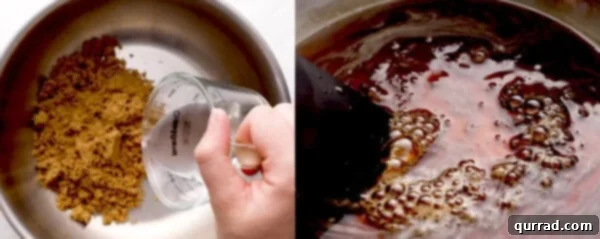
Make the Brown Sugar Syrup: In a medium-sized saucepot, combine the 1/2 cup dark brown sugar and 1/4 cup water. Place the pot over medium heat. Stir the mixture continuously until the sugar fully dissolves. Bring it to a gentle simmer, stirring constantly for about 3 minutes. Be careful not to let it reach a rapid boil, as this can cause it to crystallize or boil over. The syrup should appear slightly thickened. Remove the pot from the heat and set it aside to cool down.
-
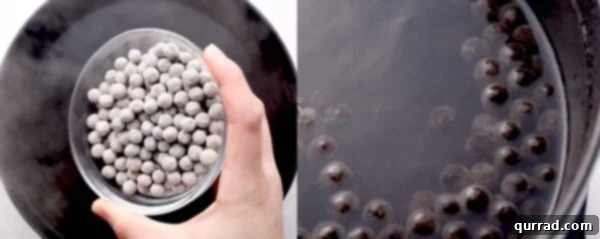
Cook the Tapioca Pearls: Cook the black tapioca pearls according to the specific instructions provided on their packaging. Cooking times can vary between brands (instant pearls are much quicker). Once cooked, test a pearl to ensure it has reached your desired level of softness and chewiness; if they are still firm in the center, continue cooking for a few more minutes. Immediately remove the cooked tapioca pearls from the heat, drain them thoroughly, and rinse them under cold water. This step is crucial to prevent them from clumping together. Transfer the rinsed pearls to a clean bowl.
-
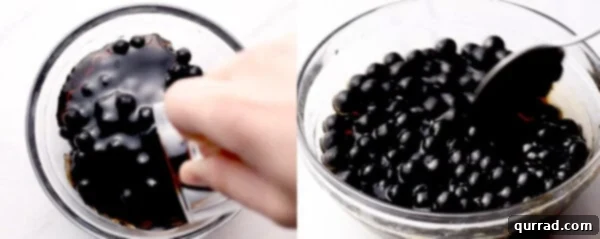
Combine Pearls and Syrup: Pour the cooled brown sugar syrup over the prepared tapioca pearls in the bowl. Gently stir everything together to ensure the pearls are evenly coated with the sweet syrup. This also helps keep them from sticking.
-
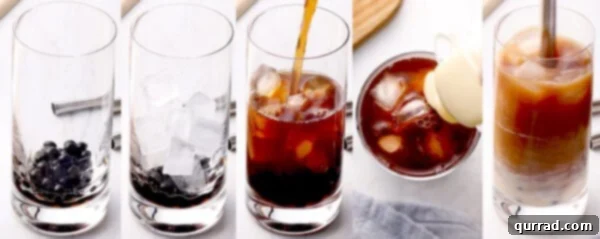
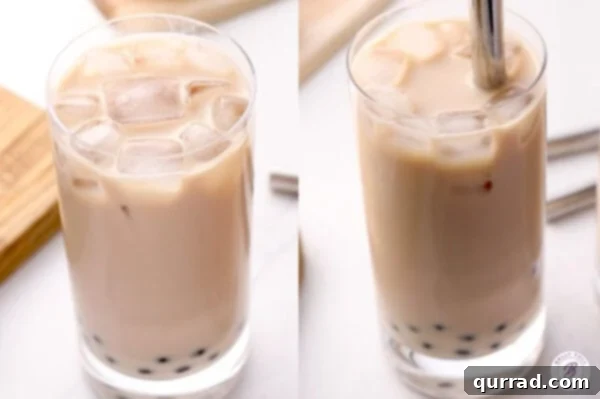
Assemble Your Boba Tea: To serve, divide the sweetened tapioca pearls and a bit of their syrup evenly among four tall serving glasses. Fill each glass generously with ice. Pour 1 cup of the chilled black tea into each glass. Finally, add 1-2 tablespoons of sweetened condensed milk to each glass. Gently stir all the ingredients together with a spoon until well combined and the milk is incorporated.
-
Enjoy: Serve immediately with a wide bubble tea or smoothie straw to fully enjoy the chewy pearls with every sip. Cheers to your homemade boba!
Recipe Notes & Customization Tips
- Sweetener Options: While sweetened condensed milk provides a wonderful richness and sweetness, you can easily substitute it with half-and-half, regular milk, or heavy cream. If using unsweetened milk/cream, you might want to add more brown sugar syrup or a dash of simple syrup to taste.
- Adjusting Sweetness: This recipe is designed for a balanced, not overly sweet, boba tea. If you prefer a sweeter drink, feel free to add an extra tablespoon or two of the brown sugar syrup to your glass. A little simple syrup can also be a neutral way to boost sweetness.
- Brown Sugar Choice: Dark brown sugar is recommended for its deeper, more complex flavor profile, which adds a lovely richness to the syrup. However, if you only have light brown sugar on hand, it will still yield a delicious result with a slightly milder molasses note.
- Dairy-Free Adaptations: Creating a dairy-free boba tea is simple! Just swap the sweetened condensed milk (or any dairy milk/cream) with your favorite non-dairy alternative such as almond milk, oat milk, or soy milk. Remember to adjust the sweetness as needed.
Approximate Nutritional Information (per serving)
Calories: 363 kcal | Carbohydrates: 81g | Protein: 3g | Fat: 3g | Saturated Fat: 2g | Polyunsaturated Fat: 1g | Monounsaturated Fat: 1g | Cholesterol: 13mg | Sodium: 69mg | Potassium: 183mg | Fiber: 1g | Sugar: 49g | Vitamin A: 102IU | Vitamin C: 1mg | Calcium: 147mg | Iron: 1mg
Nutritional information provided is an automatic calculation and can vary based on the exact products you use and any modifications made to the recipe. For precise values, it’s recommended to perform your own calculations.
Serving Your Homemade Boba Tea with Style
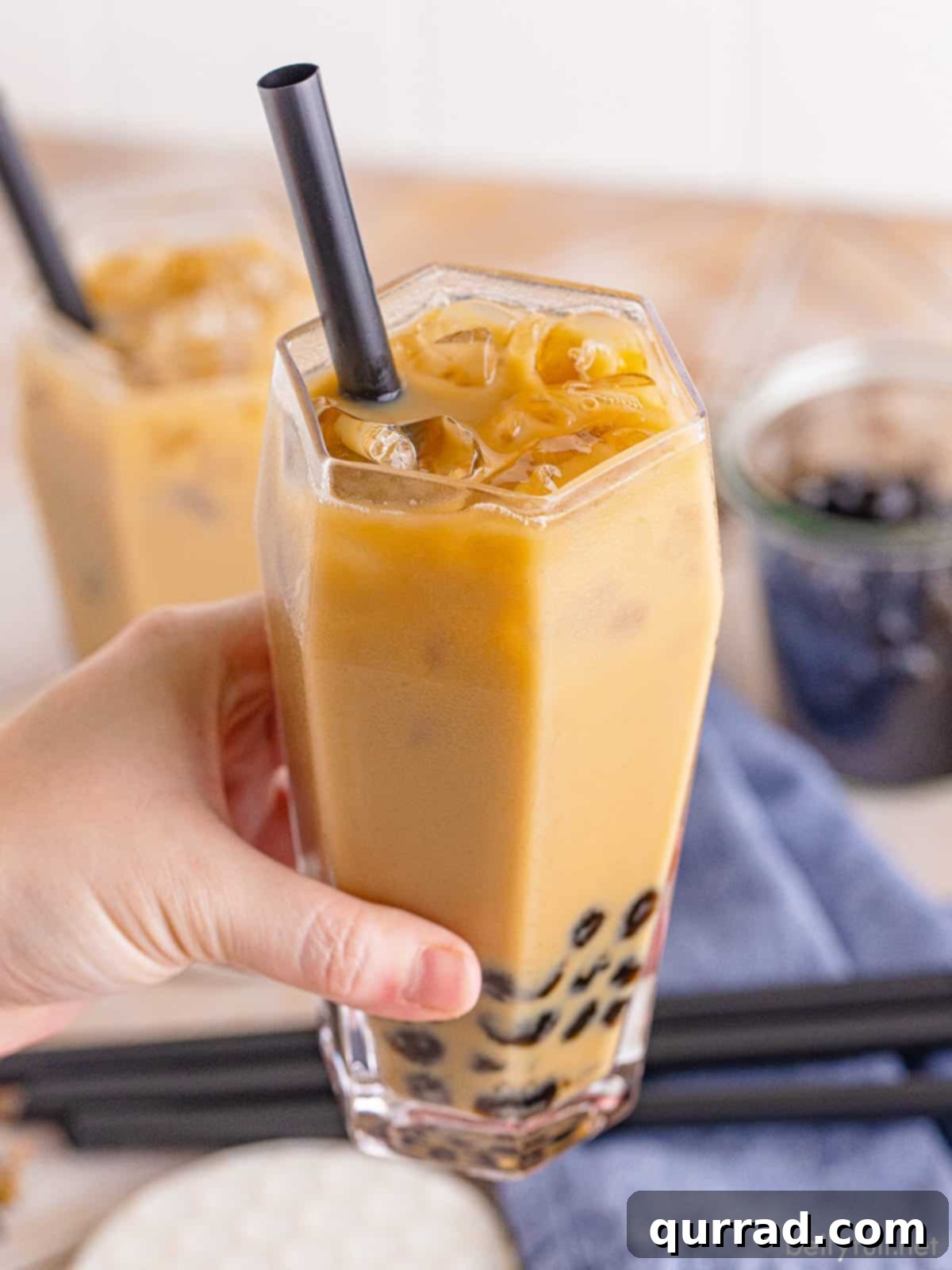
Authentic bubble tea is traditionally served over plenty of ice, with the deliciously chewy brown sugar-coated tapioca pearls resting at the bottom of a tall glass. The addition of the brown sugar syrup with the pearls not only provides sweetness but also a beautiful, cascading visual effect as it mixes with the tea and milk. For an extra touch of sweetness, feel free to drizzle a bit more of the brown sugar syrup into your glass. If you desire a different kind of sweetness, a neutral simple syrup can also be added. Don’t forget the wide-bore straw – it’s essential for savoring both the liquid and the delightful pearls in one perfect sip!
Can You Make Boba Tea in Advance? Planning for Freshness
When it comes to preparing boba tea, timing is everything, especially for the tapioca pearls. While the brewed black tea can be made a day or two ahead of time and refrigerated without any loss of quality, the tapioca pearls are a different story. I strongly advise against assembling the entire drink in advance, as cooked tapioca pearls do not hold up well after sitting for extended periods. They tend to harden and lose their desirable chewy texture. For the best experience, prepare your tapioca pearls about an hour or so before you plan to enjoy your drink. This allows them to soften perfectly and remain deliciously tender, ensuring every boba tea you make is as fresh and delightful as possible.
More Refreshing Drink Recipes to Explore
If you love creating delightful beverages at home, be sure to check out some of our other favorite drink recipes:
- Southern Style Sweet Tea
- Mexican Horchata
- Irish Coffee
- Coffee Banana Smoothie
- Shirley Temple Drink
- Strawberry Lemonade
We truly hope you enjoy making and sipping this delicious and surprisingly easy homemade boba tea. Your feedback is invaluable, so please don’t hesitate to leave a review below and share your experience! And for more mouthwatering recipes and culinary inspiration, remember to follow Belly Full on TikTok, Facebook, Instagram, Pinterest, and YouTube!