
Indulge in the vibrant flavors of a truly exceptional, homemade Lemon Pound Cake. This recipe delivers a rich, tangy, and incredibly moist cake with a melt-in-your-mouth crumb, infused with bright lemon flavor throughout. Crowned with a smooth, citrus-infused lemon glaze, every slice is a marvel – a testament to simple ingredients coming together to create something extraordinary. Baked effortlessly in a standard loaf pan, this delightful treat is surprisingly easy to make from scratch, promising a perfect crumb every single time.
Our Lemon Pound Cake draws inspiration from a classic Pound Cake, a timeless dessert known for its dense yet tender texture. Much like its traditional counterpart, this lemon-infused version is ideal for a myriad of occasions. Imagine it gracing your brunch spread, delighting guests at luncheons, charming attendees at bridal or baby showers, or simply serving as an exquisite afternoon tea companion. Its versatility and universally loved flavor profile make it a go-to dessert for absolutely any gathering or a special everyday treat.

Ah, the humble lemon! What a spectacular ingredient it is, capable of transforming both sweet and savory dishes with its unparalleled freshness and invigorating brightness. Here at our kitchen, we simply adore its zesty charm. This particular Lemon Pound Cake Recipe is a shining example of lemon’s power, where each and every bite bursts with an intense, authentic lemon flavor that will awaken your palate. The cake itself is a masterpiece of texture: wonderfully moist and remarkably tender, with a delightful tanginess that perfectly balances the inherent sweetness of the cake batter. Finished with lovely golden-brown edges and a smooth, slightly tart icing, this lemon loaf is genuinely irresistible. It’s a sensory experience that promises pure delight with every mouthful.
While we don’t explicitly position this recipe as a direct copycat of the famous Starbucks Lemon Loaf, we can confidently say that if you’re a fan of their popular lemon cake, you will undoubtedly fall in love with our homemade rendition. Our recipe offers a similar bright, zesty experience with a superior homemade touch, ensuring a fresh and authentic lemon flavor that truly stands out.
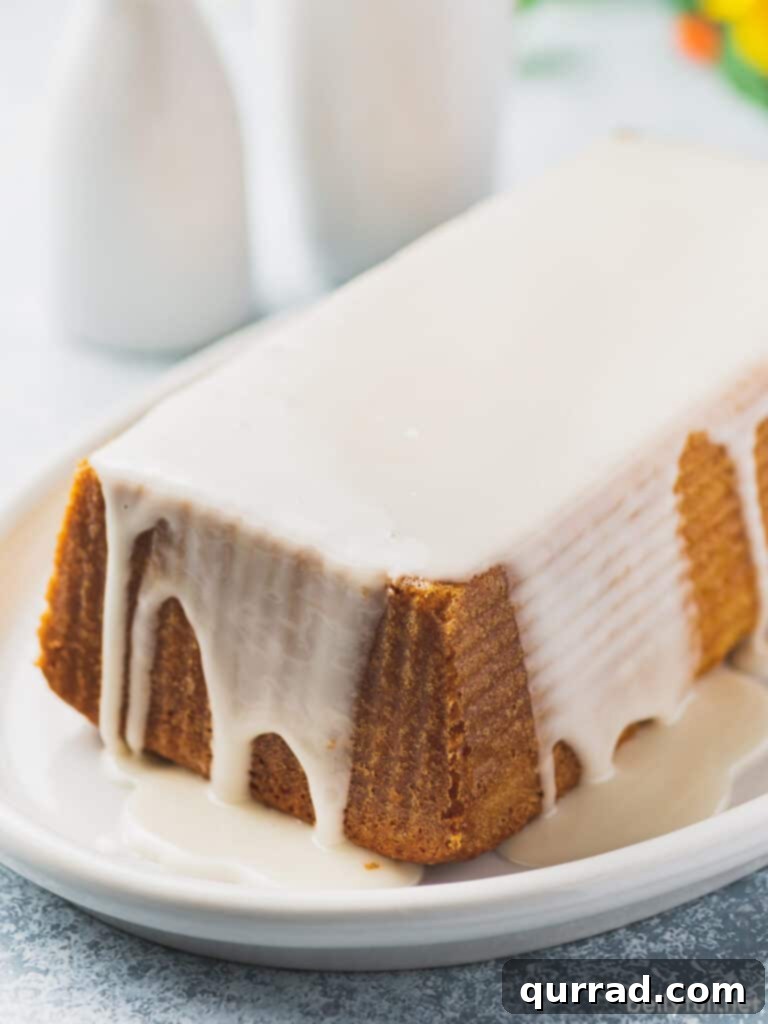
The Ultimate Lemon Pound Cake Recipe
Crafting this easy lemon pound cake requires a selection of rather standard pantry ingredients, yet the outcome is far from ordinary. You’ll achieve a supremely moist cake with a marvelous, delicate crumb that you simply won’t be able to get enough of! In our experience, a freshly baked loaf of this lemon perfection never lasts long. Below, we’ve detailed all the essential ingredients you’ll need to create this bright and zesty dessert, along with explanations of their crucial roles in achieving the perfect texture and flavor.
Key Ingredients for the Perfect Lemon Pound Cake:
- Butter: As the foundational ingredient in any pound cake, butter provides unparalleled richness, tenderness, and a beautiful golden hue. We specifically recommend unsalted butter to maintain precise control over the cake’s sodium content, preventing it from becoming overly salty and allowing the lemon to shine. Ensure it’s softened to room temperature for optimal creaming.
- Eggs: These indispensable ingredients are vital for providing structure, moisture, and binding all the components of the cake together. Large eggs, brought to room temperature, integrate more smoothly into the batter, contributing to a lighter and more uniform crumb.
- Buttermilk: The secret weapon for an incredibly moist and tender pound cake, buttermilk also introduces a subtle tanginess that beautifully complements the lemon. Its acidity reacts with the baking powder, aiding in a delicate lift and a finer texture. If you don’t have buttermilk on hand, you can easily make a substitute by adding 1 tablespoon of lemon juice or white vinegar to regular milk and letting it sit for 5-10 minutes.
- Granulated Sugar: Beyond sweetness, sugar plays a critical role in creaming with the butter, creating air pockets that contribute to the cake’s light and fluffy texture. It also helps to tenderize the cake and provides that irresistible caramelization on the edges.
- Cake Flour: For the most delicate, light, and tender crumb, cake flour is our top recommendation. It has a lower protein content than all-purpose flour, which results in less gluten development and a softer cake. However, if cake flour isn’t available, you can certainly use all-purpose flour, keeping in mind the texture might be slightly denser.
- Baking Powder: This leavening agent is crucial for giving the cake its beautiful lift and airy quality, working in conjunction with the buttermilk to create a tender, not heavy, pound cake.
- Salt: A small amount of salt is essential for enhancing all the other flavors in the cake, particularly the sweetness and the bright lemon notes. It prevents the cake from tasting flat.
- Vanilla Extract: While lemon is the star, a touch of pure vanilla extract adds a layer of warmth and complexity, rounding out the citrus flavor without overpowering it.
- Fresh Lemon Juice and Zest: Since the vibrant flavor of lemon is paramount in this recipe, using freshly squeezed lemon juice and finely grated lemon zest is non-negotiable for the best results. The zest contains essential oils that provide an intense aromatic burst of lemon, while the juice offers a bright, tangy acidity.
- Powdered Sugar: This fine sugar is specifically required for making the smooth, pourable lemon glaze. Its delicate texture ensures a silky, lump-free icing that adheres beautifully to the cake. Granulated sugar should not be used for the glaze as it will not dissolve properly.

Expert Tips for Success: Baking the Best Lemon Pound Cake
While this lemon pound cake recipe is designed to be straightforward and accessible for bakers of all skill levels, paying attention to a few key details will elevate your results from good to absolutely phenomenal. Follow these expert tips for optimal texture, flavor, and a perfectly baked cake every time.
- Never Skip the Lemon Zest: It might seem like a small detail, but the lemon zest is absolutely crucial for achieving that deep, aromatic lemon flavor. While lemon juice provides tanginess, the zest holds the concentrated essential oils that deliver the true essence of lemon. Do not be tempted to omit it; it makes a world of difference!
- Always Use Fresh Lemon Juice: Just like the zest, fresh lemon juice is paramount. Bottled lemon juice often contains preservatives and lacks the bright, authentic flavor of freshly squeezed lemons. For a truly vibrant and tangy lemon pound cake, always reach for fresh lemons.
- Measure Flour Accurately (Spoon and Level Method): Incorrect flour measurement is a common pitfall that can lead to a dry, dense cake. To ensure accuracy, never scoop flour directly from the bag with your measuring cup. Instead, spoon the flour into your measuring cup until it overflows, then use the back of a knife or a straight edge to level it off. This method prevents overpacking the flour, resulting in a lighter cake.
- Ensure Butter and Eggs are at Room Temperature: This is a golden rule in baking, especially for pound cakes. Room temperature butter creams beautifully with sugar, incorporating more air for a lighter cake. Room temperature eggs emulsify better with the butter mixture, creating a smooth, cohesive batter. Cold ingredients will lead to a lumpy batter and a denser crumb. Plan ahead and take them out of the fridge at least an hour before baking.
- Do Not Over-mix the Batter: Once you begin adding the dry ingredients (flour mixture), mix only until just combined. Over-mixing develops the gluten in the flour, which can lead to a tough, chewy, and dense cake – far from the tender crumb we’re aiming for. Stop mixing as soon as no streaks of flour remain.
- Properly Prepare Your Loaf Pan (Butter and Flour): To guarantee an easy release and prevent your beautiful pound cake from sticking, generously butter the entire interior of your loaf pan. Then, sprinkle a tablespoon or two of flour into the pan, shaking and tilting it to evenly coat all surfaces, including the corners and bottom. Discard any excess flour. This creates a non-stick barrier.
- Eliminate Air Bubbles: After pouring the batter into the prepared loaf pan, gently tap the pan on your counter a couple of times. This simple step helps to release any trapped air bubbles in the batter, resulting in a more uniform crumb and preventing large holes in your finished cake.
- Achieve the Right Glaze Consistency: The lemon glaze for this pound cake should be thick enough to cling to the cake and set beautifully, yet still pourable. Start by whisking the powdered sugar with the minimum amount of lemon juice specified. Gradually add more lemon juice, a tiny bit at a time, until you reach the desired consistency. It should slowly drizzle off your spoon, not run off like water.
How to Store Your Delicious Lemon Loaf Cake
Ensuring your homemade Lemon Pound Cake stays fresh and delicious is key to enjoying it for days to come. Here are the best practices for storing leftovers and freezing for future indulgence.
Storing Leftovers: Any uneaten pound cake keeps exceptionally well at room temperature. To maintain its moisture and freshness, wrap the cooled cake tightly in plastic wrap or store it in an airtight container. When properly stored, it will remain fresh and delightful for up to 4 days.
To Freeze for Later: Lemon pound cake freezes beautifully, allowing you to enjoy a slice whenever a craving strikes. First, ensure the cake is completely baked and cooled. If you plan to freeze, we highly recommend doing so *before* glazing. Wrap the cooled cake tightly in 1-2 layers of plastic wrap, followed by a layer of aluminum foil for extra protection against freezer burn. Transfer the securely wrapped cake to a freezer-safe bag or container. It can be stored frozen for up to 3 months.
When you’re ready to enjoy, simply allow the frozen cake to thaw overnight in the refrigerator. Once thawed, bring it to room temperature before slicing and serving. If you froze the cake unglazed, now is the perfect time to prepare and add the fresh lemon glaze for that ultimate tangy finish.

Serving Suggestions for Lemon Pound Cake
This versatile Lemon Pound Cake is perfect on its own, but you can elevate the experience with a few simple additions. Serve it alongside fresh mixed berries – blueberries, raspberries, or strawberries complement the lemon beautifully. A dollop of whipped cream or a scoop of vanilla bean ice cream adds a touch of indulgence. For a delightful breakfast or brunch treat, enjoy a slice with your favorite coffee or tea. It also makes an elegant dessert for special occasions, perhaps with a sprinkle of extra lemon zest or a few candied lemon slices for garnish.
Variations to Try
While the classic Lemon Pound Cake is perfection, don’t hesitate to experiment with these delicious variations:
- Lemon Blueberry Pound Cake: Gently fold in 1 cup of fresh or frozen blueberries (tossed in a tablespoon of flour to prevent sinking) into the batter just before pouring into the pan.
- Lemon Poppy Seed Pound Cake: Add 2 tablespoons of poppy seeds to the dry ingredients for a delightful texture and nutty flavor.
- Glaze Alternatives: Instead of a lemon glaze, try a simple vanilla glaze, or dust the cooled cake with powdered sugar for a more understated finish.
- Citrus Medley: Experiment with adding zest and a small amount of juice from other citrus fruits, like lime or orange, for a unique flavor twist.
More Zesty Lemon Recipes to Love:
- The Best! Lemon Bars
- Lemon Tart
- Lemon Crinkle Cookies
- Easy Lemon Trifle
- Lemon Blueberry Scones
- 5 Minute Lemon Curd
Lemon Pound Cake Recipe Card
This rich, tangy, and moist Lemon Pound Cake features a perfect crumb with intense lemon flavor throughout, complemented by a smooth, citrusy lemon glaze. It’s easy to make in a loaf pan, and every slice is simply marvelous!
Recipe Details:
- Prep Time: 15 mins
- Cook Time: 50 mins
- Total Time: 1 hr 5 mins
- Servings: 8
Ingredients:
For the Cake
- 1 1/2 cups cake flour, spoon & leveled
- 1 1/2 teaspoons baking powder
- 1 tablespoon lemon zest
- 1/2 teaspoon salt
- 1/2 cup unsalted butter, softened to room temperature
- 1 cup granulated sugar
- 2 large eggs, at room temperature
- 3 tablespoons lemon juice
- 1 teaspoon vanilla extract
- 1/2 cup buttermilk
For the Lemon Icing
- 1 1/4 cups powdered sugar
- 2-3 tablespoons lemon juice
Instructions:
- Preheat your oven to 350 degrees F (175 degrees C). Generously butter and flour a standard 9×5-inch loaf pan, ensuring butter reaches all corner grooves and discarding any excess flour. This step is crucial for preventing sticking.
- In a large bowl, whisk together the measured cake flour, baking powder, fresh lemon zest, and salt until well combined. Set this dry mixture aside.
- In the bowl of a stand mixer fitted with the paddle attachment (or using an electric hand mixer), cream together the softened unsalted butter and granulated sugar on medium-high speed. Beat until the mixture is light, fluffy, and pale in color, typically about 4 minutes. Stop occasionally to scrape down the sides of the bowl with a rubber spatula to ensure even mixing.
- Reduce the mixer speed to low. With the mixer running, add the large eggs one at a time, allowing each egg to fully incorporate into the butter mixture before adding the next. Once the eggs are incorporated, beat in the lemon juice and vanilla extract. Scrape down the bowl again to catch any unmixed ingredients.
- Keeping the mixer on low speed, gradually add about one-third of the reserved flour mixture and mix until it is almost combined. Then, add half of the buttermilk and mix until just incorporated. Repeat this process: add another third of the flour mixture, then the remaining half of the buttermilk, and finally, the last third of the flour mixture. Beat until the ingredients are just incorporated; be careful not to over-mix. Over-mixing can lead to a dense, tough cake.
- Using a rubber spatula, give the batter a final gentle fold to ensure there are no lumps or dry spots at the bottom of the bowl. The finished batter should be thick and delightfully creamy.
- Pour the prepared batter evenly into your buttered and floured loaf pan. Gently bang the pan on the counter surface once or twice to release any trapped air bubbles, which helps create a uniform crumb. Bake for 45-55 minutes, or until the cake is golden brown on top and a wooden toothpick inserted into the center comes out with only a few moist crumbs attached. The top should also feel firm to the touch. (If the top begins to brown too quickly after 30-40 minutes, you can loosely tent a piece of aluminum foil over the pan to prevent over-browning and continue baking. Baking times can vary depending on your oven.)
- Once baked, remove the cake from the oven and allow it to cool in the pan for 30 minutes. This allows the cake to firm up before handling. After 30 minutes, carefully invert the cake from the pan onto a wire rack or a serving dish to cool completely to room temperature.
- Once the cake is completely cooled, it’s time to make the vibrant lemon icing. In a small bowl, whisk together the powdered sugar and 2 tablespoons of fresh lemon juice until smooth. If the icing is too thick, add more lemon juice half a teaspoon at a time until it reaches a thick but pourable consistency. If it’s too thin, add a little more powdered sugar. Pour the smooth icing evenly over the top of the cooled loaf, ensuring it covers the surface completely. Allow the icing to set and dry completely before slicing and serving for the best presentation and taste.
Nutrition:
Calories: 388kcal | Carbohydrates: 63g | Protein: 5g | Fat: 14g | Saturated Fat: 8g | Polyunsaturated Fat: 1g | Monounsaturated Fat: 4g | Trans Fat: 1g | Cholesterol: 79mg | Sodium: 182mg | Potassium: 153mg | Fiber: 1g | Sugar: 44g | Vitamin A: 448IU | Vitamin C: 5mg | Calcium: 66mg | Iron: 1mg
Nutritional information provided is an automatic calculation and may vary based on the exact products used and any modifications made to the recipe. If these numbers are critical for your dietary needs, we recommend calculating them yourself based on your specific ingredients.
We truly hope you enjoy baking and savoring this utterly delicious and easy Lemon Pound Cake recipe. Your feedback is important to us, so please be sure to give it a review below if you try it!