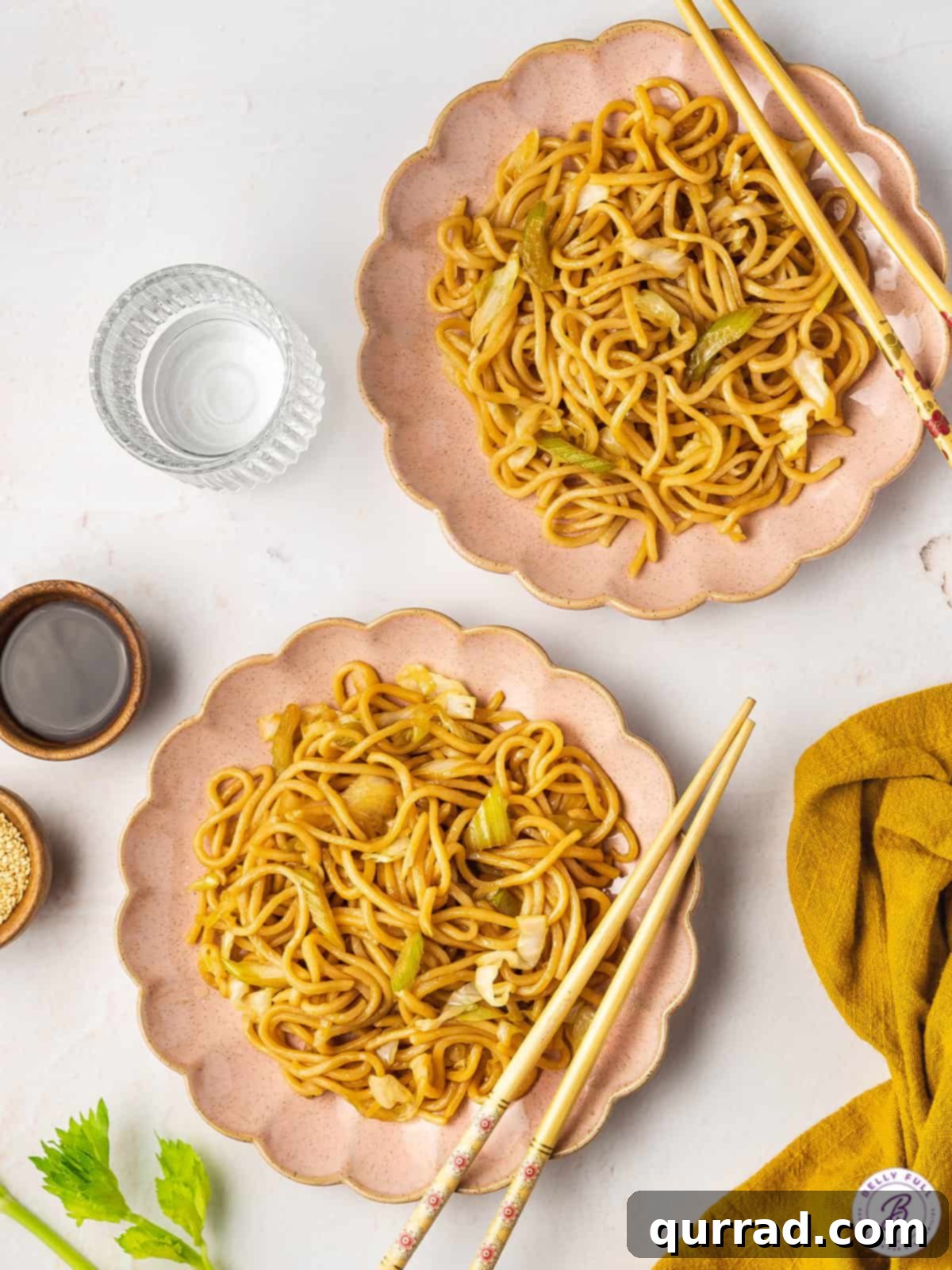
Unleash Authentic Flavor: The Best Copycat Panda Express Chow Mein Recipe
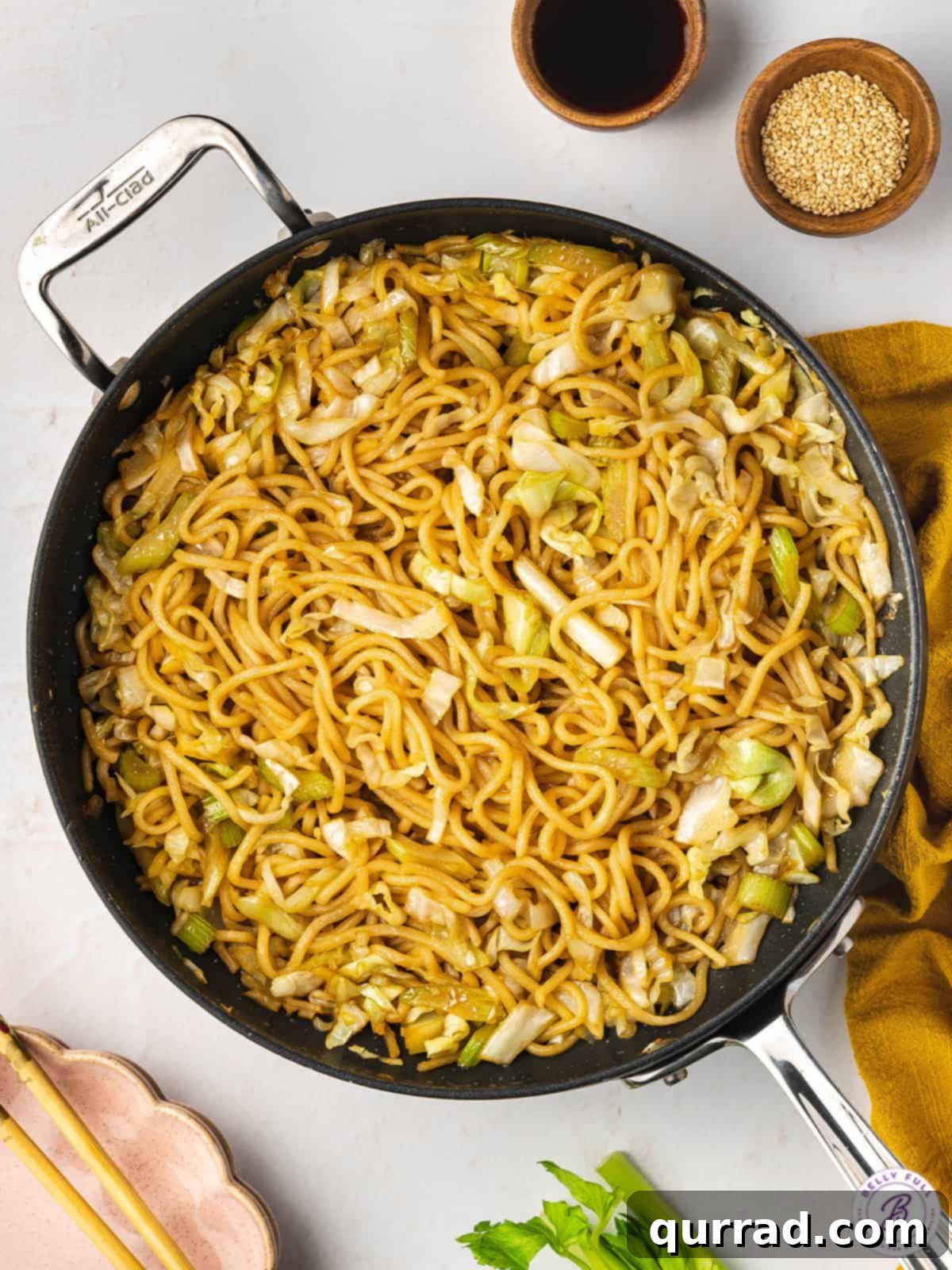
Craving the savory, satisfying taste of Panda Express Chow Mein but don’t want to leave your home? Look no further! This incredible copycat recipe brings the beloved takeout classic straight to your kitchen, ready in as little as 20 minutes. Whether you’re whipping up a quick weeknight dinner or looking for the perfect side dish to complement your homemade Chinese feast, this recipe delivers big on flavor and convenience. It’s so easy and delicious, you might just find yourself preferring this homemade version to the original!
5-STAR RECIPE: Rave Reviews!
Melanie raves, “We don’t live near a Panda Express, so discovering this recipe was a game-changer. It’s incredibly easy, a fantastic copycat, and our entire family absolutely loved it!”
If you’re a fan of Panda Express Chow Mein, you’re going to adore this copycat recipe. And even if their version isn’t your favorite, we believe our rendition offers an even fresher, more vibrant experience! This recipe is incredibly straightforward, uses a short list of accessible ingredients, and is ready on your table in just 20 minutes. Forget the mall crowds, long lines, or the disappointment of dry, pre-prepared noodles. With this recipe, you get fresh, perfectly cooked chow mein loaded with your favorite ingredients, exactly when you want it.
We’ve kept this recipe true to the Panda Express style, featuring a simple blend of classic vegetables. This makes it an ideal side dish for other popular Chinese takeout copycat recipes, such as our luscious Honey Walnut Shrimp or savory Beef and Broccoli. However, its versatility means you can effortlessly incorporate your preferred protein – be it chicken, shrimp, or tofu – to transform it into a more substantial and fulfilling main course.
While you’re exploring Asian-inspired dishes, don’t forget to check out our equally quick and delicious Lo Mein recipe. It’s chow mein’s delightful cousin, also ready in a mere 20 minutes, offering a slightly different noodle experience.
Rated 5 out of 5 stars by 8 reviewers.
Chow Mein (Panda Express Copycat)
10 mins
10 mins
20 mins
4 servings
Pin Recipe
Print Recipe
This copycat Panda Express Chow Mein recipe comes together in as little as 20 minutes! It makes the perfect side dish to your other favorite Chinese takeout dishes or add some protein and turn it into a meal all on its own.
Ingredients
- 1/4 cup low-sodium soy sauce
- 1 tablespoon brown sugar
- 2 cloves garlic, minced
- 2 teaspoons freshly grated ginger
- 1/4 teaspoon white pepper
- 2 packages refrigerated Yaki-Soba, (5.6 ounces each), seasoning packet discarded (see note below)
- 2 tablespoons vegetable oil
- 1 tablespoon sesame oil
- 1/2 yellow onion, thinly sliced
- 3 ribs celery, sliced diagonally into small pieces
- 2 cups shredded cabbage
Instructions
-
In a small bowl, whisk together the low-sodium soy sauce, brown sugar, minced garlic, freshly grated ginger, and white pepper until well combined. Set this flavorful sauce aside.
-
Bring a large pot of water to a rolling boil. Add the Yaki-Soba noodles and cook for just 1-2 minutes, or until they are loosened and separated. Be careful not to overcook them, as they will be stir-fried later. Drain the noodles thoroughly in a colander.
-
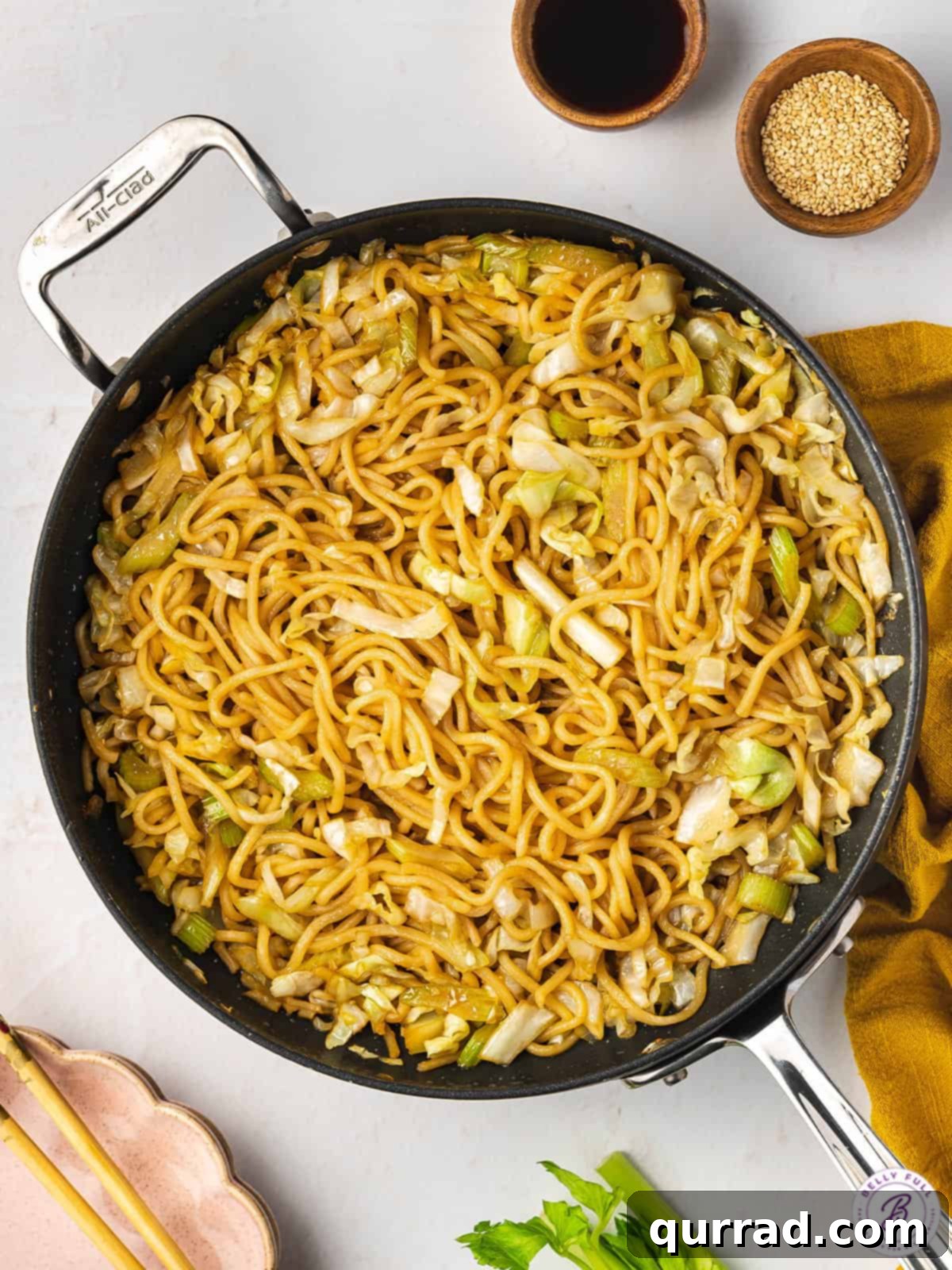
Heat both the vegetable oil and sesame oil in a large nonstick skillet or wok over medium-high heat. Once the oils are shimmering, add the thinly sliced onion and diagonally cut celery. Cook, stirring frequently, for 3-4 minutes until the vegetables are tender-crisp. Stir in the shredded cabbage and continue to cook for about 2 minutes, just until it’s heated through and slightly softened.
-
Add the drained Yaki-Soba noodles to the skillet along with the prepared soy sauce mixture. Stir everything vigorously for approximately 2 minutes, ensuring the noodles and vegetables are evenly coated with the delicious sauce.
-
Serve your homemade Panda Express Chow Mein immediately while it’s hot and fresh. Enjoy!
Video Tutorial
Watch our video tutorial for a step-by-step guide on making this delicious Chow Mein!
Recipe Notes & Expert Tips for Perfection
Customize with Protein:
While delicious on its own, chow mein is fantastic with added protein. Common choices include diced chicken, succulent shrimp, tender beef strips, savory pork, or firm tofu. For best results, cook your chosen protein separately until nearly done, then add it to the skillet with the cabbage just before you introduce the noodles. This ensures even cooking and perfect texture.
Boost Your Veggies:
Our base recipe includes onion, celery, and cabbage, which are traditional in many chow mein preparations. However, feel free to unleash your culinary creativity! Carrots (julienned or thinly sliced), sliced mushrooms, vibrant bell peppers, crunchy water chestnuts, or even steamed broccoli florets make wonderful additions. Experiment to find your favorite combination!
Noodle Alternatives:
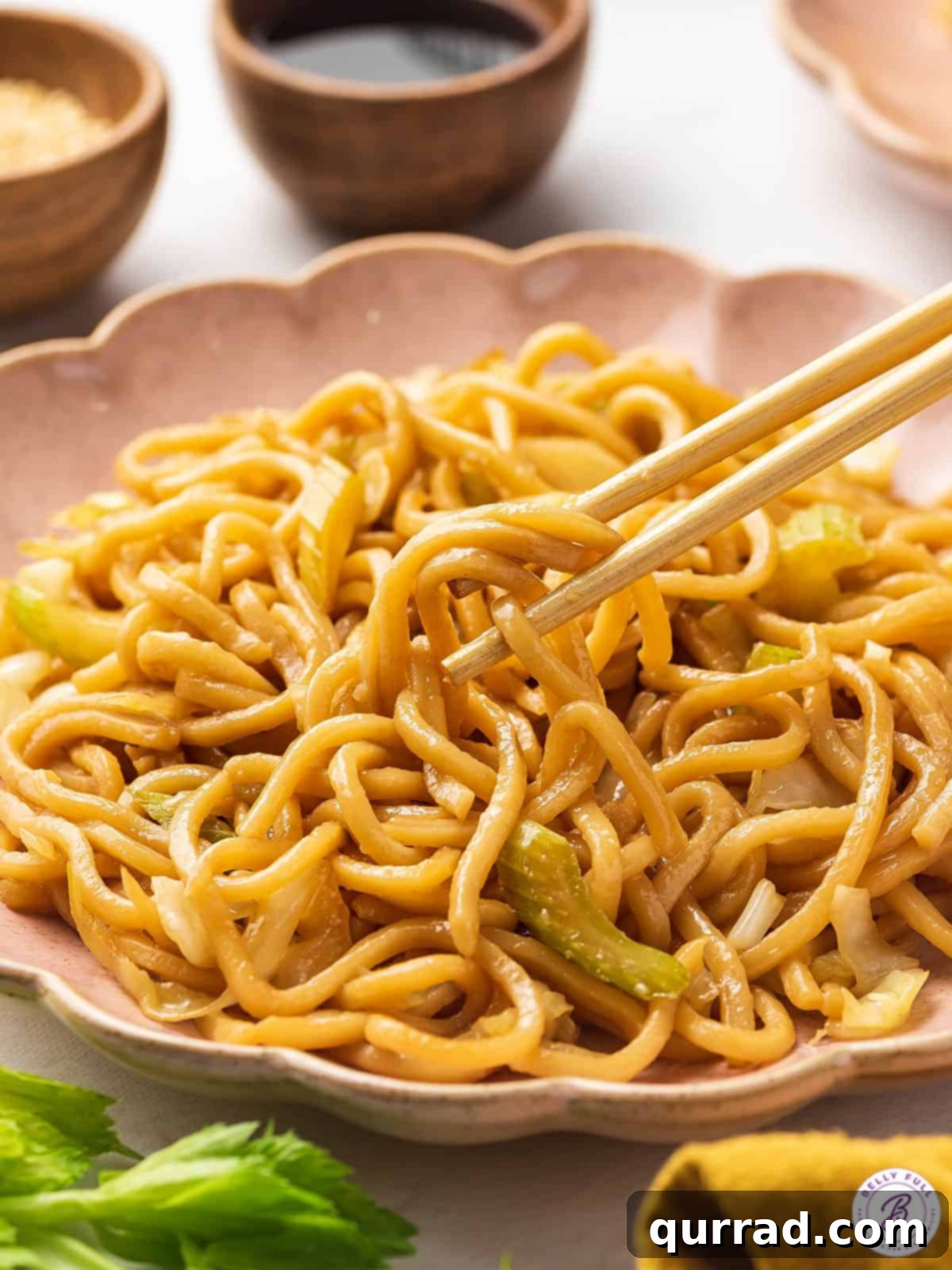
Yaki-Soba noodles are our top recommendation for authentic chow mein texture. These ramen-style noodles are typically found in the refrigerated section of most grocery stores and provide that ideal chewiness. If Yaki-Soba noodles are unavailable, dry chow mein noodles (cooked according to package directions) or even instant ramen noodles (discarding the seasoning packet) can be used as a convenient substitute. Ensure whatever noodles you choose are fully cooked but still firm before stir-frying.
Don’t Overcrowd the Pan:
For best stir-fry results, cook the vegetables in a large skillet or wok that isn’t too crowded. This allows the ingredients to properly sauté and caramelize instead of steam. If you’re doubling the recipe, consider cooking in batches or using an extra-large wok.
High Heat is Key:
Chow mein thrives on high heat. Ensure your skillet is well heated before adding the oil and vegetables. This creates that desired “wok hei” (breath of the wok) flavor and ensures a quick cook time with crisp vegetables.
Nutrition Information (per serving)
Calories: 349kcal | Carbohydrates: 63g | Protein: 13g | Fat: 5g | Saturated Fat: 1g | Polyunsaturated Fat: 2g | Monounsaturated Fat: 1g | Sodium: 893mg | Potassium: 222mg | Fiber: 6g | Sugar: 7g | Vitamin A: 169IU | Vitamin C: 15mg | Calcium: 37mg | Iron: 3mg
Nutritional information provided is an automatic calculation and may vary based on the specific products used and any modifications made to the recipe. For precise nutritional values, it is recommended to calculate them independently.
Did you make this recipe? We’d love to hear from you! Leave a rating and review below!
What is Chow Mein? A Culinary Deep Dive
Chow mein is a quintessential Chinese noodle dish, celebrated worldwide for its delightful combination of textures and flavors. The name “chow mein” itself offers a clue to its preparation: it literally translates from Cantonese to “fried noodles” or “stir-fried noodles.” This refers to the signature cooking method where parboiled noodles are stir-fried in a hot wok or skillet, often developing a slightly crispy exterior and a tender interior.
At its core, traditional chow mein consists of wheat noodles tossed with a savory sauce, often featuring aromatics like garlic and ginger, alongside various vegetables. While our Panda Express copycat recipe focuses on a flavorful veggie chow mein, it’s incredibly common to find this dish enhanced with an assortment of proteins such as chicken, succulent shrimp, tender beef, or flavorful pork, making it a versatile meal that can be adapted to any preference.
The beauty of chow mein lies in its simplicity and adaptability, making it a beloved staple in Chinese cuisine both within Asia and in Western interpretations of Chinese takeout.
Chow Mein vs. Lo Mein: Understanding the Difference
Chow mein and lo mein are two of the most popular Chinese noodle dishes, often confused due to their similar appearances and shared ingredients. However, the fundamental difference lies in their preparation methods, particularly how the noodles are handled and sauced.
- Chow Mein: The noodles for chow mein are typically parboiled (partially cooked in boiling water) until tender but still firm. They are then drained and often pan-fried or stir-fried in a hot wok with a minimal amount of sauce, vegetables, and sometimes protein. This frying process gives chow mein its distinctive slightly crispy or chewy texture and a drier finish. The sauce in chow mein is light, primarily coating the ingredients rather than creating a thick broth.
- Lo Mein: In contrast, lo mein noodles are fully boiled until completely cooked and tender before being added to the dish. They are then tossed with a more substantial, often thicker, and richer sauce, along with other ingredients. Lo mein is characterized by its softer, slippery noodles that are meant to be slurped, and it usually has a more saucy consistency compared to chow mein.
Understanding this distinction can help you choose the perfect noodle dish for your craving – crispy and lightly sauced with chow mein, or soft and richly coated with lo mein. Both are incredibly delicious in their own right!
What Are the Best Chow Mein Noodles to Use?
Choosing the right noodles is crucial for achieving that authentic chow mein experience. In this recipe, we opt for Yakisoba noodles, which are a type of fresh, ramen-style wheat noodle. You can usually find these conveniently located in the refrigerated section of most Asian markets or well-stocked local grocery stores. Their texture and thickness are ideal for stir-frying, yielding that satisfying bite.
However, if Yakisoba noodles prove elusive, don’t despair! There are other excellent alternatives:
- Dried Chow Mein Noodles: Many grocery stores carry dried chow mein noodles. These will need to be cooked according to their package instructions before being added to your stir-fry. Ensure they are al dente and well-drained.
- Fresh Egg Noodles: Similar to Yakisoba, fresh egg noodles found in the refrigerated section also work wonderfully. They offer a great texture for stir-frying.
- Ramen Noodles (Instant Ramen): In a pinch, instant ramen noodles can be used. Simply discard the seasoning packet and cook the noodles as directed, then drain thoroughly before adding them to your wok. While not traditional, they provide a quick and easy substitute.
Regardless of your choice, the key is to ensure the noodles are cooked just right – tender but with enough integrity to withstand the stir-frying process without becoming mushy.
Elevate Your Meal: Delicious Serving Suggestions
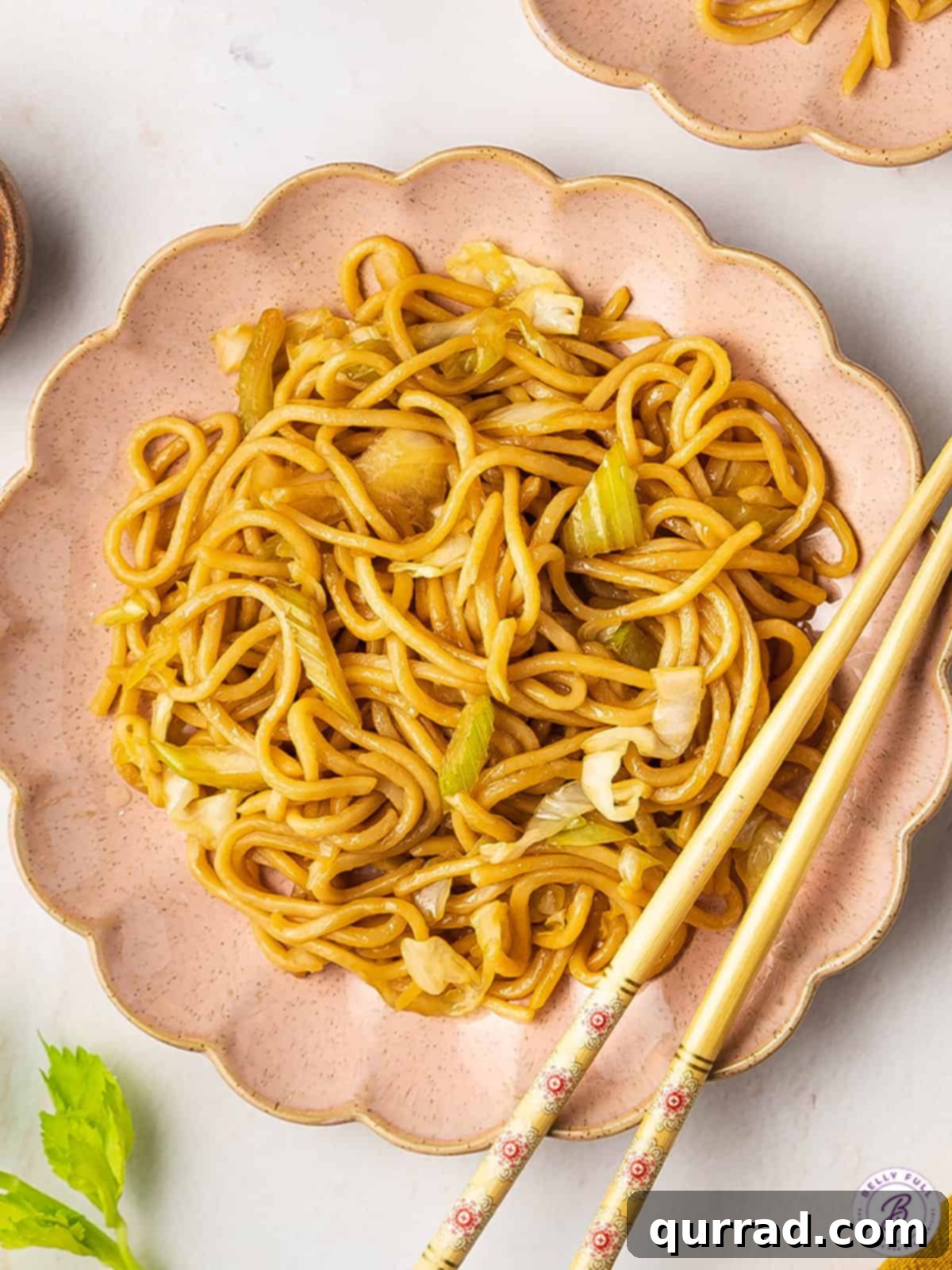
This simple yet flavorful veggie chow mein is incredibly versatile, serving as the perfect foundation for a complete Chinese-inspired meal. Here are some fantastic serving suggestions to make your dining experience truly memorable:
- Classic Pairings: Embrace the full takeout experience by serving your chow mein alongside other Chinese main dishes. It pairs beautifully with savory Beef Stir Fry with Snow Peas, the ever-popular Beef and Broccoli, or a hearty Chicken and Vegetable Stir Fry.
- Appetizer Extravaganza: Round out your meal with some beloved appetizers. You absolutely can’t go wrong with crispy Crab Rangoon, classic Air Fryer Egg Rolls, or even some delicate spring rolls.
- Add a Protein: As mentioned in our notes, transform this side into a main course by adding your favorite cooked protein directly to the stir-fry. Chicken, shrimp, beef, or tofu all work wonderfully.
- Spice It Up: For those who love a bit of heat, serve with a side of sriracha, chili garlic sauce, or a sprinkle of red pepper flakes.
- Garnish for Freshness: A garnish of chopped green onions or a drizzle of extra sesame oil can add a fresh touch and enhance the overall aroma.
- Beverage Pairings: Complement the rich flavors with a refreshing glass of iced tea, a light beer, or even a sake if you’re feeling adventurous.
Keeping It Fresh: How to Store & Reheat Leftovers
One of the best things about homemade chow mein is that it often tastes even better the next day! Proper storage and reheating ensure you can enjoy your delicious creation for days to come.
- Storing Leftovers: Allow any leftover chow mein to cool completely before transferring it to an airtight container. Store it in the refrigerator for up to 3 days. This helps maintain its freshness and prevents bacterial growth.
- To Reheat on the Stovetop (Recommended): For the best texture, reheat chow mein on the stovetop. Place the desired portion in a nonstick skillet or wok over medium heat. You may want to add a splash of water or a tiny drizzle of sesame oil to help rehydrate the noodles and prevent them from drying out, especially if they appear a bit stiff. Stir frequently until heated through, about 3-5 minutes.
- To Reheat in the Microwave: While the stovetop method is preferred, individual portions can be reheated in the microwave. Place the chow mein in a microwave-safe dish, cover it loosely, and microwave on high for 1-2 minutes, stirring halfway through. Be mindful that microwave reheating can sometimes make the noodles a bit softer, but it’s a convenient option for a quick bite.
More Incredible Copycat Recipes to Try!
If you loved recreating this Panda Express Chow Mein at home, you’re in for a treat! We have a treasure trove of other popular restaurant copycat recipes that allow you to enjoy your favorites without leaving your kitchen. Get ready to impress your family and friends with these homemade versions:
- Dole Whip (Disney Parks Copycat) – A refreshing, tropical dessert!
- KFC Coleslaw – That iconic tangy-sweet side dish.
- Mexican Pizza (Taco Bell Copycat) – The legendary comeback you can make anytime.
- Zuppa Toscana (Olive Garden Copycat) – A hearty and flavorful Italian soup.
- Asian Chicken Salad (Applebee’s Copycat) – Fresh, crisp, and bursting with Asian flavors.
These recipes are designed for ease and authentic flavor, ensuring your home-cooked meals are always a hit!
We truly hope you enjoy this delicious and incredibly easy chow mein recipe! If you make it, please take a moment to leave a review below and let us know what you think. And don’t forget to connect with Belly Full on TikTok, Facebook, Instagram, Pinterest, and YouTube for more fantastic recipes and culinary inspiration!