
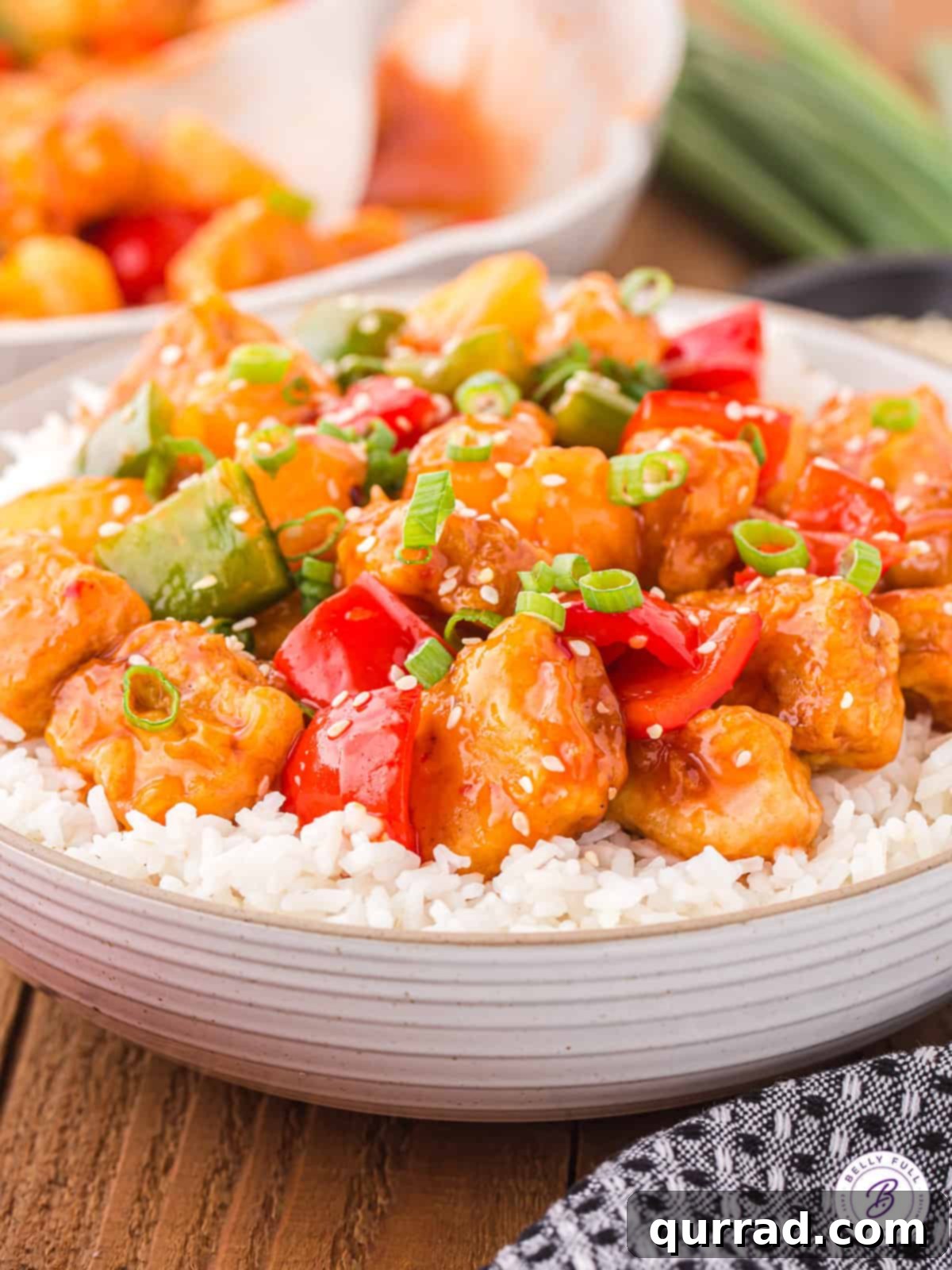
Welcome to your new favorite homemade Sweet and Sour Pork recipe! Ditch the takeout menus and prepare to indulge in a dish that perfectly balances sweet, sour, and savory flavors with delightful crispy textures, all from the comfort of your kitchen. This easy-to-follow recipe brings the authentic taste of Chinese restaurant favorites right to your dinner table, often faster than delivery could ever arrive. Imagine tender, juicy pork pieces coated in a vibrant, tangy sauce, complemented by crisp bell peppers and succulent pineapple. This isn’t just a meal; it’s an experience that proves delicious, authentic Chinese cuisine is entirely achievable for any home cook, even on a busy weeknight. Forget the greasy, overly sweet versions you sometimes encounter; our recipe focuses on fresh ingredients and balanced flavors to deliver a truly satisfying dish every time.
If you’re a fan of flavorful pork stir-fries, you’ll also adore our Moo Shu Pork, a classic with shredded pork and fresh vegetables, and our comforting Pork Ramen Stir Fry, perfect for a quick and hearty meal.
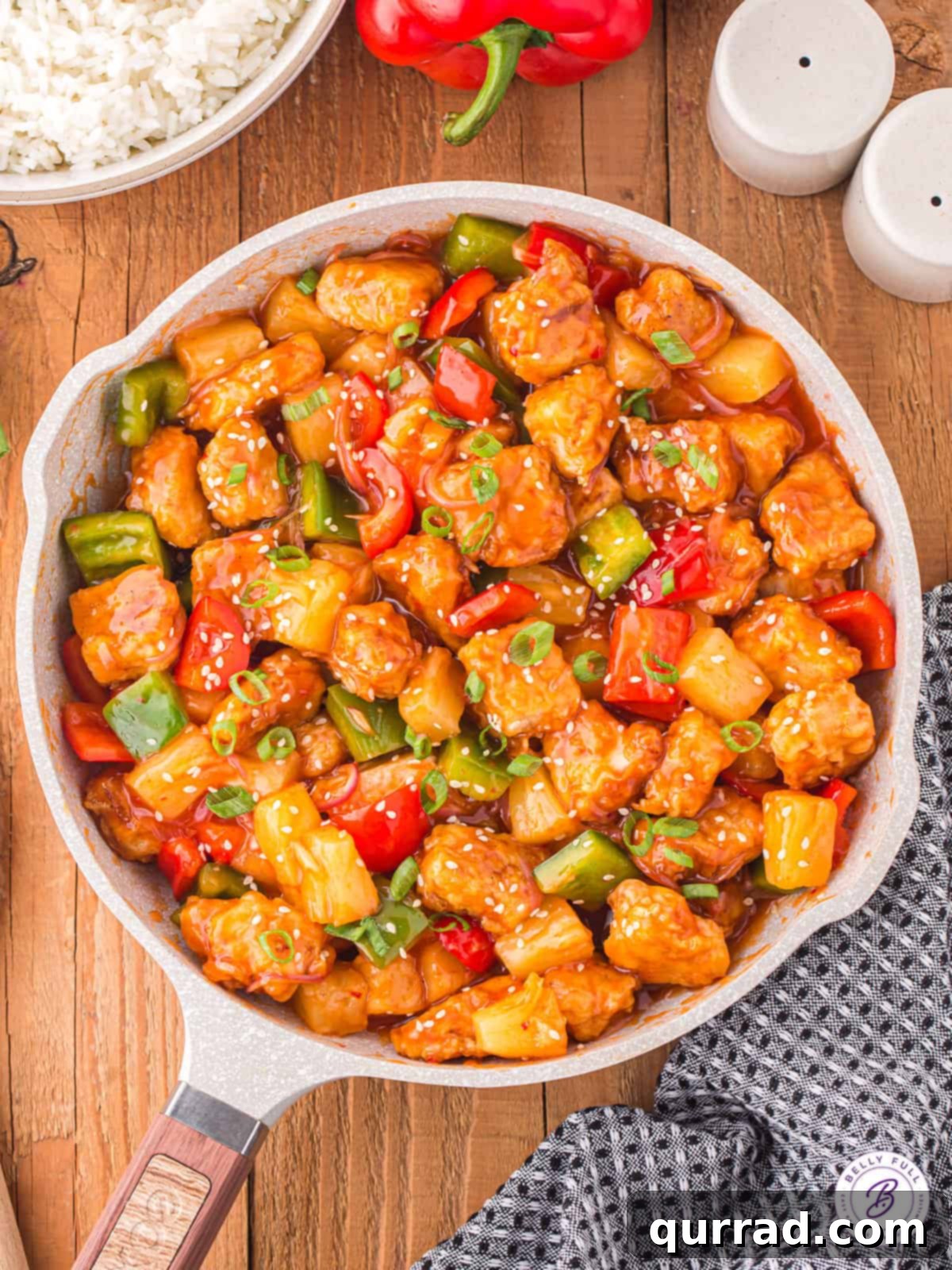
Effortless Sweet and Sour Pork with Bright Pineapple Notes
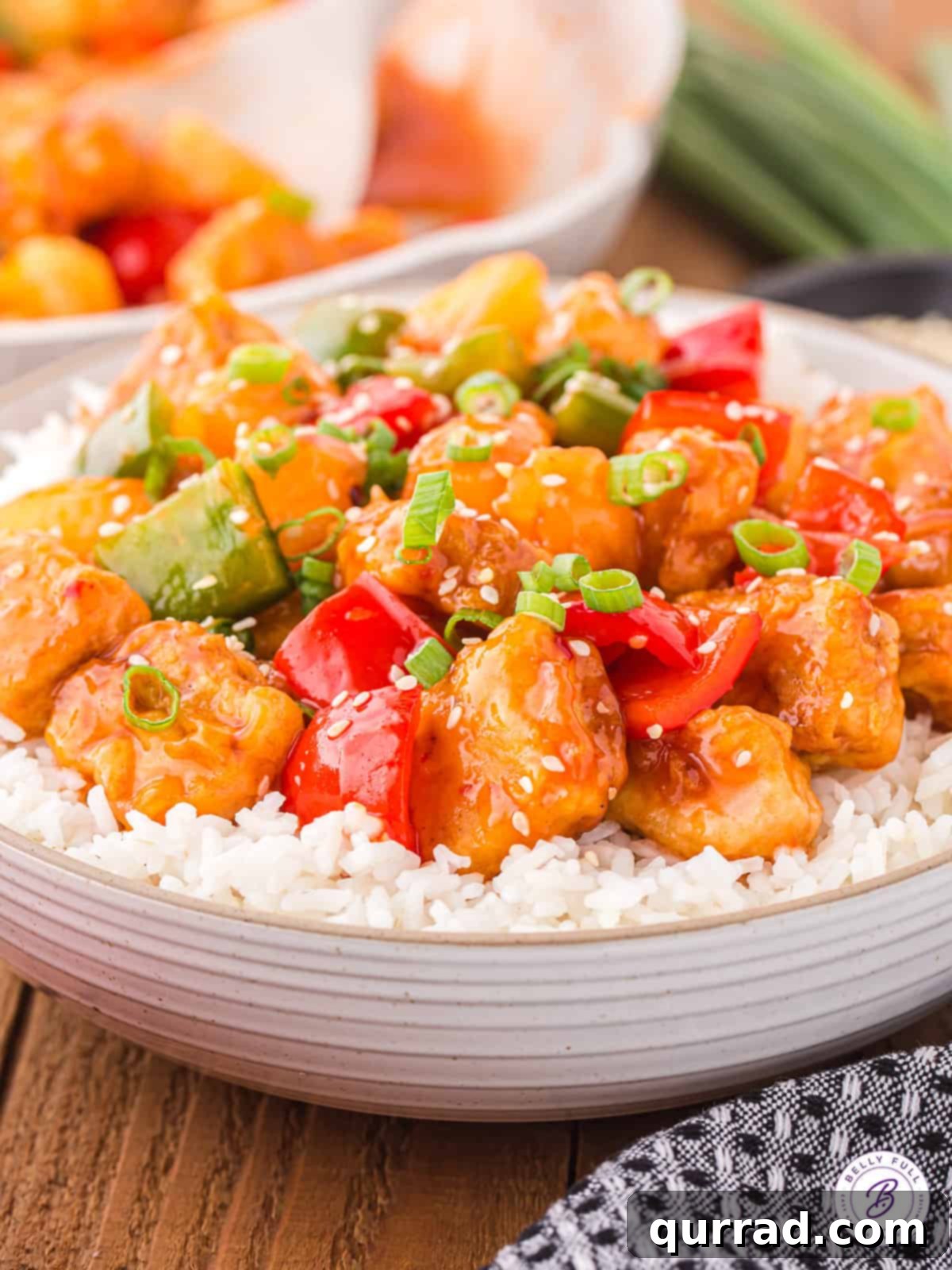
This Sweet and Sour Pork recipe captures the essence of your cherished Chinese restaurant dish, but with a significant advantage: no messy battering or deep-frying required. We achieve fantastic flavor and texture without the extra hassle, making it a much healthier and more approachable option for everyday cooking. Much like my popular Sweet and Sour Chicken, this recipe is a family favorite that simply swaps the poultry for perfectly prepared pork, offering a delightful alternative for pork lovers.
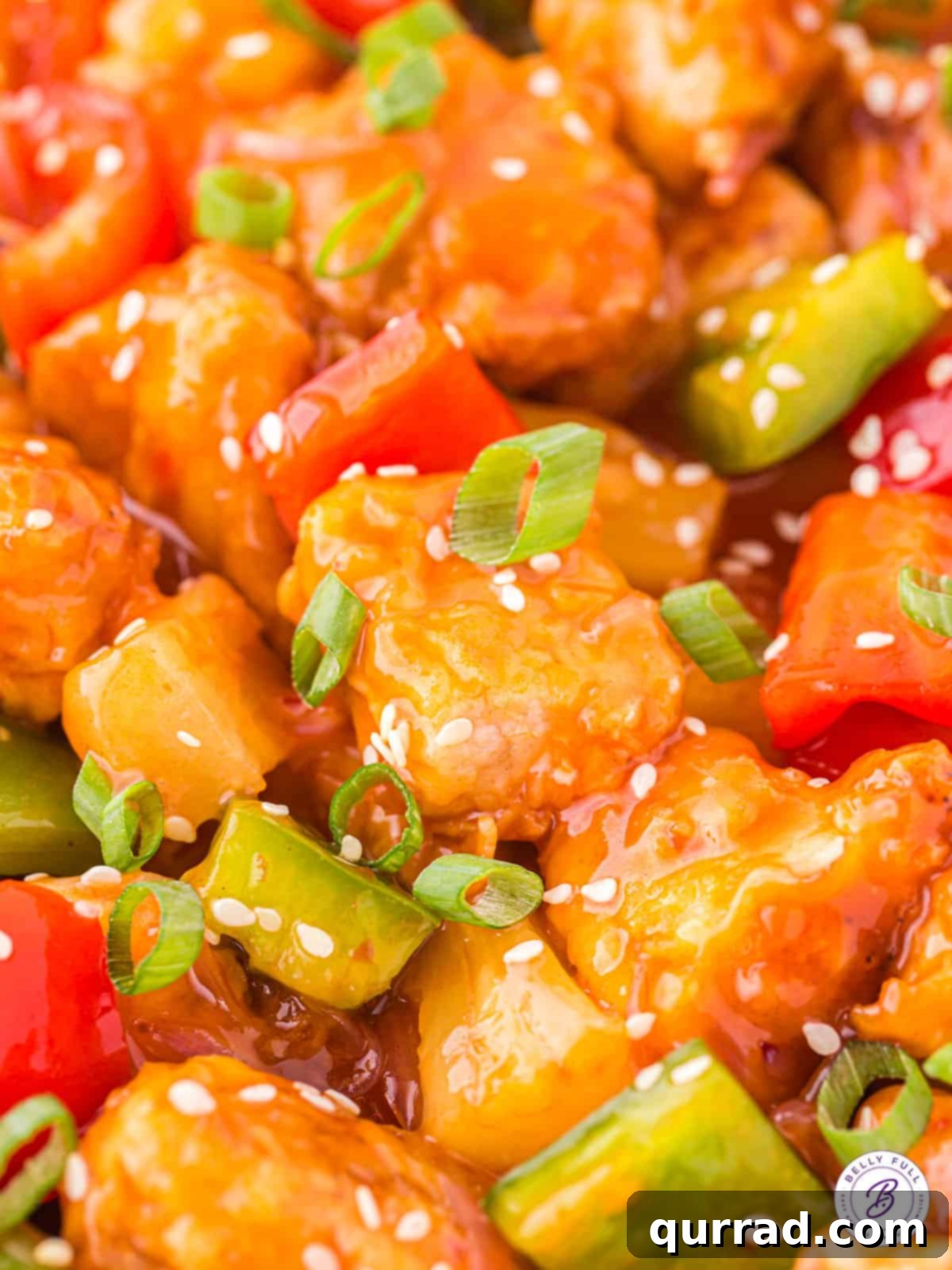
The magic begins with tender chunks of pork, lightly dusted with cornstarch and pan-fried until they develop a beautiful golden hue and a subtle crispiness. This simple coating provides an ideal texture without the need for heavy frying. These delectable pork pieces are then tossed in a vibrant, homemade sweet and sour sauce – a harmonious blend crafted with tangy pineapple juice, savory soy sauce, and a hint of sweetness. The dish is further elevated by sautéed, colorful bell peppers and delicate shallots, adding both visual appeal and a satisfying crunch. Serve this magnificent creation alongside a steaming bowl of fluffy white rice, and you’ll have a complete, restaurant-quality dinner on the table in less time than it takes for any delivery service to reach your doorstep. It’s an unbeatable combination of convenience, flavor, and fresh ingredients.
Essential Ingredients for Your Homemade Sweet and Sour Pork
Crafting this Chinese takeout copycat is surprisingly simple, primarily because it relies on readily available ingredients you likely already have in your pantry or can easily find at any grocery store. Every component plays a crucial role in building the layered flavors and appealing textures of this delightful dish. Here’s a closer look at what you’ll need to create this culinary masterpiece:
- Pork – For the absolute best results, we recommend using boneless pork center-cut loin chops. These cuts are tender and cook beautifully without drying out. It’s important to steer clear of thin-cut chops, as their delicate nature makes them prone to overcooking and becoming tough quickly in a stir-fry, diminishing the overall experience. Cubing the pork into uniform 1-inch pieces ensures even cooking.
- Bell Peppers – I typically opt for a vibrant mix of green and red bell peppers. This combination not only provides a stunning visual contrast to the dish but also offers a slightly different sweetness and crunch. However, feel free to use any color bell pepper you prefer or have on hand; yellow and orange varieties would also be excellent choices.
- Shallots – These aromatic vegetables contribute a milder, sweeter, and more nuanced flavor profile compared to regular onions. If shallots aren’t available, a small white, yellow, or sweet onion can be finely diced and used as a suitable substitute, though the flavor will be slightly more pungent.
- Pineapple Chunks – Canned pineapple chunks are perfect for this recipe. Remember to drain them thoroughly, but crucially, reserve the juice! This precious liquid forms the sweet and tangy backbone of our incredible sweet and sour sauce, adding natural fruit notes and depth.
- Cornstarch – This pantry staple serves two primary functions: first, it provides a very light coating for the pork, helping it to achieve a lovely, subtle crispiness when pan-fried. Second, it acts as a thickening agent for the sweet and sour sauce, giving it that desirable glossy, clingy consistency.
- Rice Wine Vinegar – Essential for the “sour” component of our sauce, rice wine vinegar offers a clean, mild acidity that perfectly complements the sweetness. In a pinch, apple cider vinegar can be used as a substitute, but be aware it has a slightly stronger, fruitier tang.
- Brown Sugar – This is where the “sweet” in sweet and sour comes from! Brown sugar adds a deep, molasses-like sweetness that is more complex than white sugar, enriching the sauce and balancing the vinegar.
- Ketchup – While it might seem like an unconventional ingredient for an Asian sauce, ketchup is a secret weapon. It contributes a lovely reddish hue, a touch of acidity from tomatoes, and a savory depth that enhances the overall richness and umami of the sauce.
- Soy Sauce – A cornerstone of Asian cooking, soy sauce brings savory, umami notes and essential saltiness. I highly recommend using low-sodium soy sauce to give you better control over the dish’s overall salt content, allowing you to season to taste.
- All-Purpose Flour – When combined with cornstarch and egg, flour helps create a delicate, golden crust on the exterior of the pork pieces, further sealing in moisture and ensuring a tender interior. It contributes to the overall appealing texture of the cooked pork.
- Eggs – Whisked eggs act as a binder, helping the flour and cornstarch coating adhere beautifully to the pork, ensuring that each piece gets a delicious, even crust during cooking.
- Spices – A simple blend of garlic powder, salt, and black pepper is used to season the pork itself, adding a foundational layer of flavor that permeates the meat. Feel free to adjust these to your personal preference.
- Vegetable Oil – For sautéing and pan-frying, it’s crucial to use an oil with a high smoke point. Vegetable oil is a great choice, but canola oil, sunflower oil, or avocado oil would also work perfectly. Oils like olive oil have a lower smoke point and can burn, imparting an undesirable bitter flavor to your pork and vegetables.
Crafting Your Sweet and Sour Pork: A Step-by-Step Guide
This delightful pork stir-fry is not only packed with flavor but also incredibly quick to prepare, coming together in just over half an hour. Follow these detailed steps to achieve perfect results every time:
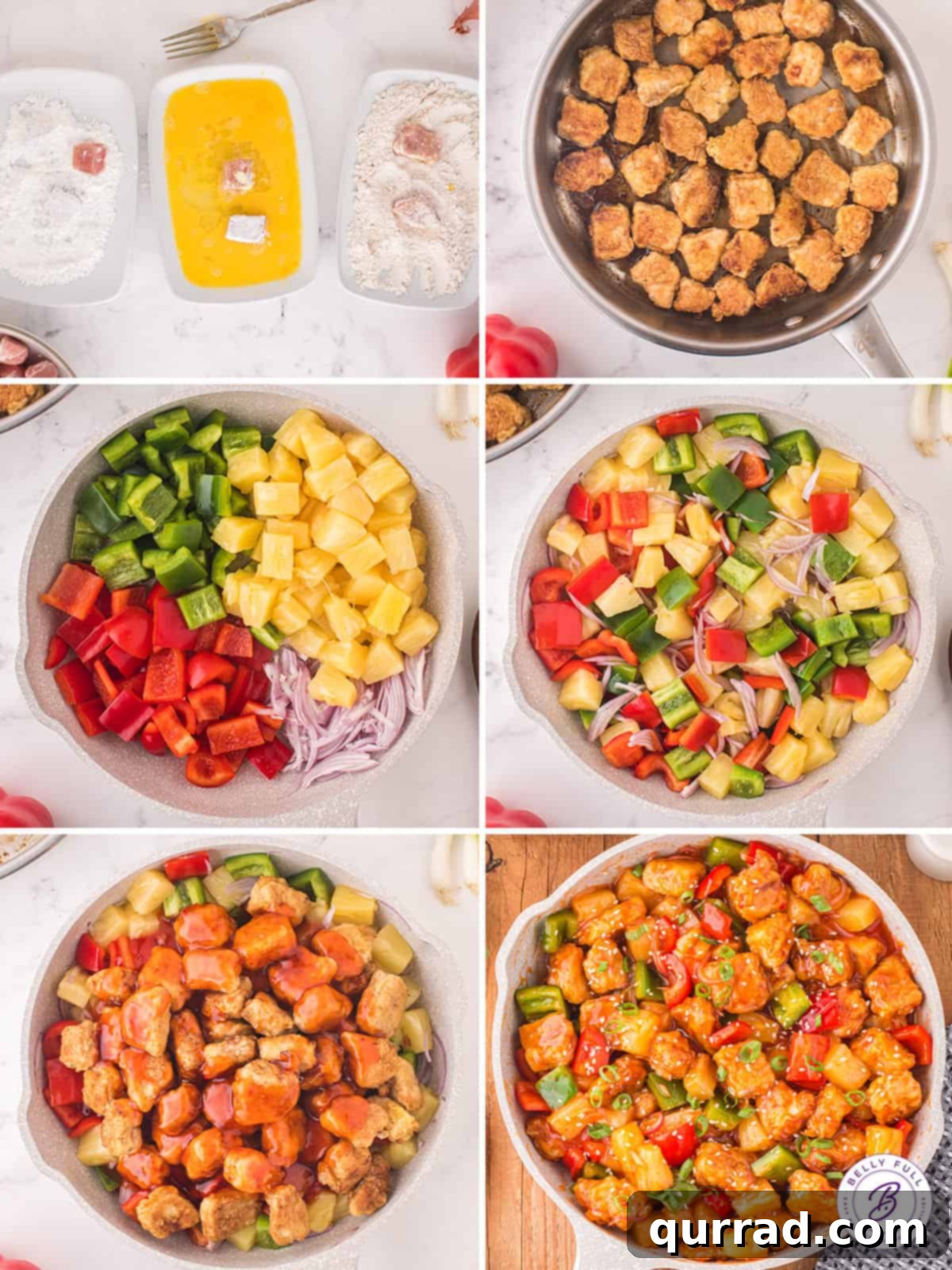
- Prepare the Sweet and Sour Sauce: In a medium-sized mixing bowl, begin by whisking together one tablespoon of cornstarch with one tablespoon of water until the mixture is completely smooth and no lumps remain. This creates a cornstarch slurry that will help thicken the sauce. Next, add the rice wine vinegar, brown sugar, ketchup, low-sodium soy sauce, and the reserved pineapple juice from the canned pineapple chunks. Whisk all these ingredients vigorously until they are thoroughly combined and the sugar has dissolved. Set this flavorful sauce mixture aside; it will be added to the skillet later.
- Bread the Pork for Optimal Texture: Set up a simple breading station using three separate shallow bowls. In the first bowl, place the remaining 1/3 cup of cornstarch. In the second bowl, whisk the two large eggs until they are light and frothy. In the third bowl, combine the all-purpose flour and garlic powder, mixing well. Season your cubed pork pieces generously with salt and pepper. Take each piece of pork and first coat it completely in the cornstarch, tapping off any excess. Then, dip the cornstarch-coated pork into the whisked eggs, ensuring it’s fully covered. Finally, transfer it to the flour mixture and coat thoroughly, shaking off any excess flour. Place the breaded pork pieces on a clean plate and repeat this process for all remaining pork. This multi-layer coating creates a fantastic crust.
- Cook the Pork to Golden Perfection: Heat the vegetable oil in a large nonstick skillet over medium-high heat until it shimmers and is hot enough that a drop of water would sizzle instantly. Carefully add the breaded pork pieces to the hot oil. Avoid overcrowding the pan; you will likely need to cook the pork in two or three batches to ensure each piece browns properly and achieves crispiness. Cook for approximately 4 minutes, turning the pieces occasionally with tongs to brown evenly on all sides until they are golden and cooked through. Once cooked, use a slotted spoon to transfer the pork to a plate lined with paper towels to drain any excess oil. This step helps maintain their crispiness.
- Sauté the Aromatic Vegetables: Carefully drain all but about two tablespoons of the oil from the skillet. If there’s less than two tablespoons, add a little more. Add the chopped red bell pepper, green bell pepper, and julienned shallots to the skillet. Sauté these vegetables over medium-high heat for about 3 minutes, stirring frequently, until they have softened slightly and developed a bit of char, enhancing their natural sweetness and adding a smoky depth. Season the vegetables lightly with salt and pepper to taste.
- Introduce the Dynamic Sauce and Pineapple: Give the sweet and sour sauce mixture a quick stir one last time to ensure all ingredients are well combined. Pour the entire sauce mixture into the skillet with the sautéed vegetables. Add the drained pineapple chunks to the skillet as well. Continue to cook for another 1-2 minutes, stirring constantly, allowing the sauce to warm through and thicken to a beautiful, glossy consistency. The cornstarch in the sauce will ensure it clings perfectly to the pork and vegetables.
- Combine and Serve Your Masterpiece: Return the cooked pork pieces to the skillet with the thickened sauce and vegetables. Stir everything gently to ensure that all the pork and vegetables are thoroughly coated in the delectable sweet and sour sauce. Taste the dish and adjust seasoning with a little more salt or pepper if desired. Serve this irresistible Sweet and Sour Pork immediately over freshly cooked white rice, garnished with a sprinkle of chopped scallions for an extra burst of freshness and color. Enjoy your homemade, restaurant-quality meal!
Recipe Enhancement Tips & Creative Variations
Elevate your sweet and sour pork stir-fry even further with these expert tips and customizable variations, designed to make your cooking experience more rewarding and your dish even more delicious:
- Uniform Pork Pieces for Even Cooking: Precision in your prep work pays off! Cutting the pork into uniform, bite-sized pieces (approximately 1-inch cubes) is crucial. This ensures that every piece cooks at roughly the same rate, preventing some from becoming overcooked and dry while others are still underdone. Consistency in size leads to consistency in texture and flavor throughout the dish.
- Craving More Sauce? Adjust Accordingly: The recipe provides ample sauce to beautifully coat all the pork and vegetables, with a little extra for drizzling over your serving of rice. However, if you are a true sauce enthusiast and love your stir-fries swimming in that sweet and savory goodness, I highly recommend increasing the sauce ingredients by 1 and 1/2 times. This small adjustment will give you an abundance of that irresistible glaze.
- Personalize with Your Favorite Vegetables: One of the most wonderful aspects of stir-fries is their incredible versatility. Don’t feel limited to the bell peppers and shallots! This dish is a fantastic canvas for various vegetables. Consider adding crisp-tender broccoli florets, crunchy water chestnuts for a unique texture, vibrant snap peas, thinly sliced carrots, bamboo shoots, or even mushrooms. Feel free to swap out the included veggies entirely or simply add more to boost the nutritional content and flavor.
- Optimize Your Cooking Vessel: While a traditional wok is a fantastic tool for stir-frying, it’s by no means essential for this recipe. A large, sturdy nonstick skillet works perfectly to achieve the desired results. The nonstick surface is key to preventing the breaded pork from sticking and ensuring an easy cleanup. If you don’t have a nonstick skillet, ensure you use enough oil in a well-seasoned cast iron or stainless steel pan to prevent sticking, and keep the heat consistent.
- Achieving Extra Crispy Pork: For an even crispier exterior on your pork, after coating, refrigerate the pork pieces for about 15-20 minutes before frying. This helps the coating adhere better and dry out slightly, leading to a crisper finish. Also, ensure your oil is hot enough, but not smoking, to get that perfect sear without burning the coating.
- Spice It Up (or Down): If you enjoy a touch of heat, a pinch of red pepper flakes or a dash of sriracha can be added to the sweet and sour sauce. For a milder flavor, simply omit any additional spices beyond salt and pepper.
- Gluten-Free Adaptation: To make this recipe gluten-free, substitute the all-purpose flour with a gluten-free all-purpose flour blend (ensure it contains xanthan gum for best results) and use tamari or a certified gluten-free soy sauce.
- Prep Ahead for Quick Dinners: Most of the prep work for this dish can be done in advance. You can chop all the vegetables and prepare the sweet and sour sauce a day ahead and store them separately in the refrigerator. This significantly cuts down on active cooking time when you’re ready to eat.
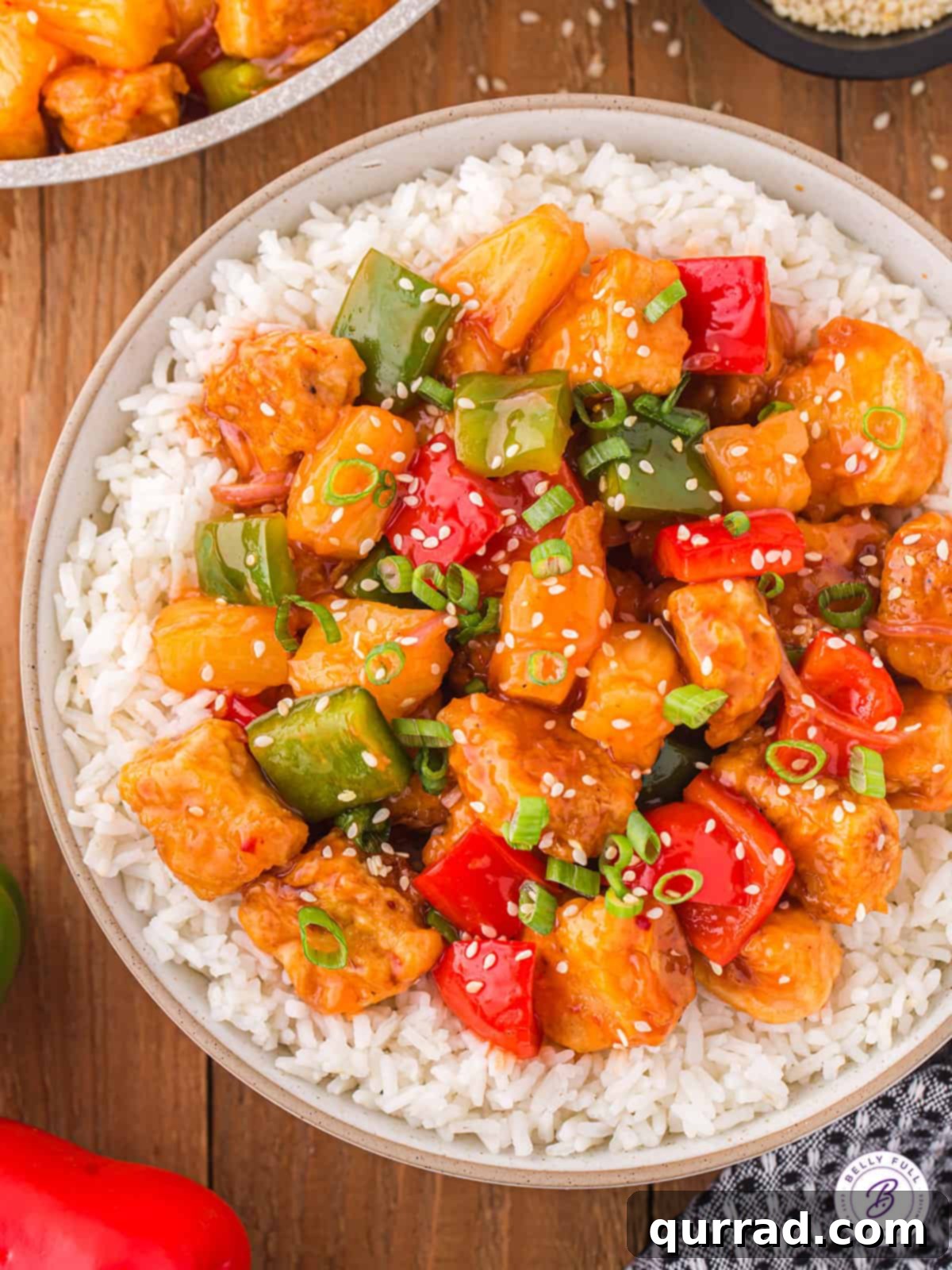
Perfect Pairings: What to Serve with Sweet and Sour Pork Stir Fry
Complementing your vibrant sweet and sour pork stir fry with the right side dishes can transform a simple meal into a delightful feast. The beauty of this dish lies in its versatility, pairing wonderfully with a variety of accompaniments:
The classic choice, and always a winner, is serving your sweet and sour pork with pineapple over a bed of fluffy steamed white rice. Its neutral flavor provides the perfect canvas for the rich sauce. For those seeking alternatives, brown rice offers a nuttier flavor and added fiber, while cauliflower rice is an excellent low-carb option that absorbs the sauce beautifully. If you’re feeling a bit more adventurous, our delicious fried rice makes for an incredibly satisfying and flavorful companion. For an even lighter, low-carb dinner, consider serving the sweet and sour pork simply in crisp lettuce cups – a refreshing and crunchy alternative that highlights the main dish.
When it comes to enhancing the takeout experience, my absolute go-to side dishes for any Asian stir fry are always crispy air fryer egg rolls and rich, creamy crab rangoon. These beloved appetizers perfectly round out the meal, making you feel like you’ve ordered from your favorite restaurant. Other fantastic additions could include quick-steamed edamame, a simple Asian cucumber salad, or even some delicate spring rolls.
Proper Storage and Reheating Guidelines
Ensuring your delicious sweet and sour pork leftovers are stored correctly is key to enjoying them for days to come. Here’s how to handle your culinary creations:
- Storing Leftovers: Any remaining sweet and sour pork should be transferred to an airtight container and promptly stored in the refrigerator. When properly stored, it will maintain its quality and delicious flavor for 3 to 4 days. To reheat, you can gently warm it in a skillet over medium heat until heated through, adding a splash of water or broth if the sauce seems too thick. Alternatively, a microwave can be used for convenience, though the pork might lose some of its crispiness.
- Freezing for Longer Preservation: If you wish to extend the shelf life of your sweet and sour pork, it freezes remarkably well. Place the cooled dish in a freezer-safe airtight container or heavy-duty freezer bag, ensuring as much air as possible is removed to prevent freezer burn. It can be stored in the freezer for 2 to 3 months. When you’re ready to enjoy it again, thaw the pork overnight in the refrigerator. Reheat thoroughly to an internal temperature of 145 degrees Fahrenheit (63 degrees Celsius) before serving. It’s worth noting that the coating on the pork will soften and become less crispy after freezing and thawing, but the flavors will still be wonderfully intact.
More Irresistible Asian Stir Fry Recipes to Explore
If you’ve fallen in love with the ease and flavors of this sweet and sour pork, you’ll be thrilled to discover these other fantastic Asian-inspired stir-fry dishes, perfect for expanding your weeknight dinner repertoire:
- Beef and Broccoli: A timeless classic, featuring tender beef and crisp broccoli florets in a savory sauce.
- Beef and Broccoli Ramen: A creative twist on the classic, incorporating ramen noodles for a hearty, comforting meal.
- Chicken Stir Fry: A versatile and quick dish packed with colorful vegetables and succulent chicken.
- Vegetable Stir Fry: A vibrant and aromatic option, brimming with an array of fresh vegetables in a rich coconut curry sauce.
- Easy Cashew Chicken: A popular dish with tender chicken, crunchy cashews, and a delectable savory sauce.
- Stir Fry Sauce (all-purpose): Master your stir-fries with this versatile homemade sauce recipe, perfect for any combination of protein and vegetables.
Sweet and Sour Pork Recipe
This easy homemade Sweet and Sour Pork recipe is sweet, sour, savory, a bit crunchy, and a fantastic substitute for your favorite Chinese restaurant takeout.
Prep Time: 20 mins
Cook Time: 15 mins
Total Time: 35 mins
Servings: 6 servings

Rate This Recipe | Pin This Recipe | Print This Recipe
Ingredients
- 1/3 cup + 1 tablespoon cornstarch, divided
- 1 tablespoon water
- 1/3 cup rice wine vinegar
- 1/3 cup brown sugar
- 3 tablespoons ketchup
- 2 tablespoons low-sodium soy sauce
- 8 ounce can pineapple chunks, drained, juice reserved
- 2 large eggs
- 1/2 cup all-purpose flour
- 1/4 teaspoon garlic powder
- 1 1/2 pounds boneless pork center cut loin chops, cut into 1-inch bite-sized cubes
- 3/4 teaspoon salt
- 1/4 teaspoon pepper
- 1/3 cup vegetable oil
- 1 small red bell pepper, seeded and ribs removed, cut into 1-inch pieces
- 1 small green bell pepper, seeded and ribs removed, cut into 1-inch pieces
- 2 shallots, julienned
- cooked white rice, for serving
- chopped scallions, optional garnish
Instructions
- In a medium bowl, whisk together 1 tablespoon of cornstarch and the water, until combined. Whisk in the rice wine vinegar, brown sugar, ketchup, soy sauce, and reserved pineapple juice from the can of pineapple chunks. Set aside.
- Set up a breading station for coating the pork: 1st bowl, place the 1/3 cup cornstarch. 2nd bowl, whisk together the two large eggs. 3rd bowl, mix together the flour and garlic powder.
- Toss the pork with the salt and pepper, then take each piece of pork and coat it with the cornstarch, shaking off any excess. Next, dip each piece of cornstarch covered pork in the whisked eggs and then transfer it to the flour mixture and coat thoroughly, again shaking off any excess. Place the coated pieces of pork on a plate to the side and repeat until all of the pork is prepared.
- In a large nonstick skillet, warm the vegetable oil over medium-high until shimmering (bubbles should form if you drop a bit of water into it.)
- Drop the floured pork pieces into the hot oil and cook for 4 minutes, turning the pieces so they’re browned on all sides.
- Using a slotted spoon, transfer the cooked pork to a paper-towel lined plate to drain. (Don’t overcrowd your pan – you’ll likely need to cook in batches.)
- Drain off all but 2 tablespoons of the oil from the skillet. Add in the red bell pepper, green bell pepper, and shallot; sauté until vegetables soften and get a bit charred, about 3 minutes. Season with salt and pepper, to taste.
- Give the sweet and sour sauce mixture a quick stir to redistribute all the ingredients, and pour it into the skillet along with the pineapple chunks. Cook for another 1-2 minutes to warm through and allow sauce to thicken slightly.
- Add pork back to skillet and stir to combine. Taste and sprinkle with a little more salt and pepper, only if necessary.
- Serve over cooked white rice with some diced scallions and enjoy!
Nutrition
Calories: 339kcal | Carbohydrates: 33g | Protein: 28g | Fat: 10g | Saturated Fat: 3g | Polyunsaturated Fat: 1g | Monounsaturated Fat: 4g | Trans Fat: 0.1g | Cholesterol: 131mg | Sodium: 342mg | Potassium: 583mg | Fiber: 1g | Sugar: 15g | Vitamin A: 744IU | Vitamin C: 26mg | Calcium: 37mg | Iron: 2mg
Nutritional information given is an automatic calculation and can vary based on the exact products you use and any changes you make to the recipe. If these numbers are very important to you, I would recommend calculating them yourself.
I hope you love this delicious and easy recipe – be sure to give it a review below! Also don’t forget to follow Belly Full on TikTok, Facebook,Instagram,Pinterest, and YouTube!