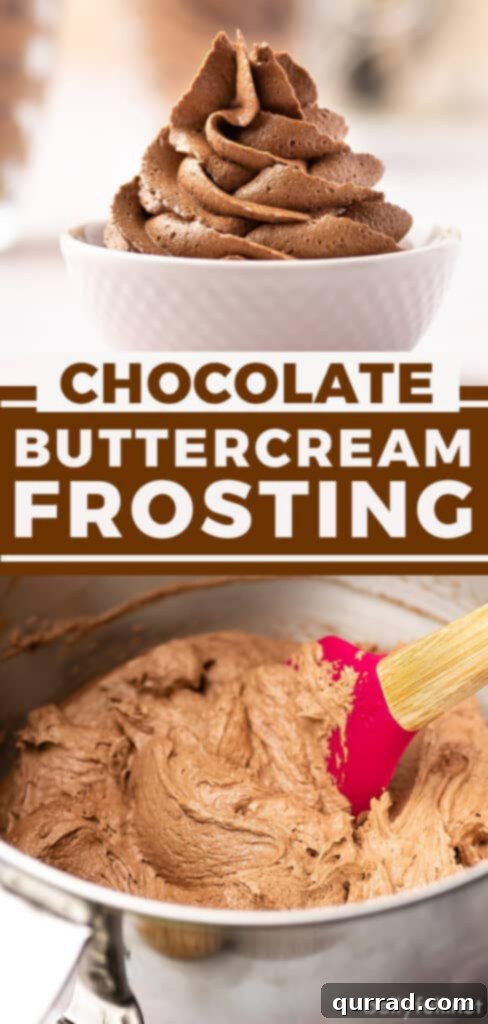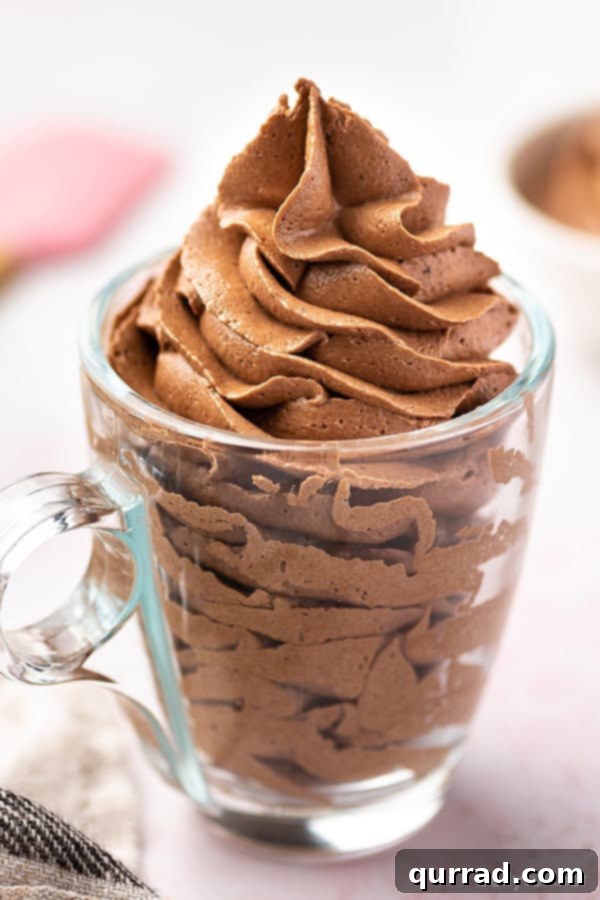
Transform any dessert into an extraordinary treat with our incredibly smooth, wonderfully fluffy Homemade Chocolate Buttercream Frosting. This decadent chocolate frosting recipe comes together effortlessly in minutes, using just a few simple ingredients, proving that homemade truly is always best.
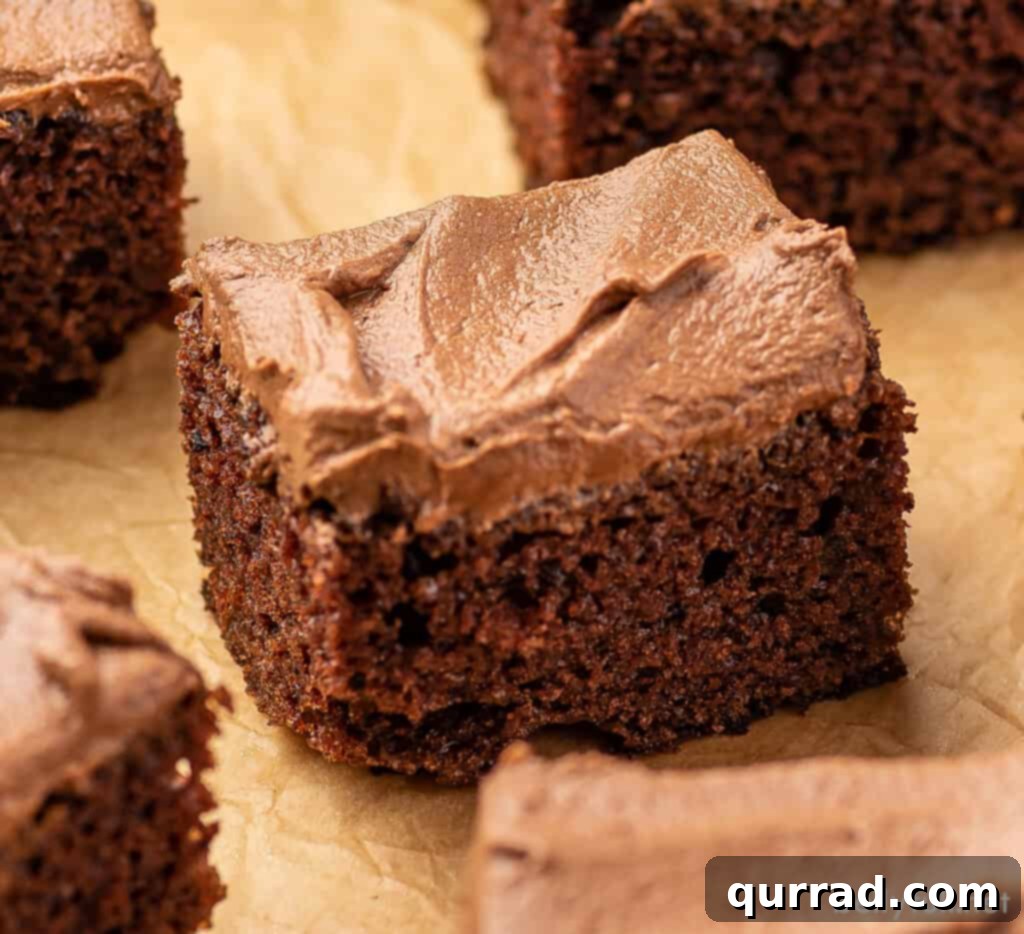
Whether you’re decorating a celebratory cake or piping swirls onto a batch of cupcakes, this chocolate buttercream is the ultimate finishing touch. It’s absolutely divine on our Chocolate Mayonnaise Cake, making it a perfect pairing for a truly indulgent dessert experience.
Effortless Homemade Chocolate Frosting: A Game Changer
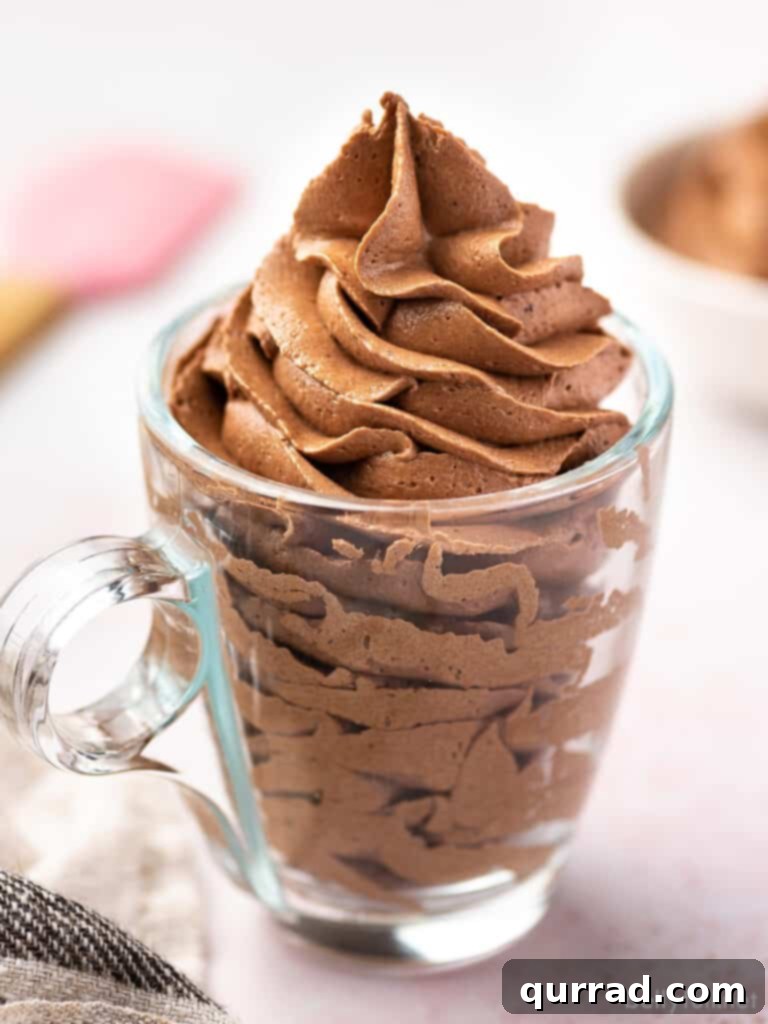
Imagine a frosting so smooth, so creamy, so utterly decadent that it instantly elevates any dessert it touches. That’s precisely what you get with our irresistible chocolate buttercream frosting. Who could possibly resist a slice of chocolate cake generously coated in this velvety goodness, or a cupcake piled high with its rich, sweet swirls? It’s not just a topping; it’s a sensory experience – sweet, rich, deeply chocolatey, and absolutely amazing.
The best part? Achieving this homemade perfection is incredibly quick and easy. Forget those tubs of store-bought frosting that often taste artificial and lack the luxurious texture of real buttercream. Our easy chocolate frosting recipe requires just a handful of common ingredients and demands only about 5 minutes of your time. Once you experience the superior flavor and exquisite texture of this homemade chocolate frosting, you’ll wonder why you ever settled for anything less. There’s truly no going back to pre-made options once you’ve tasted the difference.
Crafting the Perfect Chocolate Buttercream: Key Ingredients
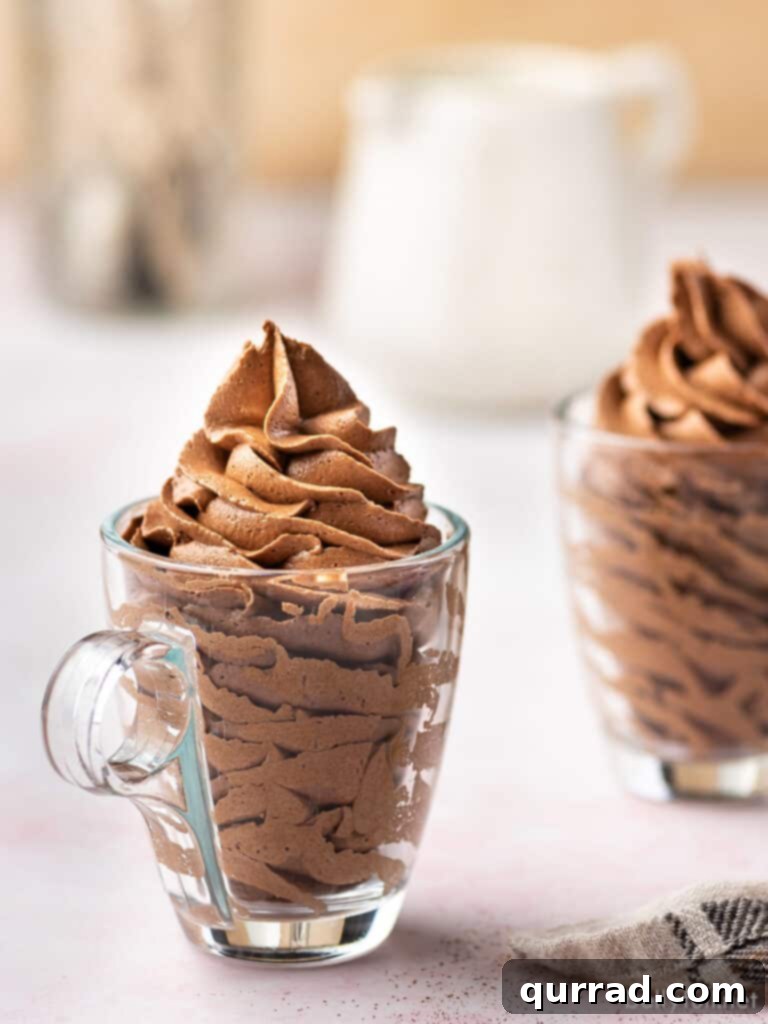
Creating the ultimate chocolate buttercream frosting starts with selecting the right ingredients and understanding their individual roles. Here’s a closer look at what you’ll need for our easy chocolate frosting recipe, along with tips for optimal results. (Detailed measurements can be found in the printable recipe card below.)
- Unsalted Butter: As the name “buttercream” suggests, butter forms the rich base of this frosting. We highly recommend using unsalted butter because it gives you precise control over the overall saltiness of your frosting. If you only have salted butter on hand, it will work; simply omit any additional salt called for in the recipe. The most crucial tip for butter is its temperature: it absolutely *must* be at room temperature. Not cold and stiff, nor melted and oily. Properly softened butter creams beautifully, resulting in a light and airy frosting.
- Powdered Sugar: Also known as confectioners’ sugar or icing sugar, this finely ground sugar is essential for a smooth, lump-free frosting. Granulated sugar will result in a gritty texture, so avoid substituting it. Sifting the powdered sugar can help prevent lumps, though a good mixer will often break them down.
- Unsweetened Cocoa Powder: This is what transforms a classic buttercream into a rich chocolate masterpiece. The quality of your cocoa powder significantly impacts the final flavor. We prefer brands like Ghirardelli or Hershey’s for their consistent quality and robust chocolate flavor. You can use either natural unsweetened cocoa powder or Dutch-processed cocoa powder; Dutch-processed will yield a darker color and a slightly milder, less acidic chocolate flavor.
- Heavy Cream: Cream is vital for balancing the dry ingredients and achieving a perfectly spreadable texture. Heavy cream provides a rich mouthfeel and contributes to the frosting’s luxurious consistency. While you can substitute half-n-half or whole milk, be aware that these have less fat, which will make your frosting thinner. If using a lower-fat alternative, start with less liquid and add gradually until the desired consistency is reached. Like butter, room temperature cream is best for emulsification.
- Salt: A pinch of salt might seem counterintuitive in a sweet frosting, but it’s a flavor enhancer. Since we use unsalted butter, adding a small amount of salt balances the sweetness and deepens the chocolate notes, preventing the frosting from tasting flat.
- Vanilla Extract: A touch of pure vanilla extract is a classic addition to chocolate desserts. It complements the chocolate flavor beautifully, adding a layer of warmth and complexity.
- Espresso Powder (optional, but highly recommended): This secret ingredient doesn’t make your frosting taste like coffee; instead, it dramatically enhances the chocolate flavor, adding depth and intensity. It truly makes the chocolate taste “more chocolatey” and is a game-changer for homemade chocolate frosting. Don’t skip it if you want the best possible flavor!
Elevate Your Frosting: Creative Recipe Variations
One of the joys of homemade frosting is the ability to customize it to your taste. This versatile chocolate buttercream recipe serves as an excellent base for various flavor profiles and aesthetic adjustments:
- Adjusting Color and Intensity: Easily control the visual appeal and chocolate depth. Use more cocoa powder for a richer, darker chocolate color and a more intense chocolate flavor. For a lighter, milkier chocolate hue and a milder taste, simply reduce the amount of cocoa powder used. This flexibility allows you to match your frosting to any occasion or preference.
- Flavor Infusions: Beyond classic vanilla, experiment with other extracts to create unique flavor combinations. Instead of vanilla extract, try a refreshing burst of peppermint extract for holiday treats, a zesty hint of orange extract, or even a sophisticated splash of rum or brandy for an adult-friendly dessert. Almond extract can also add a delightful nutty dimension.
- Mexican Hot Chocolate Frosting: For an exciting twist, transform this into a Mexican Hot Chocolate-inspired frosting. Add a teaspoon of ground cinnamon and a tiny pinch of cayenne pepper (start with 1/8 teaspoon and adjust to taste). The cinnamon adds warmth and aromatic spice, while the cayenne pepper provides a subtle, intriguing kick that perfectly complements the rich chocolate.
- Nutty Notes: Stir in a few tablespoons of your favorite nut butter, like peanut butter or hazelnut spread (Nutella), after the frosting is made for a delightful nutty chocolate frosting. Ensure the nut butter is smooth and creamy for the best texture.
- Coffee Lover’s Dream: While espresso powder enhances chocolate without adding coffee flavor, you could dissolve a teaspoon of instant coffee in a tablespoon of the heavy cream for a more pronounced mocha flavor.
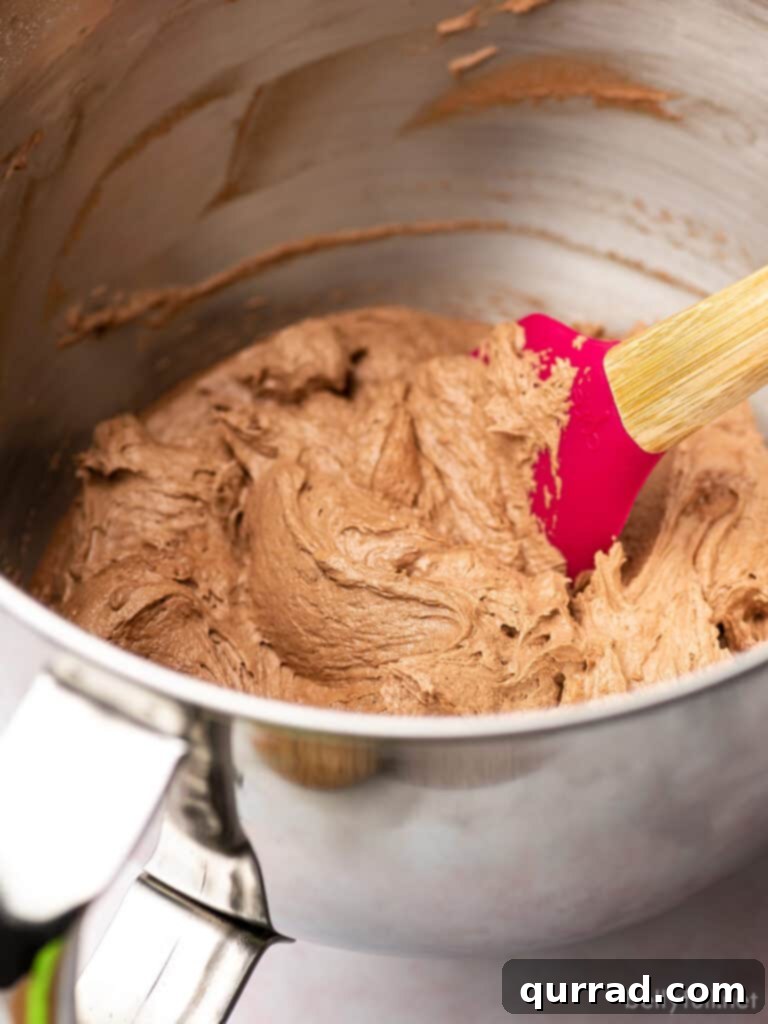
Mastering Your Chocolate Frosting: Step-by-Step Guide
While the detailed instructions are provided in the printable recipe card at the end of this article, here are some invaluable tips and insights to ensure your easy chocolate frosting recipe turns out perfectly every time.
Indispensable Tips for Success
Room Temperature is Non-Negotiable: The single most critical factor for achieving light, airy buttercream is using room temperature butter and cream. This is not just a suggestion; it’s a must! Properly softened butter should yield slightly when pressed with a finger, leaving an indentation without your finger pushing straight through. Do not try to rush this process by heating it in the microwave or oven, as this can melt the butter unevenly and cause a greasy, separated frosting.
Why Temperature Matters: When butter is at room temperature, it can cream together with air much more effectively, creating a light and fluffy texture. Cold butter will result in a lumpy, dense frosting, while melted butter will make it greasy and runny. Similarly, room temperature heavy cream emulsifies better with the butter, creating a cohesive and smooth frosting. If your buttercream appears curdled or separated, it’s almost always due to ingredients not being at the correct temperature.
Achieving the Perfect Consistency
The ideal consistency of your chocolate buttercream frosting will vary depending on its intended use:
For Frosting a Cake: When covering a cake, you’ll want a slightly softer, more yielding consistency for smooth spreading. Test it by running a butter knife through it; if it holds its shape but is still effortless to spread across the cake layers, it’s just right. This consistency allows for easy crumb coating and smooth final layers.
For Piping Designs: If you plan to pipe intricate designs or tall swirls on cupcakes with a decorator’s tip (like a 1M), the frosting needs to be a bit stiffer. It should hold its shape firmly without collapsing or sagging. This extra firmness ensures crisp lines and stable decorations.
Adjusting Your Frosting:
- If the frosting is too thick: Add heavy cream very slowly, one teaspoon at a time, beating after each addition until it loosens to your desired consistency. Be patient and add sparingly, as a little cream goes a long way.
- If the frosting is too thin: Gradually incorporate a little extra powdered sugar, about a quarter cup at a time, until it thickens sufficiently. Beat well after each addition to fully incorporate the sugar and achieve a smooth texture.
- Troubleshooting Greasy/Separated Frosting: If your frosting looks greasy or curdled, it’s often a temperature issue. Try placing the bowl in the refrigerator for 10-15 minutes (or 5 minutes in the freezer) to chill the butter slightly. Then, remove it and beat on medium-high speed until it comes back together and becomes fluffy. You might need to add a tablespoon more powdered sugar to help absorb any excess moisture if it was caused by overly soft butter.
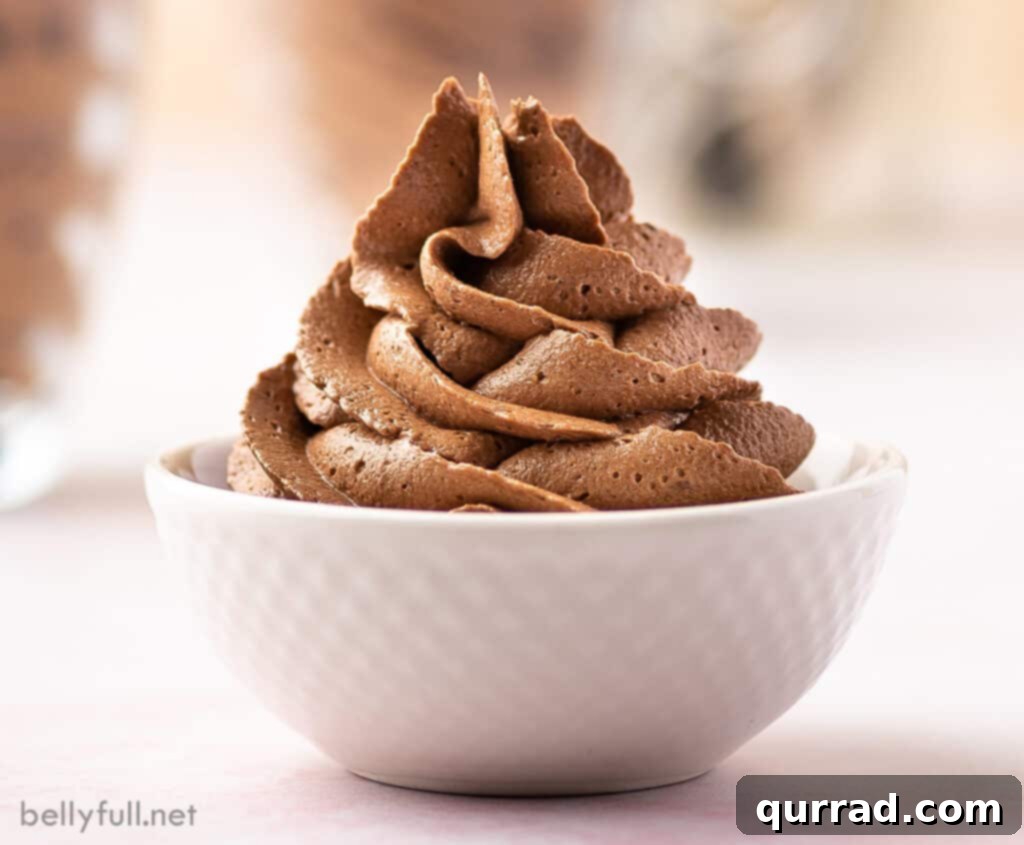
Yield and Creative Serving Suggestions
This versatile chocolate frosting recipe makes a generous amount, approximately 2½ cups, making it suitable for a variety of baking projects. It’s enough to pipe tall, impressive swirls onto 12-16 standard cupcakes, provide a thin, elegant layer on 24 cupcakes, generously frost a classic 9-inch round 2-layer cake, or cover a single 9×13 inch sheet cake, such as our recommended Chocolate Mayonnaise Cake.
Beyond traditional cakes and cupcakes, this homemade chocolate buttercream frosting offers endless possibilities for delicious creations:
- Brownie Topping: Spread a thick layer over cooled brownies for an extra indulgent treat.
- Cookie Sandwiches: Use it as a rich filling for sandwich cookies, like oatmeal cream pies or chocolate wafers.
- Dessert Dip: Serve it alongside fresh fruit, pretzels, or graham crackers as a decadent dessert dip.
- Pie/Tart Garnish: Pipe decorative dollops onto chocolate pies or tarts for an elegant finish.
- Donut Filling/Topping: Fill homemade donuts or spread it over baked donuts for a gourmet touch.
- Straight from the Spoon: Let’s be honest, sometimes it’s just too good to wait for a cake!
Storage and Revival of Homemade Chocolate Buttercream Frosting
Proper storage ensures your delicious homemade chocolate buttercream frosting stays fresh and ready for your next baking adventure. It’s also incredibly easy to revive after being stored.
- If Using Right Away (within a couple of days): A cake or cupcakes frosted with this buttercream can generally be kept at room temperature, tightly covered, for up to two days. However, if your kitchen is particularly warm or humid, it’s safer to refrigerate or freeze the frosted dessert to prevent spoilage and melting.
- Storing for Later (Refrigerator): To store unfrosted buttercream, transfer it to an airtight container and refrigerate for up to 5 days. When you’re ready to use it, remove it from the fridge and allow it to come to room temperature. This step is crucial for achieving the correct consistency for spreading or piping.
- Freezing for Longer Storage: This frosting freezes beautifully for longer-term storage. Place it in a freezer-safe, airtight container, and it will keep well for up to one month. To use, defrost the frosting in the refrigerator overnight.
- Freshening Up After Storage: After chilling in the fridge or thawing from the freezer, your buttercream might appear stiff or a little separated. To restore its light, fluffy texture, simply add 1-2 tablespoons of heavy cream (at room temperature) to the frosting and beat it with a stand mixer or handheld mixer on medium speed for a minute or two. This brief beating will bring it back to its original smooth, spreadable consistency.
Explore More Chocolate Delights:
If you’re a chocolate lover, we have plenty more recipes to satisfy your cravings. Check out these other fantastic chocolate creations:
- Chocolate Mousse Pie
- Easy Chocolate Pie
- Homemade Chocolate Pudding
- Homemade Chocolate Sauce
- Texas Sheet Cake
We truly hope you enjoy this simple, delicious, and incredibly versatile homemade chocolate buttercream frosting recipe! If you make it, please consider leaving a review below to let us know how it turned out. Don’t forget to follow Belly Full on Facebook, Instagram, Pinterest, and YouTube for more inspiring recipes and baking tips!
Homemade Chocolate Frosting
5 minutes
5 minutes
12
(2 1/2 cups total)
Pin
Ingredients
-
1 cup unsalted butter, , softened to room temperature -
1/2 cup unsweetened cocoa powder -
2 teaspoons vanilla extract -
1 teaspoon espresso powder, , optional but recommended -
1/8 teaspoon salt -
3 1/2 cups powdered sugar -
3-5 tablespoons heavy whipping cream, , room temperature
Instructions
-
With a handheld mixer (or stand mixer fitted with a whisk or paddle attachment), beat butter on medium speed for about 2 minutes or until creamy and lightened in color, scraping down the bowl as needed.
-
Add cocoa powder, vanilla extract, salt, and espresso powder (if using) until combined and smooth.
-
Add in powdered sugar, 1 cup at a time, until sugar is incorporated, scraping down the bowl several times to ensure everything is well blended.
-
Slowly beat in 3 tablespoons heavy cream, increasing speed to high and beating for 1 more minute until frosting reaches desired consistency.
-
Add in more heavy cream, 1 tablespoon at a time, only if necessary. Frosting should be light and fluffy, and easily spreadable, but hold its shape if spreading, or a little stiffer and does not fall if piping.
-
Use as desired for cupcakes or cake right away or store for later.
-
NOTE: For more information, variations, ways to use it, and storage, please refer to the full article.
Nutrition
Calories:
295
kcal
|
Carbohydrates:
37
g
|
Protein:
1
g
|
Fat:
17
g
|
Saturated Fat:
11
g
|
Polyunsaturated Fat:
1
g
|
Monounsaturated Fat:
5
g
|
Trans Fat:
1
g
|
Cholesterol:
46
mg
|
Sodium:
29
mg
|
Potassium:
67
mg
|
Fiber:
1
g
|
Sugar:
34
g
|
Vitamin A:
528
IU
|
Vitamin C:
1
mg
|
Calcium:
12
mg
|
Iron:
1
mg
Nutritional information given is an automatic calculation and can vary based on the exact products you use and any changes you make to the recipe. If these numbers are very important to you, I would recommend calculating them yourself.
Did you make this? Leave a rating below!