
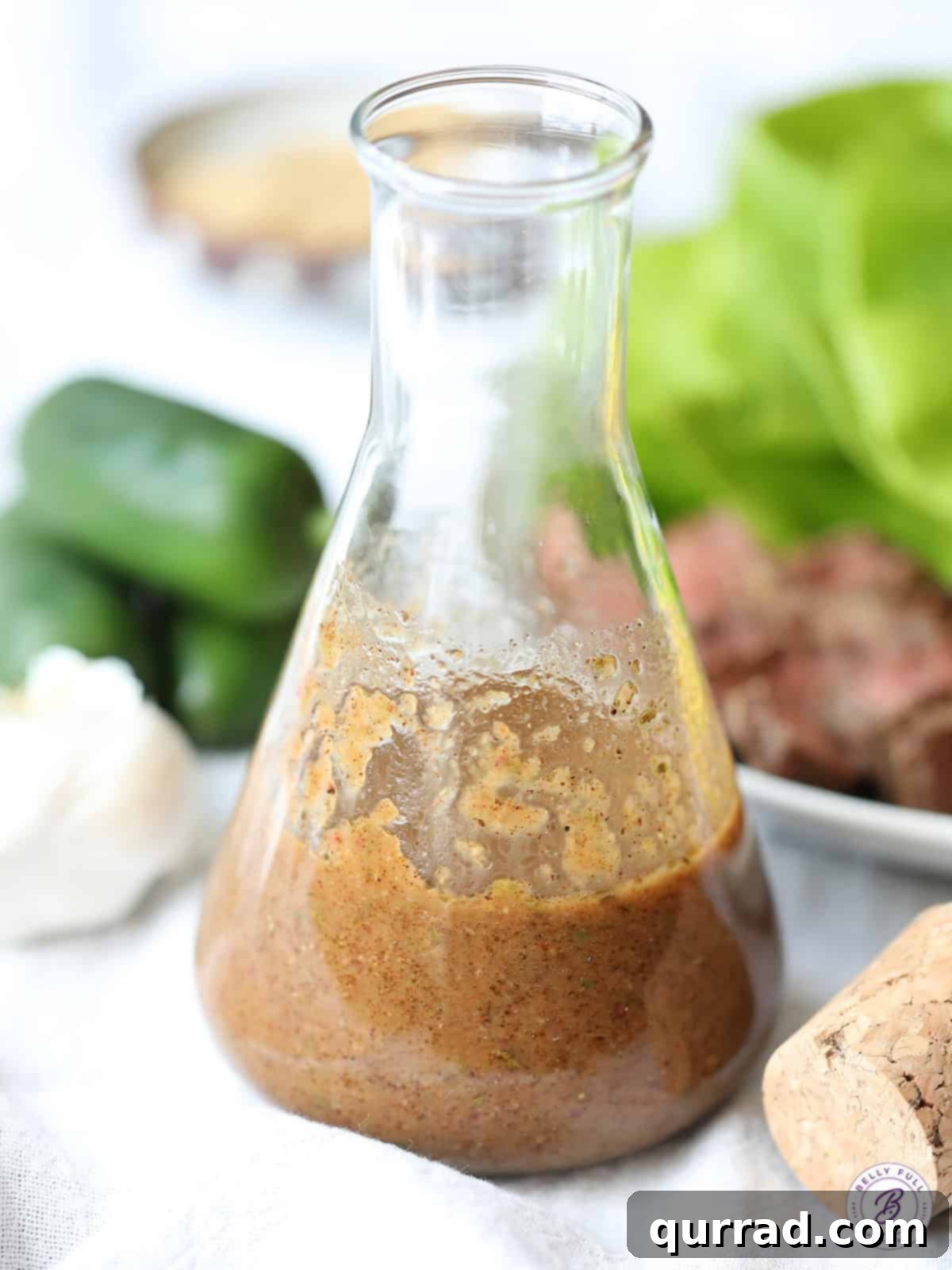
Transform your kitchen into a vibrant Caribbean escape with this incredible homemade Jerk Marinade recipe. Bursting with the authentic, aromatic flavors of Jamaican spices, this marinade is surprisingly simple to prepare in minutes and elevates everything from succulent chicken and tender steak to juicy pork and fresh shrimp. Forget store-bought alternatives; our recipe promises a deeply flavorful, versatile blend that brings the true spirit of Jamaican cuisine right to your plate, making it an essential addition to your cooking repertoire.
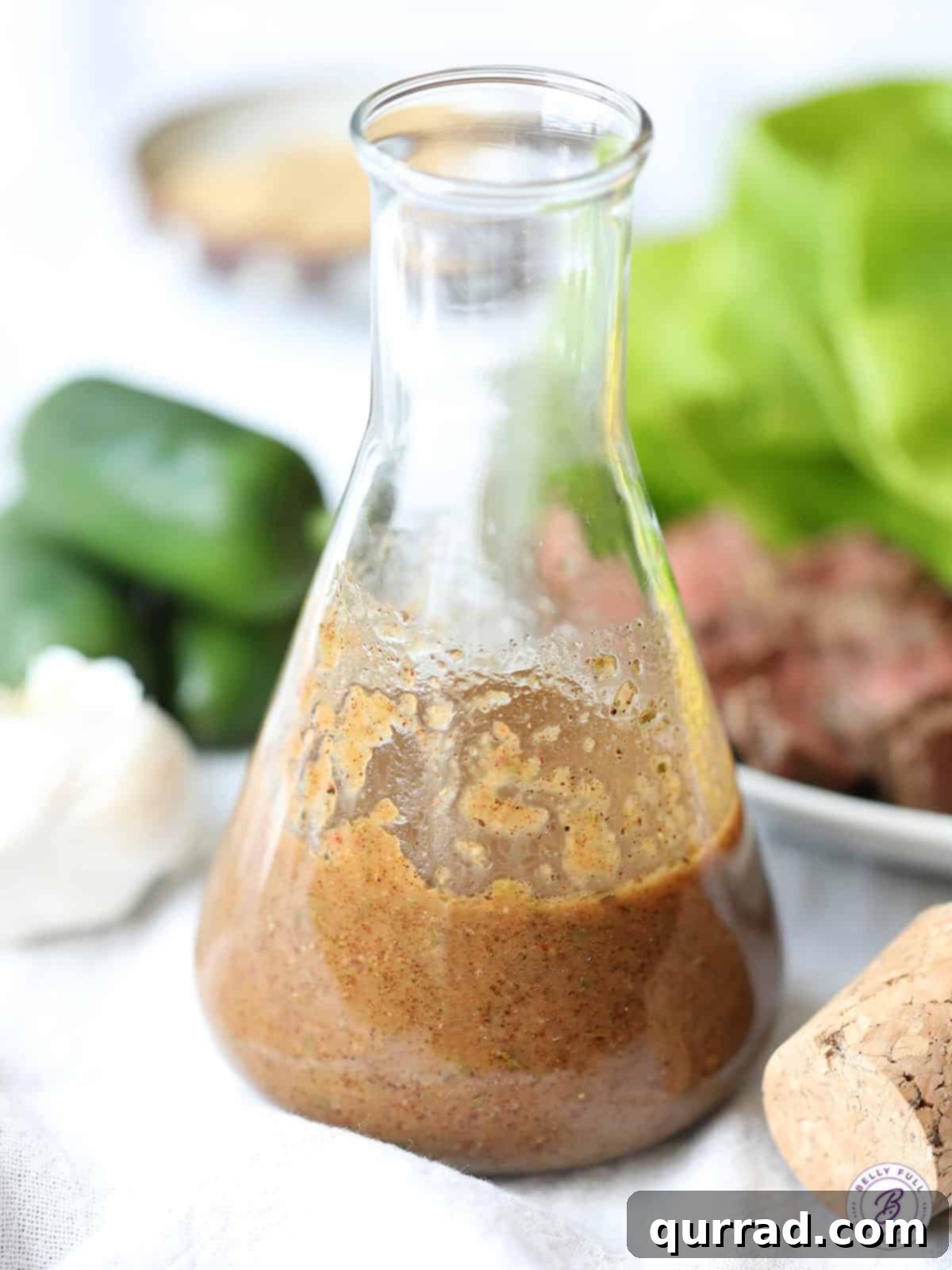
Crafting the Ultimate Jamaican Jerk Marinade at Home
The journey to mastering the perfect jerk marinade began for me years ago, during my lively college days. I was fortunate enough to share a dorm with a Jamaican roommate who was not only incredibly tidy (a rare gem in student housing!) but also an exceptional cook. His culinary prowess was legendary among our friends, and he regularly treated us to an array of unforgettable dishes – from rich, aromatic curry chicken and comforting rice and peas to delightful banana fritters and, of course, the star of the show: authentic jerk chicken.
What truly set his cooking apart was his unwavering commitment to freshness. He would always, without fail, prepare a new batch of both jerk seasoning and the essential jerk marinade from scratch. The tantalizing aromas that filled our shared living space were simply irresistible, leaving a lasting impression on my palate and igniting a lifelong appreciation for Jamaican flavors. While I can’t recall the exact intricacies of his traditional recipe, the memory served as a powerful inspiration for creating this easy-to-follow homemade version. Through countless experiments, tasting sessions, and careful adjustments, I’ve developed a jerk marinade that captures the bold, complex essence of his cooking, all while being remarkably accessible for the home chef. This recipe is a tribute to those vibrant college memories and the incredible flavors that still inspire me today.
Unpacking the Distinctive Flavors of Jamaican Jerk
Jamaican jerk cuisine is renowned for its deep, intricate, and utterly captivating flavor profile – a symphony of tastes that can be almost challenging to describe, yet impossible to forget. At its heart lies a masterful blend of seemingly disparate spices that, when combined, create a harmonious and unforgettable experience. Key players include the warm, peppery notes of allspice (often referred to as pimento in Jamaica), the fiery kick of scotch bonnet peppers (or the more commonly available habanero), earthy thyme, pungent ginger, fragrant cinnamon, and a hint of nutmeg. These foundational spices are traditionally paired with savory elements like garlic and scallions, creating a robust base.
What makes this combination so exceptional is the interplay between the intense heat and the subtle, lingering sweetness. The allspice provides a unique bridge, carrying hints of cloves, cinnamon, and nutmeg, which beautifully complement the actual cinnamon and nutmeg in the blend. The heat from the peppers is not just about raw spice; it’s about a vibrant warmth that awakens the palate, balanced by the savory herbs and a touch of brown sugar for caramelization. For my particular homemade jerk marinade recipe, I’ve enhanced this classic foundation by incorporating fresh onion and vibrant jalapeno for additional aromatic depth and a manageable heat level. Fresh lime juice adds a crucial tangy brightness, while low-sodium soy sauce contributes a layer of umami and salt, enriching the overall complexity. The brown sugar not only provides sweetness but also aids in caramelization during cooking, leading to that coveted crispy, flavorful exterior on meats.
While this recipe may not strictly adhere to every traditional “authentic” jerk method – which often involves a long marination and cooking over pimento wood – it undeniably delivers that fantastic, unmistakable Jamaican jerk flavor in an incredibly easy and accessible way. It’s designed to bring the vibrant taste of the Caribbean to your table without requiring a trip to a specialty store for hard-to-find ingredients, making it a perfect starting point for anyone eager to explore this iconic cuisine. The beauty of a homemade marinade lies in your ability to control the quality of ingredients and tailor the spice level to your personal preference, ensuring a delicious outcome every time.
The Etymology of “Jerk”: A Culinary History
The term “Jerk” in Jamaican cuisine refers to more than just a flavor; it’s a specific style of seasoning and cooking meat, fish, or even vegetables that has deep historical roots. The quintessential jerk cooking method typically involves a dry rub or, more commonly, a wet marinade or paste that prominently features pimento (allspice) and the famously fiery scotch bonnet peppers. These ingredients are fundamental to creating the characteristic taste and aroma that define jerk, imbuing the food with an unforgettable zest and heat.
Food historians largely agree that the word “jerk” originates from the Spanish word “charqui,” which itself is derived from the Quechua word “ch’arki.” This term was used to describe dried strips of meat, a precursor to what we now know as “jerky” in English-speaking countries. Over time, the noun “charqui” evolved into a verb in Spanish and then in Jamaican patois, becoming “jerking.” This verb referred to the traditional practice of poking holes into the meat before cooking, a crucial step that allowed the potent spices and marinade to penetrate deeply into the flesh, ensuring maximum flavor infusion. This technique was essential for both preserving and tenderizing the meat, especially in the absence of refrigeration.
Furthermore, Helen Willinsky, a respected jerk cooking expert and native Jamaican author, offers an additional perspective on the origin of the name. She suggests that “jerk” might also allude to the distinctive turning motion of the meat as it cooks over the fire, or perhaps even the way someone might “jerk” (tear or pull) a strip of meat directly from a slow-roasted piece on the barbecue. This multi-layered etymology highlights the rich cultural and culinary heritage embedded within the term, signifying both the ingredients and the cooking process that make jerk truly unique. The traditional method often involved slow-cooking over a pimento wood fire, imparting a distinctive smoky flavor that further distinguishes authentic jerk cuisine. Understanding this history enriches the experience of enjoying and preparing jerk dishes.
Versatile Culinary Applications for Your Jerk Marinade
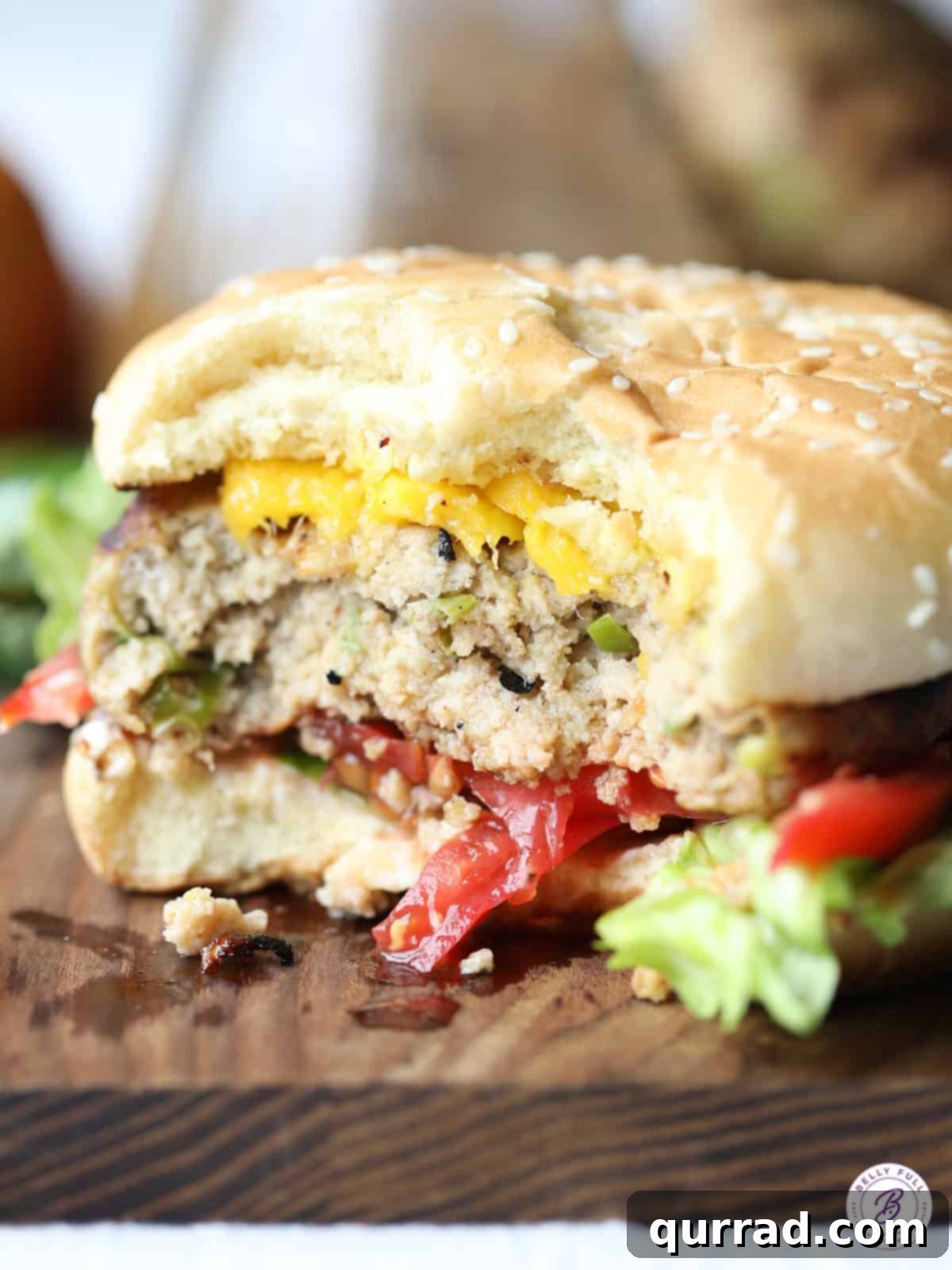
One of the most remarkable aspects of this homemade jerk marinade is its incredible versatility. While it’s a natural fit for classic jerk chicken, its complex flavor profile makes it an exceptional addition to a wide array of proteins and vegetables, transforming everyday meals into extraordinary culinary experiences. I particularly love using it to create vibrant Steak Lettuce Cups, where the spicy marinade perfectly complements the fresh, crisp lettuce and sweet mango. It’s also phenomenal in Turkey Burgers, infusing the lean meat with a burst of bold Jamaican flavor that pairs beautifully with tropical toppings.
Beyond these favorites, the possibilities are virtually endless:
- Chicken: Whether you’re grilling whole chicken pieces, skewers, or marinating boneless breasts for baking or pan-searing, jerk marinade creates tender, flavorful results. Try it on wings for a spicy appetizer!
- Pork: Use it on pork chops, tenderloin, or even slow-roasted pork shoulder for incredible pulled pork sandwiches or tacos. The brown sugar helps create a beautiful caramelization.
- Beef: Marinate flank steak, skirt steak, or sirloin for grilling. It’s also fantastic for adding a kick to beef kebabs or stirring into chili for a unique depth.
- Seafood: Shrimp, mahi-mahi, salmon, or cod fillets absorb the flavors beautifully. Try grilling jerk shrimp skewers or baking marinated fish for a quick and healthy meal. Even scallops can be elevated with a short marinade.
- Vegetables: Don’t overlook the power of jerk marinade on vegetables! Toss chopped bell peppers, onions, zucchini, corn on the cob, or even hearty root vegetables like sweet potatoes or cauliflower florets before roasting or grilling. The caramelization creates an amazing depth of flavor and a delightful side dish.
- Tofu/Plant-Based: For vegetarian and vegan options, press extra-firm tofu or tempeh, then marinate and grill or bake. It creates a robust, satisfying main dish that’s rich in flavor.
- Beyond the Main Course: Consider incorporating the marinade into stir-fries, rice bowls, or even as a flavor enhancer for soups and stews. A little bit goes a long way in adding that distinctive Caribbean flair. It can even be a flavor booster for scrambled eggs or omelets if you’re feeling adventurous!
This marinade truly lends such an amazing and unique flavor to all these dishes, making it an indispensable tool in your culinary arsenal. Experiment with different ingredients and cooking methods to discover your new favorite jerk-infused meal!
Optimal Storage and Shelf Life for Homemade Jerk Marinade
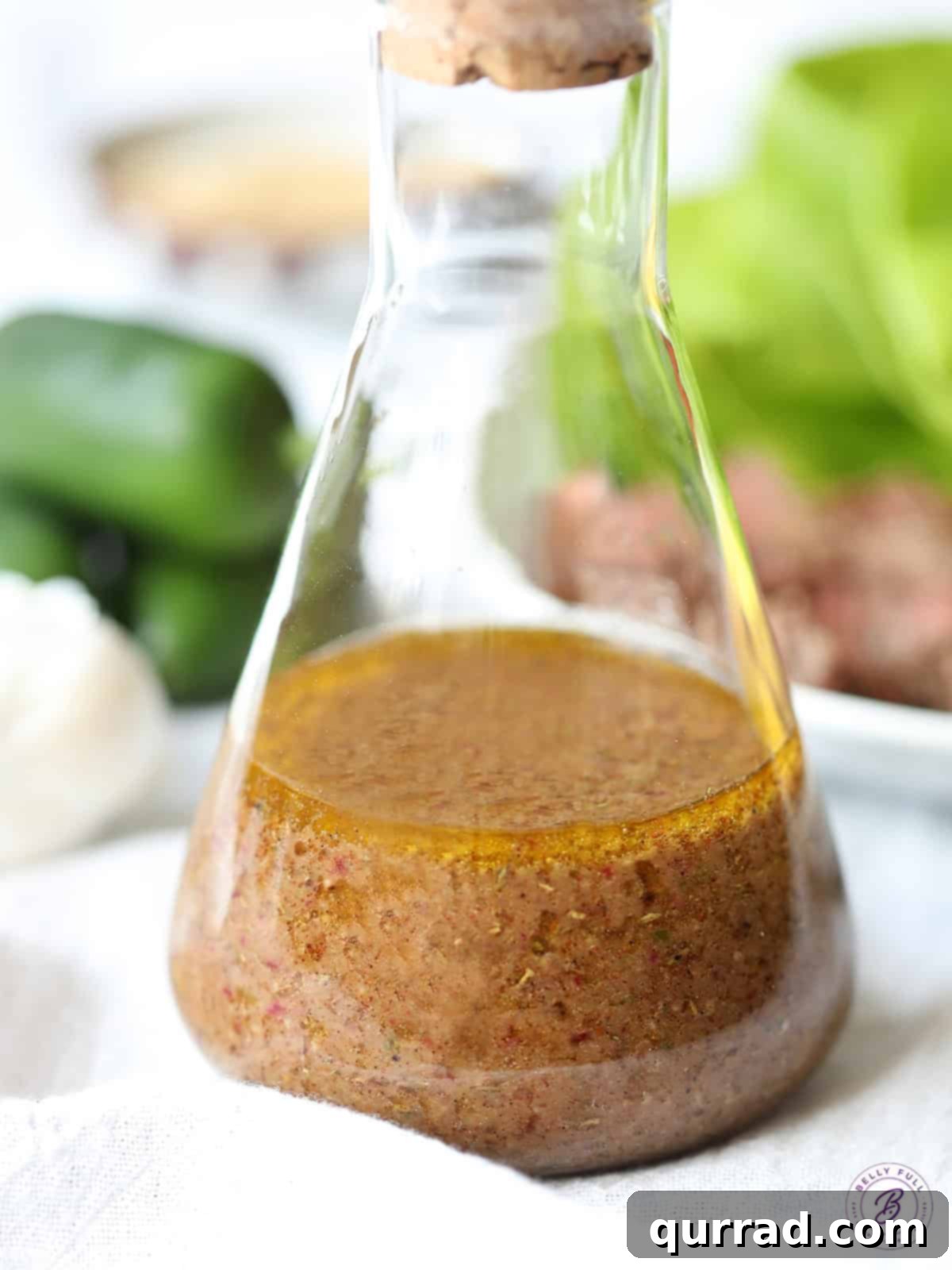
Proper storage is key to maximizing the life and flavor of your homemade jerk marinade. Any leftover marinade should be transferred to a clean, airtight glass jar or container. Ensure the lid is securely fastened to prevent air exposure and contamination. Stored in the refrigerator, this vibrant marinade will maintain its peak freshness and flavor for up to 5 days. It’s important to note that while the flavors meld and deepen over time, it’s best to use it within this timeframe for optimal quality and safety. Always label your container with the date it was made to keep track.
It is perfectly normal for the oil components in the marinade to separate and rise to the top during refrigeration. Likewise, some of the ingredients, particularly those with natural fats or starches, might cause the marinade to solidify slightly, especially if your refrigerator is set to a colder temperature. These changes in consistency are entirely natural and do not indicate spoilage. Before each use, simply give the jar a vigorous shake to thoroughly reincorporate all the ingredients. If the marinade has firmed up significantly, allow it to sit at room temperature for about 20-30 minutes before shaking; this will help it return to a more liquid consistency, making it easier to pour and distribute evenly over your chosen protein or vegetables.
Always use a clean spoon or utensil when scooping out the marinade to avoid introducing bacteria. A critical safety note: If you have used a portion of the marinade that has come into direct contact with raw meat, poultry, or seafood, **never reuse or save that portion**. Discard it immediately to prevent cross-contamination and ensure food safety. Only store the unused, fresh portion of the marinade. When in doubt, it’s always safer to discard rather than risk foodborne illness.
Homemade Jerk Marinade Recipe
This easy, homemade jerk marinade is packed with incredible Jamaican flavors. It takes just minutes to blend and is perfect for grilling, baking, or pan-frying chicken, steak, pork, shrimp, or even vegetables!
Prep time: 10 minutes
Total time: 10 minutes
Yields: Approximately 3/4 cup
Ingredients
- 1/2 medium sweet onion, roughly chopped
- 2 whole scallions, chopped
- 1 large jalapeno pepper (for more heat, use a small habanero pepper, wearing gloves)
- 3 cloves garlic, peeled
- 2 tablespoons extra-virgin olive oil
- 2 tablespoons low-sodium soy sauce
- 2 tablespoons brown sugar, packed
- 2 tablespoons fresh lime juice (from about 1-2 limes)
- 3 teaspoons ginger paste (or 1.5-inch fresh ginger, peeled and chopped)
- 1 teaspoon dried thyme
- 1 teaspoon ground allspice (pimento)
- 1 teaspoon ground cinnamon
- 1/4 teaspoon ground nutmeg
- 1/4 teaspoon kosher salt
- 1/4 teaspoon black pepper
Instructions
- Combine all the ingredients into the bowl of a food processor. Start by adding the roughly chopped onion, scallions, jalapeno, and peeled garlic cloves.
- Pour in the wet ingredients: extra-virgin olive oil, low-sodium soy sauce, and fresh lime juice.
- Next, add all the dry spices and flavorings: packed brown sugar, ginger paste, dried thyme, ground allspice, ground cinnamon, ground nutmeg, kosher salt, and black pepper.
- Process the mixture by whirling and pulsing multiple times until all ingredients are thoroughly blended and the marinade has a smooth, pourable consistency. Be sure to scrape down the sides of the food processor as needed to ensure everything is fully incorporated.
- Taste the marinade and adjust seasonings as desired. If you prefer more heat, you can add a pinch of cayenne pepper or a small piece of habanero (remembering to wear gloves). For more tang, add a bit more lime juice. For extra sweetness, a touch more brown sugar can be added.
- Transfer the blended marinade to an airtight container or glass jar. For best flavor development, refrigerate for at least 30 minutes to allow the spices to meld, or up to 5 days until ready to use.
- Use the marinade as desired on your favorite proteins or vegetables. For best results, marinate chicken and pork for at least 2-4 hours, and beef for 1-2 hours. Delicate items like shrimp and vegetables require less time, typically 30 minutes to 1 hour, to prevent them from becoming too soft or overly salty.
Tips and Notes for the Best Jerk Marinade
- Heat Level Adjustment: This recipe uses a large jalapeño for a moderate kick that’s palatable for most. For an authentic, fiery Jamaican experience, substitute the jalapeño with a small scotch bonnet pepper. Be extremely cautious when handling scotch bonnets or habaneros; wear gloves and avoid touching your face, as the capsaicin can cause severe irritation.
- Fresh vs. Paste Ginger: Ginger paste is convenient and works well, but fresh ginger delivers a more pungent, vibrant flavor. If using fresh, make sure it’s peeled and finely minced or grated before adding to the food processor for optimal blending.
- Adjusting Consistency: If your marinade appears too thick after blending, you can thin it out by adding a tablespoon or two of water or a bit more lime juice until it reaches your desired pourable consistency. Conversely, if it’s too thin, you might consider reducing the amount of liquid slightly next time.
- Optimal Marinating Time: While a quick marinade still imparts flavor, allowing meats to marinate for longer (up to 24 hours in the refrigerator for chicken and pork) will result in deeper, more infused flavors and tenderer results. Avoid over-marinating delicate fish or seafood, which can break down their texture.
- Thorough Blending: Ensure all ingredients, especially the aromatics like onion, scallion, and garlic, are finely processed for a smooth marinade. Any large chunks might not distribute evenly or burn during cooking.
- Flavor Development: The flavors in this marinade intensify and meld beautifully as it sits. Making it a day ahead allows the spices to harmonize, resulting in an even more complex and delicious taste.
Serving Suggestions
Once your protein or vegetables are perfectly cooked with this jerk marinade, consider these additions to complete your meal and transport your taste buds straight to the Caribbean:
- Classic Rice and Peas: A staple Jamaican side dish made with kidney beans and coconut milk, perfectly complementing the spicy jerk flavors.
- Tropical Mango Salsa: The sweet and tangy notes of a fresh mango salsa (with red onion, cilantro, and lime) provide a refreshing contrast to the spicy marinade.
- Sweet Roasted Plantains: Perfectly ripe plantains, roasted or fried until caramelized, are another excellent and authentic Caribbean pairing.
- Fresh Green Salad: A simple green salad with a light vinaigrette or a cooling cucumber salad can cut through the richness and heat.
- Creamy Coleslaw: A cool, creamy coleslaw offers a comforting and cooling element, especially if you’ve opted for a spicier version of the marinade.
- Grilled Pineapple: Grilling pineapple brings out its natural sweetness and adds a smoky char, which pairs wonderfully with the savory and spicy jerk.
- Hard Dough Bread: Serve your jerk meat with slices of this traditional Jamaican bread, perfect for soaking up all the delicious juices.
Explore More Homemade Dressing & Marinade Recipes
If you’ve enjoyed creating this flavorful jerk marinade, you’ll love exploring other homemade options that can elevate your everyday cooking. Crafting your own dressings and marinades allows for fresh ingredients, custom flavor profiles, and avoids unnecessary additives often found in store-bought varieties. It’s a fantastic way to control what goes into your food and discover new favorite flavors. Here are some more of our cherished recipes to inspire your culinary adventures:
- Chipotle Honey Vinaigrette
- Thousand Island Dressing
- Salsa Ranch Dressing
- Greek Salad Dressing
- Ranch Dressing
- Cilantro-Lime Dressing
Please note: Nutritional information provided in other sources is often an automatic calculation and can vary based on the exact products you use and any changes you make to a recipe. If precise nutritional values are crucial for your dietary needs, we recommend calculating them yourself using the specific brands and quantities of ingredients you utilize.
We hope you adore this flavorful and easy jerk marinade recipe! If you give it a try, we’d be thrilled if you could leave a review below and share your experience. Your feedback helps us grow and inspires others to get cooking. Don’t forget to connect with Belly Full on social media for more delicious recipes, cooking tips, and culinary inspiration! Find us on TikTok, Facebook, Instagram, Pinterest, and YouTube! Happy cooking!