
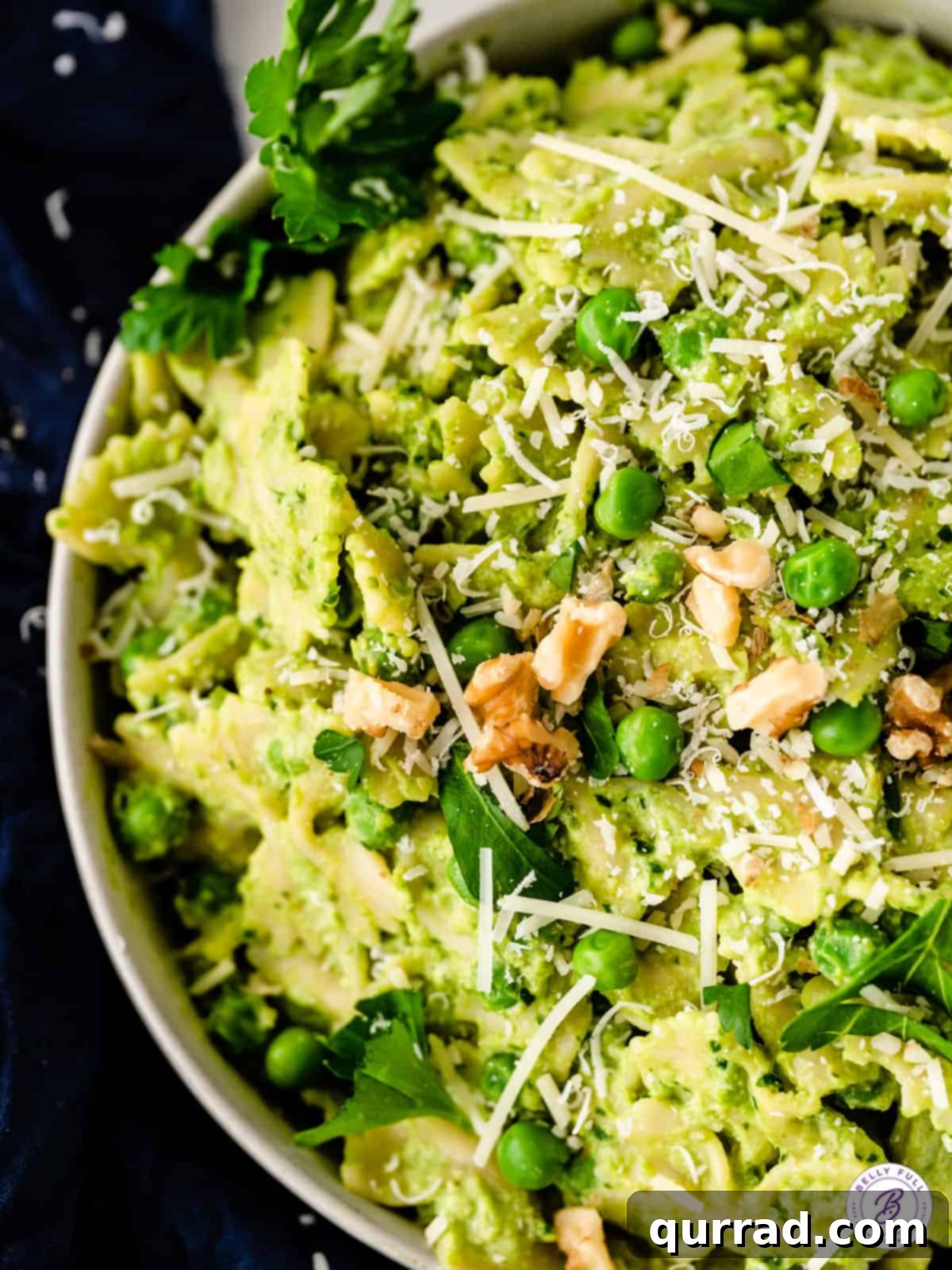
In the culinary world, pesto is often synonymous with basil, pine nuts, and Parmesan. However, our kitchens are laboratories of innovation, constantly inviting us to explore new flavors and textures. This Pea and Parsley Pesto recipe is a delightful testament to that spirit, offering a vibrant, fresh, and irresistibly delicious twist on the traditional sauce. It’s an exceptionally quick and easy creation that promises to elevate your pasta dishes, turning a simple lunch, a light dinner, or an accompanying side dish into a memorable meal brimming with wholesome goodness.
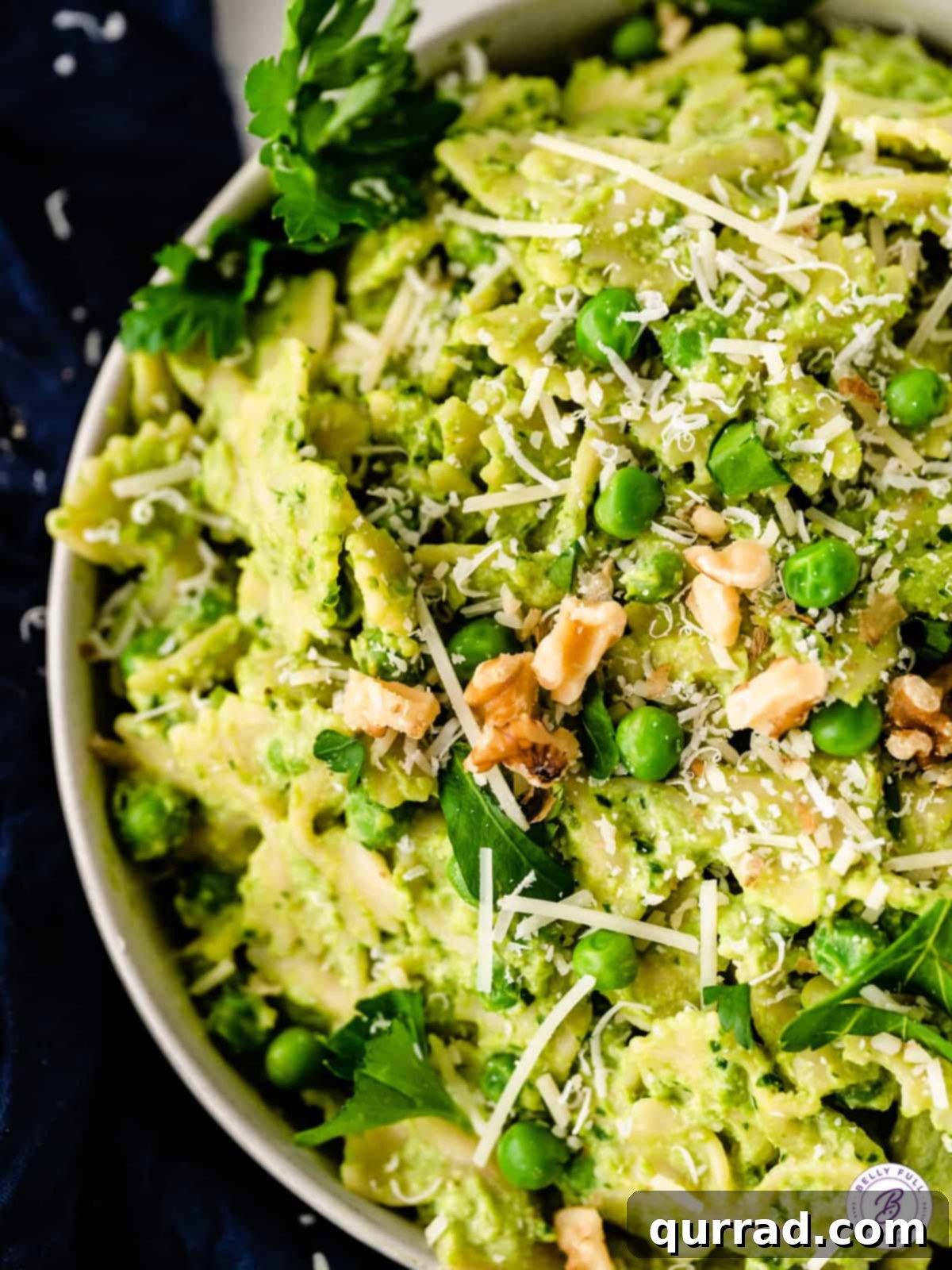
Discovering the Joy of Pea and Parsley Pesto
Sometimes, the best culinary inspirations come from the most unexpected places. Just the other day, I walked into the kitchen to find my daughter happily enjoying a bowl of peas. Not as a side dish, mind you, but as a standalone snack. “What in the world are you up to?” I asked, completely amused.
“Oh, I just thawed some frozen peas, warmed them up in the microwave with a tiny pat of butter and a sprinkle of salt,” she replied, completely unbothered by my surprise. “They’re surprisingly delicious and a perfect quick snack.”
A wave of shared understanding washed over me. I confessed my admiration, realizing that sometimes, the simplest things are truly the best. She offered me a spoonful, and of course, I couldn’t resist. The next day, I found myself replicating her ingenious snack, adding a whisper of freshly grated Parmesan for an extra touch of savory delight. My husband, bless his heart, watched our pea-snacking ritual with a mixture of confusion and mild disgust. To each their own, I suppose!
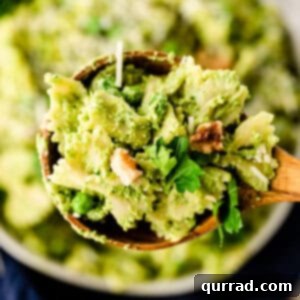
This simple moment, however, sparked an idea. While my daughter and I happily munched on plain peas, I knew not everyone shared our enthusiasm for such unadulterated green goodness. How could I make peas universally appealing, especially for those who might typically shy away from them? The answer, naturally, led me to a pesto. This Pea and Parsley Pesto is not just a sauce; it’s a celebration of these humble legumes, transformed into a bright, herbaceous, and subtly sweet concoction that perfectly coats any pasta. It’s a delightful departure from classic basil pesto, offering a fresh perspective and a burst of springtime flavor in every bite.
Why Choose Pea and Parsley Pesto?
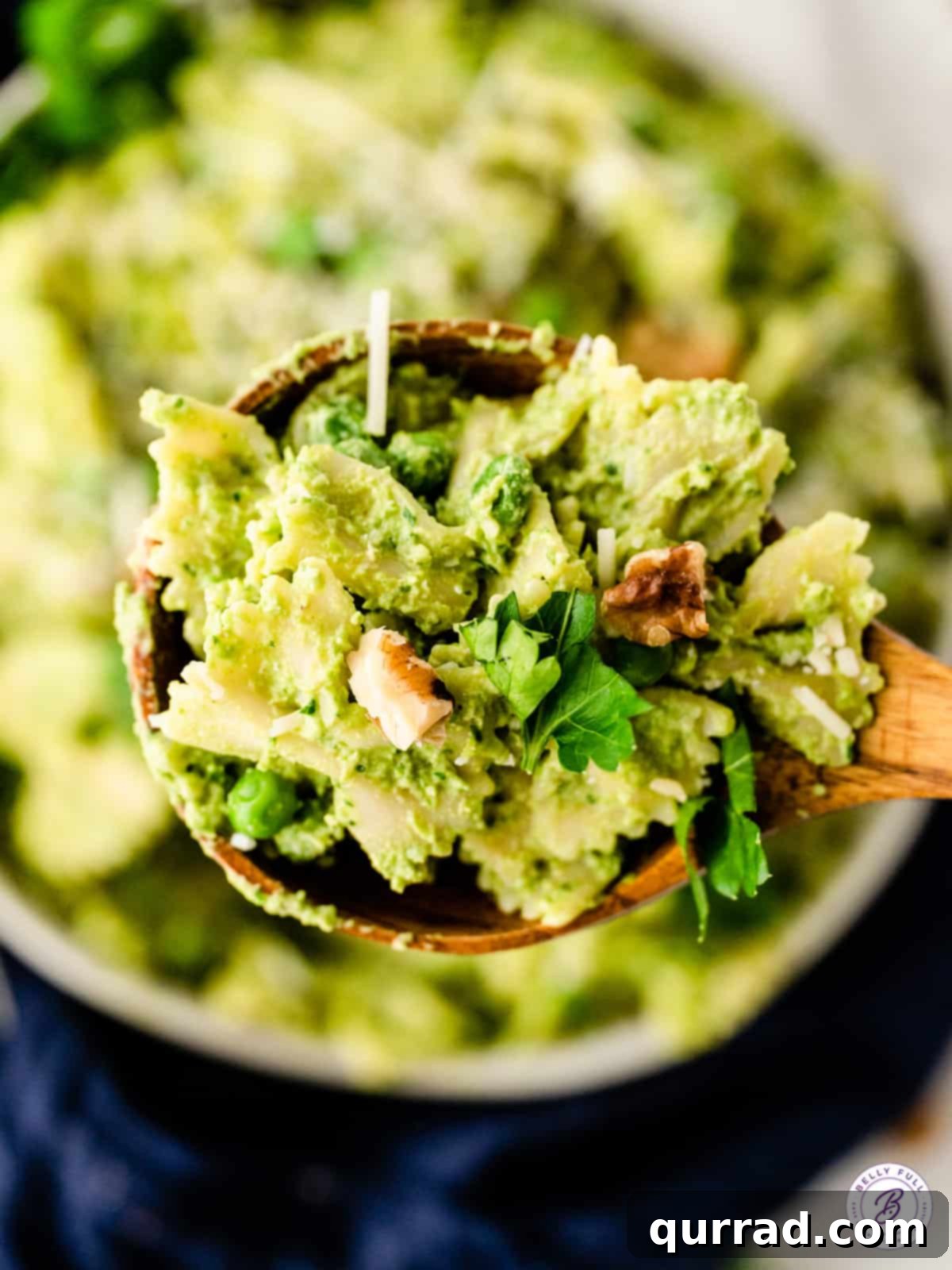
Beyond its innovative flavor, this pea and parsley pesto offers several compelling reasons to make it a staple in your kitchen. First, it’s incredibly versatile. While it shines with pasta, it can also be a fantastic spread for sandwiches, a vibrant topping for grilled chicken or fish, or a flavorful addition to roasted vegetables. Second, it’s a fantastic way to incorporate more vegetables into your diet, especially for picky eaters who might not enjoy peas on their own. The blending process transforms them into a smooth, appealing sauce.
Furthermore, this pesto is wonderfully light and bright. The inherent sweetness of peas perfectly balances the peppery freshness of parsley, creating a profile that feels both familiar and excitingly new. It’s less heavy than some traditional pestos, making it an ideal choice for warmer months or whenever you crave something refreshing yet satisfying. Plus, using frozen peas means this delicious sauce is accessible and easy to prepare any time of year, regardless of seasonal fresh produce availability.
Essential Ingredients for Your Pea and Parsley Pesto
Crafting this vibrant pesto requires just a handful of straightforward, fresh ingredients. Each component plays a crucial role in building the unique flavor profile that sets this pesto apart.
- Frozen Peas: The star of the show! Opting for frozen peas makes this recipe incredibly convenient and accessible year-round. They retain their sweet flavor and vibrant green color beautifully. Remember to thaw them thoroughly and gently press out any excess moisture before blending to ensure your pesto isn’t watery.
- Fresh Parsley: This bright, herbaceous green steps in to replace basil, offering a distinctly fresh and slightly peppery note. Flat-leaf parsley (Italian parsley) is generally preferred for its robust flavor, but curly parsley can also work in a pinch. Be sure to pack the cup tightly for the best flavor.
- Walnuts: While traditional pesto often features pine nuts, walnuts offer a fantastic, slightly earthy flavor and a more budget-friendly alternative. Toasting the walnuts briefly before adding them to the food processor is a game-changer, intensifying their nutty depth and adding an extra layer of complexity to the pesto.
- Parmesan Cheese: For that essential salty, umami kick. Freshly grated Parmigiano-Reggiano from a block is highly recommended over pre-shredded varieties, as it melts and blends more smoothly, offering superior flavor and texture.
- Garlic: Fresh garlic is an absolute must! Its pungent, aromatic qualities are vital for balancing the sweetness of the peas and the freshness of the parsley. Three cloves provide a perfect amount of zest without overpowering the other delicate flavors.
- Salt and Pepper: These fundamental seasonings are crucial for enhancing all the other flavors. Always season to taste, adjusting until the pesto sings with perfection.
- Extra-Virgin Olive Oil: The magic ingredient that transforms the blended solids into a luxurious, creamy sauce. Use a good quality extra-virgin olive oil for the best flavor and a smooth, emulsified texture. Its fruity notes complement the other ingredients beautifully.
- Water (Optional but Recommended): A tablespoon of water helps achieve a smoother consistency without adding extra oil, especially if your peas are very dry.
- Pinch of Red Pepper Flakes (Optional): For those who appreciate a subtle hint of warmth and a gentle kick, red pepper flakes add an intriguing layer to the pesto.
Make it Vegan!
This recipe is inherently vegetarian. To easily adapt it for a vegan diet, simply swap the Parmesan cheese for your favorite vegan hard cheese alternative. If you choose to omit cheese entirely, you may need to increase the amount of salt slightly to compensate for the missing savory depth.
How to Prepare Pea and Parsley Pesto
Making this pea and parsley pesto is incredibly straightforward, requiring minimal effort for maximum flavor. Your food processor will do most of the work, allowing you to whip up this delicious sauce in just minutes.
Begin by ensuring your frozen peas are fully thawed and patted dry to remove any excess moisture. Gather all your other ingredients: fresh parsley leaves, toasted walnuts, grated Parmesan, smashed garlic cloves, and a tablespoon of water.
Place all these ingredients—peas, parsley, walnuts, Parmesan, garlic, and water—into the bowl of your food processor. Secure the lid and pulse the mixture. Start with short bursts, then continue processing until a coarse paste begins to form. You’ll want to pause occasionally to scrape down the sides of the bowl with a spatula, ensuring all ingredients are evenly incorporated and no bits are left untouched.
Once you have a relatively smooth, vibrant green paste, it’s time to add the olive oil. With the food processor running on a low setting, gradually drizzle in the extra-virgin olive oil through the feed tube. The key here is to add it slowly and steadily. This slow incorporation allows the oil to emulsify with the other ingredients, creating a creamy, cohesive sauce rather than separating into an oily mixture. Continue blending until the pesto reaches your desired consistency – smooth but with a slight texture from the nuts.
Finally, taste the pesto and adjust the seasoning as needed. Add coarse salt and freshly ground pepper, and if you like a little kick, a pinch of red pepper flakes. Pulse one last time to thoroughly mix in the seasonings. Taste again, making any final adjustments to suit your palate. Your homemade Pea and Parsley Pesto is now ready to be tossed with hot pasta, spread on toast, or stored for later use!
Essential Recipe Tips for Perfect Pesto
Achieving the perfect pea and parsley pesto is simple, especially with a few helpful tips:
- Always Toast the Walnuts: While not strictly mandatory, taking a few minutes to lightly toast your walnuts in a dry skillet or in the oven significantly enhances their flavor. Toasting brings out a deeper, richer nuttiness that adds incredible depth to the pesto. It makes a noticeable difference.
- Scrape Down the Food Processor: As you process the ingredients, some bits inevitably stick to the sides of the bowl. Periodically stop the machine, use a spatula to scrape down the sides, and redistribute the mixture. This ensures an even blend and a consistent texture throughout your pesto.
- Drizzle Olive Oil Slowly: The key to a beautifully emulsified, creamy pesto lies in the slow addition of the olive oil. Pouring it too quickly can result in a thin, greasy, or separated sauce. A gentle, steady drizzle while the food processor is running on low speed allows the oil to gradually combine with the other ingredients, creating that desirable smooth and rich consistency.
- Adjust to Your Taste: Pesto is a very personal sauce. Don’t hesitate to taste and adjust the seasonings. You might prefer a little more garlic, an extra squeeze of lemon juice (which can be added at the end for brightness), or a bit more salt.
Serving Suggestions for Pea and Parsley Pesto
While this pea and parsley pesto is a match made in heaven for pasta, its versatility extends far beyond. Explore these delicious ways to incorporate this vibrant sauce into your meals:
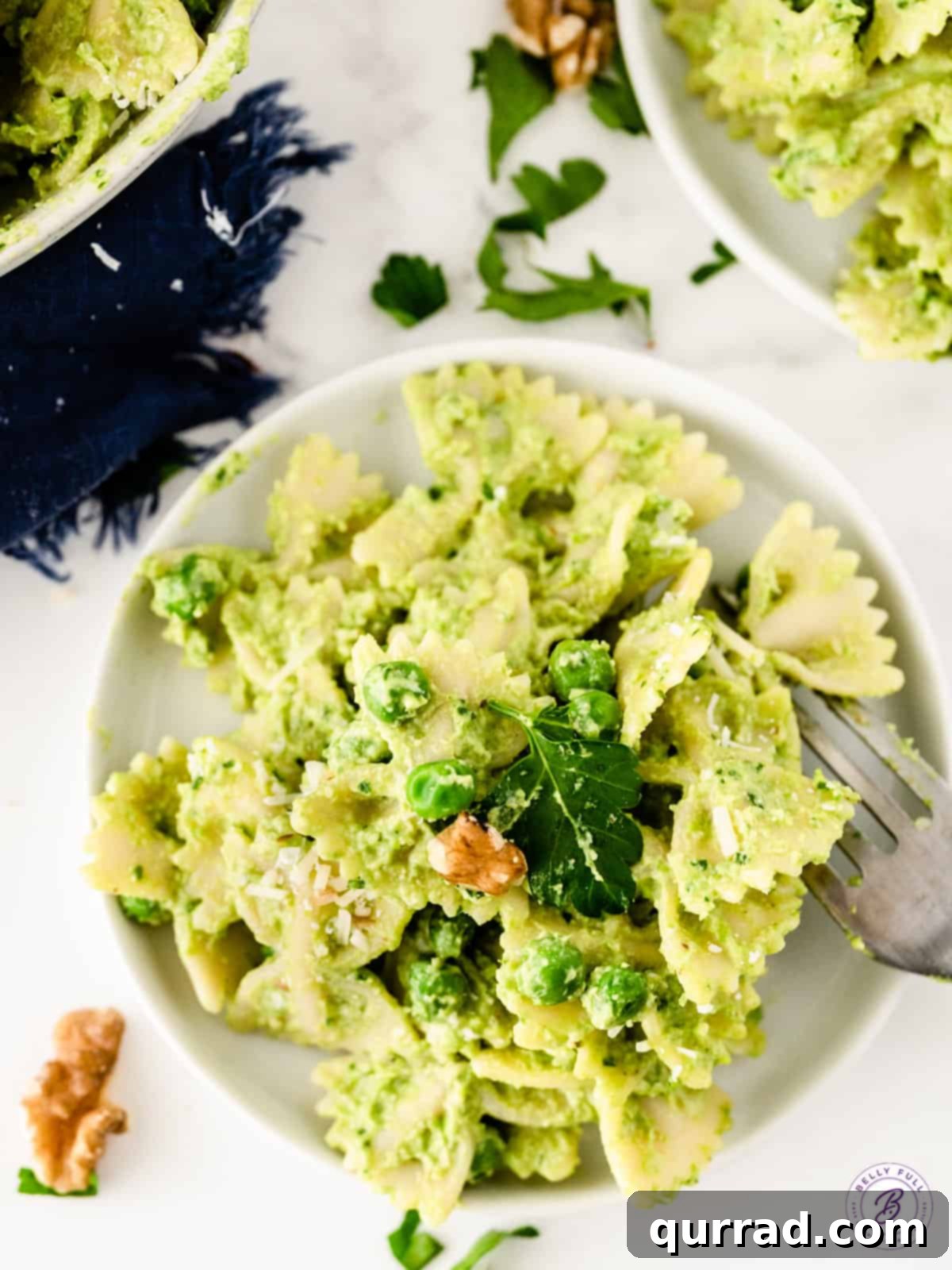
- With Pasta: The most classic pairing! Toss it with any hot cooked pasta – spaghetti, linguine, fettuccine, or even a fun shape like bow-ties or penne. Add a splash of pasta water to help the sauce cling beautifully.
- As a Spread: Use it as a vibrant spread for sandwiches, wraps, or toast. It’s fantastic on a grilled cheese or alongside scrambled eggs.
- On Proteins: Spoon it over grilled or baked chicken, fish (especially salmon or cod), or pork tenderloin for an instant flavor boost.
- With Vegetables: Drizzle it over roasted vegetables like asparagus, broccoli, or bell peppers. It can also elevate a simple baked potato or sweet potato.
- In Soups or Stews: Stir a dollop into a vegetable soup or a hearty stew just before serving for an extra layer of fresh flavor.
- Pizza or Flatbread Base: Spread a thin layer of pesto instead of tomato sauce on your next homemade pizza or flatbread for a unique and delicious twist.
- As a Dip: Thin it slightly with a little more olive oil or water to create a lovely dip for fresh crudités or crusty bread.
Proper Storage of Your Homemade Pesto
Once you’ve made a batch of this delicious pesto, proper storage ensures you can enjoy its fresh flavors for longer:
- Refrigerator Storage: Store any leftover pesto in an airtight container in the refrigerator for up to 5 days. To prevent discoloration and maintain freshness, pour a thin layer of olive oil over the top of the pesto before sealing the container. This creates a barrier that minimizes contact with air.
- Freezer Storage: Pesto freezes exceptionally well, allowing you to enjoy homemade goodness for months. It can be stored in freezer-safe jars or plastic containers for up to 3 months. A popular and convenient method is to freeze individual portions in ice cube trays. Once frozen solid, transfer the pesto cubes to a freezer-safe plastic bag. This way, you can easily pull out just the amount you need for a single serving or recipe without thawing the entire batch.
More Delicious Pasta Sauce Recipes:
- Classic Homemade Spaghetti Sauce
- Easy Homemade Marinara Sauce
- Creamy Homemade Alfredo Sauce
- Rich Slow Cooker Beef Ragu
- Hearty Slow Cooker Bolognese Sauce
I genuinely hope you fall in love with this incredibly delicious and easy Pea and Parsley Pesto recipe – please don’t forget to leave a review below and share your thoughts! For more culinary inspiration and delightful recipes, be sure to follow Belly Full on TikTok, Facebook, Instagram, Pinterest, and YouTube!
Pea and Parsley Pesto Recipe
Prep Time: 10 mins
Total Time: 10 mins
Servings: 8 (1/4 cup each)
Ingredients
- 1 cup frozen peas, thawed
- 1 cup packed fresh parsley leaves
- 1/2 cup walnuts, toasted
- 2/3 cup freshly grated Parmesan
- 3 cloves garlic, smashed and peeled
- 1 tablespoon water
- 1/3 cup extra-virgin olive oil
- Coarse salt and ground pepper, to taste
- Pinch of red pepper flakes (optional)
Instructions
- Place the thawed peas, fresh parsley, toasted walnuts, grated Parmesan, smashed garlic, and water into the bowl of a food processor. Pulse until a coarse paste forms.
- Stop the food processor, use a spatula to scrape down any ingredients clinging to the sides of the bowl, and redistribute the mixture to ensure an even blend.
- With the food processor running on a low setting, gradually drizzle in the extra-virgin olive oil through the feed tube. Continue blending until the pesto reaches a smooth, creamy consistency.
- Season the pesto with coarse salt, ground pepper, and an optional pinch of red pepper flakes, to taste. Pulse once more to fully incorporate. Taste and adjust seasonings if necessary.
- Serve immediately by mixing with hot cooked pasta, or transfer to an airtight container for storage.
Notes
- Toast the walnuts if possible: While not essential, toasting walnuts brings out a richer, deeper flavor that greatly enhances the pesto.
- Don’t pour the oil too fast: A slow, steady drizzle of olive oil is crucial for achieving a beautifully emulsified, creamy pesto.
- Storage: For details on storing your pesto in the refrigerator or freezer, refer to the “Proper Storage” section above in the article.
Nutrition (per 1/4 cup serving)
Calories: 172kcal | Carbohydrates: 4g | Protein: 5g | Fat: 16g | Saturated Fat: 3g | Polyunsaturated Fat: 4g | Monounsaturated Fat: 8g | Cholesterol: 6mg | Sodium: 152mg | Potassium: 116mg | Fiber: 1g | Sugar: 0.3g | Vitamin A: 2360IU | Vitamin C: 12mg | Calcium: 121mg | Iron: 1mg
Nutritional information provided is an estimate and can vary based on the exact products used and any modifications to the recipe. If precise figures are critical, it is recommended to calculate them independently.