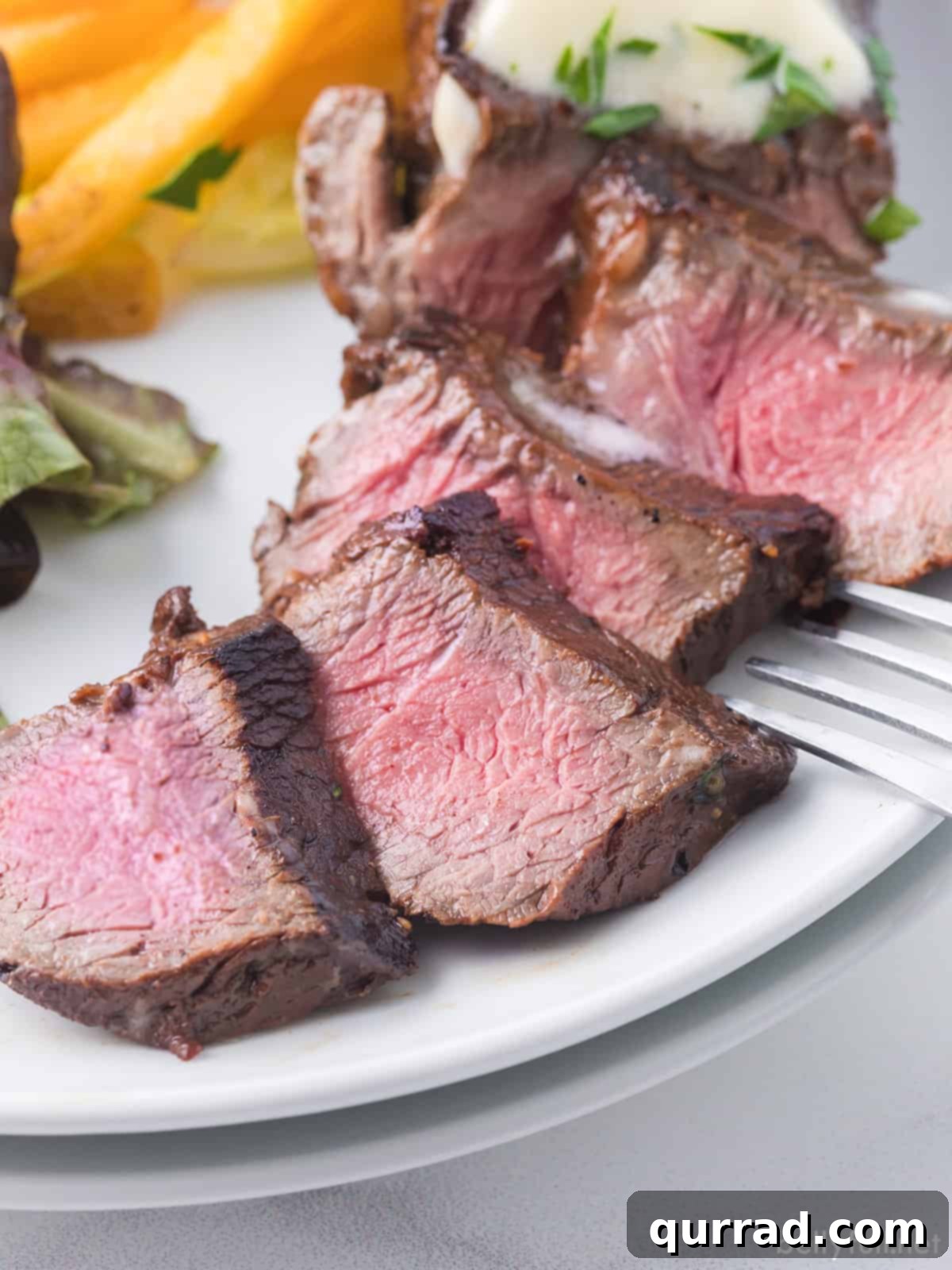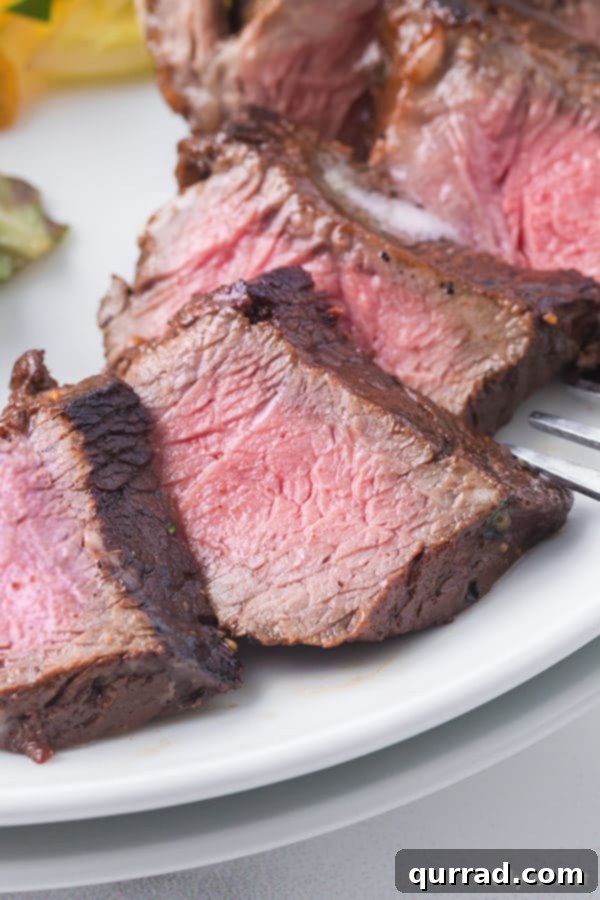
Welcome to the ultimate guide for achieving steakhouse-quality steaks right in your own kitchen or backyard! If you’ve ever dreamt of serving up a steak that’s not only bursting with flavor but also incredibly tender and juicy with every single bite, then you’ve come to the right place. This isn’t just a recipe; it’s your secret weapon for transforming ordinary cuts of beef into extraordinary culinary masterpieces. Forget dry, tough, or bland steaks – our Best Steak Marinade Recipe is designed to infuse your meat with deep, savory goodness while actively breaking down tough muscle fibers, guaranteeing a melt-in-your-mouth experience every time.
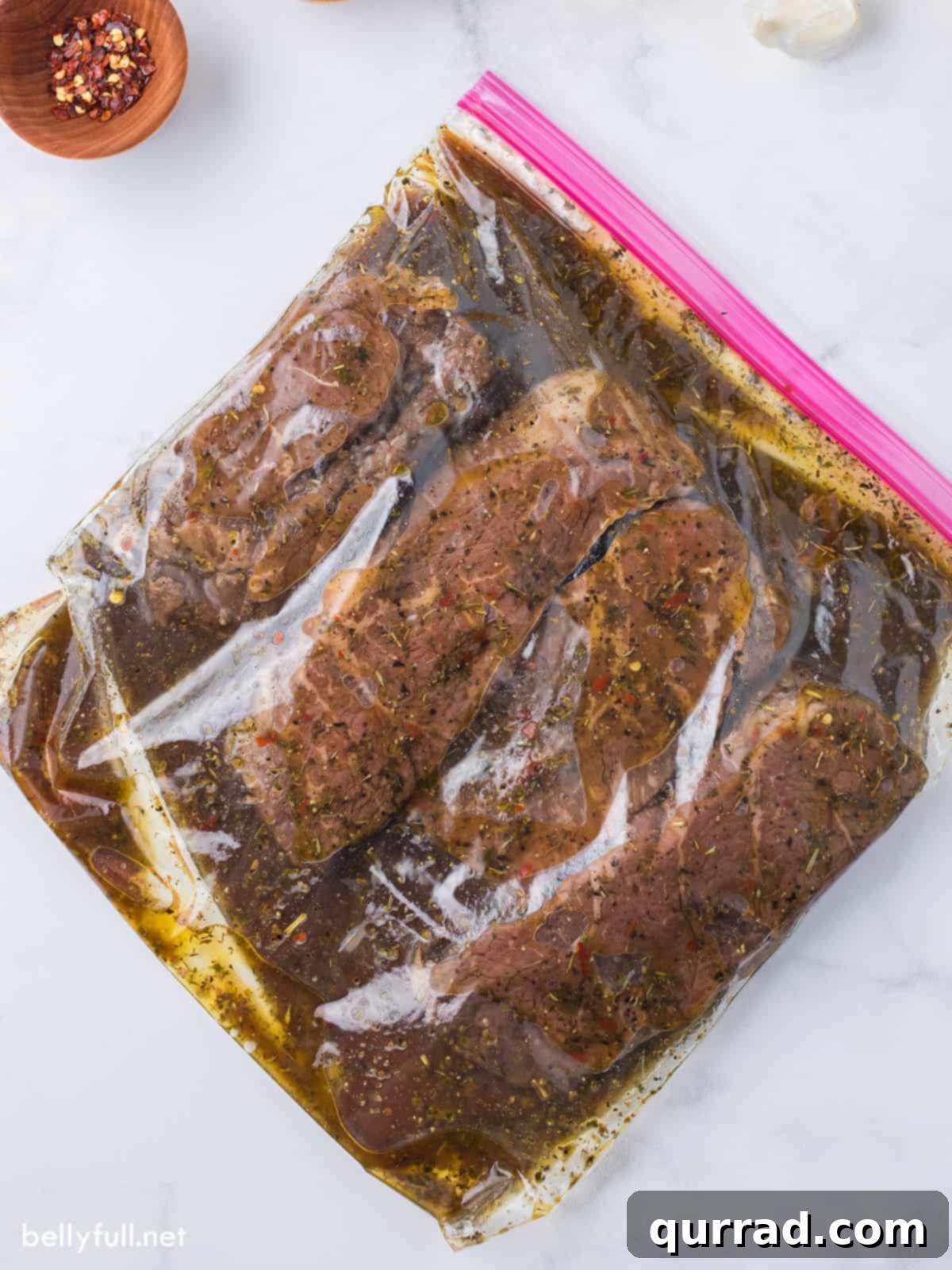
Crafting the perfect marinade might seem like a complex art, but it’s remarkably simple with the right combination of ingredients. Like any essential kitchen staple, having a reliable, go-to homemade steak marinade in your culinary arsenal is invaluable. This particular recipe has been perfected over countless meals, earning its reputation as the best all-purpose marinade you’ll ever need. It’s incredibly easy to prepare, requiring just a few minutes of your time, yet it consistently delivers the most flavorful, succulent, and tender steaks imaginable. Whether you’re firing up the grill for a summer barbecue, pan-searing on the stovetop during colder months, or even experimenting with oven-broiling, this marinade is your ticket to steak perfection.
Beyond steak, this versatile marinade can also elevate other meats. Looking to grill some chicken? We’ve got a fantastic, simple, and delicious chicken marinade that will make your poultry equally impressive!
Why Our Steak Marinade Stands Out
What truly makes a steak marinade “the best”? It boils down to a delicate balance of flavor and function. Our recipe excels because it combines elements that not only impart rich, complex tastes but also actively contribute to the meat’s tenderness. The acids in the lemon juice and Worcestershire sauce work to break down tough proteins, while the soy sauce and other seasonings penetrate deep into the fibers, ensuring that every centimeter of your steak is seasoned from the inside out. The subtle sweetness from brown sugar helps to create a beautiful caramelized crust during cooking, adding another layer of irresistible flavor and texture. This holistic approach guarantees a steak that is consistently tender, incredibly juicy, and packed with a symphony of flavors.
Achieving tender, flavorful steak doesn’t have to be a mystery. The key lies in understanding the components of a great marinade. This recipe incorporates the four essential elements: acid, oil, aromatics, and seasoning. The acid (lemon juice, Worcestershire) tenderizes by denaturing proteins. The oil (olive oil) helps distribute fat-soluble flavors and prevents the meat from drying out. Aromatics (garlic, Italian seasoning) provide fragrant depth. And the salt, sugar, and pepper enhance the natural taste of the beef while contributing to a delectable crust. This perfect synergy ensures your steak is never just good, but exceptional.
Essential Tips for Steak Marinating Success
To truly master the art of marinating and cooking steak, a few key practices can make all the difference. Follow these expert tips to ensure your marinated steak turns out perfectly every single time, whether you’re a seasoned grill master or a novice home cook.
- Choosing the Right Cuts of Beef for Marinating: This homemade steak marinade is incredibly versatile and works wonders with virtually any type of beef steak. While it’s fantastic for enhancing flavor and tenderness in more economical cuts, it also elevates premium cuts to new heights. Our top recommendations, especially for the stovetop searing method outlined in this recipe, are sirloin and New York strip steaks. These cuts strike an excellent balance between tenderness and flavor. Sirloin, a lean and flavorful cut, benefits immensely from the tenderizing properties of the marinade, ensuring it remains juicy. New York Strip, with its good marbling, takes on the marinade’s flavors beautifully, enhancing its inherent richness. However, don’t hesitate to use it with flank steak, known for absorbing marinades beautifully and being ideal for slicing against the grain; ribeye, where the marinade complements its rich marbling; or even the luxurious filet mignon, adding an extra layer of complexity to its already tender profile. Marinating helps tenderize tougher cuts like flank or skirt steak, while adding incredible depth of flavor to leaner options.
- Optimal Marinating Time for Maximum Flavor and Tenderness: The duration of marination is crucial. While steak can technically be marinated for up to 24 hours (one full day), the sweet spot for achieving optimal flavor infusion and tenderizing without compromising the meat’s texture is typically between 6 to 8 hours. This timeframe allows the acidic and enzymatic components of the marinade to work their magic effectively, breaking down surface proteins and allowing flavors to penetrate without making the meat mushy. Marinating for longer than 24 hours runs the risk of the acids beginning to “cook” the meat, leading to a mealy or mushy texture rather than enhanced tenderness. For convenience, prepping your steak with the marinade in the morning means it will be perfectly ready to cook by dinner time. If you’re short on time, even just one hour of marinating will yield noticeable improvements in flavor, proving that a little time goes a long way. Never marinate at room temperature; always keep the meat refrigerated.
- Food Safety First: Always Discard Used Marinade: It is critically important for food safety that you never reuse marinade that has come into contact with raw meat. Once you remove the steak from the marinade, the remaining liquid should be immediately discarded. This is because the marinade will contain bacteria from the raw meat. Attempting to boil or cook it to make a sauce is generally not recommended due to potential inconsistencies in heating and ensuring all bacteria are killed. After removing the steak, gently blot any excess marinade from the meat with a paper towel. This step helps achieve a better sear and prevents steaming, leading to a superior crust. A dry surface is essential for the Maillard reaction, which creates those desirable browned flavors.
- Achieving the Perfect Steak Doneness: Cooking steak to perfection is a personal preference, but for many, including us, that perfect point is medium-rare doneness. This typically translates to an internal temperature of approximately 135°F (57°C). To ensure accuracy and consistently perfect results, investing in a reliable instant-read meat thermometer is highly recommended. Simply insert the probe into the thickest part of the steak, avoiding bone, to get an accurate reading. Always remember that steak continues to cook for a few minutes after it’s removed from the heat, a phenomenon known as “carryover cooking.” So, it’s often best to pull the steak off the heat a few degrees below your desired final temperature (e.g., 130°F for medium-rare), allowing it to reach perfection during the resting period.
- The Art of Resting Your Steaks: Patience is a virtue, especially when it comes to cooking steak. After you remove your steak from the heat source, whether it’s a grill or a skillet, allow it to rest on a plate or cutting board for at least 5 to 10 minutes before slicing and serving. Covering it loosely with foil can help retain heat without creating steam. This resting period is vital: it allows the muscle fibers, which contract and push juices to the center during cooking, to relax and reabsorb those precious juices, redistributing them throughout the steak. Skipping this step will result in those precious juices spilling out onto your cutting board, leaving you with a drier, less flavorful steak, and nobody wants that!
- Slicing Steak Against the Grain for Maximum Tenderness: For the most tender bites of steak, it’s absolutely essential to cut it against the grain when slicing and serving. The “grain” refers to the direction in which the muscle fibers run. Before slicing, take a moment to observe your steak and identify the direction of these long fibers. By slicing perpendicularly to these fibers, you effectively shorten them, making the meat much easier to chew and giving it a more tender mouthfeel. This technique is particularly important for tougher cuts like flank or skirt steak but will dramatically improve the texture and eating experience of any steak.
Best Steak Marinade
5 mins
5 mins
4
This steak marinade recipe not only infuses the steak with amazing flavor but also helps tenderize the meat so you get a tender, juicy steak every time!
Ingredients
- 1/3 cup olive oil (adds richness and helps transfer fat-soluble flavors)
- 1/3 cup fresh lemon juice (for brightness, acidity, and tenderizing)
- 1/3 cup low-sodium soy sauce (adds umami, saltiness, and helps tenderize)
- 1/4 cup Worcestershire sauce (for depth of flavor, umami, and tenderizing enzymes)
- 1 tablespoon dried Italian seasoning (a fragrant blend of aromatic herbs like oregano, basil, thyme)
- 1 tablespoon brown sugar (for a touch of sweetness, balances other flavors, and aids in caramelization)
- 2 cloves garlic, minced (essential aromatic for a pungent, savory base)
- 1 teaspoon ground black pepper (adds a classic peppery bite)
- 1/2 teaspoon kosher salt (enhances all flavors)
- 1/4 teaspoon crushed red pepper flakes (optional, for a subtle kick and warmth)
For serving:
- 4 (1-inch thick) sirloin or New York strip steaks (or your preferred cut of beef)
- slab of butter (for extra richness, gloss, and flavor on the cooked steak)
- chopped parsley (for freshness, color, and a herbaceous garnish)
Instructions
-
Prepare the Marinade: In a large, resealable gallon-sized plastic bag (or a non-reactive bowl with a lid), combine all the marinade ingredients: olive oil, fresh lemon juice, low-sodium soy sauce, Worcestershire sauce, dried Italian seasoning, brown sugar, minced garlic, ground black pepper, kosher salt, and crushed red pepper flakes (if using). Seal the bag and gently mix by massaging the bag to ensure all ingredients are thoroughly combined and the brown sugar is dissolved. This creates a homogeneous flavor base for your steaks, ensuring every bite will be perfectly seasoned.
-
Marinate the Steaks: Carefully add the sirloin or New York strip steaks (or your chosen cuts) into the bag with the prepared marinade. Ensure the steaks are fully submerged and coated by turning the bag a few times. Press out any excess air from the bag before sealing it securely. Place the sealed bag in the refrigerator and allow the steaks to marinate for at least 2 hours. For the best flavor and tenderizing effect, we highly recommend marinating overnight, or for an optimal 6-8 hours. Remember the food safety guidelines and do not marinate for more than 24 hours to prevent the meat from becoming mushy.
-
Prepare Steaks for Cooking: Once marinating is complete, remove the steaks from the refrigerator. Very importantly, discard all of the used marinade – do not attempt to reuse it or cook it into a sauce, as it has been in contact with raw meat. Transfer the steaks to a clean plate or cutting board. Using paper towels, thoroughly blot both sides of each steak dry. This step is crucial for achieving a beautiful, golden-brown crust when searing, as excess moisture will steam the meat instead of searing it, preventing the desirable Maillard reaction.
-
Preheat Skillet for Searing: Place a large cast-iron skillet (or other heavy-bottomed, oven-safe skillet) over medium-high heat on your stovetop. Add about 2 tablespoons of olive oil to the hot skillet and swirl to coat the bottom evenly. Allow the skillet to heat until the oil just begins to smoke lightly. This indicates that the pan is hot enough for a proper sear, which is essential for locking in juices and developing deep, savory flavor on the steak’s surface.
-
Sear and Cook Steaks: Carefully add the blotted steaks to the hot skillet. If cooking multiple steaks, work in batches to avoid overcrowding the pan, which can lower the temperature and prevent a good sear. Cook on each side for 2-3 minutes, or until a deep, appetizing brown crust has formed. Once adequately seared, reduce the heat to medium and continue cooking the steaks to your desired doneness. For medium doneness (internal temperature of 145°F/63°C), flip the steaks approximately 3 times during cooking, which might take around 9 minutes total for a 1-inch thick steak. Always use an instant-read meat thermometer inserted into the thickest part of the steak to monitor internal temperature accurately.
-
Rest the Steaks: Once the steaks reach your desired internal temperature (or just a few degrees below, accounting for carryover cooking), immediately transfer them from the skillet to a clean plate or cutting board. Loosely cover the steaks with aluminum foil. Allow them to rest undisturbed for at least 5 minutes, preferably 10 minutes. This resting period is critical as it allows the internal juices to redistribute evenly throughout the meat, resulting in a significantly juicier and more tender steak. Skipping this step would result in a drier steak as the juices would run out when sliced.
-
Serve and Enjoy: Serve the steaks whole as an impressive main dish or thinly sliced against the grain for maximum tenderness and ease of eating. For an extra touch of richness and fresh flavor, top each steak with a small “slab” (pat) of butter, allowing it to melt into the hot meat, and a generous sprinkle of fresh chopped parsley before serving. Enjoy your perfectly marinated and cooked steak – a truly elevated dining experience!
Nutrition Information (Approximate per serving)
Calories: 487 kcal | Carbohydrates: 11g | Protein: 51g | Fat: 25g | Saturated Fat: 5g | Polyunsaturated Fat: 3g | Monounsaturated Fat: 16g | Trans Fat: 1g | Cholesterol: 138mg | Sodium: 857mg | Potassium: 1104mg | Fiber: 1g | Sugar: 6g | Vitamin A: 76IU | Vitamin C: 11mg | Calcium: 63mg | Iron: 7mg
Nutritional information provided is an automatic calculation and can vary based on the exact products you use, serving sizes, and any modifications you make to the recipe. If these numbers are very important to you or if you have specific dietary needs, we recommend calculating them yourself using a trusted nutrition calculator with your precise ingredients.
Elevate Your Meal: Serving Suggestions
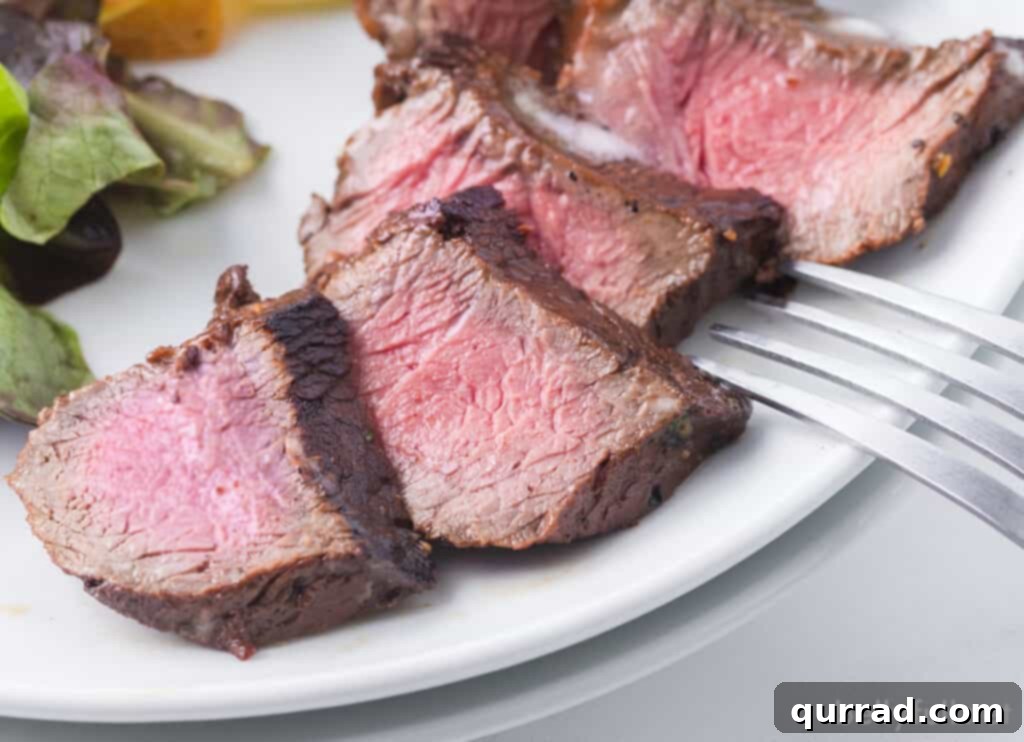
The beauty of a perfectly marinated and cooked steak lies in its versatility. You can serve it whole as a show-stopping main course, allowing each diner to appreciate its impressive size and crust. Alternatively, for easier sharing or for dishes like steak salads, tacos, or sandwiches, thinly slice the steak against the grain. We particularly love serving ours with a luxurious dab of butter melting into the hot meat, which adds an incredible richness and gloss, complemented by a vibrant sprinkle of fresh chopped parsley for herbaceous brightness. While these additions are optional, they genuinely elevate the dish, enhancing and complementing the complex flavors of the steak and marinade, making each bite even more memorable.
Steak is incredibly adaptable and pairs wonderfully with a vast array of side dishes, making it easy to create a complete and satisfying meal for any occasion. Consider pairing it with a fluffy baked sweet potato or crispy sweet potato fries for a touch of sweetness and comforting texture. A classic baked potato with all the fixings (sour cream, chives, bacon bits) is always a crowd-pleaser and a perfect canvas for rich steak juices. For a lighter, fresher contrast, a crisp simple side salad with a zesty vinaigrette provides a refreshing balance to the rich meat. Other excellent choices include creamy mashed potatoes, garlicky roasted asparagus, savory sautéed mushrooms, or a vibrant corn on the cob during grilling season. Don’t forget a good glass of full-bodied red wine, such as a Cabernet Sauvignon or Merlot, to complete the sophisticated dining experience!
Make Ahead and Storage Tips for Convenience
One of the fantastic advantages of this sirloin steak marinade is how well it lends itself to meal prep, allowing you to get ahead and enjoy delicious steaks with minimal effort on busy weeknights. You can prepare the marinade itself up to 5 days in advance and store it in an airtight container or a sealed plastic bag in the refrigerator. This means you can have the flavor base ready to go when you’re ready to marinate your meat, saving valuable time during meal preparation.
For even longer-term planning, this marinade is freezer-friendly! You can freeze the prepared marinade in a freezer-safe container or a sturdy plastic bag for up to 2 months without any loss of flavor. Simply thaw it overnight in the refrigerator before using it to marinate your steaks. Alternatively, for the ultimate meal prep hack, you can place raw steaks directly into the marinade in a freezer-safe bag, ensure they are well-coated, and then freeze the entire bag. This is a brilliant method for future meals: when you’re ready to cook, simply transfer the frozen marinated steak package to the refrigerator to thaw overnight. As it thaws, the steak will continue to marinate, infusing it with flavor and tenderness without any extra work from you. Always ensure proper food safety by thawing frozen meats in the refrigerator, never at room temperature, to prevent bacterial growth.
Frequently Asked Questions About Steak Marinade
- What does marinade do to steak?
- Marinade serves two primary purposes: it infuses the steak with flavor from the various ingredients (herbs, spices, sauces, and aromatics) and tenderizes the meat. Acids (like lemon juice or vinegar) and enzymes (found in ingredients like Worcestershire sauce) help to break down tough muscle fibers on the surface of the meat, resulting in a more tender and palatable steak. The oil helps keep the meat moist, and the salt and sugar enhance flavor and aid in browning.
- Can I use this marinade for other meats?
- Absolutely! While specifically optimized for steak, this marinade is incredibly versatile. It works wonderfully with chicken breasts or thighs, pork chops, and even tougher cuts of lamb. When using for other meats, adjust marinating times accordingly: chicken and pork generally require less time, typically 2-4 hours, due to their thinner structure and different protein compositions.
- Is it necessary to pat the steak dry after marinating?
- Yes, it’s a crucial step for achieving a proper sear and a delicious, crusty exterior. Excess moisture on the surface of the meat will cause it to steam rather than brown when it hits a hot pan or grill. This prevents the Maillard reaction – the chemical reaction responsible for that rich, savory flavor and beautiful brown color – from occurring effectively. A dry surface ensures you get that desirable crispy, flavorful crust.
- Can I marinate frozen steak?
- It’s best to fully thaw your steak before marinating it. Marinating frozen meat isn’t as effective because the marinade cannot penetrate the frozen surface. Once the meat thaws, it will absorb the flavors more efficiently. For a convenient meal prep hack, you can place raw steaks in the marinade and then freeze the whole package; the meat will then marinate as it slowly thaws in the refrigerator, making for a delicious future meal with minimal effort.
- What if I don’t have fresh lemon juice?
- While fresh lemon juice offers the best, brightest flavor, bottled lemon juice can be used as a substitute in a pinch. If you’re out of lemon juice entirely, you can use an equal amount of red wine vinegar, white wine vinegar, or apple cider vinegar, all of which will also provide the necessary acidity for tenderizing and adding a tangy note to the marinade.
- How can I tell if my steak is done without a thermometer?
- While a meat thermometer is the most accurate and recommended method for precise doneness, you can use the “touch test” if you don’t have one. Gently press the center of the steak with your finger. Rare steak feels very soft and squishy, medium-rare has a slight spring to it, medium is firmer but still yields slightly, and well-done feels very firm with little give. However, this method requires practice and is significantly less reliable than a thermometer, which ensures consistent results every time.
More Delicious Grilling and Pan-Searing Recipes
If you’ve enjoyed perfecting your steak with this marinade, you’re likely a fan of flavorful and easy-to-prepare dishes. Explore some of our other favorite recipes that are perfect for grilling outdoors during warm weather or preparing on your stovetop any time of the year for a quick and satisfying meal.
- Hawaiian Pineapple Chicken Kabobs – Sweet and savory skewers bursting with tropical flavor, perfect for summer entertaining!
- Grilled Chicken Breasts – Simple, flavorful, and incredibly juicy, a staple for any weeknight meal.
- Juicy Lucy Burgers – A delightfully surprising, cheese-filled burger patty that oozes flavor with every bite.
- Spinach Feta Turkey Burgers – A lighter, yet incredibly flavorful burger option packed with Mediterranean-inspired tastes.
- Grilled Shrimp Scampi – Quick, garlicky, and perfectly charred, ideal for a light and impressive seafood meal.
We genuinely hope you love this delicious and easy steak marinade recipe as much as we do. It’s designed to bring gourmet steak experiences to your home with minimal fuss and maximum flavor. Don’t forget to give it a review below once you’ve tried it – your feedback helps other home cooks discover this amazing recipe and improves our community! For more culinary inspiration, daily recipe ideas, and cooking tips, be sure to follow Belly Full on TikTok, Instagram, Facebook, Pinterest, and YouTube. Happy cooking!