
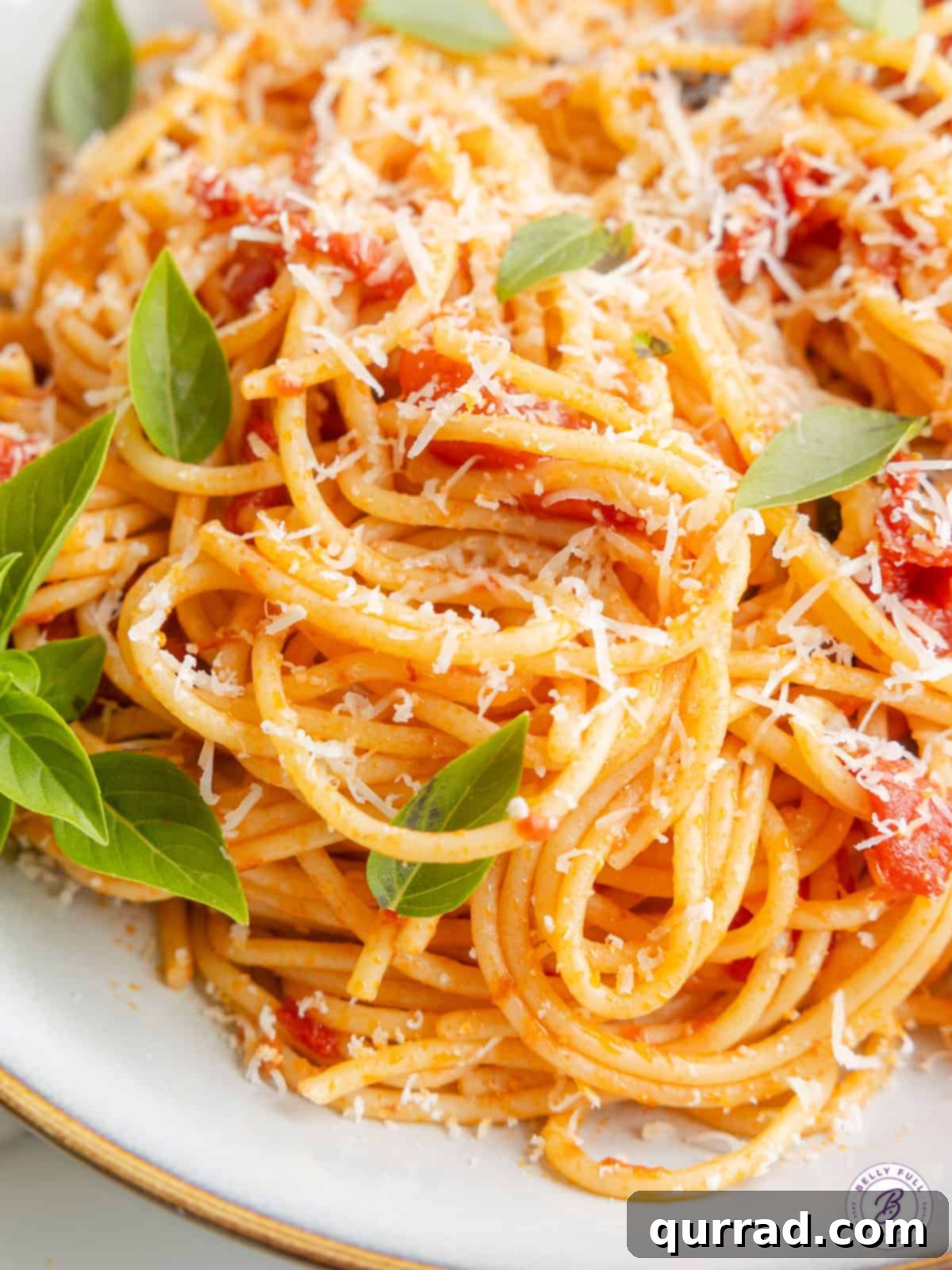
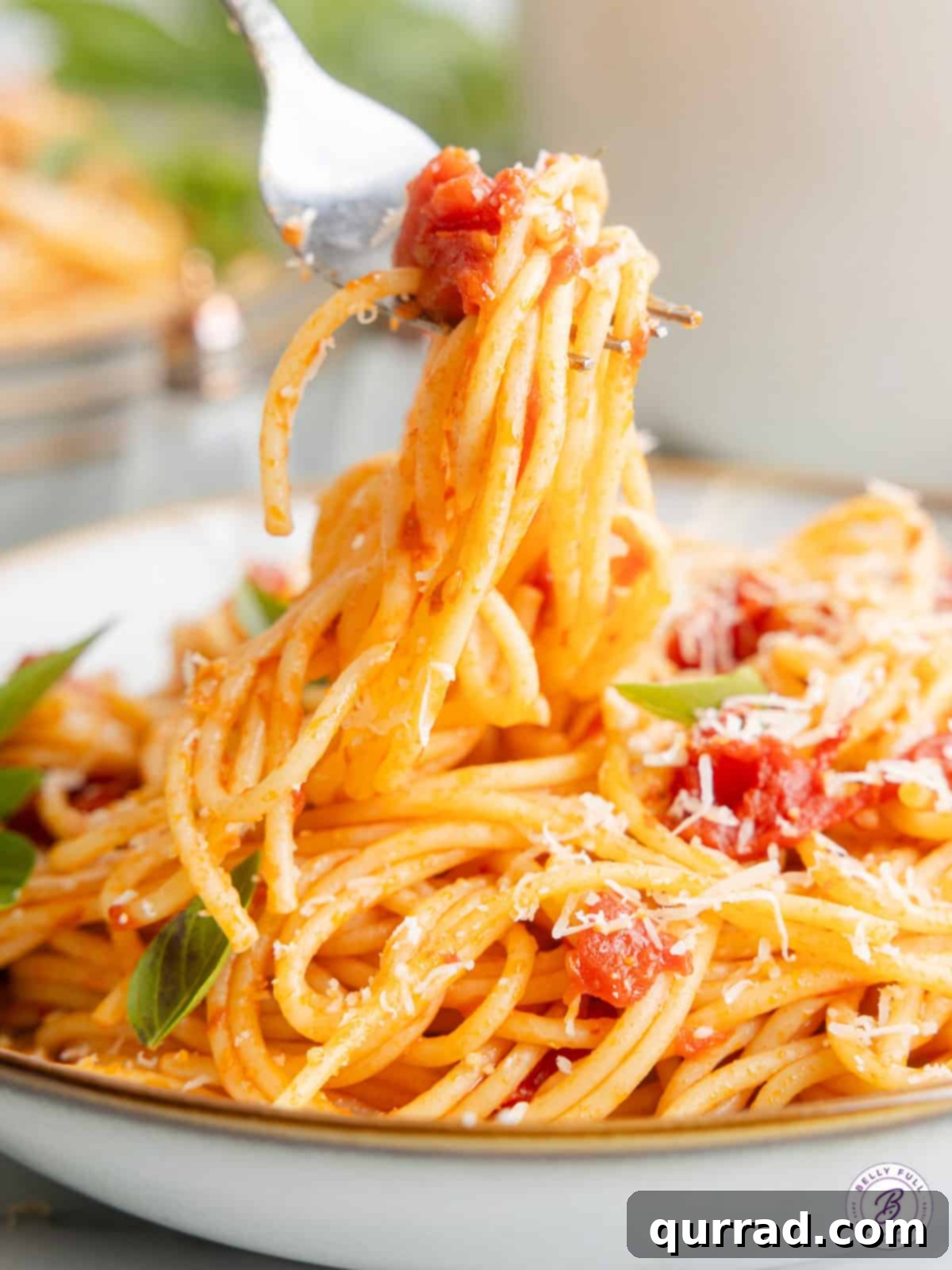
Delight in the timeless simplicity of **Classic Pasta Pomodoro**, an Italian culinary masterpiece that proves extraordinary flavor often comes from the purest ingredients. This dish is a testament to the beauty of simplicity: perfectly al dente pasta lovingly coated in a vibrant, exceptionally flavorful tomato sauce. Infused with aromatic garlic and fragrant basil, and lifted by a subtle hint of spice from red pepper flakes, it’s a meal that is both profoundly satisfying and wonderfully light. Every forkful offers a burst of fresh taste, making it an undeniable favorite for its wholesome goodness and effortless charm. This is more than just a recipe; it’s an invitation to experience the heart of Italian cooking in your own kitchen.
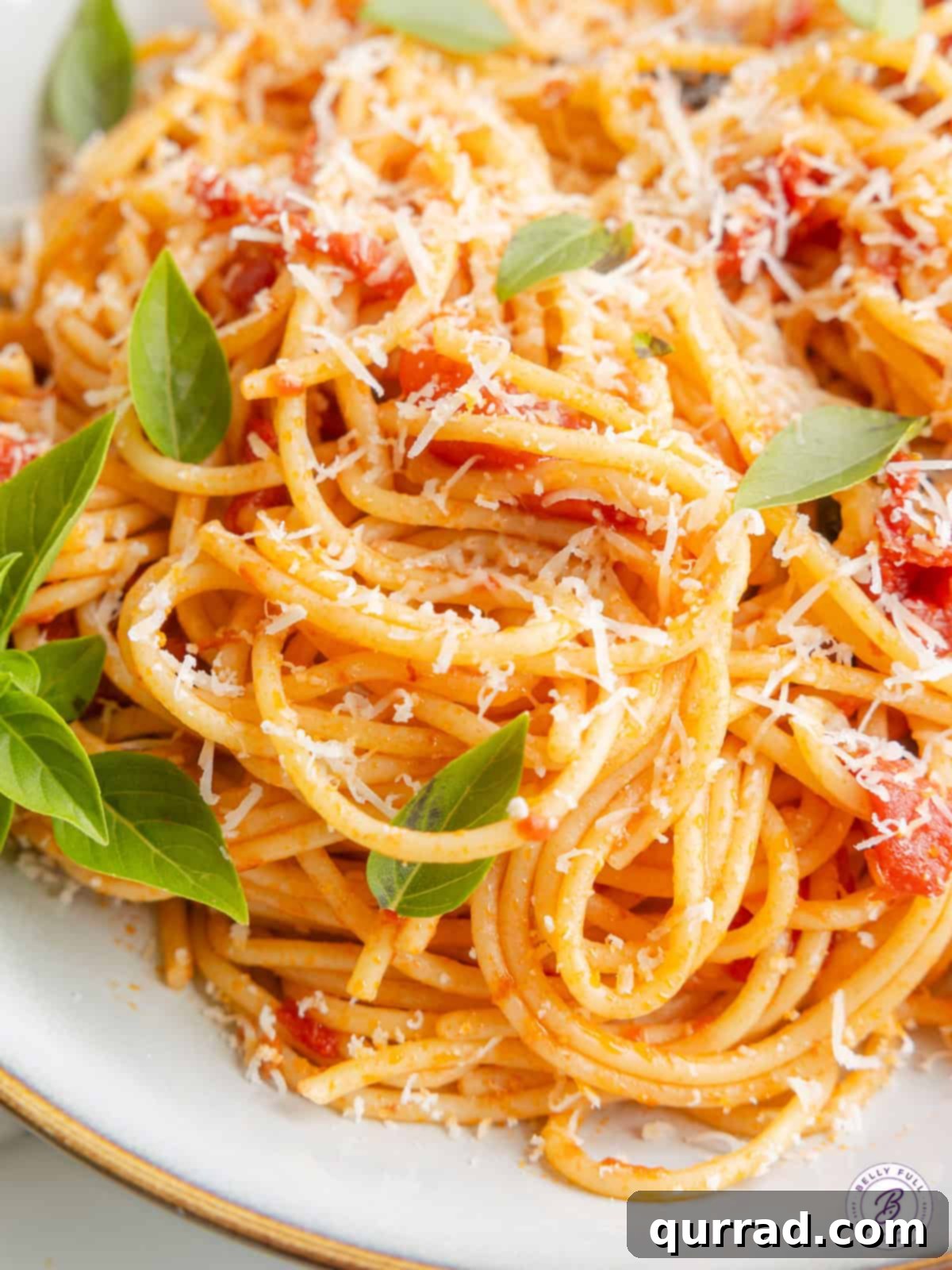
Effortless Classic Pasta Pomodoro: Your Go-To Italian Recipe
Embrace the culinary elegance of this classic **Pasta al Pomodoro**, a beloved Italian staple that deserves a permanent spot in your recipe repertoire. It’s the quintessential quick and easy meal, remarkably forgiving and virtually impossible to get wrong, even for novice cooks. The magic of this dish lies in its brilliant utilization of a select few, high-quality ingredients, where each component shines as an equal co-star. Imagine ripe, juicy tomatoes melding with savory, nutty garlic, brightened by a whisper of spicy red pepper flakes and the intoxicating aroma of fresh basil. These elements harmonize to create a gorgeous, light sauce that not only coats the pasta but deeply infuses every strand with rich, authentic Italian flavor. The entire culinary journey, from prep to plate, unfolds in just over 30 minutes, guaranteeing a delicious outcome that both adults and children will enthusiastically approve of.
Pasta Pomodoro isn’t just food; it’s a sensory experience. The robust sweetness of the tomatoes, often the unsung hero, forms the backbone of the sauce. The delicate fragrance of basil hints at summer gardens, while the garlic provides a foundational warmth that grounds the dish. It’s a symphony of tastes, balanced and harmonious, showcasing how simple ingredients, when treated with respect, can create something truly extraordinary. This recipe empowers you to bring a piece of Italian tradition to your dining table with minimal fuss but maximum flavor.
Why This Authentic Italian Dish Will Become Your New Favorite
-
Minimalist Ingredients, Maximum Flavor
True to the spirit of Italian cooking, this Pasta Pomodoro recipe champions simplicity. It calls for only a handful of readily available ingredients, transforming your grocery shopping into a breeze. The beauty lies in the quality of each component – ripe tomatoes, fragrant garlic, fresh basil, and good olive oil – all working in concert. This minimalist approach allows the inherent flavors of each ingredient to truly shine, creating a depth and richness that belies its straightforward preparation. You’ll appreciate the purity of taste, a hallmark of authentic Italian cuisine, proving that sometimes, less truly is more when it comes to culinary excellence.
-
Unmatched Flavor Infusion
One of the distinctive techniques that elevate this pasta dish is the method of finishing the pasta directly in the sauce, rather than simply draining and serving it. This critical step ensures that the pasta doesn’t just get coated but actively absorbs the incredible, robust flavors of the rich, garlicky, and vibrant tomato sauce. As the pasta completes its cooking process in the simmering sauce, it soaks up all the delicious juices and seasonings, resulting in every bite being profoundly infused with taste. This technique creates a cohesive dish where the pasta and sauce are inextricably linked, offering a far more integrated and satisfying flavor profile than conventional methods.
-
Quick, Easy, and Beginner-Friendly
For those seeking a gourmet meal without spending hours in the kitchen, this Italian classic is a dream come true. From start to finish, you’ll have a heartwarming, delectable meal on the table in approximately 35 minutes. Its straightforward instructions and minimal ingredient list make it an incredibly beginner-friendly recipe, perfect for anyone looking to expand their culinary skills or simply whip up a delicious weeknight dinner. It’s an ideal choice for busy individuals or families, demonstrating that extraordinary flavor and authentic Italian taste are well within reach, even on the busiest of days.
Understanding Pasta al Pomodoro: A Classic Explained
At its heart, **Pasta al Pomodoro** is a beloved Italian culinary tradition, renowned for its elegance derived from simplicity. The name itself offers a clue: “pomodoro” is the Italian word for “tomato,” making it quite literally “pasta with tomato.” This dish typically features a classic pasta shape, most commonly spaghetti, lovingly finished in a vibrant and uncomplicated tomato sauce, subtly enhanced with hints of fresh garlic and fragrant basil. While variations exist across Italy’s diverse regions, the core essence remains the same: a celebration of the tomato in its purest, most flavorful form. It’s not just a dish; it’s a foundational element of Italian comfort food, embodying the philosophy that exceptional ingredients need little embellishment to create culinary magic. Its popularity stems from its accessibility, its universal appeal, and its profound ability to deliver authentic Italian taste with minimal fuss.
The history of pasta al pomodoro is intertwined with the introduction of tomatoes to Europe and their gradual acceptance into Italian cuisine. Initially viewed with suspicion, tomatoes eventually became a cornerstone of Neapolitan cooking, giving rise to many iconic dishes, including this very one. It’s a dish that evokes images of sun-drenched Italian kitchens, fresh produce, and the joy of simple, shared meals.
Essential Ingredients for Your Perfect Pasta Pomodoro
To craft this delightful Pasta Pomodoro recipe, you’ll need a carefully selected array of fresh and high-quality ingredients. Each plays a crucial role in building the dish’s signature robust yet fresh flavor profile.
- Whole Peeled Tomatoes: The foundation of our sauce. I highly recommend using high-quality canned whole peeled tomatoes, such as San Marzano varieties, for their exceptional sweetness and balanced acidity. These tomatoes are packed at their peak ripeness, ensuring a consistently flavorful sauce year-round. While canned are convenient, if you have access to fresh, ripe garden tomatoes, you can absolutely blanch and peel them yourself for an even fresher taste. See the section below titled “Can I Make This Sauce With Fresh Tomatoes?” for detailed instructions on how to prepare them.
- Olive Oil: A generous splash of good quality extra virgin olive oil is essential for richness, emulsification, and to carry the flavors. It’s not just a cooking fat; it imparts its own peppery, fruity notes that are integral to Italian cuisine. Choose a reputable brand for the best results, as the quality of the oil significantly impacts the final taste of your sauce.
- Garlic: This aromatic powerhouse provides a savory, pungent depth to the sauce. For this recipe, we use whole garlic cloves, gently crushed with the side of a chef’s knife. The goal is to infuse the olive oil with its sweet, nutty essence without overpowering the delicate tomato flavor. After infusing, the cloves are typically removed, making this a wonderfully subtle garlic-infused sauce. Keeping them whole also simplifies removal, but for those who prefer a bolder garlic presence, mincing them and leaving them in the sauce is a delightful alternative (see our “How To Make” notes for more on this).
- Dry Spaghetti: While many pasta shapes work beautifully, dry spaghetti is the traditional and classic choice for Pasta Pomodoro. Its long, slender strands are perfect for coating generously with the light, flavorful sauce. Other excellent alternatives include linguine, bucatini, or even tagliatelle. When selecting pasta, opt for a good quality brand made from durum wheat semolina for optimal texture and flavor absorption.
- Red Pepper Flakes: These fiery little flakes are optional but highly recommended. A pinch of red pepper flakes adds a subtle warmth and a gentle kick, enhancing the overall complexity of the sauce without making it overtly spicy. It provides a delightful contrast to the sweetness of the tomatoes and the freshness of the basil. Adjust the amount to your personal preference for heat.
- Salt: Simple yet critical. Coarse sea salt is used to season both the pasta water and the sauce itself, bringing out and balancing all the other flavors. Proper seasoning is paramount to prevent the dish from tasting bland, allowing the natural sweetness of the tomatoes to shine.
- Fresh Basil Leaves: Absolutely non-negotiable for authentic Pasta Pomodoro. Fresh basil provides a fragrant, aromatic, and slightly peppery note that is irreplaceable. Avoid dried basil; its flavor profile is entirely different and will not yield the same vibrant results. Use fresh leaves, torn or gently chopped, and add them at the right moment to preserve their delicate aroma and color.
Crafting Your Sauce with Garden Fresh Tomatoes
Absolutely! Using fresh, ripe tomatoes from your garden or local farmer’s market can elevate your Pasta Pomodoro to an even more sublime level. While canned whole peeled tomatoes offer convenience and consistent flavor, working with fresh produce brings a unique vibrancy and sweetness to the sauce, especially during peak season. Here’s a simple guide to prepare them:
- Select Your Tomatoes: Begin by choosing about 1 pound of ripe cherry, Roma, or any other flavorful vine-ripened tomatoes. Cherry tomatoes are naturally sweet and require less effort to break down, while Roma tomatoes offer a good balance of flesh and juice.
- Prepare for Blanching: Bring a medium pot of water to a rolling boil. While the water heats, prepare an ice bath by filling a large bowl with ice and cold water. This sudden temperature change will help the skins easily peel away.
- Blanch the Tomatoes: Carefully add the tomatoes to the boiling water. Let them cook for approximately 1 minute, or until you notice the skins beginning to split. Be careful not to overcook them, as this can make them mushy.
- Shock in Ice Bath: Using a slotted spoon, immediately transfer the blanched tomatoes from the boiling water into the prepared ice bath. This stops the cooking process and makes peeling effortless.
- Peel and Prepare: Once cool enough to handle, the skins should peel right off with ease. Discard the skins. Cut the peeled tomatoes in half, and if using larger varieties, you might want to gently squeeze out some of the seeds for a smoother sauce, though this is optional.
- Integrate into the Recipe: Your fresh, prepared tomatoes are now ready to be used just as you would the canned tomatoes in the recipe. They will bring a delicate, bright, and truly seasonal flavor to your homemade Pasta Pomodoro. Enjoy the fruits of your labor!
Crafting Your Culinary Masterpiece: How To Make Pasta Pomodoro
Embark on the journey of creating this classic Pasta al Pomodoro with ease. Below is a detailed overview of each step, ensuring a perfect outcome every time. (For precise measurements and detailed instructions, refer to the full recipe card at the end of this article.)
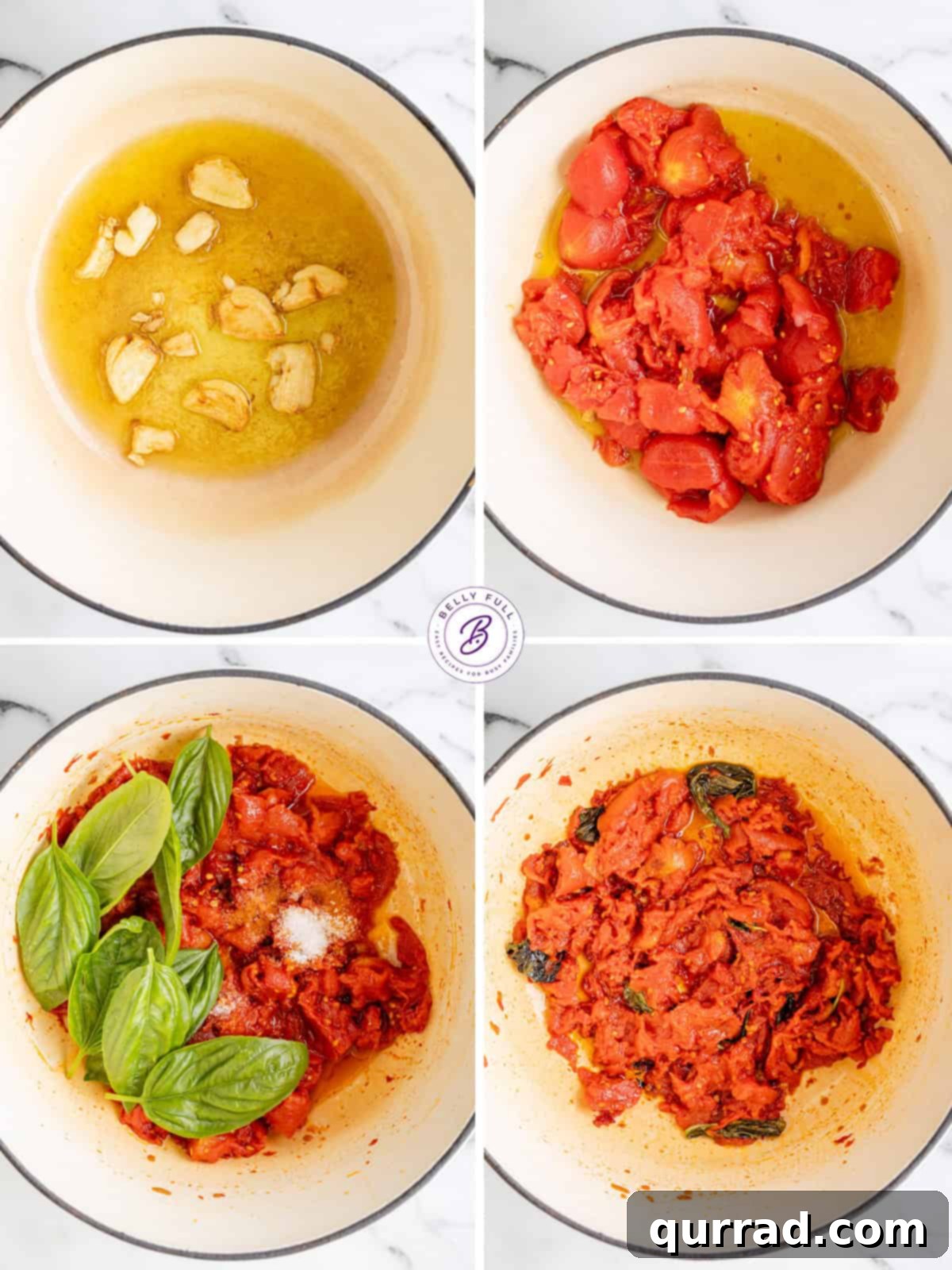
- Prepare the Tomatoes: Begin by placing your canned whole peeled tomatoes into a colander set over a sturdy bowl. This setup allows you to efficiently separate the rich tomato juices from the flesh. Using your clean hands, gently but firmly squeeze each tomato. This action serves two purposes: it breaks the tomatoes into smaller, more manageable pieces for the sauce and allows any excess liquid to drain into the bowl, concentrating the tomato flavor. Reserve both the squeezed tomato pulp and the drained juice, as both will be used.
- Infuse the Olive Oil with Garlic: Heat the olive oil in a Dutch oven or a large, heavy-bottomed pot over medium to medium-high heat. Once the oil begins to shimmer gently, add the peeled and smashed garlic cloves. Sauté the garlic for approximately 2-3 minutes, stirring occasionally. The goal here is to gently toast the garlic, allowing its aromatic oils to infuse the olive oil, creating a fragrant foundation for your sauce. Watch carefully, ensuring the garlic doesn’t burn, as this can impart a bitter taste. Once golden and fragrant, carefully remove the whole garlic cloves from the pot and discard them*. The infused oil is now ready for the next step.
- Simmer the Tomatoes: Add the hand-crushed tomato pulp to the Dutch oven, stirring it into the fragrant olive oil. Use a wooden spoon to further break down any larger pieces of tomato, aiming for a rustic, bite-sized consistency. Bring the sauce to a gentle simmer, then reduce the heat to low. Allow the tomatoes to cook for 10-15 minutes, stirring occasionally. This simmering period is crucial for developing the depth of flavor in your sauce, allowing the tomatoes to sweeten and thicken slightly.
- Introduce Aromatic Flavors: Stir in the red pepper flakes, salt, and fresh basil leaves. The basil, added now, will begin to release its vibrant aroma into the warm sauce. Continue to simmer the sauce for an additional 5 minutes. This final simmering step allows all the flavors to meld together beautifully, with the basil adding a fresh, herbaceous counterpoint to the rich tomato.
- Cook the Pasta to Perfection: While your sauce simmers, bring a large pot of generously salted water to a rolling boil. Add the dry spaghetti and cook according to package directions, but remove it approximately 2 minutes before it reaches the al dente stage. The pasta will finish cooking in the sauce, ensuring it absorbs maximum flavor. Before draining, make sure to reserve about 1/2 cup of the starchy pasta water. This liquid is a secret weapon for achieving a perfectly emulsified and glossy sauce.
- Unite Pasta and Sauce: Carefully transfer the slightly undercooked, drained spaghetti directly into the Dutch oven with the simmering tomato sauce. Stir the pasta into the sauce, tossing gently to ensure every strand is coated. Continue to cook for another 2-3 minutes, allowing the pasta to finish cooking and absorb the delicious flavors of the sauce. If the sauce appears too thick or needs a bit more moisture to adhere properly to the pasta, gradually add some of the reserved pasta water or the strained tomato juice until it reaches your desired consistency. The starches in the pasta water will help create a beautiful, cohesive emulsion.
- Serve with Elegance: Transfer the freshly prepared Pasta Pomodoro to individual serving bowls. Garnish generously with freshly grated Parmesan cheese and, if desired, a few extra fresh basil leaves for a final touch of aroma and color. Serve warm and savor the simple, profound flavors of this Italian classic.
*Important Note on Garlic: The traditional preparation of this recipe involves using whole garlic cloves solely to infuse the olive oil with their delicate flavor. The cloves are then removed and discarded before the tomatoes are added, resulting in a subtle garlic essence. However, if you prefer a more pronounced and robust garlicky flavor, you can certainly mince the cloves after smashing them, sauté them for a brief 30-60 seconds (being careful not to burn them), and then leave them in the oil to continue cooking with the sauce. This alternative approach offers a more assertive garlic presence in your final dish.
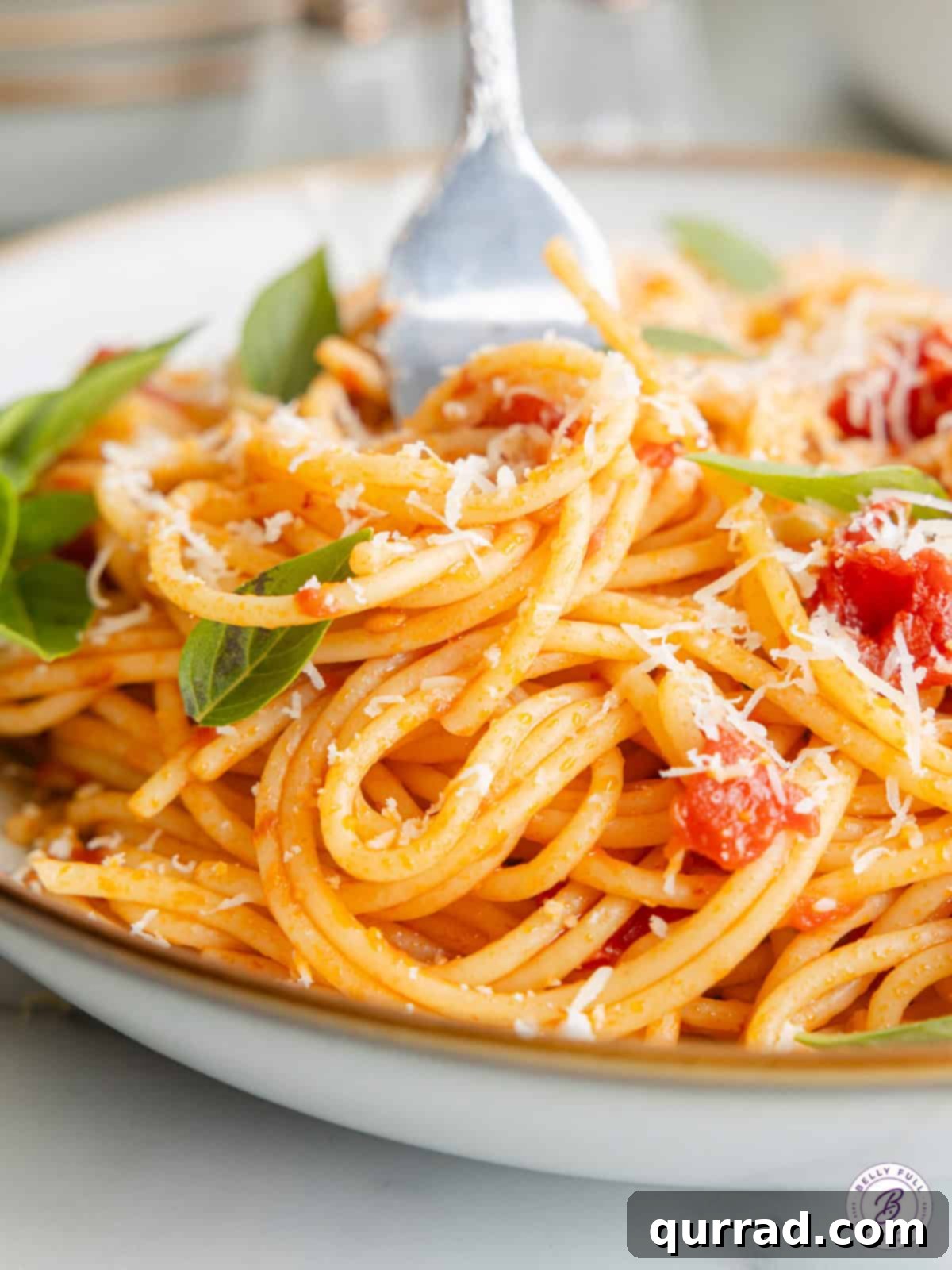
Expert Tips & Tricks for Perfect Pasta Pomodoro
Achieving the best Pasta al Pomodoro, with its delicate balance of flavors and textures, relies on a few key techniques. Follow these expert tips to elevate your homemade rendition:
- Generously Salt the Pasta Water: This is a non-negotiable step for any pasta dish. Pasta itself is quite bland, but it readily absorbs the flavor of the liquid it’s cooked in. Think of your pasta water as a savory bath – it should taste like the sea. If you cook your pasta in unsalted water, it will inevitably turn out flat and unseasoned, regardless of how flavorful your sauce is. Proper salting ensures the pasta is seasoned from the inside out, providing a foundational layer of taste that complements your rich tomato sauce.
- Precisely Undercook the Pasta: The secret to perfectly al dente pasta that’s deeply infused with sauce flavor is to pull it from the boiling water a couple of minutes before it reaches its fully al dente stage. Specifically, aim for about 2 minutes shy of the package’s recommended cooking time. This crucial step allows the pasta to finish cooking directly in the simmering tomato sauce. As it does, it not only absorbs the delicious flavors but also releases its starches, which helps to thicken and emulsify the sauce, creating a luxurious, cohesive dish. Overcooking at this stage will result in mushy, unappealing pasta.
- Always Reserve Some Pasta Water: Before draining your cooked pasta, make it a habit to reserve approximately 1/2 cup of the starchy cooking liquid. This “liquid gold” is a chef’s secret weapon. The starches released from the pasta create a natural emulsifier, helping the sauce adhere beautifully to each strand of spaghetti. If your sauce ever seems too thick or needs a bit more silkiness, a spoonful or two of this reserved water will bring it to the perfect consistency, creating a glossy, well-integrated sauce that clings perfectly to your pasta.
- Choose Quality Canned Tomatoes: If using canned tomatoes, the quality truly matters. Look for whole peeled San Marzano tomatoes, or other high-quality Italian brands. These typically have a richer, sweeter flavor and a better texture, which will significantly impact the taste of your final sauce. Avoid diced or crushed tomatoes if possible, as they often contain calcium chloride which can prevent them from breaking down properly and create a gritty texture.
- Don’t Overcrowd the Pan: When sautéing garlic or simmering the sauce, ensure your Dutch oven or pot isn’t too crowded. Giving your ingredients space allows them to cook evenly and caramelize slightly, building deeper flavors. Overcrowding can lead to steaming instead of sautéing, which diminishes flavor development.
- Add Basil at the Right Time: Fresh basil is delicate. To preserve its vibrant color and fragrant aroma, add it towards the end of the cooking process, typically during the last 5 minutes of simmering the sauce, and as a fresh garnish just before serving. Prolonged cooking can diminish its fresh taste and turn it dark.
Creative Variations to Elevate Your Pasta Pomodoro
While Pasta Pomodoro is undeniably perfect in its traditional form, its simple elegance also makes it a fantastic canvas for subtle enhancements and personalized touches. You don’t want to radically alter the core essence, but a few thoughtful additions can introduce new dimensions of flavor and texture. Here are some delightful ideas to inspire your culinary creativity:
- Experiment with Diverse Pasta Shapes: Spaghetti is the revered, classic choice for Pasta Pomodoro, allowing the light sauce to cling beautifully to its long strands. However, don’t hesitate to explore other pasta varieties that can offer different textural experiences and sauce-holding capabilities. Linguine or bucatini (a thicker, hollow spaghetti) make excellent long-pasta alternatives. For those who prefer shorter shapes, consider tagliatelle, penne, rigatoni, or even whimsical bowtie pasta (farfalle). Each shape interacts uniquely with the sauce, creating a slightly different eating experience.
- Indulge in a Cheesy Upgrade: A sprinkle of freshly grated Parmesan cheese is typically the finishing touch for Pasta al Pomodoro, adding a salty, umami kick. But why stop there? For an extra layer of creamy decadence, consider tossing some fresh mozzarella pearls into the warm pasta just before serving; they will gently melt, creating delightful pockets of gooey cheese. Alternatively, a dollop of creamy ricotta or a luxurious ball of burrata cheese placed on top of each serving will slowly melt into the warm sauce, adding a rich, milky contrast to the bright tomato.
- Incorporate Satisfying Protein: If you’re craving a more substantial meal, adding a protein component can transform your Pasta Pomodoro. Grilled chicken breast, thinly sliced and laid over the pasta, provides a lean and flavorful addition. For a seafood twist, succulent garlic Parmesan shrimp can be quickly sautéed and tossed with the finished dish, bringing a delightful brininess and tender texture. You could also crumble in some mild Italian sausage during the sauce-making process for a heartier, more robust flavor profile, or even add some cannellini beans for a vegetarian protein boost.
- Introduce Fresh Herbs Beyond Basil: While basil is king in Pomodoro, a touch of fresh oregano or a sprig of thyme can add an extra layer of complexity to the sauce. Add them sparingly during the simmering phase to allow their flavors to gently infuse.
- A Touch of Sweetness: For a deeper, sweeter sauce, especially if your tomatoes are a bit acidic, a small pinch of sugar or a finely grated carrot can be added during the simmering stage. This helps to balance the acidity and enhance the natural sweetness of the tomatoes without altering the core flavor profile.
Perfect Pairings: Serving Suggestions for Pasta Pomodoro
This beautifully simple Pasta Pomodoro, with its bright and comforting flavors, shines even brighter when served alongside thoughtfully chosen accompaniments. It’s a dish that invites you to create a complete and delightful Italian-inspired meal. Here are some serving suggestions to enhance your dining experience:
Complementary Salads: To balance the richness of the pasta, a light, refreshing salad is an ideal pairing. During the warmer months, a vibrant Strawberry Spinach Salad offers a wonderful contrast with its sweet and tangy notes. For a timeless and universally loved option, my classic Caesar Salad with its crisp romaine, creamy dressing, and crunchy croutons would also be an excellent pick, adding a touch of sophisticated freshness.
Artisan Breads for Scooping: No Italian pasta meal is complete without a sturdy hunk of crusty bread. It’s absolutely essential for “fare la scarpetta” – literally “making a little shoe” – where you use the bread to mop up every last drop of that glorious tomato sauce. You can’t go wrong with classic Garlic Bread, its savory aroma and toasted texture perfectly complementing the pasta. Or, for a truly impressive homemade touch, try your hand at my easy Focaccia Bread, its airy texture and olive oil richness will be an absolute dream for soaking up the sauce.
Wine Pairings to Elevate: Of course, pasta and vino are a match made in culinary heaven. For a red wine choice that harmonizes beautifully with the tomato-based sauce, a glass of medium-bodied Chianti, with its notes of cherry and earthy undertones, is an exquisite option. If you prefer white wine, a crisp and chilled Pinot Grigio offers a refreshing counterpoint, its bright acidity cutting through the richness of the dish and cleansing the palate. Treat yourself to a perfect pairing!
Simple Desserts: To conclude your meal, consider a light and refreshing dessert. Fresh fruit, a scoop of vanilla bean gelato, or a simple panna cotta would provide a delightful end to your authentic Italian experience.
Proper Storage and Reheating for Optimal Freshness
Ensuring your delicious Pasta Pomodoro stays fresh and flavorful for future enjoyment is key. Proper storage and reheating techniques will allow you to savor the leftovers without compromising on quality.
- Refrigerator Storage: Once your Pasta Pomodoro has cooled completely to room temperature (this is crucial to prevent condensation and bacterial growth), transfer the leftovers into an airtight container. Make sure the container is tightly sealed to keep out air, which can cause the pasta to dry out. Stored correctly in the refrigerator, your pasta will remain fresh and delicious for up to 3 days.
- Freezer Storage: For longer preservation, Pasta Pomodoro freezes remarkably well. Again, ensure the pasta is fully cooled before transferring it to a freezer-safe, airtight container. A sturdy plastic container or a heavy-duty freezer bag (removing as much air as possible) will work best. You can store frozen Pasta Pomodoro for up to 3 months. To maintain the best texture and flavor, it’s advisable to allow the pasta to thaw slowly in the refrigerator overnight before proceeding with reheating.
- Reheating Instructions:
- Stovetop Method (Recommended): For best results, heat a small amount of olive oil (about a tablespoon) in a large, heavy-bottomed saucepan or skillet over medium-low heat. Add the thawed or refrigerated pasta to the pan. Cook gently, stirring occasionally, until the pasta is thoroughly heated through. If the pasta appears too dry or starts to stick to the pan, add a splash of vegetable broth, water, or even a bit of the reserved pasta water (if you saved it) to rehydrate and loosen the sauce. This method helps maintain the pasta’s texture and prevents it from becoming mushy.
- Microwave Method: For smaller portions or a quicker reheat, place the pasta in a microwave-safe dish. Add a tablespoon or two of water or broth to help prevent drying. Cover the dish loosely (with a lid or microwave-safe plastic wrap, leaving a small vent) and microwave in 30-second intervals, stirring in between, until the pasta is warm throughout. Be mindful not to overheat, as this can make the pasta chewy or dry.
Explore More Delightful Pasta Recipes
- Chicken Tetrazzini
- Lazy Day Lasagna
- Boursin Cheese Pasta
- Spaghetti Carbonara
- Gochujang Pasta
- One Pot Sausage Pasta
We truly hope you adore this flavorful and straightforward recipe! Your feedback means the world to us, so please consider leaving a review below. We appreciate you joining our culinary journey!
Pasta Pomodoro
10 mins
25 mins
35 mins
5 people
This Pasta Pomodoro is one of those Italian classics you just can’t mess up. Perfectly al dente pasta is finished in the pan in a simple, yet exceptionally flavorful tomato sauce infused with garlic, basil, and just a hint of spice from red pepper flakes. Simple, fresh, and ultra delicious!
Ingredients
- 2 cans (28 ounces each) whole peeled tomatoes
- 1/4 cup olive oil
- 6 cloves garlic, peeled and smashed
- 1 pound dry spaghetti
- Pinch red pepper flakes
- 1 teaspoon coarse salt
- 8 fresh basil leaves
Instructions
- Place your tomatoes in a colander over a bowl. Using your hands, squeeze the tomatoes and allow them to drain, reserving the juice.
- Heat the olive oil over medium to medium-high heat in a Dutch oven or small pot. Once shimmering, add in the garlic and sauté for 2 minutes until the garlic is just starting to turn golden brown. Remove the garlic from the pot.
- Add the crushed tomatoes to the pot and using a wooden spoon, stir and break them into bite-size pieces.
- Stirring occasionally, allow the tomatoes to simmer for 10 to 15 minutes.
- Add the red pepper flakes, salt, and basil to the tomatoes. Make sure to cook for an additional 5 minutes.
- In the meantime, bring a large pot of salted water to a boil and cook the pasta 2 minutes shy of al dente. Reserve 1/2 cup of the cooking liquid before draining.
- Stir the cooked spaghetti into the pasta sauce and allow it to continue cooking until the pasta reaches al dente, about 2 to 3 minutes. If the sauce is too thick, add in some of the reserved juice of the tomatoes and pasta water.
- Serve with Parmesan cheese, and enjoy.
Notes
Got fresh garden tomatoes? You can totally use those instead of canned, if preferred. Grab 1 pound of cherry or Roma tomatoes and boil some water. Add the tomatoes to the boiling water and let them cook for about 1 minute. Remove them from the water and plunge them into an ice bath. The skins should peel right off. Cut the tomatoes in half and use them just as you would the canned tomatoes.
About the garlic. The garlic in this recipe is traditionally left whole and only used to infuse the oil with flavor. The cloves are then removed and discarded. If you’d like a more garlicky flavor, go ahead and mince the cloves, sauté only for 30-60 seconds, and leave them in the oil as you carry on with the recipe.
Nutrition
Nutritional information given is an automatic calculation and can vary based on the exact products you use and any changes you make to the recipe. If these numbers are very important to you, I would recommend calculating them yourself.