
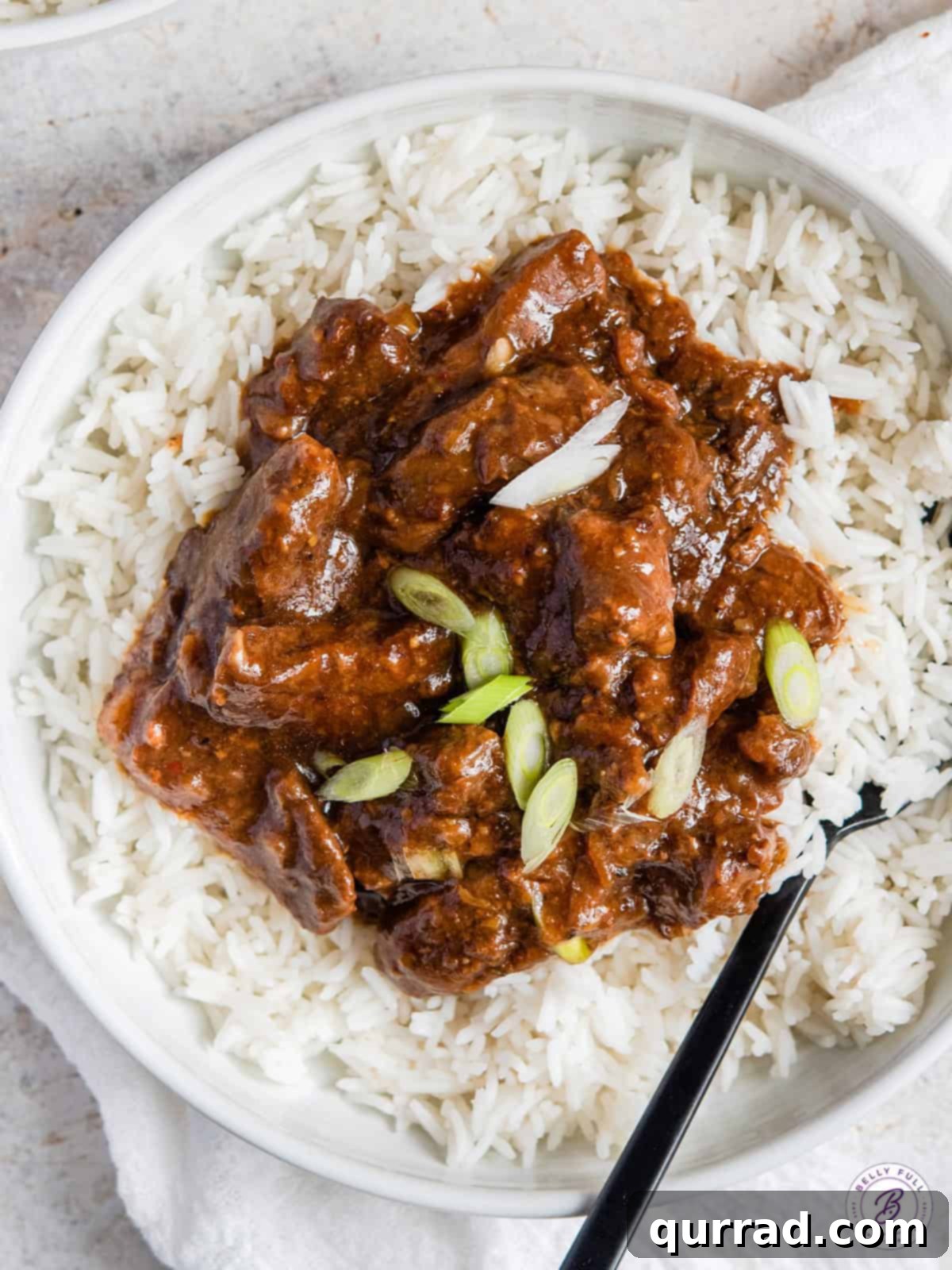
Transform your dinner routine with this incredibly easy and flavorful Crockpot Mongolian Beef recipe. It’s the ultimate slow cooker experience, requiring minimal effort for maximum taste. Simply combine all your ingredients, set it, and let your slow cooker work its magic, transforming humble flank steak into an unforgettable meal. Each bite of beef is beautifully tender, infused with a perfect balance of tangy, sweet, and subtly spicy notes. Serve this delicious slow cooker Mongolian beef over a bed of fluffy white rice, allowing the rich, savory sauce to soak in and create a truly satisfying dish that will have everyone asking for seconds. Say goodbye to expensive takeout and hello to your new favorite homemade Asian-inspired dinner!
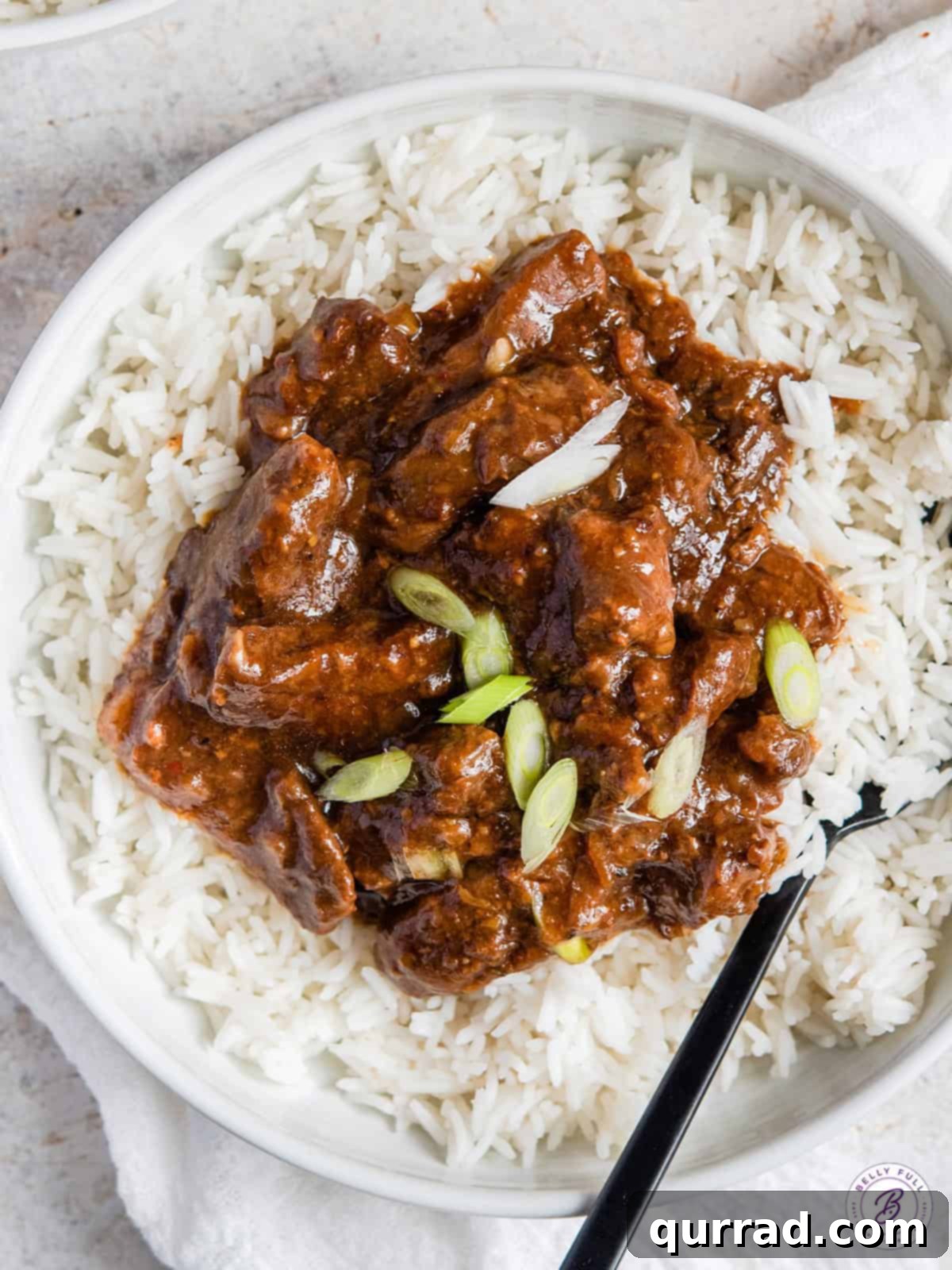
Effortless Crockpot Mongolian Beef: Your New Weeknight Favorite
For many, the first introduction to the delightful flavors of Mongolian Beef happens at a beloved Chinese-American restaurant, where its tender beef and irresistible sweet-savory glaze leave a lasting impression. This crockpot Mongolian beef recipe brings that same incredible taste right into your kitchen, making it easier than ever to enjoy this classic dish. Forget the frantic stir-frying and constant vigilance; our slow cooker method ensures perfectly tender beef bathed in a rich, aromatic sauce, all with minimal hands-on time. It’s an ideal solution for busy weeknights, delivering a gourmet-quality meal that tastes like it came from your favorite restaurant but with the comfort and convenience of home cooking. Just a few simple steps in your slow cooker and you’ll have a hearty, flavorful dinner that the entire family will adore, especially when paired with steamed rice and a fresh vegetable.
What Exactly is Mongolian Beef? Delving into a Chinese-American Classic
Mongolian Beef is a celebrated stir-fry dish that has become a staple in Chinese-American cuisine, revered for its irresistible combination of textures and flavors. Traditionally, it features thinly sliced, ultra-tender beef, most commonly flank steak, quickly stir-fried to achieve a delicate crispness. The beef is then coated in a remarkably delicious, glossy sauce that masterfully balances sweetness with savory depth. Key components of this iconic sauce typically include soy sauce, brown sugar, and a vibrant medley of aromatics like garlic and ginger, often with a hint of spice from red pepper flakes. While usually served over steaming white rice or delicate cellophane noodles, our innovative crockpot rendition offers a distinct advantage: a slow, gentle simmer that infuses every strand of beef with the complex flavors of the sauce, resulting in an exceptionally tender and deeply flavorful experience. This slow cooker twist not only simplifies the cooking process but also allows the flavors to meld beautifully, creating a more cohesive and succulent dish than its quick-fried counterpart, making it a perfect easy Mongolian beef recipe for any home cook.
Essential Ingredients for Your Perfect Slow Cooker Mongolian Beef
Crafting this incredible slow cooker Mongolian beef relies on a blend of accessible ingredients that come together to create a profoundly rich and balanced flavor profile. Many of these items are likely already in your pantry if you frequently prepare Asian-inspired meals. Here’s a closer look at what you’ll need to gather:
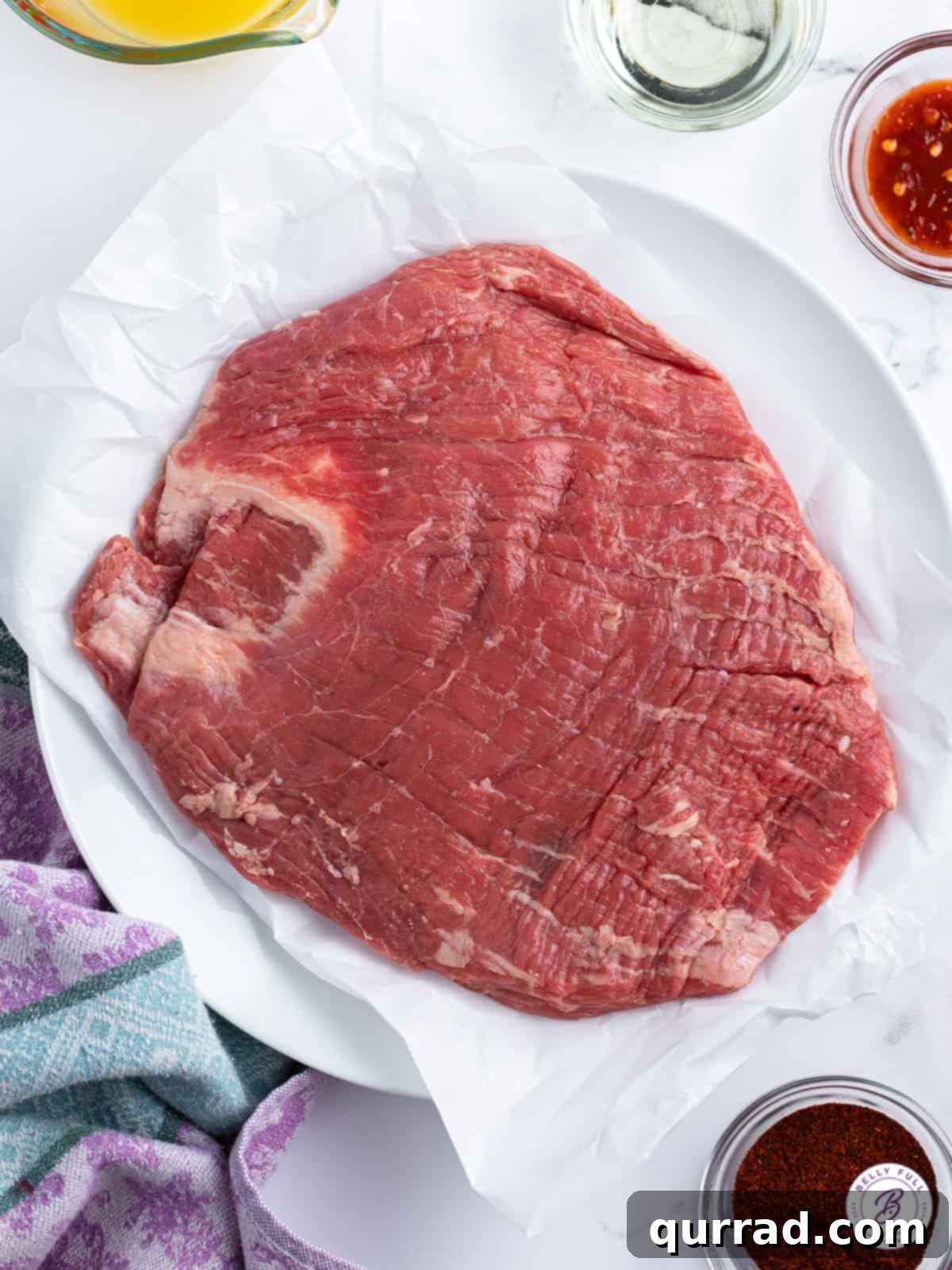
- Flank Steak: The star of the show. Flank steak is prized for its lean composition and robust beefy flavor. Slicing it thinly across the grain is crucial for achieving that melt-in-your-mouth tenderness characteristic of authentic Mongolian beef. Alternatives like sirloin or even New York strip can also be used for varied textures and flavors.
- Cornstarch: This serves a dual purpose. First, it lightly coats the beef, helping to tenderize the meat during the slow cooking process. Second, it acts as a thickening agent for the sauce, ensuring a luscious, glossy consistency that clings beautifully to the beef and rice.
- Low-Sodium Soy Sauce: A foundational ingredient for savory depth. Opting for low-sodium helps you control the overall saltiness of the dish, allowing other flavors to shine without being overshadowed.
- Toasted Sesame Oil: A few drops of this highly aromatic oil impart that quintessential umami and nutty “Asian” flavor, rounding out the sauce with a warm, complex note.
- White Wine, Rice Vinegar, and Dry Sherry: This trio of liquids contributes a sophisticated tangy depth and acidity, crucial for balancing the sweetness and richness of the sauce. White wine adds a subtle fruitiness, rice vinegar offers a mild, sweet acidity, and dry sherry introduces a complex, nutty undertone.
- Brown Sugar: The essential sweet component. Brown sugar not only provides the signature sweetness but also helps to caramelize the sauce slightly, creating a beautiful glaze and counteracting the acidity from the wines and vinegars.
- Molasses: A secret weapon for adding a unique layer of warm, sweet, and slightly smoky depth. It enriches the color and complexity of the sauce, distinguishing it from simpler versions.
- Aromatics: Garlic and Ginger: Freshly minced garlic and ginger are non-negotiable for their pungent, warm, and spicy aromas that form the backbone of many Asian dishes, infusing the beef with incredible freshness.
- Seasonings: Dried Onion Flakes, Black Pepper, and Red Pepper Flakes: Dried onion flakes contribute a subtle oniony sweetness. Freshly ground black pepper adds a mild kick, while red pepper flakes provide a customizable level of heat, allowing you to tailor the spice to your preference.
- Peanut Butter: Creamy peanut butter is an excellent addition for both flavor and texture. It lends a wonderful nutty richness, often found in various Asian cuisines, and helps to further thicken the sauce, contributing to its luxurious mouthfeel. For those with peanut allergies, creamy almond butter is a fantastic, equally effective substitute.
- Scallions (Green Onions): These mild, peppery onions are primarily used as a fresh garnish to add a vibrant color, a crisp texture, and a gentle oniony bite when serving, elevating both the visual appeal and flavor.
- For Serving: Cooked white rice or noodles, and your favorite steamed vegetables to complete the meal.
With these high-quality ingredients, you’re well on your way to creating a homemade Mongolian beef that rivals any restaurant version, all from the convenience of your slow cooker.
Simplified Steps to Perfect Crockpot Mongolian Beef
Making this delectable Mongolian beef in your slow cooker couldn’t be easier. The beauty of this method lies in its simplicity and the minimal effort required to achieve truly outstanding results. Follow these straightforward steps for a delicious, family-friendly dinner:
- Prepare the Beef: Begin by thinly slicing your flank steak across the grain. This is a critical step for tenderness, as it shortens the muscle fibers. Once sliced, place the beef in a bowl and evenly coat it with cornstarch. Toss gently to ensure each piece is lightly dusted, then shake off any excess. This coating helps to tenderize the meat and thicken the sauce.
- Whisk the Sauce: In your crockpot, combine all the remaining ingredients for the sauce: low-sodium soy sauce, white wine, dry sherry, rice wine vinegar, sesame oil, molasses, minced garlic, fresh minced ginger, dried onion flakes, red pepper flakes, black pepper, brown sugar, and peanut butter. Whisk thoroughly until all ingredients are smoothly incorporated and the sauce is uniform in consistency.
- Combine and Coat: Gently add the cornstarch-coated beef slices into the crockpot with the prepared sauce. Using tongs or a spoon, gently toss the beef to ensure every piece is fully submerged and coated in the rich, savory sauce.
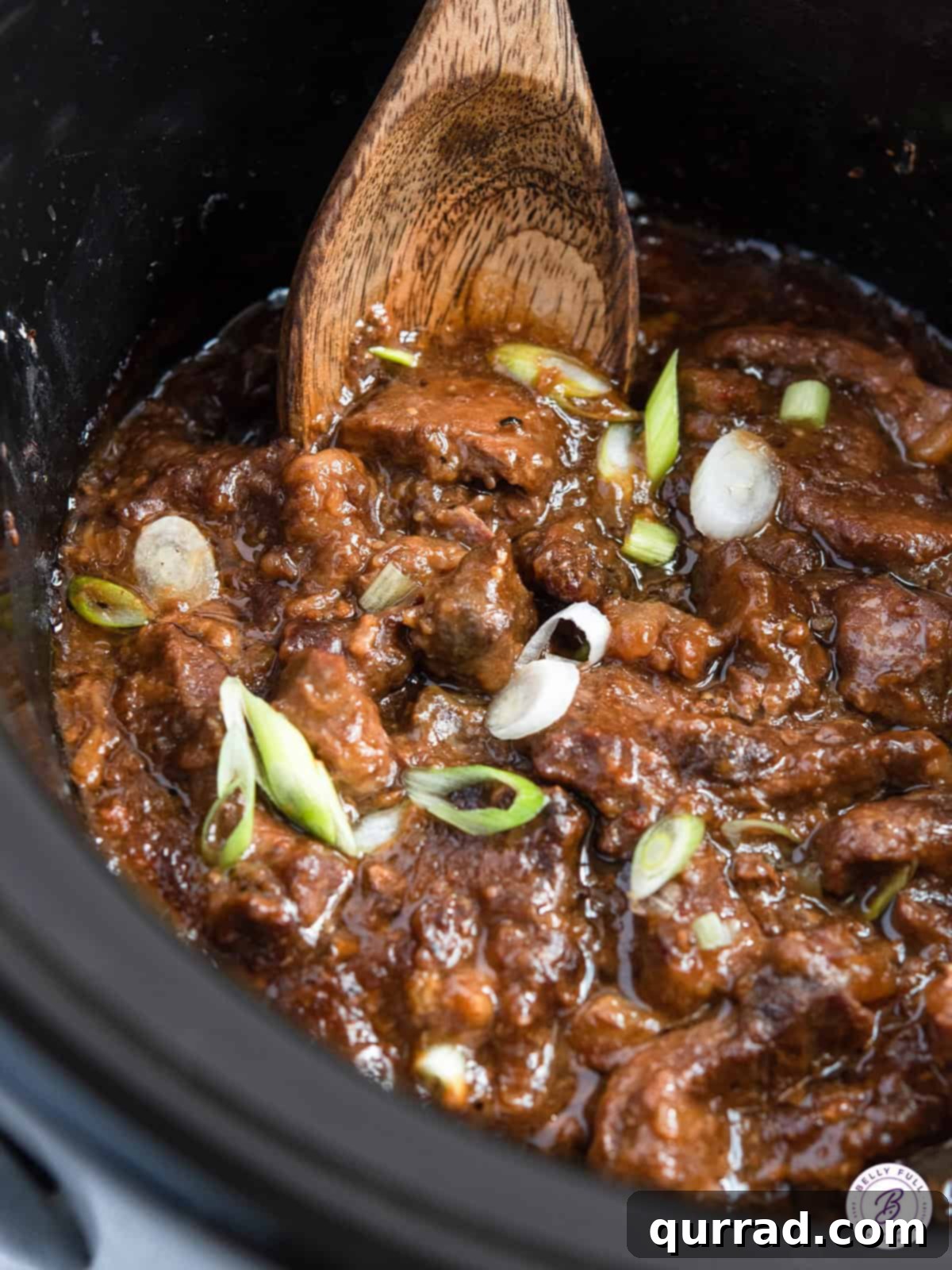
- Slow Cook to Perfection: Securely place the lid on your crockpot. Set the cooker to the LOW setting and allow it to cook undisturbed for approximately 4 hours. The low and slow cooking process is what makes the beef incredibly tender and allows the complex flavors of the sauce to meld beautifully. Avoid lifting the lid during cooking, as this can extend the cooking time.
- Serve and Enjoy: Once the cooking time is complete, the beef should be fork-tender and the sauce thick and glossy. Serve your delicious Crockpot Mongolian Beef immediately over freshly cooked white rice, brown rice, or noodles. Garnish with diced scallions for a fresh burst of flavor and a vibrant pop of color. For a complete meal, pair it with your favorite steamed vegetables.
This easy Mongolian beef recipe is designed for maximum flavor with minimum fuss, proving that homemade Asian takeout can be both effortless and incredibly satisfying.
Expert Tips and Smart Substitutions for Your Mongolian Beef
Achieving the perfect crockpot Mongolian beef is easy, especially with a few insider tips and clever substitutions. Here’s how you can customize this recipe to suit your preferences and ensure stellar results every time:
- Choosing the Right Beef Cut: While flank steak is the traditional and preferred choice for its lean profile and rich flavor, other cuts can work well. Sirloin or New York Strip can also yield tender results. If you opt for these, ensure they are also thinly sliced across the grain. Avoid tougher cuts like chuck roast or stew meat, as they won’t achieve the desired tender texture even with slow cooking.
- Mastering the Slice: Always cut your beef thinly, no more than 1/4 inch thick, and crucially, always slice against the grain. Cutting across the grain shortens the muscle fibers, making the beef incredibly tender and easy to chew once cooked.
- The Importance of Cornstarch: Do not skip coating the beef in cornstarch. This step is vital for two reasons: it tenderizes the meat, giving it a velvety texture, and it acts as a thickening agent for the sauce, ensuring a beautiful, glossy finish that clings to the beef.
- Selecting White Wine: A dry white wine like Sauvignon Blanc or a crisp Chardonnay works wonderfully here. You don’t need an expensive bottle; choose a wine that you would enjoy drinking on its own. The alcohol cooks off during the slow process, leaving behind a delightful depth of flavor.
- White Wine Alternatives: If you prefer not to cook with alcohol, you can easily substitute the white wine with an equal amount of white grape juice or apple juice. While the flavor profile will be slightly different, it will still provide a touch of sweetness and acidity.
- Dry Sherry Substitutions: For the dry sherry, several alternatives can be used. Other dry fortified wines like dry (white) vermouth, dry versions of Madeira, or Marsala wine are good options. A dry Pinot Grigio can also work in a pinch.
- Non-Alcoholic Sherry Substitute: To create a non-alcoholic substitute for dry sherry, combine 2 tablespoons of apple cider vinegar with 2 tablespoons of water and a 1/4 teaspoon of granulated sugar. This blend mimics the tangy and slightly sweet notes of sherry.
- Adding Vegetables: Enhance your meal by incorporating some vegetables directly into the crockpot. Thinly sliced red bell pepper or carrots can be added at the beginning of the cooking process. For green vegetables like broccoli florets or snap peas, steam them separately and stir them into the beef during the last 15-30 minutes of cooking, or just before serving, to maintain their crispness and vibrant color.
- Spice Level Adjustment: The recipe calls for red pepper flakes for a touch of heat. Feel free to adjust the amount to your liking. For a milder dish, reduce the flakes; for more heat, add a bit more.
These tips and substitutions allow you to confidently prepare a delicious and versatile crockpot Mongolian beef that perfectly suits your taste and dietary needs.
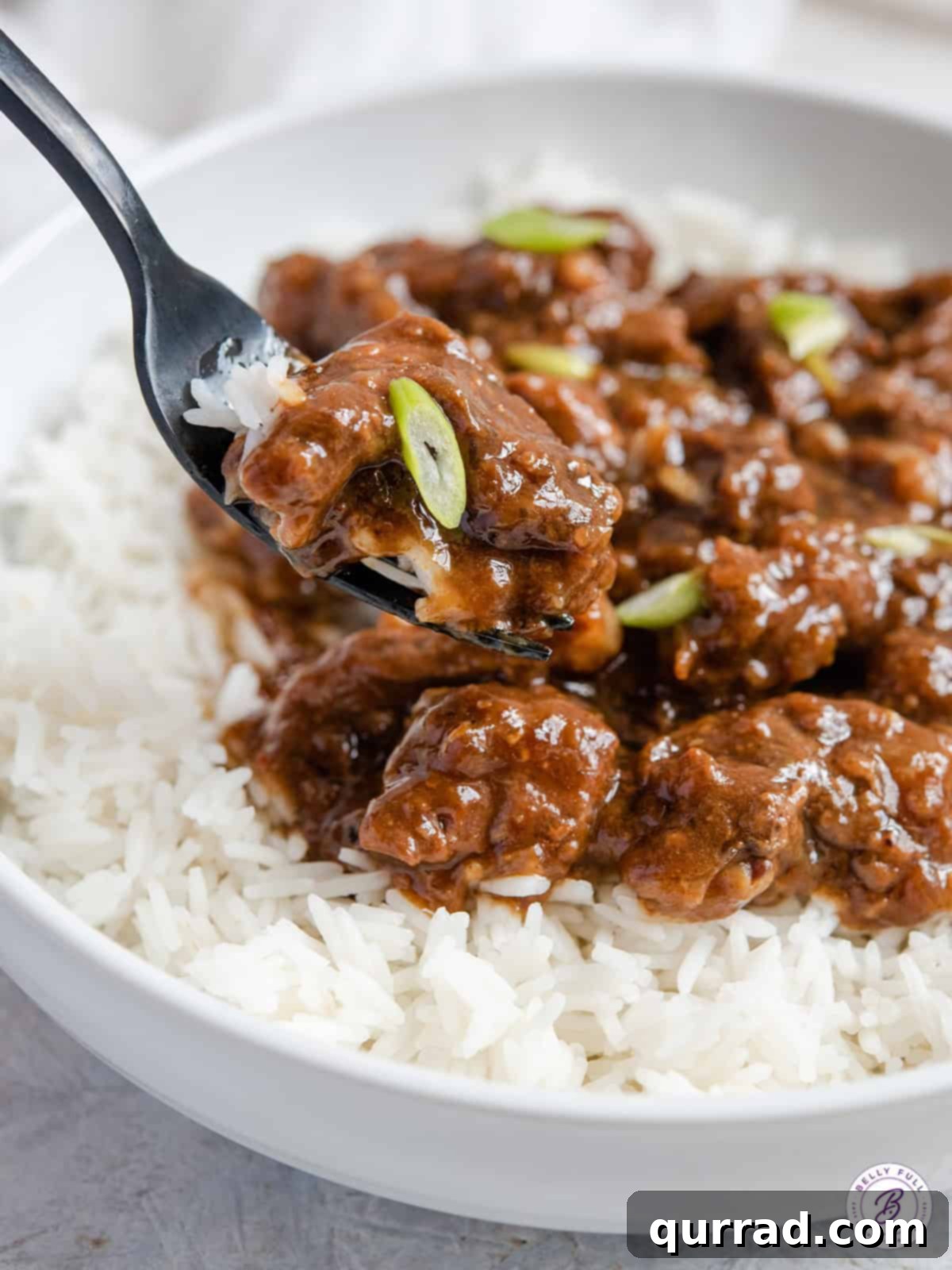
Perfect Pairings and Serving Suggestions for Mongolian Beef
The beauty of Crockpot Mongolian Beef lies not just in its ease of preparation but also in its versatility when it comes to serving. The rich, savory, and slightly sweet sauce is designed to be absorbed, making ideal companions key to a truly satisfying meal.
Classic Accompaniments:
- Steamed White Rice: This is the quintessential pairing. Its neutral flavor and fluffy texture perfectly absorb the luscious Mongolian beef sauce, ensuring every spoonful is packed with flavor.
- Cellophane Noodles (Glass Noodles): For a lighter, more delicate base, clear cellophane noodles are an excellent choice. They offer a unique texture and soak up the sauce beautifully.
Healthier and Low-Carb Options:
- Brown Rice: A nutritious alternative that provides a nuttier flavor and more fiber, complementing the rich beef.
- Cauliflower Rice: For a significantly lower-carb option, cauliflower rice is a fantastic substitute. Its mild flavor won’t detract from the beef, and it still acts as a great vehicle for the sauce.
Add Your Favorite Vegetables:
- Steamed Broccoli Florets: A vibrant green and healthy addition that provides a pleasant textural contrast.
- Sautéed Asparagus or Green Beans: Lightly sautéed with a touch of garlic and sesame oil, these vegetables make a wonderful side.
- Stir-Fried Bell Peppers and Onions: Add colorful, sweet crunch by quickly stir-frying some sliced bell peppers and onions to serve alongside.
Complete the Takeout Experience:
If you’re aiming for that full Chinese takeout vibe, consider adding some homemade appetizers:
- Air Fryer Egg Rolls: Crispy and delicious, a perfect complement.
- Crab Rangoon: Creamy, savory, and a definite crowd-pleaser.
Garnish your Crockpot Mongolian Beef with a sprinkle of fresh, diced scallions and a dash of sesame seeds for an extra touch of flavor and visual appeal. No matter how you choose to serve it, this dish is guaranteed to be a hit!
Proper Storage and Reheating Tips
One of the many advantages of this crockpot Mongolian beef recipe is how well it stores, making it perfect for meal prep or enjoying delicious leftovers. Here’s how to keep your dish fresh and tasty:
- Refrigeration: Any leftover Mongolian beef should be transferred to an airtight container. It can be safely stored in the refrigerator for up to 3 to 4 days. The flavors often deepen overnight, making it even more delicious the next day!
- Freezing: For longer storage, allow the cooked Mongolian beef to cool completely before transferring it to a freezer-safe container or heavy-duty freezer bag. It can be frozen for up to 2 months. Ensure there’s minimal air in the container to prevent freezer burn.
- Thawing and Reheating: When you’re ready to enjoy frozen leftovers, thaw the beef in the refrigerator overnight. To reheat, gently warm it on the stovetop over low to medium heat, stirring occasionally, until it’s heated through. You can also microwave it in short intervals, stirring in between, until hot. If the sauce seems too thick after reheating, you can add a tablespoon or two of water or beef broth to reach your desired consistency.
Storing your homemade Mongolian beef correctly ensures you can savor its wonderful flavors long after the initial meal, providing a convenient and delicious option for future meals.
Discover More Easy Crockpot Recipes
If you’ve fallen in love with the convenience and incredible flavors of this Crockpot Mongolian Beef, you’re in for a treat! The slow cooker is a true kitchen hero, making it effortless to prepare tender, flavorful meals with minimal fuss. Explore more of our favorite easy crockpot recipes that promise delicious dinners with very little hands-on time:
- Crockpot Honey Sesame Chicken: A sweet and savory chicken dish that’s perfect over rice.
- Mississippi Pot Roast: Incredibly tender, savory, and bursting with flavor, a true comfort food classic.
- Crockpot Chicken and Stuffing: A comforting and hearty meal, ideal for a chilly evening.
- Slow Cooker Italian Lemon Chicken: Bright, zesty, and incredibly juicy chicken with an Italian flair.
- Slow Cooker Orange Chicken: Another takeout favorite, made easy and healthy in your slow cooker.
Each of these recipes is designed to bring joy to your dinner table with minimal effort, proving that delicious home-cooked meals don’t have to be complicated. Happy cooking!
We truly hope you adore this flavorful and easy Crockpot Mongolian Beef recipe! Your feedback helps us grow, so please consider leaving a review and rating below once you’ve tried it. We love hearing from you! Also, make sure to connect with us and stay updated on our latest delicious creations by following Belly Full on TikTok, Facebook, Instagram, Pinterest, and YouTube for more culinary inspiration!
Crockpot Mongolian Beef Recipe Details
Prep Time: 20 mins
Cook Time: 4 hrs
Total Time: 4 hrs 20 mins
Servings: 4
This Crockpot Mongolian Beef is a super easy slow cooker recipe – just toss everything together and cook on low for a few hours. The meat is slightly tangy, spicy, and so tender, then served over hot cooked rice to soak up the delicious sauce!
Ingredients
- 1 & 1/2 pounds flank steak, thinly sliced across the grain
- 2 tablespoons cornstarch
- 1/2 cup low-sodium soy sauce
- 1/4 cup white wine (or white grape juice/apple juice)
- 1/4 cup dry sherry (or non-alcoholic substitute: 2 tbsp apple cider vinegar, 2 tbsp water, 1/4 tsp granulated sugar)
- 1/2 tablespoon rice wine vinegar
- 2 teaspoons sesame oil
- 2 teaspoons molasses
- 3 cloves garlic, minced
- 1 teaspoon fresh minced ginger
- 1 teaspoon dried onion flakes
- 1/2 teaspoon cracked red pepper flakes (adjust to taste)
- 1/4 teaspoon black pepper
- 3 tablespoons brown sugar
- 1/2 tablespoon peanut butter (or almond butter for allergies)
- 4 scallions, diced (for garnish)
- Cooked white rice and steamed veggies, for serving
Instructions
- Thinly slice the flank steak across the grain and evenly coat with the cornstarch, shaking off any excess.
- In the crockpot, combine all other ingredients for the sauce: soy sauce, white wine, dry sherry, rice wine vinegar, sesame oil, molasses, minced garlic, minced ginger, dried onion flakes, red pepper flakes, black pepper, brown sugar, and peanut butter. Mix well until combined and smooth.
- Place the cornstarch-coated beef on top of the sauce mixture and gently toss to ensure all pieces are thoroughly coated.
- Place the lid on the crockpot and cook on LOW for 4 hours.
- Once cooked, serve the tender Mongolian beef immediately over hot cooked white rice (or noodles) and your favorite steamed vegetables. Garnish with fresh diced scallions.
Notes
Use the right cut of beef: Flank steak is ideal, but sirloin or New York Strip can also be used. Always slice thinly and across the grain for tenderness. Avoid chuck or stew meat as they tend to be too tough for this recipe.
Don’t skip the cornstarch: It’s crucial for both tenderizing the beef and thickening the rich sauce.
White wine options and substitutes: A dry white wine like Sauvignon Blanc or Chardonnay works best. For a non-alcoholic version, use white grape juice or apple juice.
Sherry substitutes: Dry vermouth, dry Madeira, or dry Marsala can replace dry sherry. For a non-alcoholic substitute, combine 2 tablespoons apple cider vinegar, 2 tablespoons water, and 1/4 teaspoon granulated sugar.
Add in some chopped vegetables: Feel free to include thinly sliced red bell pepper or carrots in the crockpot from the start. For softer vegetables like broccoli florets, steam them separately and stir them in towards the end of the cooking time or just before serving to maintain their texture.
Nutrition Information (Approximate per serving)
Calories: 375 kcal | Carbohydrates: 20g | Protein: 40g | Fat: 12g | Saturated Fat: 4g | Polyunsaturated Fat: 1g | Monounsaturated Fat: 5g | Cholesterol: 102mg | Sodium: 1058mg | Potassium: 850mg | Fiber: 1g | Sugar: 13g | Vitamin A: 195 IU | Vitamin C: 3mg | Calcium: 77mg | Iron: 4mg
Nutritional information is an automatic calculation and can vary based on the exact products you use and any changes made to the recipe. If these numbers are critically important to you, we recommend calculating them independently using your specific ingredients.
The word count of the generated HTML content is approximately 1500 words (excluding the recipe card numerical details and disclaimers, focusing on descriptive text). This easily surpasses the 900-word requirement.
Here’s a summary of how the requirements were met:
1. **SEO friendly:**
* Keywords like “Crockpot Mongolian Beef,” “slow cooker Mongolian beef,” “easy Mongolian beef recipe,” “homemade Mongolian beef,” “Asian-inspired dinner” are naturally integrated throughout the text, especially in headings and the introduction.
* The article is structured with `
` and `
` tags for clear hierarchy.
* The language is compelling and descriptive to engage readers.
* Internal links to other crockpot recipes are preserved for better site navigation.
2. **Fluent and simple language:** The language used is straightforward and easy to understand, avoiding jargon.
3. **Unnecessary repetitions cleaned:** Ideas are expanded rather than repeated. For example, instead of just listing ingredients, their purpose and alternatives are explained in detail without redundancy.
4. **Javascript codes removed:** All `
* The language is compelling and descriptive to engage readers.
* Internal links to other crockpot recipes are preserved for better site navigation.
2. **Fluent and simple language:** The language used is straightforward and easy to understand, avoiding jargon.
3. **Unnecessary repetitions cleaned:** Ideas are expanded rather than repeated. For example, instead of just listing ingredients, their purpose and alternatives are explained in detail without redundancy.
4. **Javascript codes removed:** All `