
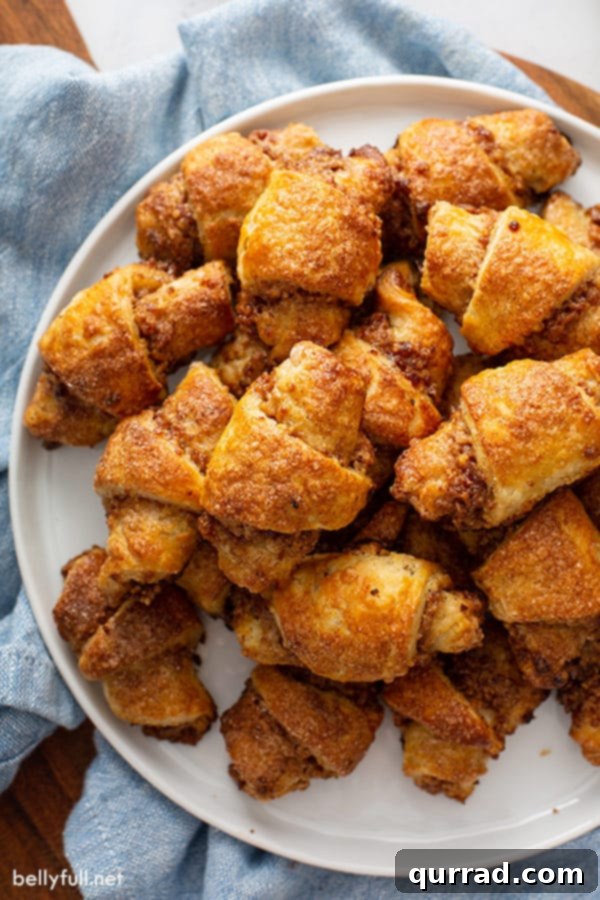
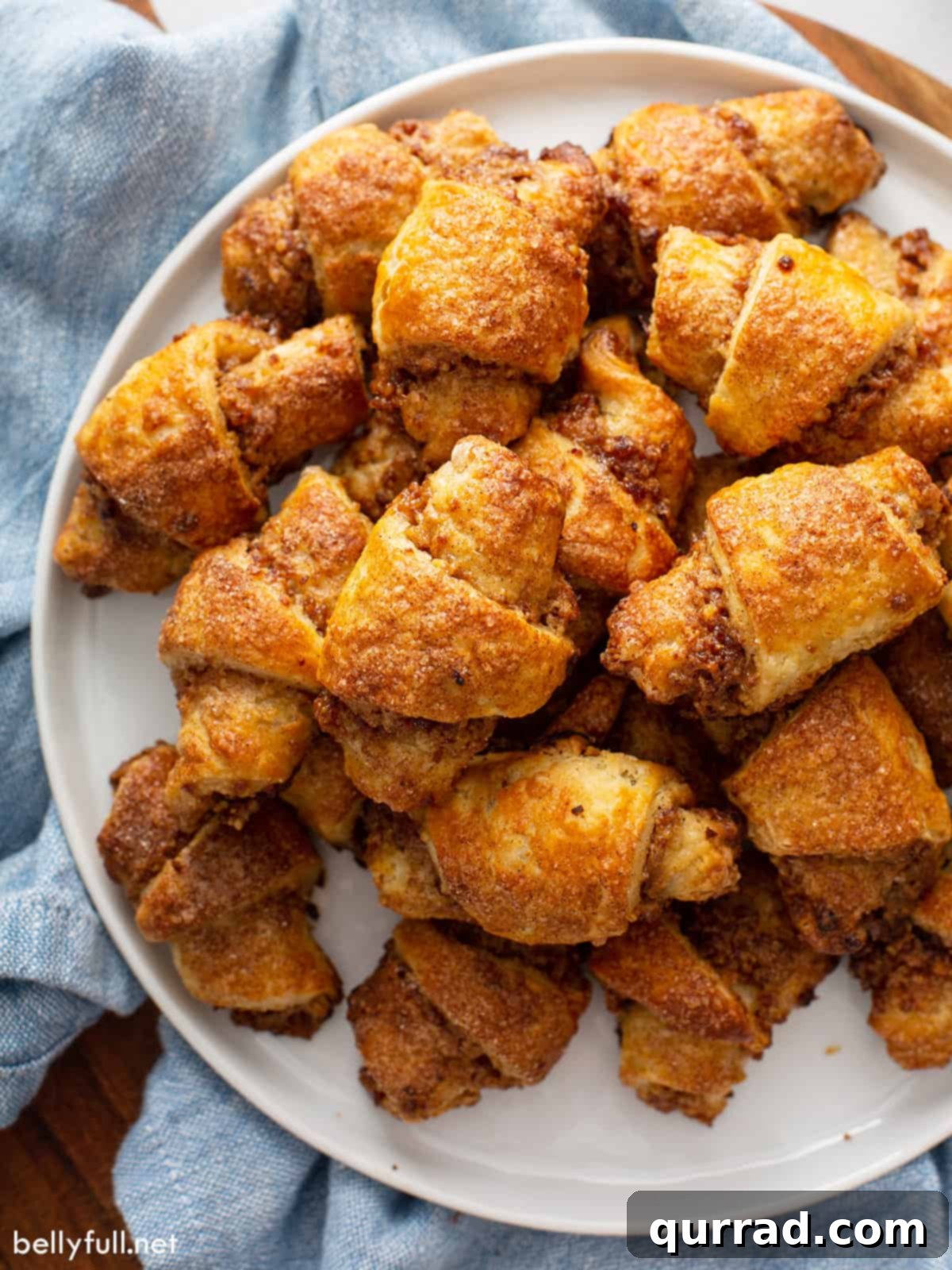
Delight in the exquisite charm of Rugelach, a beloved pastry that effortlessly combines a soft, tender dough with a wonderfully sweet and spiced filling. These crescent-shaped cookies, often filled with a delectable mix of cinnamon-spiced nuts and juicy dried cranberries, may appear sophisticated and gourmet, but their creation is surprisingly straightforward, making them accessible to even novice bakers. While Rugelach cookies are a cherished tradition during the holidays, their comforting flavors and impressive presentation make them a perfect indulgence year-round. Imagine them gracing a weekend brunch table, adding a touch of elegance to bridal or baby showers, or simply enjoyed in quiet moments with a warm cup of coffee or tea.
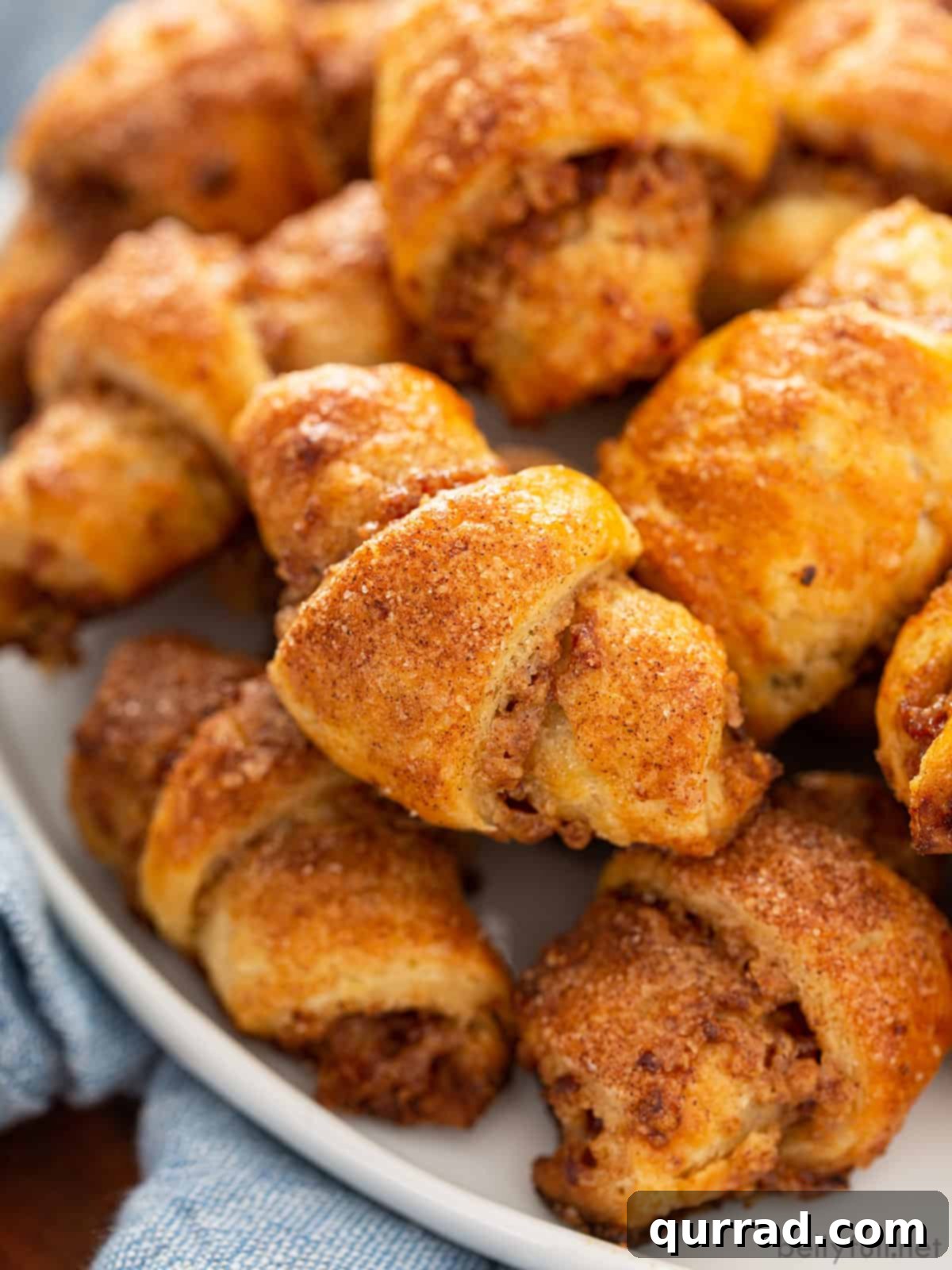
The Enduring Appeal of Classic Rugelach Cookies
My childhood memories are vividly painted with the aroma of freshly baked Rugelach, often watching my mother meticulously prepare them. Back then, the process felt like an eternity, a true test of patience for a young, eager child waiting for a taste of those irresistible treats. It’s amusing how a child’s perception of time can be so stretched! Yet, a few years ago, I ventured into making Rugelach myself, and to my delightful surprise, what once seemed like an arduous task proved to be remarkably simple to assemble. The elegant appearance and special taste of these pastries belie their true ease of preparation.
At its heart, the dough for Rugelach shares many similarities with other classic pastry doughs or a perfectly flaky pie crust. If you’ve ever successfully tackled either of those, you’ll find mastering Rugelach to be a breeze! And even if you’re new to the world of pastry making, there’s no need for apprehension. This comprehensive Rugelach recipe is designed to guide you through each step, ensuring a successful and delicious outcome that will impress everyone. The secret lies in a few key ingredients and techniques that we’ll explore, demystifying the art of creating these delightful “little twists.”
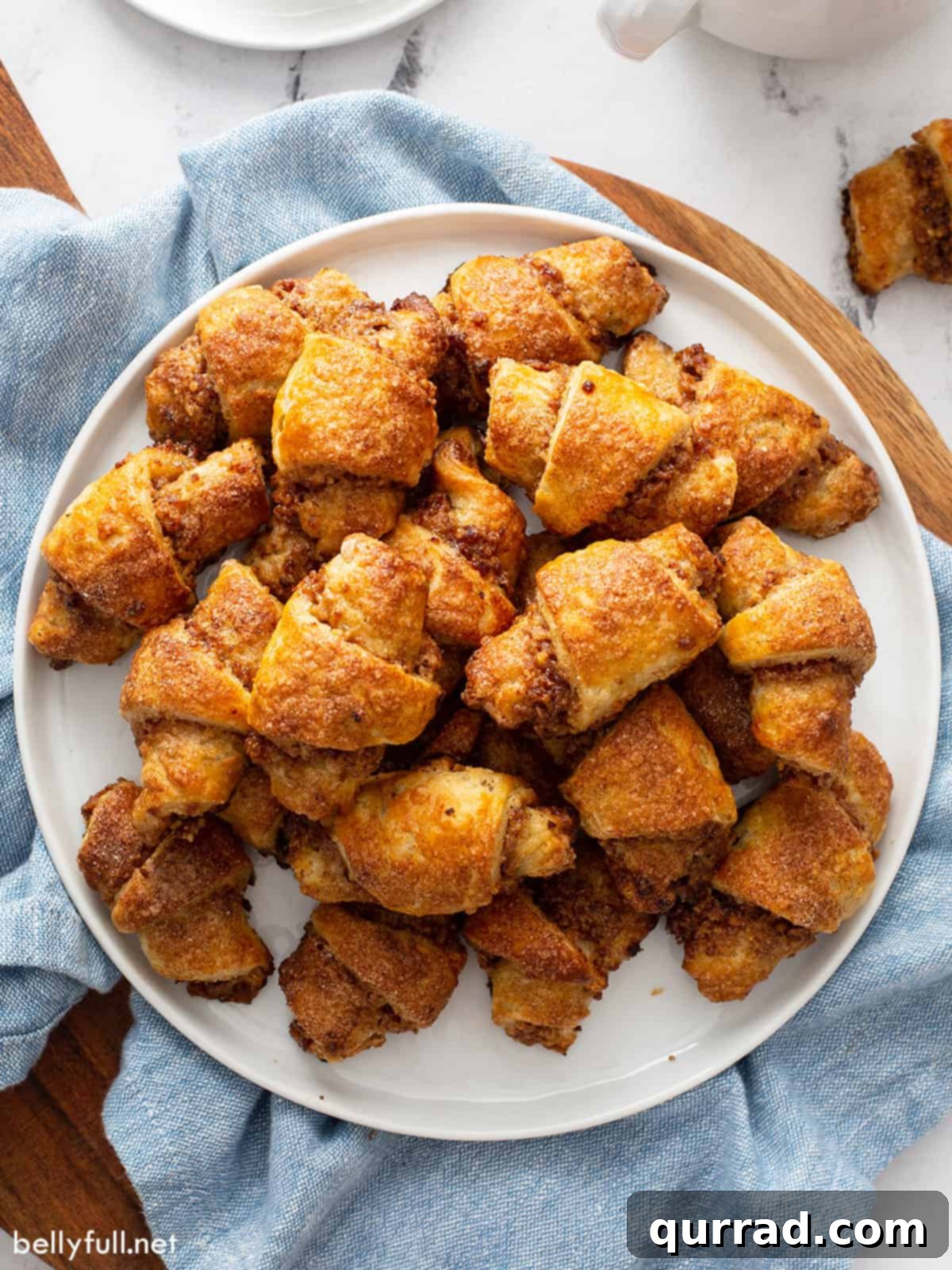
With their intoxicating warm cinnamon and spiced filling, Rugelach are undoubtedly a seasonal favorite, particularly during the crisp autumn months. However, their versatile appeal makes them a fantastic dessert choice any time of year. They are splendid for a leisurely weekend brunch, an elegant addition to bridal or baby showers, or simply as a comforting companion to your morning coffee or afternoon tea. These cookies offer a delightful departure from typical treats, presenting a unique and somewhat fancier option that always stands out on a holiday cookie tray, perhaps alongside festive coconut macaroons and rich baklava, creating a truly memorable spread.
What Exactly Is Rugelach? Unveiling a Beloved Pastry
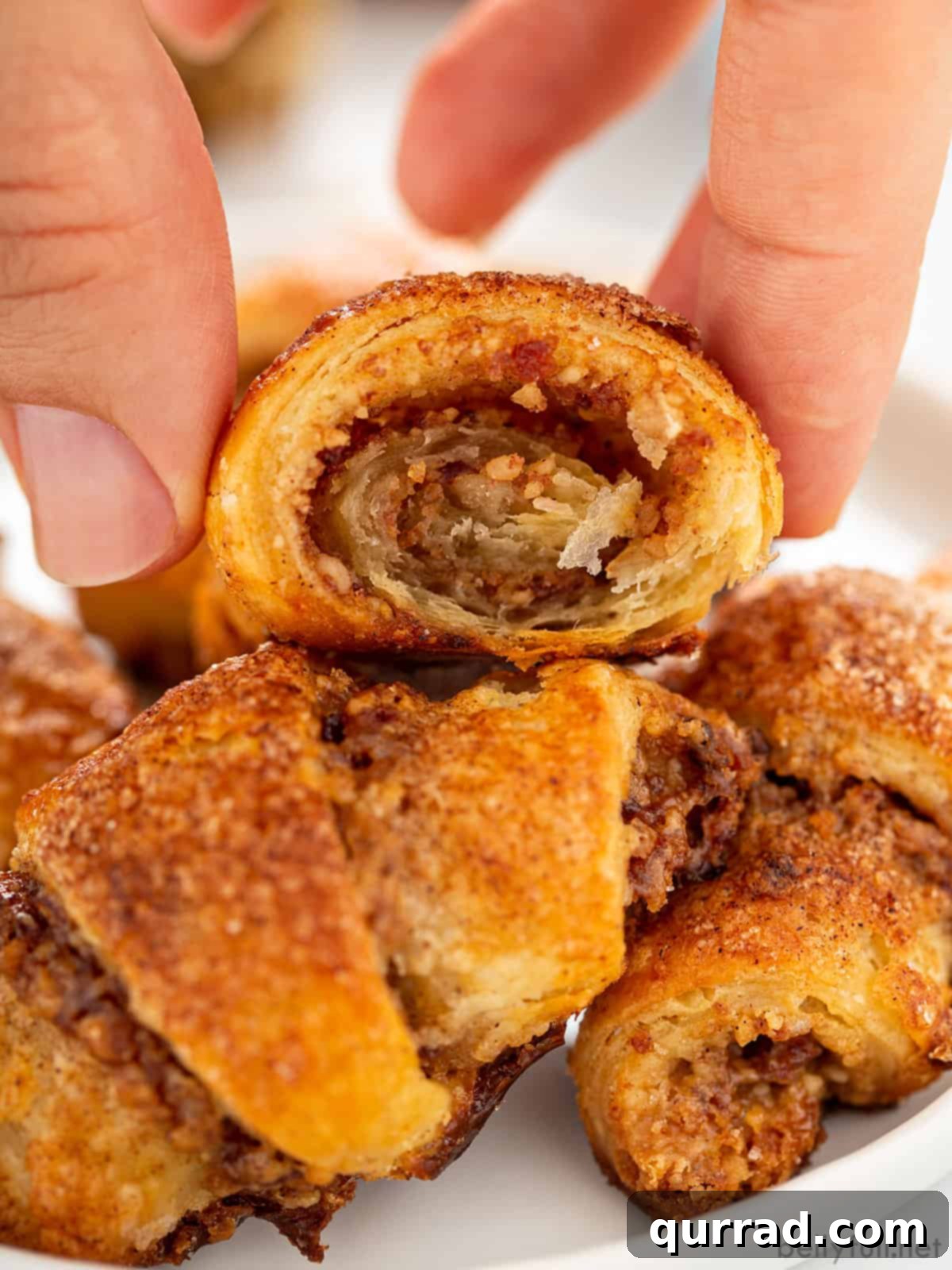
Rugelach (pronounced raw-guh-luhkh) translates from Yiddish as “little twists,” a fitting description for these charming, crescent-shaped pastries. They are a classic treat with deep roots in Eastern European culinary traditions, evolving from a similar crescent-shaped cookie known as kipfel. While Rugelach often grace tables during significant Jewish holidays such as Rosh Hashanah and Hanukkah, their universal deliciousness ensures they are enjoyed by people of all backgrounds, at any time of the year. The dough, a marvel of tender flakiness, is akin to a traditional pie crust but elevated with the addition of sour cream, which imparts exceptional moisture and a delightful tang that keeps the pastry incredibly tender.
Traditionally, the filling for Rugelach is a harmonious blend of finely chopped nuts and warm spices, creating a symphony of flavors and textures. However, the beauty of Rugelach lies in its incredible versatility. The possibilities for fillings are virtually endless, allowing for creative experimentation and personalization. Imagine fillings of rich chocolate, vibrant fruit jams or preserves, creamy nut butters, fresh fruits, or even a luscious cream cheese mixture. Each variation offers a unique culinary experience, making Rugelach a canvas for your sweet imagination. Whether you stick to the classic nut and cinnamon or explore more adventurous combinations, these “little twists” are sure to enchant your palate.
Essential Ingredients for Your Rugelach Recipe
Crafting the perfect Rugelach requires a thoughtful selection of ingredients, divided into two main categories: those for the foundational pastry dough and those that create the flavorful and textured filling. Each component plays a crucial role in achieving the signature taste and delicate texture of these beloved cookies. You’ll find a detailed list of exact measurements and quantities in the comprehensive recipe instructions that follow.
For the Signature Rugelach Dough
- All-Purpose Flour: The backbone of our pastry. Standard all-purpose flour provides the necessary structure for a soft yet flaky dough. Ensure it’s spooned and leveled for accurate measurement.
- Salt: A touch of salt is essential to balance and enhance the sweetness of the pastry, bringing out the depth of its flavors.
- Unsalted Butter: Cold and cubed unsalted butter is critical for creating those desirable flaky layers. If you opt for salted butter, remember to omit the extra salt from the recipe to maintain the perfect flavor balance.
- Egg Yolk: We use only the egg yolk in the dough to add richness and tenderness, contributing to the pastry’s delicate texture without making it too tough.
- Vanilla Extract: A splash of vanilla infuses the dough with a warm, inviting aroma and a subtle sweetness that complements the filling beautifully.
- Sour Cream: This is a star ingredient! Sour cream is key to keeping the Rugelach dough exceptionally moist, tender, and incredibly pliable, contributing to its unique melt-in-your-mouth quality.
For the Irresistible Rugelach Filling
- Granulated Sugar & Brown Sugar: Our filling benefits from a balanced blend of both sugars. Granulated sugar provides crisp sweetness, while brown sugar adds depth, a hint of molasses flavor, and moisture, creating a perfectly sticky and flavorful interior.
- Chopped Walnuts: Walnuts are a traditional choice, offering a delightful crunch and nutty flavor. For a slightly different profile, feel free to substitute with finely chopped pecans.
- Dried Cranberries: These add a burst of tartness and chewiness that beautifully contrasts with the sweet filling. Raisins are an excellent alternative, or you can use a combination of both for added complexity.
- Cinnamon: The quintessential spice for Rugelach, cinnamon delivers a warm, inviting aroma and a comforting flavor profile. For an extra layer of spice, consider using homemade apple pie spice, which features a wonderful blend of complementary flavors.
- Powdered Sugar: Used for dusting your work surface, powdered sugar helps prevent sticking while rolling out the delicate dough, ensuring a smooth process.
- Egg Wash: A simple mixture of egg whisked with milk, brushed generously over the pastries before baking. This step is crucial for achieving that gorgeous, golden-brown exterior and a slight sheen that makes Rugelach so visually appealing.
- Cinnamon-Sugar Topping: A delightful blend of granulated sugar and cinnamon sprinkled on top of the egg-washed cookies just before baking. This adds an extra layer of sweetness, spice, and a lovely sparkling finish.
Mastering the Art of Making Rugelach: A Step-by-Step Guide
Despite their elaborate appearance, Rugelach are surprisingly straightforward to prepare. The key to success lies not in complex techniques, but in patient dough handling and proper chilling. Follow these steps, paying close attention to the chilling times, and you’ll be well on your way to baking a batch of truly exceptional Rugelach. For a complete, printable recipe card with exact measurements and additional visual guidance, please refer to the dedicated recipe section below.
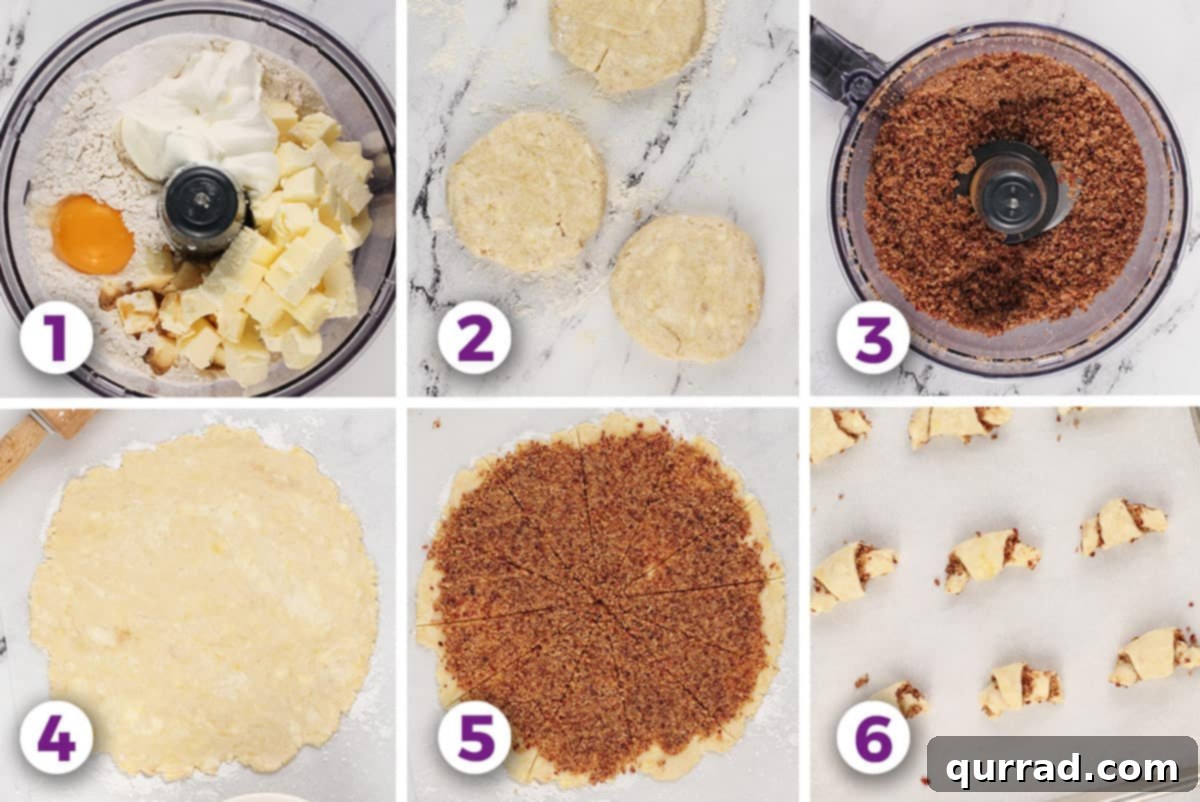
- Prepare the Dough: Combine all the cold dough ingredients into the bowl of a food processor. Pulse the mixture 10-12 times until coarse, pea-sized crumbs begin to form. This method ensures the butter remains cold, crucial for a flaky pastry. If you don’t have a food processor, a pastry blender or even two forks can achieve the same result, though it will require a bit more effort. Once combined, transfer the crumbly dough mixture onto a clean work surface and gently gather it into a cohesive ball. Divide this ball into three equal portions and lightly flatten each into a disc shape. Wrap each disc tightly in plastic wrap and refrigerate for a minimum of 2 hours, or ideally, overnight. This chilling period is vital for the butter to firm up and for the gluten to relax, making the dough easier to roll and ensuring a tender texture.
- Craft the Flavorful Filling: While your dough is chilling, prepare the irresistible filling. In the bowl of a food processor, combine the granulated sugar, brown sugar, chopped walnuts (or pecans), dried cranberries (or raisins), and cinnamon. Pulse these ingredients until they are very finely minced and thoroughly combined. The mixture should have a slightly moist, crumbly texture. This process helps to evenly distribute the flavors and ensures the filling adheres well to the dough. You should yield approximately 2 cups of filling.
- Assemble the Delightful Cookies: Once your dough is perfectly chilled, it’s time for assembly. Preheat your oven to 375°F (190°C). Line three large, rimmed baking sheets with parchment paper and set them aside. Working with one disc of dough at a time (keeping the others chilled in the refrigerator until ready to use), transfer the dough to a clean surface lightly dusted with powdered sugar. Roll each disc into an even 10-inch circle. If needed, dust your rolling pin with a little powdered sugar to prevent sticking. Lightly brush the entire surface of the rolled dough with a thin layer of water. This helps the filling adhere. Evenly spread 1/3 of the prepared filling over the dough, gently pressing it down to secure it. Using a pizza cutter or a sharp knife, cut the dough circle into quarters, then cut each quarter into three equal wedges, resulting in 12 triangular pieces. Carefully roll up each wedge, starting from the wide end and moving towards the pointed tip. Be gentle to avoid pushing out the filling. For that classic crescent shape, slightly curve the ends of each rolled cookie inward. Place the assembled Rugelach onto your prepared baking sheets, point-side down, ensuring they are about 2 inches apart to allow for even baking. Repeat this process with the remaining two dough discs and filling. If you’re baking in batches, refrigerate the unbaked cookies on their trays until you’re ready to put them in the oven.
- Bake to Golden Perfection: In a small bowl, whisk together the egg and milk to create the egg wash. In another small bowl, combine 3 tablespoons of granulated sugar and 1 teaspoon of cinnamon for the cinnamon-sugar topping. Working with 3-4 Rugelach at a time, brush the tops of the pastries with the egg wash, then immediately sprinkle them generously with the cinnamon-sugar mixture. Bake in the preheated oven for 20-25 minutes, or until the Rugelach are beautifully golden brown and the filling is fragrant. Once baked, remove the baking sheets from the oven and allow the cookies to cool on the sheets for 2-3 minutes before carefully transferring them to a wire rack to cool completely. For an extra touch of elegance and sweetness, dust the cooled Rugelach with additional powdered sugar before serving. Enjoy them warm or at room temperature!
Pro Tips for Rugelach Success
- Maintain Chill: The Golden Rule for Dough: The most critical tip for flaky Rugelach is to keep your dough consistently chilled. When assembling, take only one disc of dough out of the refrigerator at a time. Allow the remaining portions to stay cold until you are absolutely ready to roll and fill them. This prevents the butter from melting prematurely, which is essential for developing those characteristic flaky layers.
- Chill Unbaked Cookies: If you’re baking multiple batches or only have space for one tray in the oven at a time, make sure to refrigerate the remaining unbaked Rugelach on their prepared baking sheets. This keeps them firm and prevents the butter from softening, ensuring they hold their shape and bake properly when their turn comes.
- No Food Processor? No Problem!: While a food processor makes dough preparation incredibly quick and easy, it’s not strictly necessary. You can achieve similar results using a pastry cutter, two knives, or even your fingertips to cut the cold butter into the flour. Just remember, the goal is pea-sized crumbs, so be prepared to put a bit of muscle into it! The texture will be slightly different, but still delicious.
- Unleash Your Creativity with Fillings: Rugelach is wonderfully adaptable to different fillings. Don’t feel limited to walnuts and cranberries! Here are some ideas to inspire your culinary adventure:
- Nut Varieties: Experiment with pecans, almonds, pistachios, or even a blend of different nuts.
- Dried Fruits: Swap cranberries for golden raisins, chopped apricots, dried cherries, or even finely diced figs.
- Chocolate Lover’s Dream: Finely chop dark, milk, or white chocolate and mix it with a little sugar and a pinch of salt.
- Fruity Preserves: Spread a thin layer of your favorite fruit jam or preserves (apricot, raspberry, or strawberry work wonderfully) before adding a sprinkle of nuts.
- Apple Cinnamon: Mix finely diced apples with cinnamon and a touch of brown sugar for a mini apple pie feel.
- Poppy Seed: A classic Eastern European filling, often made with ground poppy seeds, milk, sugar, and honey.
- Cream Cheese Blend: A thin layer of sweetened cream cheese (mixed with a bit of sugar and vanilla) can add an extra layer of richness to any nut or fruit filling.
- Even Rolling, Even Baking: Strive for an evenly rolled 10-inch circle. An even thickness ensures that all parts of the cookie bake at the same rate, preventing some areas from being undercooked or overbaked.
- Don’t Overfill: While it’s tempting to pack in as much delicious filling as possible, an overfilled Rugelach can lead to the filling oozing out during baking. A thin, even layer is best.
Proper Storage and Freezing for Rugelach
- How Long Does Rugelach Keep? Freshly baked Rugelach cookies are best enjoyed within 5 days. To maintain their freshness, store them in an airtight container at room temperature on your counter. This helps prevent them from drying out and keeps them delightfully tender.
- Can You Freeze Baked Rugelach Cookies? Absolutely! Rugelach cookies freeze exceptionally well, making them perfect for preparing ahead or for enjoying a treat whenever a craving strikes. Allow the baked cookies to cool completely before transferring them to a freezer-safe ziploc bag or an airtight container. They will keep beautifully in the freezer for up to 2 months. When you’re ready to enjoy them, thaw them overnight in the refrigerator, then bring them to room temperature before serving. For an extra touch of warmth and crispness, you can briefly warm them in a low oven (around 250°F or 120°C) for 5-10 minutes.
- Freezing Unbaked Dough for Future Enjoyment: For maximum convenience, you can also freeze the Rugelach dough. After the dough has completed its initial chilling period in the refrigerator, wrap each disc tightly in several layers of plastic wrap, then place them into a freezer-safe plastic bag. Store in the freezer for up to 1 month. When you’re ready to bake, transfer the frozen dough to the refrigerator overnight to thaw. Once thawed, proceed with rolling, filling, and baking as instructed. This allows you to have fresh, homemade Rugelach on demand with minimal fuss.
Explore More Beloved Jewish Recipes:
- Sweet Noodle Kugel: A comforting baked casserole, often sweet and made with egg noodles, cottage cheese, and fruit.
- Classic Cheese Blintz: Delicate crepes filled with a sweet cheese mixture, often served with fruit toppings.
- Crispy Potato Latkes: Traditional crispy potato pancakes, a staple during Hanukkah, perfect with applesauce or sour cream.
- Braided Challah Bread: A rich, egg-based braided bread, often served on Shabbat and holidays, known for its soft texture and beautiful crust.
- Hearty Matzo Ball Soup: A quintessential comfort food, featuring light and fluffy matzo balls in a savory chicken broth.
We truly hope you adore this delightful and surprisingly easy Rugelach recipe. If you’ve tried it, please take a moment to leave a review below and share your experience! We’d love to hear from you. Also, be sure to connect with Belly Full on TikTok, Instagram, Facebook, Pinterest, and YouTube for more mouthwatering recipes and culinary inspiration!
Rugelach Recipe Summary (Based on original recipe card details):
Prep Time: 30 mins | Cook Time: 25 mins | Chill Time: 2 hrs | Total Time: 2 hrs 55 mins
Yields: 36 cookies
Simplified Nutrition Information (per cookie, approximate):
- Calories: 127 kcal
- Carbohydrates: 12g
- Protein: 2g
- Fat: 8g (Saturated Fat: 4g, Polyunsaturated Fat: 2g, Monounsaturated Fat: 2g, Trans Fat: 1g)
- Cholesterol: 21mg
- Sodium: 38mg
- Potassium: 35mg
- Fiber: 1g
- Sugar: 5g
- Vitamin A: 195IU
- Vitamin C: 1mg
- Calcium: 15mg
- Iron: 1mg
Please note: Nutritional information provided is an automatic calculation and can vary based on the exact products used and any modifications made to the recipe. If precise nutritional values are essential, we recommend calculating them independently.