
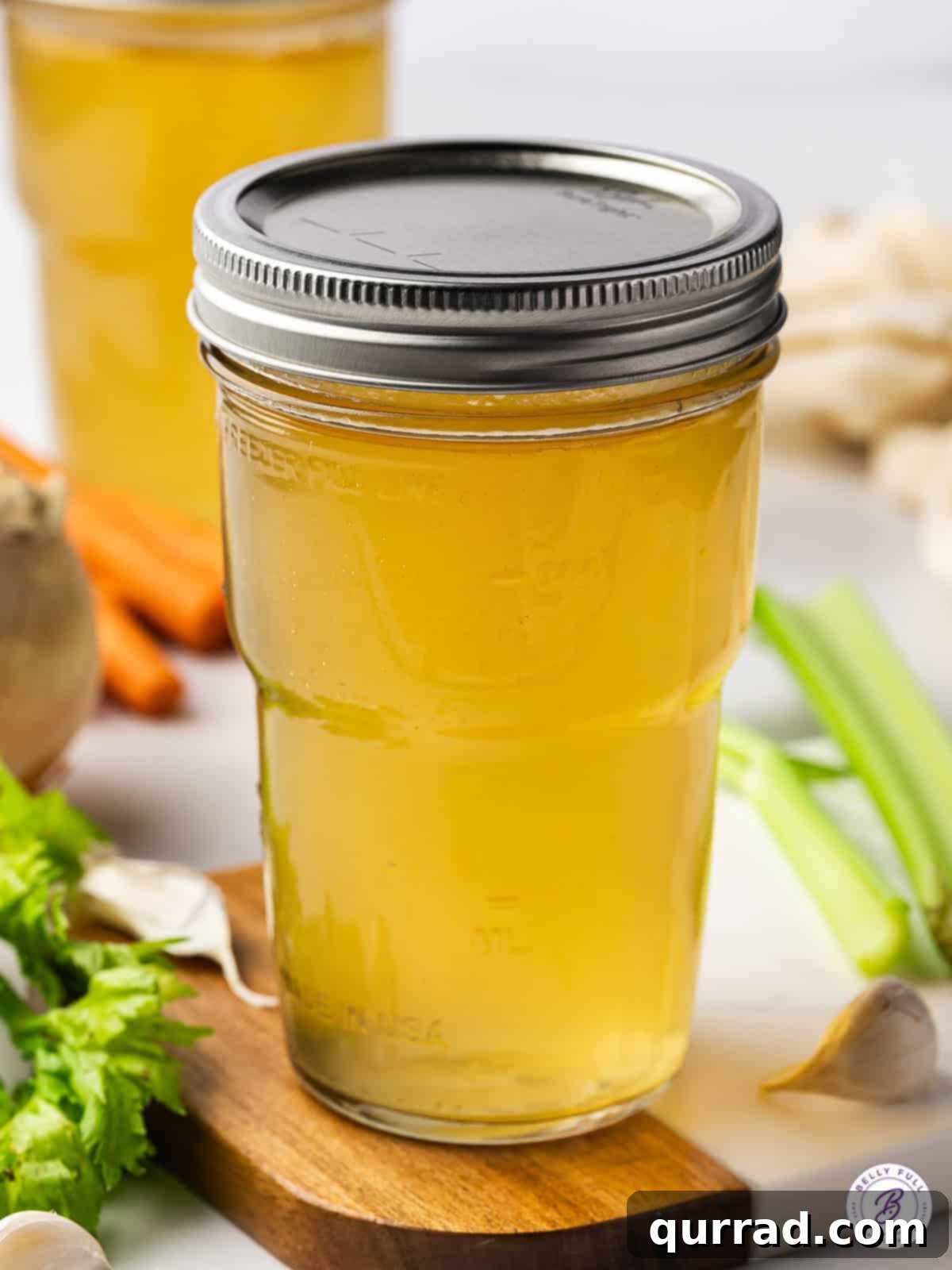
Unlock a world of rich flavors and nutritional benefits in your kitchen by crafting your own Homemade Chicken Stock. This essential culinary base, easily made from leftover chicken bones, fresh vegetables, and aromatic herbs, forms the perfect foundation for an endless array of comforting soups, hearty stews, and gourmet dishes. Forget bland, store-bought alternatives; a batch of homemade chicken stock promises unparalleled depth and freshness that will elevate your cooking to new heights. It’s a simple, cost-effective, and deeply satisfying way to utilize every part of your whole chicken, embracing a zero-waste approach to deliciousness.
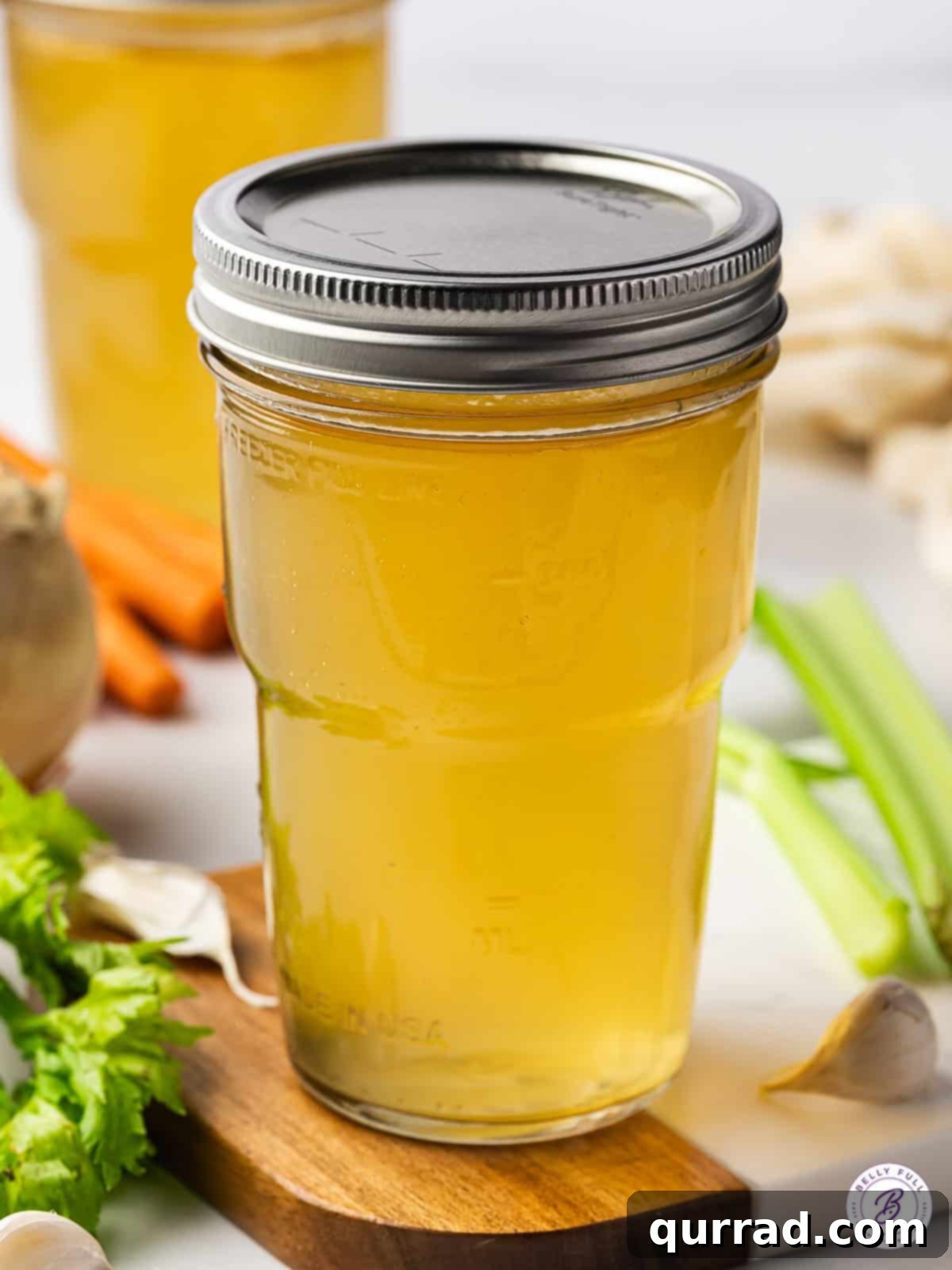
The next time you enjoy a succulent slow cooker whole chicken or pick up a convenient rotisserie chicken, remember that the culinary adventure doesn’t have to end with the meat. By saving the bones, carcass, and any scraps, you’re just a few steps away from creating a truly exceptional homemade chicken stock. This recipe is not just about making a stock; it’s about maximizing flavor, reducing waste, and creating a healthier, more delicious base for your meals. The difference in taste compared to store-bought broth or stock is truly remarkable, offering a nuanced, complex flavor profile that simply can’t be replicated commercially. Plus, it’s incredibly straightforward to prepare and remarkably flexible, allowing you to customize it with ingredients you already have on hand.
The versatility of homemade chicken stock is astounding. It’s an indispensable ingredient that can transform countless dishes, from heartwarming soups and robust stews to savory gravies, flavorful rice, and delightful chicken dinners. This comprehensive guide will walk you through everything you need to know, ensuring you master the art of making the best chicken stock your kitchen has ever seen.
Why Embrace Homemade Chicken Stock?
Beyond the undeniable superior taste, there are numerous compelling reasons to make chicken stock from scratch. Firstly, it offers significant health benefits. Bones are rich in collagen, which breaks down into gelatin during the simmering process, providing amino acids beneficial for joint health, gut health, and skin elasticity. Homemade stock also contains essential minerals like calcium, magnesium, potassium, and phosphorus in easily absorbable forms. Secondly, it’s incredibly cost-effective. Instead of discarding chicken bones and vegetable scraps, you’re transforming them into a valuable culinary asset, stretching your food budget further. Thirdly, it gives you complete control over the ingredients, allowing you to avoid artificial flavors, excessive sodium, and preservatives often found in commercial products. Finally, the aroma that fills your kitchen as a pot of homemade stock gently simmers is an experience in itself, promising a sense of comfort and home that store-bought options can never deliver.
Understanding the Distinction: Chicken Broth vs. Chicken Stock
While often used interchangeably in recipes, chicken broth and chicken stock are, in fact, distinct culinary creations with subtle but important differences. Understanding these distinctions can help you choose the best base for your specific cooking needs:
- Chicken Broth: Typically made by simmering actual chicken meat (and sometimes bones) with vegetables and seasonings for a shorter period, usually 1-2 hours. It tends to be lighter in body and flavor, often consumed on its own or used in dishes where a lighter chicken flavor is desired. Broth is generally seasoned and ready to drink.
- Chicken Stock: Primarily made by simmering roasted or raw chicken bones (often the carcass) with vegetables and aromatics for a much longer duration, usually 4-6 hours or even longer. This extended simmering time extracts more collagen from the bones, resulting in a thicker, richer liquid that often gels when chilled. Stock is intended as a base for other recipes and is usually unseasoned or lightly seasoned to allow for flexibility in its final application.
For most recipes, homemade chicken stock can be substituted for broth, and vice-versa, depending on the desired richness and mouthfeel. However, for a truly gelatinous and deeply flavored base perfect for gravies, sauces, or robust soups, stock is the clear winner.
Essential Ingredients for Superior Homemade Chicken Stock
Crafting a truly exceptional homemade chicken stock requires just a handful of simple yet potent ingredients. The beauty lies in their synergy, creating a robust and aromatic liquid. While specific measurements are provided in the recipe card below, here’s a breakdown of what makes this stock shine:
- Water: The foundation of your stock. Always start with cold water, as it helps to gradually extract impurities from the bones, leading to a clearer, cleaner-tasting stock.
- Bony Chicken Pieces: The star of the show. The leftover carcass and bones from a slow cooker whole chicken or a store-bought rotisserie chicken are ideal. These pieces contain connective tissues, cartilage, and bone marrow that release collagen and flavor during simmering, giving the stock its characteristic body and richness. You can also use raw chicken backs, necks, or feet for an even more gelatinous result.
- Mirepoix (Veggies): The classic aromatic base for many stocks.
- Onion: Adds a sweet, savory depth without being overpowering. Don’t worry about peeling them perfectly; the skins can even contribute to a lovely golden color.
- Celery: Contributes a subtle, earthy, and fresh green note.
- Carrot: Provides a hint of sweetness and a beautiful golden hue to the finished stock.
- Aromatics & Herbs: These ingredients infuse the stock with complex flavors.
- Smashed Garlic: Offers a pungent, savory base note. Smashed, rather than minced, releases its flavor gently over time.
- Salt: A crucial seasoning. While it’s best to go easy on the salt initially, a touch helps to bring out the natural flavors of the other ingredients. Remember, you can always add more salt later when using the stock in a specific recipe.
- Whole Cloves: These potent spices add a warm, subtly sweet, and aromatic complexity to the stock. Just a few can make a significant difference.
- Bay Leaf: A classic herb that imparts a mild, herbaceous, and slightly floral note, rounding out the flavor profile.
Creative Flavor Variations for Your Stock
While the basic recipe yields a wonderfully versatile stock, don’t hesitate to customize your batch with different herbs and spices to create unique flavor profiles tailored to your culinary adventures. Keeping the base simple allows for maximum versatility, but here are some options to explore:
- Herbs: Fresh sprigs of rosemary, thyme, parsley, or dill can add bright, earthy, or fresh notes.
- Spices: Whole peppercorns, star anise, a pinch of fennel seeds, or a slice of fresh ginger can introduce warmth and exotic nuances. For a slightly spicy kick, consider adding a dried chili pepper.
- Enhanced Umami: Roasted garlic (instead of raw smashed), dried mushrooms (like shiitake or porcini), or a tablespoon of “Better Than Bouillon” paste (added after straining) can deepen the savory umami notes.
- Vegetable Boost: While onion, celery, and carrot are standard, feel free to add other vegetable scraps such as leek greens, parsnips, or even mushroom stems. Avoid cruciferous vegetables like broccoli or cabbage, as they can impart a bitter flavor.
Expert Tips for Crafting the Perfect Chicken Stock
Making homemade chicken stock is a forgiving process, but a few key techniques can elevate your results from good to truly exceptional:
- Simmer, Don’t Boil: This is perhaps the most crucial tip. After initially bringing all ingredients to a boil, immediately reduce the heat to a gentle simmer (usually medium-low). A vigorous boil emulsifies fats and proteins, leading to a cloudy, greasy stock with a less refined flavor. A gentle simmer allows for a slow, even extraction of flavors and results in a clearer, cleaner stock.
- Go Easy on the Salt (Initially): While a little salt helps extract flavor, remember that this stock will be the base for other recipes, many of which will call for additional salt. It’s much easier to add more salt later than to try and salvage an overly salty stock. Aim for a lightly seasoned base.
- Embrace Veggie Scraps: This is where the zero-waste aspect truly shines! Keep a dedicated freezer bag for vegetable scraps like onion skins and ends, celery tops and bottoms, carrot peels, and herb stems. These bits are packed with flavor and perfect for stock, eliminating food waste and saving you money.
- Skim the Scum: During the initial stages of simmering, a layer of foam (scum) will rise to the surface. This consists of impurities from the bones and meat. Skim it off with a spoon or ladle in the first hour to ensure a clearer, cleaner-tasting stock.
- Don’t Stir Too Much: Excessive stirring can make your stock cloudy by agitating small particles of bone and vegetable matter. Let it do its thing.
- Strain Thoroughly: For the clearest possible stock, strain it through a fine-mesh sieve lined with cheesecloth. This step removes even the tiniest impurities, resulting in a beautiful, translucent liquid.
Unleash the Versatility: Creative Ways To Use Your Homemade Stock
Once you’ve made a batch of this liquid gold, you’ll find countless applications for it in your daily cooking. Homemade chicken stock is far superior to store-bought varieties, and its robust flavor can truly transform your meals. While it’s an obvious choice for any number of soup recipes (like a comforting lemon chicken orzo soup) and can replace chicken broth in virtually any dish, don’t limit its potential to just stews. Here are some of our favorite ways to utilize this kitchen staple:
- Soups & Stews: The most common use. From classic chicken noodle to hearty vegetable stews, your stock will provide an unmatched depth of flavor.
- Risottos & Grains: Use it instead of water when cooking rice, quinoa, or couscous for an added layer of savory goodness. It’s especially transformative in creamy risottos.
- Sauces & Gravies: The gelatinous quality of homemade stock makes it an excellent base for rich, silky gravies and pan sauces to accompany roasted meats, such as a flavorful sauce for chicken marsala.
- Braising Liquid: Perfect for braising meats or vegetables, lending tenderness and incredible flavor.
- Mash Potatoes & Vegetables: Replace milk or water with warm chicken stock when mashing potatoes or other root vegetables for an extra savory boost.
- Stir-Fries & Noodle Dishes: A splash of stock can add moisture and flavor to stir-fries or be used as a base for delicious chicken pot pie noodles.
Proper Storage for Maximum Freshness
Making a large batch of homemade chicken stock is efficient, and proper storage ensures you can enjoy its goodness for weeks or even months.
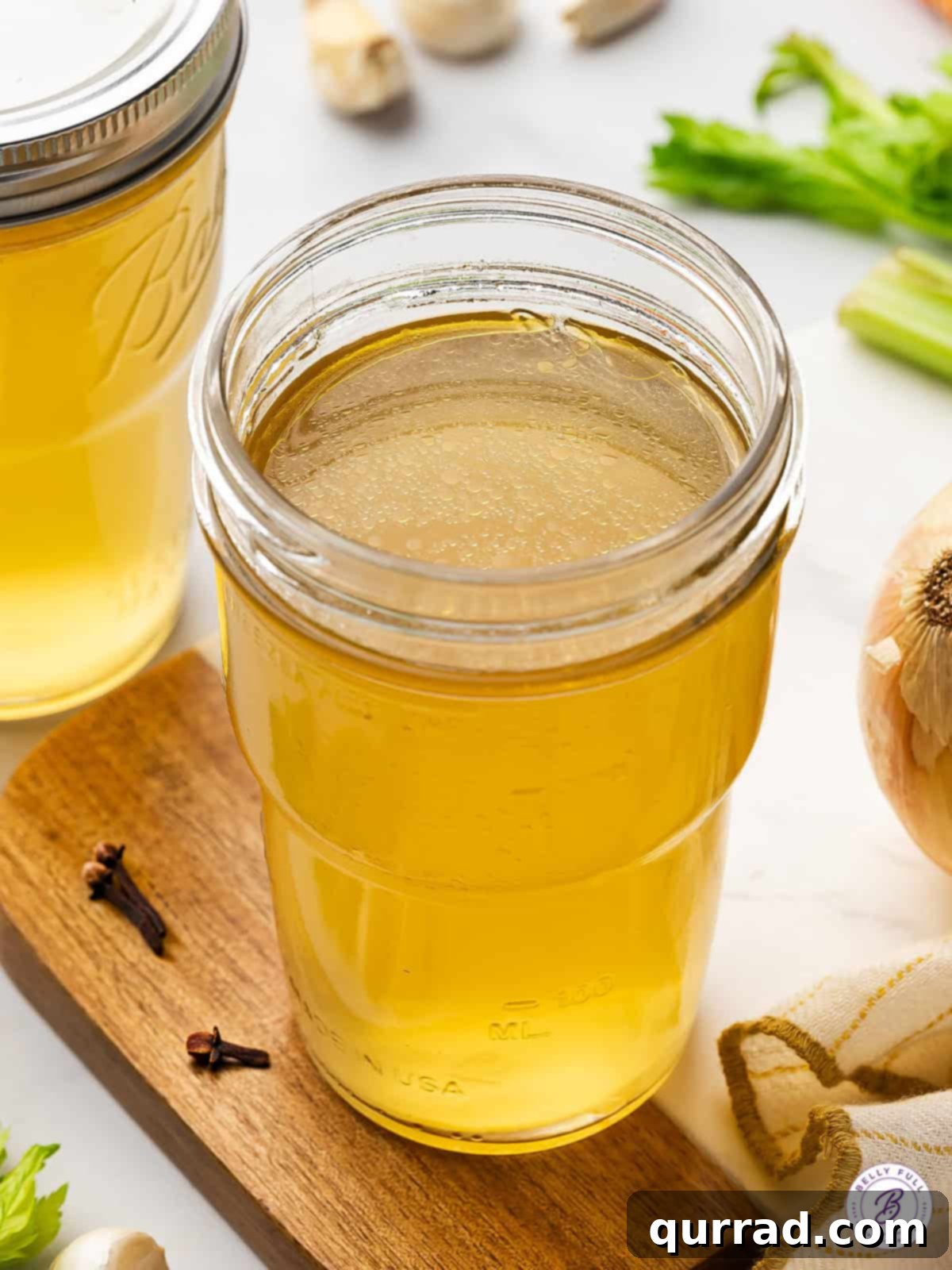
- Refrigeration: After cooling completely, transfer the stock to airtight containers, such as mason jars. It will keep beautifully in the refrigerator for up to 4 days. Before storing, you can skim off any solidified fat from the top if desired (this fat layer can also act as a natural seal, further preserving the stock).
- Freezing: For longer storage, homemade chicken stock freezes exceptionally well for up to 3 months, or even longer if properly sealed.
- Ice Cube Trays: Freeze portions in ice cube trays for easy, small amounts—perfect for adding a concentrated burst of flavor to pan sauces or sautéed vegetables. Once frozen, transfer the cubes to a freezer-safe bag.
- Freezer-Safe Containers: Store larger quantities in freezer-safe plastic containers or heavy-duty freezer bags (lay them flat to save space). Leave an inch or two of headspace for expansion.
Frequently Asked Questions About Homemade Chicken Stock
Here are answers to some common questions that arise when making chicken stock from scratch:
- Can I use raw chicken parts instead of roasted ones? Yes, absolutely! Raw chicken backs, necks, feet, or wing tips are excellent for making stock, often yielding an even more gelatinous result. Roasting the bones beforehand can add a deeper, richer flavor, but it’s not strictly necessary.
- How long should I simmer the stock? For chicken stock, a simmering time of 4-6 hours is generally ideal to extract maximum flavor and gelatin. You can go up to 8 hours for an even richer stock, but beyond that, the benefits diminish, and flavors can sometimes become over-extracted or bitter.
- Do I have to skim the fat off the surface? Skimming the fat is largely a matter of preference. If you prefer a leaner stock, skim it off after chilling, when it solidifies at the top. The fat layer can also help preserve the stock slightly when refrigerated. Some fat adds to the richness and flavor, so a little is perfectly fine.
- Can I reuse the bones for a second batch? While technically possible, the flavor and nutritional benefits will be significantly diminished in a second extraction. It’s generally recommended to use fresh bones for each batch for the best results.
- Why is my stock cloudy? Cloudiness is usually caused by boiling the stock too vigorously, or by stirring it too frequently, which emulsifies fats and fine particles. Skimming scum early on also helps maintain clarity. While cloudy stock is safe to eat, it won’t have the clean appearance of a gently simmered stock.
I sincerely hope you enjoy the process of making and using this delicious and easy homemade chicken stock recipe. Be sure to savor the incredible depth it brings to your cooking!
Homemade Chicken Stock
Cook: 1 hr 30 mins
Total: 1 hr 45 mins
Ingredients
- 6 cups water
- 1 pound bony chicken pieces, (see note)
- 1 large yellow onion, , peeled, ends trimmed, and quartered
- 2 large stalks celery, , cut into 1-inch pieces
- 1 large carrot, , peeled and cut into 1-inch pieces
- 1 clove garlic, , peeled and smashed
- 1 & 1/2 teaspoons salt
- 2 whole cloves
- 1 bay leaf
Instructions
-
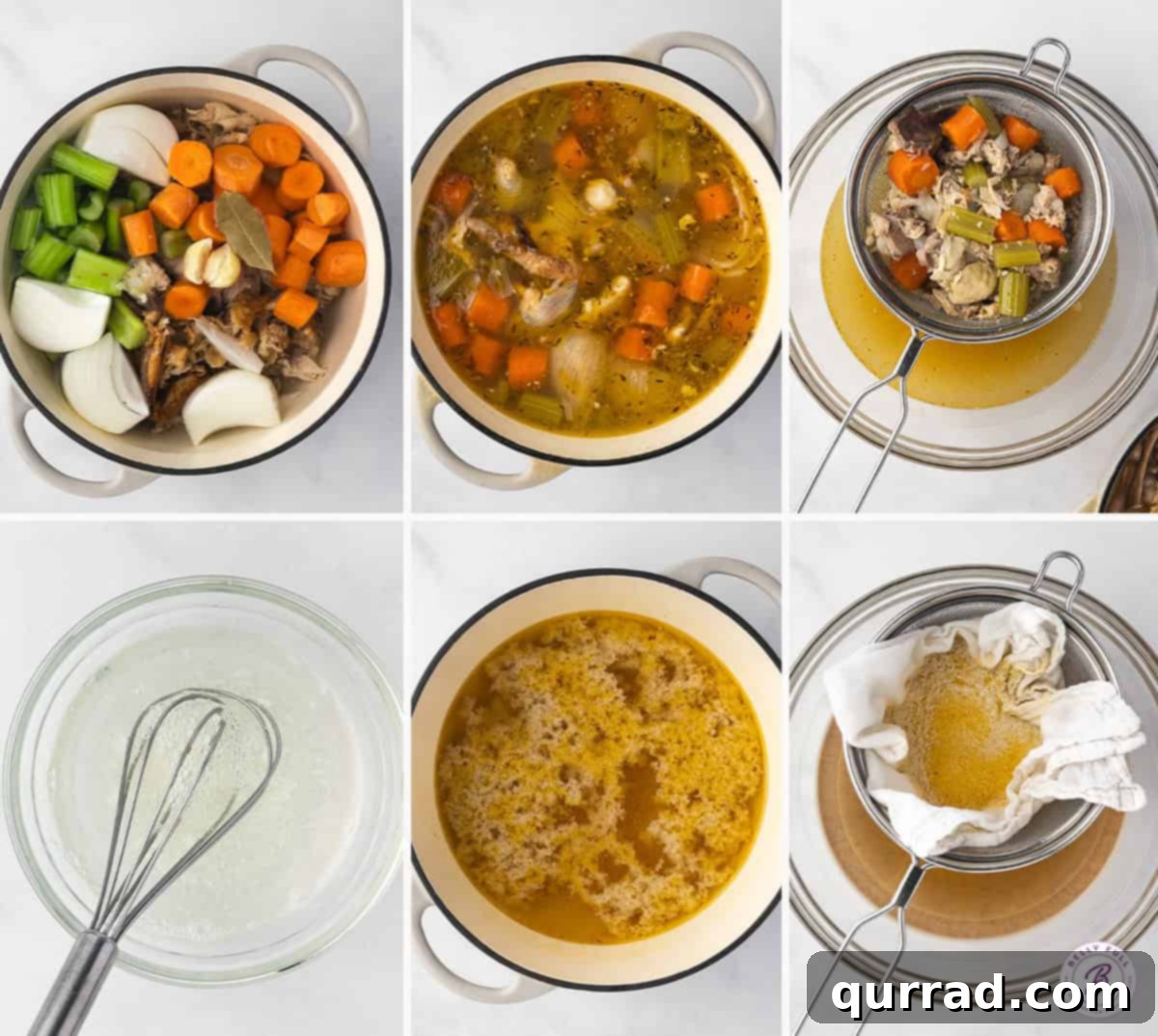
Add all the ingredients to a large soup pot or Dutch oven. Bring to a boil. Reduce heat to a gentle simmer (medium-low), covered, for approximately 1 & 1/2 hours.
-
Strain stock into a large bowl. Discard chicken pieces, vegetables, cloves, and bay leaf. (At this point you can make clarified stock for clear soup, see note below.)
-
Skim fat off the surface using a large shallow spoon or, after broth is chilled, skim off solid fat.
-
Use as desired.
Notes
Make clarified stock for clear soup. Combine 1/4 cup cold water with 1 lightly beaten egg white in a small bowl. Add to strained stock and bring to a boil. Remove from the heat and let stand 5 minutes. Strain again through a sieve lined with at least 2 layers of cheesecloth.
Nutrition
Carbohydrates: 3g |
Protein: 10g |
Fat: 8g |
Saturated Fat: 2g |
Polyunsaturated Fat: 2g |
Monounsaturated Fat: 3g |
Trans Fat: 0.05g |
Cholesterol: 39mg |
Sodium: 66mg |
Potassium: 192mg |
Fiber: 1g |
Sugar: 1g |
Vitamin A: 1832IU |
Vitamin C: 3mg |
Calcium: 26mg |
Iron: 1mg
Nutritional information given is an automatic calculation and can vary based on the exact products you use and any changes you make to the recipe. If these numbers are very important to you, I would recommend calculating them yourself.