
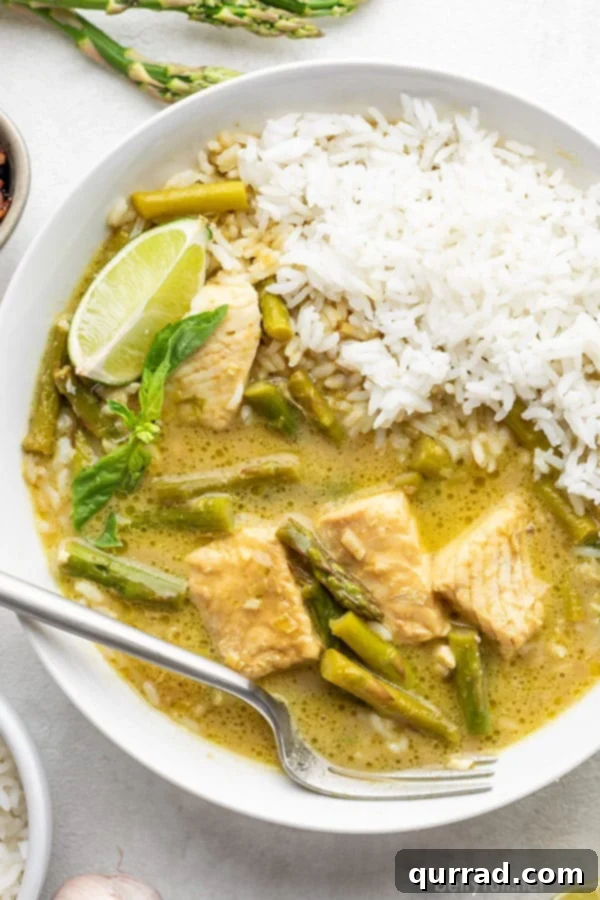
Experience an explosion of authentic Thai flavors with this incredibly easy and unbelievably delicious Thai Green Curry with Fish recipe. Ready in under 30 minutes, this vibrant dish features succulent fish fillets swimming in a rich, creamy coconut curry sauce that strikes the perfect balance between savory and subtly sweet. Served generously over fluffy jasmine rice, every spoonful allows you to savor the incredible depth of this aromatic broth.
If you find yourself captivated by the tantalizing tastes of Thailand, be sure to explore our other popular recipes like the Thai Coconut Chicken, a stir-fry favorite that promises another delightful culinary adventure.
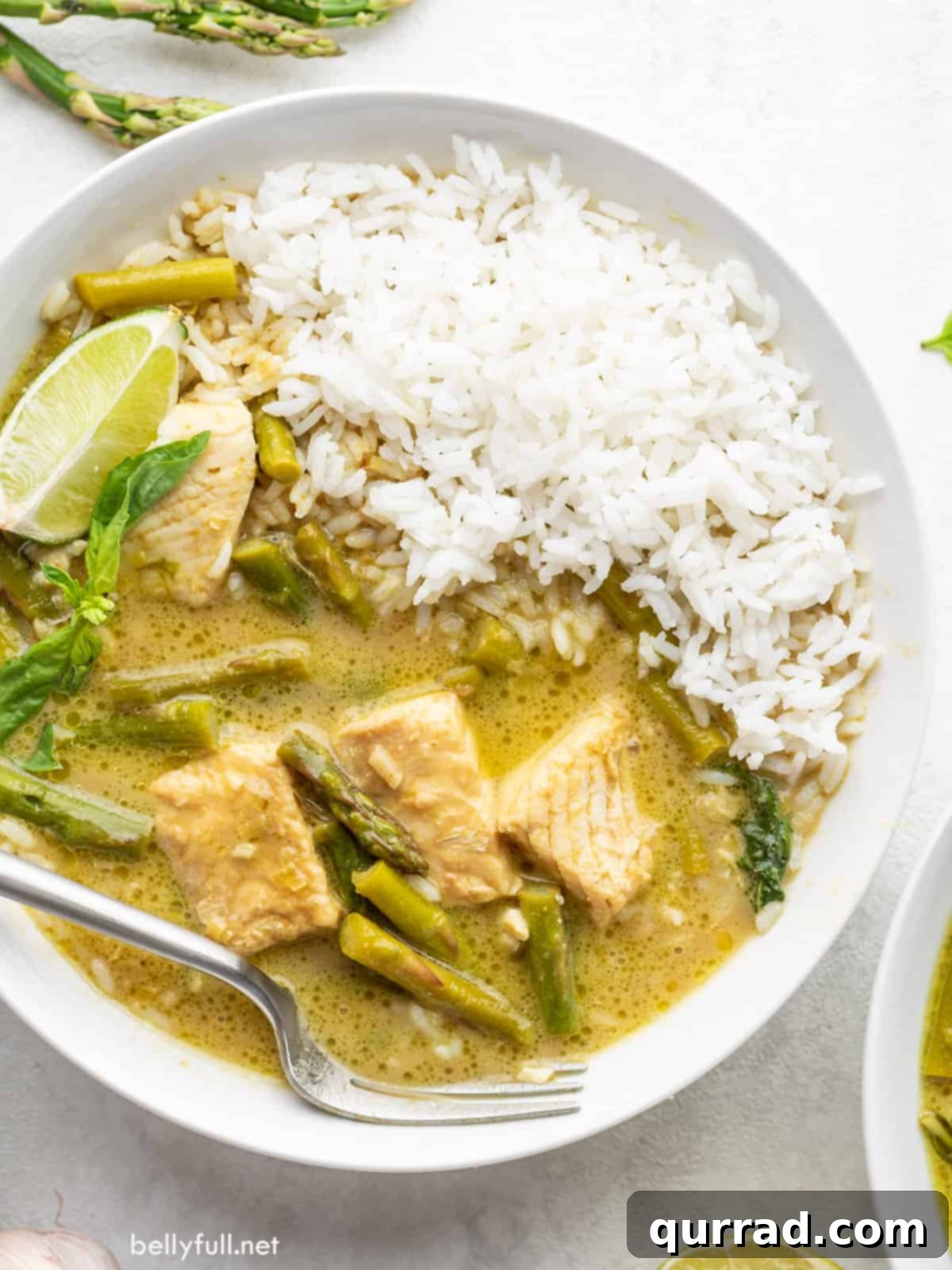
Effortless & Flavorful: Your Guide to Making the Best Thai Green Curry with Fish
Thai cuisine is renowned for its incredible balance of sweet, sour, salty, and spicy notes, and nowhere is this more evident than in its diverse range of curries. Among them, Thai Green Curry stands out as a beloved classic, cherished for its fresh, vibrant flavor profile. Our easy Thai Green Curry recipe brings this authentic taste right into your kitchen in under half an hour, making it perfect for weeknight dinners or when you’re craving something exotic yet simple.
Unlike its bolder cousin, Thai Red Curry (which we explore in our Thai Shrimp Curry recipe), Green Curry offers a unique culinary experience. While both are coconut milk-based, Green Curry derives its characteristic color and flavor from fresh green chilies and a blend of aromatic herbs like coriander root, kaffir lime zest, and galangal. This results in a sauce that is often sweeter and more herbaceous, with a distinct zesty brightness, and generally less intense heat compared to the fiery red variety. It’s also typically more complex and flavorful than the milder yellow curries, making it a fantastic choice for those who seek rich taste without overwhelming spiciness.
To ensure this delightful dish can be enjoyed by everyone, we utilize a high-quality store-bought green curry paste. While crafting your own paste from scratch offers an unparalleled depth of flavor, it often requires a trip to a specialty Asian market for unique ingredients that aren’t always readily available. By carefully selecting a premium pre-made paste and enhancing it with fresh aromatics, we achieve a taste that rivals homemade, significantly cutting down on preparation time. This clever shortcut is the secret to getting this incredibly flavorful meal on your table in less than 30 minutes, without compromising on authenticity or taste.
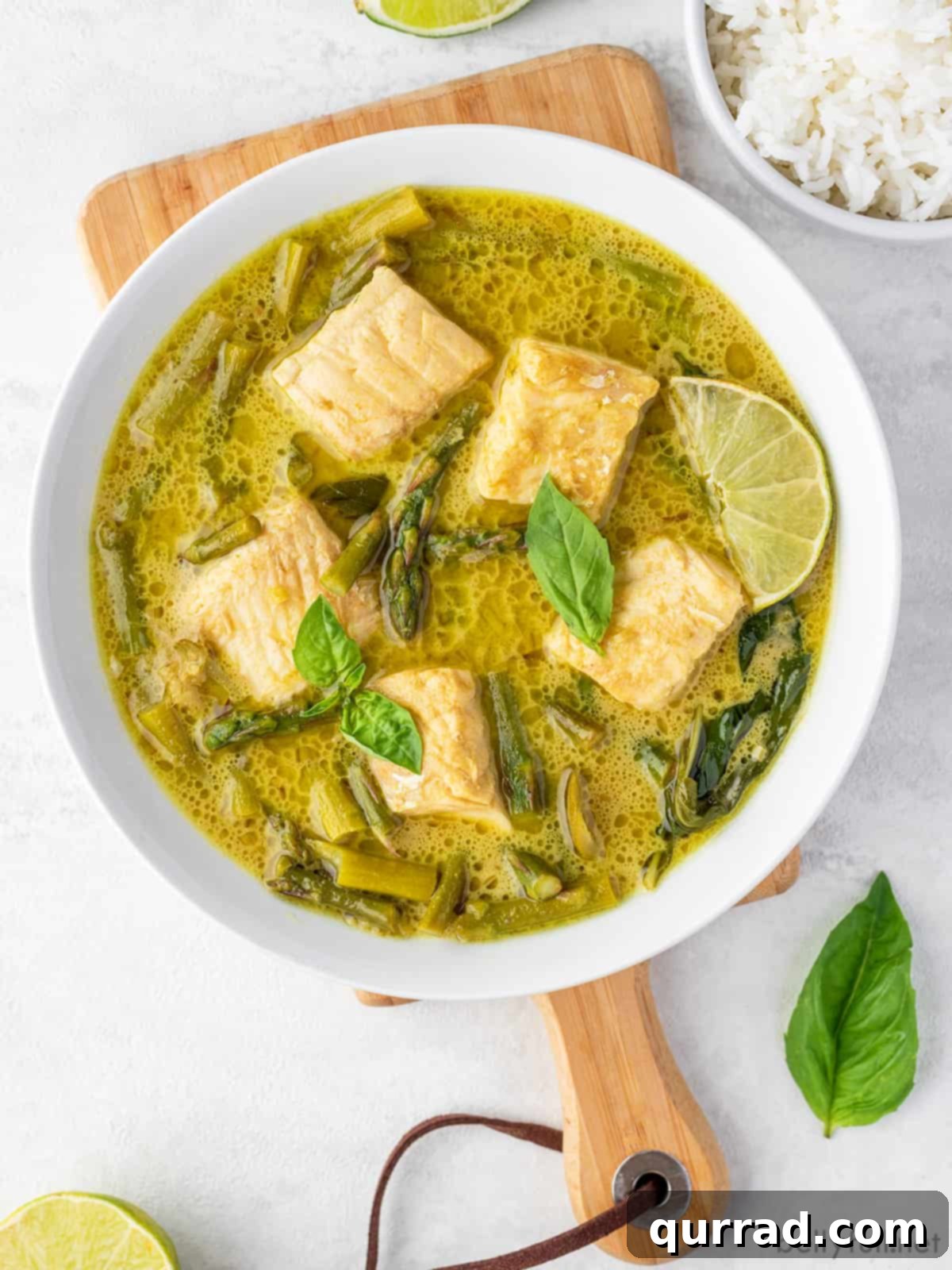
Key Ingredients for an Authentic Thai Green Curry
Creating an exceptional Thai Green Curry relies on a thoughtful selection of ingredients, many of which can be found in the international or Asian aisle of your local grocery store. Here’s a detailed look at what you’ll need to gather:
- Thai Green Curry Paste: This is the heart of your curry. While homemade offers ultimate freshness, a good quality store-bought paste is perfectly acceptable and saves considerable time. Look for brands with authentic ingredient lists.
- Fresh Garlic and Ginger: These indispensable aromatics form the foundation of flavor, providing a pungent warmth and subtle spice that beautifully complements the curry paste. Minced finely, they release their full potential during sautéing.
- Lemongrass Paste: For ease and intense flavor, lemongrass paste (often found in tubes in the produce section) is highly recommended. It imparts a distinctive citrusy, floral note characteristic of Thai cuisine. If unavailable, fresh lemongrass, very finely minced, can be used as a substitute.
- Low-Sodium Vegetable Broth: Used as the liquid base, low-sodium broth allows you to control the overall saltiness of the dish, ensuring the delicate flavors aren’t overshadowed.
- Full-Fat Coconut Milk: Crucial for the creamy, luxurious texture and signature richness of Thai curries. Be sure to use canned, full-fat coconut milk, as lighter versions or coconut cream will not yield the same luscious consistency.
- Worcestershire Sauce: This might seem like an unexpected addition, but it serves as an excellent alternative to fish sauce, offering a deep, savory umami punch that rounds out the flavor profile beautifully without introducing seafood allergens.
- Granulated Sugar: Just a touch of sugar is essential to balance the spicy, savory, and tangy elements, creating a harmonious and well-rounded taste experience.
- Peeled Lime Skin Strips: Adding strips of lime zest infuses the curry with bright, fresh citrus aromas. Ensure the strips are large enough to be easily removed before serving.
- Thai Basil Leaves: Distinct from Italian basil, Thai basil has a more pronounced anise or licorice-like flavor that is crucial for an authentic green curry. If you can’t find Thai basil, Italian basil can be used, but in a slightly reduced amount to avoid overpowering the dish.
- Fresh Lime Juice: A squeeze of fresh lime juice at the end brightens the entire dish, adding a tangy finish that awakens the palate.
- Vegetable Oil: A neutral oil for sautéing the aromatics and curry paste, helping to develop their flavors.
- Halibut Fillets: Our choice for this recipe due to its firm, flaky texture and mild flavor that absorbs the curry beautifully. Other similar white fish fillets, such as cod, snapper, or tilapia, with the skin removed and cut into bite-sized pieces, also work wonderfully.
- Asparagus: Our green vegetable of choice, adding a slight crispness and vibrant color. Trimmed and cut into 1-inch pieces, it cooks quickly within the curry.
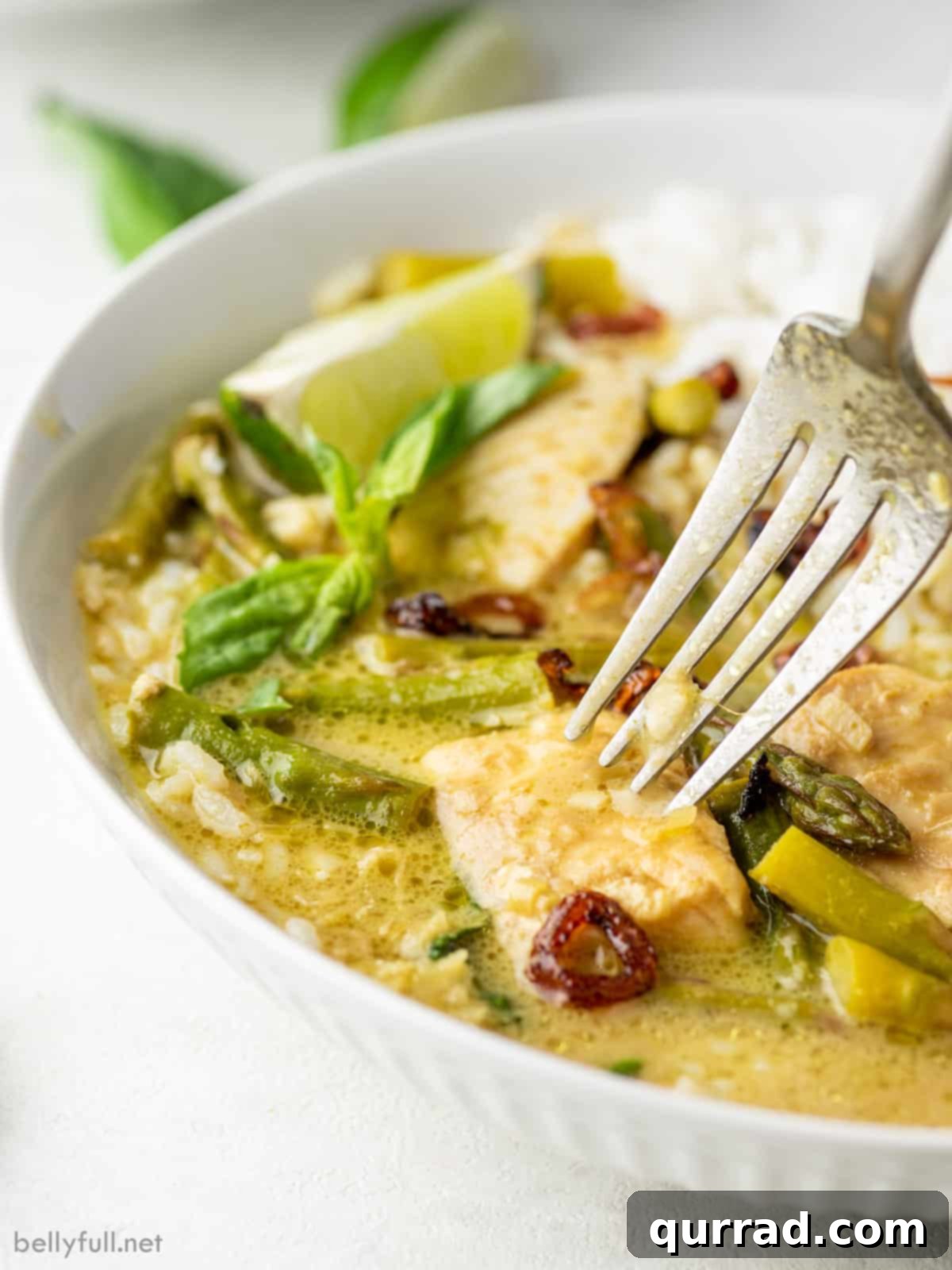
- Crispy Fried Asian Shallots (Optional but Recommended): These delicate, golden-brown shallots provide an irresistible salty crunch and depth of flavor as a garnish. They can be found in Asian markets or the international aisle of some supermarkets.
- Steamed Jasmine Rice: The perfect accompaniment to soak up every drop of the delectable curry sauce, its fragrant aroma complementing the dish perfectly.
Recipe Variations to Suit Every Palate
Once you’ve mastered the foundational green curry sauce, this versatile recipe invites endless customization. Feel free to experiment with these delicious variations:
- Protein Power-Up: While fish is fantastic, this curry base is incredibly adaptable to other proteins.
- Chicken: Opt for boneless, skinless chicken thighs cut into bite-sized pieces over breasts, as they retain moisture and flavor better during simmering.
- Shrimp: Large shrimp or prawns add a sweet, tender element. Add them in the final 3-5 minutes of cooking to prevent overcooking and rubbery texture.
- Tofu: For a vegetarian option, firm or extra-firm tofu, pressed and cubed, can be sautéed until golden brown before being added to the simmering curry.
- Veggie Boost: Enhance the nutritional value and texture by incorporating more vegetables. Beyond asparagus, popular choices in curries include:
- Eggplant and Zucchini: These absorb the curry sauce beautifully, becoming tender and flavorful.
- Green Beans, Broccoli, Cauliflower, Carrots, Potatoes, and Mushrooms: All are excellent additions. Consider adding harder vegetables like carrots and potatoes earlier in the cooking process to ensure they become tender.
- Make it Vegetarian or Vegan: Easily transform this into a meat-free delight.
- Simply omit the fish and add a generous amount of your favorite vegetables or pan-fried tofu. Ensure your green curry paste is vegetarian/vegan (some contain shrimp paste) and use vegetable broth.
Step-by-Step: Crafting Your Delicious Thai Green Curry with Fish
This fish curry embodies the quick and easy nature of many Thai curry recipes, coming together in less than half an hour. Follow these simple steps for a truly rewarding culinary experience:
- “Dry Out” the Curry Paste: Begin by heating the vegetable oil in a sturdy nonstick skillet or pot over medium-high heat. Add the green curry paste, minced garlic, grated ginger, and lemongrass paste. Sauté this aromatic mixture for 2 to 3 minutes, stirring constantly, until the paste appears to “dry out.” This crucial step is key to unlocking and intensifying the complex flavors of the curry paste and aromatics, laying a robust foundation for your curry.
- Prepare the Silky Sauce: Pour in the low-sodium vegetable broth and full-fat coconut milk, stirring well to ensure the curry paste fully dissolves into the liquids. Next, incorporate the Worcestershire sauce and granulated sugar, mixing until well combined. Add the strips of peeled lime skin to infuse the sauce with a bright, citrusy aroma. Bring the mixture to a gentle simmer, allowing the flavors to meld beautifully.
- Add the Fish and Fresh Vegetables: Carefully add the pieces of halibut (or your chosen white fish) to the simmering sauce. Reduce the heat to medium-low, allowing the curry to bubble gently. Cover the pot and let the fish cook for approximately 5 minutes, or until it is opaque and flakes easily. Taste the sauce at this point and adjust seasonings if needed – a little more Worcestershire for savoriness or sugar for sweetness can make a difference. Stir in the trimmed asparagus pieces and continue to cook for another 2 minutes, just until the asparagus is slightly softened but still retains a bit of its crispness. Finally, stir in the fresh Thai basil leaves and a squeeze of fresh lime juice. The sauce should have thickened slightly but remain on the thinner side, which is characteristic of this curry. Avoid over-simmering, as this can darken the sauce.
- Serve and Garnish: Before serving, carefully remove and discard the lime peels. Ladle the fragrant green curry generously over mounds of hot, steamed jasmine rice. For an extra layer of flavor and texture, garnish with a sprinkle of crispy fried Asian shallots and a few fresh torn basil leaves. Enjoy immediately!
Video
Expert Tips for a Perfectly Balanced Thai Green Curry
Even for experienced cooks, a few insider tips can elevate your Thai Green Curry from good to truly exceptional. Here’s what to keep in mind:
- The Art of “Drying Out” the Curry Paste: This step is non-negotiable for achieving a deeply aromatic and flavorful curry. Sautéing the curry paste with garlic, ginger, and lemongrass until it becomes fragrant and slightly dry allows the oils to release the full spectrum of spices and herbs locked within the paste. Skipping this step can result in a curry that tastes flat or one-dimensional.
- Gentle Simmering is Key: Once the fish is added, reduce the heat and maintain a gentle simmer. Vigorous boiling can cause the delicate fish to break apart or become tough. Additionally, prolonged simmering of the coconut milk can lead to the sauce darkening and losing its fresh, vibrant green hue. The sauce should be thinner rather than overly thick; it’s designed to be soaked up by rice, not to coat heavily.
- Sourcing Crispy Fried Asian Shallots: This delightful garnish adds a wonderful salty crunch and an extra layer of umami. You’ll typically find them pre-packaged in the Asian specialty food section of larger supermarkets or, more reliably, at Asian grocery stores. While highly recommended for their unique texture and flavor contribution, don’t fret if you can’t locate them; the curry will still be incredibly delicious without them.
- Taste and Adjust: Thai cooking is all about balance. Always taste your curry before serving and adjust the seasonings as needed. A pinch more sugar can mellow the spice, a dash more Worcestershire (or fish sauce if using) can enhance savory notes, and an extra squeeze of lime can brighten everything up.
- Don’t Overcook the Fish: Fish cooks very quickly. Pay close attention during the 5-minute simmering period. Overcooked fish can become dry and rubbery. It should be just opaque and flaky when gently prodded with a fork.
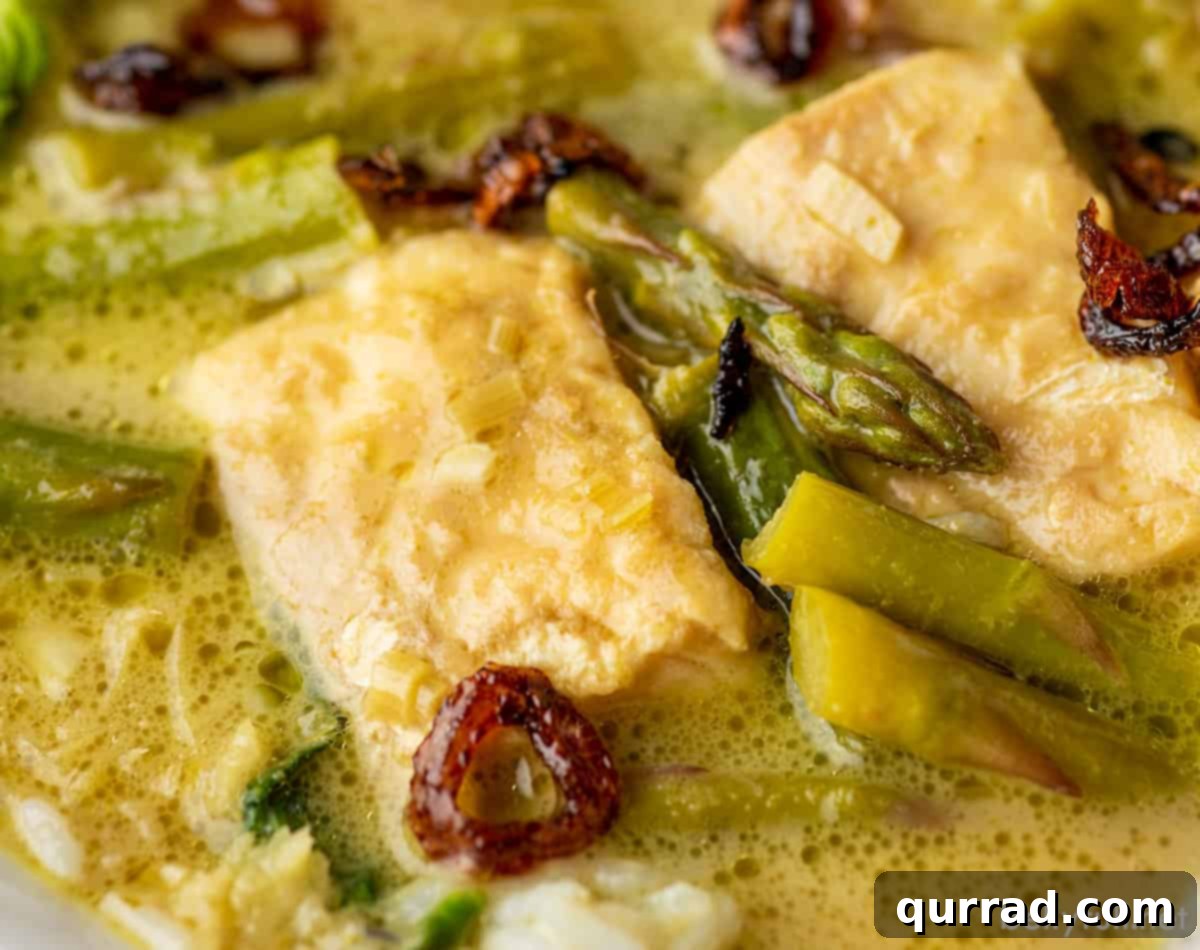
Perfect Pairing: What to Serve with Your Thai Green Curry
Thai Green Curry, with its complex and aromatic profile, pairs beautifully with a variety of accompaniments that can enhance the dining experience. Here are some serving suggestions to complete your meal:
- Jasmine Rice (The Classic Choice): This fragrant, slightly sticky rice is the traditional and arguably best partner for Thai curries. Its subtle aroma and soft texture are perfect for absorbing every drop of the exquisite green curry sauce, ensuring no flavor is left behind.
- Alternative Grains: For those seeking lower-carb options or different textures, consider brown rice, cauliflower rice, or even quinoa. While they offer a different experience, they still provide a base to soak up the rich sauce.
- Naan Bread or Roti: While not traditionally Thai, a warm, fluffy piece of Naan bread or flaky roti is an excellent utensil for scooping up any lingering sauce and enjoying its full flavor.
- Cooling Side Salad: The vibrant flavors of green curry are beautifully contrasted by a refreshing side dish. A crisp cucumber salad, like our creamy cucumber salad, offers a delightful palate cleanser between bites of the rich curry. Simple sliced cucumbers with a light vinaigrette or a sprinkle of sesame seeds also work well.
- Fresh Herbs: A scatter of additional fresh Thai basil, cilantro, or mint leaves just before serving can add a burst of freshness and visual appeal.
Storing and Reheating Your Delicious Leftovers
One of the joys of cooking curry is often the delicious leftovers. Proper storage and reheating ensure that you can savor this Thai Green Curry for days to come:
- How to Store Leftovers: Allow the curry to cool completely to room temperature (this should take no more than an hour) before transferring it to an airtight container. Refrigerate promptly for up to 3 days. Storing it in individual portions can make future meals even more convenient.
- How to Reheat Leftovers: You can reheat your leftover curry gently on the stovetop or in the microwave.
- Stovetop: Transfer the curry to a saucepan over low to medium heat, stirring occasionally. Heat until it is thoroughly warmed through, being careful not to let it come to a rolling boil.
- Microwave: Place a single serving in a microwave-safe bowl. Cover loosely to prevent splattering and microwave in 1-minute intervals, stirring in between, until heated through.
The key is to reheat gently. Avoid over-simmering on the stovetop or overheating in the microwave, as this can cause the coconut milk to separate or the fish to become overcooked and dry.
Frequently Asked Questions (FAQ)
Here are answers to some common questions about making Thai Green Curry with Fish:
- Is Thai Green Curry spicy? Green curry typically has a moderate level of spice. It’s known for its fresh, herbaceous heat rather than the intense fiery kick of red curry. You can control the spice level by using less curry paste or by adding a touch more coconut milk or sugar to temper the heat.
- Can I use light coconut milk? While you can, it’s not recommended for the best results. Full-fat coconut milk is essential for achieving the rich, creamy texture and depth of flavor that defines a good Thai green curry. Light coconut milk will result in a much thinner and less satisfying sauce.
- What if I can’t find Thai basil? If Thai basil is unavailable, you can substitute it with regular Italian basil. However, use about half the amount of Italian basil, as its flavor profile is different and can be more assertive.
- How do I prevent the fish from falling apart? Choose a firm white fish like halibut or cod. Cut the pieces into uniform, larger chunks (around 2 inches). Add the fish towards the end of the cooking process and cook gently at a low simmer for just enough time until it’s cooked through, typically 5 minutes. Avoid vigorous stirring once the fish is in the pot.
Explore More Delicious Thai-Inspired Dishes
If you loved this Thai Green Curry, we encourage you to try these other fantastic Thai-inspired recipes that promise to tantalize your taste buds:
- Thai Coconut Curry Shrimp
- Thai Coconut Chicken
- Thai Chicken Curry Wraps
- Thai Shrimp and Pork Meatballs
We truly hope you adore this flavorful and easy Thai Green Curry with Fish! Don’t forget to connect with us and discover more culinary inspiration by following Belly Full on TikTok, Facebook, Instagram, Pinterest, and YouTube!
Thai Green Curry

Ready in under 30 minutes, this delicious and easy Thai Green Curry with fish is infused with a rich coconut curry sauce that is savory and slightly sweet. Served over jasmine rice to soak up that incredible broth!
Ingredients
- 2 tablespoons vegetable oil
- 4 tablespoons Thai green curry paste
- 2 cloves garlic, minced
- 2 teaspoons finely grated fresh ginger
- 3 teaspoons lemongrass paste (or 2 teaspoons finely minced fresh lemongrass)
- 1 cup low-sodium vegetable broth
- 14 ounces (1 can) full-fat coconut milk
- 2 teaspoons Worcestershire sauce
- 1 teaspoon granulated white sugar
- Strips of peeled lime skin from 1 small lime (make them big enough so you can pick them out later)
- 2 halibut fillets, skin removed, cut into 2-inch pieces
- 1/2 pound asparagus, trimmed and cut into 1-inch pieces
- 8 Thai basil leaves (see note for Italian basil substitution)
- Juice of 1/2 lime
- Crispy fried Asian shallots, for garnish (optional, see note)
- Steamed jasmine rice, for serving
Instructions
- Heat oil in a heavy bottomed nonstick skillet or pot over medium high heat.
- Add curry paste, garlic, ginger, and lemongrass; cook for 2 to 3 minutes until it mostly “dries out.”
- Add vegetable broth and coconut milk, mix to dissolve paste.
- Add in the Worcestershire and sugar.
- Add lime peels.
- Mix, then bring to a gentle simmer.
- Add fish, stir, then cover and lower heat to medium so it’s bubbling gently. Cook 5 minutes.
- Taste sauce. If necessary add more Worcestershire sauce or salt for more saltiness or sugar for more sweetness.
- Add asparagus, cook 2 minutes until a bit softened, then stir through basil and lime juice. (Sauce should have reduced but will still be on the thin side, not thick – that’s how it’s supposed to be. Do not keep simmering or the sauce will darken.)
- Remove lime peels and discard.
- Serve curry over cooked jasmine rice and garnish with a little crispy fried shallots and torn basil leaves.
Notes
Lemongrass Paste: This comes in a tube and is recommended for convenience and flavor. If you can’t find it, you can sub with 2 teaspoons finely minced fresh lemongrass.
Thai Basil: If you can’t find Thai basil, Italian basil is a suitable substitute, but use less of it (around 4-6 leaves) as its flavor is different.
Crispy Fried Asian Shallots: These are crispy and salty and make a great garnish for many Asian recipes, adding both flavor and texture. They’re often sold at Asian grocery stores. They are recommended but totally optional if you can’t find them.
Nutrition
Nutritional information given is an automatic calculation and can vary based on the exact products you use and any changes you make to the recipe. If these numbers are very important to you, I would recommend calculating them yourself.