
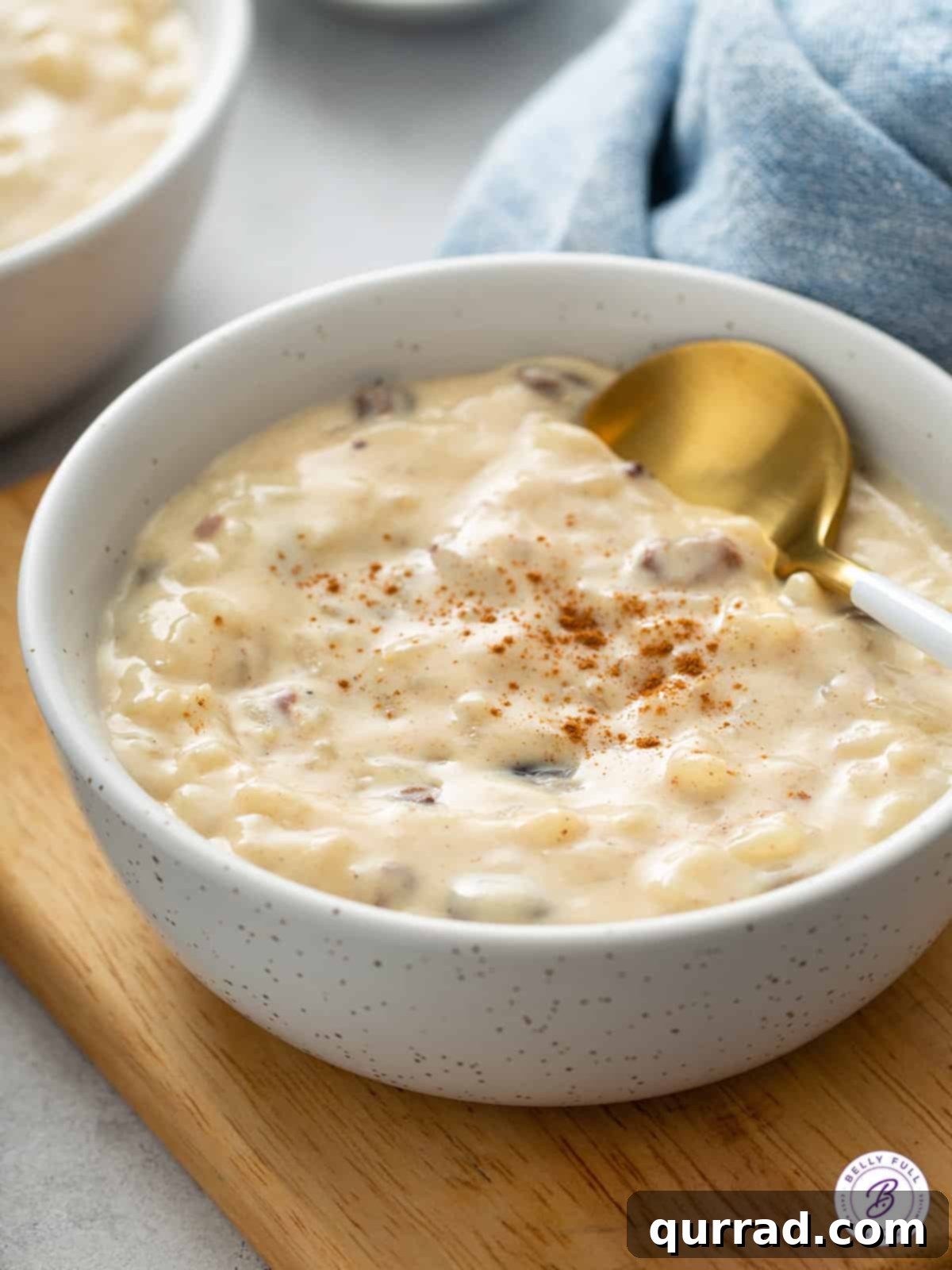
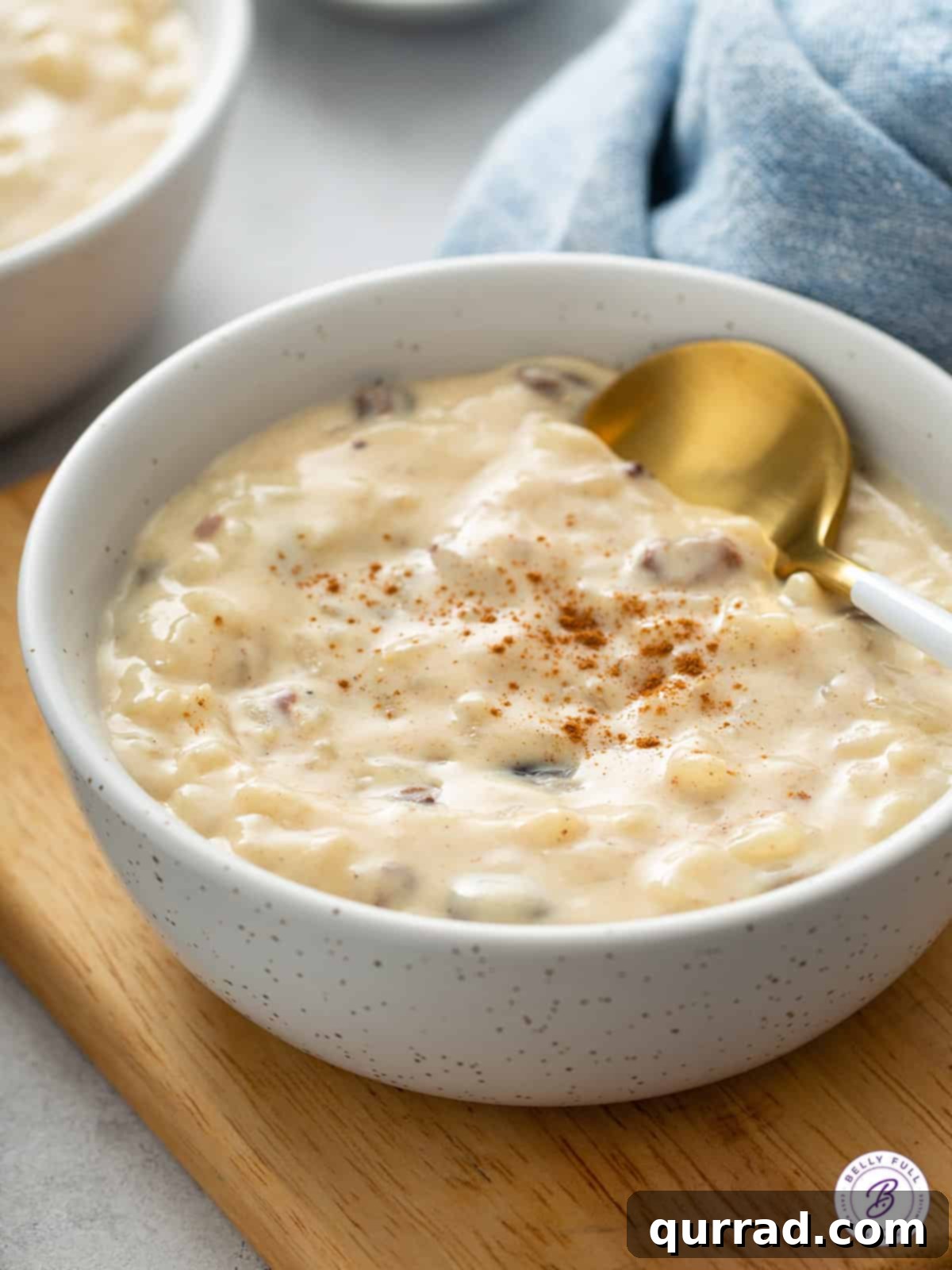
Imagine a culinary embrace, warm and comforting, just like a cherished memory – that’s precisely what a bowl of rich, creamy Rice Pudding offers. This classic comfort dessert strikes the perfect balance, being subtly sweet and infused with delightful hints of cinnamon, often studded with plump, juicy raisins. Its versatility is part of its charm; equally enjoyable whether served warm on a chilly evening or chilled as a refreshing treat. The beauty of this timeless dessert lies in its simplicity and accessibility. Chances are, most, if not all, the ingredients you need to whip up a batch right now are already staples in your pantry. It’s a delightful, straightforward creation that brings joy with minimal fuss.
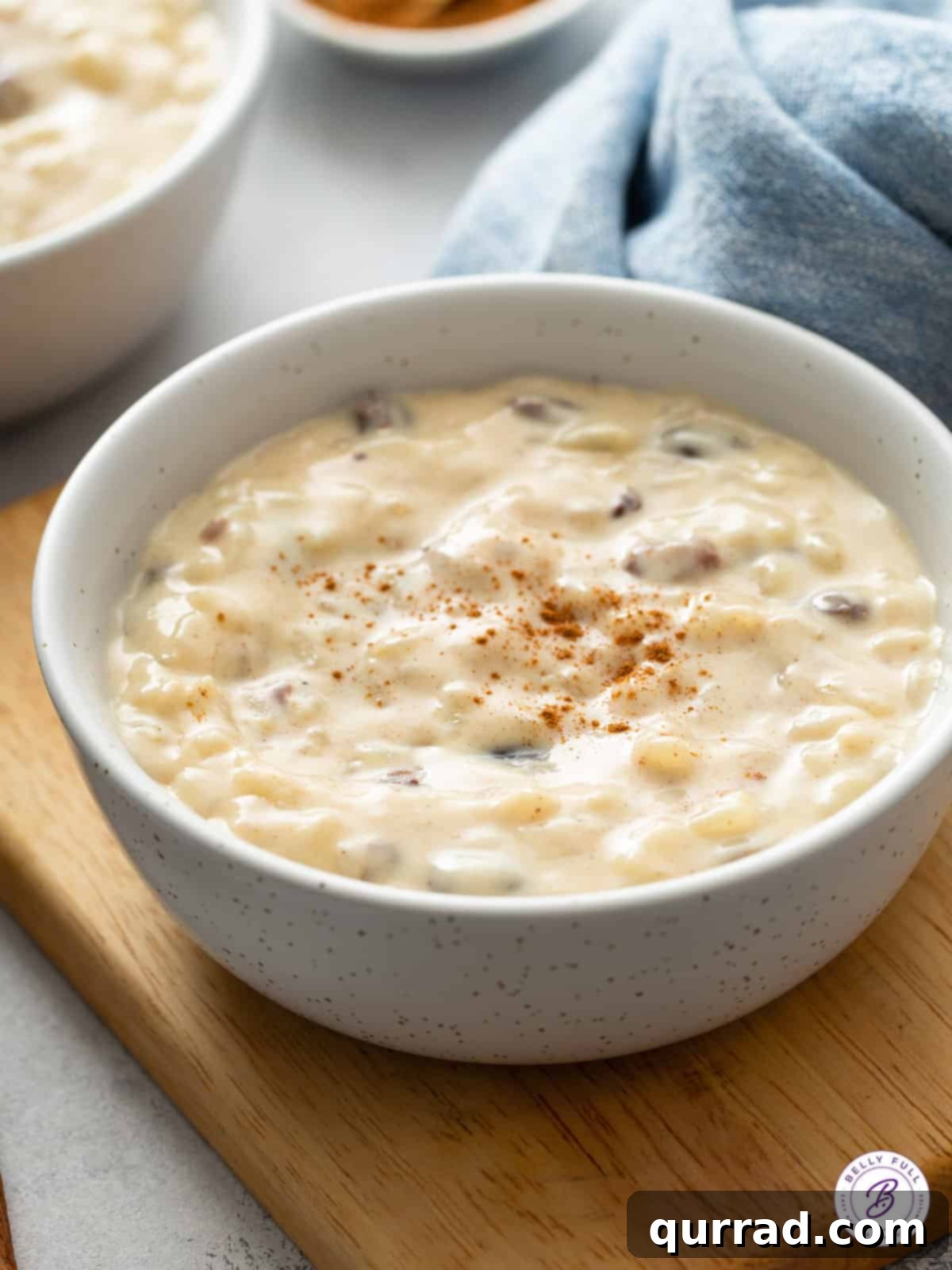
The Timeless Allure of Homemade Rice Pudding
Few desserts evoke such a powerful sense of nostalgia and comfort as traditional rice pudding. It’s a dish that has graced tables across cultures for centuries, each region adding its unique twist, yet always preserving that fundamental, heartwarming essence. Our recipe focuses on an Old-Fashioned Rice Pudding, a rendition that delivers unparalleled creaminess and flavor, a true testament to the simple pleasures of home cooking. If you’ve enjoyed the delicate texture of homemade tapioca pudding, you’ll find a familiar, yet distinctly satisfying, experience with its creamy cousin, rice pudding.
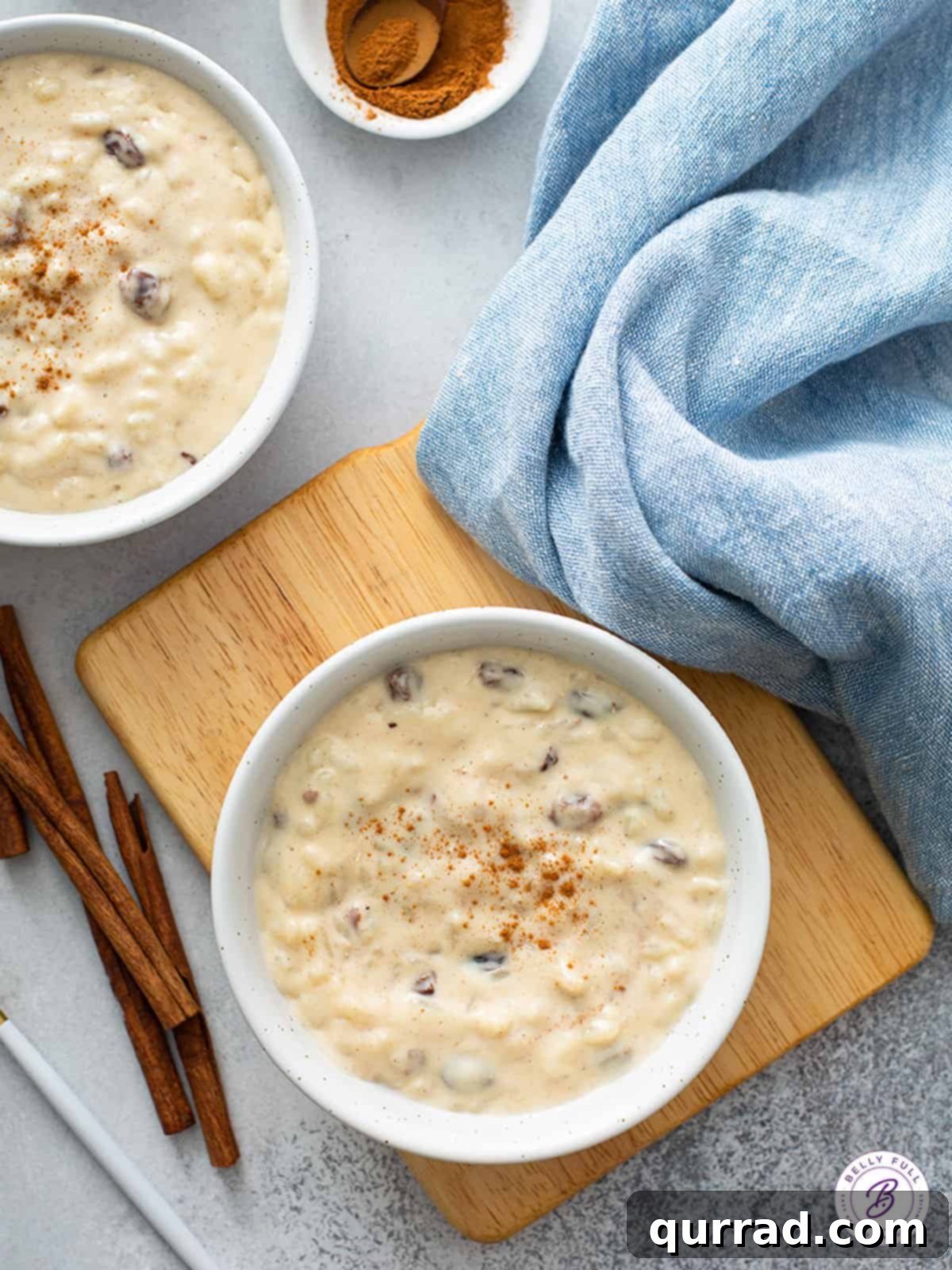
At its heart, rice pudding is a harmonious blend of white rice slow-cooked in sweetened milk. This patient simmering process allows the rice to gradually absorb the liquid, expanding and transforming into a wonderfully soft, velvety texture. Lightly spiced, most often with aromatic cinnamon, and frequently enhanced with plump raisins, it’s a dessert that speaks to the soul. We find the warming aroma of cinnamon as it cooks utterly irresistible, and raisins, once plumped by the milky goodness, add a natural sweetness and delightful chew that simply feels right at home in this classic treat. While some recipes call for pre-cooked rice, we firmly believe that starting with uncooked rice from scratch yields the absolute best results, ensuring a truly rich and authentic texture.
Essential Ingredients for Your Creamy Delight
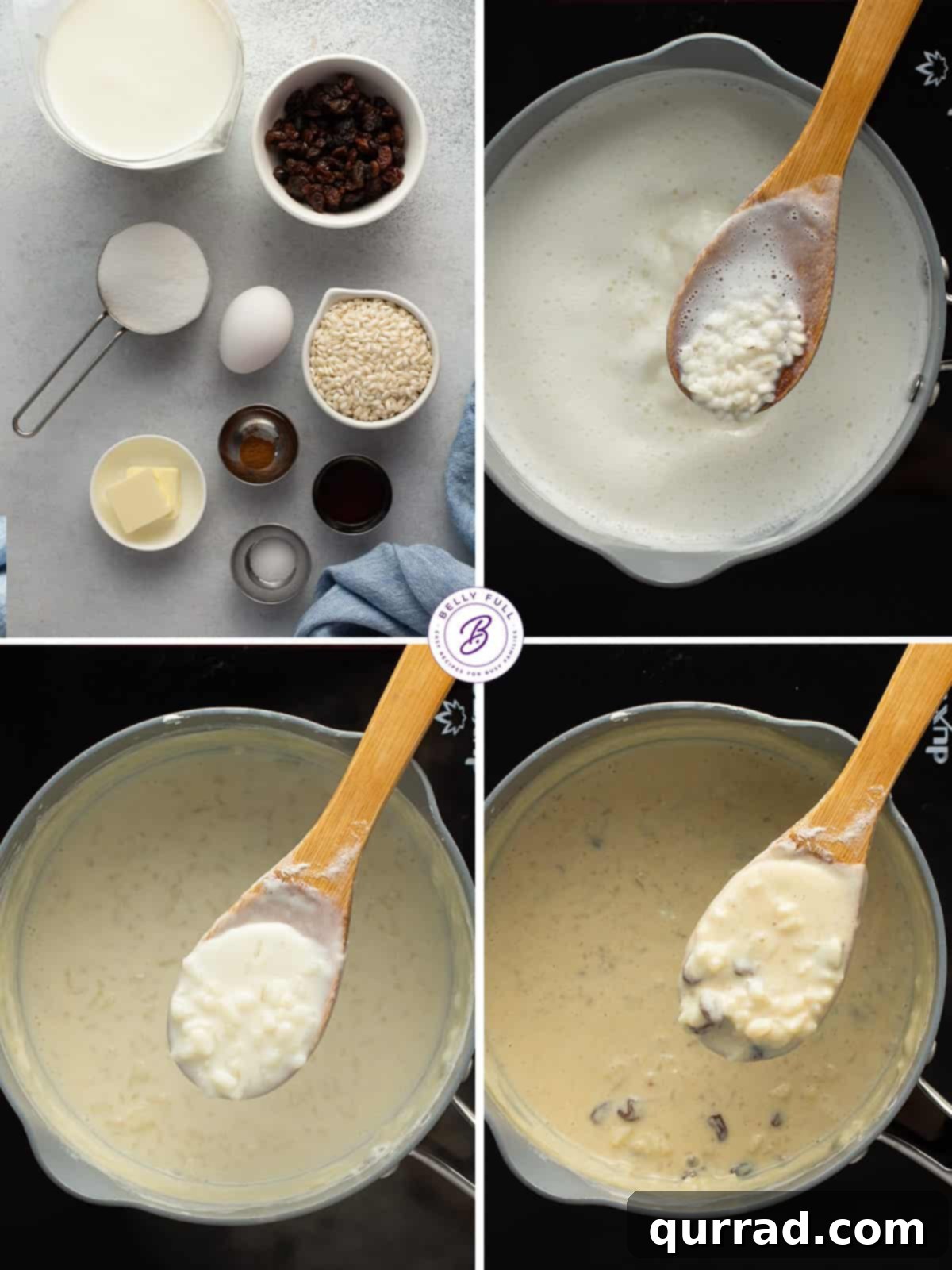
Creating an incredibly creamy and flavorful rice pudding requires a selection of humble yet vital ingredients. Each component plays a crucial role in achieving that perfect texture and taste. Here’s a detailed look at what you’ll need to gather from your pantry and fridge:
- Rice: The foundation of our pudding, uncooked medium-grain white rice, is paramount for the best results. A critical tip: do not rinse the rice! Rinsing removes much of the natural starch, which is essential for thickening the pudding and achieving its characteristic creamy consistency. For further insights on why specific rice types are superior, refer to our dedicated section below.
- Milk: While various types of milk can be used, the secret to an ultimately rich and creamy pudding lies in using milk with a higher fat content. This is why we consistently recommend whole milk. The extra fat contributes significantly to the luxurious texture. Although we haven’t personally experimented, many readers report positive outcomes with alternative milks like almond milk or coconut milk, which can offer unique flavor profiles and cater to dietary preferences.
- Granulated Sugar: As a dessert, sugar is a non-negotiable component. However, this recipe is quite adaptable when it comes to sweetness levels. You can start with the recommended amount and easily adjust it to your preference by tasting and adding more toward the end of the cooking process. For those looking to experiment, a blend of granulated sugar and brown sugar in future batches can introduce a deeper, more molasses-like sweetness.
- Egg: Incorporating a tempered egg into the pudding is our preferred method. This technique, which we detail in the instructions, adds an incredible richness and contributes significantly to the overall creaminess without leading to a scrambled texture. We also provide notes in the recipe card for an equally delicious version if you prefer to make it without the egg.
- Butter: A tablespoon of unsalted butter stirred in at the very end elevates the pudding’s richness and creaminess, adding a silken finish that makes this dessert truly indulgent.
- Vanilla Extract: A small but mighty ingredient, a touch of vanilla extract stirred in at the end brightens all the other flavors. Its subtle aromatic qualities complete the dessert, making a delicious difference that’s immediately noticeable.
- Salt: A pinch of kosher salt is added to balance the sweetness and deepen the complexity of all the flavors, preventing the pudding from tasting flat. It’s an essential flavor enhancer.
- Add-ins: For us, the quintessential rice pudding includes classic pairings: fragrant cinnamon and sweet, plump raisins. However, this is where you can truly make the recipe your own! Feel free to customize with other warm spices like nutmeg, cardamom, or even a tiny hint of allspice. You can also experiment with different dried fruits such as dried cranberries, chopped dried apricots, or even a sprinkle of lemon zest for a bright, citrusy note. Or, if you prefer a simpler pudding, simply omit both.
Decoding the Rice: The Foundation of Your Pudding
The type of rice you select is arguably the most crucial decision in crafting a truly exceptional rice pudding. It is, after all, the star of the show, and not all grains are created equal when it comes to achieving that desired creamy texture and plump bite. Here’s a breakdown of common rice types and their suitability for rice pudding:
- Medium Grain Rice (Our Top Recommendation): In our extensive experience, uncooked medium grain white rice is unequivocally the best choice for rice pudding. It consistently produces a pudding that is wonderfully creamy with soft, tender grains that hold their shape beautifully without dissolving into mush. Its higher starch content is key to the pudding’s luxurious mouthfeel.
- Arborio Rice (Used for Risotto – Excellent Second Choice): This Italian short-grain rice, famous for its use in creamy risottos, is an excellent second option. Arborio rice delivers results very similar to medium grain rice, yielding a creamy pudding with a pleasant chew. The only considerations are that it typically requires a bit more liquid and a slightly longer cooking time to reach optimal tenderness.
- Long Grain White Rice (Acceptable): While perfectly fine, and often a convenient choice due to its common presence in most kitchens, long grain white rice doesn’t quite provide the same plump, satisfying textural feel as medium grain varieties. It can also become mushy if overcooked, so careful attention to cooking time is necessary to avoid a less-than-ideal consistency.
- Jasmine Rice (Short Grain Rice – Softer Texture): Short grain white rice, including varieties like Jasmine rice, will result in a very soft, almost custardy, finish. It leans towards being ‘mushy’ but typically retains just enough structure to be enjoyable for those who prefer a very delicate texture.
- Basmati Rice (Not Recommended for Traditional Flavor): While Basmati rice will cook down and work in a pinch, its distinctive nutty aroma and flavor profile tend to overpower the delicate, sweet notes traditional to rice pudding. We find its unique characteristics less harmonious in this specific dessert.
- Brown Rice (Hard No): Brown rice, with its firm, chewy texture and robust, earthy flavor, is simply not suitable for classic rice pudding. It struggles to break down and achieve the desired creamy consistency, and its flavor clashes significantly with the sweet, comforting profile of the dessert. Stick to white rice varieties for authentic results.
Step-by-Step Guide: How to Achieve Rice Pudding Perfection
Making rice pudding is a straightforward process, traditionally executed on the stovetop. It involves combining all the key ingredients in a sturdy saucepan and gently simmering them until the rice is tender and the pudding has thickened to a luscious consistency. While easy, it’s truly a labor of love that demands your full attention – much like making risotto, you can’t walk away! The constant stirring is crucial for releasing the starches from the rice, which in turn creates that wonderfully creamy texture. Ensure all your ingredients are measured and ready before you begin to maintain a smooth cooking process.
The Uncooked vs. Cooked Rice Debate
A common question revolves around using cooked versus uncooked rice for pudding. The short answer is, yes, you can use cooked rice, but it simply won’t yield the same sublime results. For an authentic, wonderfully creamy rice pudding, starting with uncooked rice is truly the preferred method. The magic happens during the slow cooking process when raw rice, through constant stirring, continuously releases its starches. This natural starch release is what thickens the milk mixture and transforms it into that irresistibly smooth and creamy pudding we all adore. Using cooked rice will often result in a looser, less cohesive pudding that lacks the depth of texture found in its scratch-made counterpart.
Mastering the Art: Tips, Tricks, and Troubleshooting
While rice pudding is a simple recipe, paying attention to a few key details can elevate your results from good to truly extraordinary. Here are some insights to help you perfect your homemade rice pudding:
Common Questions Answered for Perfect Pudding
- Why is my rice pudding too thick or too thin? The consistency of rice pudding is a personal preference. If your pudding becomes too thick as it cools, simply stir in a splash more milk, a tablespoon at a time, until it reaches your desired creaminess when reheating or serving chilled. If it’s too thin after cooking, it likely needs more simmering time. Continue cooking and stirring until it thickens sufficiently, remembering it will thicken further as it cools.
- Can I make rice pudding ahead of time? Absolutely! Rice pudding is an excellent make-ahead dessert. Its flavors tend to meld and deepen upon chilling. Just note that it will thicken considerably in the refrigerator, so be prepared to thin it with a little extra milk when serving, especially if you prefer it warm.
- How do I prevent a ‘skin’ from forming on top? To avoid the common issue of a skin forming on the surface as the pudding cools, press a piece of plastic wrap directly onto the surface of the warm pudding before refrigerating. This creates a barrier and keeps it beautifully smooth.
- What if my egg curdles when tempering? Tempering the egg is crucial to prevent scrambling. The key is to slowly introduce hot liquid to the whisked egg mixture, continuously whisking, to gently bring its temperature up. If you add the hot rice mixture too quickly, or if the egg mixture is not whisked constantly, it can scramble. If this happens, don’t worry too much; simply strain the pudding through a fine-mesh sieve to remove any bits of cooked egg, though it may be slightly less creamy.
Serving Suggestions and Creative Customizations
The beauty of rice pudding lies in its adaptability. It can be a simple, wholesome dessert or dressed up for a special occasion. Serve it warm directly from the stovetop for a comforting treat, or chill it thoroughly for a refreshing dessert on a hot day. A simple sprinkle of ground cinnamon or a drizzle of extra whole milk is often all it needs. For a more indulgent experience, consider these delightful garnishes:
- Fresh Fruit: Berries like raspberries or sliced strawberries add a burst of freshness and color. Sliced bananas or stone fruits also pair wonderfully.
- Nuts: Toasted chopped almonds, pecans, or walnuts provide a lovely textural contrast and nutty flavor.
- Sauces: A swirl of caramel sauce, chocolate syrup, or a fruit compote can elevate the pudding significantly.
- Spices: Beyond cinnamon, a tiny pinch of nutmeg or cardamom can add extra warmth.
- Citrus Zest: A hint of orange or lemon zest grated over the top offers a bright, fragrant finish.
Proper Storage for Lasting Enjoyment
Ensuring your homemade rice pudding remains delicious for days is easy with proper storage.
- How long is rice pudding good for? Any leftovers should be transferred to an airtight container or individual custard cups and stored in the refrigerator. It will maintain its quality for up to 5 days. As mentioned, we highly recommend placing plastic wrap directly on the surface of the pudding to prevent a ‘skin’ from forming.
- To reheat rice pudding: If you prefer to enjoy it warm, gently reheat the pudding over low heat on the stovetop. As rice pudding thickens considerably when chilled, you’ll likely need to add a splash or two of extra milk to thin it out and restore its creamy consistency while stirring.
- Can you freeze rice pudding? While technically possible, we generally do not recommend freezing rice pudding. Upon thawing, the texture tends to change; the pudding often separates and becomes grainy rather than delightfully creamy. It truly tastes best when eaten fresh, chilled, or gently reheated.
Discover More Irresistible Pudding Recipes
If you’ve fallen in love with the comforting simplicity of our rice pudding, you’re sure to enjoy exploring other delightful pudding recipes from our collection:
- Homemade Tapioca Pudding
- Classic Banana Pudding
- Rich Chocolate Pudding
- Sweet Butterscotch Pudding
We sincerely hope you cherish this delicious and easy recipe as much as we do. Your feedback is invaluable, so please consider leaving a review below! For more culinary inspiration and delightful recipes, don’t forget to follow Belly Full on TikTok, Facebook, Instagram, Pinterest, and YouTube!
★
★
★
★
Creamy Homemade Rice Pudding
5
25
30
6 (3/4 cup each)
Pin
Ingredients
- 5 & 1/2 cups whole milk (divided, plus more if needed)
- 1/3 cup granulated sugar
- 1/2 teaspoon kosher salt
- 1/2 cup uncooked medium grain white rice (do not rinse)
- 1 large egg
- 1/3 cup raisins
- 1/2 teaspoon ground cinnamon
- 1 tablespoon unsalted butter
- 1 & 1/2 teaspoons vanilla extract
- ground cinnamon, for garnish
- whole milk, for drizzling
Instructions
-
In a large saucepan, combine 5 cups of the whole milk, granulated sugar, and kosher salt. Bring this mixture to a boil over medium-high heat, making sure to stir frequently. This stirring is essential to prevent the sugar from scorching at the bottom of the pan. Keep a close eye on it, as the liquid can rise quickly once it starts boiling.
-
Once the milk is boiling, add the uncooked rice. Immediately reduce the heat to low or medium-low, adjusting it to maintain a gentle simmer (you should still see small bubbles). Cook, stirring diligently every 1-2 minutes, using a wooden spoon to scrape the bottom and sides of the pan. Continue this process until the mixture is thick and the rice grains are tender, which should take approximately 22 minutes. (Initially, the ratio of milk to rice might seem incredibly high, but rest assured, it will reduce and thicken beautifully!)
-
To temper the egg: In a large measuring cup, whisk together the large egg and the remaining 1/2 cup of milk until well combined. Slowly pour about 1/2 cup of the hot rice pudding mixture into the egg mixture while continuously whisking. This gradually raises the egg’s temperature. Then, pour this tempered egg mixture back into the saucepan with the rest of the rice pudding; stir thoroughly to combine.
-
Stir in the raisins and ground cinnamon. Continue to cook for another 3-5 minutes, stirring constantly, until the raisins plump up and the pudding achieves a nice, thick consistency.
-
Remove the saucepan from the heat. Stir in the unsalted butter and vanilla extract until fully incorporated and melted.
-
If the pudding appears too thick, you can add an extra 1/4 cup of milk, or more as needed, stirring it in to loosen the consistency and achieve your desired creaminess.
-
Pour the finished rice pudding into individual custard cups or serving bowls. Serve warm, perhaps with a light drizzle of milk and a sprinkle of additional cinnamon for garnish. (Remember, rice pudding will continue to thicken as it cools. If serving chilled, you might want to thin it slightly with more milk.)
NOTE: For comprehensive FAQs, helpful tips, and detailed storage information, please refer to the full article above. Directions for preparing this recipe without the egg are provided in the notes section below.
Video
Notes
Nutrition
Carbohydrates: 44g |
Protein: 10g |
Fat: 10g |
Saturated Fat: 6g |
Cholesterol: 58mg |
Sodium: 305mg |
Potassium: 388mg |
Fiber: 1g |
Sugar: 23g |
Vitamin A: 466IU |
Vitamin C: 1mg |
Calcium: 260mg |
Iron: 1mg
Nutritional information provided is an automatic calculation and may vary based on the exact products you use and any modifications made to the recipe. If these figures are critical for your dietary needs, we recommend calculating them independently.