
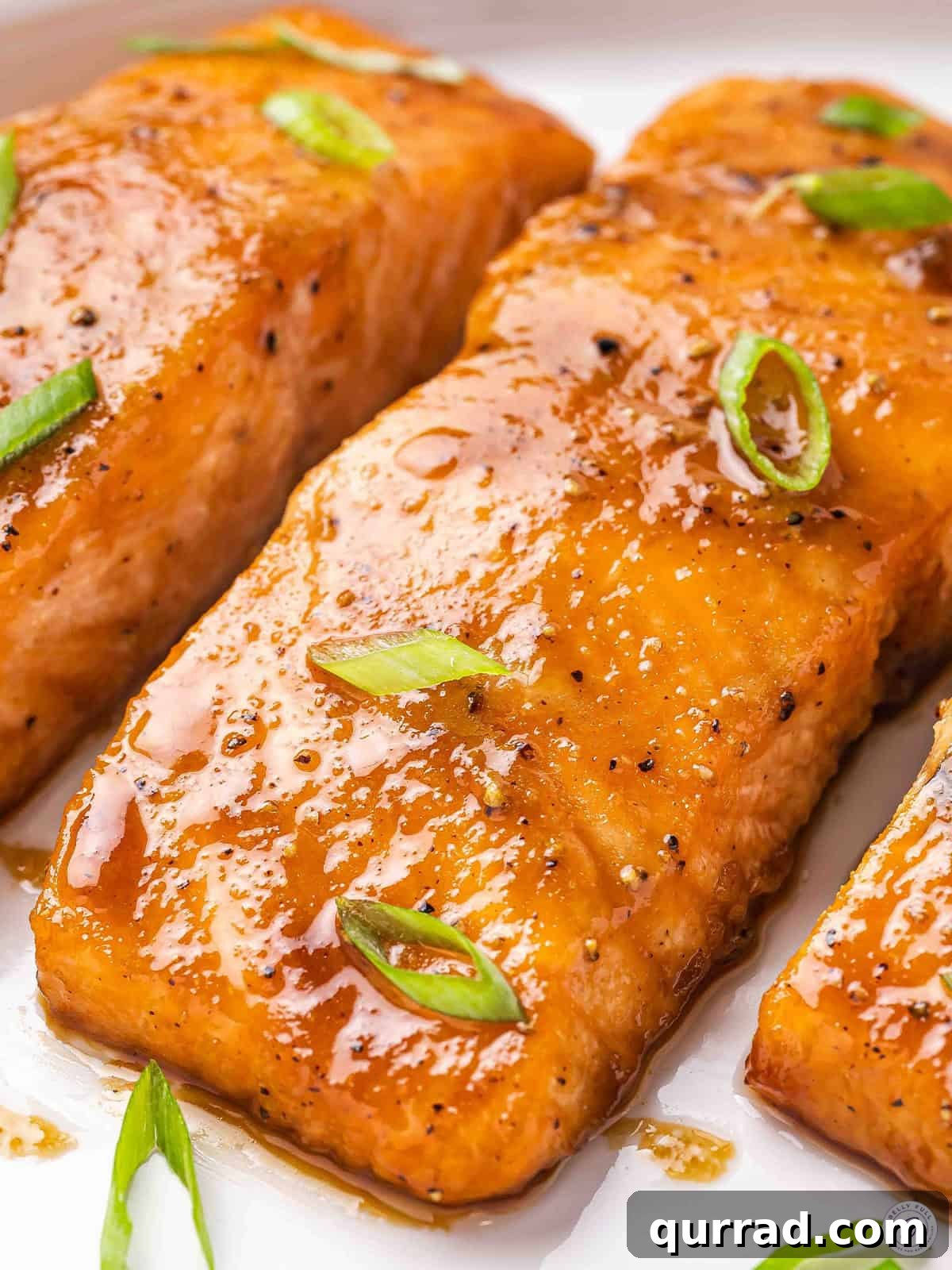
This Brown Sugar Glazed Salmon is tender and flaky with a glossy, sweet-and-savory glaze made from brown sugar, soy sauce, and a few simple seasonings. The glaze comes together in one bowl, the salmon goes straight into the oven, and it bakes in about 15 minutes. With only a handful of ingredients and minimal cleanup, this recipe is quick and easy—so easy you’ll likely remember it after making it once.
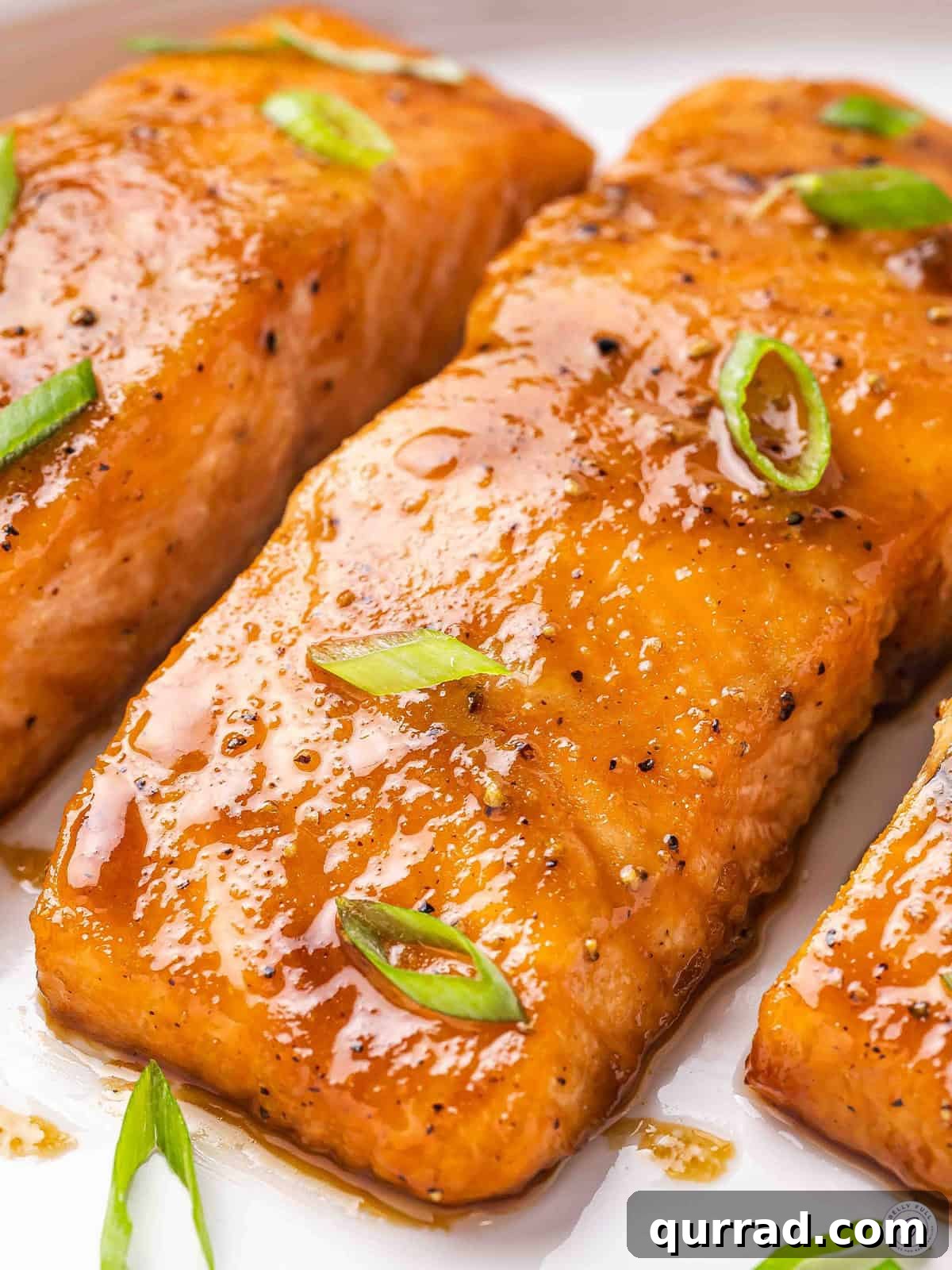
An Easy Glazed Salmon for Busy Nights
I’ve prepared salmon many ways—grilled, air fried, pan-seared, and baked—and it rarely needs much fuss to be delicious. For this recipe the glaze is intentionally simple: brown sugar for sweetness, soy sauce for savory depth, and a pinch of garlic powder, salt, and pepper to round everything out. That balance prevents the glaze from being cloying, and because it cooks on the fish there’s no separate sauce to reduce.
This brown sugar glazed salmon is perfect for a weeknight dinner but also special enough for a date night when you want a dressed-up meal without extra effort. If you enjoy variations, try a honey-garlic glaze next for a slightly different sweet-savory profile with fresh garlic and lemon.
Helpful Tips
- Choose evenly sized fillets. When portions are similar in thickness they cook at the same rate. If a fillet is thinner, check it earlier and remove it first. Use an instant-read thermometer to check doneness; the USDA recommends 145°F for salmon.
- Thaw frozen salmon completely. Thaw overnight in the refrigerator or quickly in a sealed bag in cold water. Pat the fish dry before adding oil and glaze so the glaze adheres properly.
- Glaze just before baking. Soy sauce and salt can draw moisture from the fish, so brush the glaze on right before it goes into the oven to maintain a moist interior.
- Preheat the oven fully. The baking time in this recipe was tested at 375°F. Placing salmon into an oven that hasn’t reached temperature makes timing unpredictable.
- Leave the skin on while cooking. Even if you won’t eat it, the skin helps the fillets hold together and makes them easier to handle; peel it away after baking if desired.
Salmon Cooking Time Can Vary
Brown Sugar Glazed Salmon
10
15
25
4 servings (¼ lb each)
Equipment
-
Small bowl
-
Baking sheet
-
Parchment paper
Ingredients
- 2 Tbsp olive oil, divided
- ½ tsp garlic powder
- ¼ tsp salt
- ¼ tsp black pepper, freshly cracked
- 1 Tbsp soy sauce
- 3 Tbsp brown sugar
- 1 lb. salmon fillets
Instructions
-
Gather ingredients and preheat your oven to 375°F (190°C).
-
In a small bowl combine 1 Tbsp olive oil, garlic powder, salt, black pepper, soy sauce, and brown sugar. Stir until mostly combined and the sugar begins to break down.
-
Line a baking sheet with parchment paper and place the salmon on it. Drizzle the remaining 1 Tbsp olive oil over the fillets and rub to coat evenly. If your fillets have skin, place them skin-side down.
-
Brush or pour the glaze over the tops of the salmon so each fillet is evenly coated.
-
Bake for about 15 minutes, or until an instant-read thermometer inserted at the thickest part reads 145°F and the flesh flakes easily. Thinner fillets may be done sooner—check early to avoid overcooking.
Video
Notes
Fresh or frozen salmon both work well. If using frozen, thaw completely and pat dry before glazing. Skin-on or skinless fillets are fine. When selecting salmon, look for firm flesh with an even color and a mild scent.
Variety matters slightly. Sockeye can be leaner and thinner, so it may cook faster than coho or Atlantic. Adjust time as needed and rely on the internal temperature or flake test for doneness.
Nutrition
|
Calories: 261 kcal
|
Carbohydrates: 9 g
|
Protein: 23 g
|
Fat: 14 g
Nutritional information is an estimate and can vary based on the exact ingredients and portion sizes you use.
How to Make Brown Sugar Glazed Salmon Step by Step
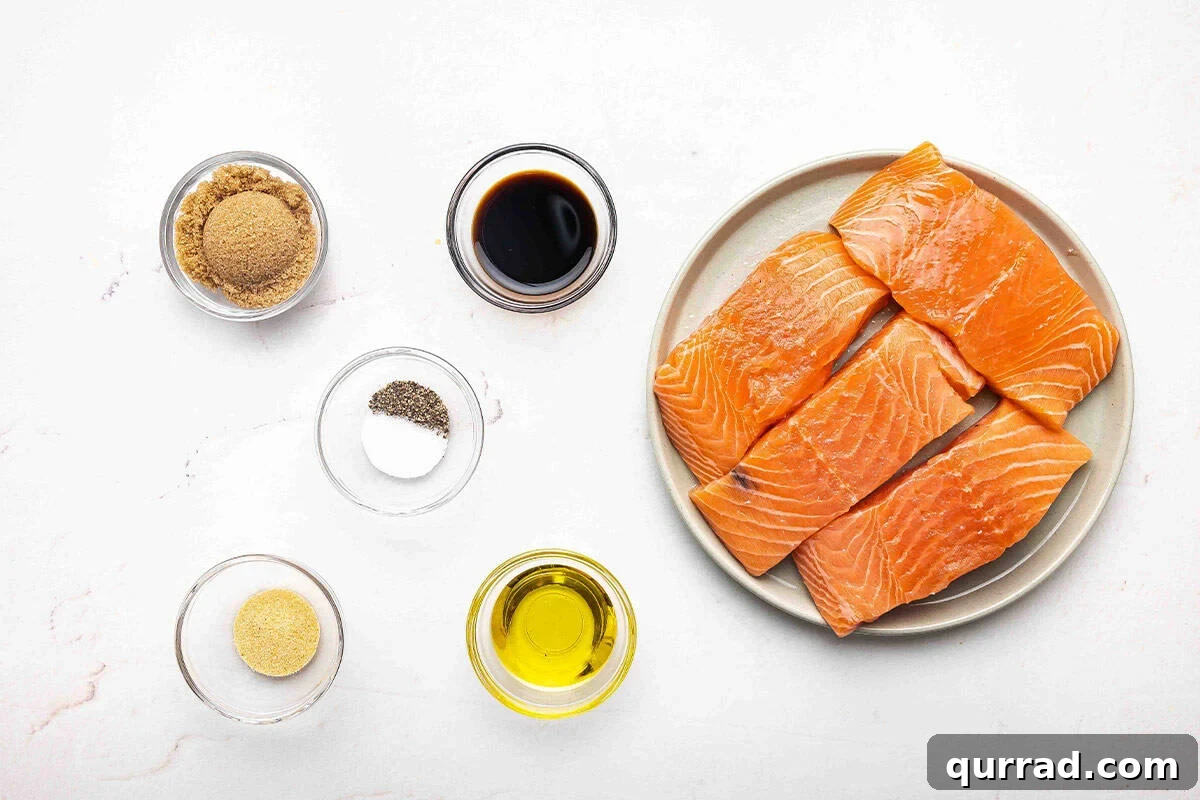
Gather all ingredients and preheat the oven to 375°F. Line a baking sheet with parchment paper for easy cleanup.
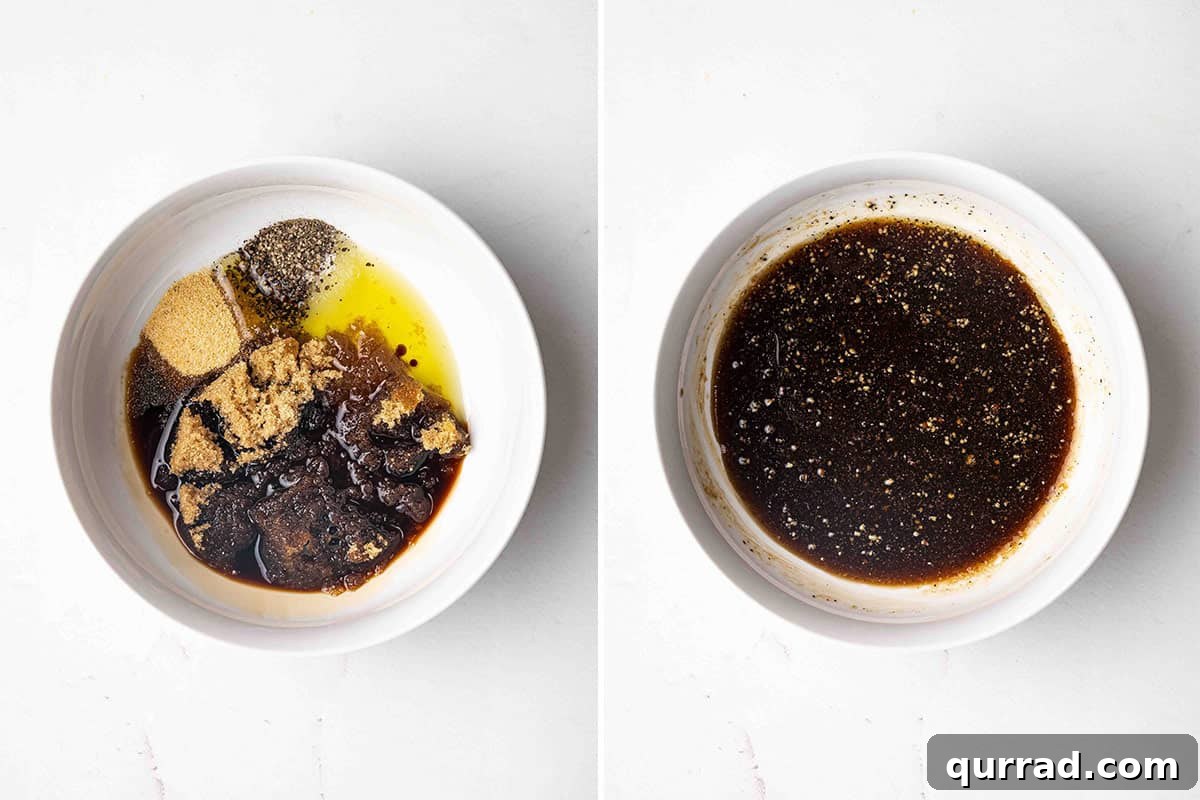
Make the brown sugar glaze: In a small bowl combine 1 Tbsp olive oil, ½ tsp garlic powder, ¼ tsp salt, ¼ tsp black pepper, 1 Tbsp soy sauce, and 3 Tbsp brown sugar. Stir until the sugar begins to dissolve; a little texture from the sugar is fine.
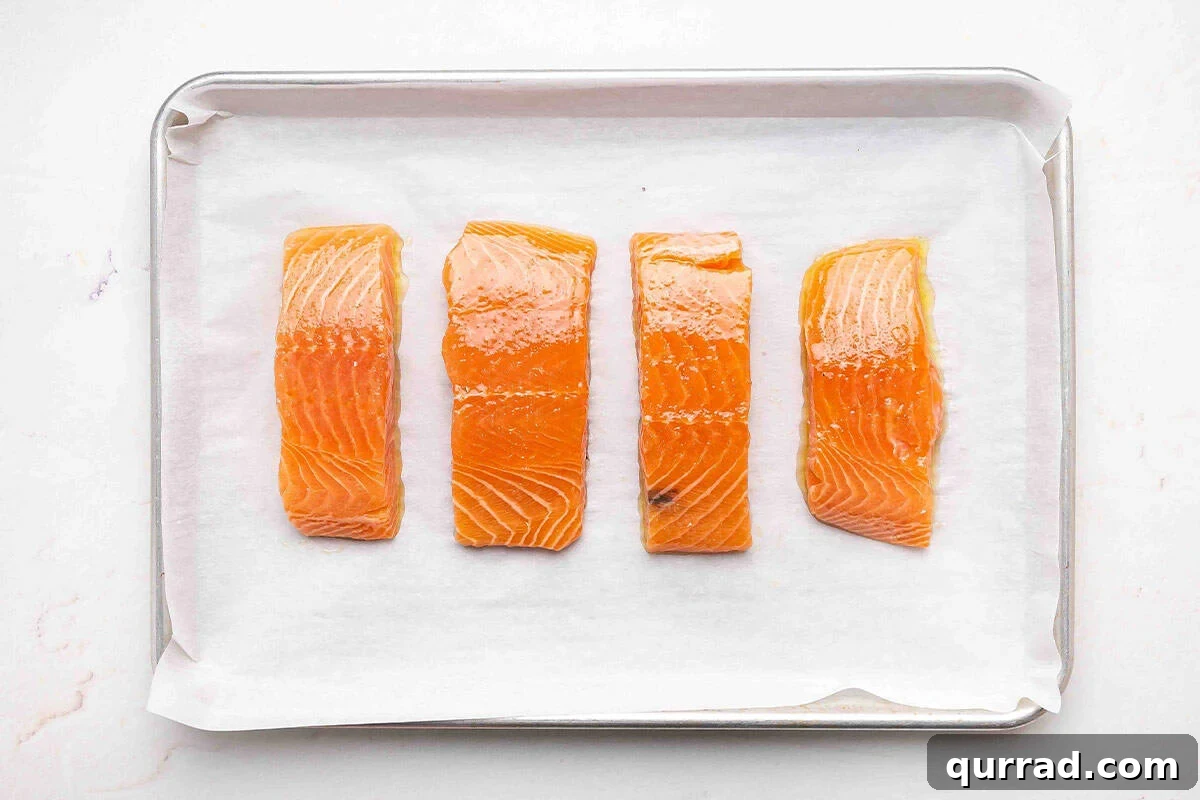
Prep the salmon: Place 1 pound of salmon fillets on the prepared sheet and drizzle with the remaining 1 Tbsp olive oil, coating the surface. If the fillets have skin, place them skin-side down.
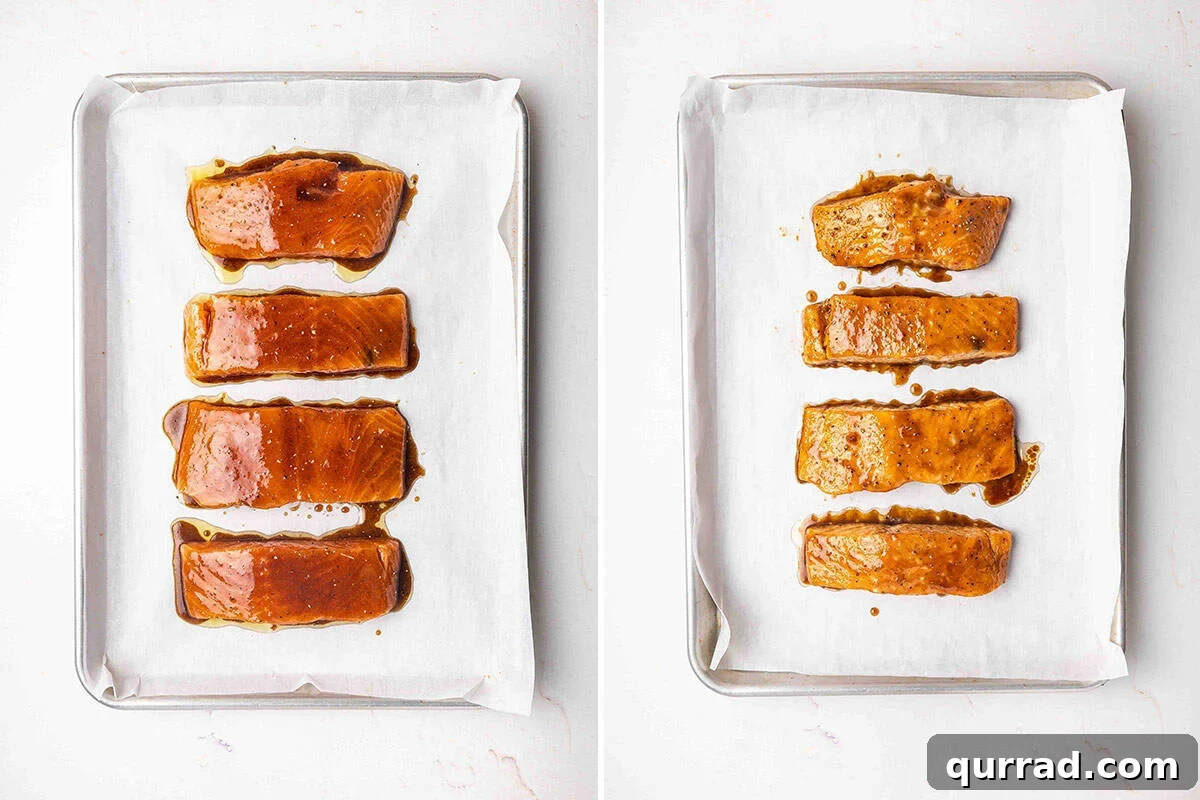
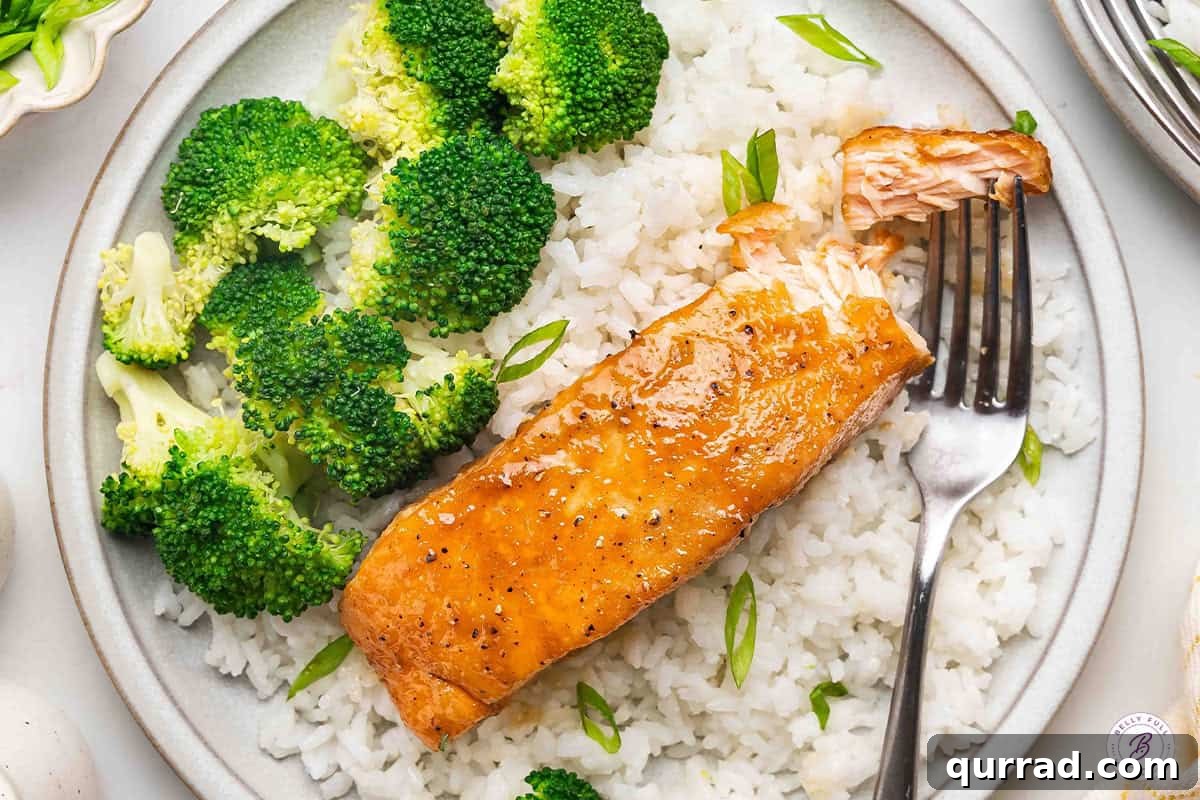
Add the glaze and bake: Brush or pour the glaze evenly over the salmon, then bake for about 15 minutes or until an instant-read thermometer reads 145°F at the thickest part. The glaze will be glossy and golden and the fish should flake easily with a fork.
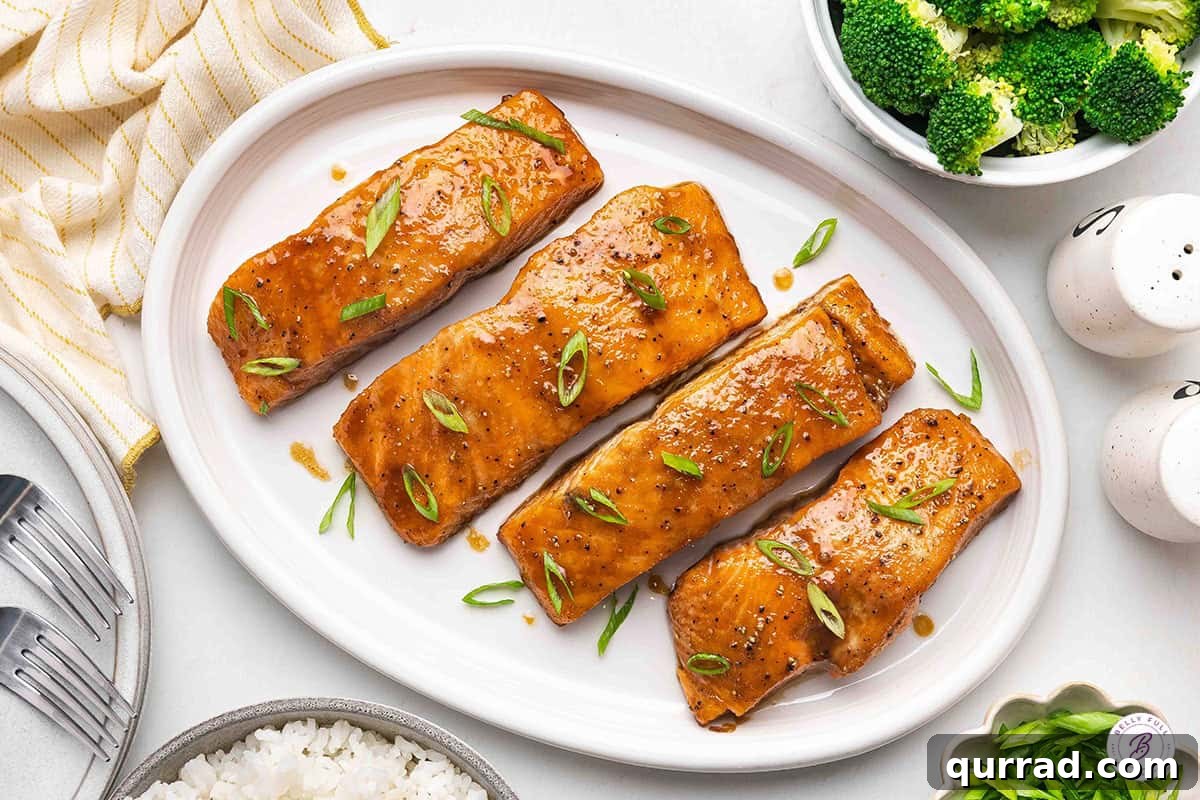
Let the salmon rest a minute, then serve. The sweet-savory glaze pairs beautifully with simple sides.
What to Serve with Brown Sugar Glazed Salmon
A ¼-pound serving of this salmon pairs well with a starch and a vegetable. White rice and steamed broccoli are classic, quick choices that balance the sweet glaze. Roasted or air-fried asparagus is another fast, flavorful vegetable that cooks while the salmon bakes. A tangy cucumber salad complements the soy-based flavors if you prefer a bright, acidic side. If you want one-pan convenience, a mixed rice-and-vegetable dish can cover both starch and veg in a single step.
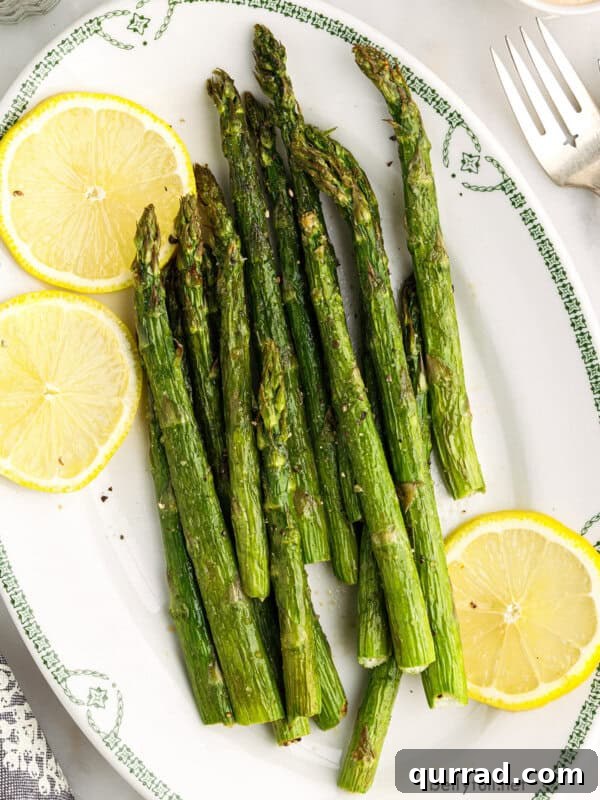
Air Fryer Asparagus
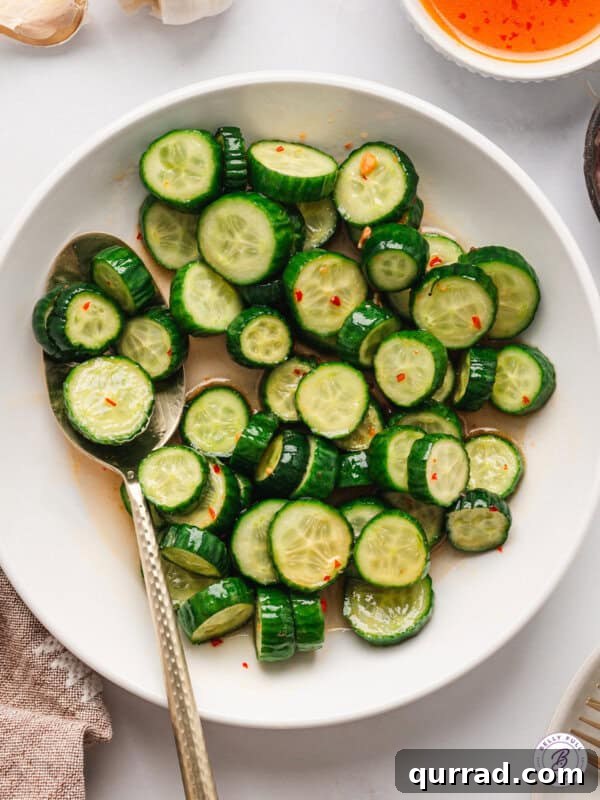
Asian Cucumber Salad
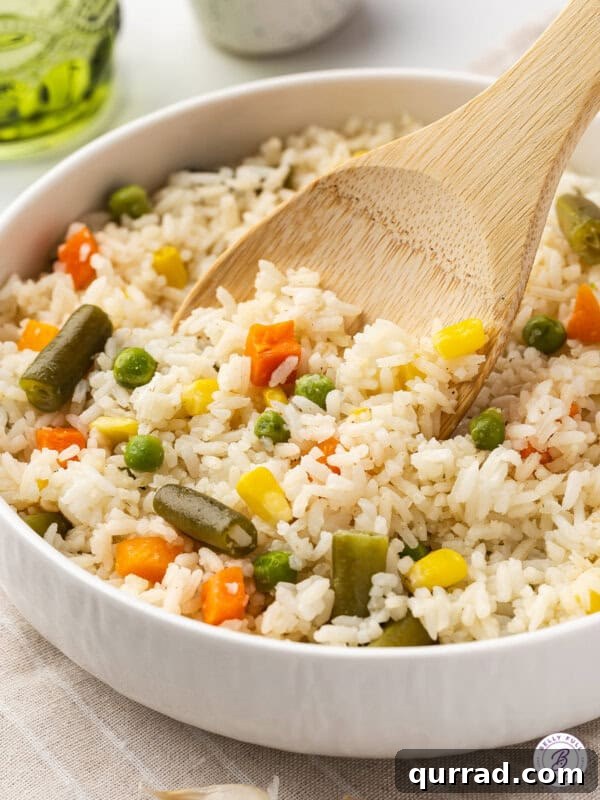
Mixed Veggies and Rice
Storing Leftovers
Refrigerator
Store leftovers in an airtight container in the fridge for up to 3 days. Let the salmon cool before sealing, and don’t leave it out at room temperature for more than 2 hours.
Reheating
To prevent drying, reheat gently. Warm covered in a 300°F oven until heated through or microwave in 20–30 second bursts. Check early to avoid overcooking.
Freezing
Cooked glazed salmon freezes for up to 2 months. Cool completely, wrap portions tightly or use an airtight freezer container, then thaw overnight in the refrigerator before reheating.
More Easy Salmon Recipes
- If you want something creamy, try a Tuscan-style butter salmon finished with garlic, Parmesan, tomatoes, and spinach.
- For an air fryer option, a hoisin-ginger glazed salmon cooks quickly and delivers bold flavor.
- A honey-mustard baked salmon offers a sweet-tangy profile with a crisp breadcrumb topping.
- For an indulgent main, crab- or wild-rice-stuffed salmon bakes up as a hearty, celebratory dish.