
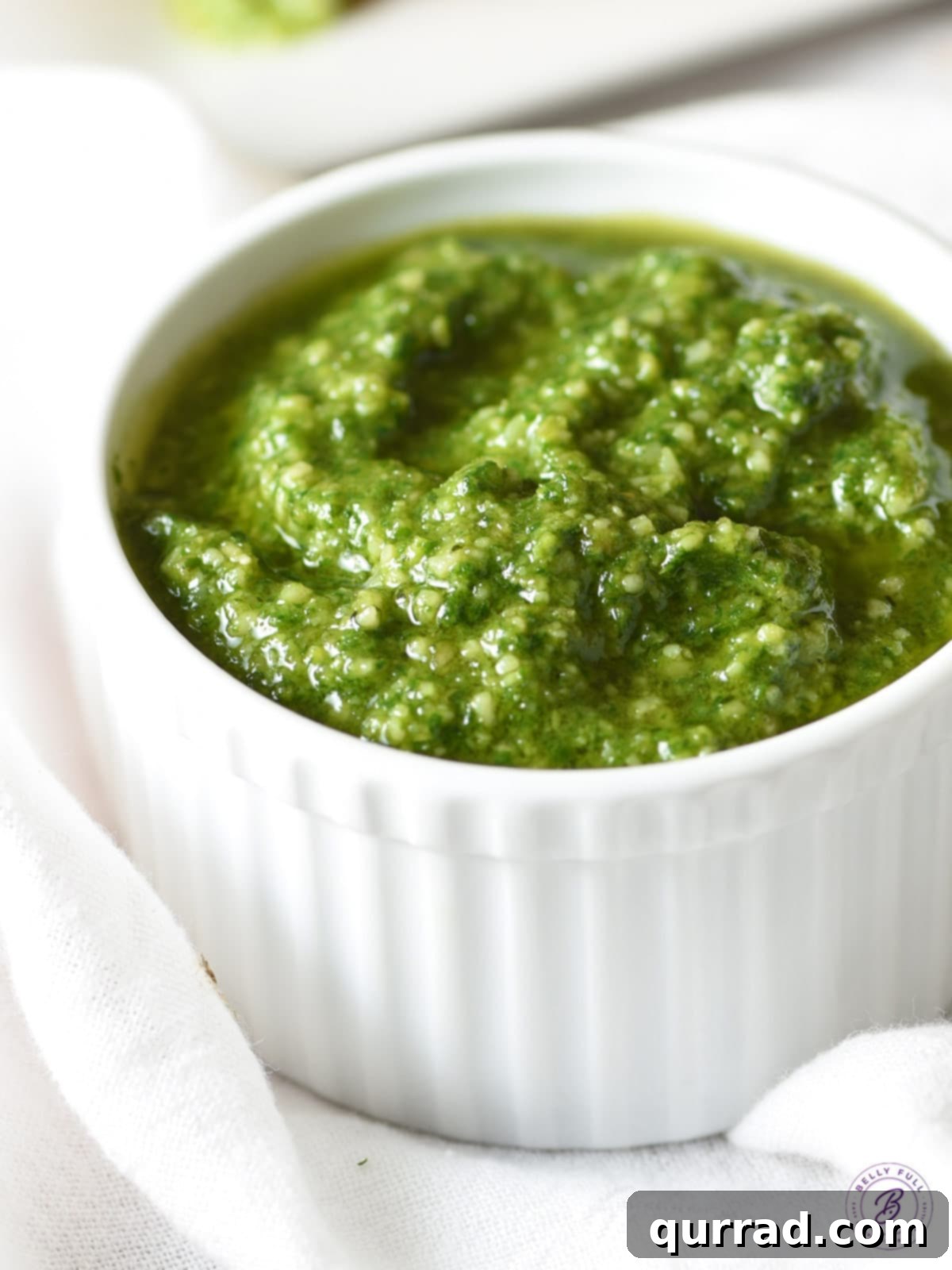
Unlock a world of vibrant flavor with this classic Basil Pesto Recipe. Fresh, fragrant, and incredibly easy to make, this homemade pesto will transform your meals, from simple pasta dishes to gourmet sandwiches and hearty soups. Once you experience the unparalleled taste and freshness of pesto made from scratch, you might never reach for a store-bought jar again.
Beyond its traditional role with pasta, pesto is a surprisingly versatile condiment. Discover 15 fantastic ways to incorporate this green goodness into your culinary repertoire at the end of this article.
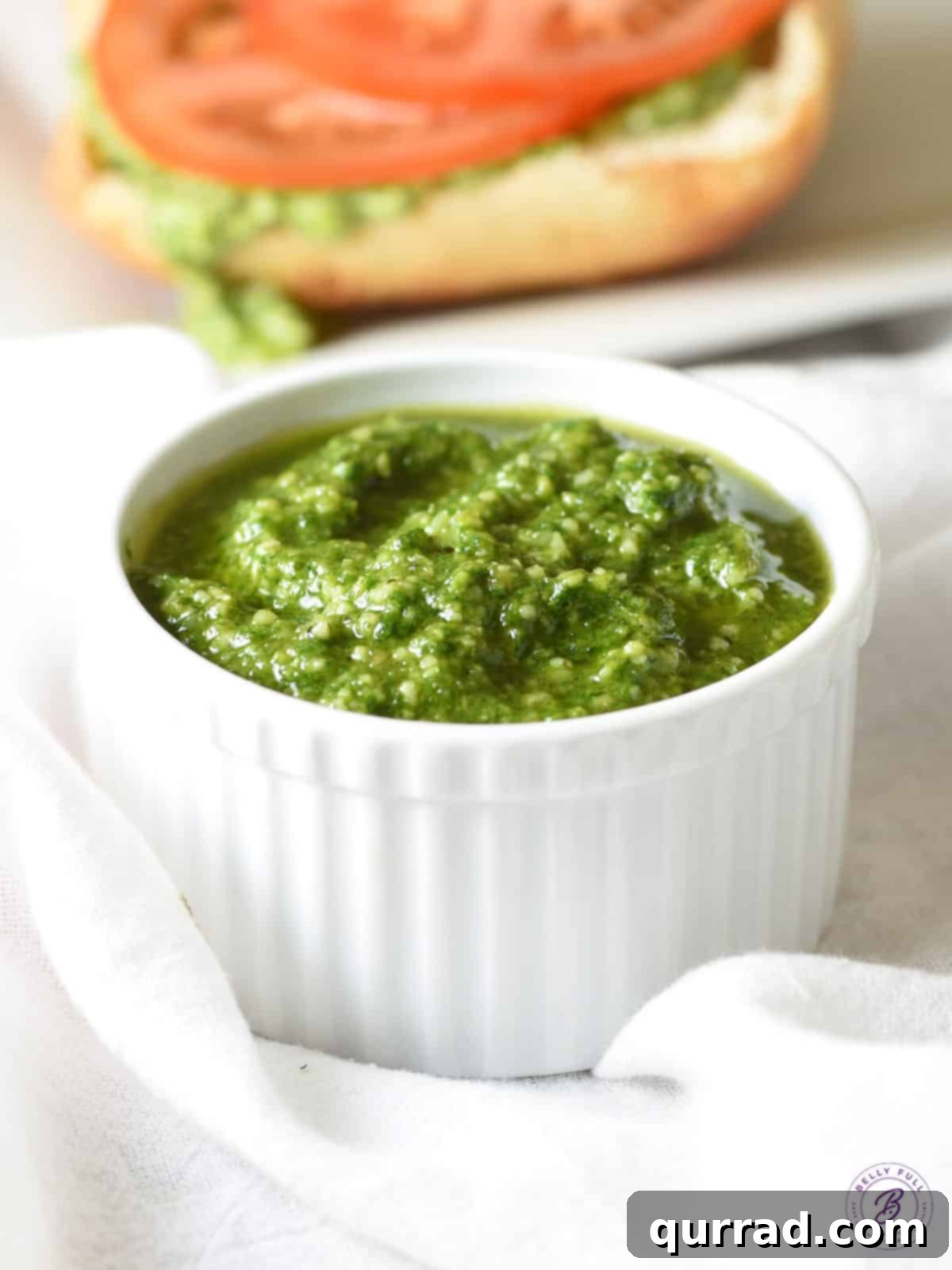
Effortless Pesto Sauce: A Garden-Fresh Delight
There’s nothing quite like the abundance of summer basil, and an overflowing garden always inspires me to whip up batch after batch of this easy pesto sauce recipe. It disappears quickly in our house, often preferred over traditional red sauces by my children. Its bright, herbaceous notes and rich, nutty undertones make it an instant family favorite.
The beauty of homemade pesto lies in its undeniable freshness, an aromatic explosion that elevates every bite. It’s perfect for stirring into warm soups, spreading generously on crusty bread for sandwiches, or, of course, coating your favorite pasta. But don’t stop there – our extensive list below provides countless creative ways to enjoy this vibrant sauce. If you’re looking to explore other green sauces, you might also enjoy a unique broccoli pesto or a delightful pea and parsley pesto.
Why You’ll Love Crafting This Homemade Basil Pesto
Making your own pesto is a game-changer for several compelling reasons:
- Unbelievably Simple & Quick: Forget complicated techniques or lengthy cooking times. This recipe requires just six core ingredients and comes together in approximately 10 minutes. It’s the ideal solution for adding gourmet flavor to a weeknight meal without the fuss.
- Superior Taste and Texture: Homemade pesto boasts a depth of flavor and a nuanced texture that store-bought versions simply can’t match. The careful balance of nutty pine nuts, pungent garlic, salty Parmesan, and fresh basil, all emulsified with quality olive oil, creates a creamy, rich sauce that truly enhances any dish.
- A Wholesome and Natural Choice: When you make pesto at home, you control every ingredient. This basil pesto uses only natural, fresh components, free from artificial preservatives, colors, or excess sodium often found in commercial products. It’s a delicious way to incorporate healthy fats and fresh herbs into your diet.
- Excellent for Meal Prep and Storage: This pesto sauce isn’t just for immediate gratification. It keeps wonderfully, lasting up to a month in the freezer. This makes it a fantastic option for batch cooking, allowing you to capture the essence of summer basil long after the season ends. Prepare a large batch and have delicious, ready-to-use pesto on hand whenever inspiration strikes.
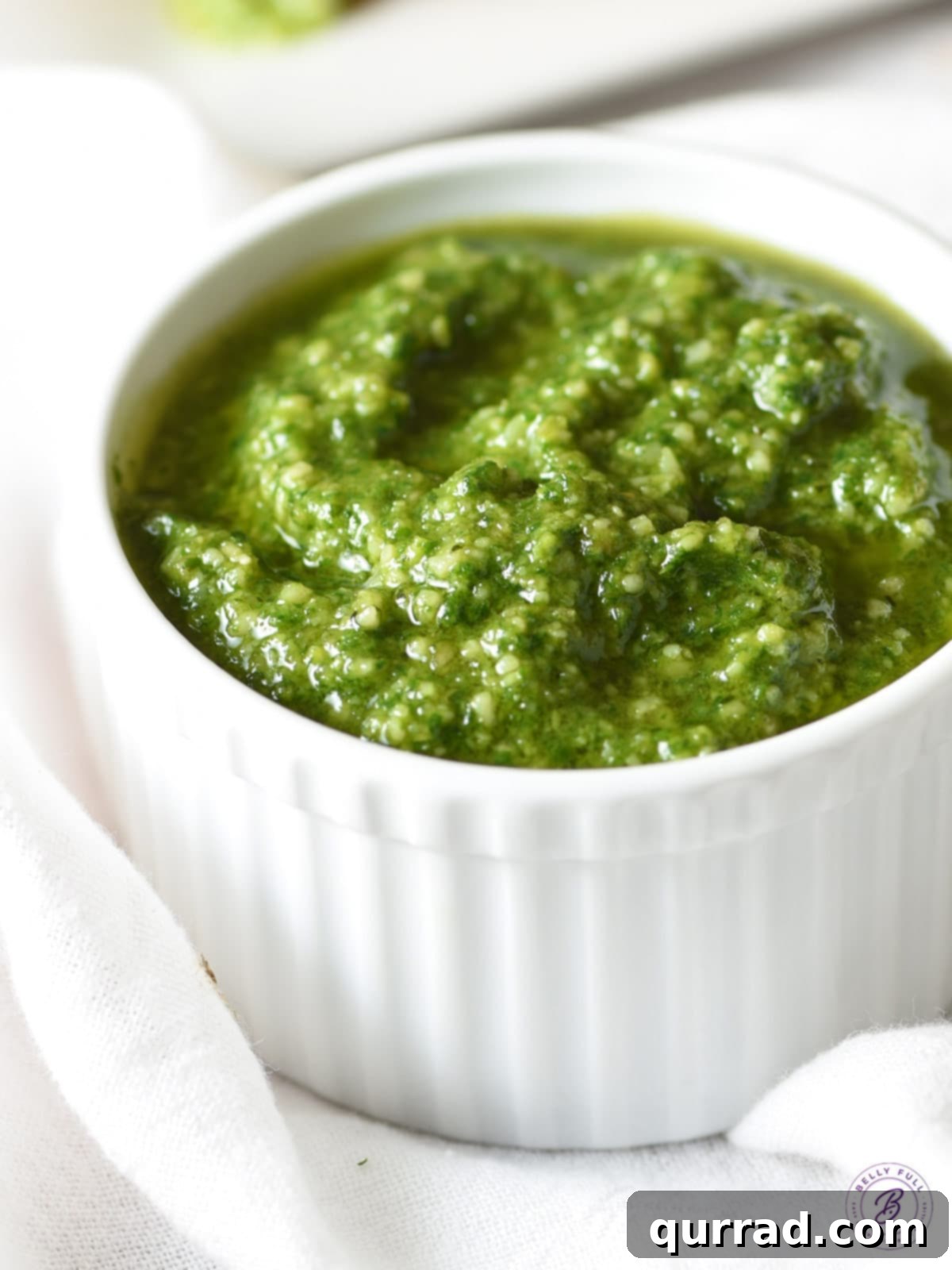
Essential Ingredients for Authentic Basil Pesto
Creating this flavorful pesto from scratch requires only a handful of fundamental, fresh ingredients. The quality of each component directly impacts the final taste, so choosing fresh, high-quality items is key to achieving that authentic, vibrant flavor. Below are the stars of our show:
- Fresh Basil Leaves: The heart and soul of classic pesto. While pesto can be adapted with various herbs, the traditional Ligurian version, known as Pesto Genovese, exclusively features sweet basil. Opt for bright green, unblemished leaves for the best flavor and aroma. Gently wash and thoroughly dry them before use to prevent a watery pesto.
- Pine Nuts: These small, buttery nuts contribute a distinctive mild, sweet, and resinous flavor that is characteristic of classic pesto. For an extra layer of depth and nuttiness, we highly recommend lightly toasting them before adding them to the food processor. This simple step unlocks their full flavor potential.
- Parmesan Cheese: Insist on freshly grated Parmigiano-Reggiano. The real deal, grated directly from a block, offers a salty, sharp, and complex umami flavor that pre-grated varieties simply cannot replicate. Its granular texture also helps bind the pesto.
- Garlic: Fresh garlic is an absolute must. Its pungent, aromatic qualities are essential for balancing the richness of the olive oil and cheese. Adjust the quantity to your personal preference; some enjoy a stronger garlic kick, while others prefer a milder hint.
- Kosher Salt: More than just a seasoning, kosher salt enhances all the other flavors in the pesto. Its coarser texture makes it easier to crush with the other ingredients in the food processor, helping to extract more flavor from the basil and garlic.
- Extra-Virgin Olive Oil: This isn’t just any oil; it’s the emulsifier that transforms the solid ingredients into a luscious, creamy sauce. Use a high-quality extra-virgin olive oil with a fruity, slightly peppery profile. Avoid regular olive oil, as its flavor won’t be as robust. The oil also contributes significantly to the pesto’s rich texture and mouthfeel.
The Simple Art of Making Homemade Pesto
You’ll be amazed at how effortlessly this homemade pesto recipe comes together. With just a few simple steps and a food processor, you can create a vibrant, flavorful sauce that rivals any Italian nonna’s. Here’s how to master this kitchen staple:
Begin by gathering all your ingredients. Place the fresh basil leaves, toasted pine nuts, chopped fresh garlic, kosher salt, and freshly grated Parmesan cheese into the bowl of your food processor. Ensure the olive oil is kept separate for now. Pulse the ingredients a few times, then process until a thick, coarse paste begins to form. You want to see the ingredients breaking down and combining, but don’t over-process into a fine powder at this stage.
Once the initial mixture is pureed, it’s time to incorporate the extra-virgin olive oil. With the food processor running on a low setting, gradually and steadily drizzle in the olive oil through the feed tube. The slow addition of oil is crucial for creating a smooth, creamy emulsion, preventing the pesto from separating and giving it that signature rich texture. As you pour, watch the pesto transform into a glossy, vibrant green sauce.
Periodically, stop the machine and use a spatula to scrape down the sides of the food processor bowl. This ensures all ingredients are evenly incorporated and prevents any bits from sticking. Pulse again briefly if needed. Finally, taste your freshly made pesto and adjust the seasoning to your liking. You might want to add a pinch more salt, or perhaps a tiny squeeze of lemon juice for brightness, although traditionally it’s not included. The perfect pesto should be balanced, savory, and bursting with fresh basil flavor.
Expert Tips and Creative Variations for Your Pesto
While the classic basil pesto recipe is a timeless masterpiece, a few tips and variations can elevate your homemade sauce even further or help you customize it to your taste and available ingredients:
- Always Toast Your Pine Nuts: While it’s not strictly mandatory, taking a few minutes to lightly toast the pine nuts in a dry skillet before adding them to the food processor makes a significant difference. Toasting brings out their natural oils, intensifying their nutty flavor and adding a wonderful depth that truly enhances the pesto.
- Scrape Down the Sides: Don’t forget this simple but important step! As you process the ingredients, some may stick to the sides of the food processor bowl. Stopping to scrape everything down with a spatula ensures all components are evenly mixed, resulting in a consistent and smooth pesto.
- Master the Olive Oil Drizzle: Patience is key when adding the olive oil. Pouring the oil too quickly can lead to a greasy, separated pesto. A slow, steady stream allows the oil to properly emulsify with the other ingredients, creating that desirable creamy, rich texture.
- Experiment with Different Nuts: If pine nuts are hard to find or you simply want to try something new, almonds or walnuts make excellent substitutes. Walnuts will give the pesto a slightly more robust, earthy flavor, while almonds offer a milder, sweeter profile. Toasting them also applies here for best results.
- Explore Alternative Cheeses: While Parmigiano-Reggiano is king, other hard, salty cheeses can be used. Pecorino Romano, with its sharper, saltier sheep’s milk tang, is a popular choice for a more assertive pesto. Asiago also works well, offering a slightly nuttier, sweeter note.
- Branch Out with Herbs: Basil is classic, but your pesto journey doesn’t have to end there. If you’re out of basil, or just craving a different flavor profile, try using an equal amount of fresh parsley or cilantro. Be aware that these will significantly alter the taste of the pesto, creating a unique new sauce perfect for different cuisines. Sun-dried tomatoes can also be added for a red pesto, or even spinach for a milder, greener hue.
- Prevent Oxidation: To keep your pesto vibrant green, especially when storing, consider stirring in a small amount of lemon juice (about a teaspoon) or adding a thin layer of olive oil on top before sealing. This helps prevent the basil from oxidizing and turning brown.
- Adjust Consistency: If your pesto is too thick, add a little more olive oil, one tablespoon at a time, until you reach your desired consistency. If it’s too thin, you can try adding a few more pine nuts or a bit more grated cheese.
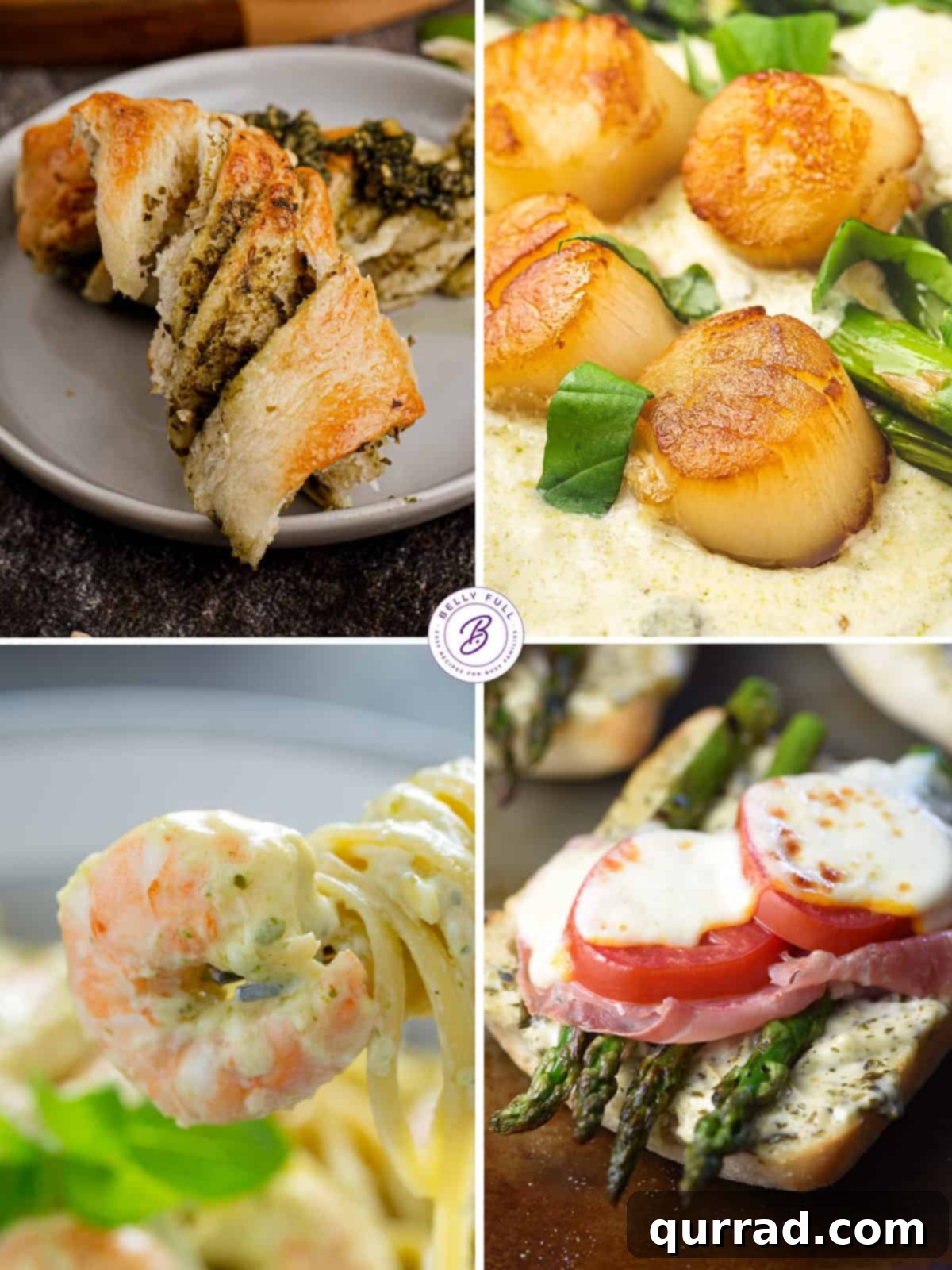
15 Delicious Ways to Enjoy Pesto Sauce Beyond Pasta
Pesto’s robust flavor and vibrant character make it a surprisingly versatile ingredient that can elevate almost any dish. Beyond tossing it with spaghetti, consider these creative applications. I often mix pesto with a little mayonnaise for an irresistible sandwich spread – it’s phenomenal! Here are 15 other delicious ways to harness the power of pesto:
- Elevate a Grilled Cheese Sandwich: Spread a thin layer on the inside of your bread before grilling for an aromatic twist on a classic. Try it with this incredible pesto grilled cheese.
- Perfect for Cheese Melts: Use it as a flavor base for savory melts, like this amazing asparagus cheese melt.
- Whisk into a Vinaigrette: Combine with olive oil, vinegar, and a touch of Dijon for a fresh, herbaceous salad dressing.
- Spread on Corn on the Cob: A dollop of pesto instead of butter adds incredible flavor to freshly grilled or boiled corn.
- Pizza Dough Sauce: Ditch the red sauce! Use pesto as the base for a gourmet pizza. Perfect for this quick and easy pizza dough.
- Make Pesto Parmesan Bread: Swirl it into dough or spread it over sliced bread for an unbelievably flavorful side, like this pesto parmesan star bread.
- Dollop on Baked Potatoes: A spoonful of pesto instantly upgrades a plain baked potato or sweet potato.
- Add to Cornbread Batter: Mix into your cornbread batter for a savory, herbaceous bread.
- Elevate a Breakfast Pizza: A unique and delicious topping for a breakfast pizza, especially with eggs and fresh tomatoes.
- Stir into Scrambled Eggs: A fantastic way to add a burst of flavor to scrambled eggs or an omelet.
- Enhance Potato Salad: Fold it into your favorite potato salad for a fresh, zesty kick.
- Mash into Herb Butter: Combine with softened butter for a compound butter that’s wonderful on steak, chicken, or vegetables, similar to herb butter.
- Whisk into Tortellini Soup: A spoonful stirred into a simple broth or a creamy tortellini soup adds brightness and depth.
- Cream Sauce for Seafood Pasta: Create a luxurious cream sauce with pesto for a delicious shrimp pesto pasta.
- Gourmet Scallops: Make this impressive yet simple scallops with pesto cream sauce recipe for a restaurant-quality meal at home.
Proper Storage for Your Homemade Pesto
One of the great advantages of homemade pesto is its excellent shelf life, particularly when stored correctly. This makes it a perfect candidate for meal prepping and preserving the taste of fresh basil throughout the year.
- Refrigerator Storage: Your freshly made pesto can be stored in an airtight container in the refrigerator for up to 5 days. To help prevent browning (oxidation) and maintain its vibrant green color, press a piece of plastic wrap directly onto the surface of the pesto before sealing the container, or pour a thin layer of extra-virgin olive oil over the top. This creates a barrier against the air.
- Freezer Storage: Pesto freezes beautifully and can last for up to 3 months in the freezer without losing its quality or flavor. There are a couple of popular methods for freezing:
- Jars or Plastic Containers: Transfer the pesto to freezer-safe jars or plastic containers, leaving a little headspace as liquids expand when frozen. Again, top with a thin layer of olive oil or plastic wrap to prevent freezer burn and preserve color.
- Ice Cube Trays: For convenient portioning, spoon the pesto into ice cube trays. Once frozen solid (usually a few hours), pop out the pesto cubes and transfer them to a freezer-safe plastic bag. This method allows you to easily grab just the amount you need for a single serving or recipe, thawing quickly when desired.
When ready to use frozen pesto, simply thaw it in the refrigerator overnight or at room temperature for a couple of hours. Stir well before serving.
More Delicious Pasta Sauce Recipes:
If you love creating your own sauces from scratch, be sure to explore these other fantastic recipes:
- Classic Homemade Spaghetti Sauce
- Easy Homemade Marinara Sauce
- Creamy Homemade Alfredo Sauce
- Hearty Slow Cooker Beef Ragu
- Rich Slow Cooker Bolognese Sauce
We hope you adore this flavorful and straightforward basil pesto recipe. Your feedback means a lot to us, so please consider leaving a review below! And for more delicious inspiration, don’t forget to follow Belly Full on TikTok, Facebook, Instagram, Pinterest, and YouTube!
Basil Pesto Recipe
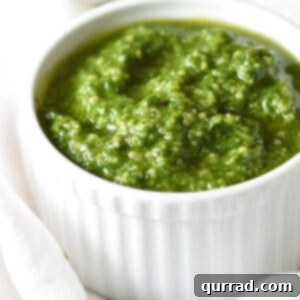
This classic Basil Pesto Recipe can elevate any pasta, sandwich, or soup! And it’s so easy to make, you may never purchase store-bought again.
Total: 10 mins
Ingredients
- 4 cups loosely packed fresh basil leaves
- 1/3 cup pine nuts, lightly toasted
- 2 cloves garlic, chopped
- 1/2 teaspoon kosher salt
- 1/2 cup freshly grated Parmesan cheese
- 1/2 cup extra-virgin olive oil
Instructions
- Place all of the ingredients (except the olive oil) in the bowl of a food processor. Process until pureed, forming a thick paste.
- With the machine running, gradually pour in the extra-virgin olive oil in a slow, steady stream, allowing it to emulsify.
- Stop blending, use a spatula to scrape down any ingredients that may be stuck to the sides of the food processor, and redistribute the pesto in the bowl. Pulse again briefly until smooth.
- Taste your fresh pesto and adjust the seasoning (such as salt) if desired.
Notes
- Toast the pine nuts if possible: While you don’t have to toast the pine nuts, it truly adds a depth of flavor and nuttiness to the pesto.
- Don’t pour the oil too fast: A slow drizzle is crucial to create a smooth, creamy emulsion and prevent the pesto from separating.
- Switch up the ingredients: Feel free to customize! Try using almonds or walnuts in place of pine nuts for a different flavor profile. Pecorino Romano, Asiago, or even a mix of hard cheeses can substitute for Parmesan. If you’re out of basil, an equal amount of fresh parsley or cilantro can be used, though this will significantly change the pesto’s taste.
- Storage: Detailed refrigerator and freezer storage information is included in the main article above for your convenience.
Nutrition
Carbohydrates: 2g |
Protein: 4g |
Fat: 19g |
Saturated Fat: 3g |
Cholesterol: 6mg |
Sodium: 242mg |
Potassium: 77mg |
Fiber: 1g |
Sugar: 1g |
Vitamin A: 687IU |
Vitamin C: 2mg |
Calcium: 92mg |
Iron: 1mg
Nutritional information given is an automatic calculation and can vary based on the exact products you use and any changes you make to the recipe. If these numbers are very important to you, I would recommend calculating them yourself.