
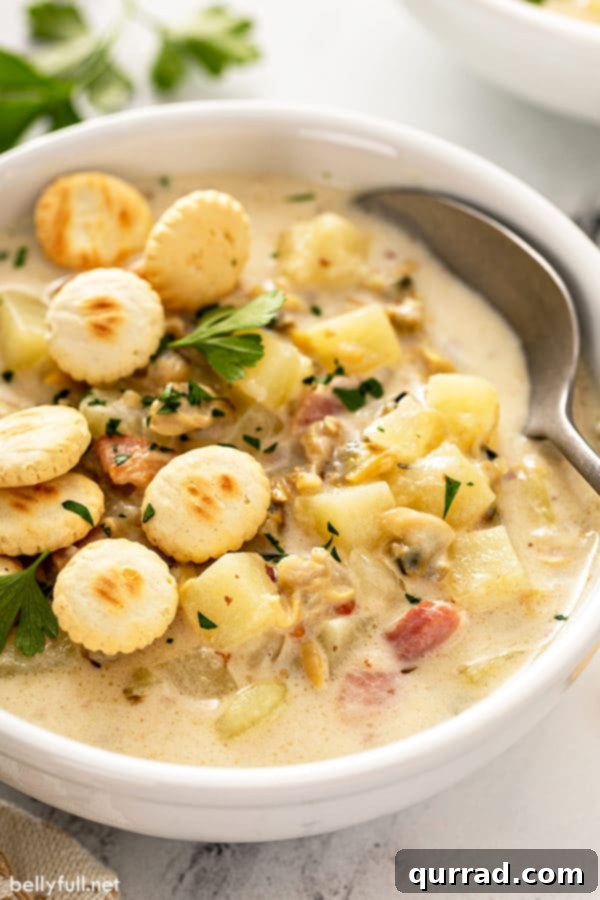
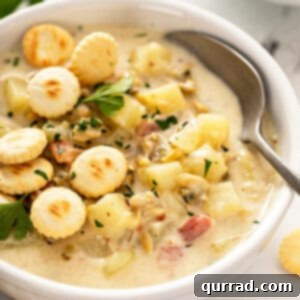
There’s nothing quite like a steaming bowl of homemade New England Clam Chowder to warm you from the inside out. This isn’t just any chowder; it’s a remarkably thick, profoundly hearty, and incredibly creamy concoction, brimming with an abundance of savory delights. Imagine succulent pieces of salty pork mingling with tender, melt-in-your-mouth potatoes, all enveloped in a rich, flavorful broth – every single spoonful is a treasure trove of texture and taste. What makes this recipe truly exceptional is its ease and speed; you can whip up a generous batch in just around 30 minutes, transforming a chilly evening into a cozy culinary experience.
While this clam chowder holds a special place, our kitchen also frequently features this delightful Easy Corn Chowder recipe, proving that a comforting, creamy soup can be enjoyed year-round, whether you’re using fresh, canned, or frozen corn.
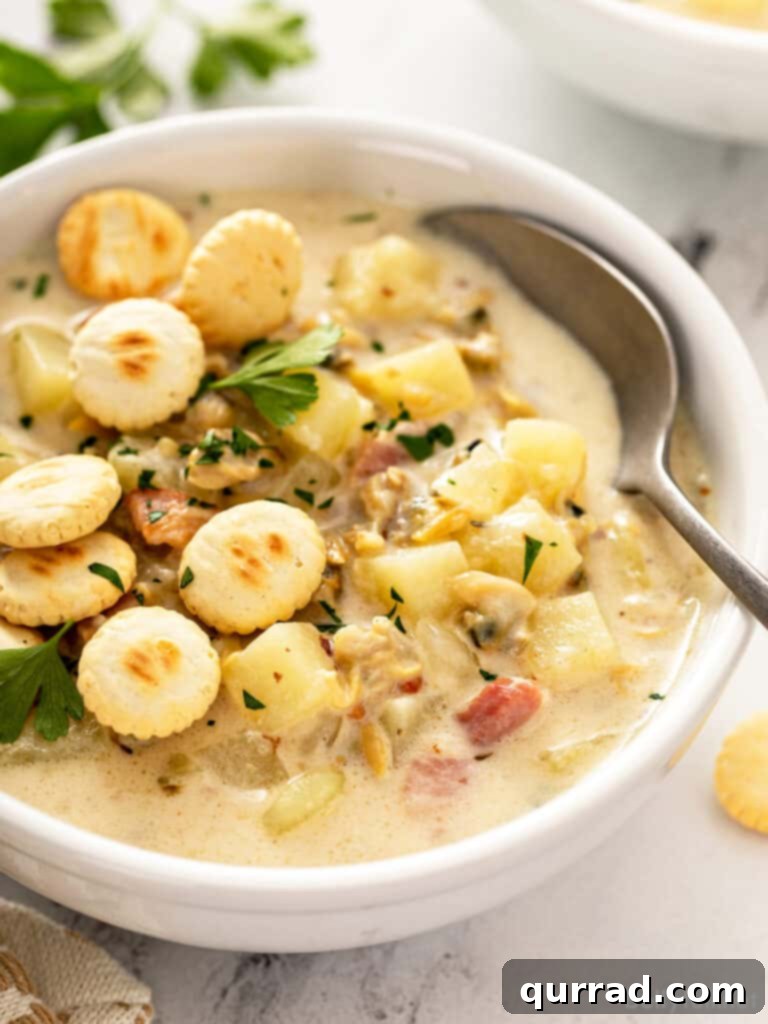
Unlocking the Secrets of Easy New England Clam Chowder at Home
The very mention of “clam chowder” often conjures images of gourmet dining or complex, time-consuming preparations. However, we’re here to demystify this classic. Crafting an authentic and utterly delicious New England Clam Chowder from the comfort of your home is far simpler than you might imagine, relying predominantly on readily available pantry staples. Forget the intimidation; prepare to impress yourself and your loved ones with a dish that tastes like it came straight from a seaside restaurant.
New England vs. Manhattan: A Tale of Two Chowders
When it comes to clam chowder, two distinct styles reign supreme: the iconic New England Clam Chowder and its vibrant cousin, Manhattan Clam Chowder. Understanding their fundamental differences is key to appreciating this particular recipe and why it remains a beloved classic.
- New England Clam Chowder (White Chowder): This is the beloved, dairy-based version, characterized by its luxurious, creamy texture and rich, comforting flavor. It typically features tender chunks of potatoes, often alongside savory pork, all swimming in a thick, velvety broth made from milk or cream. Its color is a delicate off-white, and its consistency is undeniably robust, offering a satisfying mouthfeel. This is the style we’re celebrating today – a true hug in a bowl that evokes images of quaint coastal towns.
- Manhattan Clam Chowder (Red Chowder): In stark contrast, Manhattan Clam Chowder boasts a clear, vibrant red, tomato-based broth. It’s usually much thinner in consistency and often includes a wider array of vegetables beyond just potatoes, such as carrots, celery, and sometimes bell peppers. While equally delicious in its own right, offering a lighter, tangier, and often more herbaceous profile, it’s a completely different culinary experience from its New England counterpart, appealing to a distinct palate.
For those who crave the ultimate comfort food experience, the choice is clear: New England Clam Chowder, especially this particular recipe, is the undisputed champion. What truly sets this version apart is its magnificent chunkiness. Many clam chowders can be disappointingly thin, with the broth dominating the experience and leaving you wishing for more substance. But our recipe ensures every spoonful is generously loaded with incredibly tender, buttery potatoes, perfectly rendered and flavorful salty pork, and a hearty amount of tiny, savory clams. This abundance of ingredients guarantees a satisfying, rich, and truly fulfilling meal that will leave you feeling completely content.
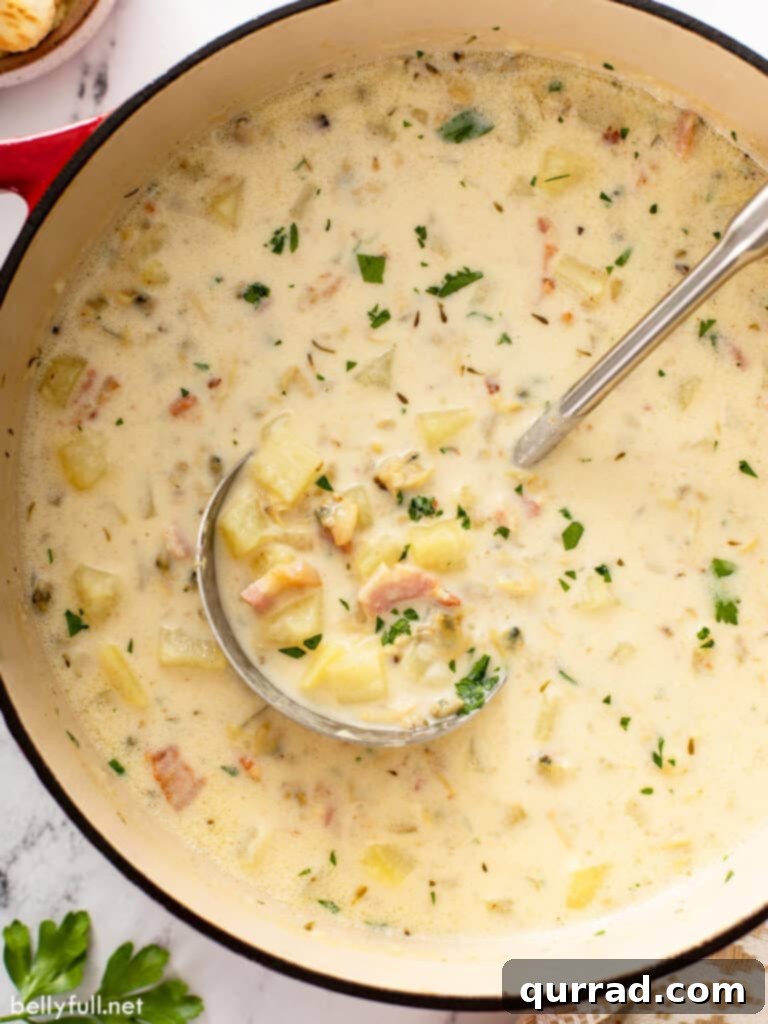
Essential Ingredients for Your Quintessential New England Clam Chowder
Crafting a truly memorable clam chowder begins with selecting the right ingredients. Here’s a detailed look at what you’ll need and why each component plays a crucial role in achieving that perfect, comforting bowl. For precise measurements, please refer to the comprehensive recipe card below.
- Clams: For this easy recipe, we confidently opt for canned whole clams. The beauty of canned clams lies not only in their sheer convenience and greater affordability compared to fresh but also, critically, in their precious juice. This reserved clam juice becomes an indispensable part of our soup broth, infusing the chowder with an authentic, deep seafood flavor that’s both potent and perfectly balanced, elevating the entire dish effortlessly.
- Salt Pork: This is arguably the secret weapon in authentic New England Clam Chowder, a savory gem often overlooked but incredibly impactful. Salt pork brings a profound depth of savory, salty, and subtly smoky flavor, and when rendered, it produces a rich fat that forms the foundational flavor and richness of our chowder. It offers a more complex and nuanced taste profile compared to bacon, although high-quality diced bacon remains a delicious and widely accepted alternative if salt pork is unavailable.
- Potatoes: We highly recommend using Yukon Gold potatoes for their superior qualities in chowder. Their naturally buttery texture and ability to hold their shape without becoming overly mushy during simmering make them ideal. However, other starchy potatoes like Russets will also work, contributing to the chowder’s thickness, or even waxy varieties, though they will yield a slightly firmer texture. Ensure they are uniformly peeled and cut into small cubes for even cooking.
- Onion and Garlic: These aromatic powerhouses are fundamental for building a robust and fragrant flavor base. Finely diced sweet onion provides a gentle sweetness and savory backbone, caramelizing slightly to deepen the chowder’s profile. Fresh minced garlic adds a pungent, irresistible aroma that signals true comfort food is on its way. Always opt for fresh garlic for the most vibrant and optimal results.
- Unsalted Butter: Primarily used to initially sauté the salt pork and onions. Since salt pork is inherently salty (hence its name!), using unsalted butter allows you precise control over the overall sodium level of your chowder, preventing it from becoming overly seasoned.
- Half-and-Half: This dairy component is absolutely key to achieving that signature creamy and luxurious texture synonymous with New England Clam Chowder. Half-and-half is essentially a blend of equal parts heavy cream and whole milk. If you desire an even richer chowder, you can use all heavy cream. For a slightly lighter version, whole milk can be used as a substitute, though be aware it will result in a slightly thinner consistency and less decadent mouthfeel.
- Low-Sodium Chicken Broth: To maintain perfect seasoning balance and prevent the chowder from becoming overly saline, a low-sodium chicken broth is preferred. This allows the natural saltiness of the clams and salt pork to shine without overpowering the dish. For a pescetarian-friendly option, a good quality vegetable broth can be seamlessly substituted.
- All-Purpose Flour: This forms the basis of a classic roux with the rendered pork fat and butter. The roux acts as a crucial thickening agent, giving the chowder its luxurious, substantial body and preventing it from being watery.
- Seasonings: A harmonious blend of spices is essential. White pepper offers a milder, more delicate heat than black pepper, making it ideal for creamy soups where a sharp peppery bite isn’t desired. Dried thyme contributes an earthy, herbaceous warmth, while Old Bay seasoning provides that classic, unmistakable seafood kick. Bay leaves are included to infuse a subtle, aromatic depth during the simmering process, then removed before serving.
- Oyster Crackers (Optional): A quintessential accompaniment! These small, crisp crackers provide a delightful textural contrast against the creamy soup and are perfect for crumbling into the chowder to soak up every last drop of its rich broth. While purely optional, they truly complete the authentic New England clam chowder experience.
- Fresh Parsley: Used as a vibrant green garnish, fresh chopped parsley not only adds a beautiful pop of color to the creamy white chowder but also contributes a fresh, herbaceous note that brightens the rich, savory flavors of the dish.
Fresh Clams vs. Canned Clams: The Practical Choice for Home Cooks
Many traditional clam chowder recipes often call for fresh clams, still in their shells, which undoubtedly offer a wonderful, briny flavor and a sense of culinary adventure. However, for a home cook seeking both convenience and outstanding flavor without the fuss, canned clams are a surprisingly superior choice, especially for this easy and approachable recipe. The benefits are compelling and numerous:
- Cost-Effective: Canned clams are significantly more affordable than their fresh counterparts, making this comforting dish accessible without requiring a special budget.
- Unmatched Ease of Use: There’s no need for the laborious process of scrubbing, steaming, or painstakingly shucking fresh clams, which can be time-consuming and messy. Canned clams are pre-cleaned, pre-cooked, and ready to go straight into your pot, saving you valuable prep time.
- Rich, Flavorful Juice: Perhaps the greatest, often underestimated, advantage of canned clams is the readily available clam juice that comes packed with them. This flavorful liquid is a powerful secret weapon in our recipe, forming the backbone of a more delicious, deeply flavored soup base. It infuses the entire chowder with an authentic, concentrated clam essence, elevating its overall taste profile effortlessly and ensuring every spoonful is imbued with genuine seafood character.
While fresh clams certainly have their place in gourmet preparations, opting for quality canned clams allows you to achieve incredible, authentic results with minimal fuss, transforming homemade clam chowder from a daunting weekend project into a delightful weeknight possibility.
Salt Pork: The Unsung Hero of Authentic Clam Chowder Flavor
In the realm of rich, savory flavors, salt pork often gets unfairly overshadowed by its more famous relative, bacon. However, for an authentic New England Clam Chowder, salt pork is undeniably the preferred ingredient, bringing a depth of flavor that is truly unparalleled and distinctly traditional. So, what exactly is this culinary gem?
Salt pork is, as its name succinctly suggests, pork that has been cured primarily with salt. It’s typically prepared from pork belly, or sometimes even fatback, and is cured for a longer period than most bacon varieties. Visually, it might resemble an uncut slab of bacon, but its composition is quite different: it’s considerably fattier and boasts a more intense, robustly salty flavor profile due to the extended and concentrated curing process. When rendered down, this ample fat contributes an incredible richness, a silky mouthfeel, and a distinct savory essence to dishes like this chowder, building layers of flavor that simply cannot be replicated by bacon alone.
You can usually find salt pork located alongside other pork products, such as diced ham, ribs, and various sausages, often sold in small blocks or slabs in the meat section of your local grocery store or specialty butcher shop. If, for any reason, you’re unable to locate this traditional ingredient, don’t despair! You can certainly substitute it with about 6 slices of thick-cut, diced bacon. While bacon will still lend a delicious smokiness and savory note to your chowder, the salt pork truly provides that deep, unparalleled traditional flavor that makes this New England Clam Chowder so authentically special and comforting.
Step-by-Step Guide: Crafting Your Perfect New England Clam Chowder
This New England Clam Chowder is remarkably simple to prepare, yet it delivers an extraordinary burst of flavor in every spoonful. Follow these detailed steps to create a hearty and satisfying meal that will impress everyone at your table. For a quick reference with exact measurements, a printable recipe card is available below.
- Prepare the Aromatics and Salt Pork: Begin by melting the unsalted butter in a large, heavy-bottomed stockpot or Dutch oven over medium-high heat. Add the diced salt pork to the pot. Cook the pork until it’s beautifully brown and crisp, rendering out its rich fat. To achieve a delicious crust, stir only a few times during this process, which typically takes about 6 minutes. Once the pork is crispy, add the finely diced sweet onion to the pot and sauté until it has softened and become translucent, which should take approximately 3 minutes. Finally, stir in the minced garlic and cook for another 30 seconds until its intoxicating aroma fills your kitchen. Be careful not to burn the garlic, as it can turn bitter.
- Create the Roux: Evenly sprinkle the all-purpose flour over the cooked salt pork, onion, and garlic mixture in the pot. Stir continuously for about 1 minute, ensuring the flour is thoroughly cooked and lightly browned. This step is crucial for thickening the chowder and eliminating any raw flour taste. Keep stirring until no white patches of uncooked flour remain, forming a smooth paste.
- Combine Liquids, Potatoes, and Seasonings: Carefully add the peeled and uniformly cubed potatoes, half-and-half, low-sodium chicken broth (or vegetable broth for a pescetarian option), the reserved clam juice from the canned clams, Old Bay seasoning, white pepper, dried thyme, and bay leaves into the pot. Stir all the ingredients gently to ensure they are well combined.
- Simmer to Perfection: Bring the entire mixture to a gentle simmer, making sure to actively scrape up any delicious brown bits (known as “fond”) from the bottom of the pot with your spoon or spatula. These bits are packed with concentrated flavor and will significantly deepen the taste of your chowder. Once simmering, reduce the heat to medium-low and continue to cook gently, allowing the chowder to thicken and the flavors to meld beautifully, until the potatoes are fork-tender. This process usually takes about 10-12 minutes, but cooking time may vary depending on the size of your potato cubes. Before proceeding, remember to carefully discard the bay leaves, as their flavor has already been imparted.
- Add the Clams: Once the potatoes are perfectly tender, add the drained whole clams to the chowder. Stir them in gently and cook for just 1 minute longer to warm them through. It’s important not to overcook the clams at this stage, as they can quickly become rubbery if heated for too long. Taste the chowder and adjust seasonings (adding more salt or white pepper, if necessary) to achieve your desired flavor balance.
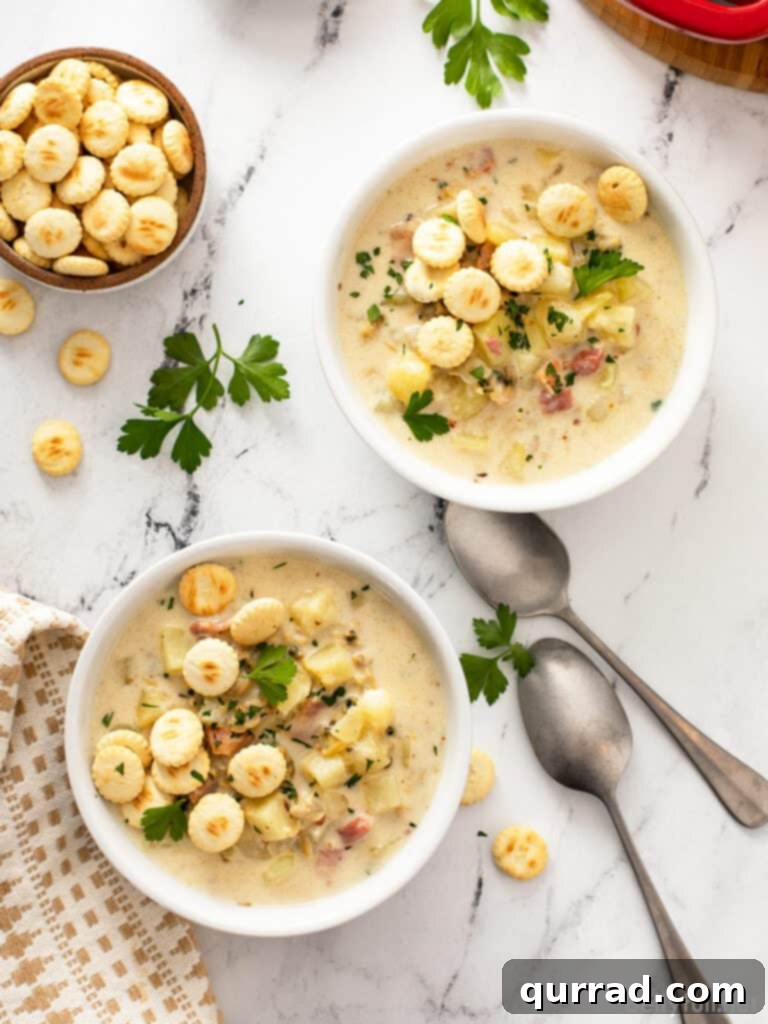
- Serve and Garnish: Ladle generous portions of the hot, creamy New England Clam Chowder into individual bowls. For the ultimate authentic experience and added texture, top each serving with a handful of crispy oyster crackers. Finish with a fresh sprinkle of chopped parsley for a vibrant burst of color and a fresh, herbaceous counterpoint to the rich, creamy flavors. Serve immediately and savor every comforting spoonful!
Storing and Reheating Your Homemade Clam Chowder
Having leftover New England Clam Chowder is truly a treat, and knowing how to properly store and reheat it ensures you can enjoy its comforting flavors for days to come without compromising its quality.
How Long Does Clam Chowder Last?
Once your delicious homemade clam chowder has cooled completely to room temperature (this is crucial for food safety), transfer it to an airtight container. Stored properly, it can be safely kept in the refrigerator for up to 3 days. Beyond this timeframe, the quality and freshness of the ingredients may begin to diminish, so it’s best enjoyed within these parameters.
Can You Freeze Clam Chowder?
While you *can* freeze dairy-based soups like clam chowder, it’s generally not the preferred method for preserving its optimal texture and appearance. Upon thawing, the dairy components (like half-and-half) tend to separate, resulting in a somewhat cloudy or grainy broth. Additionally, the potatoes may become mushy or develop an undesirable texture, and the clams themselves might become tougher. However, if freezing is your only option for preservation, ensure it’s stored in an airtight, freezer-safe container, leaving some headspace for expansion. It will keep well in the freezer for up to 2 months. To reheat, always thaw it overnight in the refrigerator before gently warming.
How to Reheat Clam Chowder
The best way to reheat clam chowder is slowly and gently to prevent the dairy from curdling and to maintain its creamy consistency. For larger batches, reheat the chowder on the stovetop over low heat, stirring frequently, until it is warmed through. Avoid bringing it to a rolling boil. For individual portions, the microwave works well; heat in short intervals (30-60 seconds), stirring thoroughly in between each interval, until it reaches your desired temperature. If the chowder has thickened too much in the refrigerator, you might want to add a splash of milk or half-and-half while reheating to restore its original creamy texture.
More Comforting Soup Recipes to Explore:
If you’ve fallen in love with the rich, comforting flavors of this New England Clam Chowder, you’ll surely enjoy these other hearty and flavorful soup recipes, perfect for any occasion and designed to bring warmth to your table:
- Classic French Onion Soup: A timeless favorite with caramelized onions and a cheesy crouton.
- Hearty Zuppa Toscana: A rich, creamy, and satisfying Italian-inspired soup.
- Nourishing Chicken Noodle Soup: The ultimate cold-weather comfort, homemade and delicious.
- One-Pot Beef Stroganoff Soup: All the flavors of a classic stroganoff in a cozy soup form.
- Savory Sausage and Tortellini Soup: A quick and flavorful soup packed with pasta and greens.
- Creamy Easy Tomato Soup: Simple, elegant, and perfect with grilled cheese croutons.
We truly hope you adore this easy and incredibly delicious New England Clam Chowder recipe. Your feedback is valuable, so please consider leaving a review below to share your experience with us and other home cooks! Don’t forget to connect with Belly Full across our social media platforms to stay updated with more fantastic, family-friendly recipes: TikTok, Facebook, Instagram, Pinterest, and YouTube!
Easy New England Clam Chowder
15 mins
20 mins
35 mins
6
Pin
Ingredients
- 2 tablespoons unsalted butter
- 1/2 cup diced salt pork
- 1 medium sweet onion, finely diced
- 1 clove garlic, minced
- 2 tablespoons all-purpose flour
- 2 large potatoes, peeled and cut into small cubes (Yukon Gold recommended)
- 2 cups half-and-half (or whole milk)
- 1 cup low-sodium chicken broth (or vegetable broth)
- 14 ounce (2, 7 ounce cans) whole clams, drained, juice reserved
- 1/4 teaspoon Old Bay seasoning
- 1/4 teaspoon dried thyme
- 1/8 teaspoon white pepper
- 2 bay leaves
- Oyster crackers, for serving
- Fresh chopped parsley, for garnish
Instructions
-
In a large stockpot or Dutch oven, melt the butter over medium-high heat.
-
Add the salt pork and cook until brown and crispy, only stirring a few times so it develops a nice crust, about 6 minutes.
-
Add in the onion and sauté until softened, about 3 minutes. Add in the garlic and stir for 30 seconds until fragrant.
-
Stir in the flour until cooked off and lightly browned, about 1 minute.
-
Add in the potatoes, half-and-half, chicken stock, clam juice, Old Bay, white pepper, thyme, and bay leaves.
-
Bring to a simmer, scraping up any brown bits from the bottom of the pot. Reduce the heat to medium and simmer until the potatoes are tender, about 10 minutes.
-
Discard the bay leaves.
-
Add the clams and cook for 1 minute longer to warm them through. Taste, and adjust seasoning if necessary.
-
Ladle the soup into bowls and top with some crackers and a sprinkle of fresh chopped parsley.
Notes
- Half-and-half is equal parts heavy cream and whole milk.
- You can sub in 6 slices of diced bacon for the salt pork, if desired.
- Cooking time may need to be adjusted depending on the size of your potato cubes.
- Leftovers will keep in an airtight container in the refrigerator for 3 days.
- For more information and tips, refer to the full article above.
Nutrition Information (per serving)
Carbohydrates: 26g |
Protein: 10g |
Fat: 36g |
Saturated Fat: 17g |
Cholesterol: 67mg |
Sodium: 882mg |
Potassium: 731mg |
Fiber: 4g |
Sugar: 3g |
Vitamin A: 432IU |
Vitamin C: 18mg |
Calcium: 138mg |
Iron: 5mg
Nutritional information is an automatic calculation and can vary based on the exact products you use and any changes made to the recipe. If precise numbers are crucial, we recommend calculating them independently.