
Mastering the Art of the Perfect Omelette: A Culinary Journey from Pan to Plate
Whether you’re craving a quick breakfast, a satisfying brunch, or a light dinner, the humble omelette stands as a testament to culinary simplicity and versatility. Easy to whip up at home, this classic egg dish is not only delicious but also an ingenious way to transform leftover ingredients into a fresh, flavorful meal. If you’ve ever mastered the art of fluffy scrambled eggs, then the perfect omelette is well within your grasp.

Creating a restaurant-quality omelette in your own kitchen is a skill that’s far more accessible than many believe. While there are a few nuanced tricks to achieving that ideal texture and fold, these techniques are easily learned and perfected by any home cook, even after just a couple of attempts. This guide will walk you through everything you need to know, from selecting the right ingredients to mastering the cooking process, ensuring your omelettes are consistently light, fluffy, and utterly delicious.
Omelette or Omelet? Unraveling the Spelling and Style
You might have seen it spelled both “omelette” and “omelet,” and the good news is, both are correct! The original culinary creation hails from France, hence the French spelling “omelette.” Over time, as the dish traveled and gained popularity, particularly in America, the spelling was simplified to “omelet.” While the basic ingredients—primarily eggs—remain consistent, the techniques employed in preparing a French omelette versus an American omelet present distinct stylistic differences.
A classic French omelette is renowned for its incredibly soft, creamy interior and smooth, rolled exterior. It begins with vigorously beaten eggs poured into a hot, buttered pan, then gently and continuously shaken to encourage the curds to form softly. The pan is tilted, the eggs are pushed, and ultimately, the omelette is delicately rolled into an elongated log shape, often left slightly runny in the center for that signature melt-in-your-mouth texture. Fillings, if any, are usually added after cooking or served alongside, maintaining the omelette’s pristine egg-forward essence.
In contrast, an American-style omelet typically aims for a slightly fluffier, more substantial texture, and is often folded in half to enclose a generous array of fillings. The process starts similarly with beaten eggs in a pan, but as the edges set, they are gently lifted with a spatula, allowing the uncooked egg to flow underneath. This technique, reminiscent of making delicate crepes, creates a more even cook. Once mostly set but still tender, the fillings are added to one half before it’s neatly folded over, creating a hearty and satisfying meal.

The Foundation: Essential Omelette Ingredients
The beauty of an omelette lies in its simplicity, making the quality of its core ingredients paramount. While you can opt for a plain omelette, adding fresh vegetables, aromatic herbs, or savory cheeses elevates it to a truly gourmet experience. For this foundational recipe, we’re embracing the timeless combination of fresh herbs and sharp cheddar cheese—a simple, classic, and undeniably delicious pairing that highlights the eggs beautifully.
To craft this perfect omelette, you will need:
- 2 large eggs: Always aim for the freshest eggs you can find. Freshness contributes significantly to both flavor and texture. For optimal fluffiness, consider bringing your eggs to room temperature before cooking, as this allows them to incorporate more air when beaten.
- 1 tablespoon unsalted butter: Butter is crucial not just for preventing sticking, but for imparting a rich, irresistible flavor. Unsalted butter gives you control over the overall seasoning of your dish.
- 2 tablespoons freshly grated cheddar cheese: The distinction between freshly grated and pre-shredded packaged cheese is vital. Pre-shredded cheeses often contain anti-caking agents that prevent them from melting smoothly and can affect the texture of your omelette. Freshly grated cheese melts beautifully, creating a creamy, luscious filling.
- 1 tablespoon diced fresh parsley: Fresh herbs add a burst of color and a vibrant, earthy flavor. Parsley is a classic choice, offering a clean, peppery note.
- 1 tablespoon diced scallions: Also known as green onions, scallions provide a mild, oniony flavor and a delicate crunch that complements the eggs and cheese perfectly.
These ingredients form the base of an incredibly flavorful omelette. Remember, the fresher the ingredients, the more exquisite your final dish will be.
Crafting the Perfect American-Style Omelette: Step-by-Step Guide
Embrace the warmth and comfort of a perfectly cooked American-style omelette with this detailed, easy-to-follow recipe. We’ll focus on achieving that desirable fluffy texture and golden-brown exterior, filled with savory cheese and fresh herbs. Even if you’re a novice in the kitchen, these steps are designed for success.
- Prepare Your Eggs: In a medium-sized bowl, crack your two large eggs. Using a fork, vigorously beat the eggs until the yolks and whites are fully combined and no streaks remain. The goal here isn’t to create excessive foam, but rather to incorporate enough air to achieve a light, fluffy texture. This step is critical for a tender omelette, so don’t rush it.
- Melt the Butter: Place an 8-inch round nonstick skillet over medium-low heat. Add the unsalted butter and allow it to melt completely, swirling the pan to ensure the entire surface is coated. The key is to melt the butter without letting it brown, as browned butter can impart an undesirable flavor and color to your delicate eggs. A proper nonstick pan is your best friend here, as it ensures your omelette releases effortlessly.
- Add the Eggs: Once the butter is melted and the pan is perfectly coated, pour the beaten eggs into the skillet. Let them cook undisturbed for about 30 seconds to 1 minute, or until you notice the edges just beginning to set and turn opaque. Resist the urge to stir!
- Begin the Scramble-Fold: With a heat-resistant silicone spatula, gently push the cooked edges of the omelette toward the center of the pan. As you do this, tilt the pan slightly to allow any uncooked liquid egg to flow into the empty spaces created at the edge. This technique helps to cook the omelette evenly and creates those characteristic soft curds.
- Repeat and Cook Evenly: Continue this process of pushing and tilting for approximately 3 to 5 minutes. Repeat until the eggs are mostly set but still appear slightly soft and moist in the very center. It’s crucial to keep the heat at medium-low to prevent the underside from browning too quickly or becoming rubbery. Patience is key to a perfectly tender omelette.
- Add Fillings: Once the omelette is nearly set, sprinkle the freshly grated cheddar cheese and diced fresh parsley and scallions in a neat line down the center. Allow the fillings to warm and the cheese to begin melting for about 1 minute. The residual heat from the eggs will finish cooking them to perfection.
- The Fold: Slide your spatula gently around one side of the omelette to loosen it from the pan. Carefully slip the spatula underneath that loosened side. With a steady hand, use the spatula to fold the omelette neatly in half, enclosing the delicious fillings.
- Transfer and Serve: Carefully slide the spatula under the folded omelette to ensure it’s fully detached from the pan. Tilt the skillet over a warm plate and, with a gentle nudge from your spatula, slide the beautiful omelette onto the plate. Serve immediately to enjoy its warmth and perfect texture.
Following these steps will result in a perfectly cooked, beautifully folded American-style omelette every time. Remember, practice makes perfect, and each omelette you make will get better and better!

Pro Tips for Omelette Perfection: Achieving Fluffiness and Flavor
While the basic steps are straightforward, a few expert tips can elevate your omelette from good to extraordinary. Paying attention to these details will ensure consistently fluffy, tender, and perfectly cooked results.
- The Right Number of Eggs: For beginners, starting with 2 large eggs, as in this recipe, is ideal. It’s easier to manage in the pan and perfect the technique. Once you feel confident, you can challenge yourself with 3 eggs for a more substantial omelette. Remember, more eggs might require a slightly larger pan.
- Choosing the Best Pan: The right skillet is paramount. For a 2-egg omelette, an 8-inch nonstick frying pan with gently sloped sides is perfect. If you’re scaling up to a 3-egg omelette, a 9-inch pan will provide ample space. Nonstick is non-negotiable for easy release and a flawless finish, and sloped sides aid in the folding process.
- Mastering the Heat: Always cook your eggs over medium-low heat. High heat is the enemy of a tender omelette; it cooks the eggs too quickly, leading to a rubbery texture and excessive browning. Be patient and allow the eggs to cook gently and evenly. This slow, controlled heat is key to achieving that desirable soft, moist interior.
- Prepare Fillings in Advance: “Mise en place” is crucial for omelette success. Have all your fillings — cheese, herbs, pre-cooked vegetables, or meats — chopped and ready to go before you even crack an egg. Once the eggs hit the pan, the cooking process moves quickly, and you won’t have time to chop ingredients.
- Avoid Overstuffing: When it comes to fillings, less is often more. For a 2-egg omelette, about 1/3 to 1/2 cup of total filling is usually sufficient. Overstuffing can make your omelette difficult to fold, lead to tearing, or result in an unevenly cooked dish. If you have extra fillings, simply serve them on top of your cooked omelette once it’s on the plate.
- Seasoning Strategy: Season your beaten eggs with salt and pepper just before pouring them into the pan. Adding salt too early can sometimes affect the egg’s texture by drawing out moisture.
- Don’t Overcook: The ideal omelette should be set on the outside but still slightly moist and tender in the center. It shouldn’t be dry or browned excessively. Trust your instincts and remove it from the heat when it still looks just a touch underdone; it will continue to cook slightly from residual heat.
Troubleshooting Your Omelette: Common Issues and Solutions
Even with the best intentions, omelettes can sometimes present challenges. Here’s how to address common issues and ensure your next omelette is a triumph:
Why Didn’t It Turn Out Fluffy?
Fluffiness in an omelette comes primarily from two factors: incorporating air into the eggs and using the correct pan size. If your omelette isn’t as fluffy as you’d like, consider these points:
- Insufficient Whisking: Air is a crucial component of a fluffy omelette. Make sure you beat your eggs thoroughly with a fork or whisk until they are well combined and slightly aerated. However, don’t over-whisk to the point of creating a frothy meringue-like consistency; a good blend with a few small bubbles is perfect.
- Incorrect Pan Size: This is a common culprit. For two eggs, an 8-inch round nonstick pan is ideal. If your pan is too large (e.g., a 10-inch skillet for only two eggs), the egg mixture will spread too thinly, resulting in a flat, thin omelette rather than a fluffy one. Conversely, a pan that’s too small can lead to an overly thick omelette that cooks unevenly.
Why Is My Omelette Rubbery or Dry?
A rubbery or dry omelette is a sign of overcooking or too high heat. Eggs cook quickly, and excessive heat or prolonged cooking time will inevitably lead to a tough texture. Always use medium-low heat and remove the omelette from the pan when it’s still slightly moist in the center.
Why Does My Omelette Stick to the Pan?
If your omelette is sticking, there are usually two reasons: either your pan isn’t truly nonstick, or you haven’t used enough butter. Ensure your nonstick pan is in good condition (scratches can reduce its effectiveness), and always melt a generous tablespoon of butter, swirling it to coat the entire cooking surface before adding the eggs.
Why Did My Omelette Tear When I Folded It?
Tearing often happens when an omelette is either overcooked (making it brittle) or overstuffed. Ensure your omelette is still slightly pliable when you add the fillings and attempt the fold. Also, be mindful of the quantity of fillings; aim for a balanced amount that the egg can comfortably encase.
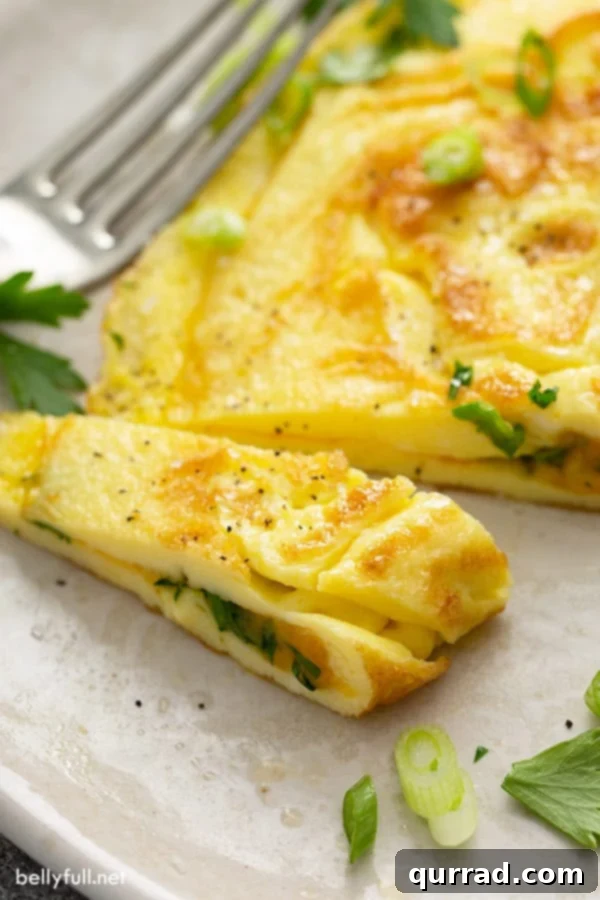
Unleashing Creativity: What to Put in an Omelette
While a simple cheese and herb omelette is undeniably satisfying, the true magic of this dish lies in its boundless potential for customization. An omelette is the ultimate canvas for culinary creativity, allowing you to experiment with flavors and textures. It’s also an excellent way to use up those last bits of cheese or leftover ingredients in your fridge. Here are some inspiring ideas to make every omelette a unique experience:
- Glorious Cheeses: Beyond cheddar, a variety of cheeses can elevate your omelette. Consider creamy Monterey Jack, tangy goat cheese (especially delightful with spinach), sharp feta, or a blend of Gruyère and Parmesan for a truly decadent touch. Soft cheeses like cream cheese or mascarpone can also add a unique richness.
- Vibrant Vegetables: The options are endless! Sliced mushrooms (sautéed until golden), finely chopped bell peppers (red, yellow, or green for color and sweetness), diced onions (caramelized for depth of flavor), or tender cubed potatoes (great when pre-roasted). Always remember to sauté firmer vegetables like onions, peppers, and mushrooms beforehand to soften them and enhance their flavor before adding them to the omelette.
- Fresh from the Garden: Light and healthy additions can brighten any omelette. Try thinly sliced avocado (added just before serving), fresh spinach (wilted briefly in the pan), or halved cherry tomatoes. For a Mediterranean twist, leftover ratatouille makes an incredible filling, bursting with savory vegetable flavors.
- Hearty Meat Lovers: For those who prefer a more substantial meal, cooked meats are a fantastic addition. Crispy cooked and crumbled bacon, diced ham, sautéed sausage, or even thinly sliced smoked salmon can transform your omelette into a hearty feast. Ensure any meat additions are fully cooked and chopped into small pieces for even distribution.
- Classic Combinations:
- Western Omelette: A timeless favorite, typically featuring a savory blend of diced green bell pepper, onion, and ham.
- Denver Omelette: Similar to the Western, but often distinguished by the inclusion of Canadian bacon and cheddar cheese, offering a slightly different flavor profile.
- Global Inspirations:
- Mexican-Inspired: Add a spoonful of salsa, a sprinkle of black beans, and some crumbled queso fresco.
- Mediterranean: Combine feta cheese, Kalamata olives, sun-dried tomatoes, and a pinch of oregano.
- Asian Fusion: Try sautéed mushrooms, a touch of soy sauce, and a sprinkle of sesame seeds.
Don’t be afraid to experiment with what you have on hand. The beauty of the omelette is its adaptability. Use your imagination, combine flavors you love, and have fun creating your signature omelette!
Serving Your Perfect Omelette
A beautifully made omelette, fresh off the pan, is a star in itself. Serve it immediately to fully appreciate its tender texture and warm, melted fillings. While it can certainly stand alone, pairing your omelette with a few simple sides can create a complete and delightful meal.
Consider serving your omelette alongside:
- Toasted artisanal bread or a warm croissant
- A simple side salad with a light vinaigrette
- Crispy bacon strips or savory breakfast sausage
- Fresh fruit salad for a refreshing contrast
- A steaming cup of coffee or freshly squeezed orange juice
- Homemade hash browns or roasted potatoes
The choice of accompaniment depends on your mealtime and personal preference, but remember, the omelette is the main event!
Explore More Classic Egg Preparations
Once you’ve mastered the omelette, you might find yourself eager to explore other delightful ways to prepare eggs. Each method offers a unique texture and flavor profile, perfect for any occasion:
- Perfect Hard Boiled Eggs: Ideal for meal prep, salads, or a simple snack.
- Easy Poached Eggs: The epitome of elegance, perfect for Eggs Benedict or atop avocado toast.
- The BEST! Scrambled Eggs: Fluffy, creamy, and a breakfast staple for a reason.
Recipe: How to Make an Omelette
Prep Time: 2 mins
Cook Time: 5 mins
Total Time: 7 mins
Servings: 1

Enjoy a simple, classic omelette for breakfast, brunch, or dinner – incredibly easy to make at home, versatile, and excellent for utilizing leftovers.
Ingredients
- 2 large eggs
- 1 tablespoon unsalted butter
- 2 tablespoons freshly grated cheddar cheese (grated fresh, not pre-shredded packaged)
- 1 tablespoon diced fresh parsley
- 1 tablespoon diced scallions
Instructions
- In a bowl, beat the eggs with a fork until fully combined, fluffy, and no streaks remain.
- In an 8-inch round nonstick skillet over medium-low heat, melt the butter. Swirl to coat the pan.
- Add the beaten eggs to the skillet and cook, without stirring, until the edges just begin to set, about 30 seconds to 1 minute.
- With a silicone spatula, gently push the cooked edges toward the center of the pan and tilt the pan so the uncooked liquid eggs move to the edge and cook.
- Repeat this pushing and tilting motion until the eggs are somewhat set but still a little soft and moist in the center, which typically takes about 5 minutes. Ensure the underside isn’t browning too much.
- Place the cheese, parsley, and scallions in a line down the center of the omelette. Cook for approximately 1 minute longer, or until the cheese is melted and the eggs are mostly set but still slightly soft in the middle.
- Slide the spatula around one side of the omelette at the edge to loosen it from the pan. Carefully slip the spatula under the eggs and use it to fold the omelette neatly in half.
- Slip the spatula under the folded omelette again to ensure it’s fully detached. Tilt the pan over a warmed plate and use the spatula to gently nudge the omelette onto the plate. Serve immediately.
Notes
For more detailed cooking tips, variations, and troubleshooting advice, please refer to the full article above.
Nutrition
Nutritional information provided is an automatic calculation and may vary based on the specific products you use and any modifications made to the recipe. If precise nutritional values are critical for you, we recommend calculating them independently.