
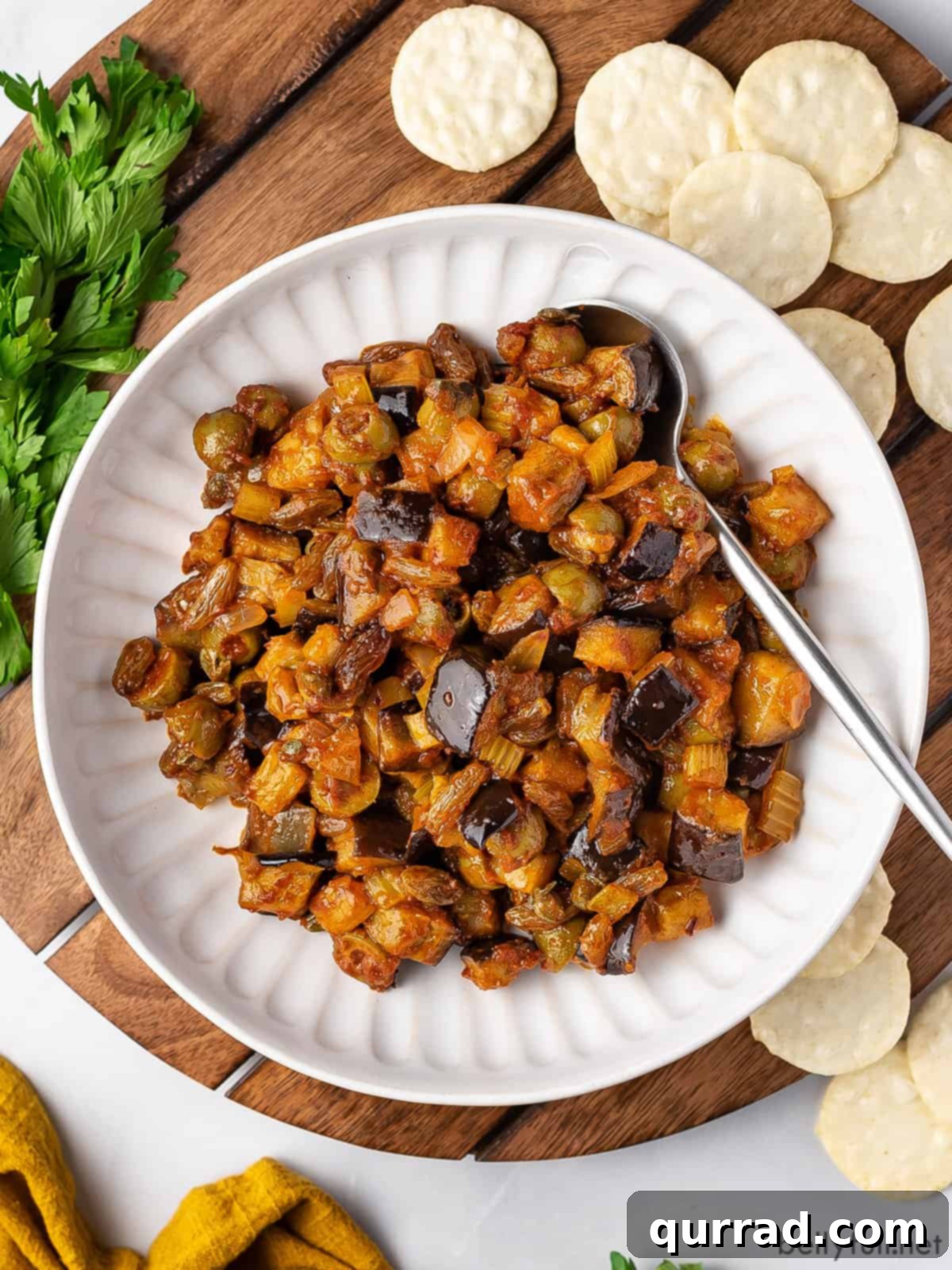
Welcome to the enchanting world of Sicilian cuisine, where vibrant flavors and rich culinary traditions come alive. Among its many treasures, Caponata stands out as a true Mediterranean gem. This delightful dish combines the creamy texture of chopped eggplant with a medley of fresh vegetables, all harmoniously balanced by the salty tang of olives and capers, and a rich, zesty tomato-vinegar base. It’s a flavor-packed experience that promises to tantalize your taste buds!
Whether you’re seeking a versatile appetizer for your next gathering, a sophisticated side dish for a family meal, or a light, satisfying snack in the afternoon, Caponata fits the bill perfectly. Moreover, this traditional Sicilian relish is naturally gluten-free, dairy-free, vegetarian, and even vegan, making it an inclusive culinary delight that everyone at your table can enjoy.
What is Caponata? Exploring the Sicilian Delicacy
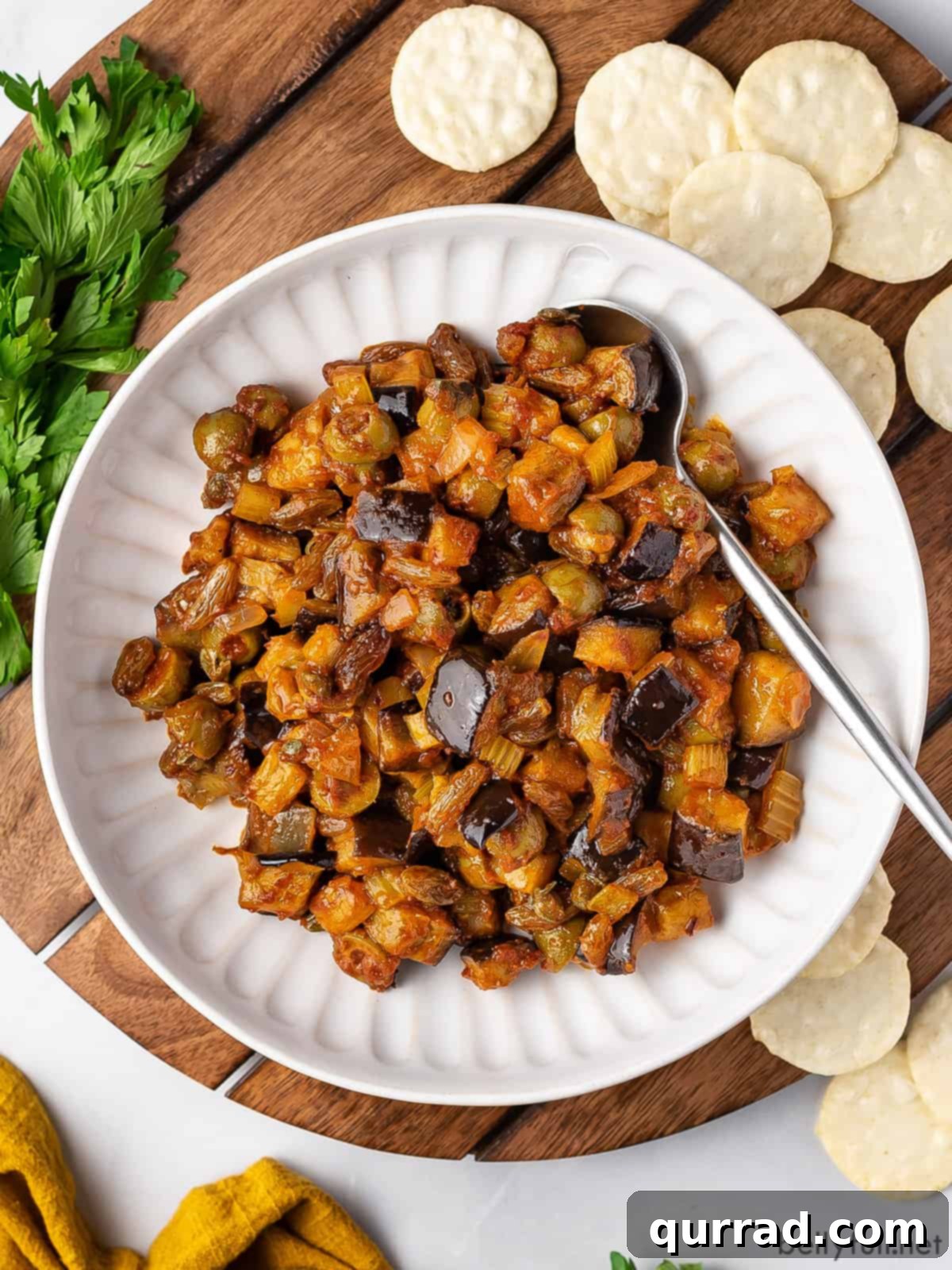
Caponata, pronounced ka-puh-naa-tuh, is much more than just an eggplant salad or relish; it’s a testament to the diverse cultural influences that have shaped Sicilian cooking for centuries. Originating from Sicily, this beloved dish is a staple in Mediterranean kitchens, celebrated for its complex flavor profile and incredible versatility.
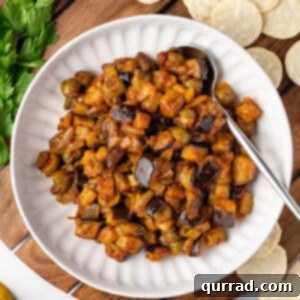
At its heart, Caponata is a vibrant mix of finely diced eggplant, sweet onions, crisp celery, and ripe tomatoes. What truly distinguishes it, however, are the briny additions of salty olives and pungent capers, along with the signature *agrodolce* (sweet and sour) balance achieved through the careful incorporation of vinegar and, in many recipes, a touch of brown sugar. This delicate interplay of flavors is what makes Caponata so captivating.
The history of Caponata dates back to ancient times, with roots possibly tracing to Arabic culinary traditions that heavily influenced Sicilian gastronomy. The term “agrodolce” itself speaks to this heritage, reflecting a cooking philosophy that expertly blends opposing tastes. While many traditional versions include raisins – as does the recipe we’re sharing today – regional variations are plentiful. Some might incorporate bell peppers, pine nuts, or even a hint of cocoa, showcasing the dish’s adaptability across different Sicilian households and towns.
This particular eggplant Caponata recipe is a treasured family heirloom, passed down through generations. It was a weekly staple during the Jewish holiday of Passover in my childhood home. While I confess it wasn’t my favorite as a kid, my adult palate has since embraced its incredible depth and richness. Now, I find myself making it year-round, especially enjoying it as a satisfying and wholesome afternoon snack. It’s a wonderful example of how tastes evolve and classic dishes find new appreciation.
Caponata vs. Ratatouille: Unpacking the Differences
Many culinary enthusiasts often compare Caponata to Ratatouille, frequently describing Caponata as the Sicilian counterpart to the classic French Ratatouille. While they share a superficial resemblance as vegetable-forward dishes cooked in a tomato base, their distinct origins, ingredients, preparation methods, and typical servings set them apart.
Ratatouille, hailing from the sunny French region of Provence, is often characterized by its inclusion of zucchini and bell peppers alongside eggplant, tomatoes, and herbs. It is typically cooked down into a rich, savory stew, which can be served as a side dish, a main course, or even a base for other meals. Its flavors are generally herbaceous and savory, relying on garlic, onions, and Provence herbs for its aromatic profile.
Caponata, on the other hand, is distinctly Sicilian. While it shares eggplant and tomatoes, it notably omits zucchini and places a stronger emphasis on celery and the signature briny elements of olives and capers. The most striking difference lies in Caponata’s characteristic *agrodolce* flavor – a deliberate and pronounced balance of sweet (from brown sugar and raisins) and sour (from red wine vinegar, olives, and capers). Furthermore, the eggplant in Caponata is often fried separately to achieve a specific texture before being combined with other ingredients, contributing to a more textural and less stew-like consistency. Caponata is predominantly enjoyed as an appetizer or relish, rather than a main course.
Both dishes are undeniably excellent, celebrating summer’s bounty with hearty vegetables. However, Caponata’s robust, sweet-and-sour punch and its role as a vibrant antipasto distinguish it as a unique and unforgettable Mediterranean creation.
Essential Caponata Recipe Ingredients: The Heart of Sicilian Flavor
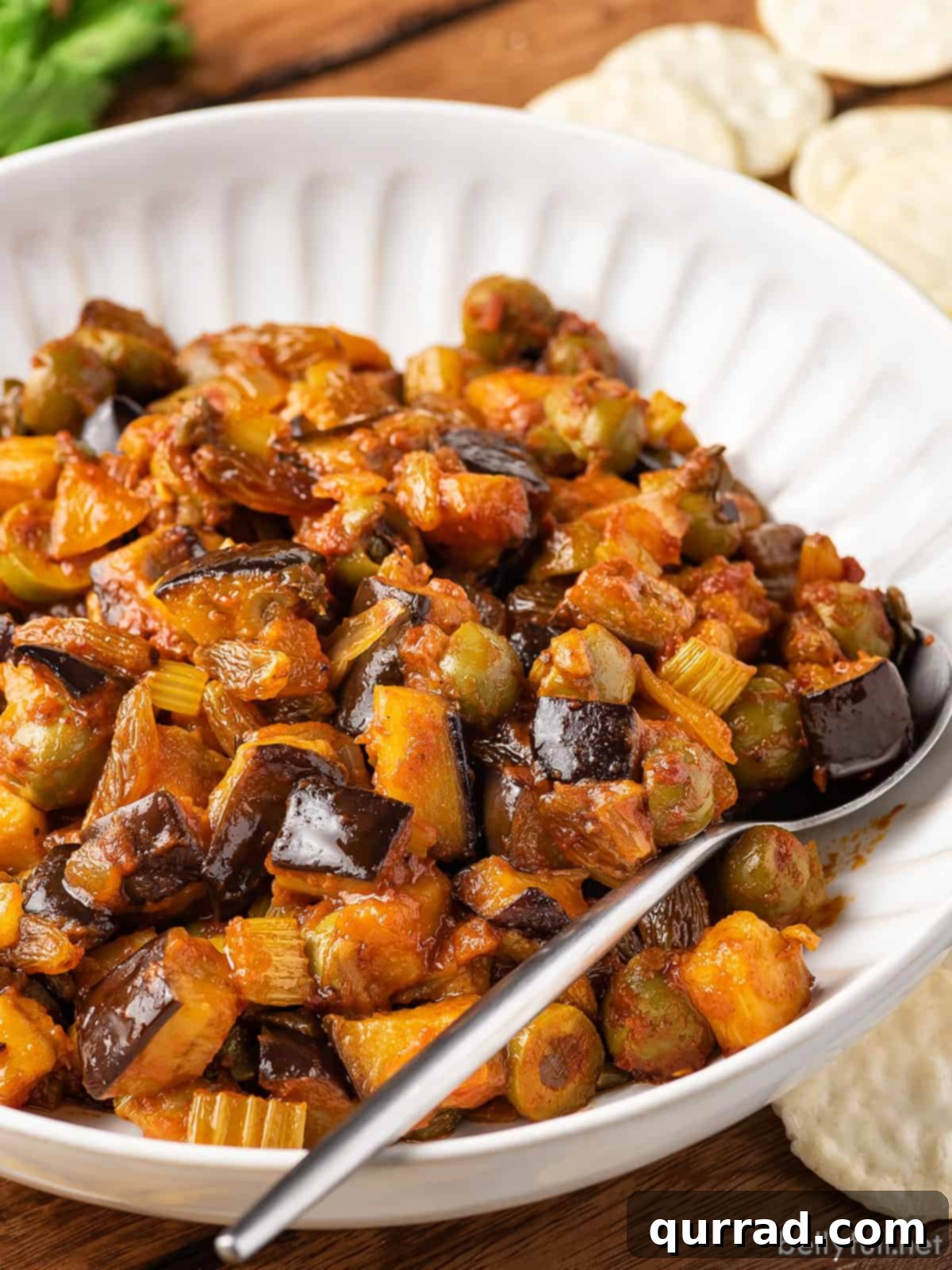
The beauty of Caponata lies in its simple yet powerful ingredients. Each component, while good on its own, transforms into something extraordinary when combined, proving that the whole is truly greater than the sum of its parts in this classic Sicilian dish. Below are the key ingredients that bring this incredible flavor to life. (For detailed measurements and a printable recipe, please refer to the recipe card below.)
- Eggplant: The undisputed star of Caponata. For this recipe, we recommend a firm, fresh globe eggplant, diced into uniform pieces. Frying the eggplant separately gives it a tender, almost creamy interior and a slightly crispy exterior, essential for Caponata’s signature texture.
- Onion and Celery: This aromatic duo forms the foundational flavor base, adding a delicate sweetness and a satisfying crunch. Dicing them uniformly ensures even cooking and a cohesive texture throughout the relish.
- Olives and Capers: These briny powerhouses are non-negotiable for authentic Caponata. They infuse the dish with a bold, salty, and wonderfully tangy flavor that is characteristic of Mediterranean cuisine. Small green olives, sliced in half, are ideal, and rinsed capers help temper their intense salinity.
- Tomato Paste: While some Caponata recipes use crushed canned tomatoes, our version opts for tomato paste. This concentrated ingredient delivers an intensely rich, deep tomato flavor that becomes even more profound when lightly fried, contributing to a truly luxurious base.
- Golden Raisins: We understand raisins can be divisive, but please don’t skip them here! Golden raisins introduce an unexpected yet crucial sweetness and a delightful chewy texture that perfectly complements the dish’s savory and tangy elements, creating a balanced *agrodolce* profile. They harmonize beautifully with the other strong flavors.
- Red Wine Vinegar: The primary source of Caponata’s characteristic tang. A good quality red wine vinegar provides a bright, zippy acidity that cuts through the richness and balances the sweetness.
- Brown Sugar: Essential for achieving the iconic *agrodolce* balance. Brown sugar adds a subtle caramel note and mellows the sharpness of the vinegar, creating a perfectly rounded flavor profile.
- Seasonings: Simple yet vital. Salt and freshly cracked black pepper are used to enhance all the flavors, while a touch of crushed red pepper flakes adds a gentle warmth and a hint of spice, elevating the overall experience.
Creative Recipe Variations to Customize Your Caponata
While the classic Caponata recipe is perfect as is, it’s also wonderfully adaptable, allowing for subtle adjustments or bolder twists to suit your personal preferences. Here are a few ideas to inspire your culinary creativity:
- Alternate Sweeteners: If brown sugar isn’t your preference, consider swapping it for an equal amount of honey or a natural maple syrup for a different kind of sweetness. You can also experiment with a mix of regular dark raisins and golden raisins for added depth and visual appeal.
- Introduce Bell Peppers: For an extra layer of sweetness and color, sauté finely diced red or yellow bell peppers alongside the onions and celery. This is a common addition in some regional Italian variations.
- Enhance Acidity with Wine: Instead of, or in addition to, red wine vinegar, deglaze the pan with a splash of dry white or red wine. This can add a more complex, nuanced depth to the savory and tangy notes. Allow the alcohol to cook off before adding the vinegar.
- Incorporate Toasted Nuts: For an additional textural element and a warm, nutty flavor, gently fold in some toasted pine nuts or slivered almonds just before serving. Toasting them lightly in a dry pan brings out their full aroma.
- Fresh Herb Boost: Stir in a handful of freshly chopped basil, parsley, or even mint at the very end of cooking. Fresh herbs add a burst of brightness and aromatics that elevate the entire dish.
- A Touch of Spice: If you enjoy more heat, increase the amount of crushed red pepper flakes or add a pinch of dried chili powder for a spicier kick.
- Artichoke Hearts: For an even more complex flavor and texture, consider adding quartered, drained canned or jarred artichoke hearts to the mix along with the olives and capers.
These variations allow you to tailor your Caponata to your taste, making each batch a unique culinary adventure.
Serving Caponata: Versatile Ways to Enjoy This Sicilian Delight
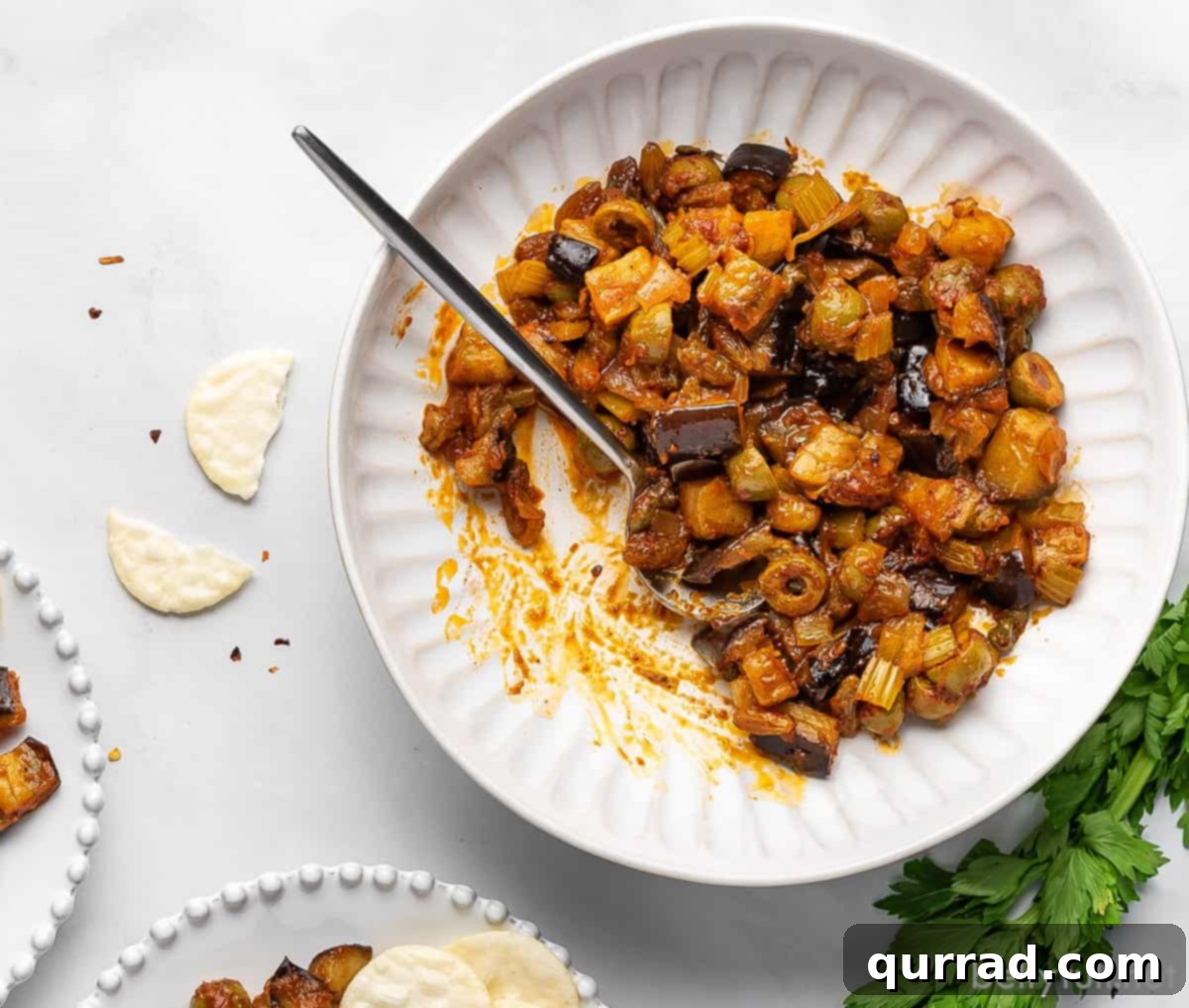
Once your delectable Caponata is ready, you might be wondering about the best ways to enjoy it. The beauty of Caponata lies in its incredible versatility; its complex and vibrant flavors make it a perfect complement to a wide array of dishes. Traditionally, Caponata is served as an *antipasto*, an Italian appetizer course, but its uses extend far beyond that.
Should Caponata be eaten hot or cold? This is one of the best things about Caponata: it truly shines at any temperature! You can enjoy this eggplant dish warm, at room temperature, or even chilled directly from the fridge. This makes it an ideal make-ahead dish for parties, potlucks, picnics, or simply a convenient snack to have on hand.
Popular Ways to Serve Caponata:
- Classic Appetizer: Serve Caponata simply with crispy crackers, toasted baguette slices (crostini), or warm pita bread. Its rich texture and bold flavors make it a delightful spread.
- Elevate Your Charcuterie Board: Add Caponata to a charcuterie board or cheese platter. Its tangy profile provides a wonderful contrast to cured meats and creamy cheeses.
- Bread & Pizza Topping: Spread it generously over some warm focaccia or use it as a unique, flavor-packed topping for pizza dough, creating a gourmet flatbread experience.
- Accompaniment to Meats & Fish: Caponata’s robust flavors beautifully complement grilled or roasted proteins. Try it alongside beef kofta, flank steak, shrimp scampi, or grilled chicken. It’s also an exceptional relish to pair with delicate fish like honey-glazed salmon and baked halibut, providing a bright counterpoint to rich seafood.
- Pasta Mix-in: For a quick and flavorful meal, mix Caponata with warm pasta. It coats the noodles beautifully, creating a simple yet satisfying vegetarian pasta dish.
- Sandwich & Wrap Filler: Use Caponata as a vibrant filling for sandwiches, wraps, or even as a gourmet spread on a vegetarian burger.
- Breakfast or Brunch: A dollop of Caponata on toast with a poached egg makes for an unexpectedly delicious and satisfying breakfast.
Experiment with these suggestions or discover your own favorite ways to enjoy this fantastic Sicilian eggplant relish. Its adaptability is part of its charm!
Proper Storage for Maximum Freshness and Flavor
One of the many advantages of Caponata is that it tastes even better the day after it’s made, allowing the flavors to meld and deepen. Proper storage ensures you can savor this delicious dish for days to come, or even months if you choose to freeze it.
- Make Ahead Perfection: Caponata is an ideal make-ahead dish. Preparing it a day in advance allows all the ingredients to truly harmonize, resulting in a more profound and complex flavor. After cooking, let it cool completely, then transfer it to an airtight container and refrigerate. Before serving, you can bring it to room temperature for optimal enjoyment, or do as many enthusiasts do and enjoy it cold directly from the fridge! At a minimum, allow it to sit for at least an hour after preparation before serving to let the flavors settle.
- Refrigeration: To keep Caponata fresh, store it in a sealed jar or an airtight container in the refrigerator. When stored correctly, it will maintain its delicious flavor and texture for up to 5 days. Always ensure the container is tightly sealed to prevent it from absorbing other odors from the fridge.
- Freezing for Later: Yes, this eggplant Caponata recipe freezes exceptionally well! Once the Caponata has completely cooled, transfer it to freezer-safe containers or heavy-duty freezer bags. You can freeze it in single-serving portions for added convenience. It will keep beautifully in the freezer for up to 3 months. When you’re ready to enjoy it, simply thaw it overnight in the refrigerator. Before serving, bring it to room temperature or gently warm it on the stovetop if you prefer it warm.
With these storage tips, you can always have a batch of flavorful Caponata ready to elevate your meals or provide a satisfying snack.
Explore More Delicious Eggplant Recipes
If you’ve fallen in love with the versatility and flavor of eggplant through this Caponata recipe, you’re in for a treat! Eggplant is a star ingredient in many cuisines around the world, celebrated for its unique texture and ability to absorb flavors. Here are some more fantastic eggplant recipes to expand your culinary repertoire:
- Grilled Eggplant: Simple, smoky, and delicious – perfect for summer barbecues.
- Roasted Eggplant: A hearty and flavorful dish, great as a side or a base for other meals.
- Eggplant Couscous: A vibrant and satisfying dish combining tender eggplant with fluffy couscous.
- Baba Ganoush: A creamy, smoky Middle Eastern eggplant dip that’s incredibly addictive.
- Ratatouille: The classic French vegetable stew, a beautiful celebration of summer produce.
Dive into these recipes and discover even more ways to enjoy the wonderful world of eggplant!
We truly hope you enjoy this delicious and easy Caponata recipe. Your feedback means the world to us, so please be sure to give it a review below! For more culinary inspiration, don’t forget to follow Belly Full on TikTok, Facebook,Instagram,Pinterest, and YouTube!
Eggplant Caponata
Pin
Ingredients
- 3 tablespoons olive oil, , divided
- 1/2 pound eggplant, , diced
- 1 small onion, , diced
- 2 ribs celery, , diced
- 1/2 cup small green olives, , sliced in half
- 1/4 cup golden raisins
- 1 tablespoon capers, , rinsed
- salt and pepper, , to taste
- 1/4 teaspoon crushed red pepper flakes
- 3 tablespoons tomato paste
- 2 tablespoons red wine vinegar
- 1 tablespoon brown sugar
Instructions
-
Warm 1 & 1/2 tablespoons olive oil in a nonstick skillet. Sauté eggplant until softened (but not mushy) and golden brown. Transfer to a bowl.
-
Add the remaining 1 & 1/2 tablespoons olive oil to the skillet; sauté the onion, celery, olives, and capers until onion and celery start to soften and become translucent, but still have a little bite to them.
-
Stir in tomato paste and fry until fragrant.
-
Add in the raisins, red wine vinegar, and brown sugar. Stir to combine.
-
Return eggplant to the pan and stir to combine.
-
Season with salt, pepper, and red pepper flakes. Continue to cook for another 2 minutes or so to incorporate all the flavors.
-
Taste and adjust seasoning, if desired. Allow to cool to room temperature.
Enjoy warm, room temperature, or even cold – as a side, appetizer, or snack with crostini or crackers.
Nutrition
Nutritional information given is an automatic calculation and can vary based on the exact products you use and any changes you make to the recipe. If these numbers are very important to you, I would recommend calculating them yourself.