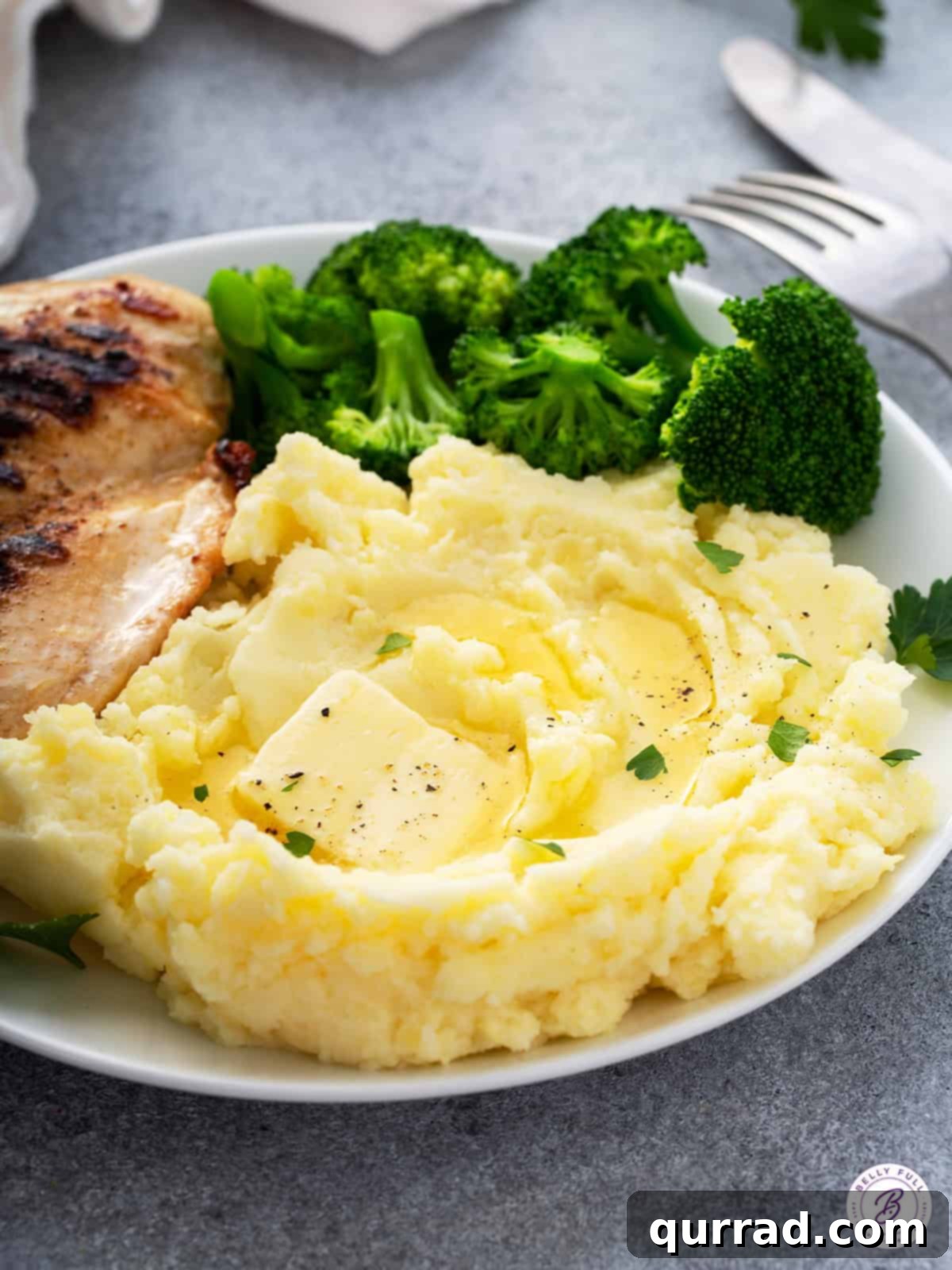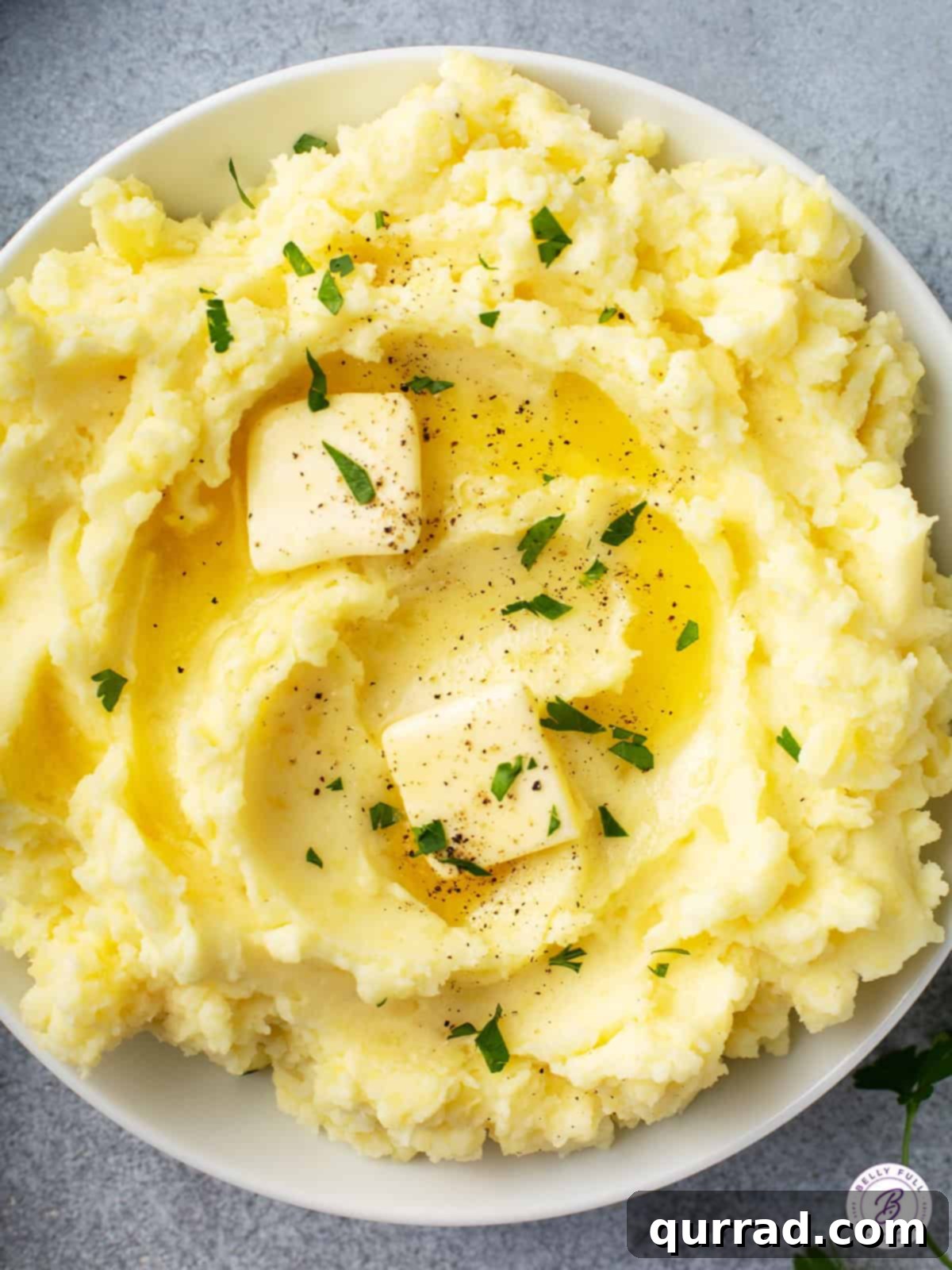
Welcome to the ultimate guide for creating the most exquisite creamy mashed potatoes you’ve ever tasted! While making mashed potatoes might seem straightforward, achieving that perfect balance of velvety texture and rich flavor, without any dreaded gumminess, requires a few key insights and techniques. This comprehensive guide will walk you through every step, ensuring your homemade mashed potatoes are not just good, but truly the best mashed potatoes your family and friends will rave about. Forget mediocre sides; prepare to elevate your comfort food game to a whole new level!
5 STAR REVIEW
Stef says, “Usually I am disappointed in my mashed potatoes and I can never figure out what I do wrong. Now I see I’ve been making them wrong my whole life. This is by far the best recipe I have ever tried. I followed this recipe step by step and they are so great!”
When the discussion turns to classic comfort foods, certain dishes instantly spring to mind: a decadent chocolate cake, a hearty meatloaf, a simmering beef stew, or a soothing bowl of chicken noodle soup. But for many, nothing quite beats the comforting embrace of a perfectly prepared bowl of mashed potatoes. We grew up with them, they evoke warmth and happiness, and they undeniably hold a special place on our dinner tables, especially during holidays and chilly evenings.
While most home cooks have a go-to method for making mashed potatoes, there’s a distinct difference between simply acceptable mashed potatoes and truly exceptional ones. Much like the transformation from bland scrambled eggs to the best scrambled eggs, achieving that ultimate creamy, flavorful, and non-gummy result for your mashed potatoes involves understanding a few critical principles. This guide is dedicated to helping you master these secrets. Let’s dive in and unlock the full potential of this beloved side dish! (Make sure to explore the essential tips beyond the recipe card for an even deeper understanding.)
The Best Mashed Potatoes Recipe
★
★
★
★
Best Mashed Potatoes
10 mins
12 mins
22 mins
4
Pin
Ingredients
-
2 pounds Yukon Gold potatoes, peeled, knots removed, and diced into 1 & 1/2-inch cubes -
1 & 1/2 tablespoons Kosher salt, divided -
6 tablespoons unsalted butter, (4 diced, 2 sliced) -
1/2 cup sour cream -
1/2 cup whole milk, hot -
2 teaspoons Dijon mustard, (or horseradish) -
3/4 teaspoon freshly ground black pepper -
finely chopped parsley, for garnish
Instructions
-
Place the potatoes in a large pot with 1 tablespoon of kosher salt (not table salt) and enough cold water to cover the potatoes by 1-inch.
-
Bring to a boil, then reduce heat to a gentle simmer until the potatoes are just fork tender, about 10 minutes. Drain the potatoes in a colander and return them to the pot.
-
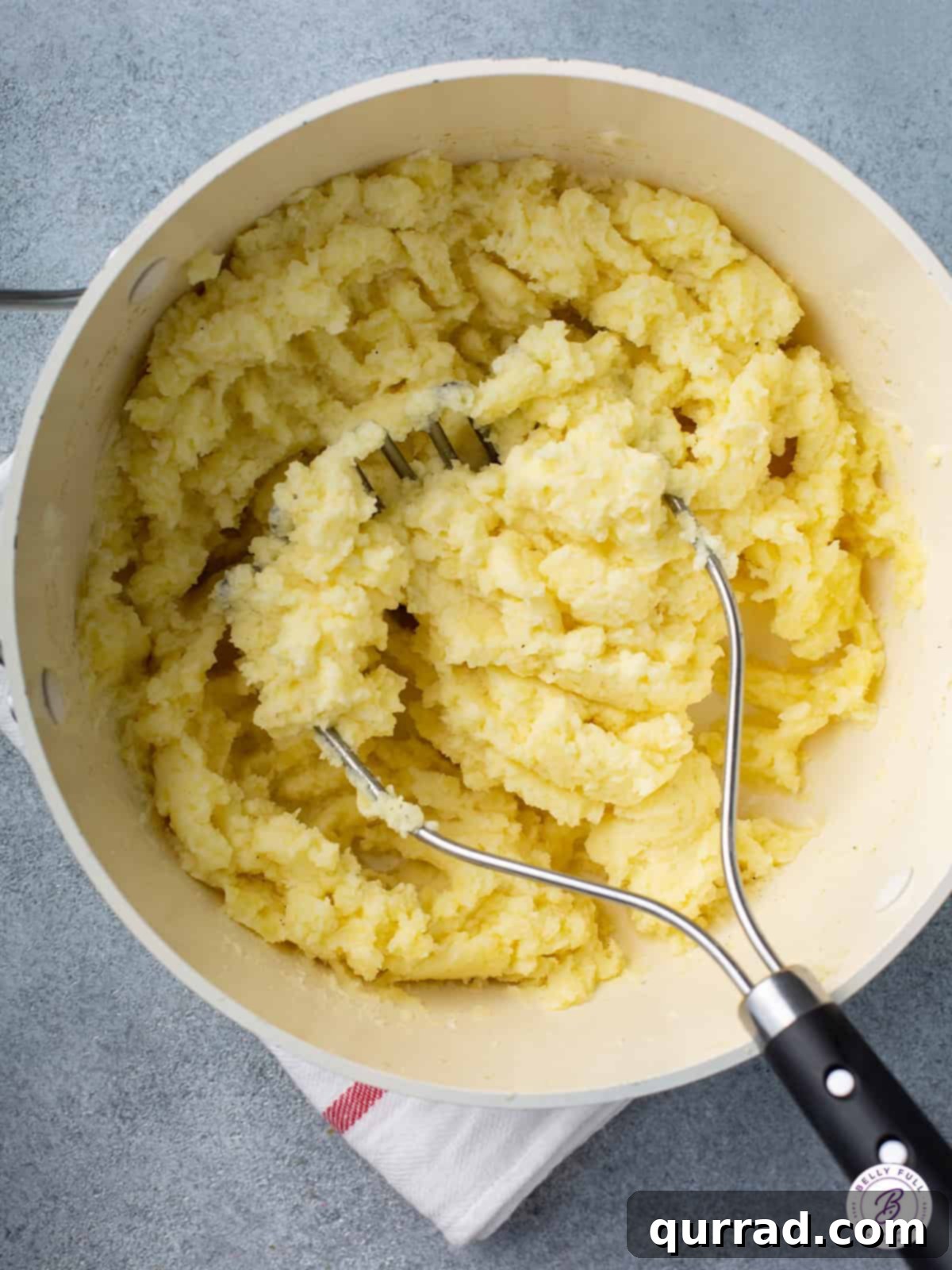
Add 4 tablespoons of diced butter; stir until melted and combined. Then add in the sour cream, milk, mustard, remaining 1/2 tablespoon salt, and the pepper; mash with a potato masher until the desired consistency is reached. (Alternatively, you can use an electric mixer for extra smooth and silky mashed potatoes, but be careful not to over-mix or you could end up with gummy potatoes!)
-
Transfer hot mashed potatoes to a serving bowl and top with remaining two slices of butter and finely chopped parsley.
Notes
Nutrition
Calories: 359kcal
|
Carbohydrates: 31g
|
Protein: 8g
|
Fat: 24g
|
Saturated Fat: 15g
|
Cholesterol: 63mg
|
Sodium: 3578mg
|
Potassium: 1017mg
|
Fiber: 6g
|
Sugar: 2g
|
Vitamin A: 753IU
|
Vitamin C: 26mg
|
Calcium: 139mg
|
Iron: 7mg
Nutritional information given is an automatic calculation and can vary based on the exact products you use and any changes you make to the recipe. If these numbers are very important to you, I would recommend calculating them yourself.
Essential Tips for Making the Best Mashed Potatoes
Achieving truly perfect mashed potatoes, consistently creamy and bursting with flavor, goes beyond just following a recipe. It involves understanding the nuances of ingredients and technique. Here are the crucial tips to ensure your mashed potatoes are always a triumph:
- Choose the Right Potatoes: While Russet potatoes are often popular due to their high starch content and fluffy texture, I personally find Yukon Gold potatoes to be superior for mashing. Their naturally buttery flavor and creamy texture provide an ideal base. Russets work well if you prefer a drier, fluffier mash, but Yukon Golds deliver a consistent creaminess. You could even combine the two for a unique blend of textures.
- Prepare Potatoes Uniformly: Many recipes suggest cooking potatoes whole, but this often leads to uneven cooking—the outside can become mushy while the inside remains firm. To avoid this, always peel (if desired) and dice your potatoes into similarly sized cubes, roughly 1 to 1.5 inches. This ensures they cook evenly, preventing some pieces from overcooking and absorbing too much water.
- Start in Cold, Salted Water: This is a non-negotiable step. Placing potatoes into cold water allows them to heat up gradually with the water, promoting even cooking. Adding a generous amount of salt to the cooking water is also vital. Potatoes absorb flavor as they cook, and properly salted water seasons them from the inside out. Without this, your mashed potatoes will taste bland, no matter how much salt you add later.
- Avoid Waterlogging: Potatoes are like sponges. If they sit in water too long after cooking, they’ll absorb excess moisture, leading to a watery, less flavorful mash. As soon as they are fork-tender, drain them immediately and thoroughly. A quick return to the hot, empty pot over low heat for a minute or two can help evaporate any residual surface moisture, making them even fluffier.
- Don’t Overcook: Overcooked potatoes become crumbly and absorb too much water, making them challenging to mash into a creamy consistency. They are done when a fork or butter knife can be inserted easily with minimal resistance. This usually takes about 10-12 minutes for 1.5-inch cubes after the water comes to a boil.
- Don’t Skimp on the Fat and Dairy: This is where the magic happens! Potatoes are naturally starchy and need substantial fat to achieve that luscious, creamy texture. This is not the time to be shy with butter, full-fat sour cream, or whole milk. Lower-fat alternatives will result in a drier, less satisfying mashed potato. The fat content contributes significantly to both texture and flavor.
- Use Softened Unsalted Butter: Softened butter incorporates more smoothly into the hot potatoes than cold butter, ensuring a perfectly emulsified and creamy result. Using unsalted butter allows you complete control over the final saltiness of your dish, which is essential given how much salt potatoes can demand.
- Warm Your Dairy: Adding cold milk or cream to hot potatoes can cool them down quickly and make them harder to mash to a smooth consistency. Gently warm your milk (and any other dairy like sour cream, if you wish) before adding it. This helps everything combine seamlessly and keeps the potatoes at an optimal temperature for mashing.
- Add Butter Before Milk: This specific order is critical for preventing gummy mashed potatoes. When butter is added first, its fat coats the potato starch molecules, preventing them from releasing too much starch and becoming glue-like. If milk is added first, the starch molecules can swell and rupture, leading to a gummy texture.
- Mash, Don’t Overmix: Once you’ve added your warmed dairy and butter, mash just until the desired consistency is achieved. Whether you prefer a slightly chunky or ultra-smooth mash, stop as soon as it’s homogenous. Overmixing, especially with an electric mixer, develops the potato’s starch, resulting in a sticky, gummy, and unappetizing texture.
Choosing the Right Potatoes for Your Mash
The type of potato you select is fundamental to the texture and flavor of your mashed potatoes. Different potato varieties have varying starch levels, which directly impacts how they mash.
- Yukon Gold Potatoes: These are my top recommendation for the ultimate creamy mash. Yukon Golds are medium-starch potatoes with a naturally buttery flavor and a thin skin. When cooked, their flesh breaks down easily, resulting in a silky, smooth, and naturally rich texture without being overly starchy or gummy. Their vibrant yellow hue also adds to the visual appeal.
- Russet Potatoes (Idaho Potatoes): High in starch and low in moisture, Russets are excellent for fluffy mashed potatoes. They break down easily and absorb butter and dairy well, yielding a light and airy mash. However, if over-mashed, their high starch content can quickly turn them gummy. If you prefer a lighter, drier mash, Russets are a great choice, but handle them gently.
- Red or New Potatoes: These are waxy potatoes, meaning they have a lower starch content and hold their shape well when cooked. They are not ideal for a traditional creamy mash as they tend to be denser and lumpier when mashed. They are better suited for potato salads or roasting where their firm texture is appreciated.
For the best creamy mashed potatoes, stick with Yukon Golds or a mix of Yukon Golds and Russets. Always choose firm, unblemished potatoes and avoid any with green spots, sprouts, or soft areas.
The Perfect Boil: How Long to Cook Potatoes for Mashing
Properly cooking your potatoes is the first critical step to avoid a gummy or uneven mash. Start by placing your uniformly diced potatoes (about 1.5-inch cubes) in a large pot. Cover them with cold water by about an inch, then add a generous tablespoon of Kosher salt. Bringing the potatoes to a boil slowly in cold, salted water ensures they cook evenly from the outside in and are seasoned throughout.
Once the water reaches a rolling boil, reduce the heat to a gentle simmer. The cooking time will vary depending on the size of your potato pieces. For 1.5-inch cubes, this typically takes about 10-12 minutes. If you quarter larger potatoes, it might take closer to 15 minutes. To check for doneness, simply insert a fork or a small butter knife into a potato piece. If it slides in easily with little to no resistance, your potatoes are perfectly cooked and ready for draining.
Exploring Mashing Techniques for Desired Texture
The tool you choose for mashing significantly impacts the final texture of your mashed potatoes. My preferred recipe yields wonderfully dense and creamy potatoes with a slight texture, offering a comforting chewiness that I favor over an entirely whipped, silky consistency. However, you have complete control to make them as smooth or as chunky as you like!
- Potato Masher: This is my go-to for a classic, slightly textured mash. It allows for control, and you can achieve varying levels of smoothness depending on how vigorously and how long you mash. I recommend investing in a good quality masher. For a chunkier mash, a simple wavy or grid-style masher works great. For a slightly smoother result, a masher with finer holes or a flat, perforated head is effective.
- This masher is excellent for chunkier mashed potatoes.
- This masher provides a smoother consistency.
- Potato Ricer: For an exceptionally fine, light, and fluffy texture, a potato ricer is unmatched. It presses the cooked potatoes through small holes, creating individual strands that are perfect for absorbing butter and cream without becoming dense or gummy. This is the secret weapon for restaurant-quality, cloud-like mashed potatoes.
- Electric Mixer (Hand or Stand): If you desire an ultra-smooth, silky, and almost whipped mashed potato, an electric mixer can achieve this with minimal effort. However, extreme caution is advised: overmixing with an electric mixer is the quickest way to develop the starch in the potatoes and turn them into a gluey, unappetizing paste. Use it on a low speed, mixing just until smooth, and stop immediately.
Storing Leftover Mashed Potatoes
Mashed potatoes are so delicious, sometimes leftovers seem like a myth! But when you do find yourself with extra, proper storage is key to maintaining their quality and extending their life.
- Refrigerator Storage: Leftover mashed potatoes will keep beautifully in the refrigerator for up to 4 days. To store them effectively, transfer the cooled potatoes to a shallow, airtight container or a resealable plastic bag. Press out as much air as possible before sealing. This prevents them from drying out and absorbing other odors in the fridge.
- Freezing Mashed Potatoes: Yes, you can absolutely freeze mashed potatoes! As long as your recipe includes butter and dairy (which this one does), they freeze wonderfully. Allow the mashed potatoes to cool completely to room temperature before freezing. You have a few options for freezing:
- Bulk Storage: Simply transfer all the cooled mashed potatoes into a tightly sealed freezer-safe container.
- Flat Bag Method: Transfer them into a resealable plastic freezer bag, press out the air, and flatten the bag. This allows for quicker thawing and easier stacking in your freezer.
- Individual Portions: For single servings, scoop 1-cup portions onto a parchment-lined baking tray and flash freeze them until solid (about 2-3 hours). Once frozen, transfer the individual portions to a larger freezer bag or container. This way, you can grab just what you need for a quick meal.
Mashed potatoes can be stored in the freezer for up to 2 months without a significant drop in quality. Beyond that, they might start to lose some of their ideal texture.
How to Reheat Mashed Potatoes for Optimal Creaminess
Reheating mashed potatoes effectively means restoring their creamy texture without making them dry or gummy. The key is to add a little extra moisture and reheat them gently. For best results, add approximately one tablespoon of milk (or even a splash of cream or chicken broth) per cup of mashed potatoes for each of these reheating methods. This helps to rehydrate and loosen them up.
- Oven Method: This is ideal for larger quantities or if you prefer a slightly crisp top. Whether thawed or straight from the freezer, place the mashed potatoes in an oven-safe baking dish. Stir in your extra milk, cover the dish tightly with foil, and reheat at 350 degrees F (175 degrees C) for about 30 minutes, or until thoroughly heated through. Remove the foil for the last 5-10 minutes if you like a slightly browned crust.
- Stovetop Method: Perfect for medium quantities, the stovetop offers good control. Place thawed or frozen mashed potatoes in a large pot or saucepan over low to medium-low heat. Add your extra milk. Stir frequently and gently to prevent sticking and ensure even heating. Continue until the potatoes are heated through and creamy, usually about 10-15 minutes.
- Microwave Method: For quick, small servings, the microwave is convenient. Transfer frozen or thawed potatoes to a microwave-safe baking dish or bowl. Stir in the added milk, cover (with a lid or plastic wrap vented at one corner), and heat at 50% power for about 5 minutes. Stir occasionally during reheating to distribute heat evenly. Continue heating in 1-2 minute increments until hot.
- Slow Cooker Method: This method is fantastic for keeping a large batch of mashed potatoes warm for a crowd or for gently reheating a thawed batch. Thaw frozen mashed potatoes in the refrigerator first. Transfer them to your slow cooker, stir in the milk, and set it to “Low” for about 2 hours. Stir occasionally to prevent sticking and ensure even heating.
Once warmed through by any method, give the mashed potatoes a final stir and adjust seasonings (salt and pepper) if necessary. A little extra butter stirred in at the end can also enhance creaminess and flavor.
Creative Uses for Leftover Mashed Potatoes
While the phrase “leftover mashed potatoes” might sound like a mythical creature to some, it does happen! And when it does, don’t let those delicious spuds go to waste. They are incredibly versatile and can be transformed into new, equally delightful meals. Instead of just reheating, consider these fantastic ideas:
- Loaded Mashed Potato Cakes: These are a personal favorite! Combine leftover mashed potatoes with cheese, bacon bits, chives, and an egg to bind them. Form into patties, then pan-fry until golden brown and crispy. Serve with sour cream or a dollop of applesauce. You can find a great recipe for Loaded Mashed Potato Cakes here.
- Homemade Pierogi: Utilize mashed potatoes as a delectable filling for homemade pierogi. Mix them with some cheese, onion, and seasonings, then encase in a simple dough before boiling and pan-frying. Try this Homemade Pierogi recipe.
- Shepherd’s Pie Topping: Mashed potatoes make an irresistible topping for Shepherd’s Pie or Cottage Pie. Spread them over a savory meat and vegetable filling, then bake until golden and bubbly.
- Potato Croquettes: Mix mashed potatoes with some cheese, herbs, and a binding agent, then roll into small cylinders or balls. Bread them and deep-fry or bake until golden and crispy for a delicious appetizer or side.
- Mashed Potato Waffles: For a unique breakfast or side, press leftover mashed potatoes into a waffle iron. They come out crispy on the outside and soft on the inside, perfect for dipping or as a base for eggs.
- Thickening Agent: A spoonful or two of mashed potatoes can be used to thicken soups, stews, or gravies, adding body and a subtle creamy texture.
Perfect Pairings: What to Serve with Mashed Potatoes
Mashed potatoes are the quintessential side dish, complementing an astonishing variety of main courses. Their creamy texture and comforting flavor make them a versatile partner for almost any meal, from a simple weeknight dinner to a festive holiday feast. Here are some of our favorite pairings that truly shine with a generous serving of creamy mashed potatoes:
- Salisbury Steak: A classic pairing where the rich gravy perfectly coats the fluffy potatoes.
- Bangers and Mash: A traditional British comfort food, featuring sausages and a mound of creamy mash.
- Baked Chicken Breast: Simple, juicy baked chicken breast finds its ideal companion in a comforting side of mashed potatoes.
- Cranberry Chili Mini Meatballs: The tangy and sweet meatballs provide a delightful contrast to the savory potatoes.
- Roasted Turkey or Chicken: Essential for holiday meals, mashed potatoes are a must-have alongside tender roasted poultry and gravy.
- Braised Short Ribs or Pot Roast: The rich, fork-tender meat and flavorful sauce are elevated by a creamy potato base.
- Meatloaf: Another classic comfort pairing, mashed potatoes are the perfect bed for slices of savory meatloaf.
- Pork Chops: Whether fried, baked, or grilled, pork chops are wonderfully complemented by the creamy texture of mashed potatoes.
- Fish and Chips (Reimagined): Serve a generous scoop alongside crispy battered fish for a deconstructed, comforting take on a classic.
No matter the main course, a serving of perfectly made mashed potatoes is guaranteed to make any meal feel more complete and satisfying.
More Irresistible Potato Recipes to Explore:
If you love potatoes as much as we do, you’ll be thrilled to discover these other fantastic potato dishes that are just as comforting and delicious:
- Air Fryer Baked Potato: Achieve a perfectly crispy skin and fluffy interior with minimal effort.
- Oven Baked Potatoes: The timeless classic, perfectly baked every time.
- The Best Twice Baked Potatoes: Indulgent and flavorful, these are a meal in themselves.
- Classic Potato Latkes: Crispy, savory potato pancakes perfect for any occasion.
- Funeral Potatoes (Cheesy Potato Casserole): A beloved, cheesy, and creamy casserole that’s always a crowd-pleaser.
I sincerely hope you enjoy mastering this delicious and easy recipe for the best mashed potatoes. Your feedback is invaluable, so please be sure to give it a review below! Also, stay connected with Belly Full for more incredible recipes by following us on TikTok, Instagram, Facebook, Pinterest, and YouTube!