
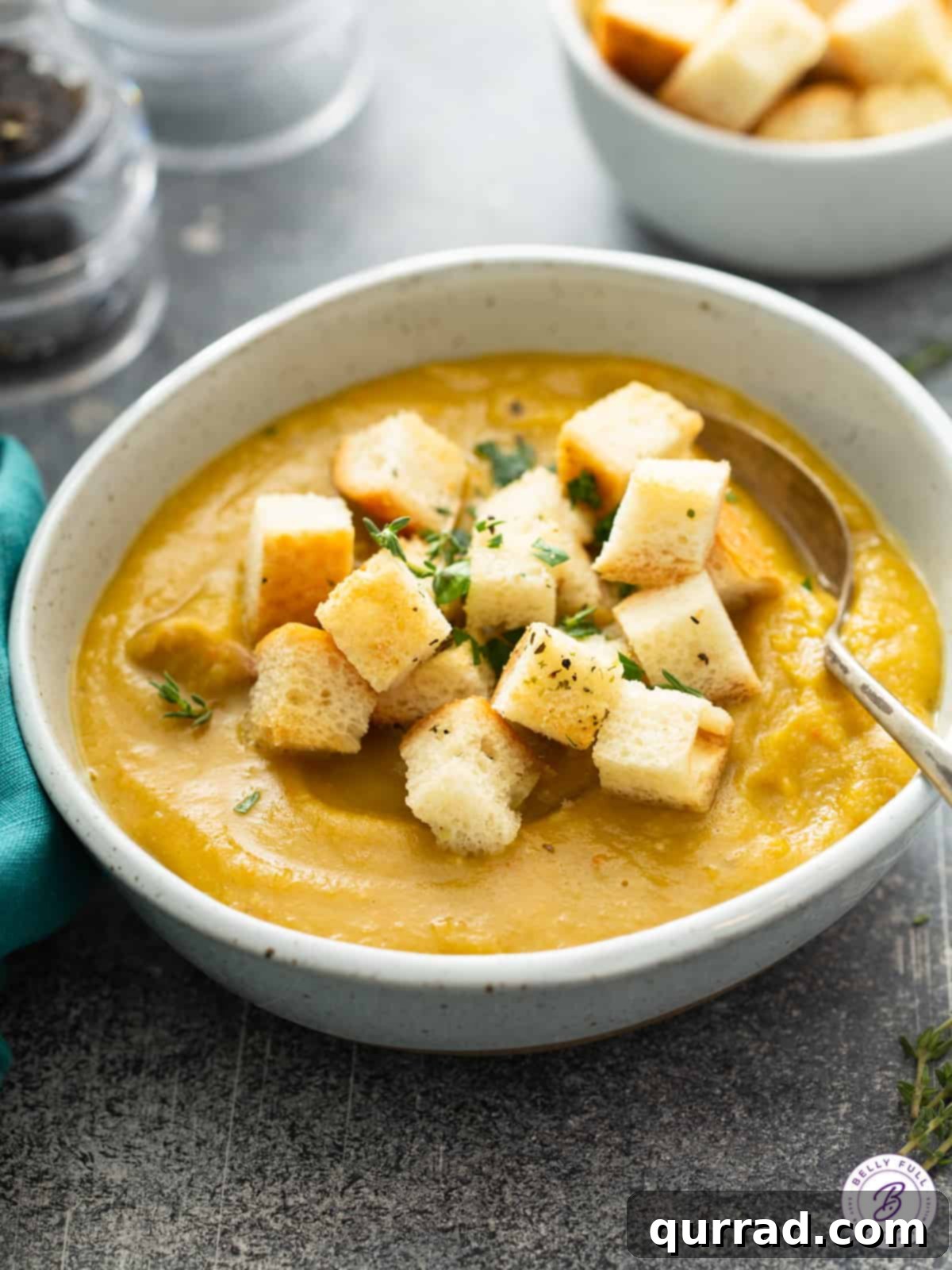
Escape the ordinary with this incredibly easy homemade Split Pea Soup recipe, a culinary masterpiece that promises a silky-smooth texture, hearty satisfaction, and an explosion of savory flavor in every spoonful. Crafted with nutrient-rich green split peas, a medley of tender vegetables, and the irresistible smoky depth of ham, this soup is more than just a meal; it’s a warm hug on a cold day. While traditionally made with ham hocks for authentic richness, it also provides an excellent opportunity to repurpose leftover holiday ham, ensuring no delicious morsel goes to waste.
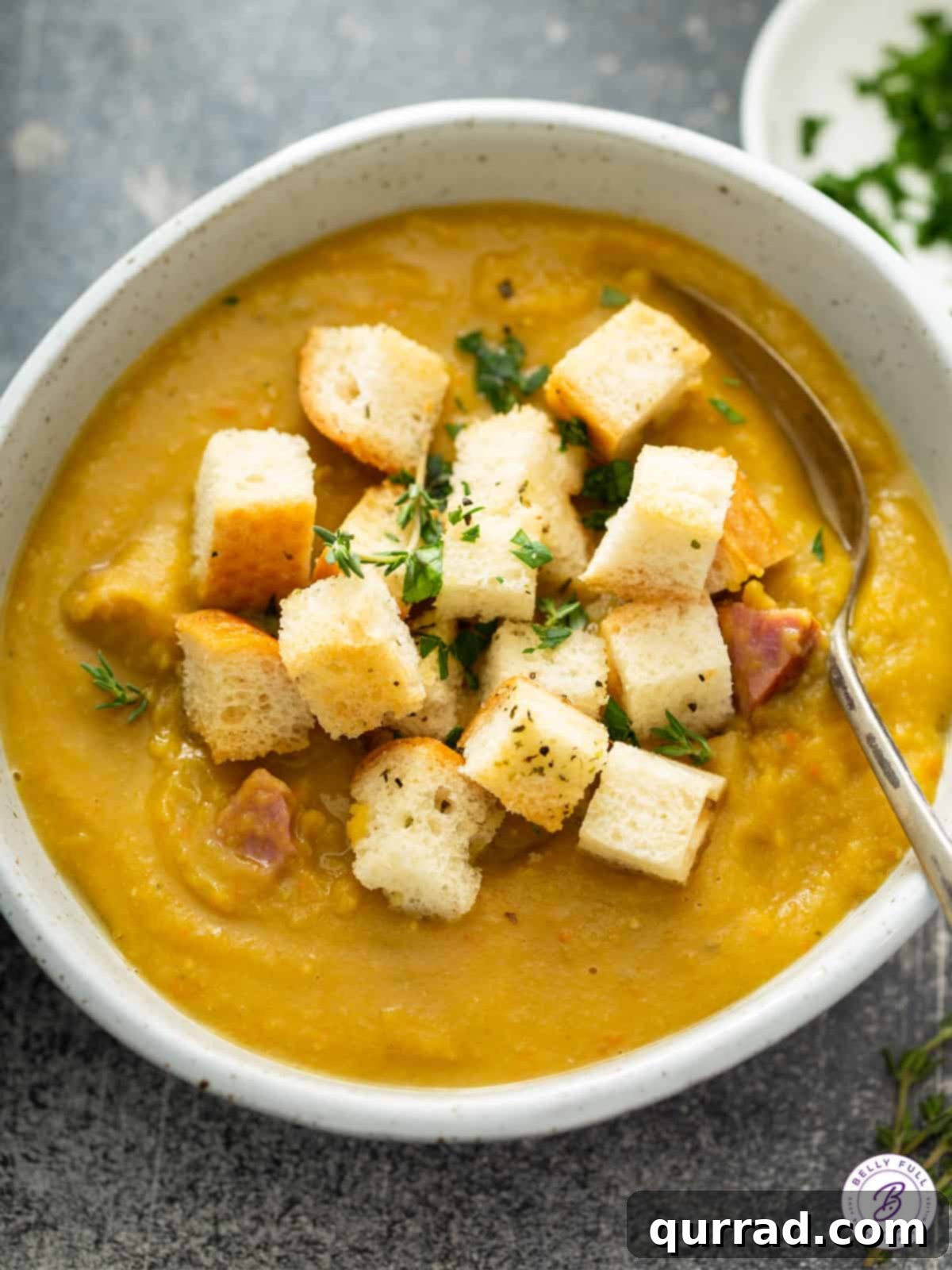
The Ultimate Homemade Split Pea Soup with Ham Recipe
Many people harbor a misconception about split pea soup, often stemming from unfortunate encounters with bland, canned varieties. This typically leads to a dismissive “I don’t like split pea soup” attitude. However, we’re here to completely transform that perception! Our homemade version is a world away from anything you’ve ever experienced from a can. Prepare to be amazed by a soup that’s vibrant, deeply flavorful, and wonderfully textured, proving that homemade truly is in a league of its own.
The secret to this classic comfort food lies in a patient, low-and-slow simmer. Over approximately 90 minutes, dried green split peas slowly break down, merging with the savory essence of meaty ham hocks, the natural sweetness of tender garden vegetables, and a perfectly seasoned broth. This gentle cooking process coaxes out the maximum flavor and creates a velvety, hearty, and incredibly satisfying soup that is absolutely perfect for warding off the chill on a crisp evening.
Why Homemade Split Pea Soup is a Game-Changer
If your only experience with split pea soup is from a can, it’s time for a delicious revelation. Canned versions often lack the fresh, vibrant flavors and rich, creamy texture that defines a truly exceptional homemade bowl. Our recipe prioritizes fresh ingredients and a traditional cooking method to deliver a depth of flavor and a comforting consistency that simply cannot be replicated by mass-produced alternatives. You’ll taste the difference in every spoonful – the smoky ham, the sweet vegetables, and the perfectly tender peas all contribute to an experience far superior to any store-bought option.
Is Split Pea Soup Healthy? Unpacking its Nutritional Benefits
Absolutely! This incredibly hearty and flavorful soup is not only filling but also packed with health-promoting nutrients, making it a fantastic choice for a balanced meal. The core ingredients contribute significantly to its nutritional profile:
- Split Peas: These legumes are nutritional powerhouses, boasting high levels of both protein and dietary fiber. Protein is essential for muscle repair and satiety, while fiber aids digestion, helps regulate blood sugar, and can contribute to heart health. They are also a good source of B vitamins, iron, and potassium.
- Vegetables (Mirepoix): The foundation of onion, celery, and carrots provides a healthy dose of vitamins, minerals, and antioxidants. Carrots are particularly rich in Vitamin A, vital for vision and immune function, while celery and onions offer Vitamin K, Vitamin C, and various beneficial plant compounds.
- Chicken Broth: While providing a flavorful liquid base, chicken broth can also offer trace minerals and hydration. Opting for low-sodium broth allows you to control the overall salt content, making it healthier for those monitoring their sodium intake.
- Lean Ham (if used): When trimmed of excess fat, ham can provide a good source of lean protein, B vitamins, and essential minerals like zinc.
By making your split pea soup from scratch, you have complete control over the quality and quantity of ingredients, avoiding artificial additives and excessive sodium often found in processed foods. This makes it an excellent, nourishing choice for lunch or dinner.
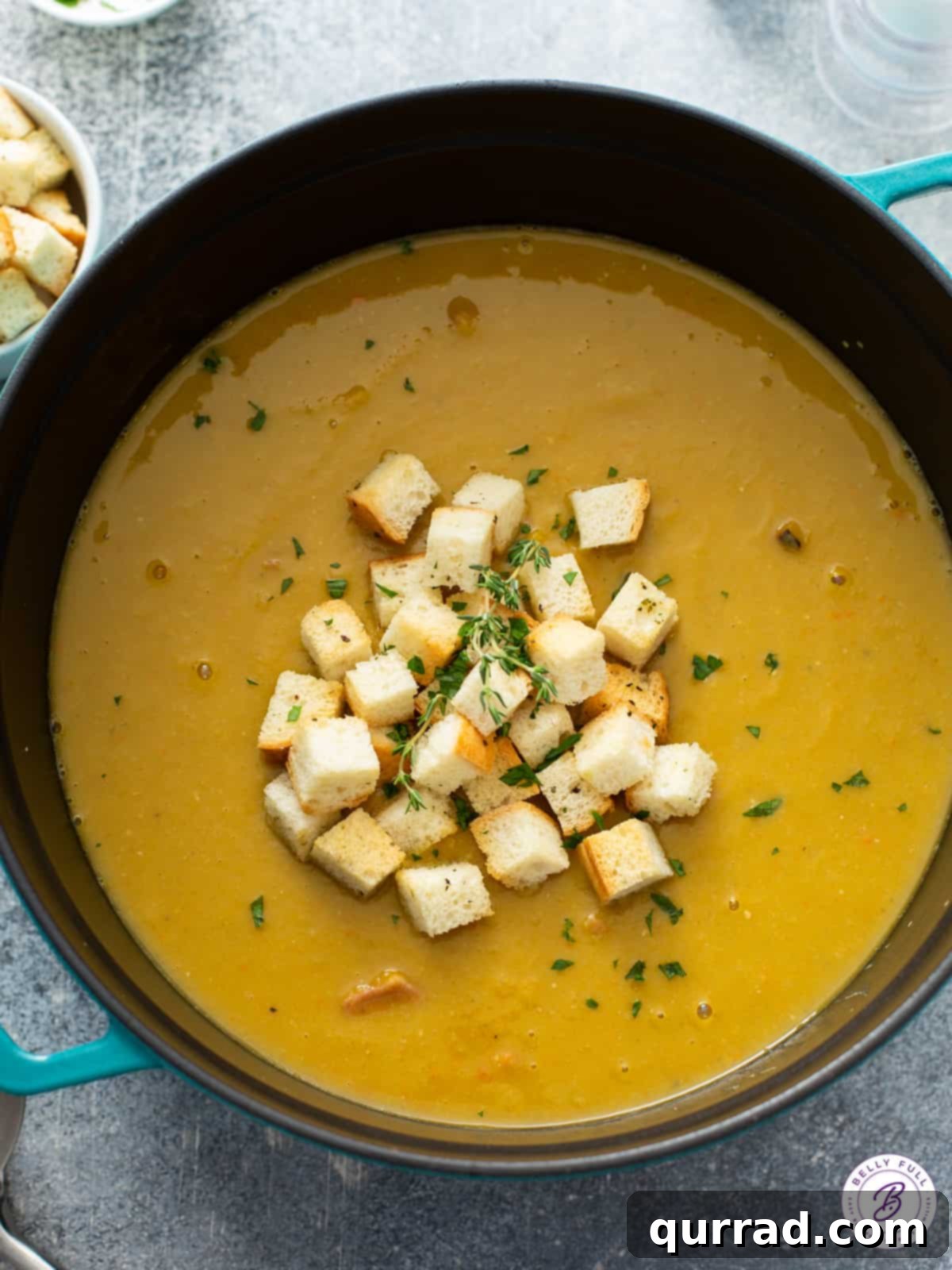
What Exactly Are Split Peas? An Essential Ingredient Deep Dive
While their name might suggest a close relation to the vibrant green peas you find in the freezer aisle, split peas are, in fact, quite distinct. They originate from a specific variety of field pea that is cultivated primarily for drying. Unlike fresh garden peas, these peas are harvested when mature, then dried. The outer hull is then removed, and the peas are split in half – hence the descriptive name “split peas.” This processing makes them highly shelf-stable and ideal for long-term storage, a culinary tradition dating back centuries.
Their small size and already-split nature contribute to a significant advantage in the kitchen: they cook much faster than most other dried legumes like lentils or whole peas. Crucially, they do not require any pre-soaking, which saves a considerable amount of preparation time. As they cook, split peas naturally break down, creating a thick, creamy base for your soup without the need for additional thickeners. This unique property is what gives split pea soup its characteristic velvety consistency.
Pro Tip: Always Opt for Freshly Packaged Split Peas
While split peas boast an impressive shelf life, often remaining viable for up to a year, their freshness significantly impacts cooking time and final texture. It’s always a good idea to check the “best by” date on the packaging and use them well within that timeframe. Older peas tend to be much harder and can take substantially longer to cook, sometimes remaining stubbornly firm even after extended simmering. Using fresher peas ensures a quicker, more consistent breakdown and that desirable tender, creamy result.
Essential Ingredients for Your Perfect Split Pea Soup
Crafting this classic soup requires a blend of simple yet powerful ingredients that work in harmony to build its iconic flavor. Below is a detailed look at what you’ll need, along with tips for selection and substitutions. (For precise quantities and a printable recipe, please refer to the recipe card below.)
- Green Split Peas: The star of our show! As mentioned, there’s no need for pre-soaking, which makes this recipe wonderfully convenient. However, it’s crucial to take a few minutes to sift through them to check for and remove any tiny stones or debris that might occasionally be present. A quick rinse under cold water followed by a thorough drain will prepare them perfectly for cooking.
- Ham Hocks or Leftover Ham: This is where the rich, smoky, and savory backbone of the soup comes from.
- Ham Hocks: These are the lower portion of a hog’s leg, often smoked and cured, providing incredible flavor and gelatinous body to the broth. They impart an unparalleled depth and authentic taste. Be sure to rinse them thoroughly before adding to the pot.
- Leftover Ham Bone/Meat: If you’ve recently enjoyed a holiday dinner featuring a magnificent spiral ham, don’t discard that flavorful bone! A meaty ham bone or leftover chunks of cooked ham are ideal for this soup. They contribute a wonderful savory flavor and allow you to stretch your ingredients. If using pre-cooked ham, you might add it later in the cooking process to prevent it from becoming overly shredded.
- Mirepoix (Onion, Celery, Carrots) + Garlic: This classic aromatic base is the foundation of countless delicious soups and stews. Sautéing these vegetables slowly coaxes out their natural sugars and deepens their flavor, forming a sweet and savory counterpoint to the ham. Garlic adds a pungent warmth and complexity that elevates the entire dish.
- Chicken Broth: We recommend using a high-quality low-sodium chicken broth. This allows you greater control over the final saltiness of your soup, which is especially important when using salty ham hocks or cured ham. While using all broth will yield the most flavorful result, you can use a 50/50 ratio of broth and water to slightly reduce calories without sacrificing too much taste.
- Extra-Virgin Olive Oil: Used for sautéing your aromatic vegetables until tender and fragrant. You can also opt for unsalted butter or a combination of both for a richer flavor profile.
- Aromatic Seasonings:
- Fresh Thyme: Provides an earthy, slightly minty, and peppery note that pairs beautifully with ham and peas. If fresh isn’t available, dried thyme is a good substitute; remember to use about one-third of the amount for dried herbs as they are more concentrated.
- Bay Leaf: Adds a subtle, slightly floral and herbaceous background note that enriches the soup’s overall aroma and taste. Remember to remove it before serving!
- Salt and Pepper: Essential for balancing and enhancing all the flavors. Always taste the soup before adding additional salt, especially if using salty ham hocks.
- For Finishing Touches: These ingredients are added at the very end to brighten the flavors, add texture, or provide visual appeal.
- Splash of Lemon Juice: A squeeze of fresh lemon juice at the end works wonders to cut through the richness of the ham and peas, adding a vibrant zing that lifts and brightens all the flavors. Don’t skip this!
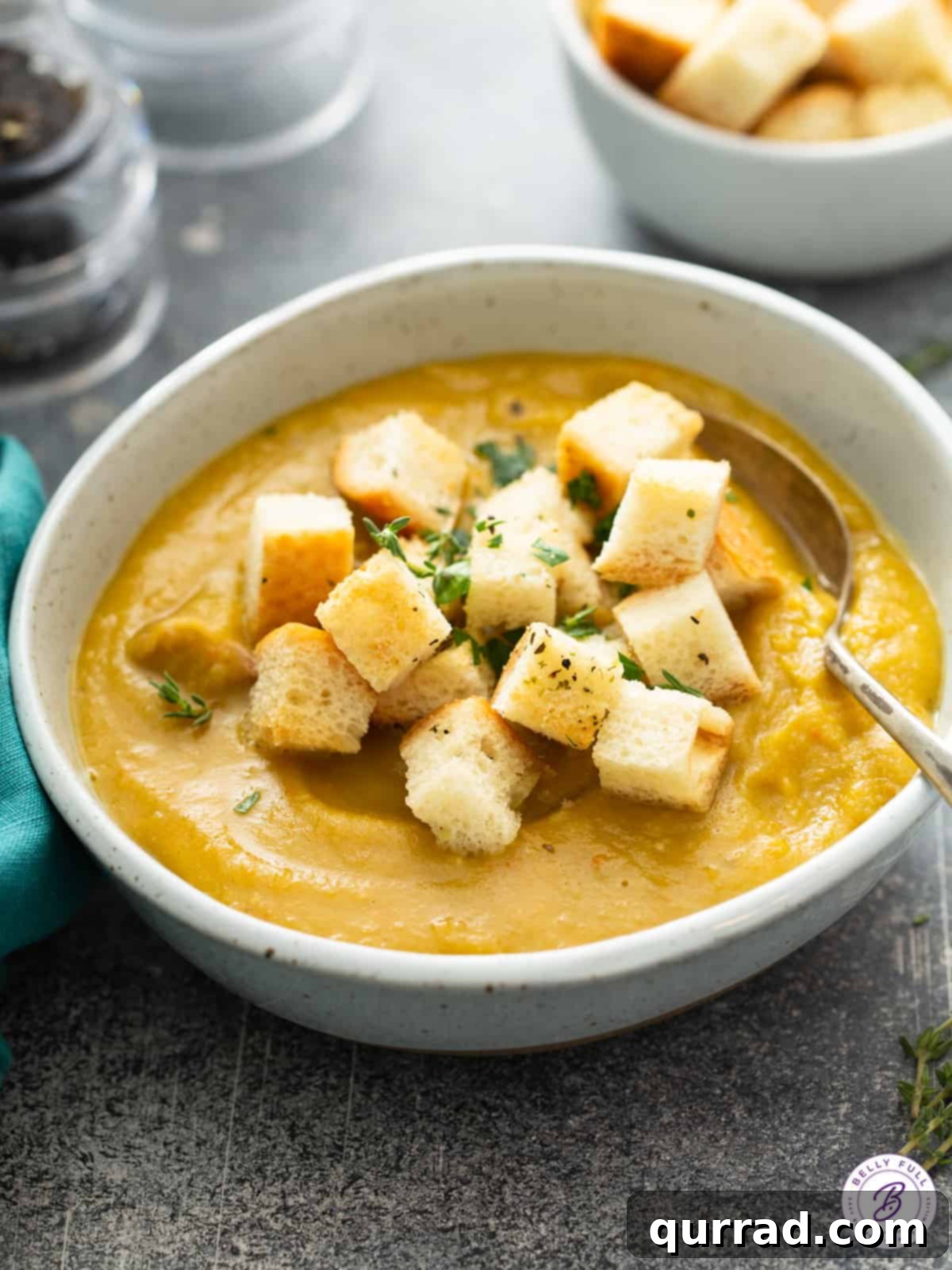
- Croutons: For an irresistible crunch and textural contrast. Homemade or store-bought, they add a delightful bite.
- Fresh Chopped Parsley or Chives: A sprinkle of fresh herbs not only adds a beautiful pop of color but also contributes a fresh, herbaceous aroma and flavor that completes the dish.
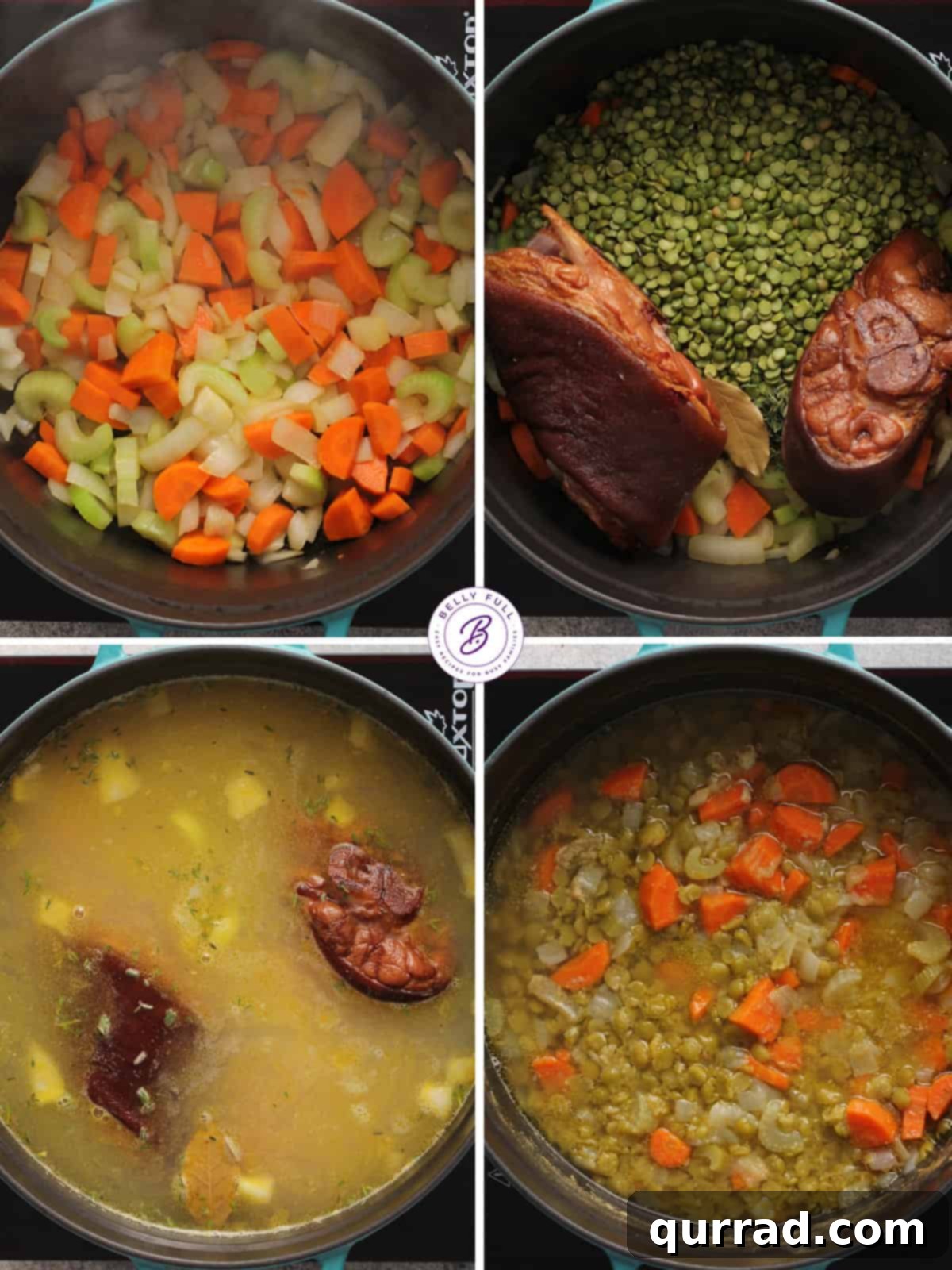
How to Make the Best Split Pea Soup: A Step-by-Step Guide
Making this incredible split pea soup is a straightforward process, broken down into a few simple steps. The majority of the work is hands-off simmering, allowing the flavors to meld beautifully. (For a fully detailed, printable recipe card with all measurements, please scroll down below.)
- Prepare the Split Peas: Before you begin cooking, it’s important to prepare your split peas. Carefully sift through the dried peas to check for any small stones or debris and remove them. Then, place the peas in a colander and rinse them thoroughly under cold running water until the water runs clear. Drain them well and set aside.
- Sauté the Aromatics: In a large, heavy-bottomed pot or Dutch oven, warm the extra-virgin olive oil over medium-high heat. Add your chopped onion, celery, and carrots (the mirepoix). Sauté these vegetables, stirring occasionally, for about 5 to 7 minutes, or until the onions become softened and translucent. This step is crucial for building a flavorful base. Next, add the minced garlic and cook for another minute until it becomes fragrant, being careful not to burn it.
- Combine and Simmer: To the pot with the sautéed vegetables, add the rinsed and drained split peas, fresh or dried thyme, and the bay leaf. Place the ham hocks (or leftover ham bone/meat) into the pot, then pour in the low-sodium chicken broth. Stir everything together gently. Bring the mixture to a strong simmer over medium-high heat.
- Skim for Clarity (Optional but Recommended): Once the soup reaches a simmer, you may notice some foam or “scum” rising to the surface. This is caused by impurities from the ham hocks. Using a large spoon or a fine-mesh skimmer, gently remove and discard this foam for several minutes until it largely ceases to rise. This step helps to achieve a cleaner, clearer broth, though it is optional and won’t affect the flavor significantly.
- Low and Slow Simmer: Reduce the heat to low, ensuring the soup maintains a gentle simmer. Partially cover the pot with a lid, leaving a small gap for steam to escape. Let the soup simmer for approximately 1 ½ hours, or until the split peas are completely tender and have begun to break down, thickening the soup naturally. Stir occasionally, especially towards the end, to prevent the peas from sticking to the bottom of the pot.
- Remove Ham and Bay Leaf: Once the peas are tender, carefully remove the ham hocks and the bay leaf from the soup. Discard the bay leaf. Transfer the ham hocks to a plate or cutting board and allow them to cool slightly. Once cool enough to handle, remove the meat from the bones, discarding any fat or gristle. Dice or shred the succulent ham meat into bite-sized pieces and set aside.
- Purée the Soup: This step is key to achieving that signature silky consistency. You have two excellent options:
- Immersion Blender: For convenience, use an immersion blender directly in the pot. Blend until your desired level of smoothness is achieved. Some prefer a slightly chunky texture, while others prefer it completely smooth.
- Standard Blender: If you don’t have an immersion blender, carefully transfer the soup in batches to a standard blender. Secure the lid tightly and blend until smooth. *Caution: When blending hot liquids, fill the blender no more than halfway, and remove the small cap from the lid to allow steam to escape (covering the opening with a kitchen towel to prevent splatters).* If you desire an exceptionally silky soup, you can pass the purée through a fine-mesh sieve.
- Final Touches and Seasoning: Return the puréed soup to the pot if you used a standard blender. Reheat the soup gently until it is steaming hot. Stir the diced or shredded ham meat back into the pureed soup. Add a generous splash of fresh lemon juice – this brightens the flavors immensely. Finally, taste the soup and add salt and freshly ground black pepper as needed. Remember, ham can be salty, so season carefully.
- Serve and Garnish: Ladle the hot, comforting split pea soup into individual bowls. Garnish generously with crispy croutons for texture and a sprinkle of fresh chopped parsley or chives for vibrant color and a burst of fresh flavor. Enjoy immediately!
Expert Tips for Split Pea Soup Success
Achieving the perfect bowl of split pea soup is easy with a few key considerations in mind. These tips will help you navigate common questions and ensure a delicious outcome every time:
- Green vs. Yellow Split Peas: Are They Interchangeable? Yes, absolutely! Both green and yellow split peas can be used interchangeably in this recipe, and they cook in roughly the same amount of time. While some assert they taste identical, many home cooks, myself included, find yellow split peas to have a slightly sweeter, milder flavor profile. Green split peas tend to be a bit more earthy. Feel free to use whichever variety you prefer or have on hand!
- How to Achieve Your Desired Soup Thickness: Split pea soup naturally thickens as the peas break down, but sometimes you might want a bit more or less body.
- To Thicken: If your soup seems thinner than desired even after the peas have cooked, simply leave the lid off the pot for the last 30 minutes of simmering. This allows more liquid to evaporate, concentrating the soup. Alternatively, for an even thicker result, you can peel and dice one medium potato and add it to the soup during the last 20-30 minutes of cooking. Once puréed, the potato will add wonderful body. Remember that the soup will continue to thicken considerably as it cools and rests.
- To Thin: If your soup becomes too thick after cooling or reheating, simply stir in a splash of extra chicken broth or water until you reach your preferred consistency.
- Adding Salt – Taste Before You Season: This is a critical step! Ham hocks and cured ham can be quite salty, and that salt will infuse into your soup during the long simmer. For this reason, it’s highly recommended to wait until the very end of the cooking process, after the soup has been puréed and the ham meat returned, before adding any additional salt. Taste it thoroughly, then add salt gradually until it reaches your desired seasoning level. You can always add more, but you can’t take it away!
- Making it Vegetarian (Ham-Free): For a vegetarian version, simply omit the ham hocks. You can substitute vegetable broth for chicken broth and add a smoky flavor with smoked paprika or liquid smoke (a tiny dash!). You might also consider adding more vegetables, such as diced mushrooms or zucchini, for extra substance.
- Enhancing Flavor with Additional Herbs: While thyme and bay leaf provide a classic base, feel free to experiment with other complementary herbs like a sprig of fresh rosemary, a pinch of dried sage, or a touch of marjoram. These can add new dimensions to your soup’s aroma and taste.
Visual Guide to Making Split Pea Soup with Ham
For those who prefer a visual demonstration, a cooking video detailing each step of this Split Pea Soup with Ham recipe can be found on our website, offering helpful guidance for a perfect result.
What to Serve with Your Hearty Split Pea Soup
This wonderfully rich and satisfying soup is often a meal in itself, but it truly shines when paired with a few complementary sides. Consider these delightful accompaniments:
- Crusty Bread for Dipping: A rustic loaf of Dutch oven bread or slices of warm, homemade garlic bread are perfect for soaking up every last drop of the flavorful broth.
- Crispy Croutons: As suggested, crunchy croutons add a fantastic textural contrast.
- Fresh Dollops: Beyond a splash of lemon juice, a small dollop of plain Greek yogurt or sour cream swirled into the hot soup can add a creamy tang that is incredibly delicious and provides a beautiful contrast.
- Simple Side Salad: A light, crisp green salad with a vinaigrette dressing can offer a refreshing counterpoint to the richness of the soup.
- Grilled Cheese Sandwich: For the ultimate comfort food pairing, nothing beats a classic grilled cheese sandwich alongside a bowl of split pea soup.
Proper Storage and Freezing for Future Enjoyment
One of the many benefits of this homemade split pea soup is how well it stores, making it an excellent meal prep option for busy weeks or for freezing to enjoy months later. Properly handling leftovers ensures you can savor its comforting flavors again and again.
- Refrigeration: How long does split pea soup keep? First, allow the soup to cool completely to room temperature before storing. Once cooled, transfer it to an airtight container. Stored this way, leftovers will maintain their quality for up to 3 days in the refrigerator. You’ll notice the soup will thicken considerably as it chills due to the starch from the peas. Don’t worry, it will thin back out once gently reheated. If, upon reheating, the consistency is still thicker than you prefer, simply stir in a little extra chicken broth or water until it reaches your desired texture.
- Freezing: Can you freeze split pea soup? Absolutely! Split pea soup freezes beautifully. Ensure the soup has cooled completely. Then, transfer it to freezer-safe, airtight containers or heavy-duty freezer bags. If using containers, leave about a 1/2-inch gap at the top to allow for expansion during freezing. Frozen soup can be stored for up to 3 months. When you’re ready to enjoy it, thaw the soup overnight in the refrigerator. Once thawed, reheat it gently in a saucepan over low heat on the stove, stirring occasionally until warmed through. Adjust consistency with broth or water if necessary.
Discover More Comforting Soup Recipes:
- Hearty Hungarian Mushroom Soup
- Rich and Flavorful Beef Stew
- Classic Homemade Chicken Noodle Soup
- Creamy Ham and Potato Soup
- Authentic French Onion Soup
- Easy Tomato Soup with Gourmet Croutons
We sincerely hope you cherish this delightful and straightforward split pea soup recipe. Your feedback means the world to us – please consider leaving a review below! And don’t forget to connect with us on social media for more culinary inspiration:
- TikTok
- YouTube
Classic Homemade Split Pea Soup with Ham
Rating: 5 out of 5 stars (Based on 1 review)
Prep Time: 15 mins
Cook Time: 1 hr 35 mins
Total Time: 1 hr 50 mins
Servings: 6
This easy homemade Split Pea Soup recipe with ham is silky, hearty, filling, so flavorful and satisfying for lunch or dinner. Classic comfort food that hits the spot on a cold day!
Ingredients
- 1 pound (approximately 2 1/4 cups) green split peas
- 2 tablespoons extra-virgin olive oil
- 2 medium sweet onions, chopped
- 2 stalks celery, chopped
- 2 medium carrots, peeled and chopped
- 1 large clove garlic, peeled and smashed (or minced)
- 1 1/2 teaspoons chopped fresh thyme (or 1/2 teaspoon dried thyme)
- 1 bay leaf
- 2 ham hocks, well-rinsed (or equivalent leftover ham bone with meat)
- 2 1/2 quarts (10 cups) low-sodium chicken broth
- Salt and freshly ground black pepper, to taste
- A generous splash of fresh lemon juice, for finishing
- Small toasted croutons, for garnish (omit for gluten-free)
- Chopped fresh parsley or chives, for garnish
Instructions
- Carefully pick over the dried split peas to remove any small stones or debris. Rinse the peas thoroughly under cold running water and drain well.
- In a large, heavy-bottomed pot or Dutch oven, heat the olive oil over medium-high heat. Add the chopped onion, celery, and carrots. Sauté, stirring occasionally, for about 5 minutes until the onion is softened and translucent. Add the smashed garlic and cook for 1 more minute until fragrant.
- Add the rinsed split peas to the pot, along with the fresh thyme, bay leaf, and the well-rinsed ham hocks. Pour in the low-sodium chicken broth. Bring the mixture to a simmer.
- (Optional) As the soup simmers, use a large spoon or skimmer to remove any foam or “scum” that rises to the surface. Continue for several minutes until the foam subsides, ensuring a clearer broth.
- Partially cover the pot, leaving a small gap for steam to escape, and reduce the heat to low. Simmer for approximately 1 hour and 30 minutes, or until the split peas are completely tender and have begun to break down, naturally thickening the soup. Stir occasionally to prevent sticking.
- Carefully remove the ham hocks and the bay leaf from the soup. Discard the bay leaf. Transfer the ham hocks to a plate and let them cool slightly. Once cool enough to handle, remove the meat from the bones, shredding or dicing it into small pieces. Discard bones and any excess fat/gristle.
- To achieve your desired creamy consistency, purée the soup. You can use an immersion blender directly in the pot, blending until smooth or to your preferred texture. Alternatively, carefully transfer the soup in batches to a standard blender and purée until smooth (remember to vent the lid for hot liquids). If an exceptionally smooth soup is desired, pass the purée through a fine-mesh sieve.
- Return the puréed soup to the pot (if using a standard blender) and reheat gently until steaming. Stir the shredded ham meat back into the soup. Add a splash of fresh lemon juice. Taste the soup and season with salt and freshly ground black pepper as necessary, remembering that ham can be quite salty.
- Ladle the hot soup into bowls. Garnish with toasted croutons and a sprinkle of fresh chopped parsley or chives before serving.
Notes
- Split Pea Variety: Both green and yellow split peas are interchangeable in this recipe and will cook similarly. Yellow split peas tend to have a slightly sweeter flavor.
- Adjusting Thickness: If the soup is too thin, simmer uncovered for the last 30 minutes to reduce liquid. Adding a diced potato for the last 20-30 minutes of cooking before puréeing can also thicken it. The soup will naturally thicken more as it cools. To thin, add a little extra broth or water when reheating.
- Seasoning with Salt: Ham hocks can be very salty. Always taste your soup before adding any extra salt, and adjust cautiously at the very end.
- Using Leftover Ham: A meaty ham bone from a spiral ham is an excellent substitute for ham hocks, providing wonderful flavor. Just add it at the beginning of the simmer and remove the meat at the end.
Nutrition Facts (per serving)
(Approximate values based on a 6-serving yield)
- Calories: 552 kcal
- Carbohydrates: 61g
- Protein: 40g
- Fat: 18g
- Saturated Fat: 5g
- Cholesterol: 48mg
- Sodium: 272mg
- Potassium: 1472mg
- Fiber: 21g
- Sugar: 13g
- Vitamin A: 3593 IU
- Vitamin C: 9mg
- Calcium: 102mg
- Iron: 5mg
Please note: Nutritional information is an automatic calculation and can vary significantly based on specific product brands, ingredient substitutions, and precise measurements used. For exact dietary needs, it is recommended to calculate nutrition facts independently.
Did you make this recipe?
We’d love to hear your thoughts! Please leave a rating and comment below to share your experience.