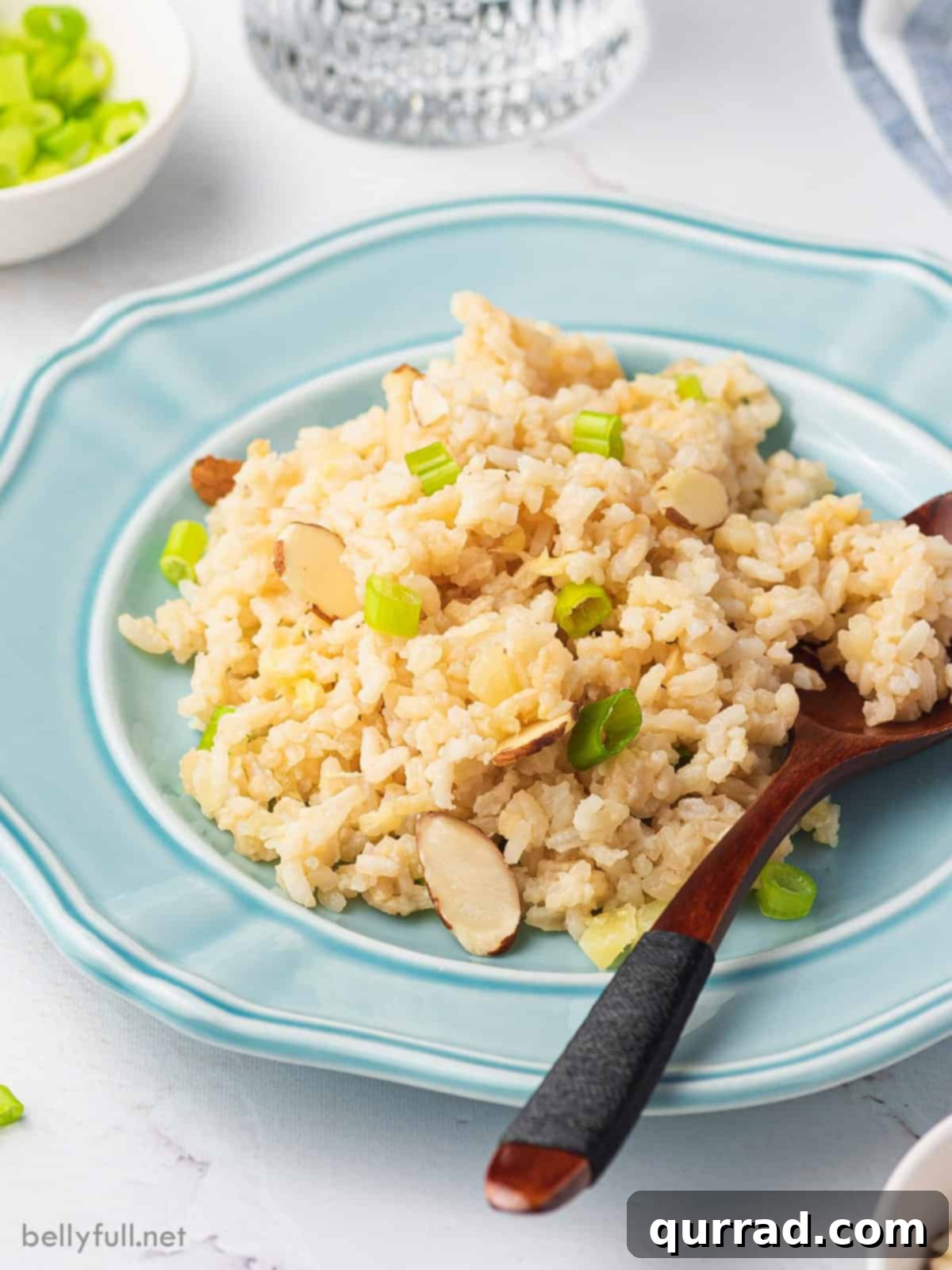
Welcome to a delightful culinary journey where the vibrant flavors of the tropics meet the comforting warmth of a classic side dish. This Pineapple Coconut Rice recipe offers a delicious, exotic twist on traditional plain white rice, transforming it into a creamy, rich, yet surprisingly mild and light accompaniment. It’s an incredibly versatile dish that pairs perfectly with a wide array of proteins, making it an ideal choice for a casual weeknight meal or a spectacular centerpiece for a tropical-themed dinner party. Whether you’re craving a taste of summer in the midst of winter or enhancing a warm-weather feast, this recipe utilizes fresh or canned fruit, ensuring its accessibility all year round. We’ve meticulously crafted directions for both stovetop and rice cooker methods, guaranteeing perfect results every time.
Exceptional Reader Reviews
Nicole enthusiastically shares, “I absolutely adore this recipe, whether I include the pineapple or not. It’s become a frequent staple in my kitchen because it complements so many different dishes.”
Carole raves, “My entire family fell in love with this recipe instantly. I followed the suggestion to add toasted almonds, which provided a wonderful textural crunch that elevated the dish even further.”
Cathy declares, “This was absolutely PERFECT. I was concerned it might be overly sweet, but it wasn’t at all. It’s just a perfectly balanced, all-around delicious blend of flavors.”
It’s no secret that our family harbors a deep, abiding love for all things rice! This Pineapple Coconut Rice recipe effortlessly joins the ranks of our cherished favorites, standing proudly alongside comforting Mushroom Rice and classic Rice Pilaf. Its unique flavor profile makes it an exceptional side dish for a variety of main courses, from succulent Grilled Hawaiian Chicken Thighs to perfectly cooked steak, tender pork, and delicate seafood. Seriously, it’s a dish that seems to harmonize with almost anything you serve it with. In fact, on many occasions, we’ve found ourselves so engrossed in its deliciousness that we’ve made a meal out of it entirely, needing nothing else!
The secret to this rice’s irresistible charm lies in its preparation: traditional cooking water is thoughtfully replaced with a luxurious blend of creamy coconut milk and savory chicken broth. This innovative liquid base infuses each grain with profound flavor and richness. After cooking, the rice is further enhanced with a medley of Asian-inspired seasonings and the sweet, tangy burst of pineapple, creating a truly unforgettable experience. The resulting grains are wonderfully creamy, deeply flavorful, and possess a remarkable balance of richness and lightness. It is, quite simply, sublime! The only way this extraordinary rice could possibly be improved is by savoring every spoonful while basking on the sun-drenched shores of a tropical island, but even in your home kitchen, it transports you there.
Why You’ll Fall in Love with This Pineapple Coconut Rice
This isn’t just another rice dish; it’s an experience waiting to happen. Here’s why this Pineapple Coconut Rice will quickly become a cherished part of your culinary repertoire:
- **A Tropical Escape on Your Plate:** Each bite delivers a harmonious blend of sweet pineapple and creamy coconut, instantly transporting your taste buds to a sun-drenched beach. It’s perfect for adding an exotic touch to any meal.
- **Incredibly Versatile:** While fantastic as a standalone dish, it truly shines as a side. From grilled meats and seafood to hearty curries and stir-fries, its unique flavor profile complements a vast array of cuisines.
- **Effortlessly Elegant:** Despite its gourmet taste, this recipe is surprisingly simple to prepare. With clear instructions for both stovetop and rice cooker, even novice cooks can achieve restaurant-quality results.
- **Perfect Balance of Flavors:** It’s rich and creamy without being heavy, and subtly sweet without being cloying. The addition of soy sauce and sesame oil introduces a savory depth that balances the fruitiness beautifully.
- **Customizable to Your Liking:** Whether you prefer more sweetness, a touch of spice, or added texture from nuts or herbs, this recipe is a fantastic canvas for your culinary creativity.
Key Ingredients & Thoughtful Substitutions
Crafting the perfect Pineapple Coconut Rice begins with selecting the right ingredients and understanding how they contribute to the dish’s overall harmony. Here’s a closer look at what you’ll need and some helpful substitution tips:
- Jasmine Rice: The Foundation of Flavor and Texture. For optimal flavor and a wonderfully fluffy, slightly sticky texture, Jasmine rice is highly recommended. This long-grain rice variety offers a delicate, subtly sweet aroma that perfectly complements the coconut and pineapple. While Basmati rice can serve as an acceptable substitute due to its similar long-grain structure, we advise against using medium or short-grain rice, which tend to become overly sticky and clumpy in this application. Brown rice will not work for this specific recipe, as its different liquid absorption properties and longer cooking time are not compatible with the white rice instructions provided.
- Unsweetened Canned Coconut Milk: The Creamy Heart. This recipe calls for unsweetened coconut milk, typically found in cans. It’s crucial not to confuse this with coconut milk beverage (often found in cartons in the dairy aisle, which is much thinner) or coconut cream (which is much thicker and richer). You can use either regular (full-fat) or light coconut milk, depending on your dietary preferences; the full-fat version will yield a richer, creamier rice. Coconut milk is very thick, and if used on its own, the rice grains may not fully absorb the liquid, leading to improperly cooked or gummy rice.
- Low-Sodium Chicken Broth (or Alternatives): The Dilution and Depth. To ensure the rice cooks perfectly and absorbs the rich coconut milk properly, it needs to be diluted with another liquid. Low-sodium chicken broth is our choice, adding an extra layer of savory depth. However, for an even more pronounced coconut flavor, you can opt for coconut water. Plain water is also a perfectly acceptable substitute if you want the coconut and pineapple flavors to be the absolute stars.
- Crushed or Tiny Diced Pineapple: The Sweet & Tangy Burst. You can use either fresh or canned pineapple for this recipe. If using canned, make sure it’s well-drained to avoid excess moisture, which could make the rice soggy. Tiny diced or crushed pineapple integrates beautifully into the rice, providing bursts of tropical sweetness and a delightful tangy counterpoint.
- Low-Sodium Soy Sauce: The Umami Touch. This ingredient adds a crucial savory, umami depth that balances the sweetness of the pineapple and coconut. Using low-sodium soy sauce allows you to control the overall saltiness of the dish.
- Toasted Sesame Oil: The Aromatic Finisher. Just a couple of teaspoons of toasted sesame oil impart a wonderfully nutty, aromatic fragrance that elevates the Asian-inspired flavor profile of the dish. It’s a key component for that distinctive aroma.
- Brown Sugar: A Hint of Caramel Sweetness. A small amount of brown sugar enhances the natural sweetness of the pineapple and coconut, adding a subtle caramel note that rounds out the flavors without making the dish overly sweet.
- Diced Scallions: The Fresh Garnish. Freshly diced scallions provide a mild oniony bite and a vibrant green color, acting as both a flavor enhancer and a beautiful garnish.
Essential Tips for Perfect Pineapple Coconut Rice
Achieving light, fluffy, and flavorful pineapple coconut rice is simple with these expert tips:
- The Art of Rinsing Rice: This step is non-negotiable for coconut rice! Rice contains a significant amount of starch. When cooking with water, some stickiness is often tolerated. However, with the thicker consistency of coconut milk, failing to rinse the rice thoroughly will result in a gummy, gluey texture that is far from desirable. To properly wash rice, place the dry grains in a large bowl and cover them with cold water. Use your hands to gently agitate and stir the rice, then carefully drain the cloudy water. Repeat this process several times (usually 3-5 times) until the water runs completely clear, indicating that most of the excess starch has been removed. This meticulous rinsing ensures you’ll achieve beautifully separated, light, and fluffy grains.
- Balancing Liquids for Ideal Texture: As mentioned, unsweetened coconut milk from a can is the star. However, it’s too thick to cook rice on its own effectively. Diluting it with another liquid—whether it’s chicken broth for savory depth, coconut water for intensified tropical notes, or even plain water for a purer coconut flavor—is crucial. This dilution ensures the rice cooks evenly and absorbs the flavors without becoming heavy or improperly textured.
- The Boil, Stir, Reduce, Cover Method: This sequence is key to cooking rice perfectly on the stovetop. Start by bringing the liquids and rice to a rapid boil over high heat. This initial high heat helps activate the starch and ensures even cooking. Immediately after reaching a boil, give it one good stir to prevent sticking, then reduce the heat to its lowest setting. Promptly cover the pot with a tight-fitting lid. This traps the steam, allowing the rice to cook gently and consistently. Avoid lifting the lid during the cooking process.
- The Crucial Resting Period: Once the cooking time (typically 20 minutes for white rice) is complete, resist the urge to immediately open the lid. Turn off the heat completely and let the rice rest, undisturbed, with the lid still on, for an additional 10-15 minutes. This vital resting period allows the rice to finish steaming through, ensuring all the moisture is evenly absorbed and the grains become perfectly plump and distinct. It also reduces any residual wetness, contributing to a light, fluffy texture.
- Mix-ins for Enhanced Flavor & Texture: While the base recipe is fantastic on its own, the addition of mix-ins after cooking truly elevates the dish. Consider toasted coconut flakes for extra crunch and coconut flavor, sliced almonds or chopped macadamia nuts for nutty richness, or fresh chopped cilantro for a bright, herbaceous lift. These additions provide both textural contrast and complementary flavors.
★
★
★
★
Pineapple Coconut Rice
5 minutes
20 minutes
10 minutes
35 minutes
8
Pin
Ingredients
- 2 cups dry jasmine rice
- 1 & 1/4 cups low-sodium chicken broth
- 1 cup coconut milk, (from a can of coconut milk)
- 1 cup crushed or tiny diced pineapple, drained
- 2 tablespoons low sodium soy sauce
- 2 teaspoons toasted sesame oil
- 1 teaspoon brown sugar
- 1/4 cup diced scallions
Optional Mix-ins
- Toasted coconut flakes, sliced almonds, chopped macadamia nuts, or fresh chopped cilantro.
Instructions
-
Rinse the rice several times in a large bowl until the water runs completely clear. Drain the rice thoroughly.
-
In a medium pot with a tight-fitting lid, combine the rinsed rice, chicken broth, and coconut milk. Bring the mixture to a rolling boil over high heat. Once boiling, stir once, then immediately reduce the heat to its lowest setting and cover the pot tightly. Allow the rice to cook for 20 minutes without lifting the lid.
-
After 20 minutes, turn off the heat. Do not open the lid; instead, let the pot sit undisturbed for another 10-15 minutes. This crucial resting period allows the rice to finish steaming and ensures it’s perfectly fluffy and absorbs all remaining moisture.
-
Carefully remove the lid and fluff the cooked rice with a fork. Gently fold in the drained pineapple, low sodium soy sauce, toasted sesame oil, brown sugar, and diced scallions until evenly combined.
-
Serve immediately. Top with any of the optional recommended mix-ins such as toasted coconut flakes or sliced almonds, and drizzle with a touch more soy sauce if desired for extra savory depth.
Nutrition
Calories: 293kcal |
Carbohydrates: 50g |
Protein: 5g |
Fat: 8g |
Saturated Fat: 5g |
Sodium: 269mg |
Potassium: 252mg |
Fiber: 1g |
Sugar: 10g |
Vitamin A: 65IU |
Vitamin C: 7.5mg |
Calcium: 33mg |
Iron: 1.7mg
Please note: Nutritional information provided is an estimate based on standard calculations and may vary depending on specific brands and ingredient modifications. For precise dietary tracking, we recommend calculating these values independently using your chosen products.
Coconut Rice in a Rice Cooker: Effortless Perfection
For those who rely on the convenience and precision of a rice cooker, like my beloved Zojirushi, making this Pineapple Coconut Rice is even simpler. A rice cooker ensures consistently perfect rice with minimal effort. Here’s how you can adapt this recipe for your rice cooker:
- Begin by thoroughly rinsing the jasmine rice until the water runs clear, as described in our essential tips. This step is just as important for rice cooker preparation to ensure fluffy, non-sticky results.
- Once rinsed and drained, transfer the rice to your rice cooker pot. Add the low-sodium chicken broth and canned coconut milk. Give it a gentle stir to combine all the liquids and rice evenly.
- Set your rice cooker to the “quick cook” or “white rice” setting, depending on your model. The cooking cycle typically takes around 20-25 minutes.
- When the rice cooker switches to “keep warm” or the timer goes off, allow the rice to rest in the cooker with the lid closed for an additional 10 minutes. This allows for complete steaming and absorption of moisture.
- Finally, open the lid, fluff the rice with a fork, and gently mix in the drained pineapple, low sodium soy sauce, toasted sesame oil, brown sugar, and diced scallions. Serve hot and enjoy the incredibly easy and delicious results!
What to Serve with Pineapple Coconut Rice: Perfect Pairings
The versatility of Pineapple Coconut Rice truly shines when paired with the right main courses and garnishes. Its tropical yet savory profile makes it an excellent match for a wide range of dishes. Here are some inspiring ideas:
- Elevate with Flavorful Mix-ins:
- **Toasted coconut flakes:** Adds a delightful crunch and intensifies the coconut flavor.
- **Sliced almonds or chopped macadamia nuts:** Offers nutty richness and a satisfying texture contrast.
- **Diced fresh mango:** For an extra burst of tropical sweetness and vibrant color.
- **Diced red bell pepper:** Provides a subtle sweetness and crisp texture.
- **Fresh chopped cilantro or mint:** Brightens the dish with a refreshing, herbaceous note.
- **A squeeze of fresh lime juice:** Adds a zesty lift that cuts through the richness.
- **A sprinkle of red pepper flakes:** For those who enjoy a hint of subtle heat.
- Pair with Grilled Perfection: The smoky char of grilled meats and seafood is an exquisite complement to the sweet and creamy rice. Consider serving it alongside:
- Jerk Turkey Burgers
- Hawaiian Pork Sliders
- Grilled Chicken Breasts with Herbs and Lemon
- Grilled Flank Steak
- Grilled shrimp or white fish, seasoned simply with salt, pepper, and a touch of lime.
- Pork tenderloin skewers with a sweet and savory glaze.
- Complement Asian & Tropical Dishes: This rice is a natural fit for Thai, Hawaiian, and other Asian-inspired cuisines. Serve it with chicken satay, pork stir-fries, or any dish that benefits from a creamy, slightly sweet side.
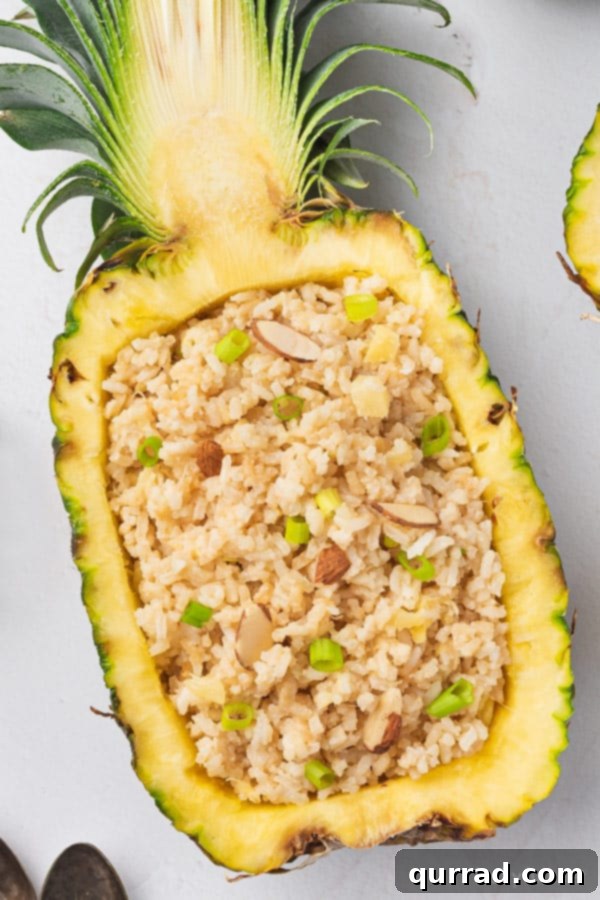
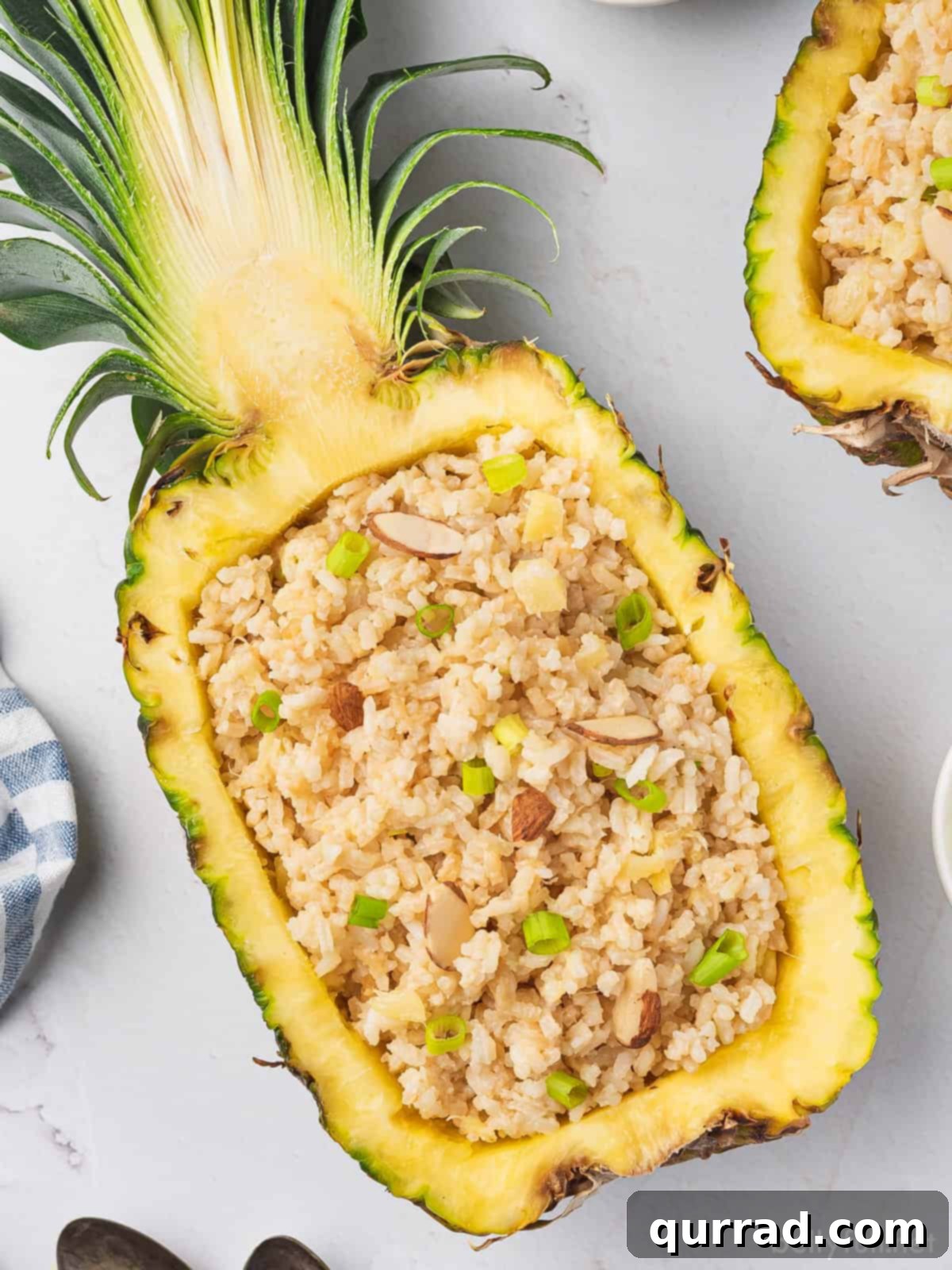
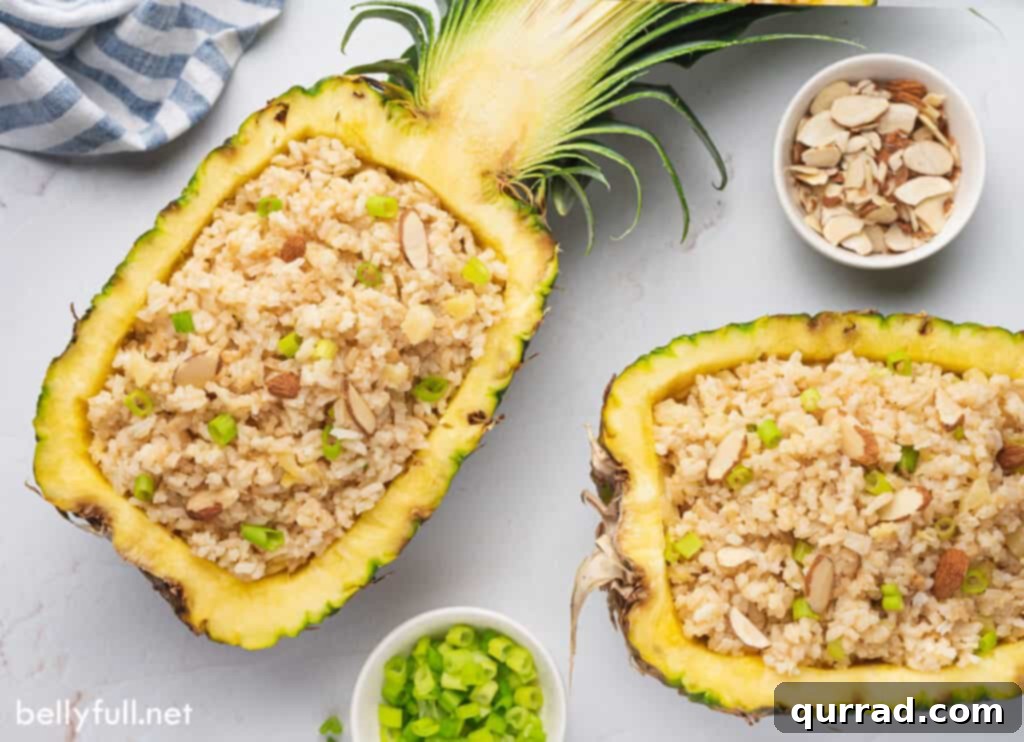
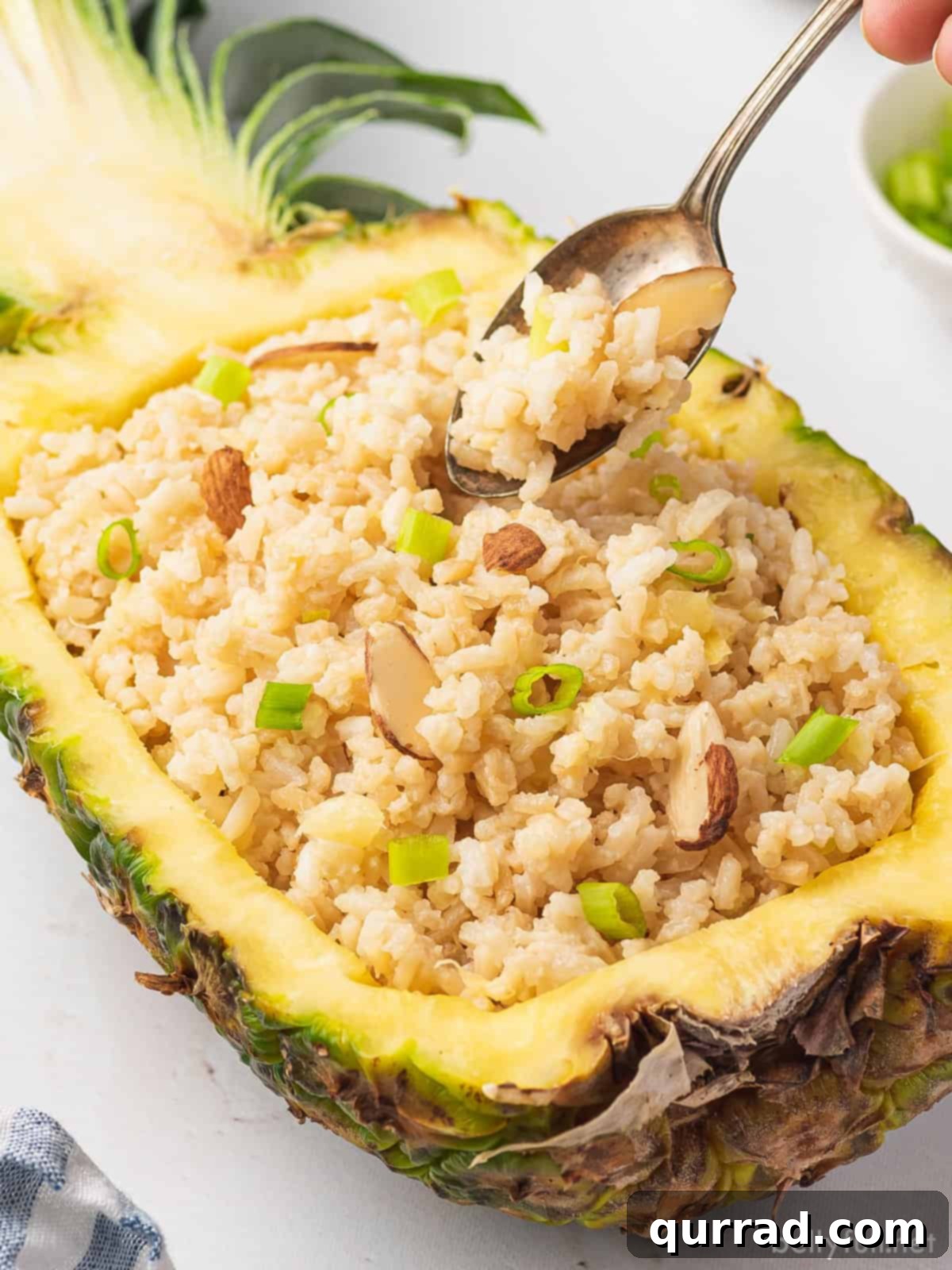
- Unique Presentation Idea: Hollow Out a Pineapple! For a truly show-stopping presentation that will impress your guests, consider carefully hollowing out a fresh pineapple half and using it as a natural, edible serving bowl for the rice. It adds an incredible festive and tropical touch to your meal!
Storing Leftovers and Meal Prep Tips
Pineapple Coconut Rice makes fantastic leftovers, and it’s an excellent candidate for meal prepping. Here’s how to properly store and reheat your delicious creation:
- Refrigeration: Once the rice has cooled completely, transfer it to an airtight container. Store it in the refrigerator, where it will remain fresh and delicious for 3-4 days. Ensure it cools quickly after cooking to prevent bacterial growth.
- Freezing for Longer Storage: This coconut rice freezes beautifully, making it perfect for preparing ahead or saving larger batches. After allowing the rice to cool completely (this is crucial for food safety and preventing ice crystals), portion it into freezer-safe containers or heavy-duty freezer bags. Remove as much air as possible to prevent freezer burn. It can be stored in the freezer for up to 2 months. When ready to enjoy, thaw the rice in the refrigerator overnight before reheating.
- Reheating for Best Results:
- Microwave Method: The quickest and easiest way to reheat individual portions is in the microwave. Place the rice in a microwave-safe bowl, add a tablespoon or two of water or chicken broth (this helps re-moisturize the grains and prevents drying out), cover loosely, and heat on high in 1-minute intervals, stirring in between, until heated through.
- Stovetop Method: For larger portions or a fresher texture, reheat on the stovetop. Place the rice in a non-stick skillet over medium-low heat. Add a splash of water or chicken broth (about 1-2 tablespoons per cup of rice) and cover. Cook, stirring occasionally, until the rice is heated through and fluffy. The added liquid helps steam the rice back to its original texture.
Other Rice Recipes to Expand Your Repertoire
If you’ve enjoyed this Pineapple Coconut Rice, you’ll love exploring more of our favorite rice dishes that bring unique flavors and textures to your table:
- Cilantro Lime Rice: Bright, zesty, and perfect with Mexican or grilled dishes.
- Mushroom Rice: Earthy, savory, and a comforting classic side.
- Spanish Rice: Flavorful and vibrant, ideal for a fiesta.
- Rice Pilaf: A buttery, aromatic staple that complements almost any meal.
- Fried Rice: A quick, customizable, and satisfying one-pan meal.
We genuinely hope you adore this delicious and easy Pineapple Coconut Rice recipe as much as we do. Please take a moment to leave a review below and share your thoughts! Don’t forget to connect with Belly Full on TikTok, Facebook, Instagram, Pinterest, and YouTube for more delightful recipes and culinary inspiration!