
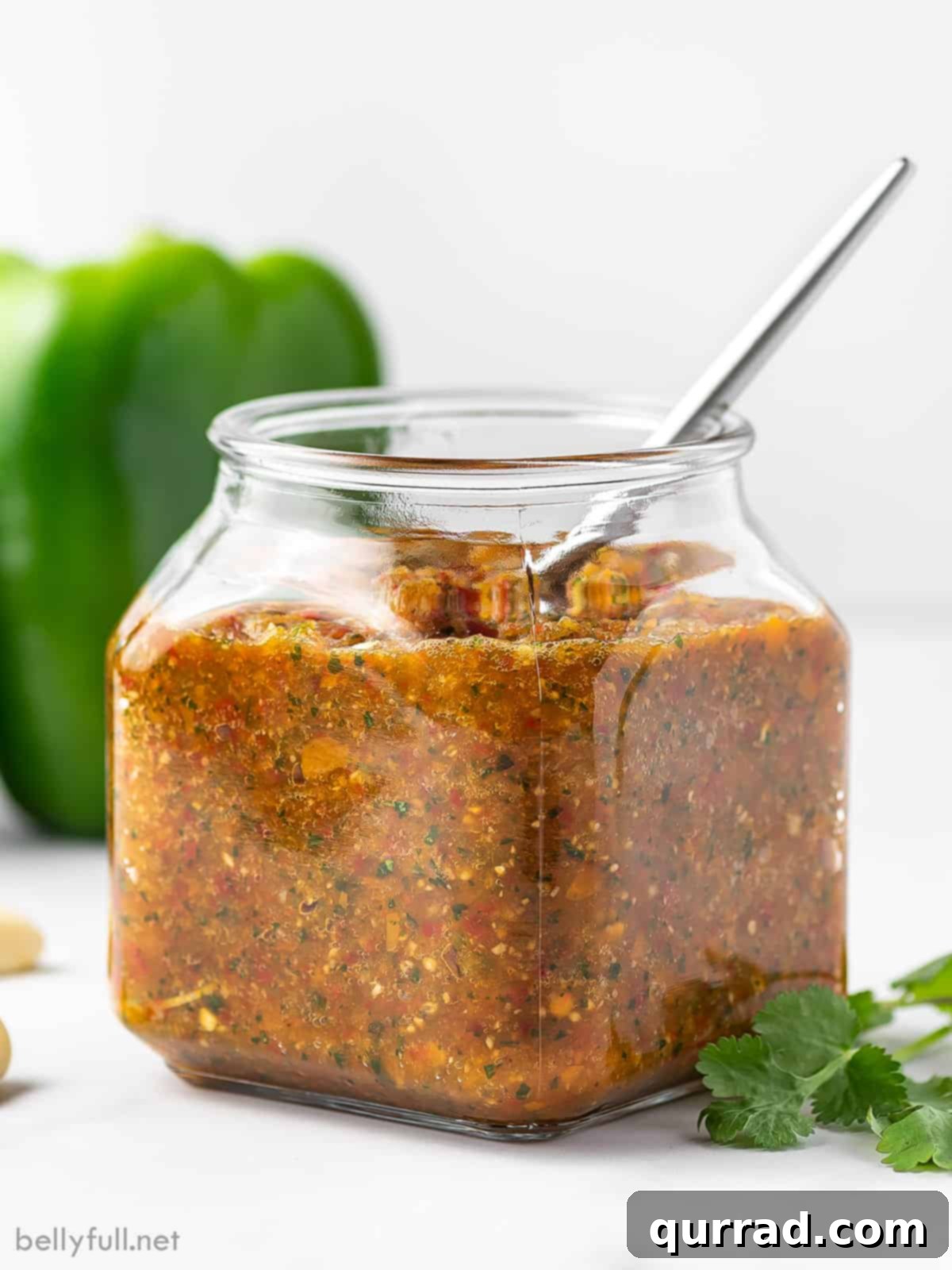
Sofrito: The Soul of Puerto Rican & Caribbean Cuisine
Unlock the vibrant flavors of the Caribbean with homemade Sofrito, an aromatic powerhouse that forms the heart of countless Hispanic dishes. This versatile puree, a blend of fresh onions, peppers, garlic, and herbs, is the secret weapon for adding depth and authenticity to your cooking. While jarred versions offer convenience, crafting your own Sofrito from scratch is surprisingly simple, taking mere minutes to prepare, and delivers an unparalleled freshness that store-bought simply cannot match.
Once you experience the rich aroma and taste of fresh Sofrito, you’ll find yourself incorporating it into everything from savory rice and robust beans to comforting soups and stews. It’s the foundational flavor that elevates dishes like our renowned Sofrito Chicken from good to unforgettable.
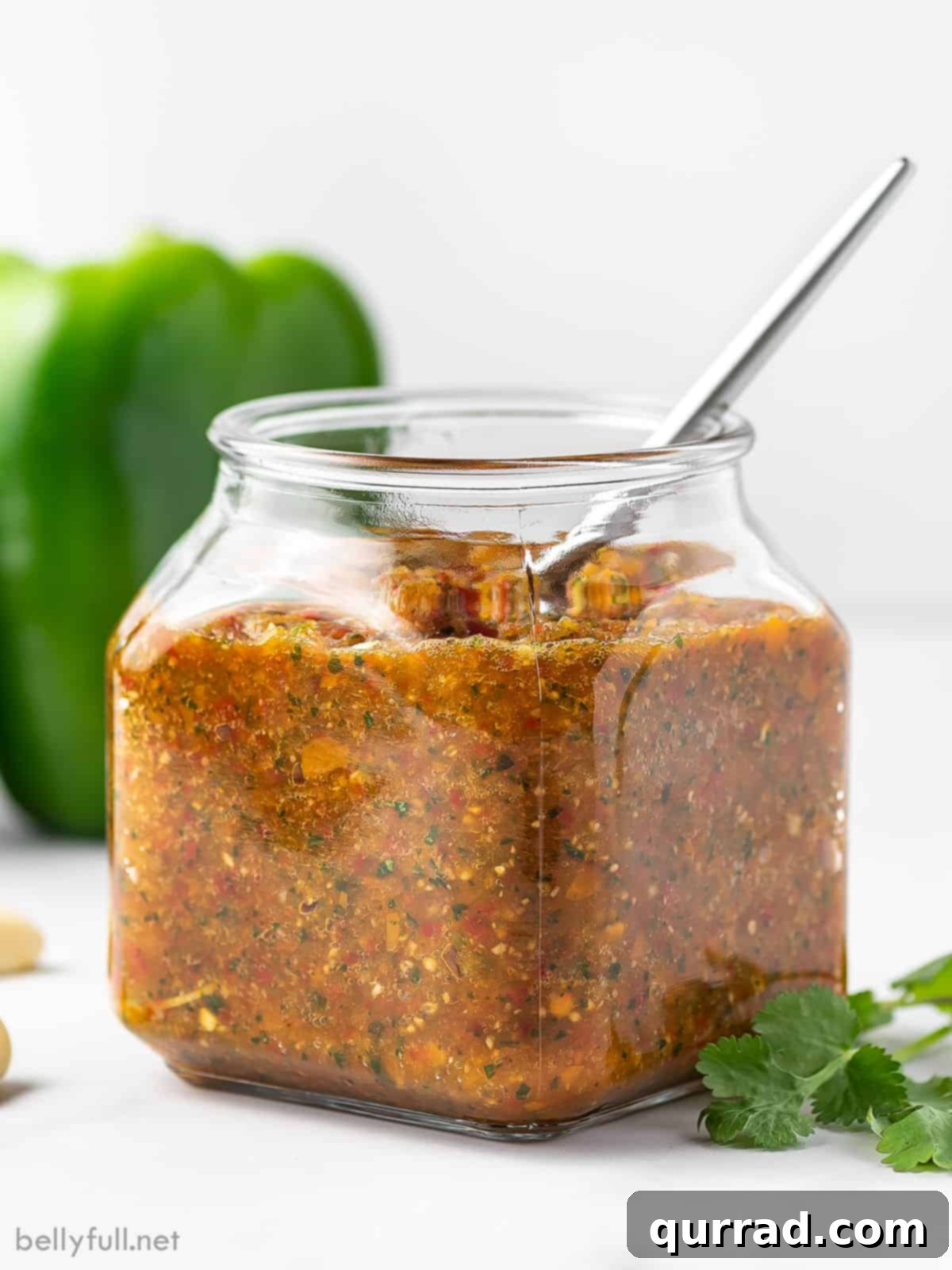
Crafting Authentic Sofrito: An Easy & Flavorful Recipe
There’s an undeniable magic that fills the air whenever I visit my friend Roxana’s house. The scent of incredible food, a testament to generations of culinary tradition, always greets me. Roxana and her abuela are constantly creating culinary masterpieces, and it’s from their kitchen that I’ve learned the secrets of true Puerto Rican cooking. Today, I’m honored to share their time-honored Sofrito recipe – a simple yet profoundly impactful blend of fresh onions, various peppers, pungent garlic, and aromatic herbs. This recipe, passed down through generations, transforms these humble ingredients into a paste-like puree that promises to infuse your dishes with big, bold, authentic flavors.
The beauty of this Sofrito recipe lies in its ease and speed. In just minutes, you can create a batch of this foundational flavor base, ready to be deployed in a multitude of Hispanic and Caribbean dishes. Say goodbye to bland meals and hello to a world of rich, savory deliciousness!
What Exactly is Sofrito? A Culinary Cornerstone Explained
At its core, Sofrito is a traditional, aromatic flavor base, a pureed blend of vegetables and herbs essential to Puerto Rican and broader Caribbean cuisine. Think of it as the foundational building block for stews, rice dishes, beans, and more, similar to how mirepoix is used in French cooking or the holy trinity in Cajun cuisine. While specific ingredients can vary from family to family – a cherished aspect of classic recipes – the typical Puerto Rican Sofrito features onions, a vibrant mix of peppers, copious amounts of garlic, cilantro, and the distinctive culantro (also known as recao).
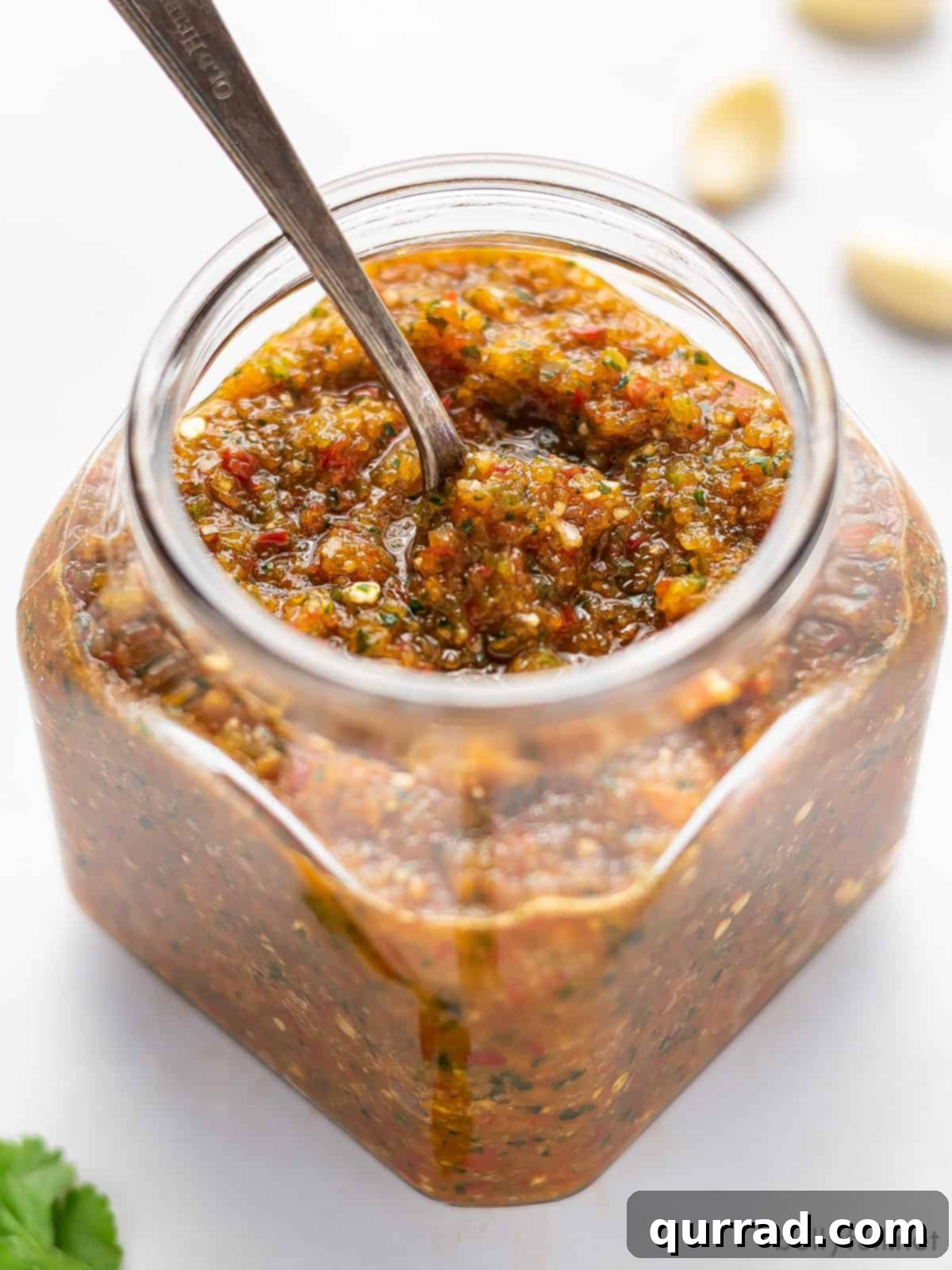
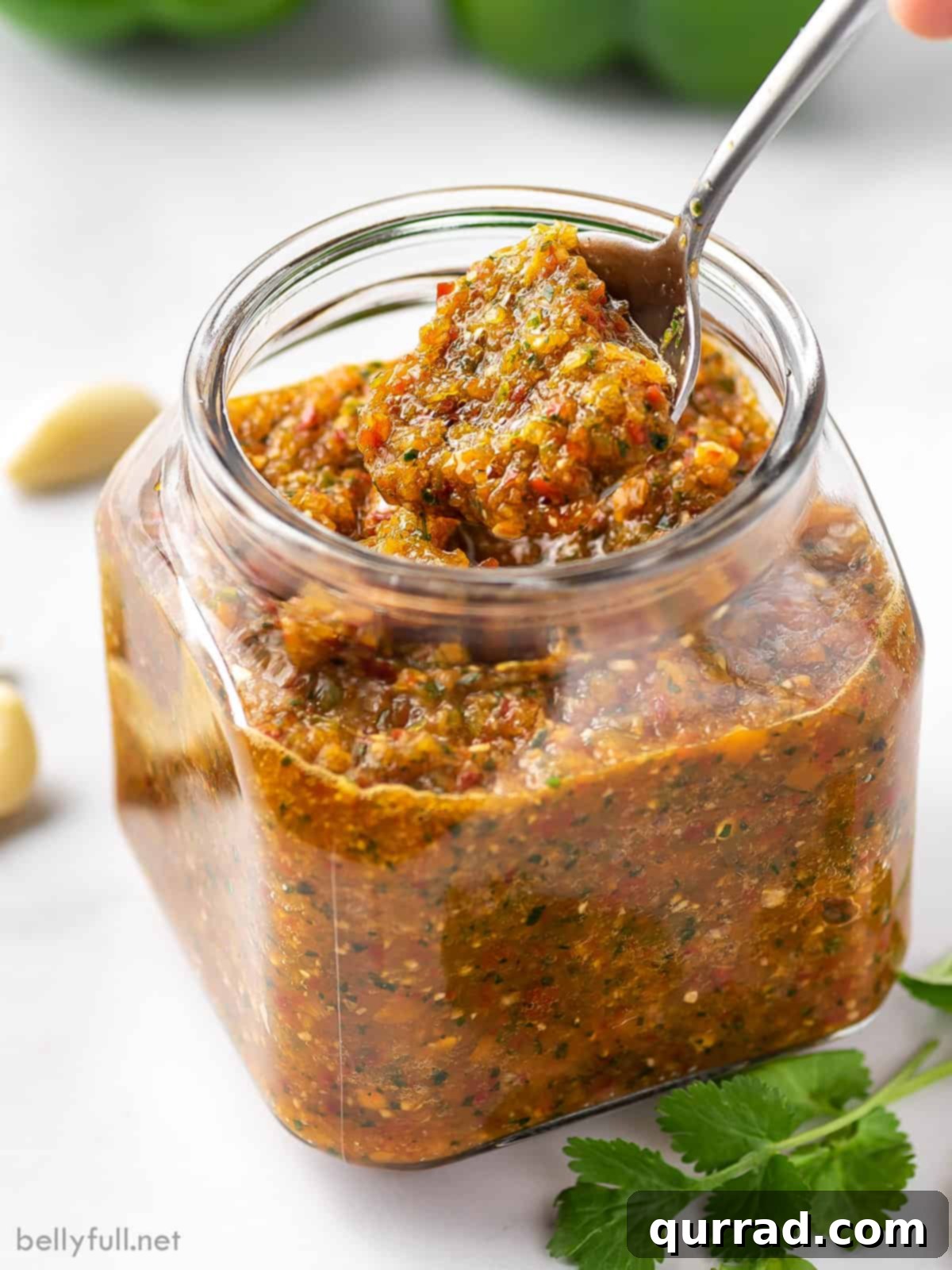
Though some might mistakenly compare it to salsa due to the shared ingredients, Sofrito stands apart with its unique taste profile and, more notably, its texture. Unlike the chunky freshness of salsa, Sofrito boasts a smoother, paste-like consistency, often likened to Italian pesto. This dense puree truly awakens when a dollop hits hot oil in a pan, releasing an intoxicating aroma that signals the start of a truly flavorful meal. I always keep a batch on hand, ready to transform everyday ingredients into extraordinary chicken dishes, enhance the richness of soups, or deepen the flavor of rice and beans.
A key characteristic of Puerto Rican Sofrito, which typically appears green due to its fresh herb and pepper content, is the addition of a touch of tomato sauce during the cooking process. This helps build even more layers of flavor and color in the final dish. Conversely, many red Sofrito varieties sold in stores often incorporate tomato sauce or paste directly into the blend, yielding a different hue and taste. The overall color of your homemade Sofrito can also shift based on the specific types and colors of peppers you choose to include, making each batch a unique culinary creation.
Essential Sofrito Ingredients: Unpacking the Flavor Profile
Creating an authentic Puerto Rican Sofrito begins with selecting the right ingredients. Each component plays a vital role in building the complex, aromatic foundation that defines this beloved flavor base. Here’s a detailed look at what you’ll need to make this incredible recipe:
- Bell Peppers: The Sweet Foundation – You’ll need a combination of green and red bell peppers, readily available at any grocery store. These provide a foundational sweetness and mild pepper flavor, contributing significantly to the bulk and vibrant color of the Sofrito. They are the workhorses of the pepper blend, offering a juicy, fresh element.
- Cubanelle Peppers: Mild & Mellow – Also known as “Cuban pepper” or “Italian frying pepper,” Cubanelles are celebrated for their mild, sweet profile. They add another layer of gentle pepper flavor without any heat, making them perfect for Sofrito. Their thin walls and slightly elongated shape also make them easy to process.
- Ají Dulce Peppers: The Habanero’s Gentle Cousin – These unique peppers, often referred to as ajíes dulces, are a crucial element for authentic Puerto Rican Sofrito. Visually, they can be mistaken for habaneros due to their similar shape and color (appearing orange, green, or red). However, the similarity ends there! While habaneros deliver intense heat, ajíes dulces offer a delightful smoky sweetness with absolutely no spice. This distinct flavor is what truly sets Puerto Rican Sofrito apart, providing an irreplaceable aromatic depth.
- Culantro Herb (also known as recao): Understanding the Aromatic Distinction – This is *not* a typo, nor is it merely a substitute for cilantro. Culantro is a distinct herb with a much stronger, more pungent flavor than its cousin, cilantro. A quick image search will highlight its unique, serrated leaf appearance. Culantro is indispensable for authentic Sofrito, providing a robust, earthy aroma. You can typically find it in most Hispanic and many Asian grocery stores (sometimes labeled as “sawtooth coriander”). A crucial tip: always remove the leaves from the stems of both culantro and cilantro, as the stems can introduce an unwanted bitterness to your finished Sofrito.
- Cilantro: The Bright Counterpart – A staple in Mexican and many Latin American cuisines, fresh cilantro adds a bright, fresh, and slightly citrusy note to Sofrito. While culantro provides depth, cilantro offers a refreshing lift, balancing the overall flavor profile. Like culantro, ensure the stems are removed before blending.
- Onion and Garlic: Aromatic Anchors – White onions are preferred for their crisp, clean flavor, and a generous amount of freshly chopped garlic is essential. These two ingredients form the core aromatic base, contributing a pungent sweetness and savory depth that is fundamental to Sofrito’s character. They are the backbone of flavor, making everything else sing.
Smart Substitutions for Sofrito Ingredients
While adhering to authentic ingredients is ideal, sometimes availability dictates making smart substitutions. Don’t let a missing pepper stop you from making delicious homemade Sofrito!
- Cubanelle Pepper Alternatives – If Cubanelle peppers prove elusive, your best bet for a similar mild flavor is the Anaheim pepper. Be aware that Anaheim peppers tend to have a bit more heat than Cubanelles, so adjust accordingly if you’re sensitive to spice. Another excellent option is banana peppers, which offer a slight tanginess that can add an interesting dimension to your Sofrito.
- Finding Ají Dulce: Tips and Tricks (and Alternatives) – Ají dulce peppers are, unfortunately, one of the most challenging ingredients to source outside of specific regions in the US. Your best hunting grounds are local Asian and Latin markets, where specialty produce is more common. Farmers’ markets in diverse communities can also be a hidden gem. You might even get lucky if you have awesome Latino neighbors who grow them! If your search comes up empty, don’t despair. You can substitute with another mild, sweet chili pepper. Many grocery stores carry mini peppers often simply labeled “sweet peppers,” which resemble tiny bell peppers. While these won’t replicate the unique, smoky sweetness of ají dulce, your Sofrito will still be incredibly flavorful and well worth making. Authenticity might take a slight hit, but deliciousness will not.
- Culantro Substitutes: When Fresh is Best (but not always available) – Culantro’s intense flavor is difficult to perfectly mimic. If you absolutely cannot find it, your closest viable substitution is to use extra cilantro. While this won’t be an exact match and will slightly alter the authentic flavor profile, it’s a good alternative in a pinch. The Sofrito will still be aromatic and delicious, just with a slightly different herbaceous note.
Step-by-Step Guide: How to Make Sofrito
Making homemade Sofrito is incredibly straightforward and requires minimal effort for maximum flavor payoff. Here’s how to whip up a batch:
- Preparation is Key – Begin by thoroughly rinsing all your peppers and herbs under cold water, then pat them completely dry. This is important for optimal blending. Next, prepare your peppers: carefully remove the stems, ribs, and seeds from all bell peppers, Cubanelle peppers, and ajíes dulces peppers. Once cleaned, roughly chop all the peppers into manageable pieces. Peel and roughly chop your white onions, and peel your garlic cloves. For the culantro and cilantro, strip the leaves from their stems, discarding the stems to avoid any bitterness.
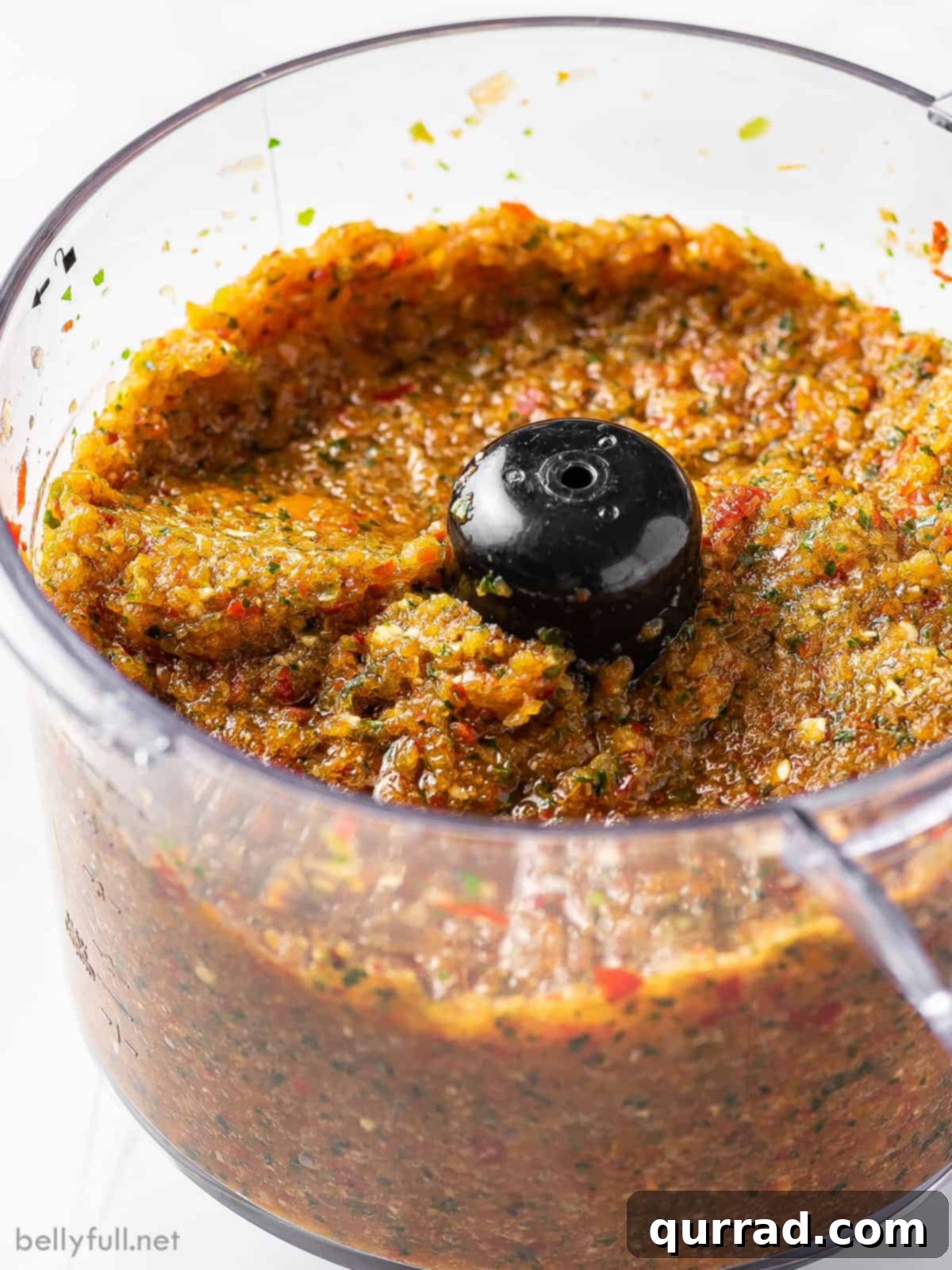
- Blending for Perfection – Gather all your prepared ingredients: the roughly chopped peppers, onions, garlic, culantro, and cilantro. Place them into the bowl of a sturdy food processor. Depending on the size of your food processor, you may need to work in batches to ensure everything blends evenly. Pulse the mixture until it’s well blended, creating a paste-like consistency. The goal is to achieve a uniform puree that still retains a slight texture, rather than becoming a watery liquid. You want to see small flecks of the individual ingredients.
- Achieving the Ideal Consistency – Your Sofrito should resemble a thick, rich paste, similar to the consistency of a well-made pesto. If the mixture seems too dry and isn’t blending smoothly, you can add a very small amount of liquid – a tablespoon of water or olive oil – while continuing to process. However, exercise caution and add liquid sparingly. Too much liquid will result in a loose, runny Sofrito, which is not ideal for the desired texture. A smart tip for blending: place the roughly chopped onions at the bottom of the food processor bowl first. Onions release a significant amount of liquid as they break down, which can help kickstart the blending process for the other ingredients and minimize the need for added liquid. Once blended to your satisfaction, your homemade Sofrito is ready for immediate use, bringing its vibrant flavors to your culinary creations.
Unleashing Flavor: How to Use Your Homemade Sofrito
Think of Sofrito as a foundational flavor builder, much like a French mirepoix or an Italian soffritto. It’s designed to be the very first step in your cooking, providing an incredible flavor boost to virtually any Hispanic or Caribbean recipe. The beauty of Sofrito is its versatility and the ease with which it transforms ordinary ingredients into something extraordinary.
To use it, simply heat a tablespoon or two of your freshly made (or thawed) Sofrito in a pan with a bit of hot oil. Sauté it gently until it becomes wonderfully fragrant, which typically takes just a minute or two. This initial sautéing step “blooms” the flavors, releasing the full aromatic potential of the peppers, onions, garlic, and herbs. Once fragrant, you can proceed with your recipe, adding meats, vegetables, liquids, or grains as directed. Because Sofrito already contains onions and garlic in their purest form, you can often omit adding these ingredients separately to your dish, streamlining your cooking process.
I always make sure to have a generous supply of Sofrito on hand because it’s a game-changer for so many meals:
- Sofrito in Main Dishes – It’s the essential base for beloved recipes like Sofrito Chicken, infusing the poultry with deep, savory notes. Use it as a marinade base for pork or beef, or mix it into ground meat for flavor-packed picadillo, meatballs, or even a unique burger.
- Enhancing Soups, Stews, and Rice – A spoonful of Sofrito can completely elevate any soup or stew, adding instant depth and warmth. It’s also indispensable for making perfect arroz con gandules (rice with pigeon peas), arroz con pollo (chicken and rice), or simply transforming plain white rice into a flavorful side dish. Stir it into black beans, red beans, or lentils for an authentic Caribbean touch.
- Beyond the Basics: Creative Sofrito Applications – Don’t limit yourself to traditional dishes! Experiment by mixing Sofrito into scrambled eggs or omelets for a vibrant breakfast. Swirl it into a cream cheese spread for a unique dip. Even a small amount stirred into pasta sauce can give it an unexpected, delightful twist. Its aromatic complexity makes it an invaluable addition to nearly any savory preparation where you want to build a rich flavor foundation.
Storing Sofrito: Freshness and Longevity
This recipe yields a generous batch of about 4 cups of Sofrito. Since most recipes typically call for just 1 to 2 tablespoons at a time, having a proper storage method is key to ensuring you always have this incredible flavor base on hand. Both refrigeration and freezing are excellent options, depending on how quickly you plan to use your batch.
- Refrigeration: Short-Term Storage – For immediate use or if you plan to cook with Sofrito frequently within a short period, simply transfer the mixture to an airtight jar or container. Stored properly in the refrigerator, your homemade Sofrito will maintain its freshness and potency for up to 2 weeks. Ensure the container is tightly sealed to prevent oxidation and absorption of other fridge odors.
- Freezing Sofrito: Your Long-Term Flavor Solution – For longer-term storage, freezing is an absolute game-changer, a brilliant tip I learned from my friend Roxana. This method ensures you always have a convenient, pre-portioned amount of Sofrito ready to go, preventing waste and saving precious cooking time.
- Ice Cube Tray Method: Fill each slot of an ice cube tray with the Sofrito mixture. Cover the tray (with plastic wrap or a lid) and freeze until the cubes are completely solid. Once frozen, pop the Sofrito cubes out of the tray and transfer them to a freezer-safe zip-top bag. This step is crucial for preventing freezer burn and making it easy to grab individual portions. Each standard ice cube tray slot holds approximately 1 tablespoon of Sofrito, making portion control effortless. There’s no need to thaw the cubes before using; simply toss them directly into a hot pan with a little oil when your recipe calls for Sofrito. Frozen Sofrito will keep beautifully in the freezer for up to 4 months, ensuring you have that authentic flavor readily available.
- Freezer Bag Method: If you don’t have ice cube trays, you can still freeze Sofrito effectively. Transfer the entire batch into a large freezer-safe zip-top bag. Press out as much air as possible, then seal the bag and lay it flat on a baking sheet to freeze. Once solid, you can store the flat bag in your freezer, taking up minimal space. When you need Sofrito, simply break off small portions as needed from the frozen slab.
More Latin-Inspired Recipes to Explore
If you’ve enjoyed making and cooking with this incredible Sofrito, you’ll love exploring other vibrant flavors from Latin cuisine. Here are a few more recipes to add to your culinary repertoire:
- Mexican Chimichurri Sauce
- Pico de Gallo
- Restaurant Style Salsa
- Homemade Corn Tortillas
- Chile Rellenos
I genuinely hope you cherish this delicious and easy recipe as much as I do. Your feedback is invaluable, so please consider leaving a review below! And for more amazing recipes and culinary inspiration, don’t forget to follow Belly Full on TikTok, Facebook, Instagram, Pinterest, and YouTube!
Sofrito
Pin
Ingredients
- 2 medium white onions, (peeled, roots trimmed, roughly chopped)
- 2 green bell peppers, (seeds and ribs removed, roughly chopped)
- 1 red bell pepper, (seeds and ribs removed, roughly chopped)
- 2 cubanelle peppers , (seeds and ribs removed, roughly chopped)
- 10 ajies dulces peppers, (stems and seeds removed, chopped)
- 12 cloves garlic, (peeled and chopped)
- 1 bunch culantro/recao leaves, (stems removed – about 25 leaves) roughly chopped
- 1 bunch cilantro leaves, (stems removed – about 25 leaves) roughly chopped
Instructions
-
Make sure all your peppers are rinsed and dried before seeding and chopping them.
-
Place onion, green and red bell peppers, cubanelle pepper, ajies dulces peppers, and garlic in the bowl of a food processor. Process until blended, but still has texture and not watery. Work in batches, if necessary.
NOTE: Sofrito should have a similar consistency of pesto, like a thick paste. If it needs a little liquid, you can add a bit of water or olive oil, while blending. But use as little as possible, so the mixture doesn’t end up loose and runny.
-
Once blended, your sofrito is ready for immediate use. Typically 1 to 2 tablespoons is used per recipe. We love it in our sofrito chicken or mixed into rice, beans, or soup.
For information about all the ingredients, where to find them, and possible substitutions, please refer to the article.
Nutrition
Nutritional information given is an automatic calculation and can vary based on the exact products you use and any changes you make to the recipe. If these numbers are very important to you, I would recommend calculating them yourself.