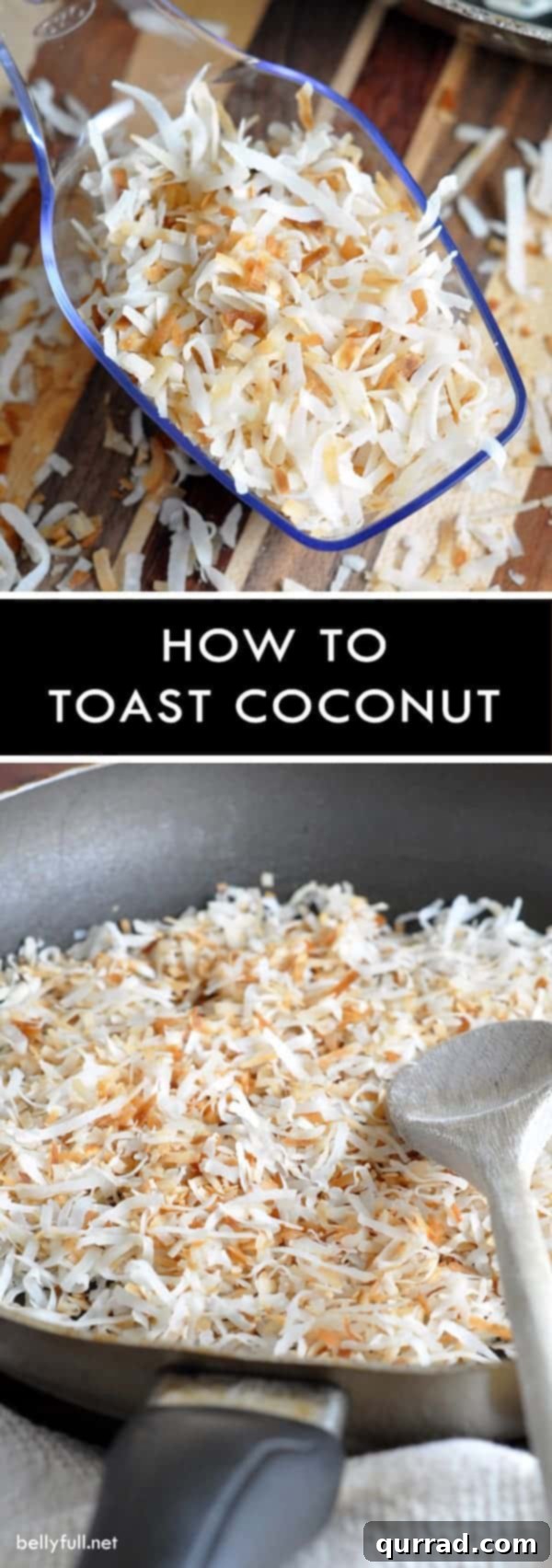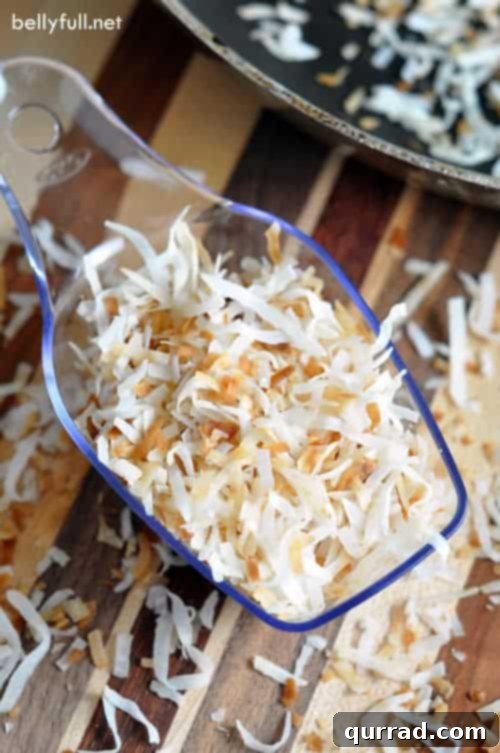
Mastering Toasted Coconut: Elevate Your Culinary Creations with Golden Perfection
Transform your desserts and savory dishes with the rich, nutty flavor, irresistibly crunchy texture, and beautiful golden hue of perfectly toasted coconut. This simple technique takes your coconut pies, cakes, bars, and macaroons from delightful to truly spectacular, making them pop with enhanced taste and visual appeal.
The Allure of Coconut in the Kitchen
For many, certain ingredients hold a special place in their culinary heart. Whether it’s the comforting sweetness of cinnamon, the bright tang of lemon, or the nostalgic indulgence of anything Oreo, these flavors have the power to capture attention and spark joy. For me, coconut undeniably makes that short list. Its versatility and unique profile make it a star ingredient in both cooking and baking.
I frequently incorporate coconut milk into a wide array of savory dishes, lending a creamy texture and subtle tropical essence. In the realm of baking, coconut flakes are a constant companion, adding a delightful chewiness to cookies, muffins, and various dessert concoctions. However, while I often reach for the soft, chewy flakes straight from the bag for mixing into batters, I wouldn’t dream of using them as a finishing touch or topping without first subjecting them to a magical transformation: toasting.
Why Toast Coconut? The Transformative Power of Heat
Toasting coconut is more than just a step in a recipe; it’s a game-changer that elevates the humble ingredient to new heights. The application of heat triggers a series of chemical reactions, primarily the Maillard reaction, which dramatically alters the coconut’s characteristics. This simple process unlocks a depth of flavor, transforms its texture, and enhances its visual appeal in ways raw coconut simply cannot achieve.
Enhanced Flavor Profile
When coconut is toasted, its natural sugars begin to caramelize, developing a profound nutty flavor that is far more intense and complex than that of raw coconut. The subtle sweetness becomes richer, and earthy undertones emerge, creating a more sophisticated and inviting taste experience. This deepened flavor can make an ordinary coconut dessert extraordinary, adding layers of taste that resonate with every bite.
Irresistible Texture
Raw coconut, whether shredded, shaved, or flaked, tends to be soft and chewy. While this can be pleasant in certain contexts, it often lacks the textural contrast that elevates a dish. Toasting coconut removes moisture, resulting in a crisp, delicate crunch that provides a satisfying counterpoint to softer components in pies, cakes, or yogurt. This added crunch contributes significantly to the overall eating experience.
Visual Appeal
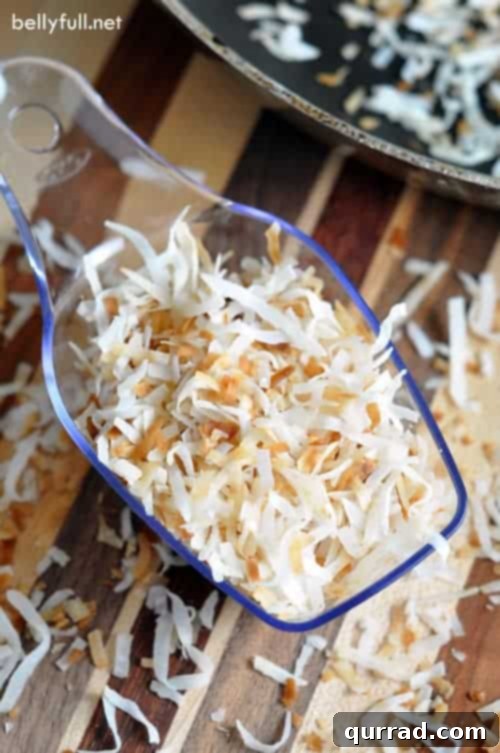
Beyond taste and texture, toasting imparts a beautiful golden-brown hue to the coconut. This warm, inviting color adds a professional and appealing finish to any dish. Imagine a vibrant coconut cream pie or a delicate macaroon adorned with perfectly golden flakes – the visual enhancement is undeniable and instantly makes your culinary creations look more appetizing and professionally prepared.
Aromatic Delight
The moment coconut starts toasting, your kitchen fills with a wonderfully sweet, tropical, and nutty aroma. This fragrant sensation contributes to the overall enjoyment of the cooking process and builds anticipation for the deliciousness to come. The aroma itself is a testament to the transformation taking place, signaling the emergence of new, delightful qualities.
Choosing Your Coconut: Sweetened vs. Unsweetened, Flaked vs. Shredded
Before you begin the toasting process, it’s helpful to understand the different types of coconut available and how they might behave. You’ll typically find shredded, shaved, or flaked coconut, and these can come in either sweetened or unsweetened varieties.
Sweetened Coconut: This is the most common type found in baking aisles. It contains added sugar, which helps it brown more quickly and results in a slightly crispier texture with a sweeter taste. Because of the sugar content, it’s crucial to watch sweetened coconut carefully as it toasts, as it can go from perfectly golden to burnt in a matter of seconds. It’s excellent for desserts where you want that extra touch of sweetness and a quicker browning time.
Unsweetened Coconut: Also known as desiccated coconut, this variety contains no added sugar. It offers a purer, more natural coconut flavor and browns a bit slower than its sweetened counterpart. This slower browning gives you a little more leeway and control, making it a good choice if you’re new to toasting. Unsweetened coconut is versatile and can be used in both sweet and savory applications, allowing the natural coconut flavor to shine without additional sugar.
Flaked vs. Shredded vs. Shaved: These terms generally refer to the size and thickness of the coconut pieces. Flaked coconut often has larger, thinner pieces, while shredded coconut is finer and shorter. Shaved coconut is typically the largest and thinnest. While all can be toasted, the differences in size and thickness will affect toasting time and final texture. Larger flakes might require a bit more attention to ensure even browning, but they offer a substantial crunch. Finer shreds toast faster and become more uniformly crisp.
Two Essential Methods for Perfectly Toasted Coconut
There are primarily two highly effective methods for toasting coconut: on the stovetop and in the oven. Both yield excellent results, but they differ in speed, control, and the amount of active supervision required. Understanding both methods will allow you to choose the best option based on your time constraints and batch size.
The Quick & Controlled Stovetop Method (Recommended)
The stovetop method is my preferred choice for its speed, the precision it offers, and the uniform browning it achieves through constant stirring. It’s ideal for smaller batches and when you need toasted coconut in a hurry.
Step-by-Step Guide:
- Prepare Your Pan: Select a small or medium-sized skillet, depending on the amount of coconut you plan to toast. A wider pan allows the coconut to spread out evenly, promoting consistent browning.
- Add Coconut: Spread your desired amount of shredded, shaved, or flaked coconut evenly across the bottom of the dry skillet. Do not add any oil or butter.
- Heat and Stir: Place the skillet over medium heat. This is crucial – resist the urge to use high heat, as coconut burns very quickly. Begin stirring the coconut immediately and continuously. Use a spatula or wooden spoon to move the flakes around the pan, ensuring all sides get exposed to the heat.
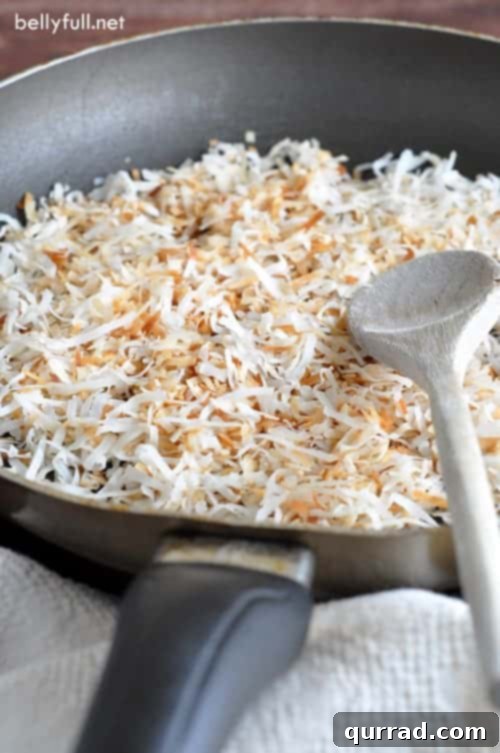
- Watch for Color: Continue stirring for approximately 3-5 minutes. The coconut will gradually start to turn a light golden brown, intensifying in color as it toasts. Keep a close eye on it, as the transition from golden to burnt happens rapidly.
- Remove and Cool: Once the flakes have reached your desired golden hue, immediately remove the skillet from the heat. Transfer the toasted coconut to a plate or a shallow bowl to cool completely. Leaving it in the hot pan can cause it to continue cooking and potentially burn due to residual heat.
Tips for Stovetop Success: Use a light-colored pan if possible, as it makes it easier to monitor the color change. Never walk away from the stovetop while toasting coconut; active, constant stirring is key to preventing burnt spots and ensuring an even toast.
The Hands-Off Oven Method
The oven method is an excellent alternative, particularly if you’re toasting a larger batch of coconut or prefer a more hands-off approach. While it takes slightly longer, it requires less active stirring once the coconut is in the oven.
Step-by-Step Guide:
- Preheat Oven: Preheat your oven to 300°F (150°C). A lower temperature is safer for coconut to prevent quick burning.
- Prepare Baking Sheet: Line a baking sheet with parchment paper for easy cleanup and to prevent sticking.
- Spread Coconut: Spread the coconut in a single, even layer across the prepared baking sheet. Ensure there are no large clumps, as these will toast unevenly.
- Bake and Stir: Place the baking sheet in the preheated oven. Bake for 5-10 minutes, stirring every 2-3 minutes to ensure even browning. Keep a very close eye on it, especially after the first 5 minutes. The edges will begin to brown first.
- Watch Carefully: Continue baking and stirring until the coconut reaches a consistent golden brown color. Be vigilant, as oven temperatures can vary, and coconut can burn quickly.
- Remove and Cool: Once toasted to perfection, remove the baking sheet from the oven. Immediately transfer the toasted coconut to a plate or another cool surface to stop the cooking process and allow it to cool completely.
Tips for Oven Success: Use a timer, but always rely on visual cues as the primary indicator of doneness. An evenly spread layer is crucial for consistent results. If your oven has hot spots, rotate the baking sheet halfway through the toasting process.
Essential Tips for Toasting Coconut Without Burning
Coconut is notorious for its tendency to go from perfectly golden to charred in the blink of an eye. Achieving that ideal golden toast requires attention and a few key strategies:
- Never Walk Away: This is the golden rule of toasting coconut. Whether on the stovetop or in the oven, you must be present and vigilant throughout the entire process.
- Low and Slow (or Medium and Controlled): Resist the temptation to crank up the heat. Lower or medium heat settings ensure a more gradual browning, giving you more control and reducing the risk of burning.
- Stir, Stir, Stir: Consistent stirring is paramount for even toasting, especially on the stovetop. For oven toasting, stirring every few minutes prevents hot spots and ensures all flakes are exposed to heat.
- Use a Light-Colored Pan or Sheet: Darker pans absorb more heat and can lead to faster browning and burning. A light-colored skillet or baking sheet makes it easier to monitor the color change of the coconut.
- Remove from Heat Immediately: As soon as the coconut reaches your desired golden color, transfer it out of the hot pan or off the hot baking sheet. Residual heat can continue to cook and burn the delicate flakes even after removal from the direct heat source.
Storing Your Golden Coconut Goodness
One of the many advantages of toasted coconut is its decent shelf life, allowing you to prepare it in advance and have it ready for whenever a culinary inspiration strikes. Proper storage is key to maintaining its crisp texture and vibrant flavor.
- Cool Completely: Before storing, ensure your toasted coconut has cooled completely to room temperature. Storing warm coconut will create condensation, leading to soggy flakes and potential spoilage.
- Airtight Container: Transfer the cooled toasted coconut to an airtight container. This protects it from moisture and exposure to air, which can cause it to lose its crunch and absorb ambient odors.
- Room Temperature Storage: Stored in an airtight container at room temperature, toasted coconut will retain its optimal flavor and crunch for up to two weeks. While it may still be edible after this period, its “sharp” fresh flavor will gradually diminish.
- Refrigeration: For slightly extended freshness, you can store it in an airtight container in the refrigerator for up to a month.
- Freezer Storage: For long-term preservation, toasted coconut freezes beautifully. Place it in a freezer-safe airtight bag or container and store it for up to 3-6 months. When ready to use, simply thaw at room temperature. Note that while freezing extends its life, the flavor may mellow slightly over time.
Creative Ways to Enjoy Toasted Coconut
Once you have a batch of perfectly toasted coconut, the culinary possibilities are endless. Its rich flavor and delightful crunch can enhance both sweet and savory dishes, transforming everyday meals into something special.
- Dessert Topping Extraordinaire: This is where toasted coconut truly shines! Sprinkle it generously over coconut cream pie, chocolate pie, fruit tarts, ice cream, puddings, or yogurt parfaits. It adds both flavor and a much-needed textural contrast.
- Baking Bliss: Incorporate it into your favorite cookie, muffin, or scone recipes. Fold it into cake batter or use it as a garnish for frosted cupcakes. It’s also a fantastic addition to granola bars or energy bites.
- Breakfast Booster: Liven up your morning routine! A tablespoon or two tossed into your oatmeal, granola, or smoothie bowl adds an instant burst of flavor and crunch. It pairs wonderfully with tropical fruits.
- Savory Surprises: Don’t limit toasted coconut to desserts! It can add an unexpected depth to savory dishes. Sprinkle it over curries, particularly Thai or Indian dishes, for a nutty finish. It’s also delicious over roasted vegetables, mixed green salads with a vinaigrette, or even as a coating for shrimp or chicken.
- Cocktail Garnish: Rim the edge of a tropical cocktail glass with toasted coconut for an impressive and delicious touch.
- Snack Time: Simply enjoy it by the spoonful for a quick, satisfying snack. You can also mix it with nuts and dried fruit for a homemade trail mix.
Recipe: How to Toast Coconut
This simple guide provides the fastest and most controlled method for achieving perfectly golden, crunchy toasted coconut, ideal for enhancing any dessert or dish.
Preparation Details
- Cook Time: 5 minutes
- Total Time: 5 minutes
- Yields: 4 servings (approximately 1 cup total)
Ingredients
- 1 cup Shredded, Shaved, or Flaked sweetened or unsweetened coconut
Instructions
- Using a small or large skillet (depending on how much you’re toasting), spread the coconut out in a single layer. Cook over medium heat, stirring frequently, until the flakes are mostly golden brown; this typically takes about 3 to 5 minutes.
- Remove the skillet from the heat and immediately transfer the toasted coconut to a plate or a shallow bowl to cool completely. This step is crucial to prevent further cooking from residual heat.
Notes
- Coconut can burn very easily, so avoid the temptation to rush the process by turning up the heat. Patience and consistent stirring are key.
- Unsweetened coconut generally browns slower than sweetened coconut, so it might require a little extra time and observation.
- Toasted coconut can be stored in an airtight container at room temperature for up to a month. For longer storage, freeze it in an airtight container or bag. However, please note that as time goes on, it will gradually lose some of its vibrant, sharp flavor.
Nutrition Information Disclaimer
Please note that nutritional information is an automatic calculation based on approximate values and can vary based on the exact products you use and any modifications made to the recipe. If precise nutritional figures are critical to your needs, it is recommended to calculate them independently using your specific ingredients.
Incorporating toasted coconut into your repertoire is a small step that yields significant culinary rewards. It’s a simple technique that promises to add a burst of flavor, a satisfying crunch, and a beautiful finish to countless dishes. Experiment with both sweetened and unsweetened varieties, and explore the myriad ways this golden ingredient can transform your cooking and baking. Once you experience the difference, you’ll wonder how you ever managed without it!