
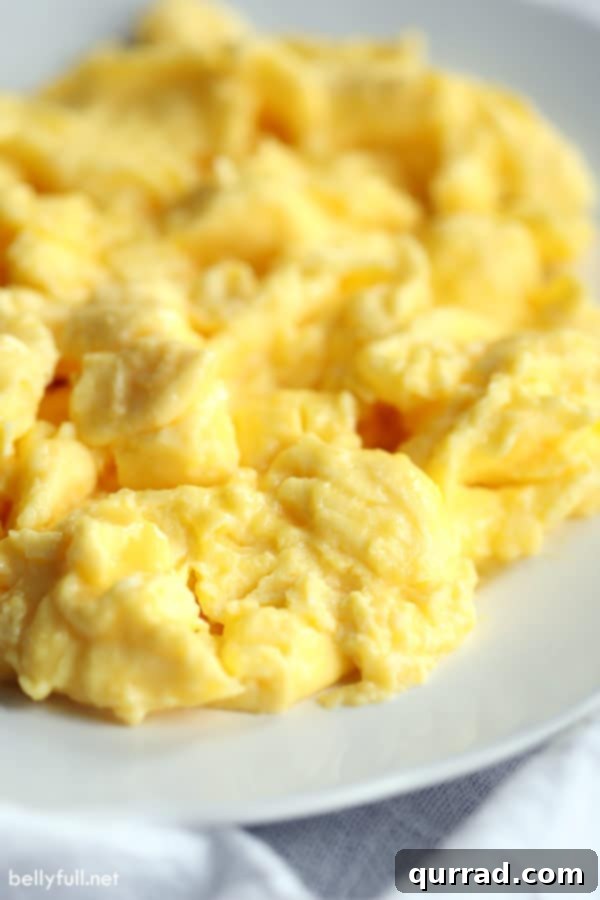
How To Make The Absolute Best Scrambled Eggs: Fluffy, Creamy, and Flavorful Every Time
Discover the secrets to crafting the absolute best scrambled eggs – a recipe that guarantees pillow-y, fluffy, creamy, and incredibly flavorful results with every single batch. Say goodbye to dry, rubbery eggs forever and elevate your breakfast game!
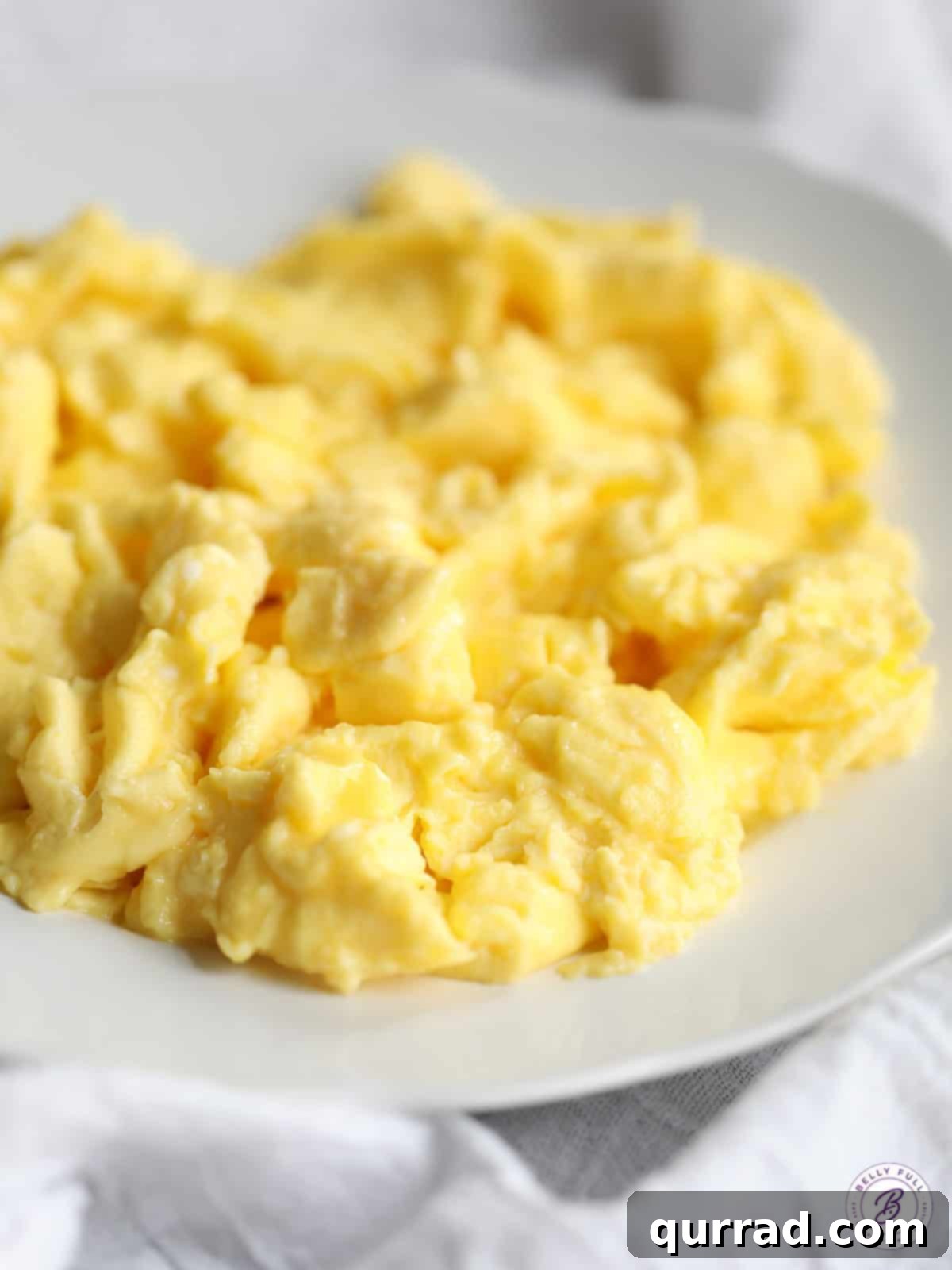
Rave Reviews for These Scrambled Eggs!
Amy Schreiner raves, “These scrambled eggs were better than 5 stars, they were 99 stars!” Join countless others who have transformed their breakfast with this amazing recipe.
For years, I believed I knew how to make scrambled eggs. Like most, I’d rush through the process, tossing eggs into a hot pan with little thought, often resulting in mediocre, dry, or crumbly scrambles. It wasn’t until I watched a renowned chef, Curtis Stone, demonstrate his method that my entire egg-loving world was turned upside down. This wasn’t just a recipe; it was a revelation that taught me the art of truly delicious eggs.
You might think a recipe for scrambled eggs is unnecessary, but trust me, this isn’t just any recipe. This is the definitive guide to achieving scrambled egg perfection. Stop settling for flavorless, overcooked eggs! This method will revolutionize your mornings and make you an egg connoisseur.
Why This Scrambled Egg Recipe Stands Out
What makes these scrambled eggs so extraordinary? It’s a combination of simple techniques and careful attention to detail that elevates them from basic to gourmet. We’re not just cooking eggs; we’re coaxing out their full potential for flavor and texture. This method focuses on gentle heat, proper aeration, and the right fat content, ensuring each bite is a luxurious experience. Once you try this approach, you’ll understand why it’s a game-changer.
Essential Tips for Making Fluffy, Creamy Scrambled Eggs
Achieving consistently perfect scrambled eggs is easier than you think when you follow these fundamental principles. Each step is designed to contribute to that desirable pillow-y texture and rich flavor. The exact, detailed instructions are included in the printable recipe card below, but here are the key insights:
- The Right Tools: Mixing Bowl & Whisk. Forget the coffee mug and fork! A proper mixing bowl and a whisk are indispensable. Whisking vigorously not only eliminates any visual streaks of yolk and white, ensuring a uniform color, but more importantly, it incorporates air into the eggs. This aeration is crucial for creating light, fluffy scrambled eggs when cooked. You’ll want to whisk until the mixture is visibly light, foamy, and airy.
- The Importance of Fat & Dairy. Don’t skimp on this step! Incorporating whole milk, half-and-half, heavy cream, or even a dollop of mayonnaise directly into the egg mixture adds a luxurious creaminess, body, and a deeper, richer flavor. Then, in your pan, use enough butter to generously coat the bottom. Butter not only prevents sticking but also contributes to the eggs’ silky texture and golden hue, allowing them to form beautiful, soft folds.
- The Pan Choice: Nonstick is Key. Whether you own a high-end gourmet pan or a more budget-friendly option, it absolutely must be nonstick. This is paramount because it allows the delicate egg curds to glide effortlessly across the surface without adhering, ensuring easy folding and cleanup. A sticky pan is the enemy of perfect scrambled eggs.
- Your Best Friend: A Rubber Spatula. Ditch the wooden spoon! A rubber spatula is the ideal tool for scrambled eggs. Its flexibility and soft edge allow you to hug the natural curve of your pan, ensuring you can gently push and fold the eggs without tearing them. This technique encourages the formation of large, tender curds, making sure all uncooked egg consistently touches the warm skillet.
- Mastering the Heat: Slow and Steady Wins the Race. Begin by melting your butter over medium heat until it’s just foamy. The moment you add the whisked eggs, immediately reduce the heat to medium-low. Too high heat will cause the eggs to cook too rapidly, resulting in dry, browned, and rubbery textures. Conversely, heat that’s too low will extend the cooking time unnecessarily without developing the desired curds. Gentle, consistent, medium-low heat is the secret to creating those desirable, beautiful, and tender curds every time. This rule applies whether you’re cooking two eggs or ten.
- Patience is a Virtue: Don’t Stir Immediately. For those who appreciate large, soft, and distinct curds, this tip is essential. Allow the edges of the eggs to set slightly for a few seconds before you begin folding. If you stir too soon, you’ll break up the developing curds into much smaller pieces. This brief pause allows the proteins to set just enough to form those appealing, larger folds.
- Know When to Stop: The Art of Undercooking. This is perhaps the most crucial tip for perfectly moist scrambled eggs. Eggs continue to cook even after they are removed from the heat and transferred to your plate. Therefore, take them off the heat when they appear slightly wetter or looser than your desired final consistency. The eggs are done when the curds are pillowy and set, no longer liquid-y, but they still retain a beautiful, moist shimmer. Avoid dry, crumbly eggs by pulling them off just before they seem fully cooked.
- Adding Mix-ins: Timing is Everything. Introducing additional ingredients too early can impact the texture and cooking time of your eggs, potentially leading to rubbery, dry, or even watery results. If you plan to add vegetables, meats, or other heartier ingredients, always pre-cook them in a separate pan. Incorporate these pre-cooked items (along with any cheese or delicate fresh herbs) toward the very end of the cooking process, just long enough to warm them through without overcooking the eggs.
While this method might initially seem like an overly detailed process for something as simple as scrambled eggs, I promise you, it is absolutely worth every extra second. After practicing these steps a few times, it will become second nature, feeling effortless, and you’ll find yourself wondering how you ever made scrambled eggs any other way!
Rated 5 out of 5 stars by 122 reviewers
The Best Scrambled Eggs
Pin Recipe
Print Recipe
Follow these simple steps and recipe on how to make the best scrambled eggs, which result in pillow-y, fluffy, creamy, flavorful eggs every time!
Ingredients
- 4 large eggs
- 1/4 cup half-and-half (or whole milk, cream, or a teaspoon of mayonnaise for extra richness)
- 1/4 teaspoon coarse salt (or to taste)
- 1 tablespoon unsalted butter
- Black pepper, for serving (optional)
- Fresh chopped herbs (such as chives, parsley), for serving (optional)
Instructions
- In a medium mixing bowl, aggressively whisk together the eggs, half-and-half, and salt. Continue whisking until the mixture is completely uniform in color and texture, becoming light, airy, and foamy, with no visible streaks of yolk or whites remaining.
- Melt the unsalted butter in a small nonstick pan over medium heat. Swirl the pan to ensure the butter coats the entire bottom surface and just begins to foam.
- Pour the whisked eggs into the center of the pan and immediately reduce the heat to medium-low. This temperature control is crucial for slow, gentle cooking.
- Allow the eggs to sit undisturbed for a few seconds until the very edges just barely begin to set. Then, using a rubber spatula, gently push the eggs from one end of the pan to the other, creating large, soft curds. Pause briefly between pushes to allow any uncooked liquid egg to flow onto the warm pan surface and cook, continually forming new curds.
- Continue this gentle pushing and folding process. When the eggs are mostly cooked, showing big, pillow-y folds, but still appear quite wet and moist, slowly fold the eggs into themselves just once or twice to bring them together loosely.
- Remove the pan from the heat when the eggs still visibly shimmer with some moisture. They should look slightly undercooked, as residual heat will continue to cook them to perfection.
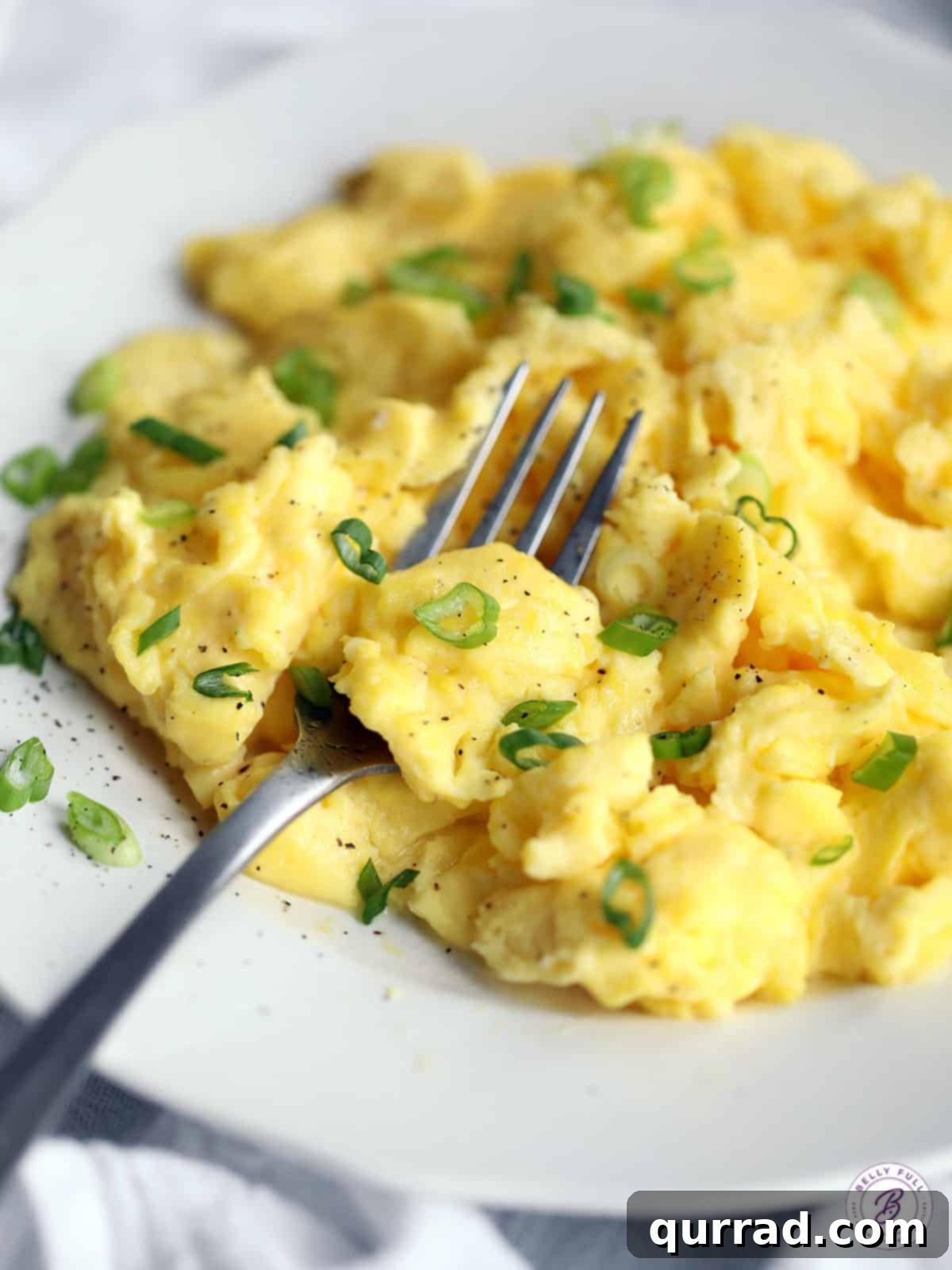
- Immediately transfer the beautiful scrambled eggs to serving plates. Finish with a generous grind of freshly cracked black pepper and a sprinkle of fresh chopped herbs, if desired. Serve immediately and savor the best scrambled eggs you’ve ever tasted!
Video
A video demonstrating these techniques would typically be embedded here, showing the whisking process, gentle folding, and the perfect moment to remove the eggs from the heat for optimal fluffiness and creaminess.
Nutrition
Nutritional information provided is an automatic calculation and can vary based on the exact products you use and any changes made to the recipe. If these numbers are critical for your dietary needs, we recommend calculating them yourself using a trusted nutritional analysis tool.
Did you try this recipe? Leave a rating below and let us know what you think!
Expand Your Egg Repertoire: More Delicious Egg Recipes
Once you’ve mastered the art of scrambled eggs, why not explore other ways to enjoy this versatile ingredient? Eggs are a breakfast staple for a reason, offering endless possibilities for quick and satisfying meals. Dive into these other popular egg recipes:
- How to Make Perfect Hard-Boiled Eggs: Achieve ideal yolks and easy-to-peel shells every time.
- Perfect Fried Eggs: Learn the technique for crispy edges and a runny yolk, exactly to your liking.
- Simple Poached Eggs: Master the delicate art of poaching for a healthy and elegant egg dish.
- Just Crack an Egg (Ore Ida Copycat): A quick and customizable breakfast bowl, perfect for busy mornings.
- Easy Baked Scrambled Eggs: A fantastic option for feeding a crowd, making fluffy scrambled eggs with minimal effort.
We hope you thoroughly enjoy this delicious and surprisingly easy recipe for the best scrambled eggs. Don’t forget to share your experience by leaving a review below! For more culinary inspiration and daily dose of deliciousness, be sure to follow Belly Full on TikTok, Facebook, Instagram, Pinterest, and YouTube!
Frequently Asked Questions About Scrambled Eggs
- What kind of eggs are best for scrambling?
- Fresh, large eggs are generally recommended for the best flavor and texture. Free-range or organic eggs often have richer yolks and superior taste.
- Can I use water instead of milk or cream?
- While some recipes suggest water for fluffiness, milk, half-and-half, or cream adds essential fat, which is key to achieving truly creamy and flavorful scrambled eggs. Water can make them lighter but might compromise on richness.
- How do I prevent my scrambled eggs from turning green?
- Greenish discoloration usually occurs when eggs are overcooked or cooked at too high a temperature, causing a chemical reaction between sulfur and iron compounds in the egg. Follow the “low and slow” heat method and remove them from the heat when they still appear slightly wet to avoid this.
- Can I make scrambled eggs ahead of time?
- Scrambled eggs are best enjoyed immediately after cooking. Reheating them often results in a rubbery texture and diminishes their creamy quality. For best results, cook them fresh.
- What are some popular mix-ins for scrambled eggs?
- Common mix-ins include shredded cheese (cheddar, Swiss, feta), cooked bacon or sausage, sautéed vegetables (spinach, mushrooms, bell peppers, onions), and fresh herbs like chives or parsley. Remember to pre-cook any hearty ingredients and add them in at the very end.
- My eggs are sticking to my nonstick pan. What am I doing wrong?
- Even nonstick pans can stick if they are old, scratched, or not properly greased. Ensure your pan is in good condition and use a generous amount of butter or oil to coat the entire cooking surface before adding the eggs. Also, avoid using metal utensils that can scratch the nonstick coating.
- How many eggs per person for scrambled eggs?
- Generally, 2 large eggs per person is a good starting point for a hearty serving. You can adjust this based on appetite and what other dishes you are serving alongside the eggs.