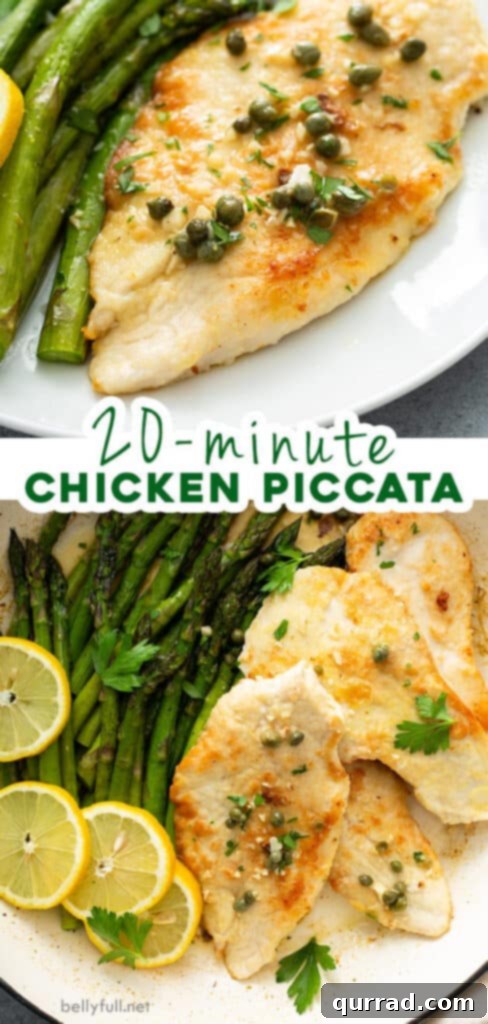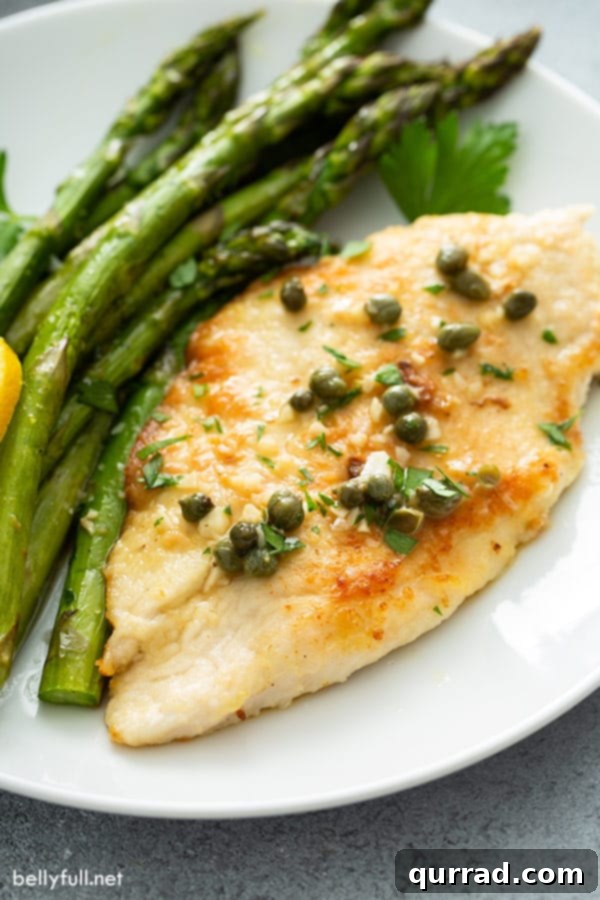
Craving an elegant yet effortless meal that tastes like it came straight from an Italian restaurant? Look no further than this incredibly easy Chicken Piccata recipe! This beloved dish features delicate, lightly pan-fried chicken fillets bathed in a rich, vibrant sauce made with white wine, fresh lemon juice, and briny capers. It’s a meal that truly delivers on flavor and sophistication without demanding hours in the kitchen.
If you’re a fan of this zesty classic, you might also enjoy exploring our delightful Fish Piccata recipe for another quick and elegant seafood option!
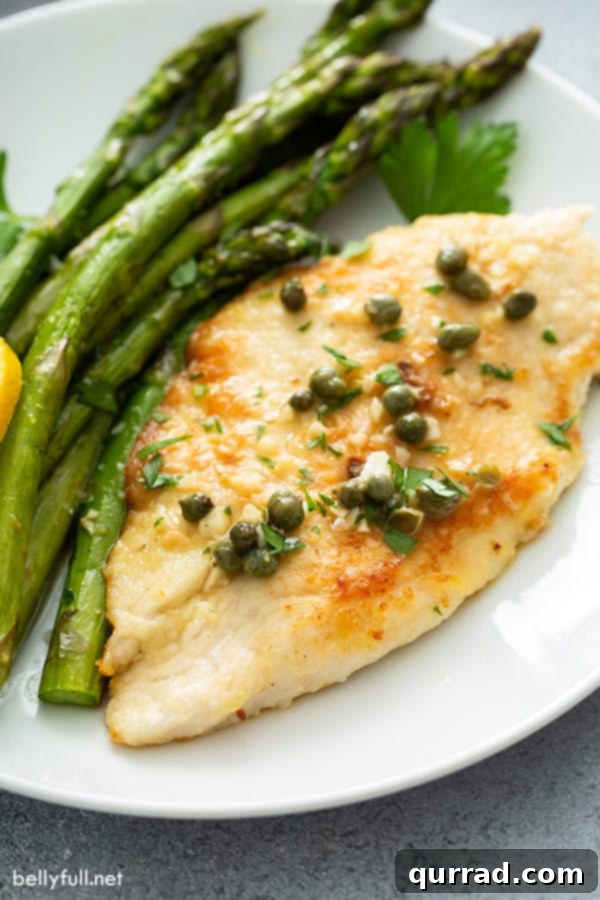
This easy chicken piccata isn’t just a recipe; it’s a culinary lifesaver for busy weekdays. With its straightforward ingredients, minimal prep, and lightning-fast cooking time, you can have a gourmet-quality meal on the table in about 20 minutes. Its universal appeal is undeniable – a dish so flavorful and satisfying, it’s hard to imagine anyone not falling in love with it!
Easy Chicken Piccata: Your Ultimate Guide to a Quick & Flavorful Weeknight Meal
Welcome to the ultimate guide for making perfect Chicken Piccata at home. Whether you’re a seasoned cook or just starting your culinary journey, this recipe is designed to be simple, enjoyable, and incredibly rewarding. Get ready to impress your taste buds and your dinner guests with this vibrant, zesty dish!
What Exactly is Chicken Piccata?
Chicken Piccata is a quintessential Italian-American dish, renowned for its simple preparation and bold flavors. The term “piccata” itself originates from the Italian word “piccare,” meaning “to prick” or “to be piqued,” referring to a dish that is pounded thin and served in a sharp, tangy sauce. In this context, it refers to thinly sliced chicken breast cutlets, typically pounded to an even thickness, lightly dredged in flour, and pan-fried until golden brown and tender. The magic truly happens with the accompanying sauce, a reduction of white wine, lemon juice, butter, and capers that coats the chicken with a delightful tang and richness. It’s the perfect balance of savory, acidic, and salty notes that makes this dish an enduring classic.
The Irresistible Chicken Piccata Sauce
While the tender chicken cutlets are certainly a highlight, it’s the sauce that truly elevates this chicken piccata recipe into a showstopper. This light, bright, and wonderfully aromatic sauce is a harmonious blend of carefully selected ingredients, each playing a vital role in creating a symphony of flavors. It’s crafted from dry white wine, savory chicken broth, the bright zestiness of fresh lemon juice, the rich creaminess of butter, aromatic minced garlic, and the distinctive briny pop of capers. The white wine adds a crucial depth and complexity, deglazing the pan to capture all those delicious browned bits from the chicken. Fresh lemon juice provides the characteristic tangy “piccata” flavor, cutting through the richness and brightening every bite. Capers, small pickled flower buds, introduce a unique salty and slightly floral brininess that is essential to the dish’s identity. Finally, a touch of butter is whisked in at the end to emulsify the sauce, giving it a silky texture and a luxurious finish. Just these few simple ingredients transform into a remarkably flavorful and memorable sauce that you’ll want to drizzle over everything!
Essential Ingredients for the Best Chicken Piccata
Achieving the perfect Chicken Piccata starts with selecting high-quality ingredients. Here’s a breakdown of the key components you’ll need to create this delicious dish:
- Chicken Breasts: Opt for boneless, skinless chicken breasts. Pounding them to an even thickness is crucial for quick and uniform cooking.
- All-Purpose Flour: A light dredging in flour provides a subtle crust, helps the chicken brown beautifully, and slightly thickens the sauce.
- Extra Virgin Olive Oil: Essential for sautéing the chicken and roasting vegetables, adding a foundational flavor.
- Dry White Wine: A critical ingredient for the sauce. Choose a crisp, dry white wine like Sauvignon Blanc, Pinot Grigio, or even Chardonnay. Avoid sweet wines. If you prefer not to cook with wine, see our variations section for a substitute.
- Chicken Broth: Low-sodium chicken broth is recommended to control the saltiness of the dish, providing a savory base for the sauce.
- Fresh Lemon Juice: Always use fresh lemon juice for that vibrant, zesty kick. Bottled juice won’t deliver the same brightness.
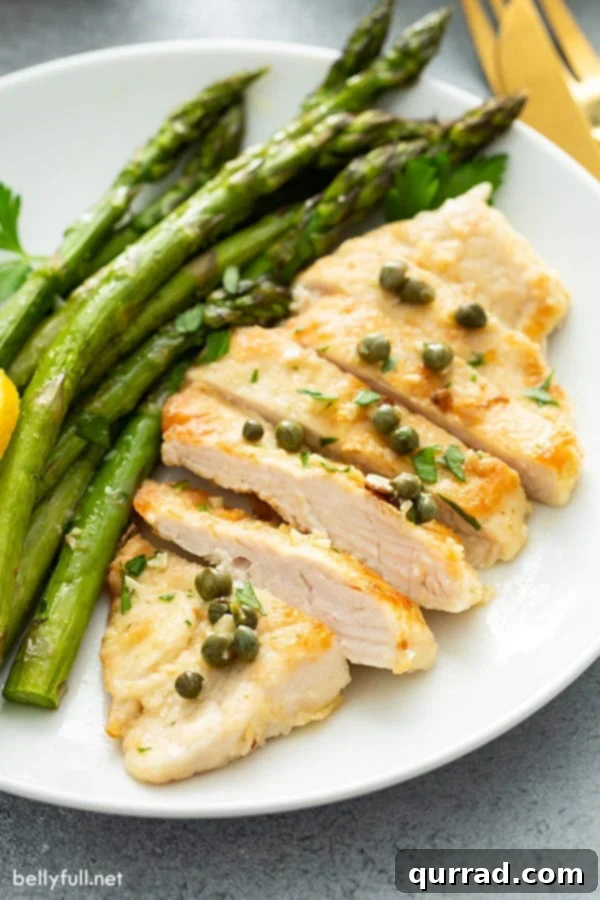
- Capers: These small, briny flower buds are non-negotiable for authentic piccata flavor. Remember to drain and rinse them thoroughly to prevent excessive saltiness.
- Unsalted Butter: Finishing the sauce with unsalted butter adds richness, gloss, and a creamy texture. Using unsalted butter allows you to control the overall seasoning.
- Garlic: Freshly minced garlic provides an aromatic depth to the sauce.
- Salt and Pepper: Simple seasonings that are fundamental for enhancing the natural flavors of the chicken and the sauce.
- Fresh Parsley and Lemon Slices: For garnish, adding a touch of freshness and visual appeal.
How To Make Chicken Piccata: A Simple Step-by-Step Guide
This chicken dish, despite its fancy appearance and incredible taste, is surprisingly easy to prepare! Follow these detailed steps to create a restaurant-quality meal right in your own kitchen. (For a concise printable recipe card, scroll further down.)
1. Prepare the Chicken
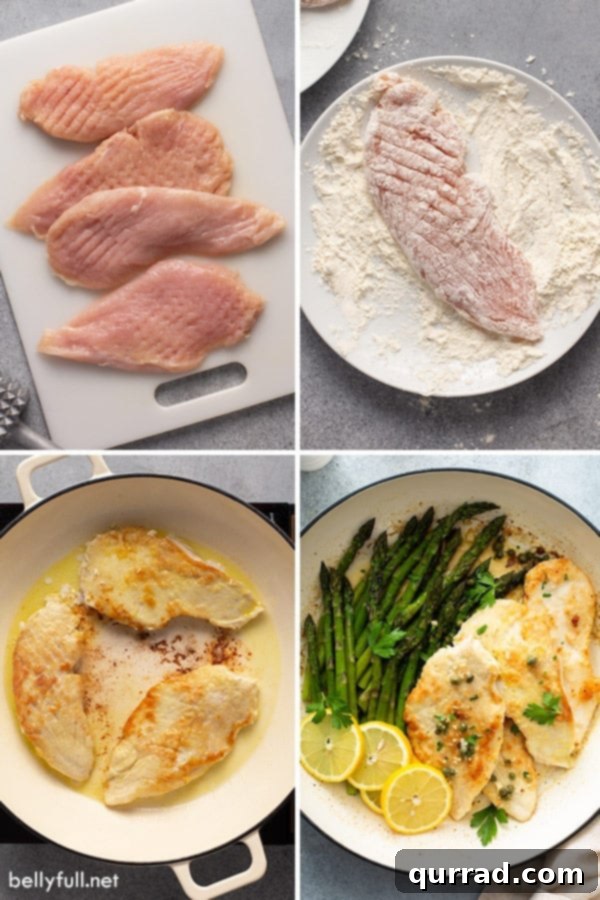
- Begin by preparing your chicken breasts. If you have large, thick breasts, slice them horizontally to create thinner cutlets. Place each chicken piece between two sheets of plastic wrap or parchment paper. Using a meat mallet or the bottom of a heavy skillet, pound the chicken until it reaches an even 1/2-inch thickness. This ensures uniform cooking and tender results.
- Season both sides of the pounded chicken breasts generously with salt and freshly ground black pepper. Then, lightly dredge each piece in all-purpose flour, shaking off any excess. This thin coating will create a beautiful golden crust when pan-fried and helps to thicken the sauce later.
2. Roast the Asparagus (Optional Side)
- Preheat your oven to 425 degrees F (220 degrees C). While the oven heats, rinse your asparagus spears and snap off the tough, woody ends. Spread the asparagus in a single layer on a rimmed baking sheet. Drizzle with 3 tablespoons of olive oil and season with salt and pepper.
- Roast the asparagus in the preheated oven for about 10 minutes, or until it’s tender-crisp (al dente) and slightly charred. You can roast the asparagus simultaneously with cooking the chicken on the stovetop to save time.
3. Pan-Fry the Chicken
- Heat a large sauté pan or skillet over medium-high heat. Lightly coat the pan with nonstick spray, then add 2 tablespoons of extra virgin olive oil. Allow the oil to heat until shimmering.
- Carefully place the floured chicken cutlets into the hot pan, being careful not to overcrowd it. You may need to cook the chicken in batches. Sauté for about 3-4 minutes per side, until the chicken is golden brown, cooked through (an internal temperature of 165°F or 74°C), and the juices run clear.
- Once cooked, transfer the chicken breasts to a clean platter and tent them loosely with foil to keep warm while you prepare the sauce.
4. Craft the Signature Piccata Sauce
- Using the same pan (do not clean it, as the browned bits add flavor!), deglaze with 1/4 cup of dry white wine. Scrape up any browned bits from the bottom of the pan with a wooden spoon as the wine simmers. This is where a lot of flavor comes from!
- Add 2 cloves of minced garlic to the pan and cook for another minute until fragrant. Continue to cook until the liquid is nearly evaporated, usually 1-2 minutes.
- Pour in 1/2 cup of low-sodium chicken broth and 2 tablespoons of fresh lemon juice. Bring the mixture to a gentle simmer.
- Stir in 1 tablespoon of capers (drained and rinsed).
- Finally, whisk in 2 tablespoons of unsalted butter until it melts completely and the sauce is smooth and slightly thickened. Taste and adjust seasoning if necessary.
5. Serve and Garnish
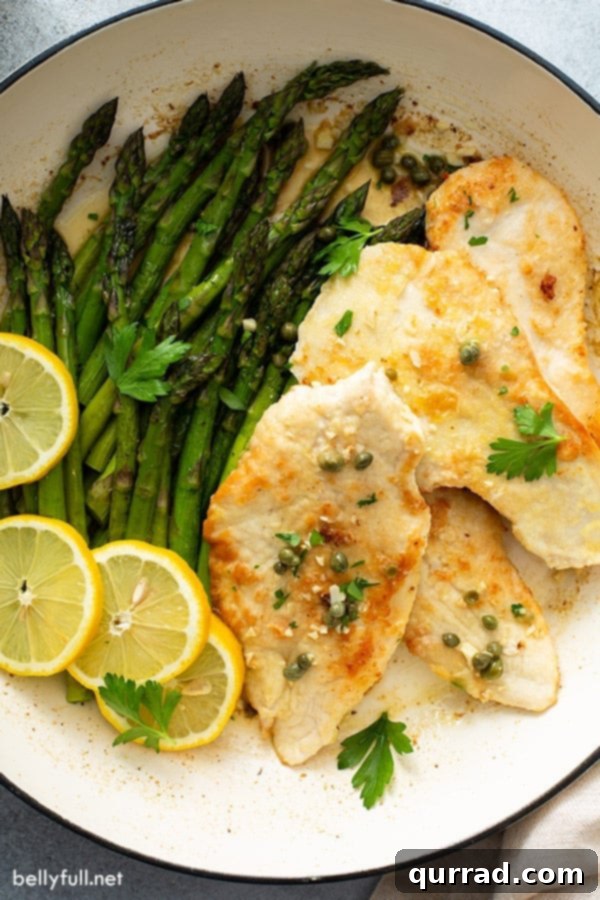
- Return the cooked chicken breasts to the pan, or arrange them on individual plates. Pour the delicious lemon-caper sauce generously over the chicken.
- Garnish with fresh lemon slices and a sprinkle of chopped fresh parsley for a burst of color and herbaceous flavor. Serve immediately with the roasted asparagus, pasta, or your preferred side. Enjoy!
What to Serve with Chicken Piccata
Lemon Chicken Piccata is incredibly versatile and pairs wonderfully with a variety of side dishes. While it’s traditionally served with long pasta like spaghetti or fettuccine to soak up every last drop of that amazing sauce, you have plenty of options to round out your meal:
- Pasta: A classic choice! Toss your favorite pasta with a little olive oil, garlic, and fresh parsley, or simply serve it plain under the chicken.
- Roasted Vegetables: My personal favorites include roasted asparagus, roasted green beans, or roasted broccoli. These add a healthy, vibrant counterpoint to the rich chicken.
- Mashed Potatoes: Creamy mashed potatoes are an excellent choice for a comforting meal, providing a soft bed for the chicken and sauce.
- Rice: A simple steamed white rice or a lemon-herb rice pilaf can absorb the sauce beautifully.
- Crusty Bread: Don’t underestimate the power of a good piece of crusty bread to mop up any leftover sauce – it’s too delicious to waste!
- Simple Salad: A light green salad with a vinaigrette dressing can offer a refreshing contrast to the richness of the piccata.
- Low-Carb Options: If you’re looking to reduce carbs, you can easily omit the pasta and serve the chicken solely with your favorite roasted or steamed vegetables like zucchini noodles or cauliflower rice.
Customizing Your Chicken Piccata: Delicious Variations
One of the best things about Chicken Piccata is how adaptable it is. Feel free to experiment with these delicious variations to suit your taste or dietary needs:
- Wine Substitute: If you prefer to avoid alcohol, you can replace the dry white wine with an equal amount of additional low-sodium chicken broth. While the flavor profile will be slightly different and less deep, it will still yield a delicious sauce.
- Add a Zesty Kick: For an extra layer of brightness and tang, consider stirring in a little lemon zest along with the fresh lemon juice. This enhances the citrus aroma and flavor.
- Creamy Sauce: If you’re in the mood for a richer, more indulgent sauce, whisk in 3-4 tablespoons of heavy cream at the very end, just before serving. This creates a wonderfully decadent piccata.
- Thicker Sauce: For those who prefer a more substantial sauce, you can create a slurry by whisking 1 tablespoon of flour or cornstarch with 2 tablespoons of cold water. Stir this into the simmering sauce until it reaches your desired consistency.
- Herb Alternatives: While parsley is traditional, you could experiment with other fresh herbs like chopped fresh dill or chives for a slightly different flavor profile.
- Add Vegetables to the Sauce: Sauté some sliced mushrooms or thinly sliced shallots with the garlic for added texture and flavor in the sauce.
- Gluten-Free Option: To make this dish gluten-free, use gluten-free all-purpose flour for dredging the chicken. Ensure your chicken broth is also gluten-free.
Cooking Tip: Mind Your Salt!
To ensure your Chicken Piccata is perfectly balanced and not overly salty, make sure to use unsalted butter. Additionally, it’s crucial to thoroughly rinse the capers under cold water before adding them to the sauce. This simple step helps remove excess salt from their brine, allowing their distinct flavor to shine without overpowering the dish.
Storing and Reheating Leftover Chicken Piccata
Chicken Piccata makes for fantastic leftovers, and with a few simple tips, you can enjoy this delicious meal for days to come:
- In the Fridge: Cooked and cooled Lemon Chicken Piccata, submerged in its delightful sauce, can be stored in an airtight container in the refrigerator for up to 3 days. The sauce helps keep the chicken moist and flavorful.
- Can You Freeze Chicken Piccata? Absolutely! Since this recipe’s sauce doesn’t contain any cream, it freezes exceptionally well without separating. For best results when freezing, it’s advisable to store the chicken and the sauce separately if possible, though they can also be frozen together. It will maintain its quality for up to 2 months. Thaw frozen piccata overnight in the refrigerator before reheating.
- To Reheat:
- Oven (Recommended for best results): Preheat your oven to 300°F (150°C). Place the chicken and sauce in an oven-safe dish, adding a tablespoon or two of extra chicken broth to prevent the sauce from drying out and to rehydrate the chicken. Cover with foil and heat for 15-20 minutes, or until warmed through.
- Stovetop: Gently reheat the chicken and sauce in a skillet over medium-low heat. Again, add a splash of chicken broth if the sauce appears too thick or dry. Stir occasionally until warmed through.
- Microwave: For a quick reheat, place individual servings in a microwave-safe dish. Add a small amount of chicken broth, cover loosely, and heat in 30-second intervals until hot. Be careful not to overcook, as this can dry out the chicken.
Other Delicious Chicken Recipes You’ll Love
If you’re a fan of versatile and flavorful chicken dishes, be sure to explore some of our other popular recipes:
- Chicken Pot Pie Noodle Skillet
- Easy Cashew Chicken
- Classic Chicken Noodle Soup
- Crispy Baked Chicken Taquitos
- Balsamic Lemon Chicken
I wholeheartedly recommend adding this Easy Chicken Piccata to your dinner rotation as soon as possible. It’s an incredibly delicious, satisfying, and surprisingly simple meal that consistently receives rave reviews. It’s approved and loved by all who try it!
We hope you truly enjoy this delicious and easy recipe! Please consider leaving a review below to let us know what you think. And don’t forget to follow us on Facebook, Instagram, Pinterest, and YouTube for more culinary inspiration and easy recipes!
5 out of 5 stars from 10 ratings
Easy Chicken Piccata
Pin Recipe
Print Recipe
This Chicken Piccata is a simple and elegant dish of lightly pan-fried chicken fillets in a rich sauce of white wine, fresh lemon juice, and capers. Quick and easy dinner in 20 minutes!
Ingredients
- 2 large boneless, skinless chicken breasts
- 1/2 pound asparagus, rinsed, tough ends removed
- 3 tablespoons extra virgin olive oil (for asparagus)
- Salt and freshly ground black pepper (for asparagus and chicken)
- 1/3 cup all-purpose flour
- Nonstick spray
- 2 tablespoons extra virgin olive oil (for chicken)
- 1/4 cup dry white wine
- 2 cloves garlic, minced
- 1/2 cup low-sodium chicken broth
- 2 tablespoons lemon juice (freshly squeezed)
- 1 tablespoon capers, drained and rinsed
- 2 tablespoons unsalted butter
- Fresh lemon slices (for garnish)
- Chopped fresh parsley (for garnish)
Instructions
- Slice the chicken breasts horizontally, butterflying them open. If still thicker than 1/2-inch, place between 2 pieces of plastic wrap and pound with a meat mallet until uniform thickness.
- Preheat oven to 425 degrees F (220°C).
- Pat the asparagus spears dry and spread them out in a single layer on a rimmed baking sheet. Drizzle with 3 tablespoons olive oil and sprinkle with salt and pepper, to taste. Roast for about 10 minutes, until tender-crisp.
- In the meantime, season chicken breasts with salt and pepper, then dredge in flour, shaking off any excess.
- Coat a sauté pan with nonstick spray, add the remaining 2 tablespoons olive oil, and heat over medium-high. Sauté chicken for about 3-4 minutes per side until golden, cooked through (internal temperature of 165°F / 74°C), and juices run clear. Transfer breasts to a platter and tent with foil.
- Deglaze the pan with white wine; add in the garlic. Cook until liquid is nearly evaporated, about 1-2 minutes. Add broth, lemon juice, capers, and butter.
- Once butter melts, pour sauce over chicken breasts.
- Garnish with lemon slices and chopped fresh parsley. Serve immediately with the cooked asparagus.
Notes
If you prefer to serve this dish with pasta instead of asparagus, go for it! For other recipe variations and storage info, please refer to the article sections above.
Nutrition
Nutritional information provided is an automatic calculation and can vary based on the exact products you use and any changes you make to the recipe. If these numbers are very important to you, we recommend calculating them yourself.