
Easy & Flavorful Thai Yellow Fish Curry: A Journey of Taste
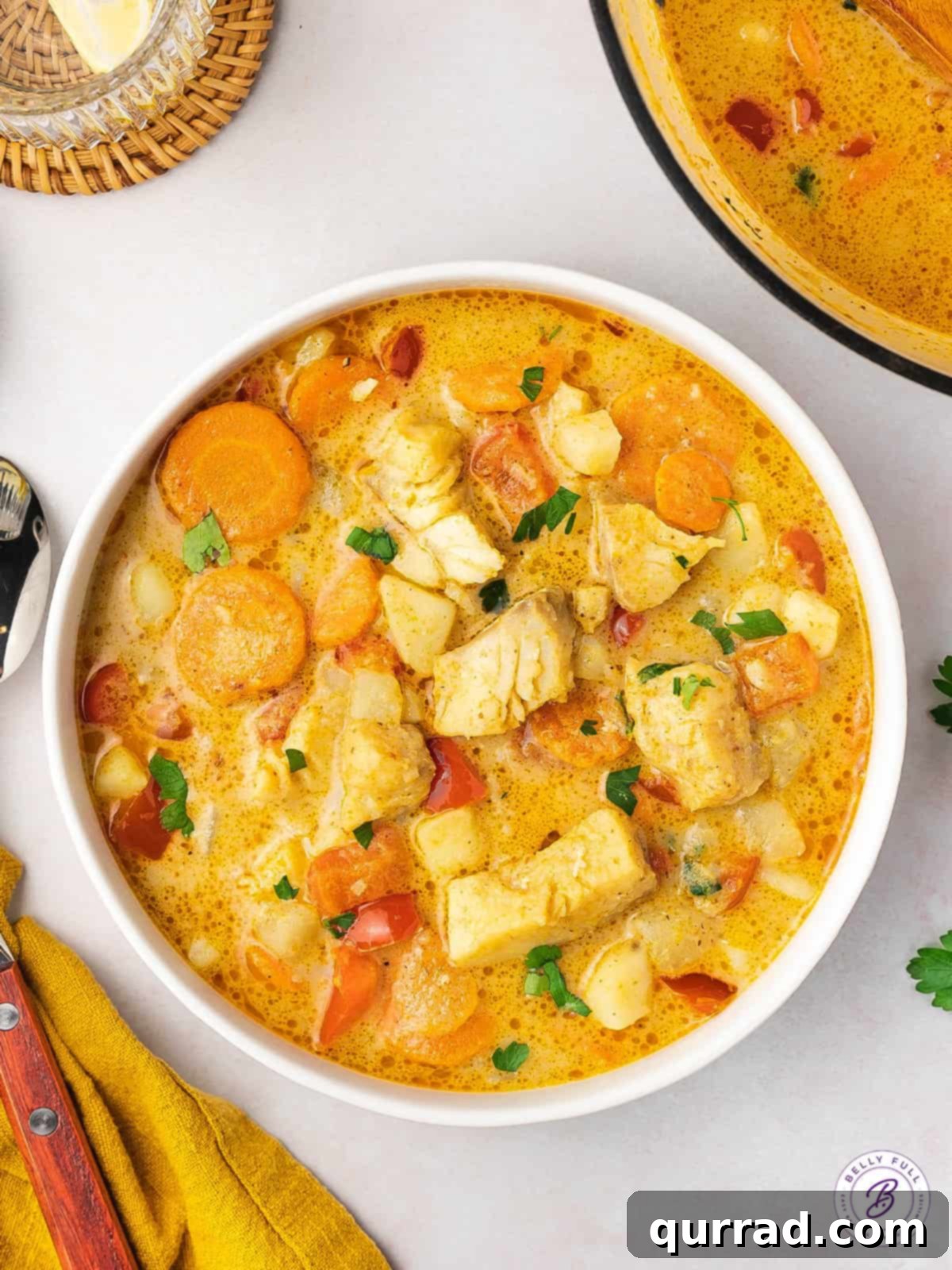
Embark on a culinary adventure from the comfort of your kitchen with this incredibly easy and remarkably flavorful Thai Fish Curry. This vibrant dish features tender fish fillets enveloped in a rich, creamy yellow coconut curry sauce that strikes a perfect balance between savory and subtly sweet. It’s an ideal weeknight meal that transports your taste buds straight to the bustling street food stalls of Thailand. Serve generous portions over fluffy jasmine rice, allowing every grain to soak up the exquisite, aromatic broth.
For those who love exploring the diverse flavors of Thai cuisine, don’t stop here! Our Thai Coconut Chicken is another fan-favorite stir-fry recipe, bursting with authentic taste. If you’re a curry enthusiast, we also highly recommend our Thai Green Curry, which offers a different, yet equally delightful, spice profile.
Why You’ll Love This Easy Thai Fish Curry Recipe
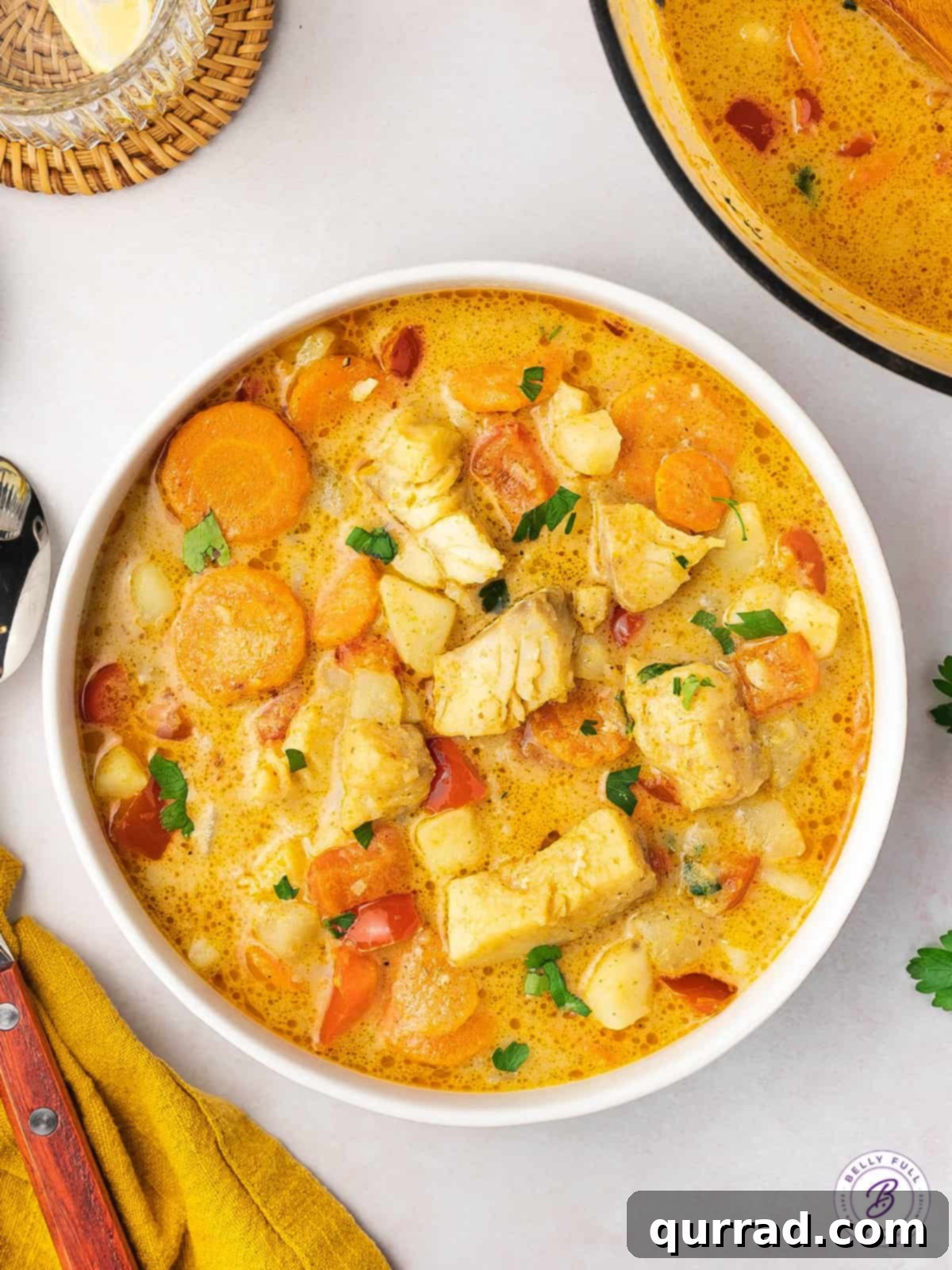
Perhaps you’ve always thought you weren’t a big fan of fish, or maybe you’re simply looking for a fresh, exciting way to incorporate more seafood into your diet. This Thai Fish Curry might just change your mind! The secret lies in the comforting, aromatic yellow curry broth, which perfectly complements the delicate texture of the fish, alongside tender carrots and potatoes. Unlike many traditional fish dishes, this recipe transforms humble ingredients into an extraordinary meal.
Curry recipes are celebrated worldwide for their ability to pack an incredible amount of flavor into straightforward meals, offering endless variations. While our Thai green curry recipe uses a distinct green curry paste, today’s focus is on the beloved yellow curry. Thai yellow curry is often considered the mildest among the popular Thai curries (red, green, and yellow) on the spice scale, making it accessible to a wider range of palates. When combined with rich, full-fat coconut milk, it delivers a luxurious, subtly sweet flavor profile that is truly irresistible. As an added bonus, this soup naturally happens to be gluten-free and dairy-free, making it a fantastic option for those with specific dietary needs.
The Magic of Yellow Curry
Thai yellow curry, known as “Gaeng Garee” in Thailand, typically features turmeric as its primary ingredient, which gives it its characteristic golden hue. Other common ingredients in the paste include lemongrass, galangal, dried red chilies (in smaller quantities than red or green curries), kaffir lime zest, garlic, shallots, and various spices like cumin and coriander. This combination creates a rich, earthy, and aromatic base that is less fiery than its green or red counterparts, making it a perfect entry point for those new to Thai curries or who prefer a milder flavor. The creamy coconut milk then mellows out the spices, adding a delightful sweetness and velvety texture that coats every ingredient beautifully.
Essential Ingredients for an Authentic Yellow Fish Curry
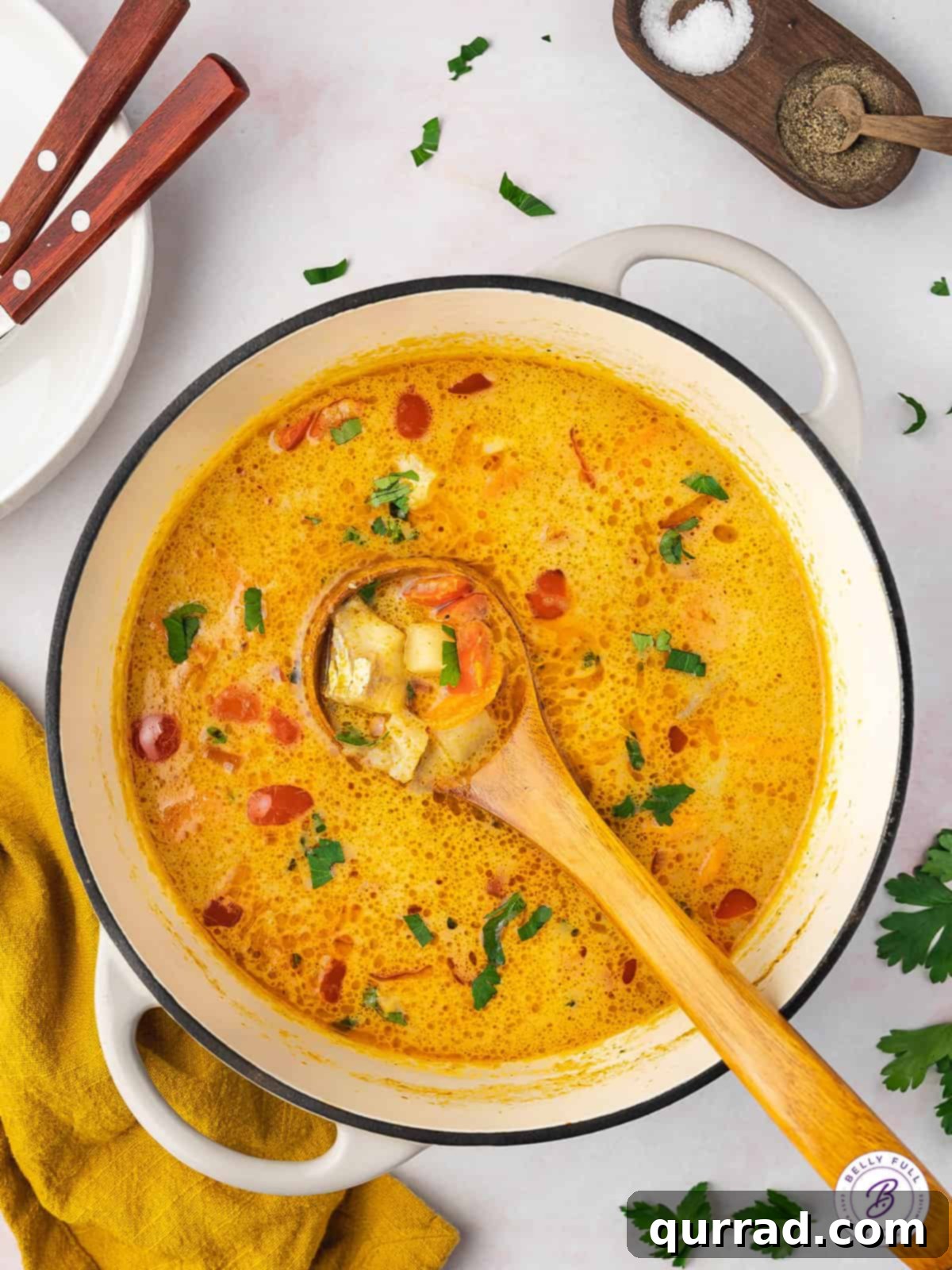
Crafting this flavorful Thai Fish Curry requires just a handful of easily accessible ingredients, with yellow curry paste being the star. Below, we’ve detailed each component, explaining its role in creating this delicious dish. For exact measurements, please refer to the complete recipe card below.
- Barramundi fillets: Approximately 8 ounces total, skinned and cut into 1-inch pieces. Barramundi is an excellent choice for this curry due to its firm, meaty, yet buttery and delicate texture. It holds up well in the simmering broth without falling apart. Its mild flavor also readily absorbs the rich curry spices.
- Aromatic Vegetables:
- Onion: Provides a foundational savory base and sweetness when sautéed.
- Garlic: Essential for its pungent aroma and depth of flavor, a cornerstone of many Thai dishes.
- Carrots: Add natural sweetness, a vibrant color, and a pleasant tender-crisp texture.
- Red Bell Pepper: Contributes a mild sweetness, beautiful color, and a slight crunch.
- Yukon Gold Potatoes: These creamy potatoes absorb the curry flavors wonderfully and add body and substance to the stew. Their starchy texture helps thicken the sauce slightly as they cook.
- Olive Oil: Used for sautéing the vegetables and blooming the curry paste, which helps release its full aromatic potential.
- Chicken Broth: Low sodium chicken broth is preferred to allow you to control the overall saltiness of the curry. It forms the liquid base of our flavorful broth. For a vegetarian version, vegetable broth can be easily substituted.
- Full-Fat Coconut Milk: This is a non-negotiable ingredient for achieving the signature richness and creamy texture of Thai curries. Be sure to use canned full-fat coconut milk, not coconut cream or a low-fat version, as these won’t provide the same luscious consistency and flavor. The fat content is crucial for mouthfeel and flavor distribution.
- Yellow Curry Paste: The heart of this recipe. Jarred yellow curry paste is readily available in the Asian aisle of most well-stocked grocery stores. Look for brands that list natural ingredients and avoid those with excessive additives. Its complex blend of spices is what gives this curry its distinctive character.
- Seasonings: Simple salt and freshly ground black pepper are used to enhance and balance the flavors. Freshly chopped parsley is added at the end for a pop of color and herbaceous freshness.
- Jasmine Rice: Steamed and served alongside, jasmine rice is the traditional accompaniment, perfect for soaking up every last drop of the incredible curry broth.
Customizing Your Thai Fish Curry: Delicious Variations
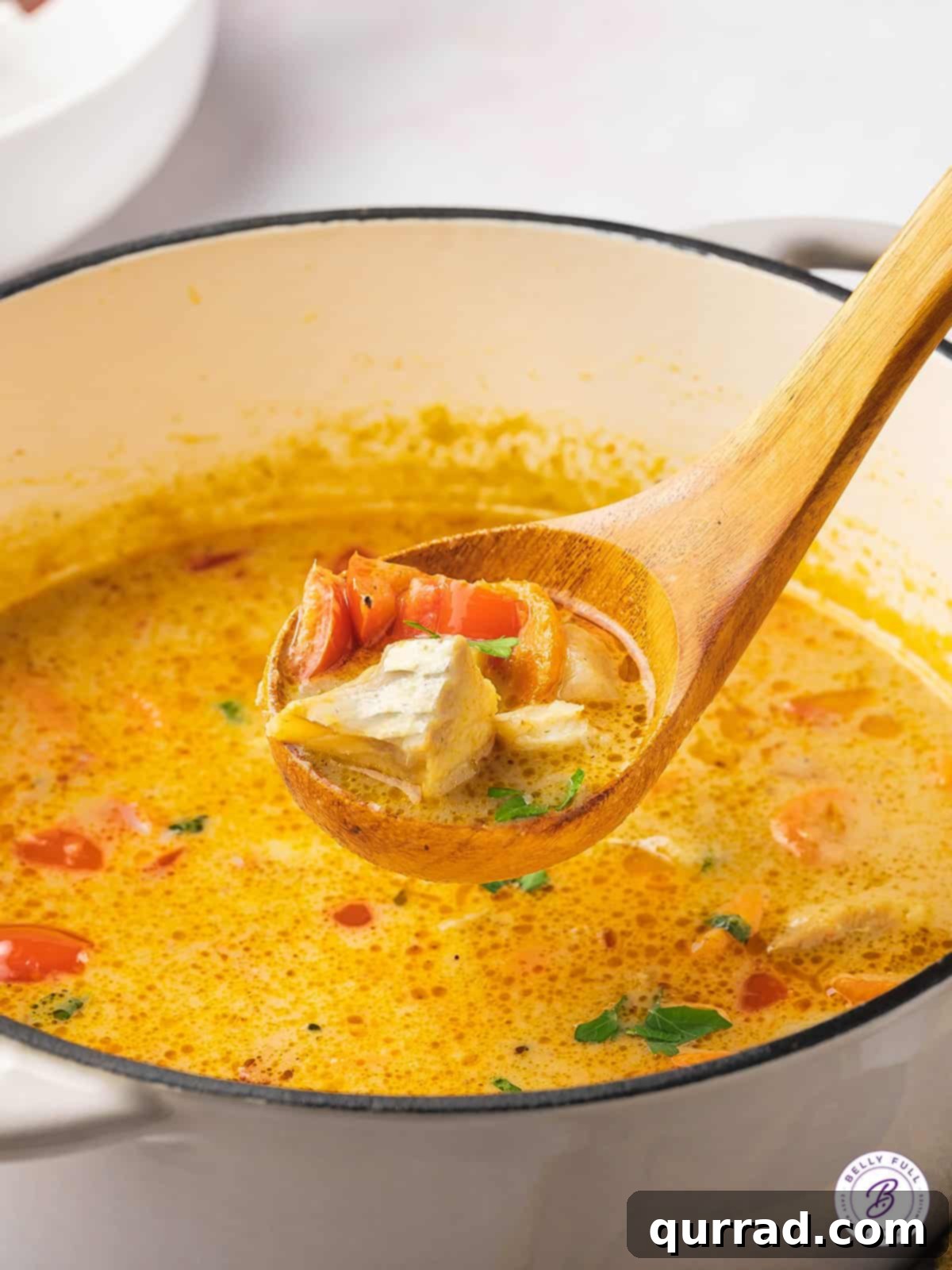
One of the beauties of curry is its adaptability. The rich, versatile curry broth in this recipe lends itself beautifully to numerous variations, allowing you to tailor the dish to your specific tastes, dietary preferences, or whatever ingredients you have on hand.
- Explore Different Fish Varieties: While Barramundi is excellent, many other white, firm-fleshed fish can be used. Good substitutes include cod, halibut, Chilean sea bass, snapper, or even tilapia. Choose a fish that will hold its shape during simmering.
- Swap Out the Protein for a Different Experience: Not a fan of fish, or simply craving something different? This Thai curry base is incredibly versatile!
- Chicken: Chicken thighs are highly recommended over chicken breasts for their ability to stay juicy and tender even after simmering. Cut them into 1-inch cubes and add them at the beginning with the vegetables to ensure they cook through.
- Shrimp or Prawns: For a quick-cooking seafood option, large shrimp or prawns are fantastic. Add them in the last 5 minutes of cooking, as they cook very quickly and you want to avoid overcooking, which can make them rubbery.
- Tofu or Tempeh: For a plant-based protein, firm or extra-firm tofu (pressed and cubed) or tempeh (cubed) can be used. Sauté them separately until golden brown before adding them to the curry to ensure they absorb the flavors and retain texture.
- Boost the Veggies: Curries are wonderful vehicles for incorporating more vegetables. Feel free to add your favorites!
- Traditional Curry Veggies: Eggplant (Thai eggplant or regular), zucchini, and bamboo shoots are popular additions in Thai curries.
- Other Great Options: Asparagus, green beans, broccoli florets, cauliflower florets, and mushrooms (like cremini or shiitake) all work beautifully. Add harder vegetables earlier with the carrots and potatoes, and softer vegetables like mushrooms or spinach in the last few minutes of cooking to prevent them from becoming mushy.
- Leafy Greens: A handful of fresh spinach or chopped kale can be stirred in at the very end until just wilted for an extra nutritional punch.
- Make it Fully Vegetarian or Vegan: To create a delicious vegetarian curry, simply omit the fish and use vegetable broth instead of chicken broth. Increase the amount of existing vegetables or add some of the suggested additional vegetables mentioned above. As noted, tofu or tempeh are excellent protein additions for a heartier meal. Ensure your yellow curry paste is vegan (some may contain shrimp paste).
- Adjust the Spice Level: If you prefer a spicier curry, you can add a pinch of red chili flakes along with the curry paste, or stir in some finely sliced fresh red chilies (like bird’s eye chilies) at the end for a fresh kick. For a milder flavor, you can reduce the amount of yellow curry paste slightly.
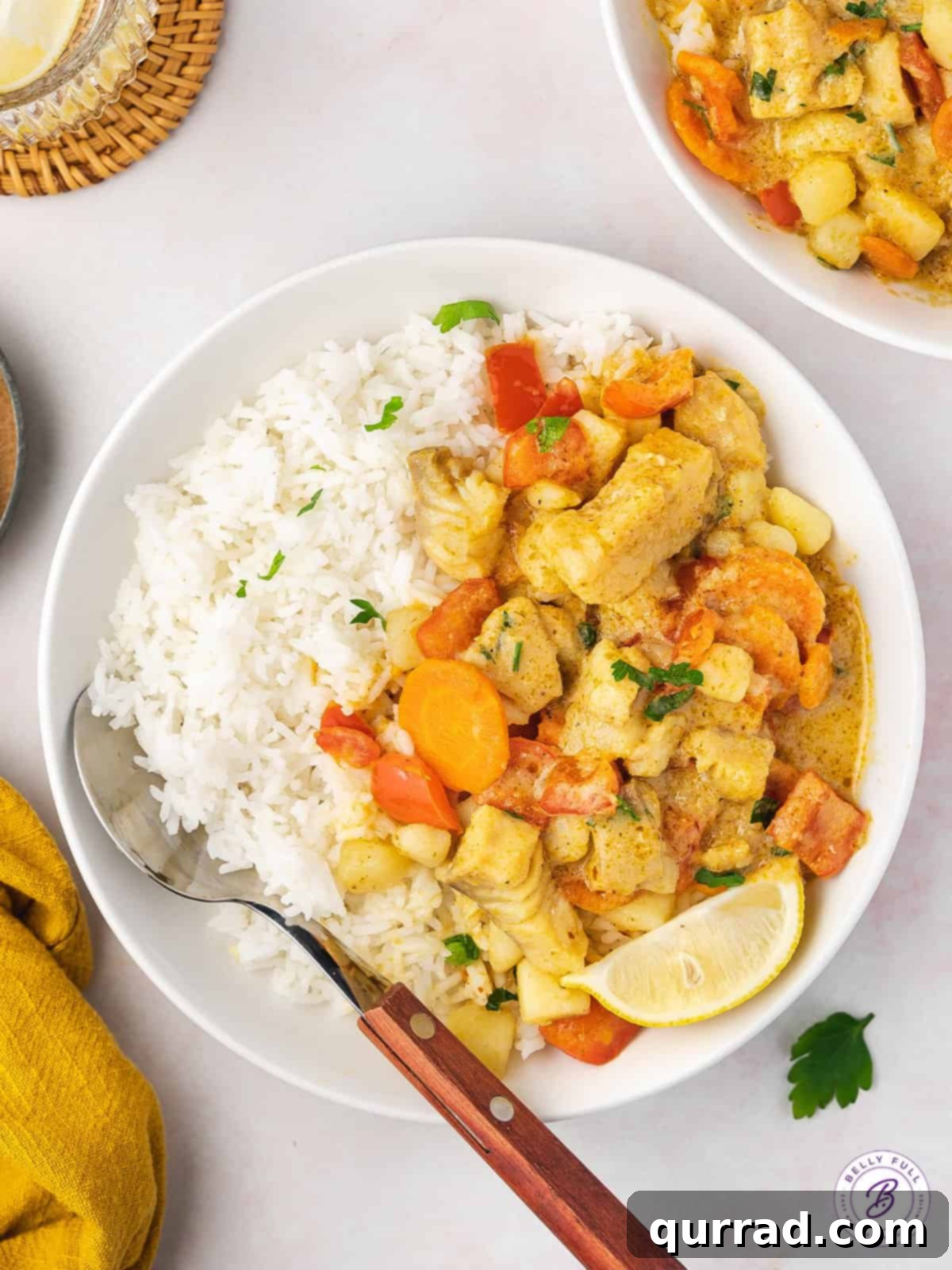
Perfect Serving Suggestions for Your Thai Fish Curry
The traditional way to enjoy Thai fish curry, and arguably the best, is over a bed of fragrant jasmine rice. Its delicate aroma and fluffy texture perfectly complement the rich, creamy sauce, making it ideal for soaking up every delicious drop of broth.
However, if you’re looking for alternatives or wish to cater to different dietary preferences, here are some fantastic serving suggestions:
- Brown Rice: A wholesome and nutty alternative to jasmine rice, brown rice adds more fiber and a chewier texture.
- Cauliflower Rice: For a lower-carb option, cauliflower rice is an excellent choice. It’s light, absorbs flavors beautifully, and significantly reduces the carbohydrate count of your meal.
- Quinoa: Another healthy, high-protein, and gluten-free grain that can be served alongside. Its slightly chewy texture and subtle earthy flavor offer a nice contrast.
- Naan Bread: While not traditionally Thai, warm, soft naan bread is a superb addition for scooping up any extra sauce. Its pillowy texture and mild flavor make it an irresistible accompaniment.
- Creamy Cucumber Salad: To provide a refreshing counterpoint to the rich and subtly spicy curry, a cool and creamy cucumber salad is a wonderful choice. Its crispness and tangy dressing offer a delightful balance.
- Fresh Herbs and Lime Wedges: Garnish your curry with extra fresh cilantro or basil, and serve with lime wedges on the side. A squeeze of fresh lime juice just before eating brightens all the flavors in the curry.
Storage and Reheating Tips for Leftovers
This Thai Fish Curry is often even more flavorful the next day as the ingredients have more time to meld together. Proper storage and reheating will ensure you can enjoy your delicious leftovers safely and deliciously.
- Storing Leftovers: Any leftover Thai fish curry should be transferred to an airtight container and stored in the refrigerator promptly. It will keep well for up to 3 days. It’s crucial not to leave perishable food, especially those containing fish and coconut milk, at room temperature for more than an hour before refrigerating to prevent bacterial growth.
- Freezing Recommendations: Unfortunately, coconut milk-based soups and curries do not freeze well. The coconut milk tends to separate and become grainy or oily upon thawing, affecting the texture and consistency of the sauce. Therefore, we do not recommend freezing this soup recipe. It’s best enjoyed fresh or within a few days from the refrigerator.
- To Reheat: Leftover curry can be reheated gently either in the microwave or on the stovetop.
- Stovetop: Transfer the curry to a saucepan over medium-low heat. Stir occasionally until heated through.
- Microwave: Place a single serving in a microwave-safe bowl and heat in 1-minute intervals, stirring in between, until hot.
When reheating, be careful not to simmer the sauce too vigorously or for too long, as this can cause the sauce to thicken excessively or overcook the fish, making it dry or flaky. Gentle reheating is key to preserving the curry’s texture and flavor.
Frequently Asked Questions (FAQ) About Thai Fish Curry
Here are some common questions you might have about making this delicious Thai Fish Curry:
- Can I use light coconut milk? While you can, we highly recommend using full-fat coconut milk for the creamiest, most authentic flavor and texture. Light coconut milk will result in a thinner, less rich curry.
- Is yellow curry paste spicy? Compared to red and green Thai curries, yellow curry is generally the mildest. However, spice levels can vary by brand. If you’re sensitive to spice, start with a smaller amount of paste and add more to taste.
- What if my curry is too thin? If your curry is thinner than desired, you can simmer it uncovered for a few extra minutes to allow some liquid to evaporate and the sauce to reduce slightly. The starches from the potatoes also help to naturally thicken it as it cools. Alternatively, you can mix a teaspoon of cornstarch with a tablespoon of cold water to create a slurry, then stir it into the simmering curry and cook for another minute until thickened.
- What if my curry is too thick? If your curry becomes too thick, especially after sitting, you can thin it out by stirring in a little extra chicken broth (or water/coconut milk) until it reaches your desired consistency.
- Can I make this ahead of time? This curry is best served fresh, but it can be prepared a day in advance. The flavors will deepen, but the fish might become slightly softer. Reheat gently as described above.
- What kind of pot should I use? A large, heavy-bottomed pot or Dutch oven is ideal for even heat distribution and preventing sticking.
More Delicious Curry Recipes to Explore
If this Thai Fish Curry has sparked your love for rich and aromatic curries, you’re in luck! We have a wide array of curry recipes that cater to various tastes and preferences. Dive into these other flavorful dishes:
- Thai Green Curry: For those who enjoy a bit more heat and a vibrant, herbaceous flavor.
- Easy Chickpea Curry: A hearty and satisfying vegetarian option, packed with plant-based protein.
- Curry Rice with Cauliflower: A simple, one-pot meal that’s perfect for a quick and nutritious dinner.
- Thai Shrimp Curry: Another fantastic seafood curry, featuring succulent shrimp in a fragrant coconut sauce.
- Thai Curry Soup: A lighter, brothier version of curry, perfect for a comforting and warming meal.
We truly hope you enjoy this easy and incredibly delicious Thai Fish Curry recipe. It’s designed to bring authentic Thai flavors to your table with minimal effort. Please consider leaving a review below if you try it! We love hearing your feedback. Don’t forget to follow Belly Full on your favorite social media channels for more culinary inspiration:
Follow us on TikTok, Facebook, Instagram, Pinterest, and YouTube!
Thai Fish Curry
Prep Time: 15 mins
Cook Time: 25 mins
Total Time: 40 mins
Servings: 5

Easy to make and packed full of flavor, this Thai Fish Curry is infused with a rich coconut yellow curry sauce that is savory and subtly sweet. Serve portions over jasmine rice to soak up that incredible broth!
Ingredients
- 2 teaspoons extra virgin olive oil
- 4 ounce jar yellow curry paste
- 3 medium carrots, peeled and cut into thin rounds
- 1 medium sweet onion, diced small
- 1 red bell pepper, cut into small 1/2-inch pieces
- 2 cloves garlic, minced
- Salt and pepper, to taste
- 3 medium Yukon Gold potatoes, peeled and cut into 1/2 inch cubes
- 15 ounce can unsweetened full-fat coconut milk
- 1 & 1/2 cups low sodium chicken broth (or vegetable broth for vegetarian)
- 8 ounces Barramundi fillets, skinned removed, cut into 1-inch pieces
- Fresh chopped parsley, for garnish
Instructions
- Heat olive oil in a large heavy pot or Dutch oven over medium heat. Add the yellow curry paste and cook, stirring constantly, until fragrant, about 20 seconds. This step is crucial for “blooming” the spices and releasing their full aroma.
- Add the prepared carrots, onion, and red bell pepper to the pot. Cook, stirring occasionally, for about 6 minutes, or until the onion is translucent and the carrots and bell pepper begin to tenderize. Stir in the minced garlic and cook for an additional 20 seconds until fragrant, being careful not to burn it. Season with a dash of salt and pepper.
- Add the cubed potatoes, full-fat coconut milk, and low sodium chicken broth (or water/vegetable broth) to the pot. Bring the mixture to a gentle boil, then reduce the heat to a simmer. Cook, stirring occasionally, for about 12 minutes, or until the potatoes are almost tender when pierced with a fork.
- Carefully add the 1-inch pieces of Barramundi fish fillets to the simmering curry. Continue to cook for an additional 5 minutes, or until the fish is cooked through and flaky, and the potatoes are perfectly tender but not mushy. Avoid overcooking the fish to maintain its delicate texture.
- Divide the hot fish curry among shallow bowls. Garnish generously with fresh chopped parsley before serving. Enjoy immediately with your preferred accompaniment.
Notes & Tips
- Fish Substitutions: If Barramundi is unavailable, excellent alternatives include cod, halibut, Chilean sea bass, or snapper. Choose a firm white fish.
- Protein Alternatives: For a different take, substitute the fish with chicken thighs (cubed, cooked with vegetables) or shrimp (add in the last 5 minutes). For a vegetarian version, use firm tofu or tempeh, sautéed until golden, and vegetable broth.
- Vegetable Additions: Enhance the curry with extra vegetables like eggplant, zucchini, broccoli, cauliflower, green beans, or spinach. Add them according to their cooking times.
- Spice Adjustment: For more heat, add a pinch of red chili flakes with the curry paste or fresh sliced chilies at the end.
Nutrition Information
- Calories: 405 kcal
- Carbohydrates: 35g
- Protein: 15g
- Fat: 25g
- Saturated Fat: 19g
- Polyunsaturated Fat: 1g
- Monounsaturated Fat: 3g
- Cholesterol: 20mg
- Sodium: 97mg
- Potassium: 1147mg
- Fiber: 7g
- Sugar: 11g
- Vitamin A: 10452 IU
- Vitamin C: 61mg
- Calcium: 95mg
- Iron: 3mg
Nutritional information is an automatic calculation and may vary based on specific product brands and any modifications to the recipe. For precise values, independent calculation is recommended.