
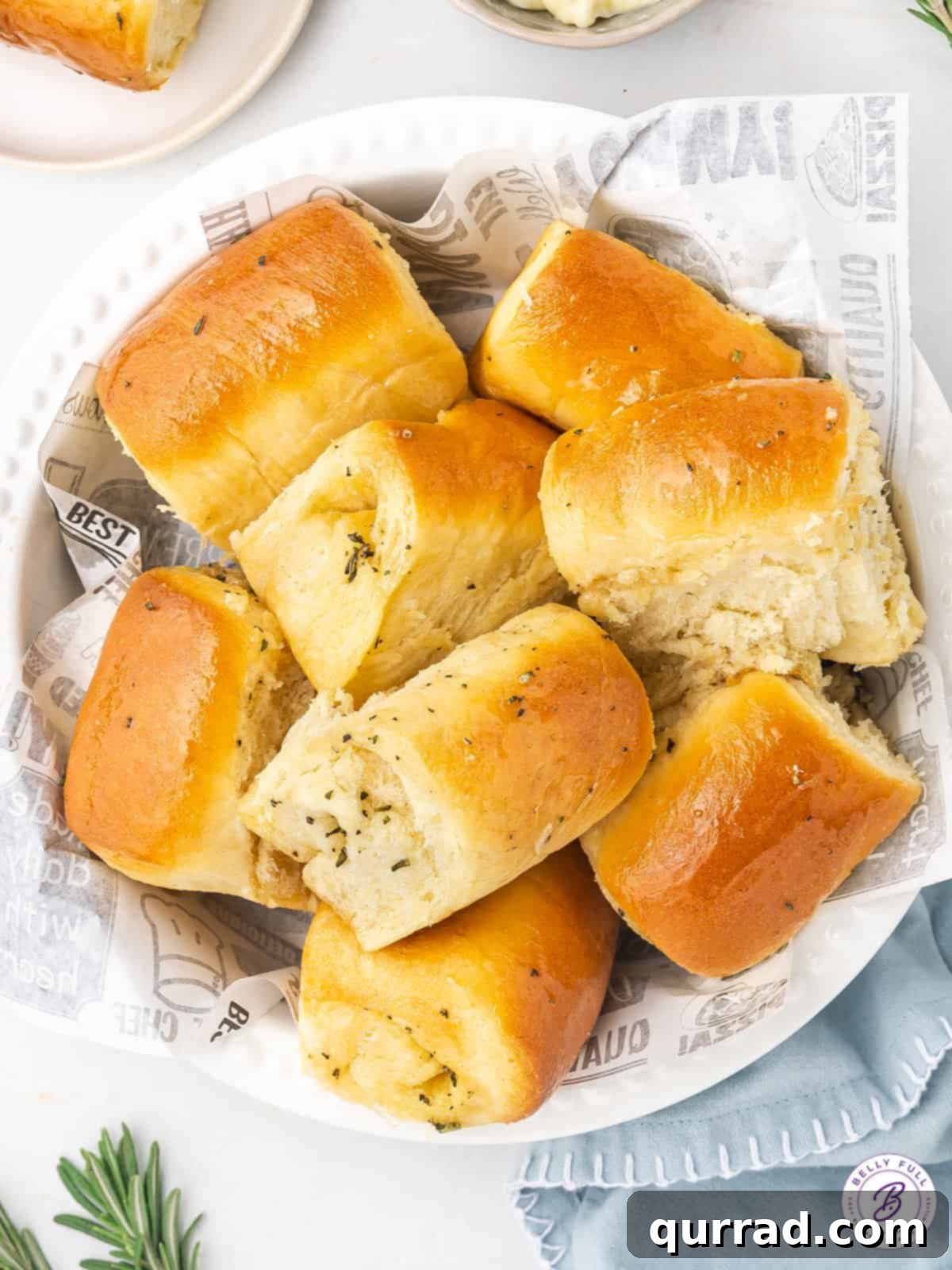
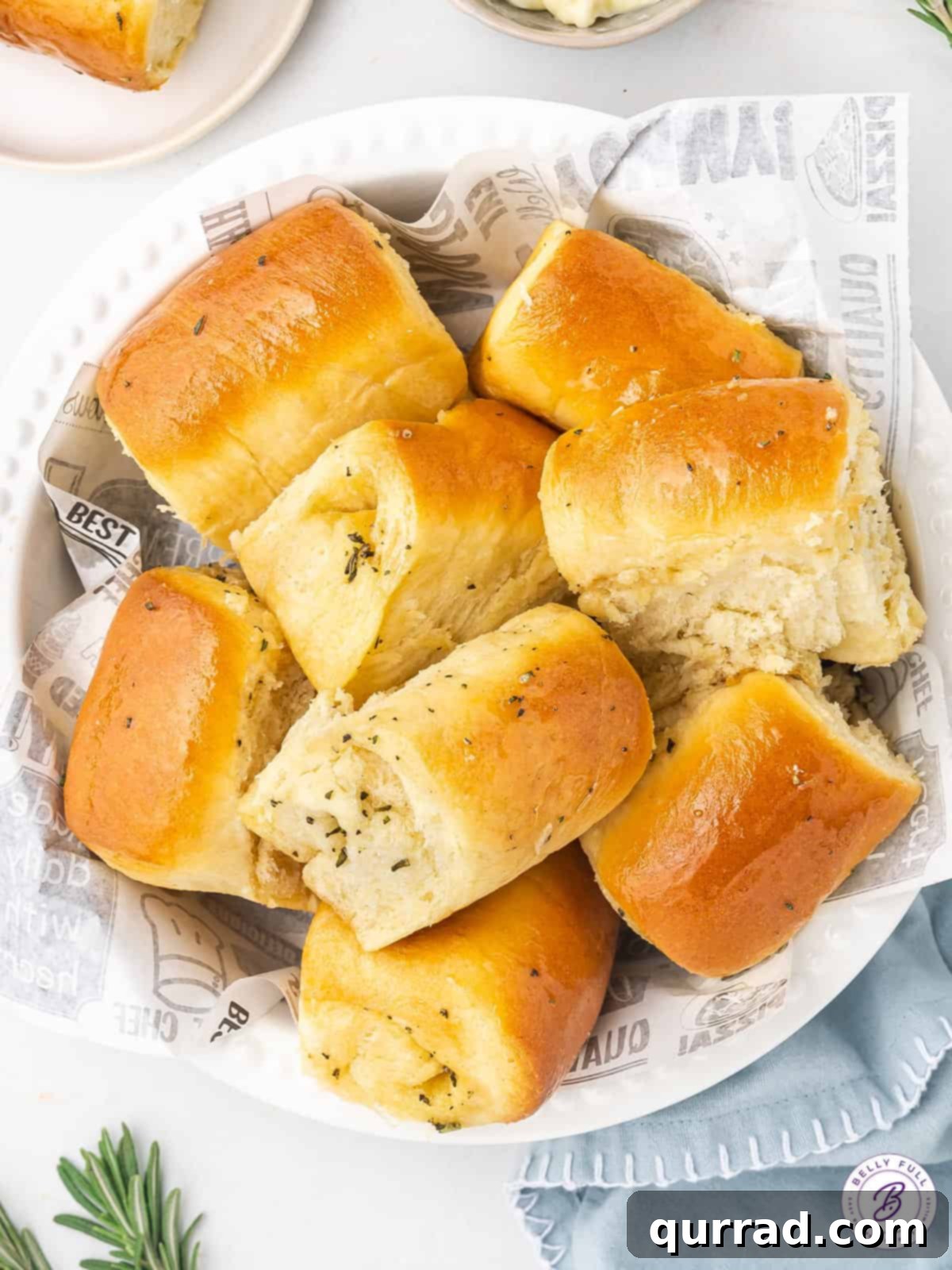
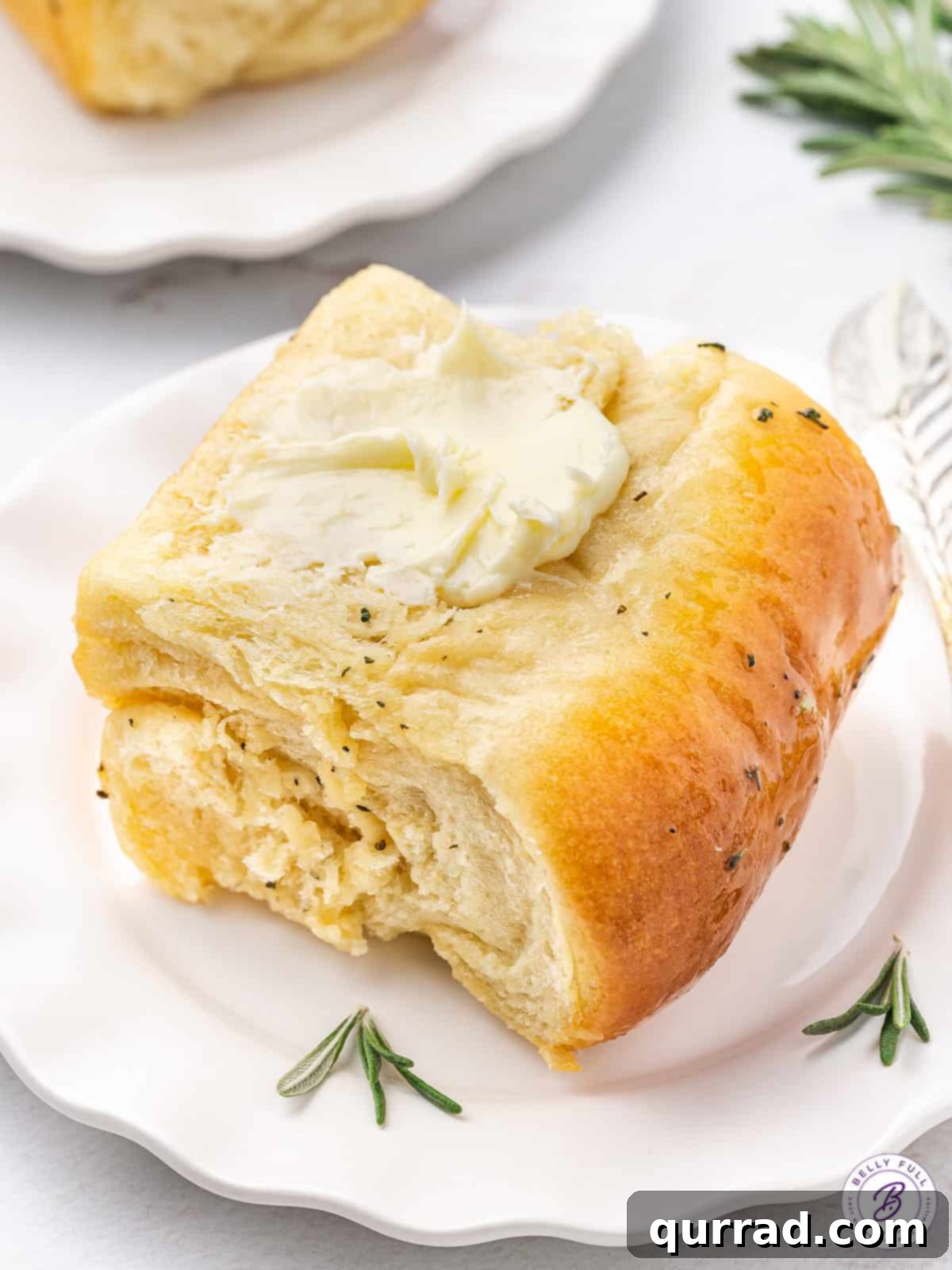
There are few things as comforting and irresistible as a freshly baked, warm dinner roll, and Parker House Rolls truly elevate this experience. Imagine sinking your teeth into a cloud-like, incredibly soft roll, rich with butter, subtly sweet with honey, and beautifully fragrant with fresh rosemary. These aren’t just any rolls; they are a culinary masterpiece, featuring a luscious honey and rosemary butter baked directly into their delicate layers and a shimmering glaze brushed on top for an extra burst of flavor. Ideal for enhancing any meal, from a casual family dinner to an elegant holiday feast, these homemade Parker House rolls are guaranteed to impress and become a beloved staple in your kitchen.
5-STAR REVIEW
“These rolls were AMAZING!! Making them again for Easter. Thanks for much for the detailed instructions and tips.” – Dana
The Ultimate Parker House Rolls Recipe for Every Occasion
Stepping into the world of homemade bread can feel daunting, but with this recipe, crafting the perfect Parker House Rolls is a delightfully achievable feat, even for first-time yeast bakers. These aren’t just any dinner rolls; they are a uniquely delicious, slightly sweet, and incredibly buttery rendition of the classic, reimagined for an unforgettable flavor experience. Our special touch? A fragrant honey-rosemary butter, woven into the very fabric of the rolls, infusing them with an earthy sweetness that beautifully complements their rich, tender crumb. And for a grand finale, a glistening honey glaze is generously brushed over the warm, freshly baked buns, locking in moisture and amplifying their irresistible taste.
While traditional Parker House rolls are celebrated for their distinctive rectangular shape and signature fold, creating a soft pocket for butter, this recipe elevates them further. The origins of these beloved rolls are as charming as their taste, reportedly stemming from a happy accident at Boston’s iconic Parker House Hotel in the late 19th century. Legend has it that a disgruntled baker, frustrated with a batch of rolls, impulsively threw them into the oven, resulting in their characteristic folded appearance. This serendipitous creation quickly captured the hearts (and palates) of many, becoming a culinary legend. Our version pays homage to this heritage while introducing the delightful aromatic notes of rosemary and the comforting sweetness of honey, making each roll a harmonious blend of history and innovation. And don’t worry, if rosemary isn’t your favorite herb, it can easily be omitted for a purer buttery-sweet roll.
Essential Tips for Baking Perfect Parker House Rolls
- Mastering Yeast Activation with Milk Temperature: The success of any yeast bread hinges on properly activated yeast. Ensure your whole milk is perfectly warmed to between 105–110°F (40-43°C). Milk that’s too cold will inhibit yeast activity, leading to a sluggish rise and dense rolls. Conversely, milk that’s too hot will kill the yeast entirely, preventing any rise whatsoever. Use a kitchen thermometer for accuracy – it’s a small step that makes a huge difference in achieving light and fluffy Parker House rolls.
- Achieving the Ideal Dough Consistency: When mixing your dough, aim for a soft, slightly tacky but manageable consistency. If your dough feels excessively sticky, add flour one tablespoon at a time, mixing well after each addition, until it just pulls away from the sides of the bowl. Be cautious not to add too much flour, as this is a common pitfall that results in dry, heavy, and dense rolls instead of the airy, tender texture you’re aiming for.
- The Art of the Glaze Application: For maximum flavor penetration and that irresistible glossy finish, always brush the honey rosemary glaze onto your Parker House rolls while they are still warm, immediately after they come out of the oven. This allows the butter and honey to melt and seep into the rolls, infusing every bite with extra sweetness and aroma. If your glaze seems too thick, a tiny bit of warm water or an extra drizzle of melted butter can help achieve the perfect brushing consistency.
- Herb Customization: While fresh rosemary offers an unparalleled aromatic depth, you can certainly adapt the recipe to your preferences. If using dried rosemary, remember its flavor is more concentrated; reduce the quantity by half (e.g., ½ tsp dried for 1 tsp fresh). For an alternative herbaceous note, fresh thyme makes a delightful substitute. Or, if you prefer a simpler, purely sweet and buttery roll, feel free to omit the herbs entirely. These rolls are wonderfully delicious in all their variations.
- Understanding the Proofing Environment: A warm, draft-free environment is crucial for optimal dough rising. If your kitchen is cool, consider placing the covered bowl in a slightly warmed (turned off!) oven or near a sunny window. The ideal temperature for rising is around 75-85°F (24-29°C). Proper proofing ensures your rolls achieve maximum lightness and a beautifully tender crumb.
- Precision in Measuring Flour: Always spoon your flour into the measuring cup and level it off with a straight edge rather than scooping directly from the bag. Scooping packs too much flour into the cup, leading to a dry, stiff dough that’s difficult to work with and results in tough rolls. This seemingly minor detail can significantly impact the final texture of your Parker House rolls.
- Don’t Over-Knead or Under-Knead: Kneading develops the gluten, giving the rolls their structure and chewiness. Over-kneading can make the dough tough, while under-kneading won’t develop enough gluten, leading to crumbly rolls. Aim for a dough that passes the “windowpane test” – you should be able to stretch a small piece thin enough to see light through it without tearing.
Parker House Rolls
These incredibly soft, buttery, and slightly sweet Parker House Rolls are filled with a fragrant honey and rosemary butter and finished with a glossy glaze. They are the perfect accompaniment to any meal or holiday celebration.
Yields: 16 rolls
Prep time: 30 minutes
Cook time: 25 minutes
Rise time: 2 hours
Total time: 2 hours 55 minutes
Ingredients for Dough
- ¼ cup granulated sugar
- 1¼ cups warm whole milk (105-110°F)
- 1 tbsp active dry yeast
- ½ cup unsalted butter, melted and cooled
- 2 large eggs, room temperature
- 1 tsp salt
- 4½ cups all-purpose flour, spooned and leveled
Ingredients for Honey Rosemary Filling
- ⅓ cup unsalted butter, softened to room temperature
- 1 tbsp honey
- 1 tsp finely chopped fresh rosemary
Ingredients for Honey Rosemary Glaze
- ¼ cup unsalted butter
- 2 tbsp honey
- 1 tsp finely chopped fresh rosemary
Instructions
- Activate the Yeast: In the bowl of a stand mixer, combine the warm milk and granulated sugar. Sprinkle the active dry yeast over the mixture. Let it stand undisturbed for 5-10 minutes until it becomes frothy and bubbly, indicating the yeast is active.
- Form the Dough: Attach the dough hook to your stand mixer. Add the melted butter, room temperature eggs, and salt to the frothy yeast mixture. Give it a brief, rough mix. Gradually add the all-purpose flour, about a cup at a time, to the mixer on low speed until a soft, shaggy dough begins to form.
- Knead the Dough: Increase the mixer speed to medium and continue to knead the dough for 5-7 minutes. The dough should transform into a smooth, elastic, and slightly tacky ball that pulls away from the sides of the bowl.
- First Rise: Lightly grease a large bowl. Transfer the kneaded dough to the greased bowl, turning it once to coat all sides. Cover the bowl tightly with a clean kitchen towel or plastic wrap. Place it in a warm, draft-free spot and let it rise for 1 to 1.5 hours, or until the dough has visibly doubled in size.
- Prepare the Filling: While the dough is rising, prepare the aromatic filling. In a small bowl, thoroughly mix the softened unsalted butter, honey, and finely chopped fresh rosemary until well combined. Set this mixture aside.
- Shape the Rolls: Once the dough has completed its first rise, gently punch it down to release the air. Transfer the dough to a lightly floured surface and roll it out into a large rectangle, approximately 12×18 inches. Evenly spread the prepared honey rosemary filling over the entire surface of the dough. Using a sharp knife or pizza cutter, cut the dough into individual squares or rectangles (e.g., 2-3 inches per side).
- Fold and Arrange: Take each cut piece of dough and fold it in half, gently pressing the edges together to enclose the fragrant filling. Arrange the folded rolls, with the folded side down, in a greased 9×13-inch baking dish, placing them close enough so they will touch and create soft sides as they rise and bake.
- Second Rise: Cover the baking dish with a clean kitchen towel and let the rolls undergo their second rise in a warm place for another 30-45 minutes. They should once again double in size and become visibly puffy.
- Preheat Oven: During the last few minutes of the second rise, preheat your oven to 375°F (190°C).
- Bake the Rolls: Bake the risen Parker House Rolls in the preheated oven for 20-25 minutes, or until they achieve a beautiful golden-brown color on top and are cooked through.
- Prepare and Apply Glaze: While the rolls are baking, prepare the honey rosemary glaze. In a small saucepan, gently melt the ¼ cup unsalted butter over low heat. Stir in the 2 tablespoons of honey and 1 teaspoon of finely chopped fresh rosemary until the mixture is smooth and combined.
- Glaze and Serve: As soon as the golden-brown rolls emerge from the oven, generously brush them with the warm honey rosemary glaze. This adds incredible flavor and a beautiful sheen. Allow the rolls to cool in the baking dish for about 10 minutes before gently separating and serving them warm, allowing the glaze to fully soak in.
Nutrition Information (per roll)
Calories: 283kcal | Carbohydrates: 34g | Protein: 5g | Fat: 14g | Saturated Fat: 9g | Polyunsaturated Fat: 1g | Monounsaturated Fat: 4g | Trans Fat: 1g | Cholesterol: 59mg | Sodium: 164mg | Potassium: 83mg | Fiber: 1g | Sugar: 7g | Vitamin A: 449IU | Vitamin C: 0.03mg | Calcium: 37mg | Iron: 2mg
Nutritional information provided is an estimated value and can vary based on the specific ingredients and brands used. If precise nutritional data is critical for you, it is recommended to perform your own calculations using your exact ingredients.
Video
Step-by-Step Guide to Baking Irresistible Parker House Rolls
Embark on your journey to baking these delectable Parker House Rolls with our detailed, visual guide. Each step is designed to ensure your success, from activating the yeast to glazing the warm, golden-brown rolls.
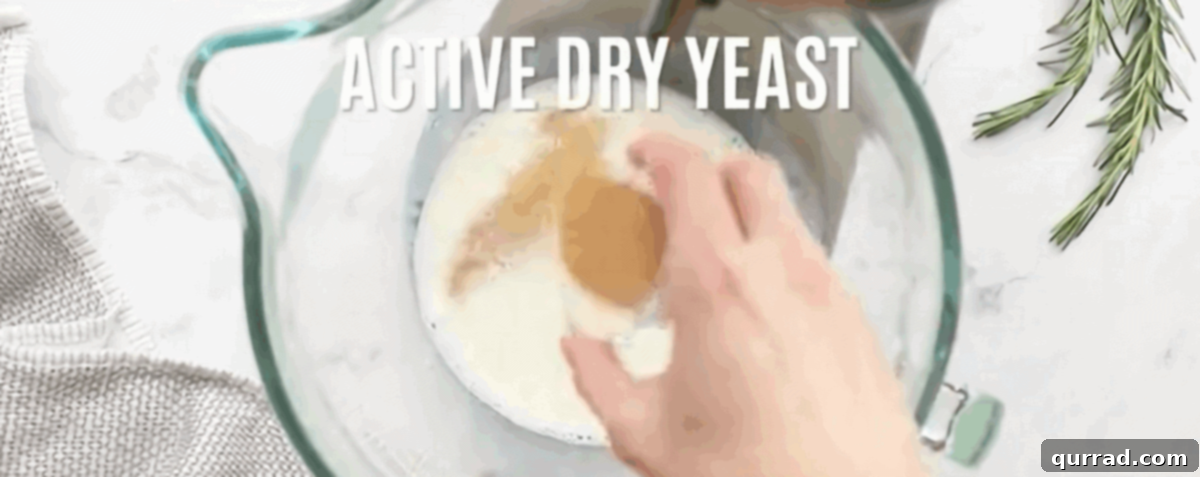
Step 1: Activate the Yeast with Warm Milk and Sugar. In a sizable bowl, preferably the one from your stand mixer, combine 1¼ cups of warm whole milk with ¼ cup of granulated sugar. Gently sprinkle 1 tablespoon of active dry yeast over this mixture. Allow it to sit undisturbed for 5 to 10 minutes. During this crucial time, the yeast will “bloom” – you’ll observe a frothy, bubbly layer forming on the surface, indicating that your yeast is alive and ready to work its magic. This bubbling foam is your green light for proceeding with the recipe, ensuring a light and airy dough.
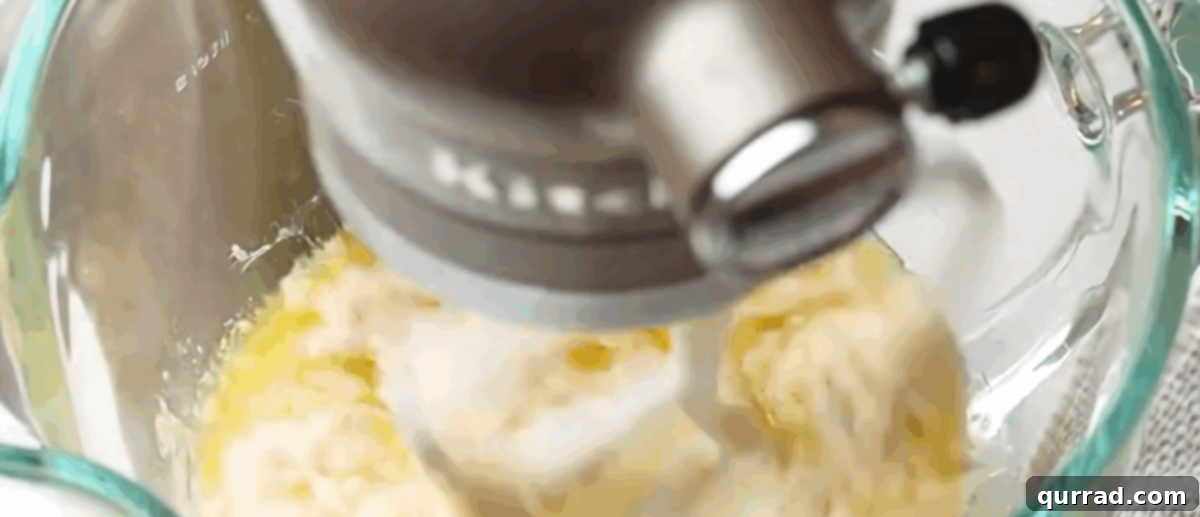
Step 2: Create the Rich Dough. Attach the dough hook to your stand mixer. To the activated yeast mixture, add ½ cup of melted and cooled unsalted butter, 2 large room-temperature eggs, and 1 teaspoon of salt. Give these ingredients a quick, rough mix to combine them. Then, gradually incorporate 4½ cups of all-purpose flour, adding it slowly while the mixer runs on low speed. Continue mixing until all the flour is incorporated and a soft, slightly shaggy dough forms. Increase the mixer speed to medium and knead the dough for an additional 5-7 minutes. The dough should become smooth, elastic, and develop a beautiful springiness, indicating proper gluten development.
Step 3: Allow for the First Proof. Lightly grease a large, clean bowl. Transfer the kneaded dough into this bowl, turning it once or twice to ensure it’s lightly coated with oil, which prevents it from drying out. Cover the bowl securely with a clean kitchen towel or plastic wrap. Find a warm, draft-free spot in your kitchen – perhaps a slightly warmed (but turned off) oven, or a sunny countertop. Let the dough rise for 1 to 1.5 hours, or until it has noticeably doubled in volume. This first rise is vital for developing flavor and texture.
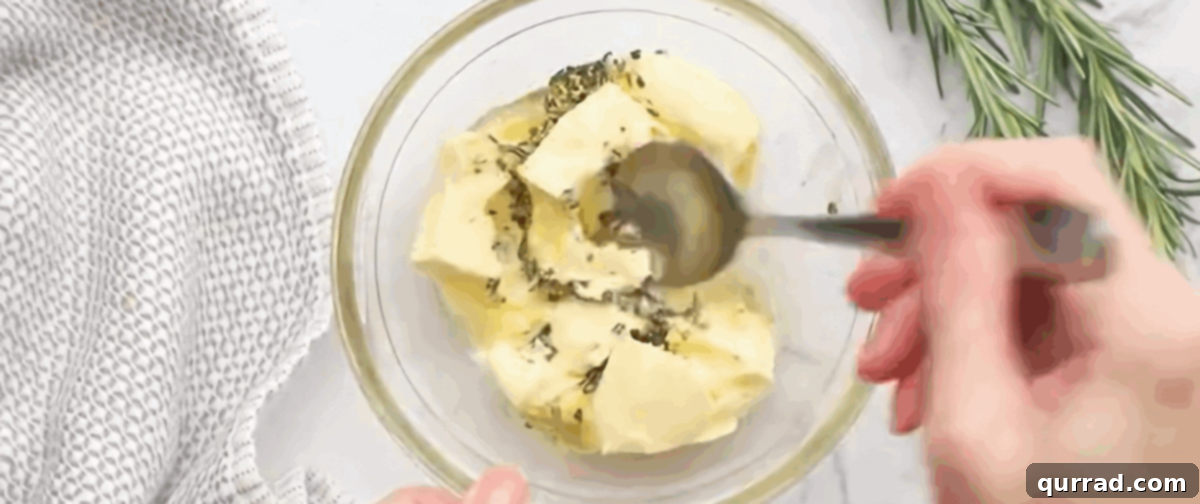
Step 4: Prepare the Aromatic Honey Rosemary Filling. While your dough is happily rising, prepare the signature filling that makes these rolls so special. In a small mixing bowl, combine ⅓ cup of unsalted butter, softened to room temperature, with 1 tablespoon of honey and 1 teaspoon of finely chopped fresh rosemary. Mix these ingredients thoroughly until they are well blended and creamy. Set this delightful mixture aside, ready to be spread onto the dough.
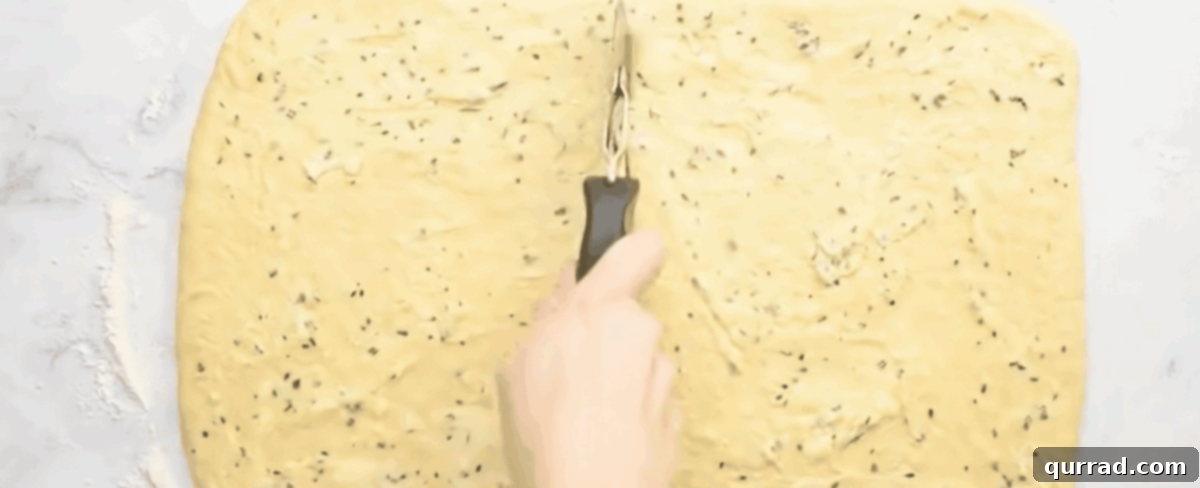
Step 5: Shape and Fold the Rolls. Once the dough has completed its first rise, gently punch it down to release the accumulated gases. Transfer the dough to a lightly floured work surface. Using a rolling pin, roll the dough out into a large, even rectangle, approximately 12×18 inches. Evenly spread the prepared honey rosemary butter filling across the entire surface of the rolled dough. Then, using a sharp knife or a pizza cutter, slice the dough into individual squares or rectangles, roughly 2-3 inches in size. For the classic Parker House shape, fold each piece of dough in half, gently pressing down to seal the edges and enclose the filling. Arrange these folded rolls, folded-side down, in a greased 9×13-inch baking dish. They should be placed relatively close to each other, as they will expand and puff up during the second rise and baking.
Step 6: The Second Proof. Once your rolls are neatly arranged in the baking dish, cover the dish again with a clean kitchen towel. Return it to your warm, draft-free spot for a second rise, lasting another 30-45 minutes. During this time, the rolls will visibly expand and double in size, becoming plump and ready for baking. This second rise ensures the rolls are incredibly tender and light.
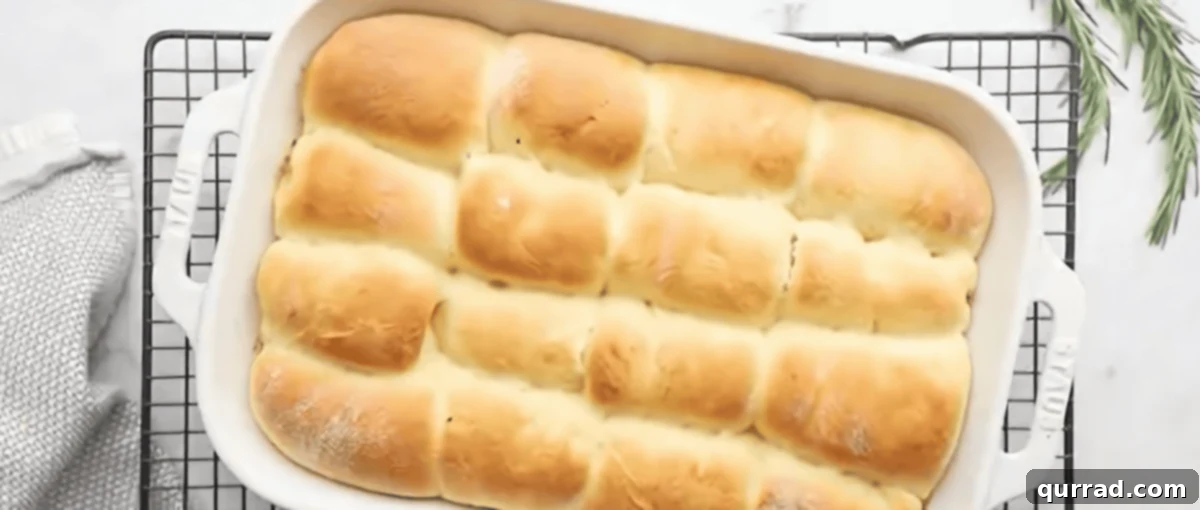
Step 7: Bake to Golden Perfection. While the rolls are completing their second rise, preheat your oven to 375°F (190°C). Once preheated and the rolls have fully risen, carefully place the baking dish into the oven. Bake for 20-25 minutes, keeping an eye on them until they turn a beautiful golden brown on top and are thoroughly cooked through. The internal temperature should reach around 200°F (93°C) for fully baked rolls.
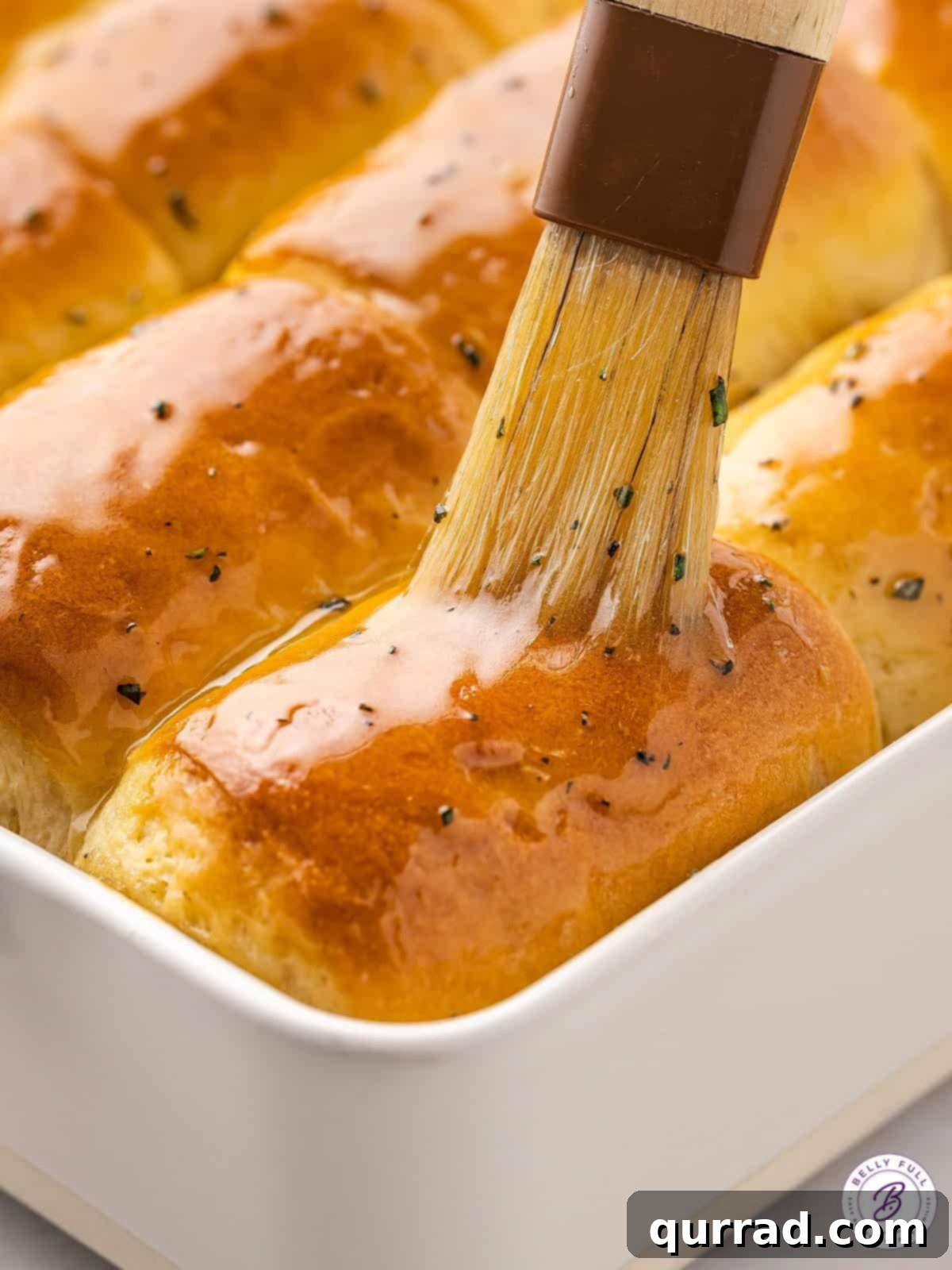
Step 8: Glaze and Serve. As soon as the rolls come out of the oven, prepare the final touch: the irresistible honey rosemary glaze. In a small saucepan, gently melt ¼ cup of unsalted butter over low heat. Stir in 2 tablespoons of honey and 1 teaspoon of finely chopped fresh rosemary until well combined. Immediately brush this warm, aromatic glaze generously over the hot rolls. The warmth of the rolls will help the glaze soak in, creating an incredibly flavorful and moist exterior with a beautiful sheen. Allow the rolls to cool in the baking dish for about 10 minutes before gently separating and serving them warm. Enjoy the delightful blend of flavors and textures!
Storage and Reheating Tips for Your Parker House Rolls
Proper storage ensures your delicious homemade Parker House rolls remain fresh and enjoyable for as long as possible. Once completely cooled, store the rolls at room temperature in an airtight container for up to 2-3 days. This will help maintain their softness and prevent them from drying out.
For extended freshness, you can refrigerate them in an airtight container or a heavy-duty Ziploc bag for up to a week. To reheat refrigerated rolls, simply warm them gently in the microwave for 15-30 seconds, or wrap them loosely in foil and heat in a 300°F (150°C) oven for 5-10 minutes until warmed through and soft.
Parker House rolls also freeze exceptionally well, making them perfect for meal prep or enjoying a homemade treat on demand. To freeze, wrap individual rolls or small batches tightly in plastic wrap, then place them in a freezer-safe bag or container. They will maintain their quality in the freezer for up to 3 months. When you’re ready to enjoy them, thaw the frozen rolls at room temperature, then reheat as described above. A quick reheat will bring back their fresh-baked tenderness and buttery aroma.
Perfect Pairings: What to Serve with Your Parker House Rolls
Parker House Rolls are incredibly versatile, making them a sublime addition to almost any meal. Their tender crumb, buttery richness, and subtle sweetness allow them to complement a wide array of dishes, transforming an ordinary meal into something extraordinary. Here are some of our favorite ways to enjoy these exceptional rolls:
- Holiday Feasts: These rolls are practically synonymous with festive gatherings. Imagine them alongside a magnificent Christmas or Easter honey-orange glazed ham, absorbing all the savory juices, or as the ideal accompaniment to a perfectly roasted Thanksgiving turkey. Their light sweetness is a beautiful counterpoint to rich, savory holiday mains.
- Hearty Mains: Beyond holidays, they are fantastic with robust main courses. Think succulent slow cooker barbecue beef brisket, tender pot roast, or even a simple grilled chicken. The rolls are excellent for sopping up delicious sauces and gravies, especially our homemade turkey gravy.
- Comfort Food Classics: Elevate your favorite comfort foods. Serve them with a creamy soup, a hearty stew, or alongside a classic chili for an added layer of indulgence. They are also heavenly with butter and a sprinkle of flaky sea salt as a simple snack.
- Breakfast or Brunch: Don’t limit these to dinner! Their slightly sweet nature makes them a wonderful addition to breakfast or brunch. Serve them with scrambled eggs, bacon, or even slathered with extra honey and jam for a delightful morning treat.
- Classic Side Dishes: Of course, they’re indispensable alongside quintessential holiday sides like creamy mashed potatoes, savory stuffing, the ever-popular green bean casserole, and the comforting sweet potato casserole. They seamlessly integrate into any spread, adding a touch of homemade warmth.
No matter the occasion, these Parker House Rolls promise to be a cherished component of your dining experience, bringing smiles and satisfaction to all who gather at your table.
Frequently Asked Questions About Parker House Rolls
What makes Parker House Rolls different from regular dinner rolls?
Parker House Rolls stand out primarily due to their unique shape and the method of baking. Traditionally, they are made from a rich, buttery dough that is rolled thin, brushed with melted butter, then folded in half before baking. This creates a distinctive “pocket” and a beautifully layered, extra tender interior. While classic dinner rolls are often shaped into simple rounds or knots, Parker House Rolls are characterized by this specific fold, which allows the butter to meld into the dough during baking, enhancing their signature buttery flavor and soft texture. Our recipe further distinguishes them with a honey rosemary filling and glaze for an elevated taste.
Can I make Parker House Rolls without rosemary?
Absolutely! While the honey rosemary combination adds a wonderful aromatic and slightly earthy note to these rolls, they are equally delicious without it. If you prefer a simpler, purely sweet and buttery roll, you can simply omit the fresh rosemary from both the filling and the glaze. The rolls will still be incredibly flavorful and tender, allowing the natural richness of the butter and the sweetness of the honey to shine through.
What if my dough isn’t rising?
If your dough isn’t rising, the most common culprits are inactive yeast or incorrect milk temperature. First, ensure your active dry yeast is fresh and not expired. Yeast loses its potency over time. Second, verify the milk temperature; it should be between 105-110°F (40-43°C). If it’s too cold, the yeast won’t activate; if it’s too hot, the yeast will die. If your yeast didn’t froth in the initial step, it’s best to start over with fresh yeast and properly warmed milk. Also, ensure your rising environment is warm and free of drafts, as cold conditions can significantly slow down or prevent rising.
Can I prepare the dough in advance?
Yes, you can certainly prepare the dough in advance! After the first rise, gently punch down the dough, cover the bowl tightly with plastic wrap, and refrigerate it for up to 24 hours. When you’re ready to bake, remove the dough from the refrigerator, let it sit at room temperature for 30-60 minutes to take off the chill, then proceed with rolling, filling, shaping, and the second rise as directed in the recipe. This makes them a fantastic option for holiday meal prep!
Is it necessary to use whole milk?
While whole milk is recommended for its higher fat content, which contributes to the richness and tender crumb of the rolls, you can use other types of milk. Reduced-fat or skim milk will still work, but your rolls might be slightly less rich and tender. For best results and the most authentic texture, whole milk is preferred.
Explore More Irresistible Bread Recipes To Try
- Classic Dinner Rolls
- Challah
- Dutch Oven Bread
- 7 Up Biscuits
- Buttermilk Drop Biscuits