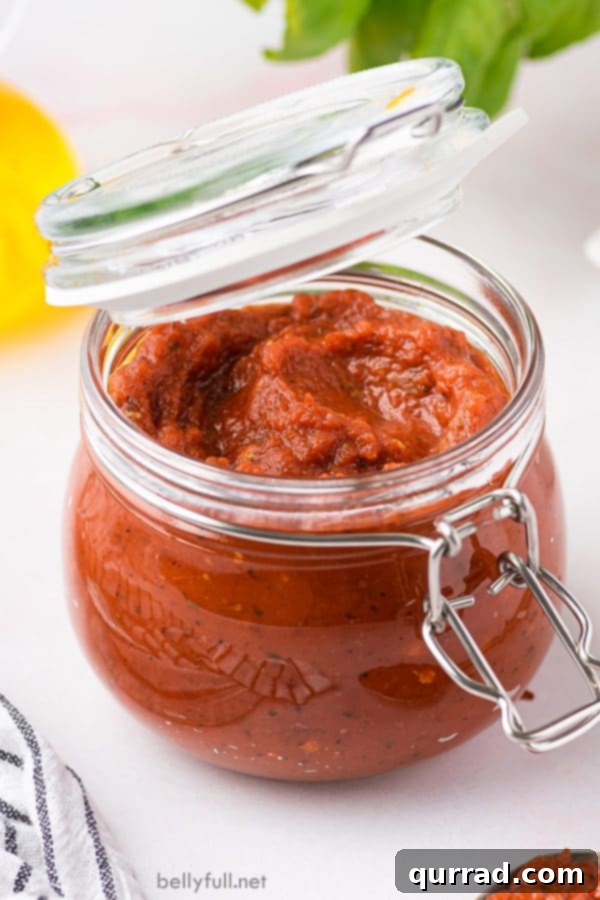
Prepare to elevate your homemade pizza experience with this perfectly thick, rich, and undeniably delicious pizza sauce recipe. Crafted with simple pantry staples, this sauce is not only incredibly easy to make but also vastly superior to anything you’ll find in a store-bought jar. Say goodbye to bland, watery sauces and hello to a vibrant, deeply flavored foundation for your culinary creations.
This exceptional sauce is the ideal complement to our popular homemade pizza dough, forming the perfect base for your favorite toppings. Get ready to create the best pizza you’ve ever tasted, right in your own kitchen!
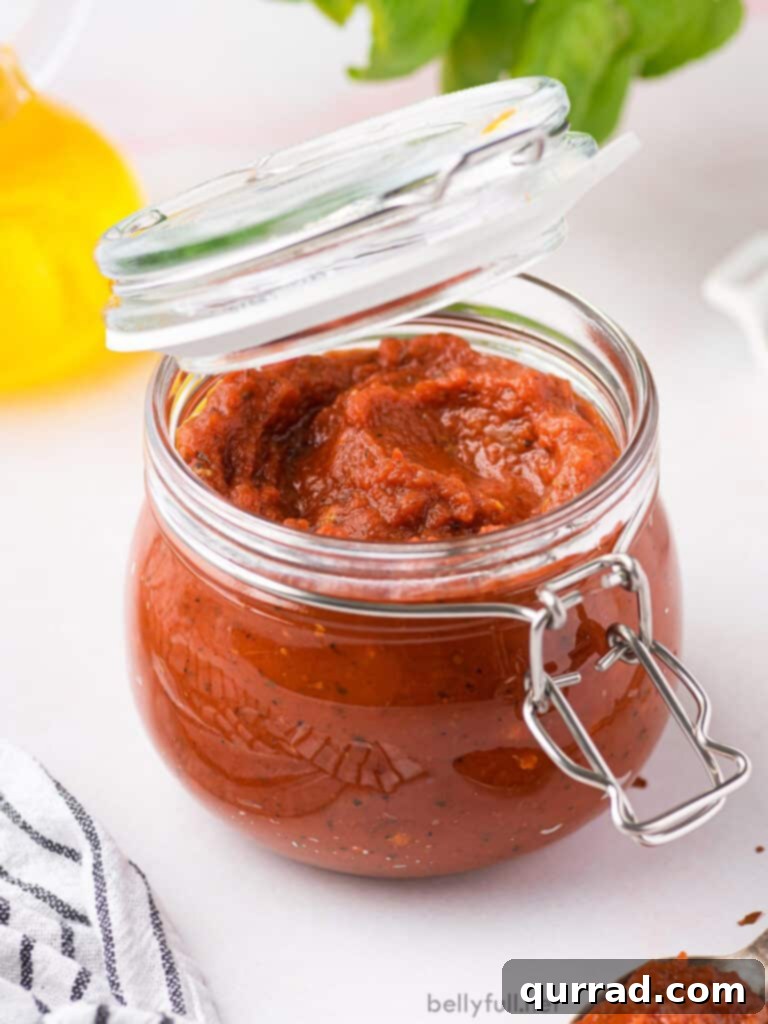
Why You Need This Homemade Pizza Sauce Recipe
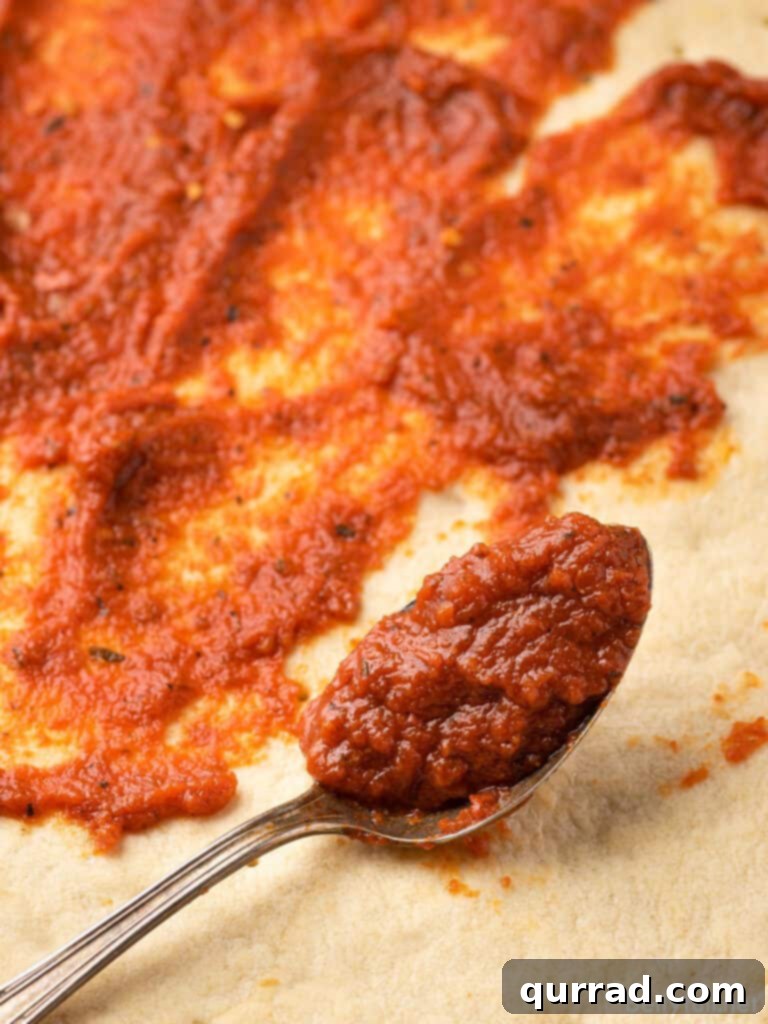
For every passionate home cook who masters our beloved pizza dough, the natural next step is often a quest for the perfect accompanying sauce. And the search ends here! This recipe delivers a homemade pizza sauce loaded with a profound, rich tomato-herb flavor and an ideal consistency that spreads beautifully without making your crust soggy. It’s a game-changer for anyone serious about crafting authentic, restaurant-quality pizza at home.
Beyond its incredible taste, making your own pizza sauce offers several advantages. You control every ingredient, ensuring freshness and avoiding unnecessary preservatives, artificial flavors, or excessive sugar often found in commercial options. It’s also incredibly cost-effective, turning humble canned goods into a gourmet component for a fraction of the price. Plus, the satisfaction of creating something so fundamental from scratch adds an extra layer of enjoyment to your cooking.
Unveiling the Perfect Pizza Sauce: A Culinary Journey
What truly goes into a great pizza sauce? While simplicity is key, the careful selection and combination of a few pantry staples can create a sauce that stands out. This quick and easy pizza sauce requires minimal simmering time, yet yields a fantastic depth of flavor and texture that belies its simple preparation. It’s a testament to how quality ingredients, handled with care, can produce extraordinary results. We’ve balanced acidity, sweetness, and savory notes to create a harmonious blend that complements any pizza topping.
Crafting Your Own Homemade Pizza Sauce: The Ingredients
The magic of this sauce lies in its straightforward yet powerful ingredient list. Each component plays a vital role in building the robust flavor profile and perfect thickness. Here’s a closer look at the essential items you’ll need, along with tips for best results:
Essential Ingredients Explained
- Extra-virgin olive oil: This is the foundation of our sauce. Used to gently sauté the garlic, it infuses the sauce with its fruity, peppery notes and adds a luxurious richness. Opt for a good quality extra-virgin olive oil for the best flavor.
- Fresh garlic: Absolutely indispensable for that incredible aromatic kick and depth of flavor. Minced fresh garlic, gently cooked, provides a warm, pungent base that distinguishes homemade sauce from bland alternatives.
- Tomato paste: This concentrated tomato goodness is crucial. It adds an intense, deep tomato flavor and acts as a natural thickener, giving the sauce the body it needs to cling to your pizza dough without making it watery. Do not skip this ingredient!
- Canned crushed tomatoes: The heart of the sauce. Crushed tomatoes provide a balanced texture – a blend of finely diced tomatoes and a rich puree – that’s ideal for pizza sauce. They offer a fresh tomato flavor that is superior to just diced or pureed tomatoes alone. Look for brands with minimal added ingredients.
- Balsamic vinegar: A touch of balsamic vinegar introduces a subtle sweetness, a dark, rich complexity, and a much-needed acidic tang. This unexpected ingredient truly elevates the sauce, adding layers of flavor that will keep you coming back for more.
- Granulated Sugar: A small amount of sugar is a secret weapon in many tomato-based sauces. It effectively balances the natural acidity from the tomatoes and the vinegar, creating a smoother, more palatable flavor profile. It doesn’t make the sauce sweet, just perfectly balanced.
- Dried oregano: A cornerstone herb in classic Italian-American cuisine, particularly pizza. Dried oregano imparts that distinctive, earthy, slightly bitter, and peppery flavor that screams “pizza!”
- Dried Italian seasonings: Our homemade Italian Seasoning, or a good quality store-bought blend, offers a harmonious mix of dried herbs like basil, marjoram, thyme, and rosemary. This blend adds a complex herbaceousness that rounds out the sauce’s flavor beautifully.
- Salt and pepper: Essential for seasoning. Kosher salt and freshly cracked black pepper are critical to enhance and amplify all the other flavors. Adjust to your personal taste.
- Red pepper flakes: For those who appreciate a hint of warmth, a pinch of crushed red pepper flakes is perfect. It adds a subtle background heat that tantalizes the palate without making the sauce overtly spicy. Feel free to adjust the amount based on your preference.
- Optional additions: Consider a tiny pinch of onion powder for extra depth, or a bay leaf during simmering (remember to remove it before serving). For a brighter finish, a handful of fresh basil leaves stirred in after the sauce cools can be wonderful.
Step-by-Step Guide to Making the Best Pizza Sauce from Scratch
You’ll be amazed at how quickly this flavor-packed sauce comes together. With just a few simple steps and about 20 minutes of your time, you’ll have a gourmet pizza sauce ready for your next pizza night.
The Easy Process
- Sauté the Garlic: In a medium sauce pot, warm the extra-virgin olive oil over medium heat. Add the minced garlic and sauté for about 1 minute, or just until it becomes fragrant. Be vigilant and stir continuously to prevent the garlic from browning or burning, which can lead to a bitter taste. We want fragrant, not fried!
- Combine All Ingredients: Once the garlic is aromatic, add the crushed tomatoes, tomato paste, balsamic vinegar, granulated sugar, kosher salt, dried oregano, dried Italian seasonings, freshly cracked black pepper (about 5 good cranks from a pepper mill), and the crushed red pepper flakes to the pot. Stir all the ingredients thoroughly until they are well combined and the tomato paste has dissolved into the mixture.
- Simmer for Perfection: Bring the mixture to a gentle simmer. Once simmering, cover the pot, leaving a small gap for steam to escape, then reduce the heat to low. Allow the sauce to simmer for 15 to 20 minutes. This simmering time is crucial for the flavors to meld and deepen, and for the sauce to thicken to the perfect pizza-ready consistency. Stir the sauce every so often to prevent it from sticking to the bottom of the pot and scorching.
- Cool and Use: Remove the pot from the heat and let the sauce cool completely before using. This allows the flavors to further develop and the sauce to thicken even more as it cools. Once cool, spread it generously on your homemade pizza dough or use it as a flavorful dip!
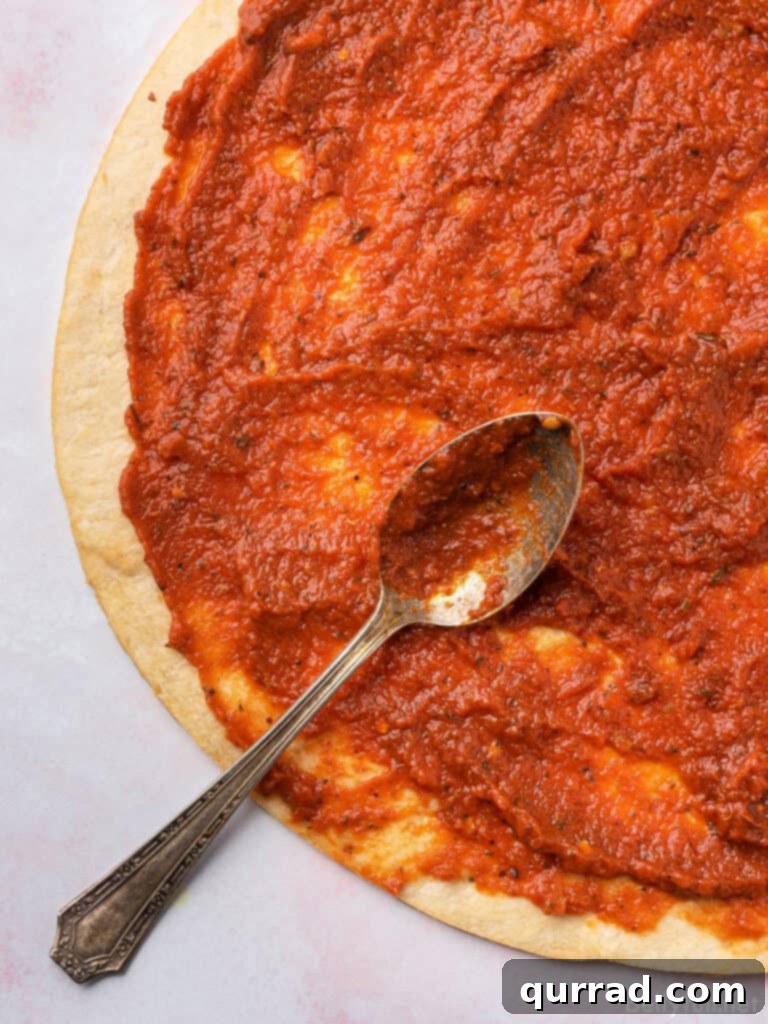
Mastering Pizza Sauce Quantity & Avoiding Soggy Crusts
This recipe yields approximately 3 cups of delicious pizza sauce. When it comes to dressing your pizza, less is often more. For a standard 12-inch pizza, about 1/2 cup of pizza sauce is generally the perfect amount. Applying too much sauce can lead to a soggy crust, diminishing the delightful crunch and texture of your homemade pizza. The goal is a balanced flavor profile where the sauce complements, rather than overwhelms, the other toppings and the crust.
Don’t worry if you find yourself with extra sauce; it freezes exceptionally well! This makes it ideal for meal prepping or simply ensuring you always have a batch of incredible pizza sauce on hand for spontaneous pizza nights. Storing it properly means you’re always just a thaw away from a gourmet meal. Detailed storage instructions are provided below.
Pizza Sauce vs. Pasta Sauce: Understanding the Difference
While both are tomato-based, pizza sauce and pasta sauce serve distinctly different purposes due to their composition and consistency. We strongly advise against using pasta sauce for your homemade pizza.
Pizza sauce is intentionally crafted to be much thicker. It typically uses a higher proportion of concentrated tomato paste and has a lower water content. This thickness is crucial because it prevents the sauce from soaking into the pizza dough, which would result in a wet, soggy crust. A thick pizza sauce ensures the crust remains crisp and provides a robust, concentrated tomato flavor that stands up to baking and complements rich toppings.
In contrast, marinara sauce or typical pasta sauce has a higher water content, making it thinner and more fluid. This consistency is perfect for coating pasta noodles evenly, allowing the sauce to cling to every strand without becoming clumpy. However, on a pizza, such a thin sauce would quickly make the dough soggy and unappetizing. While you *could* technically use pizza sauce for pasta, it’s generally too thick and intense, and we much prefer our dedicated Homemade Spaghetti Sauce for that purpose – it’s truly amazing.
Storing Your Homemade Pizza Sauce: Freshness & Longevity
Making a batch of homemade pizza sauce is efficient, and proper storage means you can enjoy its fresh flavor whenever a pizza craving strikes.
Refrigeration Tips
How long does pizza sauce last in the fridge? If you’re not using your homemade pizza sauce immediately, allow it to cool completely to room temperature first. Then, transfer it to a tightly sealed glass jar or an airtight container. Stored in the refrigerator, your sauce will maintain its freshness and delicious flavor for approximately 5 days. Always ensure the container is well-sealed to prevent air exposure and preserve its quality.
Freezing for Future Pizzas
Can you freeze pizza sauce? Absolutely! Freezing is an excellent way to extend the life of your homemade sauce, ensuring you’re always prepared for a spontaneous pizza night. We highly recommend portioning the sauce before freezing so you can thaw only the amount you need for each pizza, minimizing waste and speeding up prep time. A good strategy is to measure out approximately 1/2 to 3/4 cup portions (ideal for a single pizza) and pour them into airtight freezer-safe containers or quart-sized freezer bags. When using containers, remember to leave at least a 1/2-inch gap at the top, as the sauce will expand slightly as it freezes. For freezer bags, lay them flat for easy stacking and faster thawing. Frozen pizza sauce will keep beautifully in the freezer for up to 3 months. To thaw, simply transfer it to the refrigerator overnight.
Reheating Instructions
When you’re ready to use your stored sauce, reheating is straightforward. If refrigerated, simply place the desired amount in a small pot over low heat. If frozen and thawed, the same method applies. Cover the pot with a lid, leaving a slight vent to minimize evaporation, and stir often until the sauce is warmed through. Avoid high heat, which can cause the sauce to scorch or splatter.
Beyond Pizza: Creative Ways to Enjoy Your Sauce
While this sauce is undeniably perfect for pizza, its rich, versatile flavor means it’s fantastic for a myriad of other uses. Don’t limit its potential! Here are some creative ways to enjoy your homemade pizza sauce as a dip, a topping, or a base for other delicious meals:
- Toasted Ravioli: A delightful appetizer, these crispy ravioli are absolutely irresistible when dipped into warm, savory pizza sauce.
- Garlic Bread: Transform classic garlic bread into an even more satisfying snack by serving it alongside a bowl of this rich sauce for dipping.
- Cheesy Pull Apart Bread: This fun, shareable bread is begging for a flavorful companion, and our pizza sauce is the ideal match for its cheesy goodness.
- Salami Mozzarella Bites: These savory bites are perfectly complemented by the robust tomato and herb flavors of the sauce.
- Meatball Subs or Sandwiches: Spoon a generous amount over meatballs in a sub roll for an instant classic. It’s also a fantastic spread for any Italian-style sandwich.
- Chicken Parmesan: Use it as the base sauce for your homemade chicken parmesan, providing a fresh, vibrant flavor that elevates the dish.
- Shakshuka Base: For a unique twist, use this sauce as the flavor base for shakshuka, simply crack in some eggs and simmer until set for a delicious brunch.
- Mini Pizzas or Pizza Bagels: Perfect for quick snacks or kids’ meals.
Frequently Asked Questions About Homemade Pizza Sauce
Here are answers to some common questions you might have when making your own pizza sauce:
Can I use fresh tomatoes instead of canned?
Yes, you can! Using fresh, ripe tomatoes, especially plum or Roma varieties, can yield a wonderfully fresh sauce. However, it requires more prep work, including blanching, peeling, and seeding the tomatoes, and then cooking them down significantly to achieve the desired thickness and concentrated flavor. For convenience and consistent results, especially when tomatoes aren’t in season, high-quality canned crushed tomatoes are usually the best choice.
Do I need to cook pizza sauce?
While some minimalist pizza sauce recipes suggest using uncooked tomatoes, simmering the sauce is highly recommended. Cooking allows the flavors of the garlic, herbs, and tomatoes to meld and deepen. More importantly, it helps the sauce thicken to the optimal consistency, preventing a soggy pizza crust. A quick 15-20 minute simmer is enough to achieve this.
Can I make the sauce spicier or sweeter?
Absolutely! This recipe is a fantastic base for customization. To make it spicier, simply increase the amount of red pepper flakes to your liking, or consider adding a pinch of cayenne pepper. For a sweeter sauce, you can add another 1/2 to 1 teaspoon of granulated sugar, or even a tiny splash of maple syrup or honey. Always taste and adjust as you go to find your perfect balance.
Conclusion: Your Best Pizza Journey Starts Here
This homemade pizza sauce recipe is more than just a condiment; it’s the secret ingredient that will transform your pizza nights from good to unforgettable. With its rich, thick texture and balanced, herbaceous flavor, it stands head and shoulders above any store-bought alternative. Easy to make, versatile, and freezer-friendly, it’s a recipe you’ll return to again and again. Go ahead, give it a try, and taste the difference homemade makes!
We hope you love this delicious and simple recipe. Don’t forget to connect with us on Facebook, Instagram, Pinterest, and YouTube for more culinary inspiration!
Homemade Pizza Sauce Recipe
This perfectly thick, rich, and delicious Pizza Sauce recipe is a must for your homemade pizza. So easy to make with pantry staples and way better than store-bought.
Prep time: 5 mins
Cook time: 15 mins
Total time: 20 mins
Yields: 6 servings (1/2 cup per serving, 3 cups total)
Ingredients
- 2 tablespoons extra-virgin olive oil
- 1 clove garlic, minced
- 28 ounce can crushed tomatoes
- 6 ounce can tomato paste
- 2 teaspoons balsamic vinegar
- 1 teaspoon granulated sugar
- 1 teaspoon kosher salt
- 1 teaspoon dried oregano
- 1/2 teaspoon dried Italian seasoning
- Freshly cracked black pepper, to taste
- 1/8-1/4 teaspoon crushed red pepper flakes, or to taste
Instructions
- Warm the olive oil and garlic in a sauce pot over medium heat for about 1 minute, or just until the garlic is fragrant, stirring so it doesn’t burn.
- Add in the crushed tomatoes, tomato paste, balsamic vinegar, sugar, salt, oregano, Italian seasonings, some freshly cracked pepper (about 5 cranks of a pepper mill), and the red pepper flakes. Stir to combine.
- Allow the mixture to come to a simmer, cover the pot with a little gap, so steam can vent, then reduce the heat to low. Let simmer for 15-20 minutes, stirring every so often so it doesn’t scorch.
- Remove from heat, cool, and use as desired on homemade pizza dough or as a dip for garlic bread!
Nutrition (Approximate per serving)
Calories: 113kcal | Carbohydrates: 16g | Protein: 3g | Fat: 5g | Saturated Fat: 1g | Sodium: 688mg | Potassium: 686mg | Fiber: 4g | Sugar: 10g | Vitamin A: 738IU | Vitamin C: 19mg | Calcium: 65mg | Iron: 3mg
Nutritional information given is an automatic calculation and can vary based on the exact products you use and any changes you make to the recipe. If these numbers are very important to you, we recommend calculating them yourself.
Did you make this? Leave a rating below!
We’d love to hear your thoughts and see your creations!