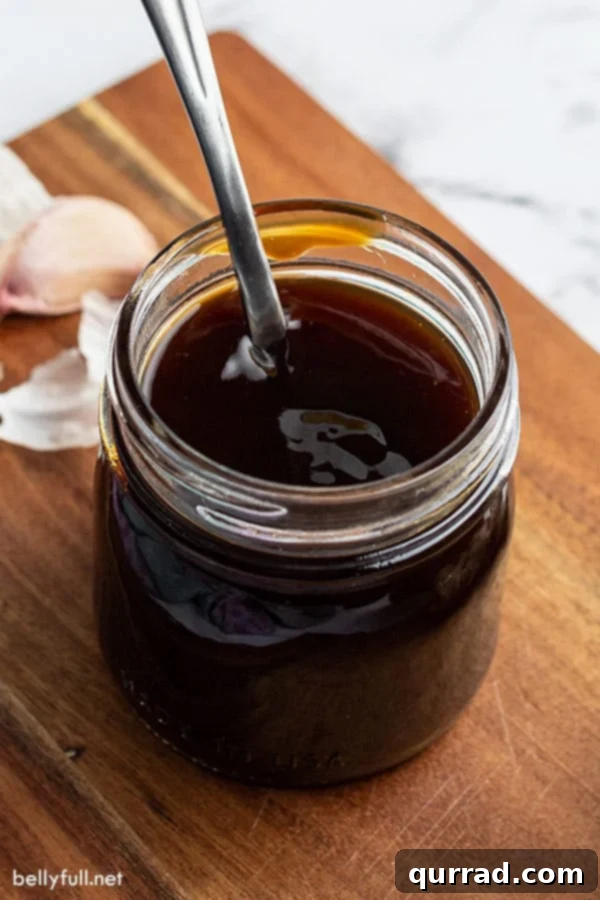
Welcome to the ultimate guide for crafting the most incredible homemade Teriyaki Sauce you’ll ever taste! Forget those generic store-bought bottles filled with unnecessary additives and preservatives. This recipe isn’t just easy; it’s a game-changer that promises to elevate your Asian-inspired dishes to new heights. In just a few minutes, with a handful of readily available pantry staples, you’ll create a rich, glossy, and perfectly balanced sauce that’s fantastic as a marinade, a dynamic stir-fry enhancer, or a delightful dipping companion. Once you experience the depth of flavor and freshness of this homemade version, you’ll never look back.
Making your own sauces isn’t just about saving money; it’s about taking control of your ingredients, customizing flavors, and enjoying a superior taste experience. Beyond Teriyaki, we adore creating other culinary staples from scratch, such as our vibrant Spicy Remoulade Sauce, decadent Homemade Caramel Sauce, and the ever-popular Classic Ranch Dressing.
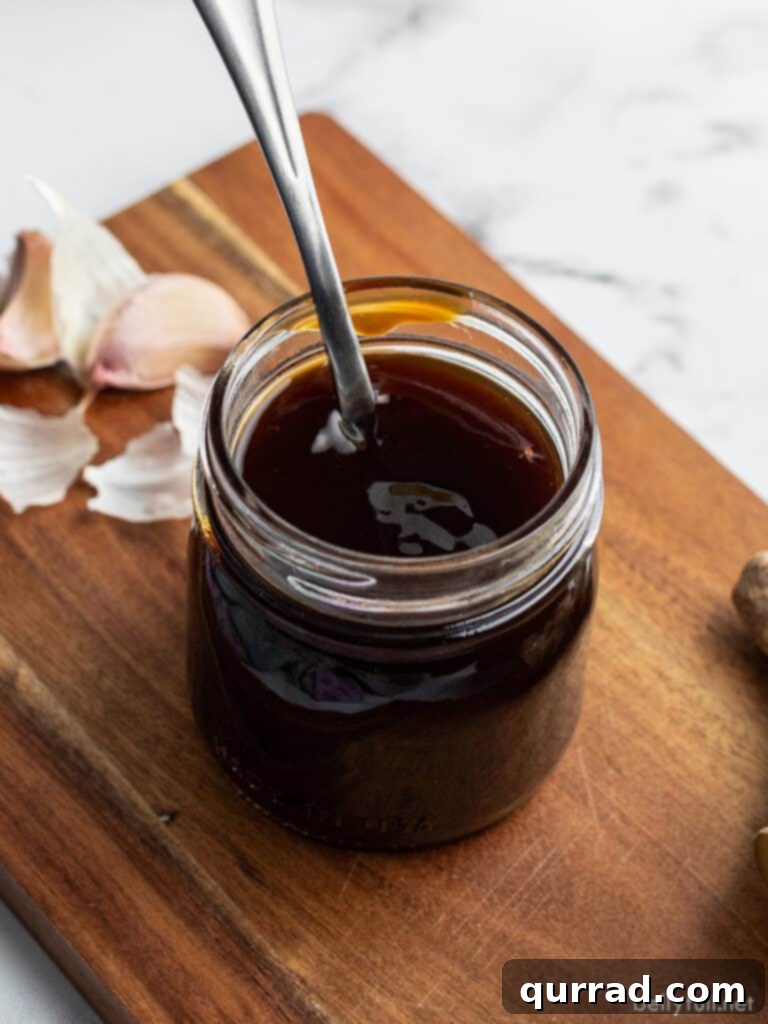
The Undeniable Appeal of Homemade Teriyaki Sauce
For a long time, I resisted sharing my personal recipe for Teriyaki Sauce, but after countless requests, the wait is finally over. And I can confidently say, it was worth it! This isn’t just “another” teriyaki recipe; it’s a revelation. The simplicity of its preparation, combined with the pure, unadulterated flavor that comes from fresh ingredients, truly sets it apart. No more questionable additives or high-fructose corn syrup – just wholesome goodness that tastes infinitely better than anything you can buy in a bottle.
The beauty of homemade sauces lies in their purity and the ability to tailor them to your exact preferences. Whether you like it sweeter, tangier, or with an extra kick of ginger, you have complete command. This Teriyaki sauce recipe is incredibly forgiving, allowing for experimentation after your first batch. Adjust the ratios, add more or less of your favorite aromatics, and make it uniquely yours.
Understanding Teriyaki: A Culinary Journey from Japan to Your Kitchen
The term “Teriyaki” itself is derived from two Japanese words: “teri,” meaning glaze or luster, and “yaki,” meaning grill or broil. Traditionally, Teriyaki refers to a cooking method where food, usually fish or meat, is broiled or grilled with a glaze of soy sauce, mirin, and sugar. The sauce develops a beautiful sheen (teri) as it cooks, imparting a distinctly savory-sweet flavor. Authentic Japanese Teriyaki sauce is a delicate balance of these four core ingredients, focusing on clean flavors and a subtle sweetness.
Authentic Japanese Teriyaki vs. Americanized Versions
When we talk about authentic Teriyaki sauce, the ingredient list is strikingly simple: soy sauce, sake (Japanese rice wine), mirin (sweet Japanese rice wine), and sugar. The traditional formula often involves equal parts of soy sauce, sake, and mirin, with the sugar adjusted to taste. For instance, a classic ratio might be 1/4 cup soy sauce, 1/4 cup sake, 1/4 cup mirin, and 2 tablespoons of sugar.
However, the Teriyaki sauce popular in American kitchens has evolved. It often incorporates additional flavor enhancers like garlic, ginger, and sometimes honey or even pineapple juice for extra sweetness and tang. Furthermore, Americanized versions frequently use cornstarch to achieve a thicker consistency than their traditional Japanese counterparts. I confess, I am absolutely guilty of embracing this evolution! I adore my Teriyaki sauce sweet, robust, and wonderfully thick, making it cling perfectly to every piece of chicken or vegetable in a stir-fry. My family unequivocally loves this Americanized take, and I believe you will too.
This recipe offers a fantastic starting point for a sauce that embodies the best of both worlds – the foundational flavors of traditional Teriyaki, enhanced with the beloved aromatics and thicker texture that many have come to expect and love. Feel free to tweak it to your heart’s content!
Essential Ingredients for Your Perfect Teriyaki Sauce
Crafting this sauce requires only a few key ingredients, each playing a crucial role in its overall flavor and texture. Here’s a detailed look at what you’ll need and why each component is important:
- Water & Cornstarch: These two form the base of our thickening slurry. Cornstarch is a natural thickener that gives the sauce its desirable glossy, rich consistency, allowing it to coat your food beautifully. Without it, the sauce would be much thinner, akin to traditional Japanese versions.
- Soy Sauce: The cornerstone of any Teriyaki sauce, providing its signature savory, umami-rich foundation. We opt for low-sodium soy sauce to give us more control over the overall saltiness, allowing the other flavors to shine without being overwhelmed. If sodium isn’t a concern, or if you prefer a deeper, richer flavor and color, a good quality Chinese dark soy sauce (which often contains a touch of molasses) offers a beautiful mahogany hue and an incredible depth of taste, though it is noticeably saltier.
- Brown Sugar and Granulated Sugar: A blend of both sugars contributes to a complex sweetness. Brown sugar adds a deeper, more molasses-like flavor and moisture, while granulated sugar provides a clean, straightforward sweetness, ensuring the sauce is perfectly balanced without being cloyingly sweet.
- Mirin: This sweet Japanese rice wine is indispensable for authentic Teriyaki flavor. Mirin is similar to sake but has a lower alcohol content and a significantly higher sugar content. It imparts a subtle sweetness and a distinct umami depth that is hard to replicate. (Important: Do not confuse Mirin with rice wine vinegar, which is acidic and would drastically alter the flavor profile of your sauce.) If Mirin is unavailable, a suitable substitute can be dry sherry mixed with a small amount of granulated sugar.
- Sesame Oil: A fragrant powerhouse in Asian cooking, sesame oil adds an unmistakable nutty aroma and flavor. A little goes a long way, but it’s crucial for achieving that characteristic depth and warmth in your Teriyaki sauce. Do not skip this ingredient; it truly makes a difference.
- Fresh Ginger & Garlic: These fresh aromatics provide a vibrant, pungent kick that brightens the entire sauce. Freshly grated or minced ginger offers a spicy, warm note, while fresh garlic adds a robust savory element. For the best possible flavor, always opt for fresh over powdered versions. Their aromatic complexity is unmatched.
Crafting Your Homemade Teriyaki Sauce: A Simple Guide
You’ll be amazed at how quickly this rich and flavorful sauce comes together. In mere minutes, you can have a gourmet condiment ready to transform your meals. Here’s how:
- Prepare the Cornstarch Slurry: In a small bowl, whisk together the water and cornstarch until it’s completely smooth and no lumps remain. This slurry is essential for thickening your sauce.
- Combine Ingredients: Pour all the ingredients, including your prepared cornstarch slurry, into a small saucepan.
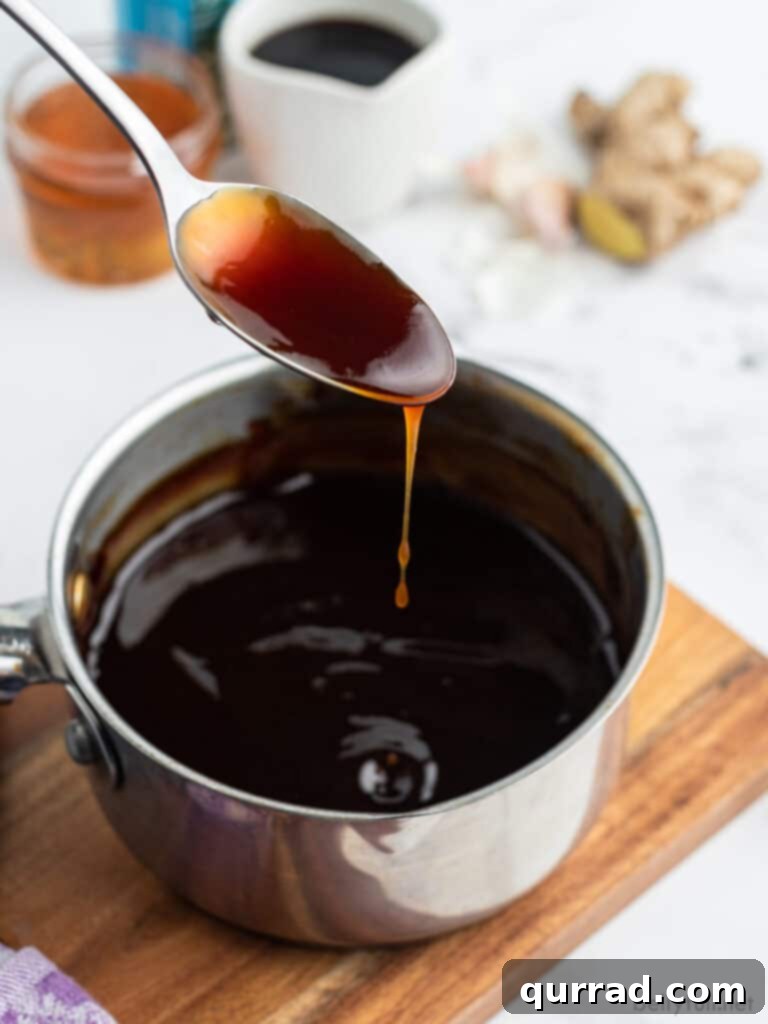
- Simmer to Perfection: Bring the mixture to a boil over medium heat, stirring occasionally to prevent it from overflowing or scorching the bottom of the pan. Once it reaches a boil, reduce the heat to a gentle simmer and continue cooking for approximately 4 minutes, or until the sauce has thickened to your desired consistency. It should be glossy and able to coat the back of a spoon.
That’s it! In literally minutes, you’ll have a gorgeous, deeply flavored Teriyaki sauce with a rich color and tantalizing aroma. You can use it immediately while warm, or allow it to cool completely before storing it for later use.
Pro Tips for the Best Teriyaki Sauce
- Stir Constantly: When the sauce is simmering, stir frequently, especially towards the end, to prevent the cornstarch from clumping and the bottom from sticking.
- Adjust Thickness: If you prefer a thinner sauce, simply add a tablespoon or two of water during simmering. For an even thicker sauce, dissolve another half teaspoon of cornstarch in a tablespoon of cold water and whisk it into the simmering sauce, cooking for another minute until thickened.
- Taste and Adjust: Always taste your sauce before taking it off the heat. Want it sweeter? Add a pinch more sugar. Too salty? A touch more water or a squeeze of fresh orange/pineapple juice can balance it.
How to Store Homemade Teriyaki Sauce for Lasting Freshness
Proper storage is key to enjoying your homemade Teriyaki sauce for as long as possible. If you’re not using it right away, ensure it cools completely to room temperature first. Then, transfer the sauce to an airtight jar or container, fasten the lid securely, and store it in the refrigerator. Stored correctly, your homemade Teriyaki sauce will maintain its quality and flavor for 1 to 2 weeks.
Signs of Spoilage: Always check your sauce before use. Any off-smell, unusual discoloration, or visible mold indicates it should be discarded. Homemade sauces, without the heavy preservatives of store-bought varieties, have a shorter shelf life, emphasizing the importance of proper storage.
Unlock the Versatility: Creative Ways to Use Teriyaki Sauce
One of the greatest attributes of homemade Teriyaki sauce is its incredible versatility. A single batch can serve multiple purposes, making it an indispensable component of your culinary arsenal.
- As a Marinade: This is arguably one of its most popular uses. Teriyaki sauce works wonders as a marinade for chicken, beef, pork, and even firm fish like salmon. Its sweet and savory notes penetrate the meat, tenderizing it and infusing it with fantastic flavor. Simply coat your protein generously and allow it to marinate for at least 30 minutes, or even overnight for deeper flavor. (Note: If you plan to use the sauce solely as a marinade, you can omit the cornstarch slurry during preparation. This will result in a thinner sauce that better penetrates the food.)
- Dipping Sauce: Serve it alongside grilled skewers, crispy spring rolls, chicken nuggets, or even fresh vegetables. Its balanced flavor makes it a delightful accompaniment to a wide array of appetizers and snacks.
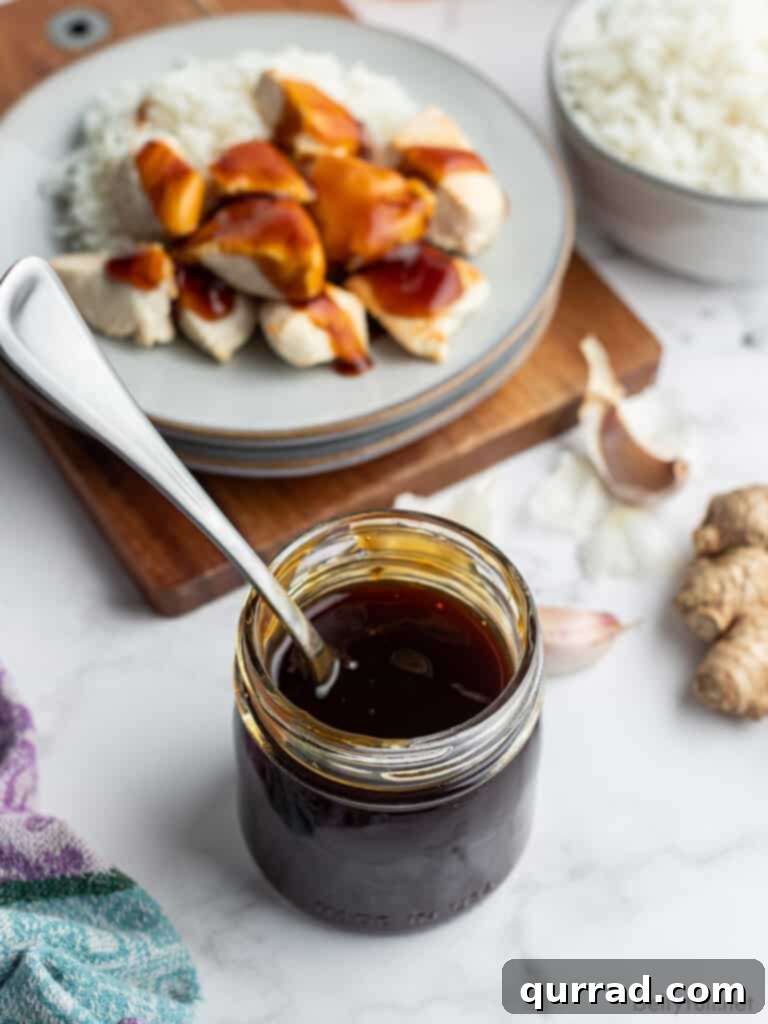
- Stir-Fry Sauce & Glaze: This sauce truly shines in stir-fries. Add it towards the end of cooking to coat your meats and vegetables in a beautiful, glossy glaze. It also makes an excellent glaze for roasted vegetables, grilled salmon, or baked chicken. Drizzle it over cooked white or brown rice for an instant flavor boost.
- Salad Dressing: Thin out the sauce slightly with a touch of rice vinegar or water, and use it as a unique, Asian-inspired salad dressing.
- Sandwich Spread: Mix a spoonful with mayonnaise or a cream cheese spread for an unexpected twist on your sandwiches or wraps.
From a quick weeknight Teriyaki Chicken to sophisticated glazed Air Fryer Salmon, this sauce is truly all-purpose. Explore its potential and let your culinary creativity soar!
Popular Stir-Fry Recipes We Love!
Teriyaki sauce is the perfect companion for a variety of flavorful stir-fry dishes. If you’re looking for inspiration, here are some of our favorites that pair wonderfully with homemade Teriyaki:
- Pepper Steak Stir-Fry
- Sweet and Sour Chicken
- Easy Cashew Chicken
- Beef and Broccoli Ramen Stir-Fry
Homemade Teriyaki Sauce: Frequently Asked Questions (FAQs)
- Can I make this sauce gluten-free? Yes! Simply substitute regular soy sauce with a gluten-free tamari. Ensure all other ingredients are also certified gluten-free.
- What if I don’t have Mirin? As mentioned, a good substitute is dry sherry mixed with a pinch of granulated sugar. White grape juice or even rice wine vinegar (used sparingly with added sugar to balance the acidity) can also work in a pinch, though the flavor profile will be slightly different.
- Can I add spice to my Teriyaki sauce? Absolutely! A pinch of red pepper flakes or a dash of sriracha can add a wonderful kick. Adjust to your heat preference.
- How do I prevent the sauce from becoming too thick or lumpy? Ensure your cornstarch slurry is completely smooth before adding it. When simmering, stir continuously, especially once it starts to thicken. If it becomes too thick, you can always thin it out with a little water or broth.
- Can I freeze homemade Teriyaki sauce? Yes, you can! Once completely cooled, transfer the sauce to an airtight freezer-safe container or ice cube trays. It can be frozen for up to 2-3 months. Thaw in the refrigerator before use and whisk well to recombine any separated ingredients.
Why Choose Homemade Over Store-Bought?
The decision to make your own Teriyaki sauce instead of reaching for a bottle from the supermarket is a choice for quality, flavor, and health. Store-bought sauces often contain high levels of sodium, artificial colors, preservatives, and high-fructose corn syrup. These ingredients compromise both the taste and nutritional value of your meal.
By making your own, you gain:
- Control over Ingredients: You know exactly what goes into your sauce, allowing you to avoid allergens or unwanted additives.
- Superior Flavor: Fresh ingredients like ginger and garlic, combined with quality soy sauce and Mirin, create a depth and vibrancy of flavor that pre-made sauces simply cannot match.
- Customization: Adjust the sweetness, saltiness, thickness, and spice levels to perfectly suit your palate and the dish you are preparing.
- Cost-Effectiveness: Pantry staples are often more economical in the long run than repeatedly buying specialty sauces.
- Satisfaction: There’s an undeniable sense of accomplishment and pride in serving a dish enhanced by a sauce you’ve lovingly crafted yourself.
Embrace the simplicity and reward of this homemade Teriyaki sauce. Your taste buds, and your family, will thank you!
Homemade Teriyaki Sauce Recipe
This Homemade Teriyaki Sauce recipe is incredibly easy to make and is a must for anyone who loves rich, savory-sweet Asian flavors. Perfect for stir-fries, marinades, or as a dipping sauce.
Prep Time: 5 mins
Cook Time: 4 mins
Total Time: 9 mins
Yields: 5 servings (approximately 1 1/4 cups total, 1/4 cup per serving)
Ingredients
- 1/4 cup water
- 1 tablespoon cornstarch
- 1/2 cup low-sodium soy sauce
- 1/4 cup brown sugar
- 2 tablespoons granulated sugar
- 3 tablespoons Mirin (see notes)
- 2 teaspoons sesame oil
- 1 teaspoon fresh ginger, grated or minced
- 1 clove garlic, grated or minced
Instructions
- In a small bowl, whisk together the water with the cornstarch until smooth to create a slurry.
- In a small saucepan, combine all the ingredients (including the cornstarch slurry).
- Bring the mixture to a boil over medium heat, stirring occasionally to prevent overflow and scorching. Then, reduce the heat to a gentle simmer for about 4 minutes, or until the sauce has thickened to a desirable glossy consistency.
- Remove the sauce from the heat and allow it to cool slightly before using.
- (Note for Marinade Use: If using exclusively as a marinade, you can omit the cornstarch during preparation. Ensure the sauce cools completely before marinating your protein. For storage, once cooled, transfer to an airtight jar and refrigerate for up to 1-2 weeks.)
- This recipe provides an Americanized version of Teriyaki sauce, celebrated for its sweetness and thickness. For discussions on authentic Japanese Teriyaki, please refer to the main article.
Video: Homemade Teriyaki Sauce
Watch how quickly and easily this delicious homemade Teriyaki sauce comes together!
Video for “Homemade Teriyaki Sauce” – This Homemade Teriyaki Sauce recipe is one of the easiest sauces to make and is a must if you love Asian cuisine. Use it in stir fry, as a marinade, or a dipping sauce.
Notes
Mirin is a sweet Japanese rice wine, similar to sake, but with less alcohol and more sugar. A good substitute for Mirin would be dry sherry mixed with a bit of granulated sugar. (This is not the same thing as rice wine vinegar, which is acidic and would give the sauce an undesirable acidic taste.)
Nutrition Information (Approximate per serving)
Calories: 105kcal | Carbohydrates: 22g | Protein: 1g | Fat: 2g | Saturated Fat: 1g | Sodium: 832mg | Potassium: 67mg | Fiber: 1g | Sugar: 17g | Vitamin A: 1IU | Vitamin C: 1mg | Calcium: 15mg | Iron: 1mg
Nutritional information provided is an automatic calculation and can vary based on the exact products you use and any changes made to the recipe. If these numbers are critically important to you, it is recommended to calculate them yourself using a reliable nutrition calculator.
More Delicious Homemade Sauces You’ll Love
If you enjoyed crafting this Teriyaki sauce, be sure to explore more of our easy and delicious homemade sauce recipes to elevate your cooking:
- Spicy Remoulade Sauce
- Homemade Caramel Sauce
- Homemade Ranch Dressing
We hope you truly love this simple yet incredibly flavorful homemade Teriyaki sauce recipe! Don’t forget to connect with us and share your culinary creations on Facebook, Instagram, Pinterest, and YouTube!