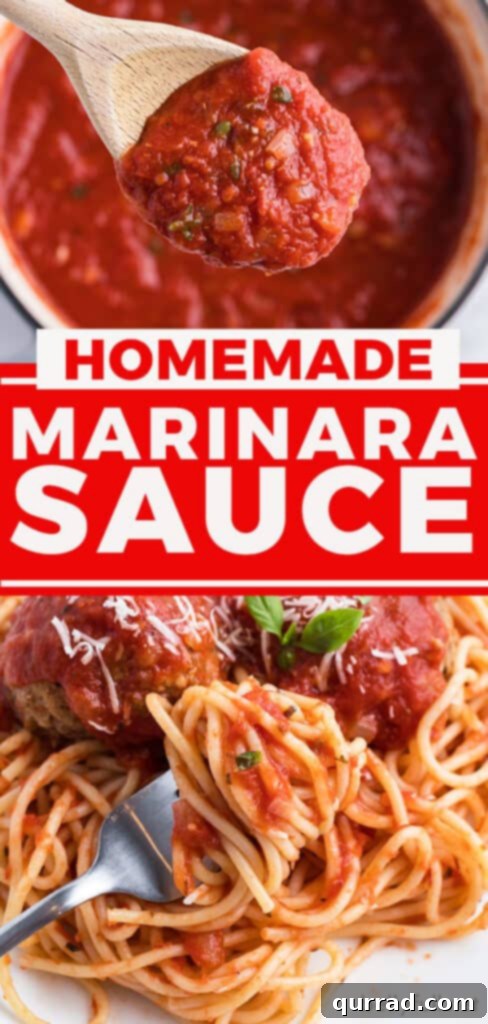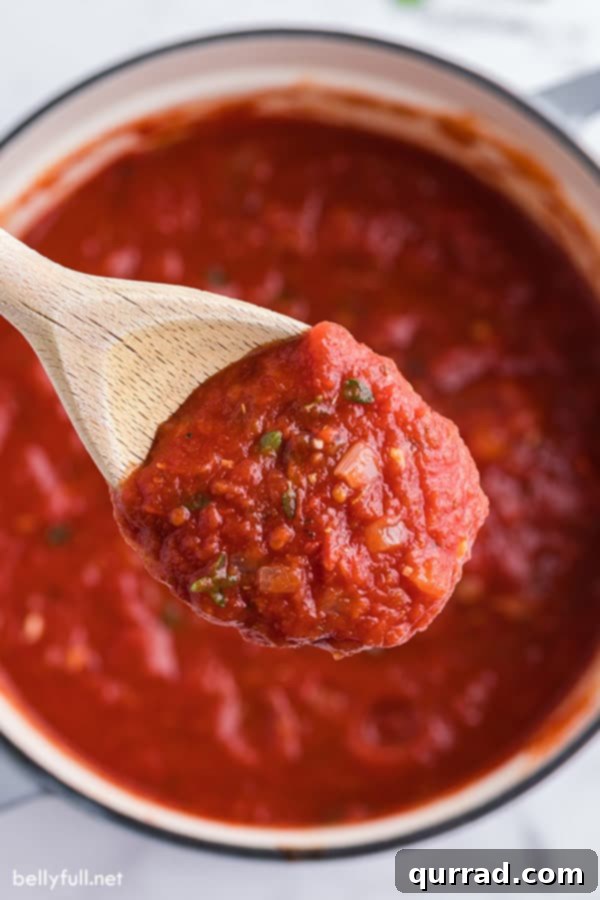
Welcome to the ultimate guide to creating a truly exceptional, from-scratch Marinara Sauce recipe. This isn’t just any sauce; it’s a versatile culinary staple that promises to elevate countless dishes, from a comforting bowl of pasta to a hearty meatloaf, or even as a simple, irresistible dip for warm crusty bread. Crafted with the freshest, simplest ingredients, you’ll be amazed at how quickly this rich, flavorful sauce comes together, proving that gourmet taste doesn’t have to mean hours in the kitchen.
Once you master this easy homemade marinara, imagine its perfect application on our delightful Classic Margherita Pizza, transforming a simple meal into an Italian masterpiece. Get ready to embark on a culinary journey that will change your perception of jarred sauces forever!
Mastering Easy Homemade Marinara Sauce
In our increasingly busy lives, the convenience of pre-made ingredients like canned goods and jarred sauces often seems like a lifesaver. However, the true food lover within us yearns for the vibrant taste and wholesome goodness that only fresh ingredients can provide. And when it comes to Italian sauces, especially marinara, the difference between store-bought and homemade is monumental. The notion that homemade sauces are complicated or time-consuming is a common misconception that this recipe aims to dispel.
Making marinara from scratch is surprisingly simple and incredibly rewarding. This particular Homemade Marinara Sauce has been a beloved fixture in our kitchen for years, cherished for its depth of flavor and remarkable ease of preparation. You can whip up a batch from start to finish in just about 25 minutes, relying on nothing more than a handful of readily available, fresh ingredients. The result? A sauce so delicious, so aromatic, and so perfectly balanced, you’ll find yourself wanting to savor it straight from the spoon. It’s a true testament to the power of simple, quality ingredients expertly combined.
Before we dive into the specifics of this incredible marinara recipe, let’s take a moment to understand the broader world of Italian sauces. Knowing the distinctions will empower you to choose the perfect sauce for any dish and appreciate the unique characteristics that make each one special. Let’s explore the rich tapestry of Italian flavors!
Decoding Italian Sauces: Marinara and Beyond
The culinary landscape of Italy is rich with diverse and delicious sauces, each with its own history, regional variations, and ideal applications. While many might seem similar at first glance, understanding their core differences is key to truly appreciating Italian cuisine. Here’s a breakdown of some of the most popular Italian sauces, highlighting what makes each unique:
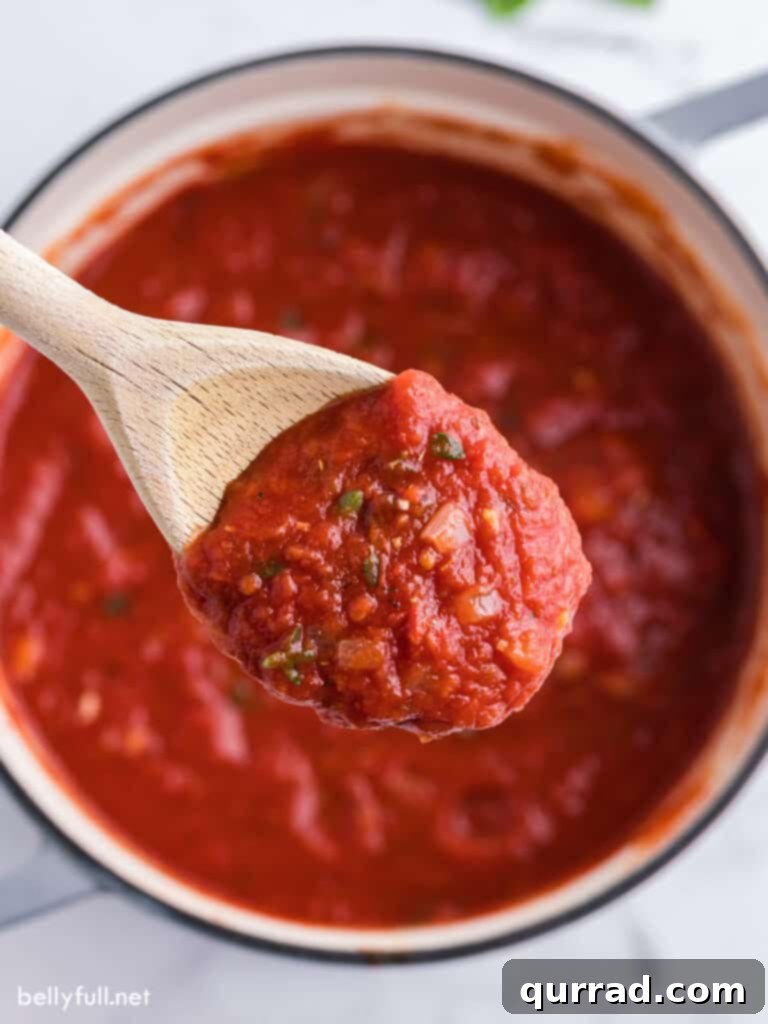
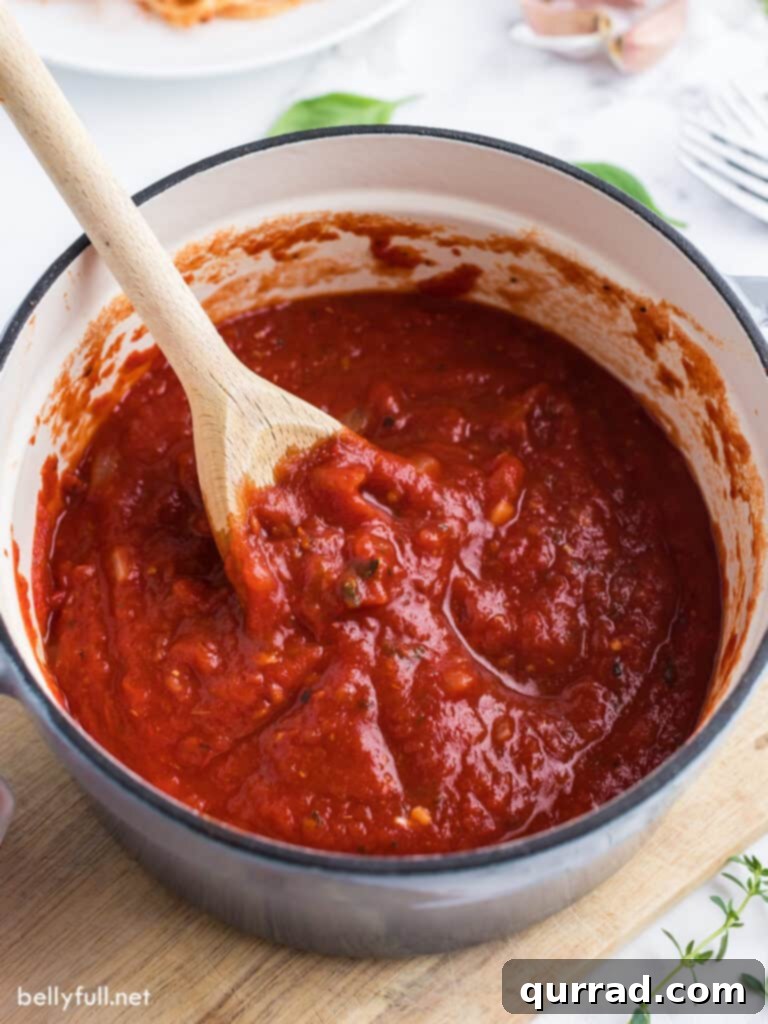
- Marinara Sauce: At its heart, marinara is a simple, vibrant, and typically meat-free tomato sauce. It’s characterized by its quick cooking time and reliance on fresh, aromatic ingredients like onions, garlic, and a medley of herbs. Marinara typically has a smoother consistency, without large chunks of tomato, making it incredibly versatile. Its bright, clean flavor makes it perfect for dipping, topping pizzas, or lightly coating pasta without overpowering other ingredients. Our recipe (below) perfectly embodies this delicious simplicity, delivering immense flavor in minutes.
- Spaghetti Sauce (Ragu): Often richer and heartier than marinara, a traditional spaghetti sauce (or ragu, as it’s often known in Italy when containing meat) typically features at least one type of cooked meat, such as ground beef, pork, or a combination. It incorporates a wider array of ingredients, including various vegetables, and is traditionally simmered for a much longer period. This slow cooking process allows the flavors to meld and deepen, resulting in a thicker, more complex sauce ideal for coating substantial pasta shapes like spaghetti or tagliatelle.
- Bolognese Sauce: Hailing from the Emilia-Romagna region of Italy, specifically Bologna, this is a supremely rich and savory meat sauce. In Italy, it’s simply called ragù alla bolognese. Distinct from other meat sauces, Bolognese often includes finely diced vegetables (soffritto of onion, celery, carrot), wine, and a touch of milk or cream, which contributes to its signature creamy texture and incredible depth. It’s traditionally served with broad, flat pasta like tagliatelle or as a key component in lasagna, never with spaghetti in its region of origin.
- Alfredo Sauce: A luxurious and undeniably rich white sauce, Alfredo is a departure from tomato-based varieties. It’s made from a decadent combination of Parmesan cheese, unsalted butter, and heavy cream, all melted and emulsified together to create a smooth, velvety consistency. While its origins are debated, its popularity as a luscious topping for fettuccine (Fettuccine Alfredo) is undisputed, offering a creamy, indulgent counterpoint to lighter sauces.
- Pesto Sauce: This vibrant green sauce is a fresh and uncooked delicacy originating from Genoa in the Liguria region. Traditional pesto, or pesto alla genovese, is made by crushing together fresh basil leaves, pine nuts, garlic, Parmigiano-Reggiano cheese, and Pecorino Sardo cheese, then emulsifying the mixture with high-quality extra virgin olive oil. It comes together quickly in a food processor and offers a bright, herbaceous burst of flavor, perfect for pasta, spreading on sandwiches, or topping grilled chicken.
Each of these sauces brings its own character to the table, but for a quick, fresh, and endlessly adaptable tomato sauce, marinara reigns supreme. It’s the ultimate canvas for your Italian culinary adventures.
Unlocking the Flavors: Marinara Sauce Ingredients
The beauty of a truly great Marinara Sauce recipe lies in the simplicity and quality of its ingredients. You don’t need a pantry full of exotic items; just a handful of fresh, wholesome components that work in harmony to create a symphony of flavor. Most likely, you already have these staples on hand. (For precise measurements and detailed instructions, please refer to the recipe card below.)
- Canned Crushed Tomatoes: This is the undisputed star and foundation of our marinara sauce. The quality of your crushed tomatoes will directly impact the final taste, so invest in the best brand you can find. Crushed tomatoes offer a smoother texture than diced, while still providing some body and richness. Look for brands that list only tomatoes (and possibly salt) as ingredients, avoiding those with added sugar or citric acid if possible.
- Tomato Paste: A small but mighty ingredient, tomato paste is crucial for adding a concentrated, rich, and deep umami tomato flavor. It also contributes significantly to the sauce’s body and helps to thicken it naturally, giving it that luxurious coating ability. Don’t skip this step – it’s key to the sauce’s robust profile.
- Onion and Garlic: These are the foundational aromatics that build the savory base of almost any great Italian sauce. Sweet onions, when finely diced and gently sautéed, lend a subtle sweetness and depth. Fresh garlic, minced to release its potent oils, adds an indispensable pungent warmth. Always opt for fresh garlic cloves over pre-minced for the best flavor.
- Olive Oil: Extra-virgin olive oil serves multiple purposes in this recipe. Firstly, it’s used to gently sauté the onion and garlic, drawing out their flavors. Secondly, it adds a silken richness and a beautiful, fruity undertone to the finished sauce, contributing to its overall luxurious mouthfeel. Choose a good quality extra-virgin olive oil for maximum impact.
- Fresh Herbs: This is where marinara truly shines. The recipe calls for a sprig of fresh oregano, a sprig of fresh thyme, and several fresh basil leaves. Fresh herbs impart a bright, vibrant, and authentic flavor that dried herbs simply cannot replicate in this simple sauce. While dried homemade Italian seasoning can be a pinch-hitter, we strongly recommend fresh for the most exquisite taste. The sprigs are simmered whole and then discarded, allowing their essence to infuse the sauce without adding texture.
- Seasoning: A generous amount of Kosher salt is essential to enhance and balance all the flavors in the sauce. Freshly ground black pepper adds a subtle kick and aromatic warmth. Remember, you can always add more seasoning to taste at the end, but you can’t take it away!
With these simple, high-quality components, you’re well on your way to creating a marinara sauce that will impress and delight everyone at your table.
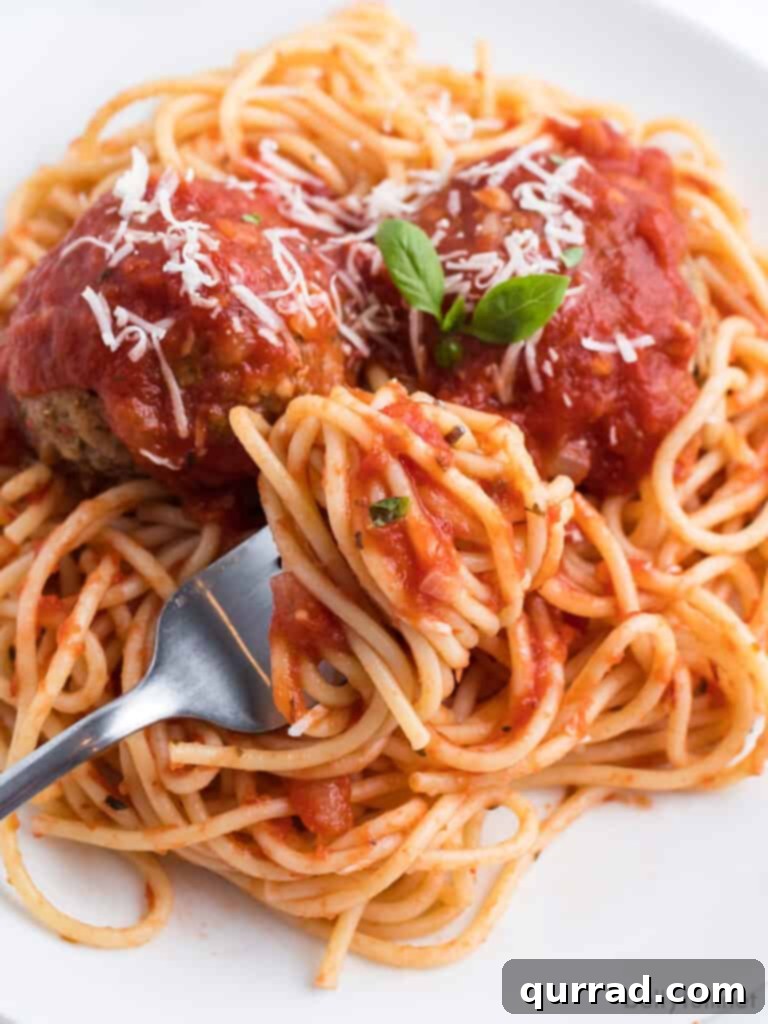
Simple Steps to the Perfect Marinara Sauce
If you’ve ever been intimidated by the thought of making homemade sauce, prepare to be pleasantly surprised. This Marinara Sauce recipe is a testament to how quick and straightforward culinary excellence can be. In just a few easy steps, you’ll transform humble ingredients into a rich, aromatic sauce that tastes like it simmered for hours.
Here’s a simplified breakdown of the process. For detailed instructions, precise measurements, and a printable version, please refer to the recipe card below:
- Sauté the Aromatics: Begin by heating the olive oil in a medium saucepan over medium-high heat. Add your finely diced onion and minced garlic. Sauté them gently, stirring occasionally, until the onions become softened and translucent, usually about 3 minutes. This step is crucial for building the foundational flavor of your sauce. Don’t rush it; allowing the aromatics to sweeten and soften properly is key.
- Simmer to Perfection: Once the aromatics are ready, pour in the crushed tomatoes and stir in the tomato paste until fully incorporated. Add the fresh herb sprigs (oregano and thyme). Bring the mixture to a gentle bubble, then reduce the heat to medium-low. Cover the saucepan and allow the sauce to simmer for approximately 15 minutes. Remember to stir every 5 minutes or so to prevent the sauce from sticking to the bottom and scorching. This gentle simmer allows the flavors to meld beautifully and the sauce to thicken slightly.
- Finish and Season: After 15 minutes, remove the saucepan from the heat. Carefully retrieve and discard the herb sprigs – they’ve imparted their wonderful essence to the sauce. Stir in the kosher salt, and then season with freshly ground black pepper to taste. This is your chance to adjust the flavors to your preference. If it tastes a bit acidic, a tiny pinch of sugar can help balance it, though quality tomatoes often don’t need it.
- Serve or Store: Your glorious homemade marinara sauce is now ready! Serve it immediately with your favorite pasta, or allow it to cool completely before storing for later enjoyment.
Making marinara truly is that simple. The minimal effort yields maximum flavor, proving that the best meals often come from the simplest preparations. Remember to always taste and adjust seasoning as you go – it’s your kitchen, after all!
Storing Your Homemade Marinara: Freshness and Freezing
One of the many benefits of making a batch of delicious Homemade Marinara Sauce is its excellent keeping quality, allowing you to enjoy its fresh flavors for days or even months. Proper storage ensures you always have a taste of Italy ready at your fingertips.
How Long Does Marinara Sauce Last in the Refrigerator?
If you’re not planning to use your marinara sauce right away, allow it to cool completely to room temperature first. Then, transfer the sauce to a clean, sealed glass jar or an airtight container. Stored properly in the refrigerator, your homemade marinara sauce will remain fresh and delicious for up to 5 days. Always ensure the container is tightly sealed to prevent any absorption of other food odors and to maintain its vibrant flavor.
Can You Freeze Marinara Sauce?
Absolutely! Marinara sauce freezes beautifully, making it perfect for meal prep or for saving excess batches. Here’s how to do it effectively:
- Cool Completely: Just like with refrigeration, it’s crucial to allow the sauce to cool down completely before freezing. Freezing hot sauce can create condensation and ice crystals, affecting the texture.
- Choose Your Container: You have a few options for freezer-safe storage:
- Sealed Jars or Airtight Containers: When using jars or rigid containers, make sure to leave about an inch of headspace at the top. This is essential because liquids expand when they freeze, and leaving room prevents the container from cracking.
- Freezer-Safe Plastic Bags: For space-saving storage, transfer the cooled marinara into freezer-safe plastic bags (e.g., Ziploc freezer bags). Press out any excess air before sealing, then lay the bags flat on a baking sheet to freeze. Once solid, you can store them vertically, like books, saving valuable freezer space.
- Freezing Time: Properly stored, homemade marinara sauce can be frozen for up to 3 months without significant loss of quality or flavor.
- Thawing and Reheating: When you’re ready to enjoy your frozen marinara, simply transfer it from the freezer to the refrigerator to thaw overnight. Once thawed, gently reheat the sauce on the stovetop over medium-low heat, stirring occasionally, until it’s warmed through. If the sauce seems a little thick after thawing, you can add a splash of water or vegetable broth to reach your desired consistency.
With these storage tips, you can always have the incredible taste of homemade marinara on hand, ready to elevate any meal!
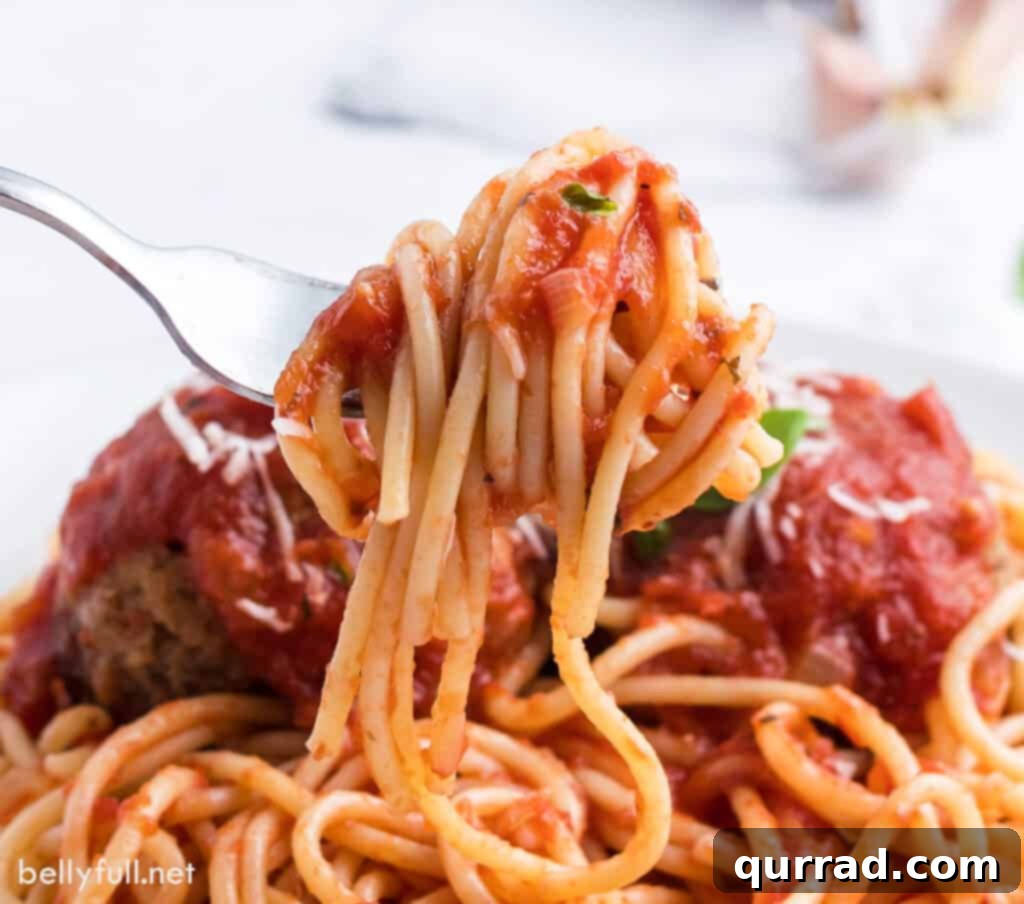
Beyond Pasta: 10 Versatile Uses for Marinara Sauce
While Marinara Sauce is famously known as a perfect partner for pasta, its incredible versatility extends far beyond. Its bright, fresh tomato flavor and smooth consistency make it a fantastic addition to a multitude of dishes, transforming everyday meals into something special. Here are ten fantastic ways to put your homemade marinara to delicious use:
- Pizza Dough Sauce: While we often prefer our thicker homemade pizza sauce to prevent a soggy crust, marinara can certainly be used as a lighter, flavorful base for your homemade pizza dough, especially if you like a thinner layer of sauce.
- Perfect on Margherita Pizza: Embrace the classic Italian spirit by using it as the vibrant foundation for a simple yet elegant Margherita Pizza, alongside fresh mozzarella and basil.
- Meatball Sliders Topping: Generously spoon warm marinara over juicy meatballs nestled in slider buns for irresistible Meatball Sliders, a crowd-pleasing appetizer or mini-meal.
- Stir into Macaroni and Cheese: Add a surprising twist and a burst of tangy tomato flavor to your creamy Macaroni and Cheese, creating a delightful fusion dish.
- Enhance American Goulash: Elevate the classic comfort of American Goulash by stirring in a hearty helping of marinara for added depth and richness.
- Base for Roasted Cauliflower Parmesan: Use it as the flavorful base for a wholesome Roasted Cauliflower Parmesan casserole, layering it with tender cauliflower and melted cheese.
- Dip for Zucchini Fries: Offer it as a light, fresh dipping sauce for crispy Zucchini Fries, a healthier alternative to traditional fried snacks.
- Dip for Toasted Ravioli: The perfect accompaniment to golden, crunchy Toasted Ravioli, providing a tangy contrast to the savory filling.
- Accompaniment for Italian Pull Apart Bread: Serve a warm bowl of marinara alongside fluffy Italian Pull Apart Bread for an interactive and delicious appetizer.
- Key Ingredient for Eggs in Purgatory: It’s the essential, fiery base for Eggs in Purgatory (Uova in Purgatorio), where eggs are poached directly in the simmering tomato sauce, creating a rustic and flavorful breakfast or brunch.
This list is just the beginning! Let your culinary creativity flow and discover even more ways to enjoy your homemade marinara sauce. Its bright, clean flavor makes it a welcome addition to so many different meals.
Tips for the Best Marinara Sauce Every Time
While our Homemade Marinara Sauce recipe is straightforward, a few key tips can elevate your results from good to truly exceptional. Paying attention to these details will ensure a deeply flavorful and perfectly textured sauce every time:
- Quality of Tomatoes Matters Most: Since tomatoes are the star, choose the best quality canned crushed tomatoes you can find. San Marzano tomatoes are often touted as the gold standard for their balanced sweetness and low acidity. Read labels carefully; avoid cans with added sugar, citric acid, or calcium chloride, which can alter the flavor and texture.
- Don’t Rush the Aromatics: The initial sautéing of onion and garlic might seem minor, but it’s where the foundation of flavor is built. Cook them gently until softened and fragrant, not browned or burnt. Browning the garlic can make the sauce bitter.
- Fresh Herbs for Superior Flavor: While dried herbs are convenient, fresh oregano, thyme, and basil truly make a difference in marinara. Their bright, vibrant oils infuse the sauce with a complex freshness that dried herbs simply can’t replicate. Adding whole sprigs and removing them at the end ensures maximum flavor without overwhelming the sauce with herbaceous bits.
- Gentle Simmer is Key: A low, gentle simmer is essential for marinara. Avoid a rolling boil, as this can cook off too much liquid too quickly and cause the sauce to scorch. A gentle simmer allows the flavors to meld gradually and the sauce to thicken beautifully without becoming dense.
- Taste and Adjust: Always taste your sauce before serving. Seasoning is a personal preference. You might need a little more salt, pepper, or even a tiny pinch of sugar if your tomatoes are particularly acidic. A small amount of sugar can help balance the acidity without making the sauce sweet.
- Enhance with a Parmesan Rind: For an extra layer of savory depth, consider adding a discarded Parmesan cheese rind to the sauce during the simmering process. Remove it before serving. It imparts a subtle, salty, umami flavor that is truly wonderful.
- Adjusting Consistency: If your sauce is too thick, you can thin it with a splash of water, vegetable broth, or even red wine (for an added layer of flavor). If it’s too thin, let it simmer uncovered for a few extra minutes to reduce.
By keeping these simple tips in mind, you’ll consistently create a homemade marinara sauce that is rich, vibrant, and utterly delicious.
Recipe: Homemade Marinara Sauce
★
★
★
★
Homemade Marinara Sauce
10 mins
15 mins
25 mins
12 (3 cups total, 1/4 cup per serving)
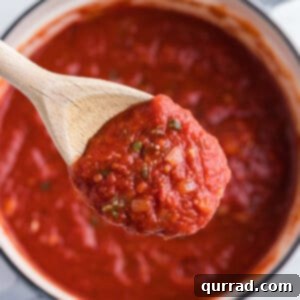
Ingredients
- 2 tablespoons extra-virgin olive oil
- 1 small sweet onion, diced small
- 3 cloves garlic, minced
- 28 ounce can crushed tomatoes (high quality recommended)
- 3 tablespoons tomato paste
- 1 sprig fresh oregano
- 1 sprig fresh thyme
- 3 leaves fresh basil
- 2 teaspoons kosher salt (or to taste)
- Freshly ground black pepper (to taste)
Instructions
-
Heat the olive oil in a medium saucepan over medium-high heat. Add the diced onion and minced garlic, and sauté, stirring frequently, until they are softened and translucent, which typically takes about 3 minutes.
-
Stir in the crushed tomatoes and tomato paste, ensuring the paste is fully incorporated. Add the fresh herb sprigs (oregano and thyme). Bring the mixture to a gentle bubble, then reduce the heat to medium-low. Cover the saucepan and let it simmer for 15 minutes, stirring every 5 minutes or so to prevent sticking and to encourage even flavor distribution.
-
Remove the saucepan from the heat. Carefully remove and discard the herb sprigs. Stir in the kosher salt, then season with freshly ground black pepper to your taste preference.
-
Your delicious marinara sauce is ready to be used immediately. Alternatively, allow it to cool completely before storing it for later use in an airtight container in the refrigerator or freezer.
Nutrition
Carbohydrates: 8g |
Protein: 2g |
Fat: 3g |
Saturated Fat: 1g |
Sodium: 509mg |
Potassium: 270mg |
Fiber: 2g |
Sugar: 5g |
Vitamin A: 210IU |
Vitamin C: 8.5mg |
Calcium: 31mg |
Iron: 1mg
Nutritional information is an estimate based on ingredients and can vary based on the exact products used and any modifications to the recipe. If precise nutritional values are critical, please calculate them independently using your specific ingredients.
Did you make this? We’d love to hear your thoughts!
We hope you thoroughly enjoy creating and savoring this delightful and easy Homemade Marinara Sauce. Your feedback is valuable to us, so please feel free to leave a review below! For more culinary inspiration and delicious recipes, don’t forget to follow Belly Full on Facebook, Instagram, Pinterest, and YouTube!