
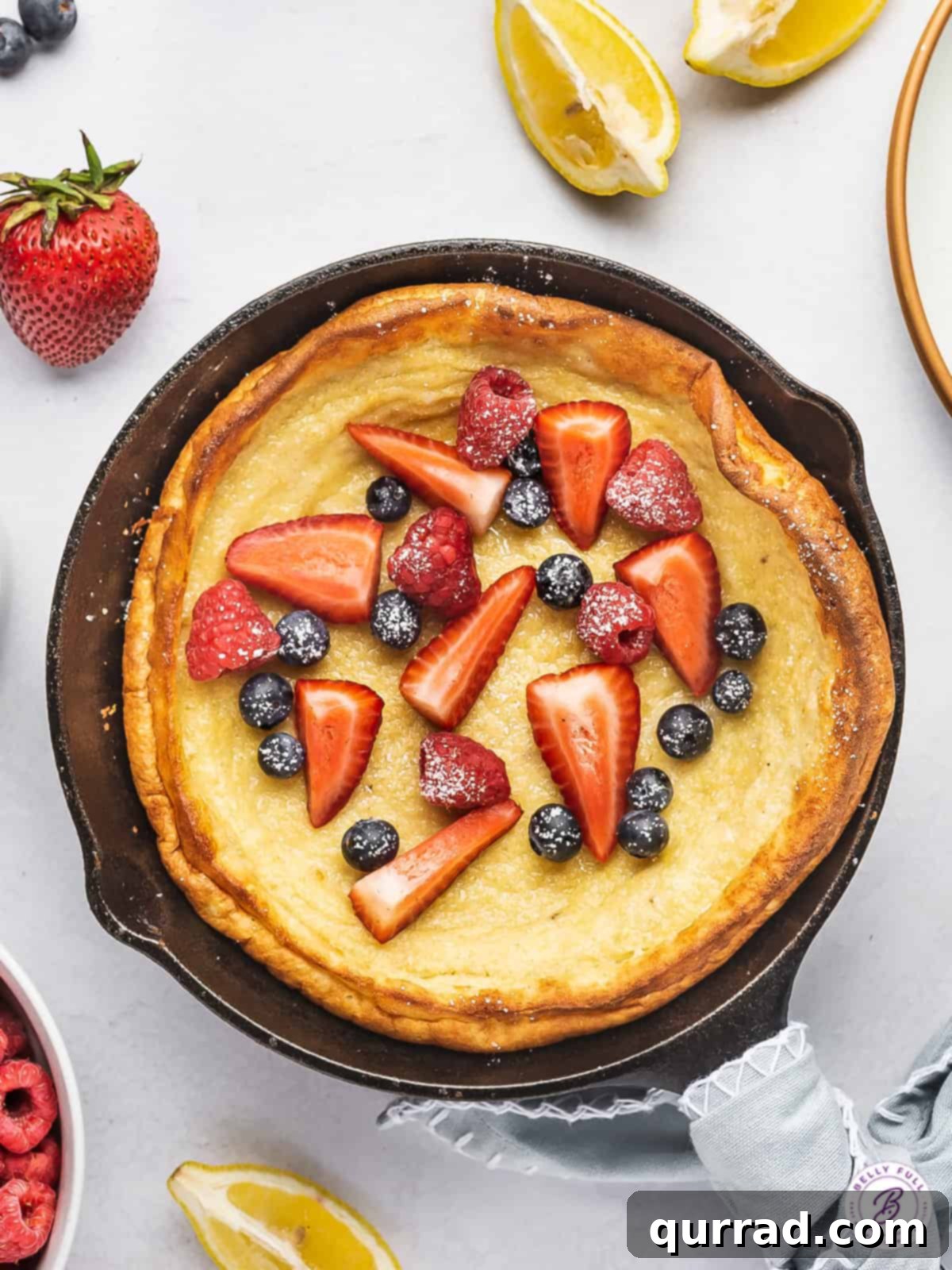
Step into the delightful world of German pancakes with this incredibly easy and impressive Dutch Baby recipe. Often described as a heavenly cross between a soufflé, an omelet, and a popover, this unique pancake offers a truly special breakfast or brunch experience. It boasts an irresistibly eggy and tender interior, beautifully complemented by a light and wonderfully crunchy exterior. Best of all? No more standing over the stove flipping pancakes – this beauty bakes to perfection in your oven, making it a surprisingly hands-off culinary marvel.
5-STAR REVIEW
“This was SO good! Such an impressive breakfast, but so easy to make. Thank you for sharing your recipe!” – Doroth
Easy Dutch Baby Pancake: A Culinary Delight with Minimal Effort
While there’s undeniable joy in a towering stack of classic pancakes, dripping with warm syrup, the constant standing, flipping, and waiting can sometimes dampen the morning cooking enthusiasm. That’s precisely why the German pancake, affectionately known as the Dutch Baby, has become a cherished alternative in many kitchens, including ours. Alongside sheet pan pancakes, the Dutch Baby offers a relaxed, oven-baked approach to breakfast, freeing you up to enjoy your morning.
Using staple pancake ingredients like fresh eggs, wholesome milk, all-purpose flour, and rich butter, the preparation process is remarkably swift. The real magic happens during the 20 minutes it spends in the oven, giving you time to unwind. Then, right before your eyes, it transforms, puffing up dramatically and rising high in the skillet—a truly spectacular sight that never fails to impress!
A Dutch Baby isn’t just a pancake; it’s a unique culinary experience. Its texture is wonderfully eggy yet tender, with crispy, golden edges that contrast beautifully with its soft, airy center. I always describe it as a delightful fusion of a delicate soufflé, a savory omelet, and my personal favorite, the light and airy popovers. This makes it a versatile dish, perfect for satisfying both sweet and savory cravings.
The Intriguing History of the Dutch Baby Pancake
Despite its name, the Dutch Baby pancake actually has German origins, not Dutch. The “Dutch” in its name is believed to be an Americanized corruption of “Deutsch,” meaning German. This beloved breakfast staple first gained popularity in the early 20th century at Manca’s Cafe in Seattle, Washington. Victor Manca, the owner, is credited with popularizing the dish, and it was supposedly his daughter who coined the “Dutch Baby” name because she mispronounced “Deutsch.”
Traditionally, these large, skillet-baked pancakes are served with fresh lemon juice, powdered sugar, and fruit. Their distinctive puff and impressive appearance quickly made them a favorite, moving from a regional specialty to a nationally recognized breakfast and brunch item. The concept itself is derived from the German Pfannkuchen, a thick, oven-baked pancake similar to a large Yorkshire pudding. Over the decades, the Dutch Baby has remained a testament to simple ingredients coming together to create something truly extraordinary, embodying both rustic comfort and elegant presentation.
4.91 from 10 reviews
Dutch Baby Pancake
Pin
This German pancake, known as a Dutch Baby, is a cross between a soufflé, omelet, and popover. It’s eggy and tender, but also light and crunchy. And no flipping required!
See below the recipe card for step-by-step images.
Ingredients
- 3 large eggs, room temperature
- 2/3 cup whole milk, room temperature
- ½ cup all-purpose flour, spooned and leveled
- ¼ tsp salt
- 1/8 tsp cinnamon
- 1 tsp vanilla extract
- 3 tbsp butter, for skillet
- 1 tbsp butter, melted, for brushing
- 1 tbsp lemon juice
- 1 tbsp powdered sugar
- 2 cups berries (a mix of raspberries, blueberries, and sliced strawberries), for serving
- Whipped cream, for serving
Instructions
- Preheat Oven: Preheat your oven to 425°F (220°C).
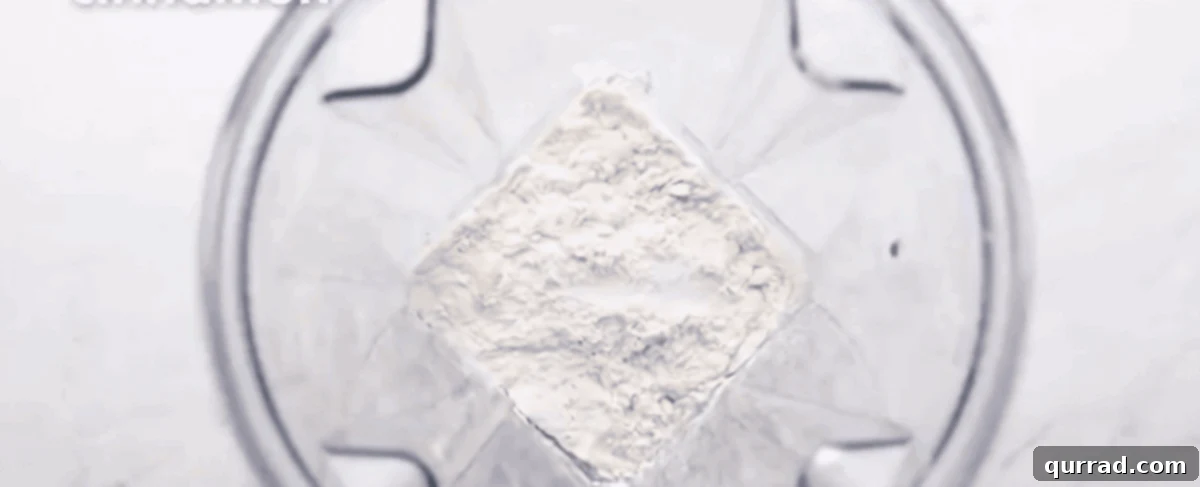
- Prepare Batter: In a blender, combine the room temperature eggs, milk, flour, salt, cinnamon, and vanilla extract. Blend until the batter is completely smooth, scraping down the sides as needed. Aim for a consistency similar to thin crepe batter.
- Heat Skillet: Place the 3 tablespoons of butter into a 9 or 10-inch oven-safe cast-iron skillet. Transfer the skillet to the preheated oven and heat until the butter is completely melted, hot, and lightly bubbling—this usually takes about 3-5 minutes.
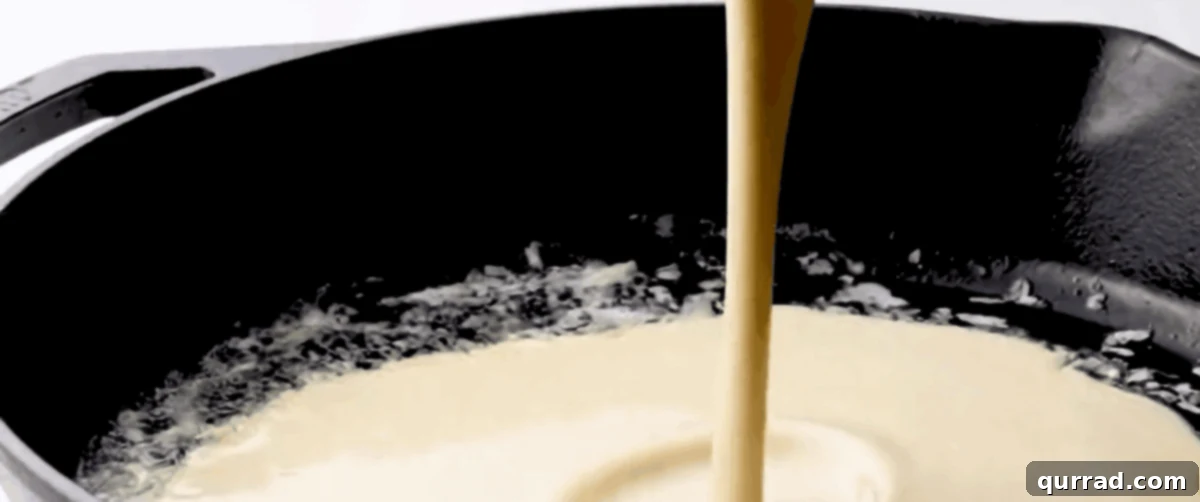
- Pour and Bake: Carefully remove the hot skillet from the oven. Pour the smooth batter directly into the center of the bubbling butter. Immediately return the skillet to the oven and bake for about 18 minutes, or until the pancake has dramatically puffed up and its edges are beautifully golden brown and crisp.
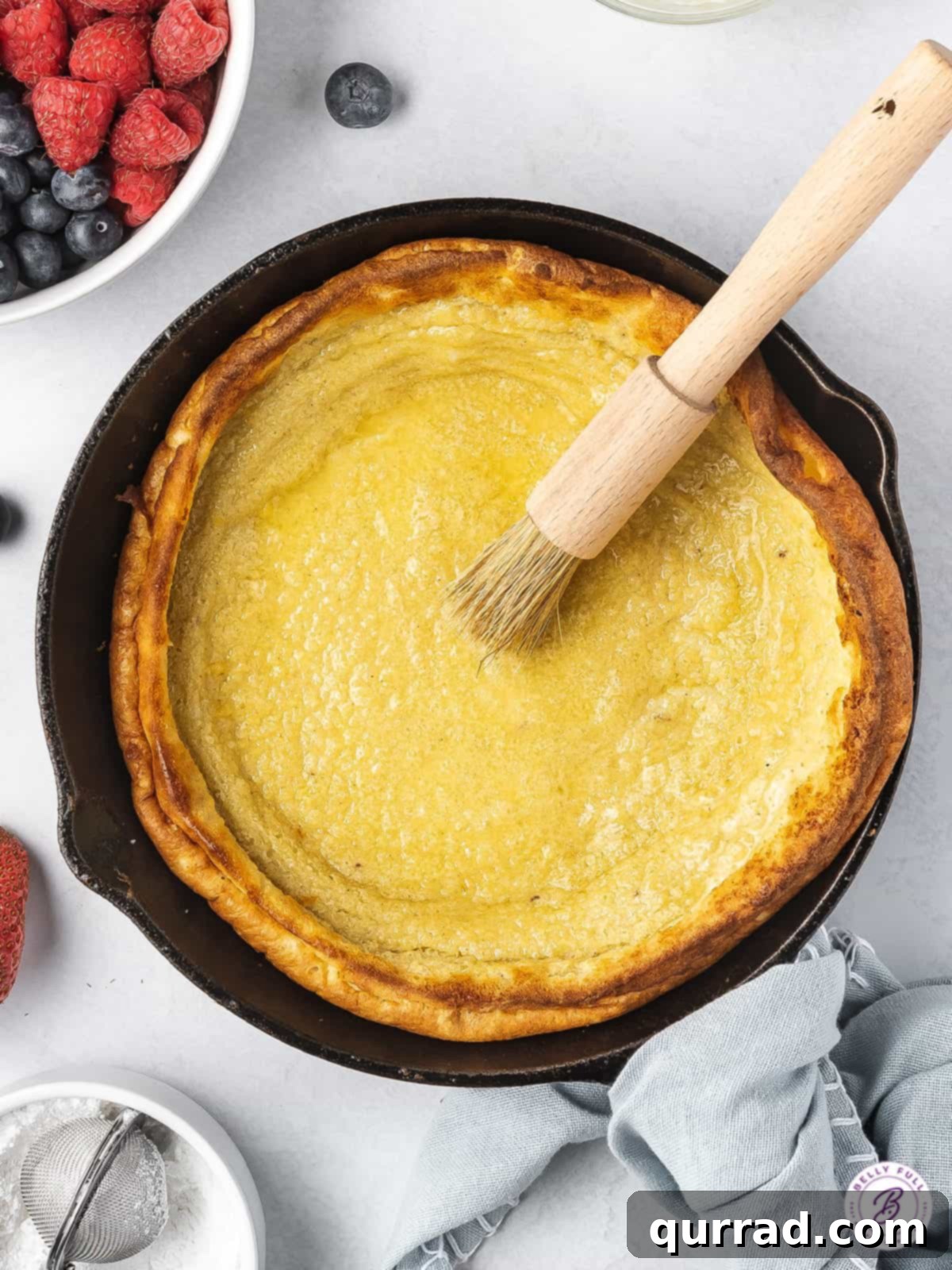
- Serve Immediately: Once baked, carefully remove the pan from the oven (the handle will be extremely hot!). The pancake will look incredibly puffed and impressive at this stage, but it will naturally deflate within a minute or two—this is perfectly normal and part of its charm. Immediately brush the top of the warm pancake with 1 tablespoon of melted butter, then drizzle the fresh lemon juice over it.
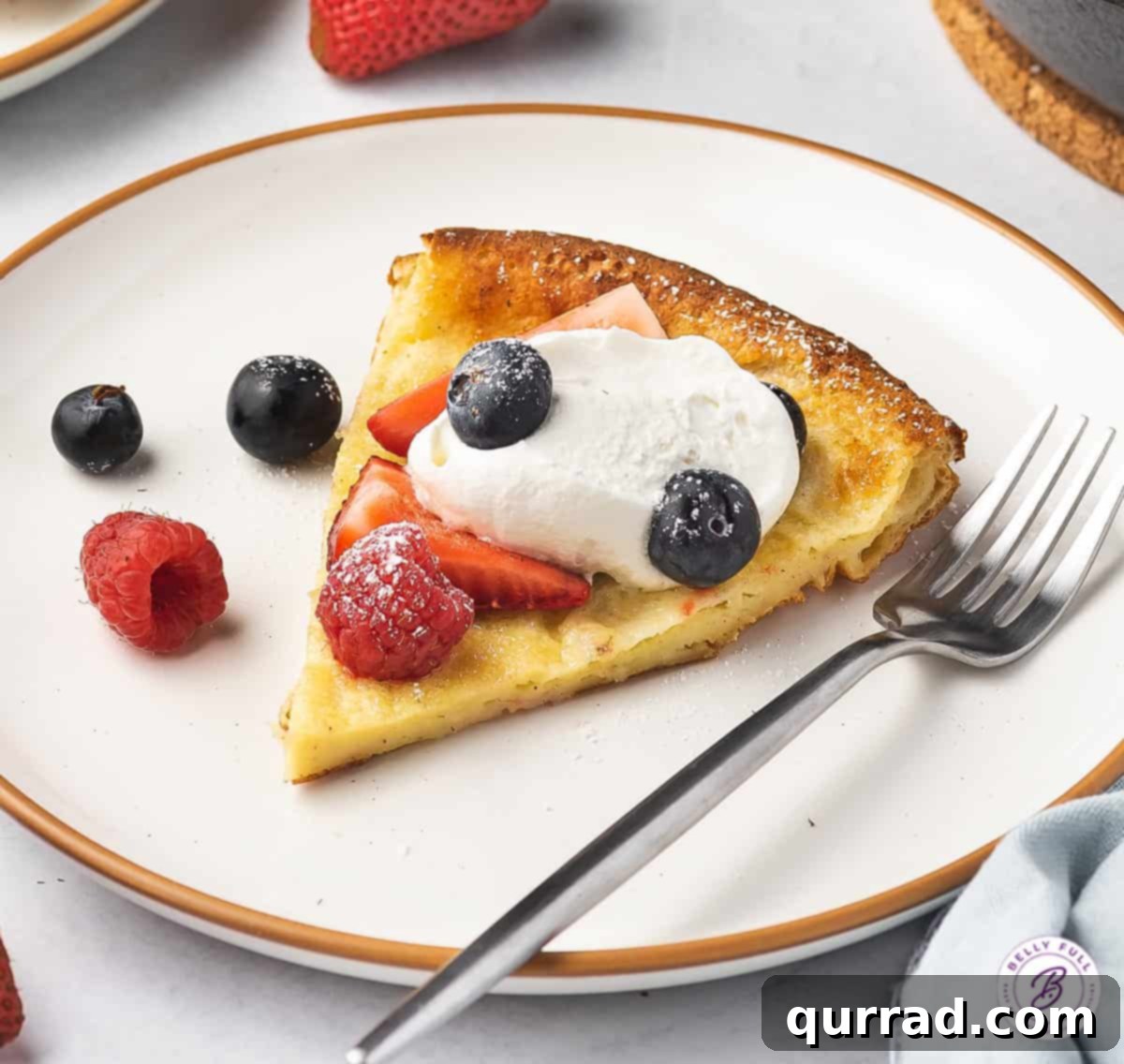
- Garnish and Enjoy: Dust generously with powdered sugar. Cut the large pancake into wedges and serve without delay. Garnish with a vibrant assortment of fresh berries and a dollop of homemade whipped cream for a truly unforgettable breakfast.
Notes
*Skillet Choice: Always use an oven-safe skillet; cast iron is highly recommended for its even heat distribution and ability to create those perfectly crisp edges. A 9-inch skillet will yield higher, more dramatic edges than a 10-inch, but either will work beautifully.
Room Temperature Ingredients: Using room temperature eggs and milk helps create a smoother batter and contributes to a better rise in your Dutch Baby pancake. If your ingredients are cold, you can warm the milk slightly and let eggs sit in warm water for a few minutes.
Nutrition Information (per serving)
Calories: 296kcal | Carbohydrates: 26g | Protein: 8g | Fat: 18g | Saturated Fat: 10g | Polyunsaturated Fat: 2g | Monounsaturated Fat: 5g | Trans Fat: 0.5g | Cholesterol: 177mg | Sodium: 160mg | Potassium: 186mg | Fiber: 3g | Sugar: 11g | Vitamin A: 680IU | Vitamin C: 3mg | Calcium: 88mg | Iron: 2mg
Nutritional information provided is an automatic calculation and may vary based on the exact products used and any modifications made to the recipe. For precise dietary needs, it is recommended to calculate these values independently.
Did you make this? Leave a rating below!
How to Make a Dutch Baby Pancake: Step-by-Step Visual Guide
Achieving the perfect Dutch Baby is simpler than you might think. Follow these visual steps to create your own magnificent oven-baked pancake.
Tips for a Perfectly Puffed Dutch Baby Every Time
Achieving that iconic, impressive puff and crispy texture in your Dutch Baby pancake is easy when you know a few key tricks. Here’s how to ensure your German pancake turns out flawlessly:
- Room Temperature Ingredients are Key: This is crucial for a smooth batter and a better rise. Cold ingredients can make the batter lumpy and inhibit the gluten from developing properly, leading to a less impressive puff. If your eggs and milk are cold, let them sit out for 30 minutes, or warm the milk gently and place eggs in warm water for a few minutes.
- Don’t Skimp on the Butter: The butter in the hot skillet not only prevents sticking but also helps create those wonderfully crispy, golden edges. Ensure it’s fully melted and bubbling before pouring in the batter.
- Hot Skillet is Essential: A screaming hot skillet is vital for the immediate “spring” of the pancake batter, which contributes to its dramatic rise. Don’t rush this step!
- Blend for Smoothness: Use a blender to mix the batter. This ensures there are no lumps and helps aerate the batter, giving it a light and airy texture. Blend until just combined and smooth, but avoid overmixing.
- Act Fast: Once the skillet is hot and butter is melted, and once the pancake is out of the oven, speed is your friend. Pour the batter quickly and return to the oven. Serve immediately after removing, brushing with butter and lemon juice, and dusting with sugar. The puff is temporary, so enjoy its grandeur right away!
- Embrace the Deflation: It’s perfectly normal for a Dutch Baby to deflate within minutes of coming out of the oven. This doesn’t mean you’ve done anything wrong; it’s simply the nature of this soufflé-like pancake. Its deliciousness remains!
- Don’t Peek (Too Much): Resist the urge to open the oven door frequently while it’s baking, as this can cause the pancake to lose heat and prevent it from rising properly.
How to Store and Reheat a Dutch Baby Pancake
A Dutch Baby pancake is truly at its best when served fresh from the oven, piping hot and beautifully puffed. However, if you find yourself with leftovers, they can be stored and reheated. Simply place any cooled leftover pancake pieces in an airtight container and refrigerate for up to 3 days. To reheat, you can warm individual portions in a 300°F (150°C) oven for about 5-10 minutes, or until warmed through. While it won’t regain its original dramatic puff, it will still be delicious and satisfying.
What to Serve With a Dutch Baby Pancake: Sweet & Savory Ideas
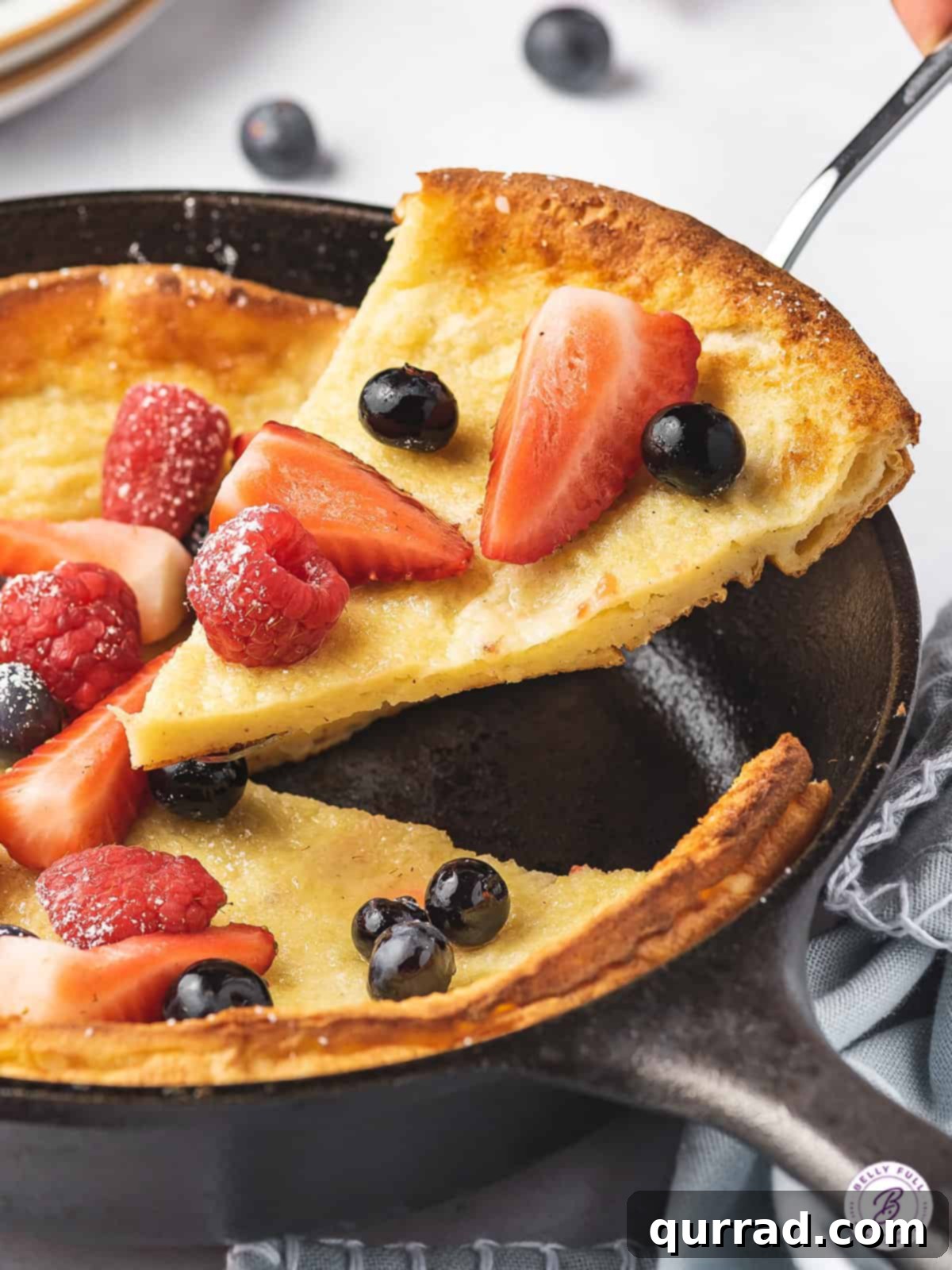
Just like its traditional pancake cousins, the Dutch Baby is incredibly versatile and pairs well with a myriad of toppings, allowing you to customize it to your heart’s content. We adore serving ours with a vibrant medley of fresh berries and a cloud-like dollop of homemade whipped cream for a classic sweet treat. But the possibilities extend far beyond!
Sweet Topping Ideas:
- Whipped Maple Butter: A luxurious spread that melts beautifully into the warm pancake. Try our whipped maple butter recipe.
- Fruit Compotes & Jams: Spoon over a warm berry compote, apricot jam, or a rich cherry preserve.
- Tart Lemon Curd: The bright, zesty flavor of a homemade lemon curd offers a delightful contrast to the richness of the pancake.
- Cinnamon-Sugar: A simple dusting of cinnamon mixed with granulated sugar for a warm, comforting flavor.
- Chocolate Drizzle: Melted chocolate or a chocolate sauce for a decadent touch.
- Nut Spreads: Hazelnut spread or almond butter for a nutty richness.
- Caramel Sauce: A sweet, sticky caramel drizzle takes it to another level.
- Ice Cream: For a dessert-like experience, a scoop of vanilla or fruit ice cream.
Savory Topping Ideas:
- Crispy Bacon or Sausage: A classic breakfast pairing for a delightful salty contrast.
- Fried Egg: For a heartier meal, top with a perfectly cooked fried egg.
- Sautéed Mushrooms and Herbs: A sophisticated topping for a savory brunch.
- Smoked Salmon and Cream Cheese: A luxurious option, similar to a blini.
- Cheese: A sprinkle of grated Parmesan or Gruyere right after baking for a cheesy, savory twist.
- Avocado & Everything Bagel Seasoning: For a modern, fresh savory pancake.
Conclusion: Why the Dutch Baby is a Must-Try
The Dutch Baby pancake truly stands out as a unique and delightful alternative to traditional breakfast fare. Its effortless preparation, minimal hands-on time, and spectacular presentation make it an ideal choice for a special weekend brunch or an easy weeknight “brinner.” Whether you prefer it showered with powdered sugar and berries or experimenting with savory combinations, this German pancake promises a memorable culinary experience. Its custardy interior and crisp, golden edges offer a texture sensation that’s both comforting and exciting. Give this recipe a try and discover why the Dutch Baby has captivated breakfast lovers for generations!
More Delicious Pancake Recipes to Explore
If you’ve fallen in love with the ease and versatility of pancakes, here are more fantastic recipes to add to your repertoire:
- Sheet Pan Pancakes: Perfect for feeding a crowd with minimal effort.
- Banana Oatmeal Pancakes: A wholesome and satisfying way to start your day.
- Pumpkin Pancakes: Embrace the flavors of autumn any time of year.
- Zucchini Ricotta Pancakes: A surprising yet delicious savory-sweet option.
- Ricotta Pancakes with Lemon Curd: Incredibly light and fluffy, enhanced with bright citrus.