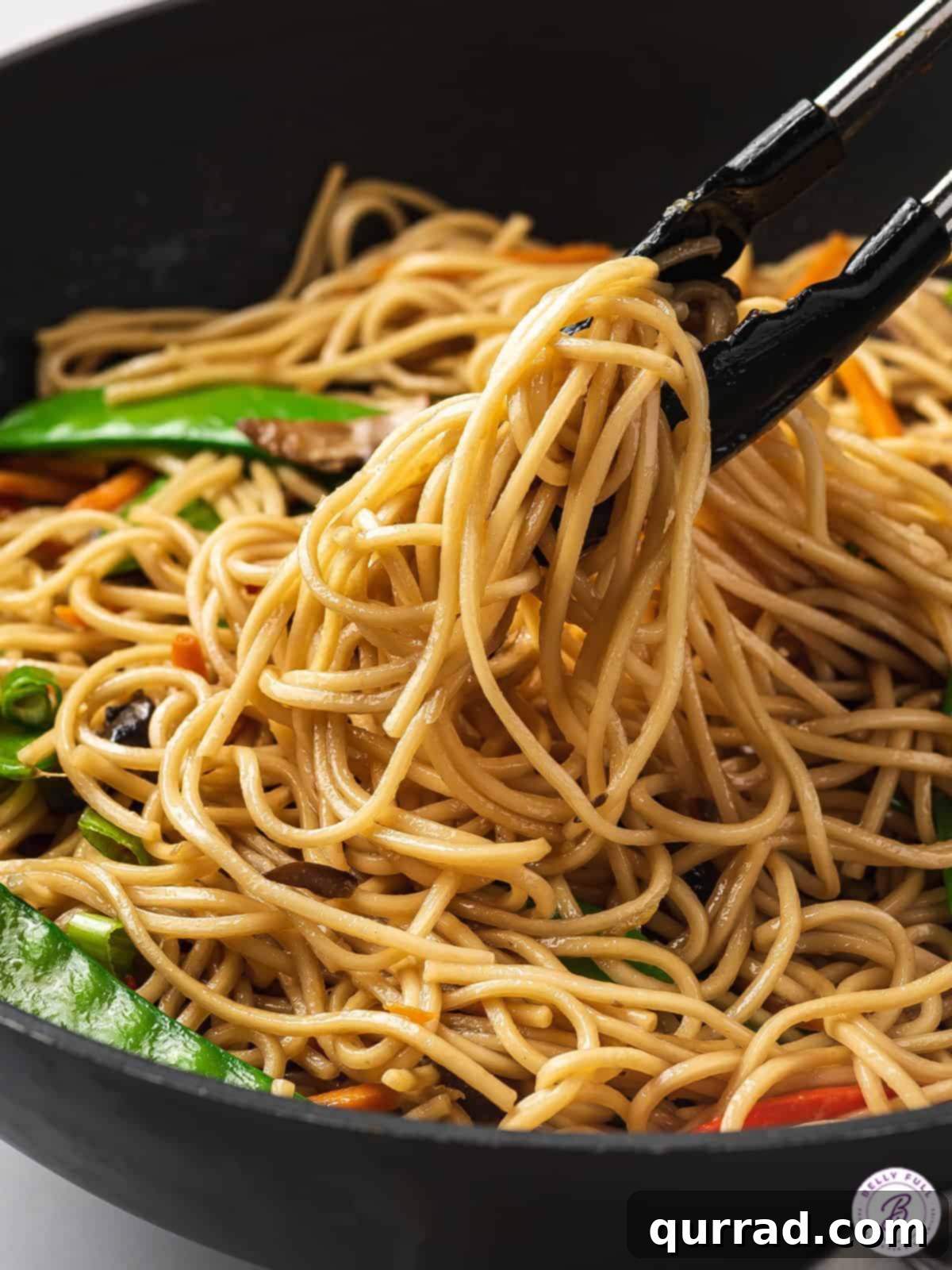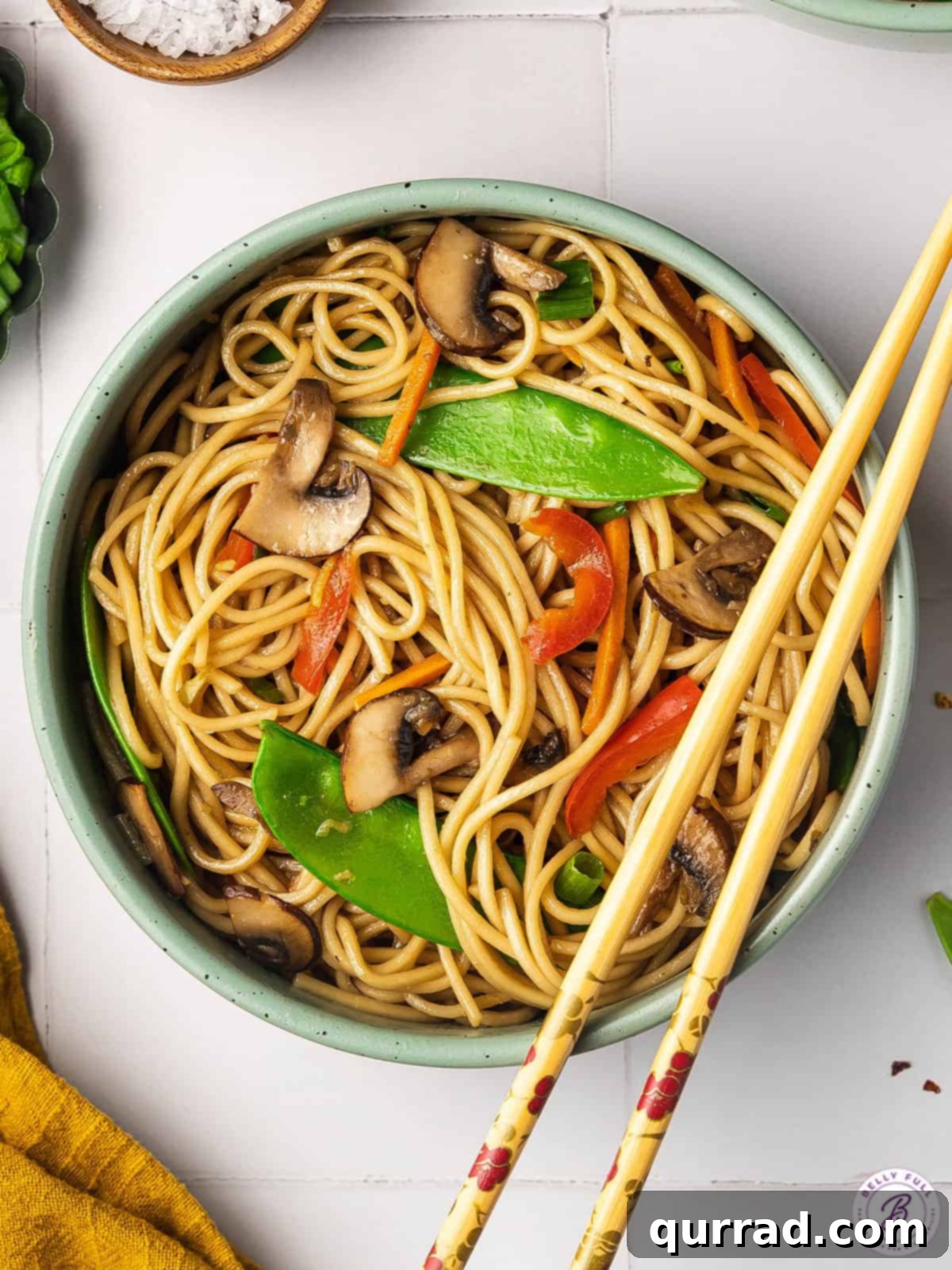
Easy Veggie Lo Mein Recipe: Your New Favorite Homemade Takeout Alternative
Craving flavorful Chinese takeout but want a healthier, quicker, and more budget-friendly option? Look no further than this incredible homemade Lo Mein recipe! Featuring perfectly cooked egg noodles coated in a rich, sweet, and savory sauce, then tossed with an abundance of vibrant vegetables, this dish is designed to be both satisfying and wholesome. Forget waiting for delivery – this fantastic meal comes together in under 20 minutes, making it the ideal solution for busy weeknights.
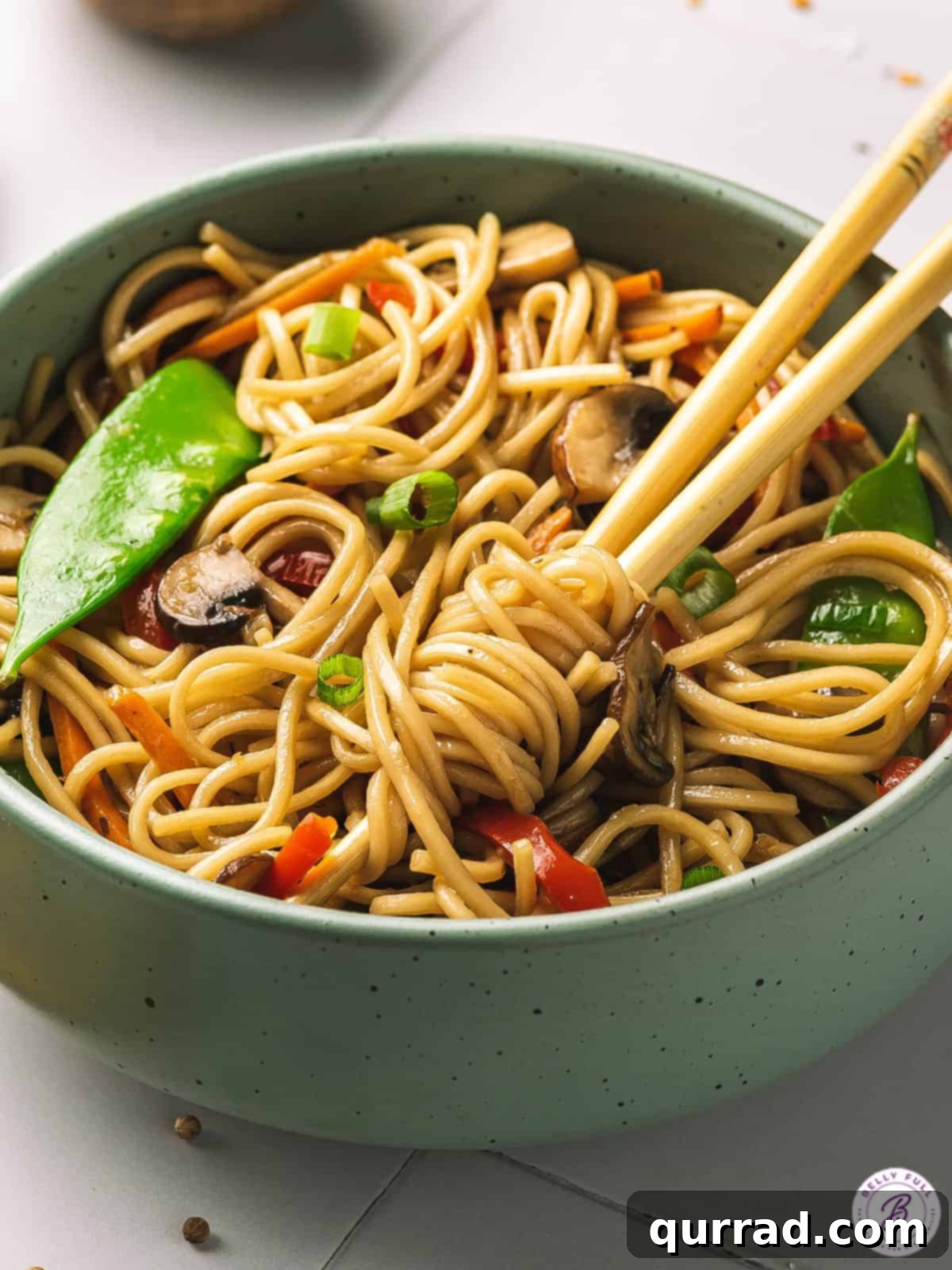
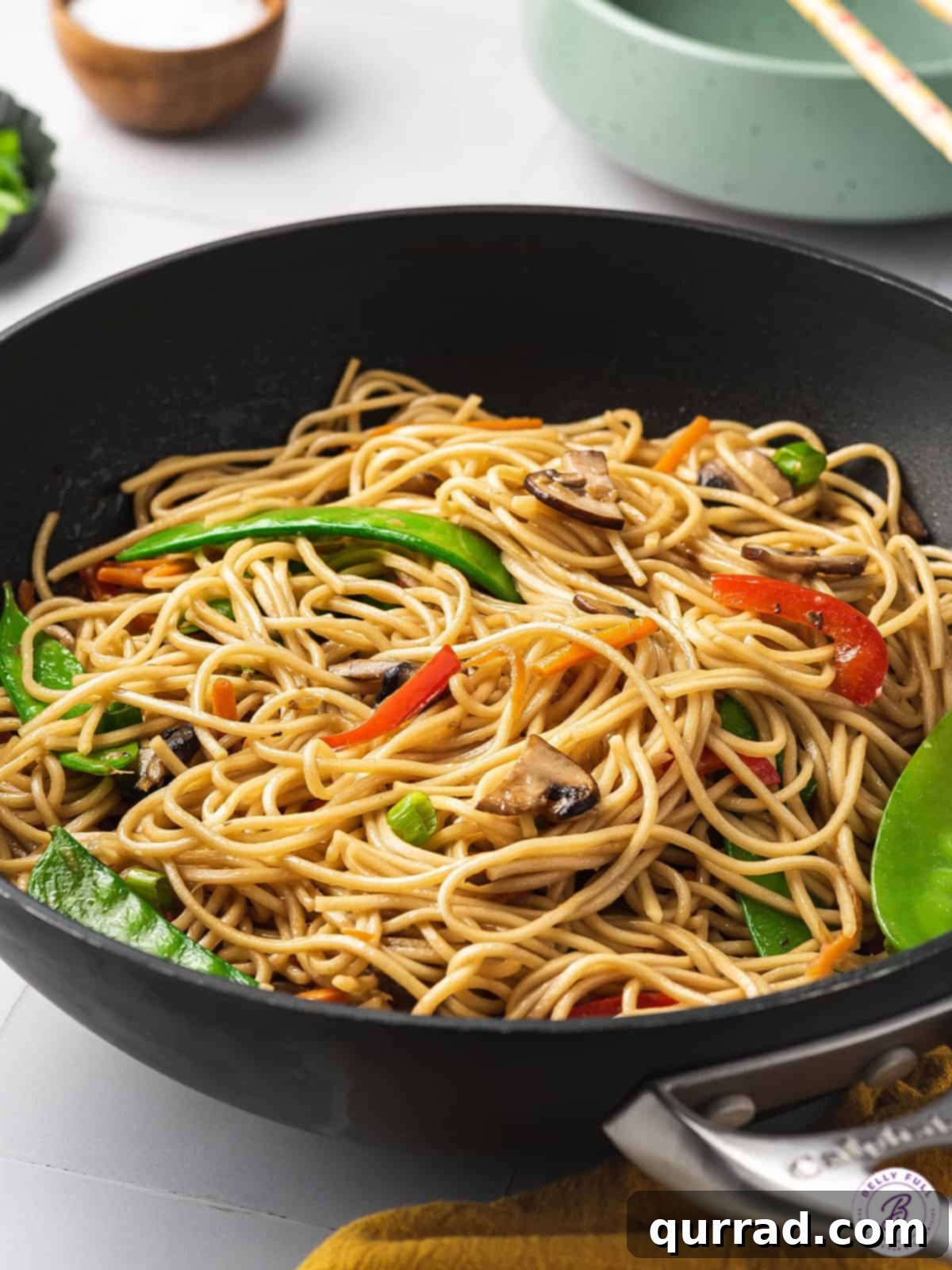
This Vegetable Lo Mein is a true culinary delight, showcasing soft, tender noodles bathed in a perfectly balanced sauce that hits all the right notes of savory and sweet. We’ve packed this dish with an array of garden-fresh vegetables, including crisp snow peas, vibrant bell peppers, earthy mushrooms, and sweet carrots, creating a feast for both the eyes and the palate. It’s a wonderful way to effortlessly incorporate more vegetables into your diet, as even the pickiest eaters will be too engrossed in the delicious noodles to notice the healthy additions.
The best part? This entire recipe is designed for speed, achieving restaurant-quality results in just 20 minutes from start to finish. This makes it a lifesaver for those hectic evenings when time is short, but you still desire a nourishing and delicious meal that isn’t fast food. It’s truly a win-win for flavor and convenience!
If you’re a fan of quick noodle dishes, be sure to also check out our simple sesame noodles – another lightning-fast option ready in just 15 minutes, delicious served warm or cold!
What is Lo Mein and Why Make It at Home?
Lo Mein is a classic Chinese noodle dish renowned for its tender noodles tossed with a flavorful sauce and various ingredients like vegetables and proteins. The name “Lo Mein” directly translates to “tossed noodles,” which perfectly describes the cooking method: fully cooked noodles are added at the end and gently tossed with the sauce and other components, allowing them to absorb all the delicious flavors without being overcooked or fried. This results in a lighter, more yielding noodle texture compared to some other Chinese noodle preparations.
Making Lo Mein at home offers numerous advantages over ordering takeout. Firstly, you have complete control over the ingredients, allowing you to choose fresh, high-quality vegetables and proteins. This means you can reduce sodium content, use healthier oils, and avoid unwanted additives often found in restaurant dishes. Secondly, customization is key. Whether you prefer extra spice, different vegetables, or a specific type of protein, you can tailor the dish exactly to your liking. Finally, and perhaps most compellingly, it’s incredibly fast and cost-effective. You can whip up a family-sized meal in less time than it takes for delivery, saving both time and money.
Lo Mein vs. Chow Mein: Understanding the Difference
Lo Mein and Chow Mein are two of the most popular and frequently confused Chinese noodle dishes. While both feature similar ingredients and are immensely satisfying, their preparation methods and resulting textures are distinct. The core difference lies in their translation and cooking technique: Lo Mein means “tossed noodles,” whereas Chow Mein translates to “fried noodles.”
In Lo Mein, the noodles are boiled until perfectly al dente, then drained and tossed with a pre-made sauce and stir-fried vegetables and protein. The noodles remain soft and pliable, acting as a canvas for the savory sauce. The focus is on the smooth, tender texture of the noodles and the cohesive coating of the sauce.
Chow Mein, on the other hand, involves frying the noodles. Depending on the regional style, the noodles might be par-boiled and then stir-fried until slightly crispy, or fully cooked and then pan-fried to achieve a crispier exterior while maintaining a softer interior. This frying process gives Chow Mein its characteristic crispy edges and often a drier finish compared to the saucier Lo Mein.
While both are delicious, Lo Mein is generally preferred when you desire a dish with softer, more integrated noodles and a generous coating of sauce. Chow Mein appeals to those who enjoy a contrasting texture, with some crispy elements alongside the tender noodles.
Helpful Tips & Variations for Your Homemade Lo Mein
Creating the perfect Lo Mein at home is simple with a few key considerations and the flexibility to customize. Here are some tips and variations to ensure your dish is always a hit:
- Choosing the Right Noodles: For an authentic Lo Mein experience, look for dry lo mein egg noodles, which are typically thicker and chewier than standard spaghetti. You can often find them in the Asian aisle of most supermarkets or at specialty Asian grocery stores, sometimes even fresh in the refrigerated section. If lo mein noodles aren’t available, ramen noodles (without the seasoning packet) or even standard spaghetti can be used in a pinch. Just be sure not to overcook them; they should be firm enough to withstand tossing.
- Vary Your Veggies: This recipe is incredibly adaptable to whatever vegetables you have on hand or prefer. While snow peas, bell peppers, mushrooms, and carrots provide a fantastic base, feel free to experiment. Excellent additions include broccoli florets, thinly sliced bok choy, water chestnuts for crunch, shredded cabbage, snap peas, or even edamame for an extra protein boost. The goal is a colorful and varied mix that provides different textures.
- Add Protein for a Heartier Meal: To keep this dish vegetarian while still boosting its protein content, consider stirring in some scrambled egg or pan-fried tofu. If you’re not restricted to a meatless meal, Lo Mein is wonderfully versatile with various proteins. Cooked chicken, sliced beef, tender pork, or succulent shrimp can all be incorporated. It’s best to cook your chosen protein separately first, then add it back into the skillet with the noodles and sauce at the end to ensure it’s perfectly cooked and evenly distributed.
- Mastering the Sauce: The sauce is the heart of Lo Mein. Always whisk it together in a small bowl before you start cooking your noodles and vegetables. This ensures all the flavors meld and it’s ready to be added quickly to the hot wok or skillet. Taste and adjust the balance of sweet, savory, and spicy to your preference.
- High Heat is Key: For a proper stir-fry, cook your vegetables over medium-high heat. This ensures they cook quickly and retain a slight crispness, rather than becoming soggy. Don’t overcrowd the pan; if you have a lot of vegetables, cook them in batches to maintain high heat.
- Mise en Place: “Everything in its place.” This French culinary term is crucial for stir-fries. Have all your ingredients prepped – vegetables chopped, garlic and ginger minced, sauce whisked, and noodles cooked and drained – before you start cooking. The actual stir-frying process is very fast, so you need everything ready to go.
Quick and Easy Lo Mein
Pin Recipe
Print Recipe
This Lo Mein Recipe includes egg noodles coated with a sweet and savory sauce and tossed with veggies. Ready in just 20 minutes!
Ingredients
For the Sauce
- 2 tablespoons low-sodium soy sauce
- 1 tablespoon hoisin sauce (or oyster sauce if you don’t need the dish vegetarian)
- 2 teaspoons brown sugar
- 1 teaspoon sesame oil
- 1/2 teaspoon chili garlic sauce
For the Noodles
- 8 ounces dry lo mein egg noodles
- 1 tablespoon sesame oil
- 2 cloves garlic, minced
- 1 teaspoon fresh minced ginger
- 2 cups cremini mushrooms, sliced
- 1 small red bell pepper, julienned
- 1 small carrot, julienned
- 1/2 cup snow peas
- 2 scallions, diced
Instructions
- In a small bowl, whisk together soy sauce, hoisin sauce (or oyster sauce), brown sugar, sesame oil, and chili garlic sauce. Set aside.
- In a large pot of boiling water, cook noodles according to package directions; drain well.
- Heat sesame oil in a large nonstick skillet or wok over medium-high heat. Add garlic, ginger, mushrooms, bell pepper, and carrot. Cook, stirring frequently, until tender, about 3-4 minutes. Stir in snow peas and sauté until tender, about 2-3 minutes.
- Stir in the scallions and egg noodles along with the sauce mixture, and gently toss to combine until everything is well coated.
- Serve immediately and enjoy!
Video
Watch our easy Lo Mein recipe video to guide you through each step for perfect results.
Nutrition
Nutritional information is an estimated automatic calculation and can vary based on specific product brands and any modifications made to the recipe. For precise nutritional values, it is recommended to calculate them independently.
Did you make this? Leave a rating below!
We love to hear your feedback on our recipes.
Serving Suggestions for Your Lo Mein
This versatile Vegetable Lo Mein can stand alone as a satisfying main course, especially when you load it up with extra protein and vegetables. Its vibrant flavors and comforting noodles make it a complete meal on its own. However, it also shines brightly when served as a side dish, complementing a variety of other Asian-inspired entrees.
Instead of traditional rice, try serving your Lo Mein alongside heartier dishes like classic beef and broccoli, where the tender beef and crisp broccoli florets pair wonderfully with the saucy noodles. It’s also an excellent accompaniment to sweet and savory honey walnut shrimp, adding another layer of texture and flavor to your meal. If you are serving Lo Mein as the star of your dinner, consider adding some easy and delicious appetizers to round out the experience. Crispy air fryer egg rolls or creamy crab rangoon are fantastic choices that come together quickly and are always a crowd-pleaser.
How to Store & Reheat Leftovers
One of the great things about homemade Lo Mein is how well it keeps, allowing you to enjoy delicious leftovers for days or even weeks. Proper storage ensures your noodles stay fresh and flavorful.
- Storing Leftovers in the Fridge: After your Lo Mein has cooled completely, transfer it to an airtight container. It will keep beautifully in the refrigerator for up to 4 days, making it perfect for meal prepping lunches or quick dinners. When you’re ready to reheat, you can do so either on the stovetop or in the microwave. A key tip: noodles tend to soak up the sauce over time, so you might want to add a splash of water, a little chicken or vegetable broth, or even an extra drizzle of soy sauce or sesame oil when reheating to bring back its original moisture and sauciness.
- Freezing Lo Mein: Yes, you can freeze Lo Mein! Once the dish has cooled to room temperature, divide it into individual portions and place them in freezer-safe airtight containers or heavy-duty freezer bags. It will maintain its quality in the freezer for up to 2 months. To enjoy, thaw the frozen Lo Mein in the refrigerator overnight. Reheat it gently on the stovetop in a skillet, stirring occasionally. As with refrigerated leftovers, it’s highly recommended to add a splash of water, broth, or extra sauce to prevent the noodles from drying out and to rejuvenate the flavors. Stir until heated through and the noodles are tender once more.
More Stir Fry and Asian-Inspired Recipes:
If you loved this Lo Mein, you’re in for a treat! Explore more of our delicious and easy-to-make Asian-inspired dishes and stir-fry creations that bring vibrant flavors to your kitchen:
- Homemade Stir Fry Sauce (our all-purpose, go-to recipe)
- Coconut Curry Vegetable Stir Fry
- Chicken and Broccoli Stir Fry
- Quick and Easy Moo Shu Pork
- Authentic Chicken Pad Thai
- Classic Sweet and Sour Chicken
We sincerely hope you enjoy this quick, easy, and incredibly flavorful Lo Mein recipe! Don’t forget to give it a review below and share your thoughts. For more culinary inspiration and daily deliciousness, be sure to follow Belly Full on TikTok, Facebook, Instagram, Pinterest, and YouTube!