

Discover the secret to perfectly crispy and tender pork cutlets without the fuss of deep-frying. Our Pan-Fried Tonkatsu recipe offers a lighter, quicker, and equally delicious take on the classic Japanese dish, complete with a vibrant wasabi-ginger soy dipping sauce that will awaken your taste buds.
While traditional Tonkatsu is celebrated for its deep-fried crunch, our pan-fried version maintains all the desired textures and flavors with less oil and less mess. This approach makes it an ideal weeknight meal that doesn’t compromise on taste or authenticity. If you prefer the classic deep-fried method, be sure to explore our Chicken Katsu recipe for guidance on achieving that perfect golden crisp.
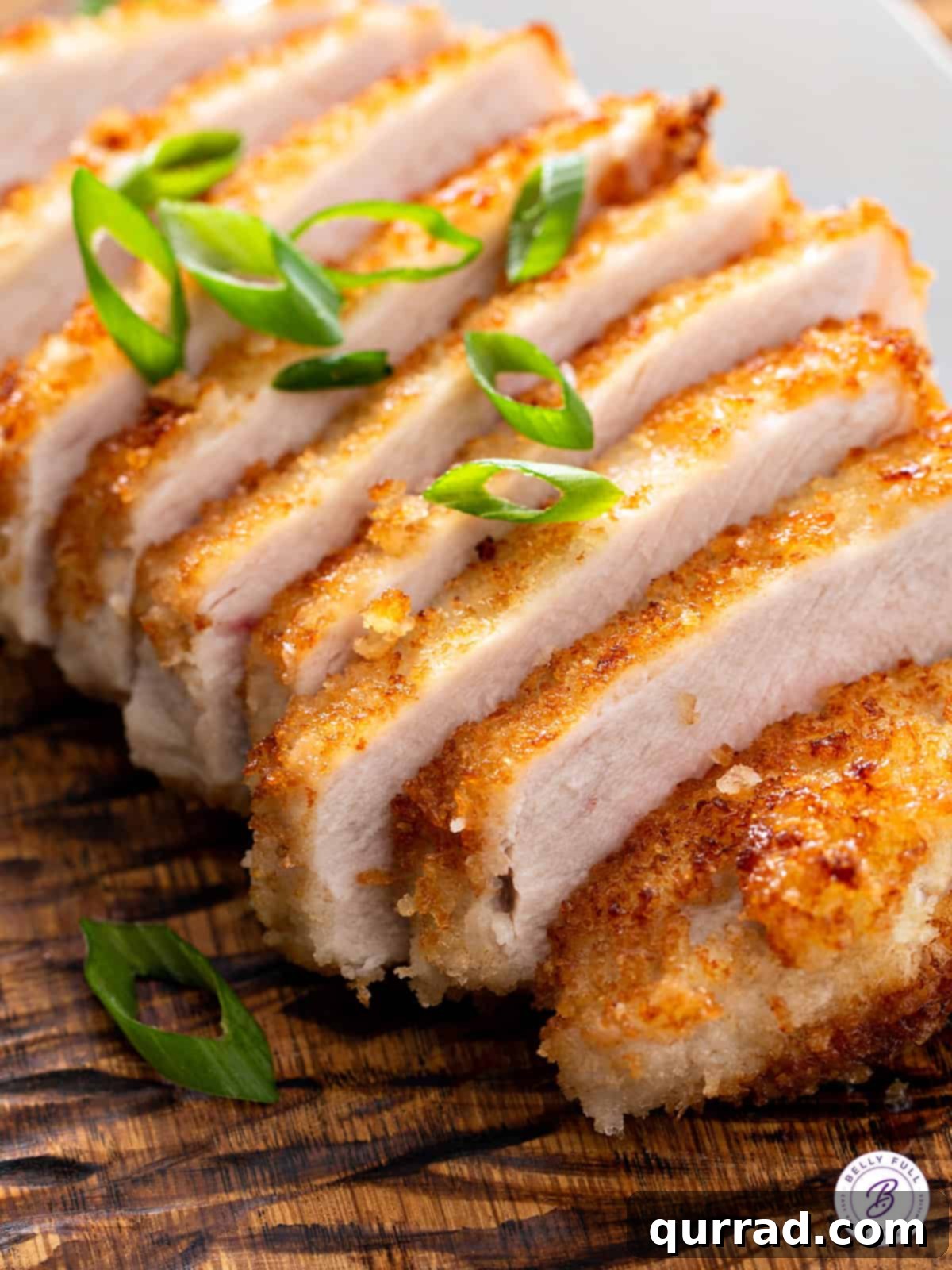
Easy Pan-Fried Tonkatsu: A Modern Take on a Japanese Classic
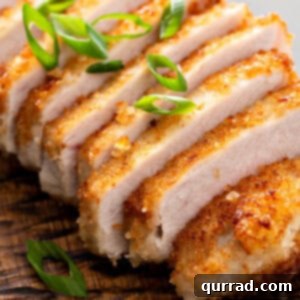
Tonkatsu, a beloved Japanese deep-fried pork cutlet, is renowned for its incredibly crispy panko breadcrumb exterior and succulent, juicy interior. Traditionally, it’s served with a rich, tangy Tonkatsu sauce. Our recipe reimagines this classic, offering a pan-fried alternative that’s not only quicker and healthier but also incredibly flavorful, especially when paired with our unique homemade wasabi-ginger soy dipping sauce.
This simplified version replaces the deep-frying process with pan-frying, significantly reducing oil usage and cleanup. The result is a lighter dish that’s equally satisfying, boasting that signature panko crunch and tender pork. It’s perfect for those seeking an authentic Japanese flavor profile without the commitment of traditional deep-frying.
Why Choose Pan-Fried Tonkatsu?
Opting for a pan-fried Tonkatsu offers several compelling advantages:
- Reduced Oil: Significantly less oil is used compared to deep-frying, making it a healthier option.
- Less Mess: Say goodbye to splattering oil and the daunting task of oil disposal. Pan-frying is much cleaner.
- Quicker Cooking Time: This recipe falls into the category of “20-minute meals,” perfect for busy weeknights.
- Retained Flavor and Texture: Despite being pan-fried, the pork retains its tender juiciness, and the panko breading achieves a wonderfully crisp, golden crust.
- Calorie Conscious: A lighter cooking method naturally means fewer calories, allowing you to indulge guilt-free.
This recipe is not just a meal; it’s a testament to how simple adjustments can transform a classic into an accessible, everyday delight. Get ready to add this crazy delicious and incredibly easy pan-fried pork recipe to your regular rotation!
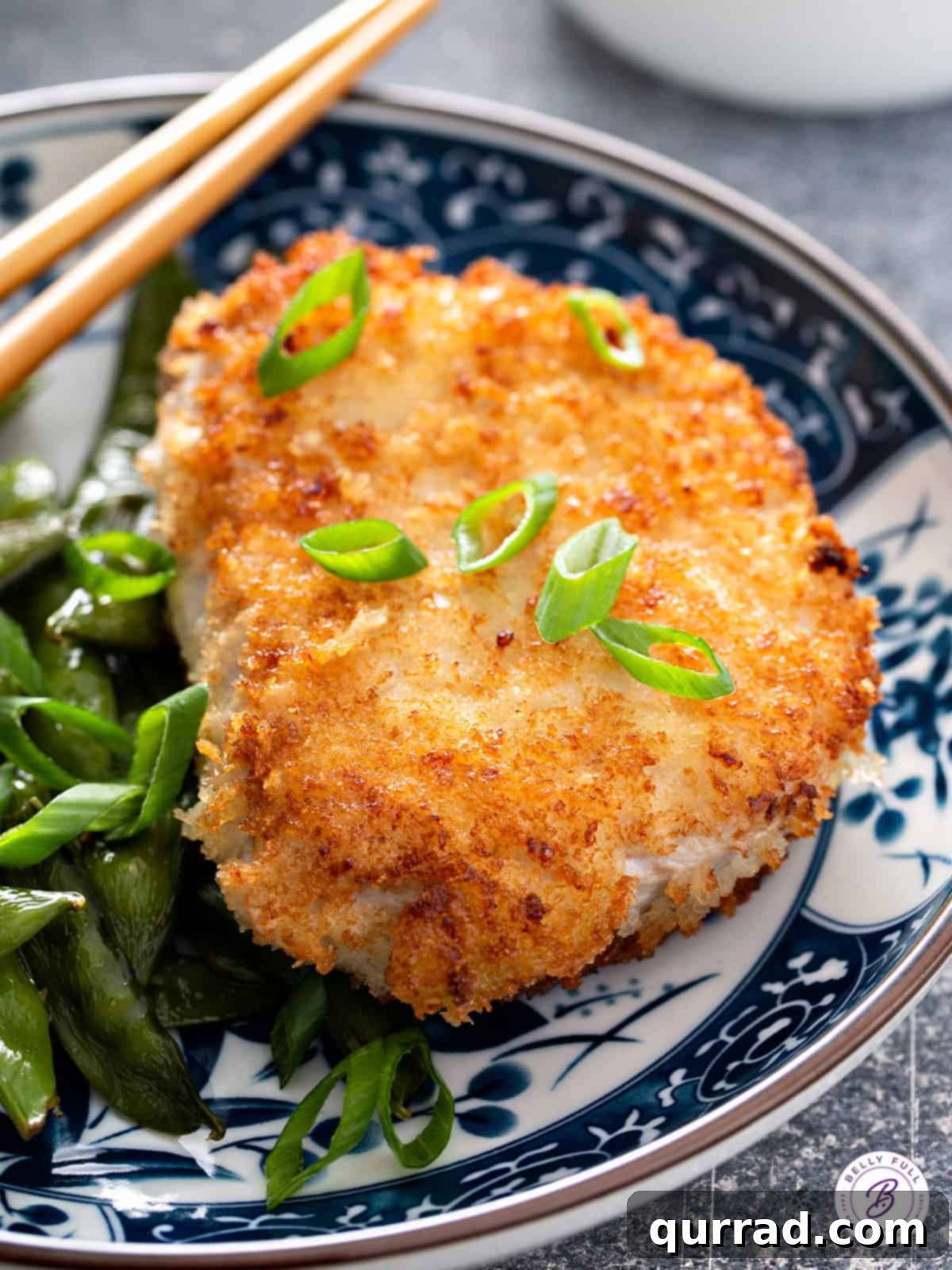
Essential Ingredients for Perfect Pan-Fried Tonkatsu
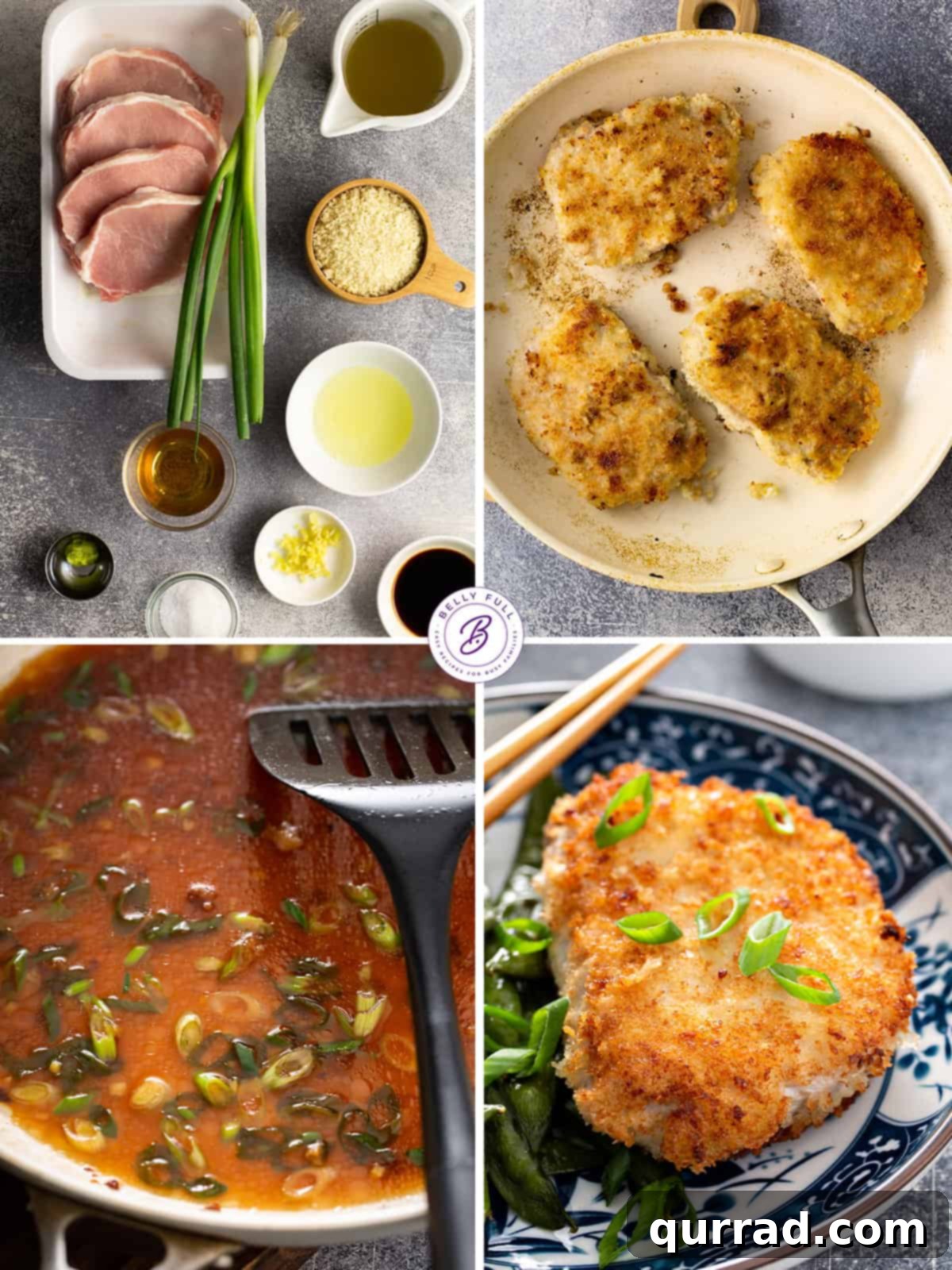
Crafting this delightful Tonkatsu variation requires a selection of fresh ingredients, some traditional Japanese staples, and a few everyday pantry items. Each component plays a vital role in achieving the dish’s balanced flavors and irresistible textures. (Detailed measurements can be found in the printable recipe card below.)
- Pork: For optimal tenderness and flavor, we recommend boneless, center-cut pork loin chops, approximately 1/2-inch thick. While trimming most excess fat is good for a leaner cut, leaving a small amount will contribute to the rich taste as it renders during cooking. Ensure the chops are uniform in thickness for even cooking.
- Panko Breadcrumbs: This is non-negotiable for authentic Tonkatsu. Japanese Panko breadcrumbs are distinct from regular breadcrumbs; they are lighter, flakier, and create an unparalleled crispy texture. Look for them in the baking aisle or the international foods section of your grocery store. Do not substitute with regular or Italian-style breadcrumbs, as they will not yield the same crispness.
- Saké: The national beverage of Japan, saké (Japanese rice wine) is a fermented rice beverage that adds a subtle depth of flavor and umami to the dipping sauce. While often referred to as wine, its production process is more akin to beer. The alcohol content cooks off, leaving only its unique essence. If saké is unavailable, a dry sherry can be a suitable substitute.
- Wasabi Paste: Known for its vibrant green color and pungent kick, wasabi is a crucial element in our dipping sauce. While true Japanese horseradish (real wasabi) is rare and expensive, the widely available wasabi paste delivers the characteristic heat and saltiness that complements the pork beautifully. Don’t skip this ingredient, as it provides a fantastic zing!
- Soy Sauce: A cornerstone of Asian cuisine, low-sodium soy sauce is indispensable for adding rich, salty, and savory notes. It forms the base of our dipping sauce, enhancing all the other flavors.
- Chicken Broth: Low-sodium chicken broth is used in the dipping sauce to mellow out the strong flavors of soy sauce and saké, creating a harmonious balance. It contributes a foundational richness without overpowering the other ingredients.
- Granulated Sugar: A small amount of sugar is essential for balancing the salty soy sauce and the slight acidity of the saké in the dipping sauce. It rounds out the flavor profile, preventing it from being too sharp or one-dimensional. Trust us, it’s a necessary touch!
- Egg White: Lightly beaten egg white acts as the perfect binder, ensuring the Panko breadcrumbs adhere evenly and generously to the pork chops. This creates a uniform, crispy coating.
- Other Essentials: You will also need vegetable oil for pan-frying, a pinch of kosher salt to season the pork, fresh ginger (finely minced) for a fragrant kick in the sauce, and diced scallions for garnish and a fresh, mild oniony bite.
Mastering Pan-Fried Tonkatsu: Tips for Success and Flavorful Variations
Achieving a restaurant-quality pan-fried Tonkatsu at home is simpler than you might think, especially with a few expert tips. These suggestions will help you perfect your technique and even explore delightful variations.
- Saké Substitutions: While saké offers a unique Japanese flavor, dry sherry is an excellent alternative, providing a similar complexity to the sauce. Both options have alcohol that cooks off during preparation. If you prefer to avoid alcohol entirely, low-sodium chicken broth can be used instead. Be aware that this might result in a slightly less bold flavor profile, but the dish will still be delicious.
- Choosing Your Wasabi: Wasabi paste, commonly found in tubes, is ideal for this recipe due to its consistent flavor and ease of use. If you can only find wasabi powder, mix it with a small amount of water to form a paste. However, fresh wasabi paste generally offers a more vibrant and nuanced flavor compared to powder, which can sometimes be hot but lack depth.
- Maintaining the Crispy Shell: The beauty of Tonkatsu lies in its crunchy panko crust. To preserve this delightful texture, avoid spooning the wasabi-ginger sauce directly over the pork cutlets before serving. Instead, always serve the sauce on the side for dipping. This ensures each bite is perfectly crisp.
- Adjusting Sauce Thickness: Our wasabi-ginger soy sauce is designed to be relatively thin, perfect for dipping. If you prefer a thicker sauce, you can easily achieve this by whisking in a small amount of cornstarch slurry (cornstarch mixed with an equal part of cold water) into the sauce while it simmers on the stove. Add it gradually until your desired consistency is reached.
- Even Pounding for Tender Pork: For uniformly cooked and exceptionally tender pork chops, consider pounding them lightly with a meat mallet between two sheets of plastic wrap. This helps tenderize the meat and ensures a consistent thickness, leading to more even cooking. Aim for about 1/2-inch thickness.
- Don’t Overcrowd the Pan: When pan-frying, cook the pork chops in batches if necessary. Overcrowding the skillet can lower the oil temperature, leading to steamed instead of crispy pork. Give each cutlet enough space to achieve that beautiful golden-brown crust.
- Temperature Control: Pay close attention to your stove’s heat. If the pork is browning too quickly, reduce the heat to medium. If it’s not browning enough, slightly increase it. The goal is a golden-brown crust and a fully cooked interior without burning.
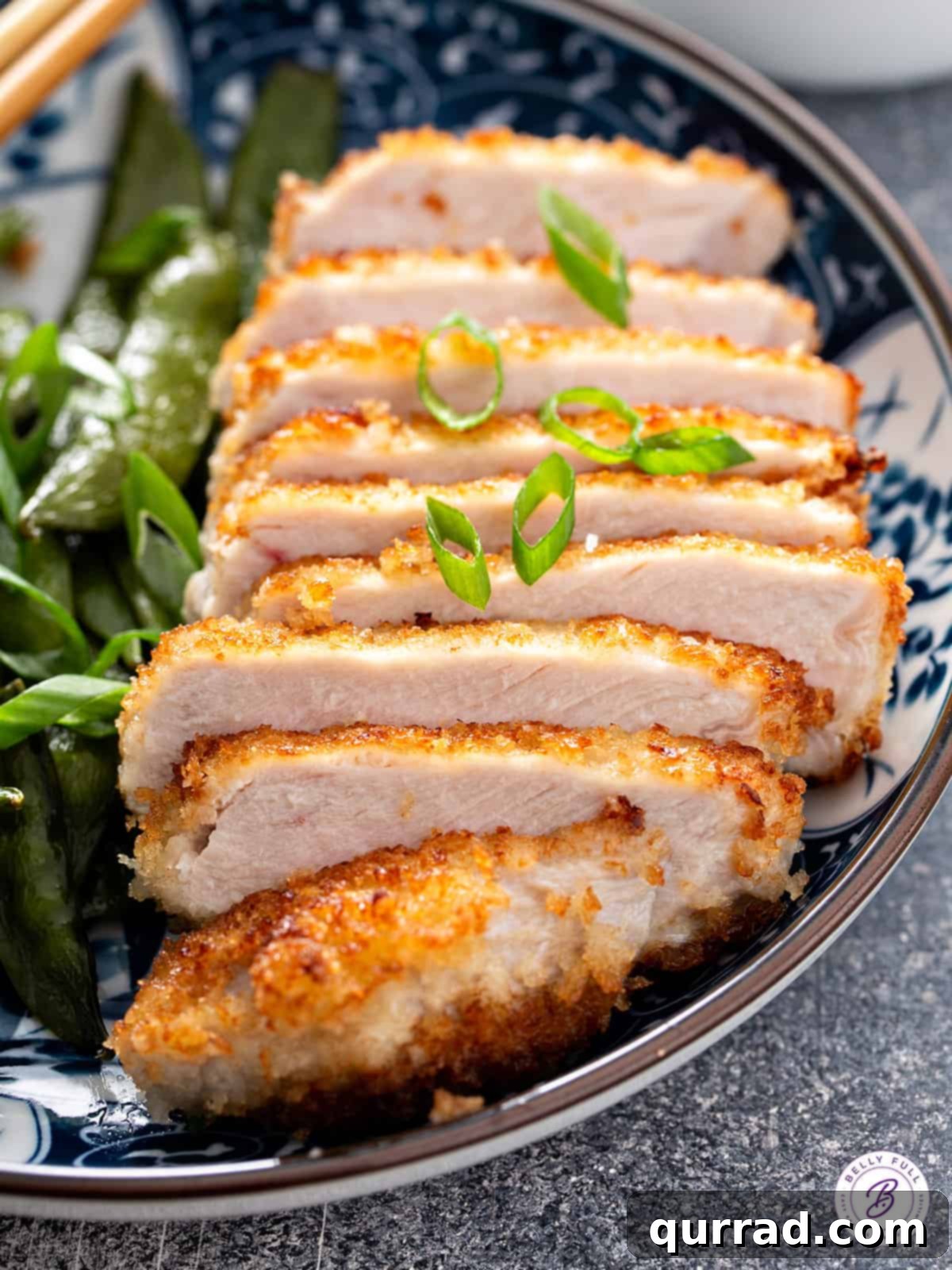
Serving Suggestions for Pan-Fried Tonkatsu
Pan-Fried Tonkatsu is a versatile dish that pairs wonderfully with a variety of sides, creating a complete and satisfying meal. While traditionally served with a rich katsu sauce, our wasabi-ginger soy dipping sauce offers a fresh and zesty alternative. Here’s how to round out your Tonkatsu experience:
- Traditional Katsu Sauce: If you’re craving the classic experience, Tonkatsu is often enjoyed with a thick, savory-sweet katsu sauce. This sauce typically combines ingredients like ketchup, Worcestershire sauce, soy sauce, mirin, sugar, and various spices. You can find a detailed recipe for traditional katsu sauce in our Chicken Katsu recipe.
- Our Signature Wasabi-Ginger Soy Sauce: As highlighted in this recipe, our homemade dipping sauce provides a fantastic complement to the crispy pork. Its vibrant and savory notes cut through the richness of the pork, creating a balanced flavor profile.
- Roasted Sugar Snap Peas: We highly recommend serving this panko pork with crisp roasted snap peas. Their natural sweetness and slight crunch offer a perfect textural and flavor contrast.
- Other Green Vegetables: Beyond snap peas, any sautéed or roasted green vegetable, such as broccoli, asparagus, or green beans, would be an excellent accompaniment. Glazed carrots also add a touch of sweetness and color to the plate.
- Cooked White Rice: A staple in Japanese meals, a simple bowl of fluffy white rice is perfect for soaking up any extra sauce and balancing the flavors of the Tonkatsu.
- Cool Cucumber Salad: For a refreshing counterpoint, a crisp and cool cucumber salad can add a lovely freshness and tang that cleanses the palate.
- Hearty Soups: Enhance your meal with a warm bowl of miso soup, offering savory depth, or a comforting wonton soup for an extra layer of flavor and nourishment.
Experiment with these pairings to find your favorite combination, transforming your Pan-Fried Tonkatsu into a truly memorable dining experience.
Frequently Asked Questions About Tonkatsu
Curious about Tonkatsu? Here are some common questions to help you better understand this delicious dish and our pan-fried version.
- What is Tonkatsu? Tonkatsu is a Japanese dish consisting of a breaded, deep-fried pork cutlet, typically served with shredded cabbage and a savory sauce. Our recipe offers a pan-fried alternative to the deep-frying method.
- What kind of pork is best for Tonkatsu? Boneless, center-cut pork loin chops are ideal. They are tender and cook quickly, perfect for both deep-frying and pan-frying. Ensure they are sliced about 1/2-inch thick for consistent results.
- Can I use regular breadcrumbs instead of Panko? While you technically *can*, it’s highly recommended to use Panko breadcrumbs. Panko creates a much lighter, crispier, and airier crust, which is a hallmark of authentic Tonkatsu. Regular breadcrumbs tend to be denser and absorb more oil.
- Is pan-fried Tonkatsu as crispy as deep-fried? While deep-frying often yields the ultimate crispness, pan-frying with Panko breadcrumbs in a sufficient amount of oil (about 1/2-inch deep) still achieves a wonderfully golden and crispy crust. The key is to ensure the oil is hot enough and not to overcrowd the pan.
- What is Wasabi? Wasabi is a Japanese horseradish known for its strong, pungent flavor. The green paste commonly served with sushi is often a blend of horseradish, mustard, and green food coloring, as real wasabi is difficult to cultivate and expensive. However, this paste still provides the desired heat and flavor for our dipping sauce.
- Can I make Tonkatsu ahead of time? Tonkatsu is best enjoyed fresh off the pan to ensure maximum crispness. However, you can prepare the pork chops by breading them a few hours in advance and refrigerating them until ready to cook. The dipping sauce can also be made a day or two ahead and stored in the refrigerator.
- How do I store and reheat leftover Tonkatsu? Store leftover Tonkatsu in an airtight container in the refrigerator for up to 2-3 days. To reheat, the best method for maintaining crispness is to place them in an air fryer or oven at 350°F (175°C) until heated through and re-crisped. Microwaving is not recommended as it will make the crust soggy.
More Delicious Pork Recipes:
- Sweet and Sour Pork
- Bacon Wrapped Pork Tenderloin
- Pulled Pork
- Slow Cooker Pork Carnitas
- Hawaiian Pork Sliders
- Moo Shu Pork
We truly hope you love this delicious and easy Pan-Fried Tonkatsu recipe. Your feedback means a lot to us, so please consider leaving a review below! For more culinary inspiration and daily recipe updates, be sure to follow Belly Full on TikTok, Facebook, Instagram, Pinterest, and YouTube!
Pan-Fried Tonkatsu
10 minutes
10 minutes
20 minutes
4
Pin
Ingredients
- 1/2 cup low-sodium chicken broth
- 3 tablespoons Saké (or dry sherry)
- 3 tablespoons low-sodium soy sauce
- 3 teaspoons granulated sugar
- 1 teaspoon wasabi paste
- 1 cup Panko bread crumbs
- 1 large egg white, , lightly beaten
- 4 (4 ounce) boneless center-cut loin pork chops, (about 1/2-inch thick)
- 2 tablespoons vegetable oil
- 1/8 teaspoon kosher salt
- 1 tablespoon finely minced fresh ginger
- 2 scallions, , diced
- Roasted snap peas, for serving
Instructions
-
In a small bowl, whisk together the chicken broth, dry sherry, soy sauce, sugar, and wasabi paste. Set aside; this will be your flavorful dipping sauce.
-
Prepare your breading station: Place the Panko breadcrumbs in one shallow dish and the lightly beaten egg white in another shallow dish. Dip each pork chop first in the egg white, ensuring it’s fully coated, then dredge it thoroughly in the Panko breadcrumbs until a thick, even crust is formed. Gently press the panko onto the pork to ensure it adheres well.
-
Heat the vegetable oil in a large nonstick skillet over medium-high heat. Once warm, swirl the oil to coat the bottom of the pan evenly. Carefully add the breaded pork chops to the skillet, ensuring not to overcrowd the pan (cook in batches if necessary). Cook until beautifully golden brown and crispy, which should take approximately 4 minutes per side. Adjust the heat as needed if they are browning too quickly or too slowly. Once cooked, transfer the pork chops to a plate lined with paper towels to drain excess oil, and immediately sprinkle with kosher salt for seasoning.
-
Reduce the heat under the skillet to medium. Add the finely minced fresh ginger to the pan and cook for about 30 seconds, stirring constantly until fragrant. Pour in the reserved chicken broth mixture, using a spatula to scrape any browned bits from the bottom of the pan – these bits add tremendous flavor to your sauce.
-
Stir in the diced scallions into the simmering sauce. Allow the sauce to gently simmer for a minute or two, letting the flavors meld.
-
To serve, slice the cooked Tonkatsu into strips and arrange on individual plates alongside roasted snap peas or your preferred side dish. Serve with the aromatic Wasabi-Ginger sauce for dipping.
NOTE: If you prefer traditional katsu sauce, you can find that recipe by visiting our Chicken Katsu guide.
Video
For a visual guide on how to prepare this delicious Pan-Fried Tonkatsu, watch our instructional video:
Watch the Pan-Fried Tonkatsu Video on YouTube
Nutrition
Carbohydrates: 17g |
Protein: 5g |
Fat: 8g |
Saturated Fat: 6g |
Cholesterol: 1mg |
Sodium: 607mg |
Potassium: 106mg |
Fiber: 1g |
Sugar: 5g |
Vitamin A: 60IU |
Vitamin C: 2mg |
Calcium: 32mg |
Iron: 1mg
Nutritional information given is an automatic calculation and can vary based on the exact products you use and any changes you make to the recipe. If these numbers are very important to you, we recommend calculating them yourself.
Did you make this? Leave a rating below!