
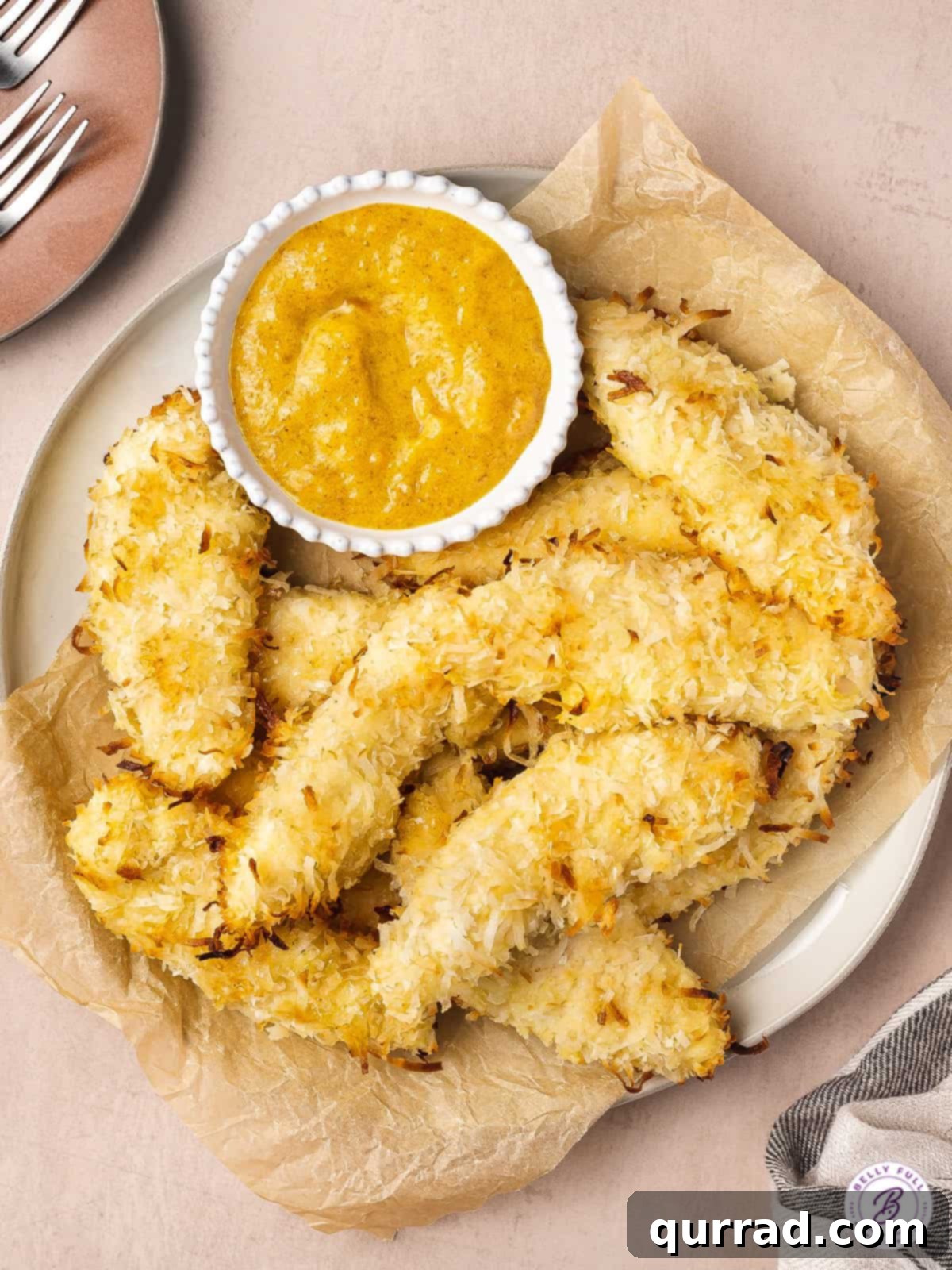
Irresistible Baked Coconut Chicken Tenders with Tangy Apricot-Dijon Sauce
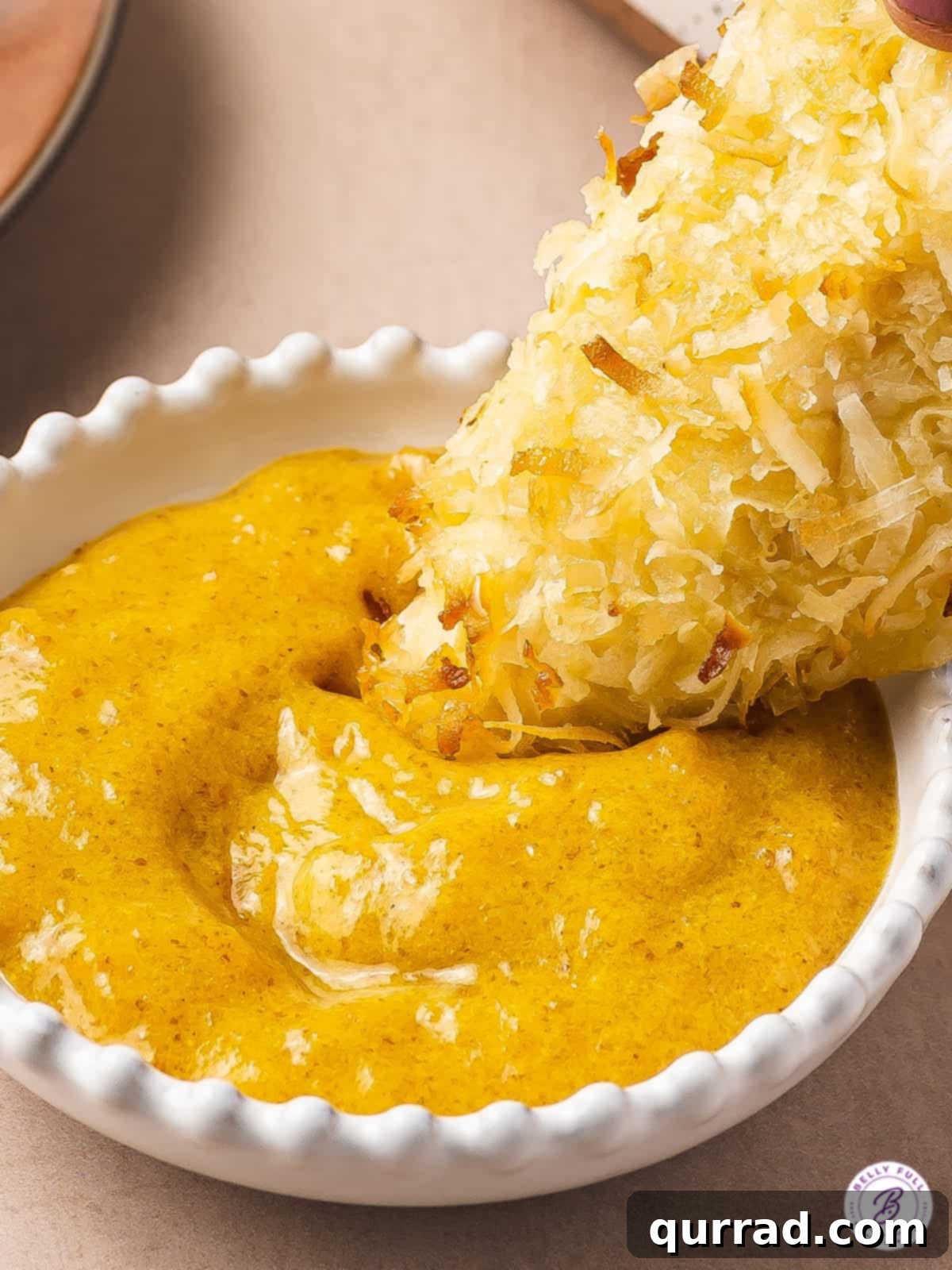
Get ready to tantalize your taste buds with our sensational Baked Coconut Chicken Tenders! Imagine succulent, perfectly cooked chicken wrapped in a golden, crispy, and subtly sweet coconut crust, served alongside a vibrant, tangy dipping sauce. This recipe isn’t just delicious; it’s a culinary journey that promises a delightful balance of textures and flavors in every single bite. Perfect for family dinners, a crowd-pleasing appetizer, or even a healthy meal prep option, these coconut chicken tenders are surprisingly simple to prepare and offer incredible versatility.
The beauty of this dish lies in its simplicity and the impressive flavor profile it delivers. Unlike their fried counterparts, these tenders are baked to perfection, ensuring a lighter meal without sacrificing that coveted crunch. Plus, they freeze exceptionally well, making them an ideal choice for busy weeknights when you need a quick, gourmet-level meal without the fuss. Prepare to fall in love with this unique take on classic chicken tenders!
Craving more amazing chicken or delightful coconut-infused dishes? Be sure to explore our other fantastic recipes, like the savory BBQ Air Fryer Chicken Tenders for a smoky twist, or the equally delicious Air Fryer Coconut Shrimp for another sweet and savory seafood option.
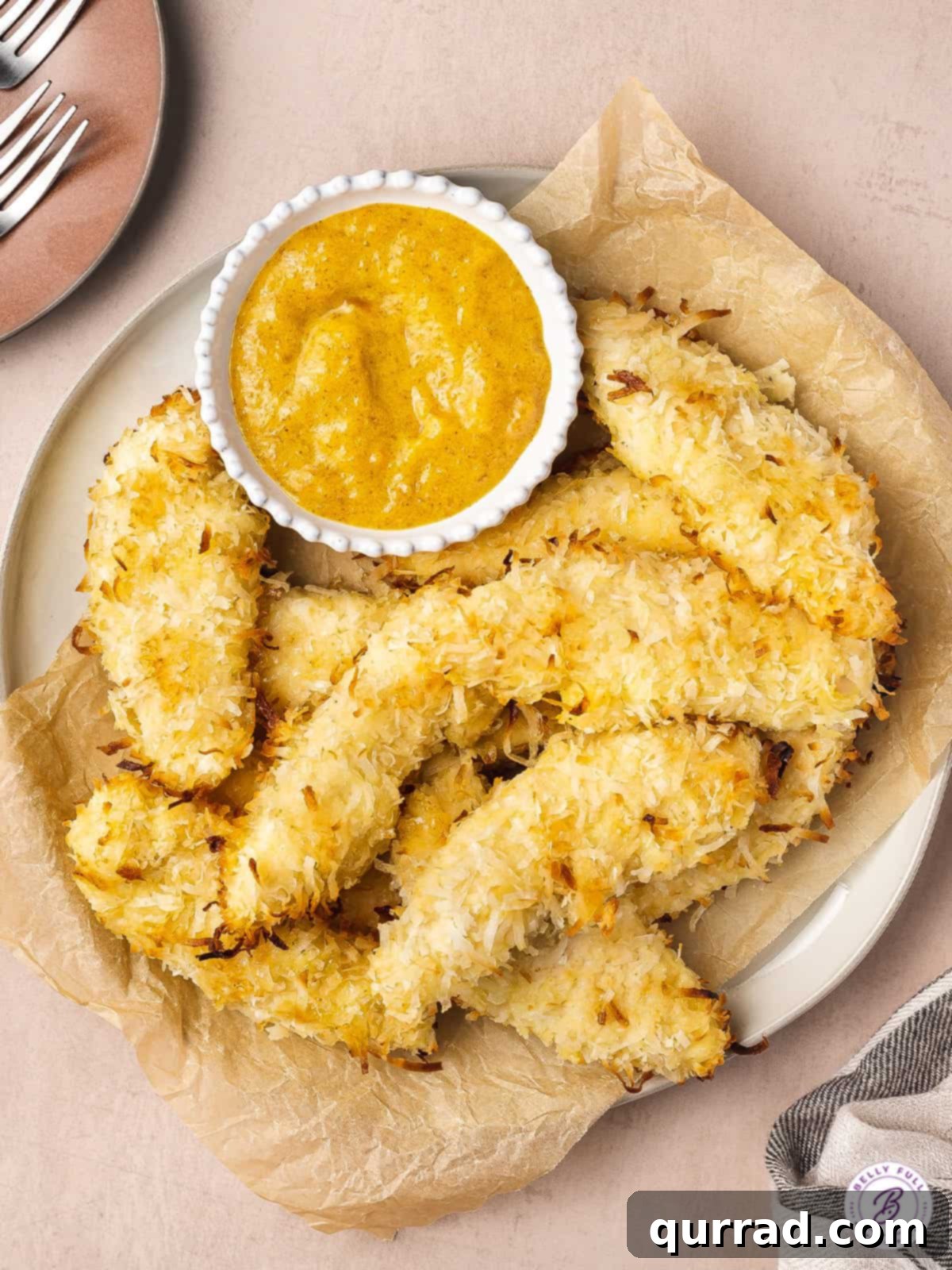
Discover the Magic of Baked Coconut Chicken Tenders
Our Baked Coconut Chicken Tenders recipe combines minimal effort with maximum flavor, offering a delightful alternative to traditional chicken preparations. The secret to their irresistible appeal lies in the sweet, crunchy exterior, achieved by a generous coating of sweetened coconut flakes, perfectly contrasted by the tender, juicy chicken within. Paired with our vibrant, tangy dipping sauce, every bite is a harmonious blend of sweet, savory, and zesty notes.
This dish stands out for its unique flavor profile, blending the tropical sweetness of coconut with the savory goodness of chicken. It’s a healthier alternative to deep-fried chicken, as baking ensures a wonderfully crispy texture without excessive oil. Furthermore, using chicken tenders, as opposed to larger chicken breasts, ensures quicker cooking times and consistent tenderness, making this an ideal meal for any day of the week. It’s a fantastic way to introduce unique flavors to your dinner table and impress your family and friends with a dish that tastes far more complicated than it actually is. Get ready to elevate your chicken game with this simple yet spectacular recipe!
Essential Ingredients for Perfect Coconut Chicken Tenders
Crafting these delectable Baked Coconut Chicken Tenders requires only a handful of readily available ingredients, many of which you likely already have in your pantry. We’ve carefully selected each component to ensure a balance of flavor and texture that makes this dish truly special. Below is a detailed breakdown of what you’ll need, along with some helpful tips for each.
- Chicken Tenders: The star of our dish! Opt for pre-packaged chicken tenders or tenderloins for convenience. These cuts are naturally thin and small, which means they cook quickly and remain incredibly tender. If you can only find boneless, skinless chicken breasts, you can easily cut them into uniform 1-inch thick strips, mimicking the tenderloin shape. This ensures even cooking and consistent tenderness across all pieces.
- Sweetened Coconut Flakes: This is where the magic happens and the dish gets its distinctive name! Sweetened coconut flakes provide that signature crunchy, sweet crust that transforms ordinary chicken into something extraordinary. Avoid unsweetened flakes, as the delicate sweetness of the coconut beautifully complements the savory chicken and provides a fantastic contrast to the tangy dipping sauce. The larger flakes give a more pronounced texture than finely shredded coconut, contributing to a more satisfying crunch.
- All-Purpose Flour: A crucial first step in our dredging process. Coating the chicken in flour first helps to create a dry, slightly rough surface, which is essential for the egg wash to adhere effectively. Beyond just adhesion, the flour also plays a role in sealing in the chicken’s natural moisture, preventing it from drying out during baking and contributing to a juicier end product.
- Key Seasonings (Garlic Powder, Kosher Salt, Black Pepper): These simple yet powerful seasonings form the aromatic base layer of flavor, enhancing the chicken itself without overpowering the delicate coconut. Garlic powder adds a foundational savory note, while kosher salt and freshly ground black pepper bring out the natural flavors of the chicken. Feel free to adjust quantities to your preference or consider adding a pinch of smoked paprika for a subtle warmth and color.
- Egg & Milk Mixture: This serves as the essential “glue” that binds the glorious coconut flakes to the chicken. A single large egg whisked with a splash of milk (any kind works, from dairy to non-dairy options) creates the perfect liquid consistency for an even and tenacious coating, ensuring every flake finds its place.
- Unsalted Butter (Melted): Drizzling melted unsalted butter over the coated tenders before they go into the oven is a simple yet revolutionary step. It’s crucial for helping the coconut flakes achieve that beautiful golden-brown color and irresistible crispiness during baking, effectively mimicking the desirable texture of frying but with a much healthier approach.
- Apricot Jam: The sweet foundation of our irresistible dipping sauce. Choose a good quality apricot jam or preserves for the best and most vibrant fruity flavor. Its natural sweetness provides a delightful counterpoint to the savory chicken and the tangy mustard, creating a complex and well-rounded sauce.
- Dijon Mustard: The tangy counterpart to the apricot jam, Dijon mustard adds a sophisticated kick, a subtle spice, and a wonderful depth to the dipping sauce. Its sharp, slightly pungent notes beautifully cut through the sweetness of the coconut and the jam, creating a perfectly balanced flavor profile that makes the sauce truly addictive.
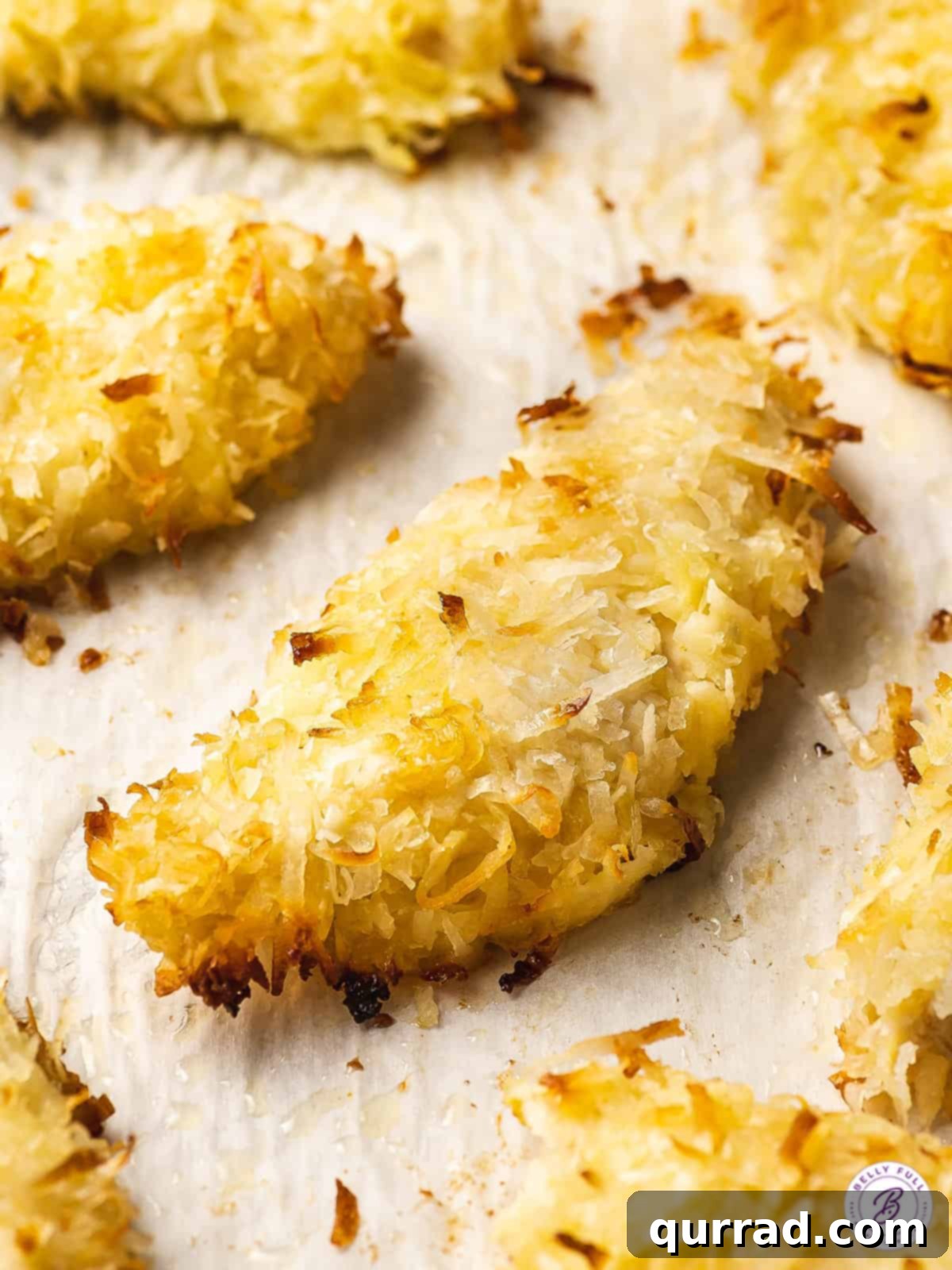
Step-by-Step Guide: How to Achieve Perfectly Baked Coconut Chicken Tenders
Creating these incredibly flavorful and crispy coconut chicken tenders is a straightforward process, even for novice cooks. Follow these simple steps to ensure your tenders turn out moist on the inside and perfectly golden and crunchy on the outside.
- Prepare Your Workspace and Preheat Oven: Begin by preheating your oven to 400°F (200°C). This ensures the oven is at the correct temperature for even cooking and crisping. Line a large baking sheet with parchment paper for easy cleanup and to prevent the tenders from sticking. Gather three shallow bowls for your dredging station – one for flour, one for egg wash, and one for coconut flakes. This organized approach makes the breading process smooth and efficient, preventing cross-contamination and mess.
- Trim and Thoroughly Pat Dry the Chicken: Carefully inspect your chicken tenders. If there are any visible bits of excess fat or silvery membrane, take a moment to trim them away; this improves both texture and presentation. The most crucial step here is to pat the chicken tenders thoroughly dry with paper towels. Excess moisture is the enemy of crispiness, as it creates steam during baking, preventing the coconut coating from browning and adhering properly. A dry surface is paramount for a successful crisp crust.
- Create the Flavorful Flour Dredge: In your first shallow bowl, whisk together the all-purpose flour with the garlic powder, kosher salt, and black pepper until well combined. This seasoned flour forms the first layer of our coating, providing a foundational flavor to the chicken and creating a receptive surface for the subsequent egg wash.
- Prepare the Egg Wash: In the second shallow bowl, lightly beat the large egg with a splash of milk (about 1-2 tablespoons). Whisk until the egg and milk are fully incorporated and slightly frothy. This mixture acts as the binding agent, ensuring the coconut flakes stick firmly and evenly to the chicken tenders.
- Set Up the Coconut Flake Station: Pour the sweetened coconut flakes into your third shallow bowl. Make sure they are spread out evenly across the bottom of the bowl to make coating each tender easier and more consistent. Having a sufficient quantity of flakes allows for a generous, complete coating.
- The Breading Process – Flour, Egg, Coconut: Begin by dredging each dry chicken tender thoroughly in the seasoned flour mixture, ensuring it’s completely coated on all sides. Gently shake off any excess flour. Next, dip the flour-coated tender into the egg wash, allowing any extra liquid to drip off briefly. Finally, transfer the tender to the bowl of coconut flakes. Press the chicken gently but firmly into the flakes, turning and pressing until it’s fully covered with a thick, even layer of coconut. The goal is a generous coating that will become wonderfully crispy. Carefully place the coated tender onto your prepared parchment-lined baking sheet, ensuring there is ample space between each piece to allow for proper air circulation and even cooking. Repeat this process for all chicken tenders.
- Drizzle with Melted Butter: Once all your chicken tenders are coated and arranged on the baking sheet, drizzle them evenly with the melted unsalted butter. This butter is crucial for developing that beautiful golden-brown color on the coconut coating and adding to the overall crispy texture as they bake, replicating the rich flavor of frying.
- Bake to Golden Perfection: Place the baking sheet with the coated chicken tenders in the preheated oven. Bake for approximately 22 minutes. Halfway through the cooking time (around 11 minutes), carefully flip each chicken tender to ensure even browning and crispiness on all sides. The tenders are done when they reach an internal temperature of 165°F (74°C) when measured with a reliable meat thermometer inserted into the thickest part of the chicken. If you notice the coconut browning too quickly at any point before the chicken is cooked through, loosely tent the baking sheet with aluminum foil to prevent burning.
- Prepare and Serve the Tangy Apricot-Dijon Dipping Sauce: While the chicken bakes, prepare the complementary dipping sauce. In a small bowl, combine the apricot jam and Dijon mustard. Whisk until smooth and well combined. This sweet and tangy sauce is the perfect complement to the rich, slightly sweet coconut flavor of the tenders. Keep the sauce in the refrigerator until ready to use. Serve immediately with your freshly baked coconut chicken tenders and savor the incredible combination!
Optimal Baking Time for Juicy Chicken Tenders
For these delightful oven-baked chicken tenders, the sweet spot for cooking is typically around 22 minutes at 400°F (200°C). This duration allows the coconut coating to crisp up beautifully while ensuring the chicken inside remains incredibly tender and juicy. Remember to gently flip the tenders halfway through the baking process – usually after about 11 minutes – to promote even browning and uniform crispiness on both sides. This ensures that both sides of the tender get direct heat exposure, contributing to that coveted all-around crispy texture.
The most reliable indicator of doneness, and a crucial aspect for food safety, is an internal temperature of 165°F (74°C). Always use a reliable instant-read meat thermometer inserted into the thickest part of the chicken tender to confirm this temperature. Relying solely on visual cues can sometimes lead to undercooked poultry or, more commonly, overcooked, dry chicken, which we want to avoid at all costs. Keep in mind that exact cooking times can vary slightly depending on the thickness and size of your specific chicken tenders, as well as the calibration and efficiency of your individual oven. Older ovens may run cooler, while newer ones might be more powerful. Always prioritize the internal temperature for food safety and optimal texture.
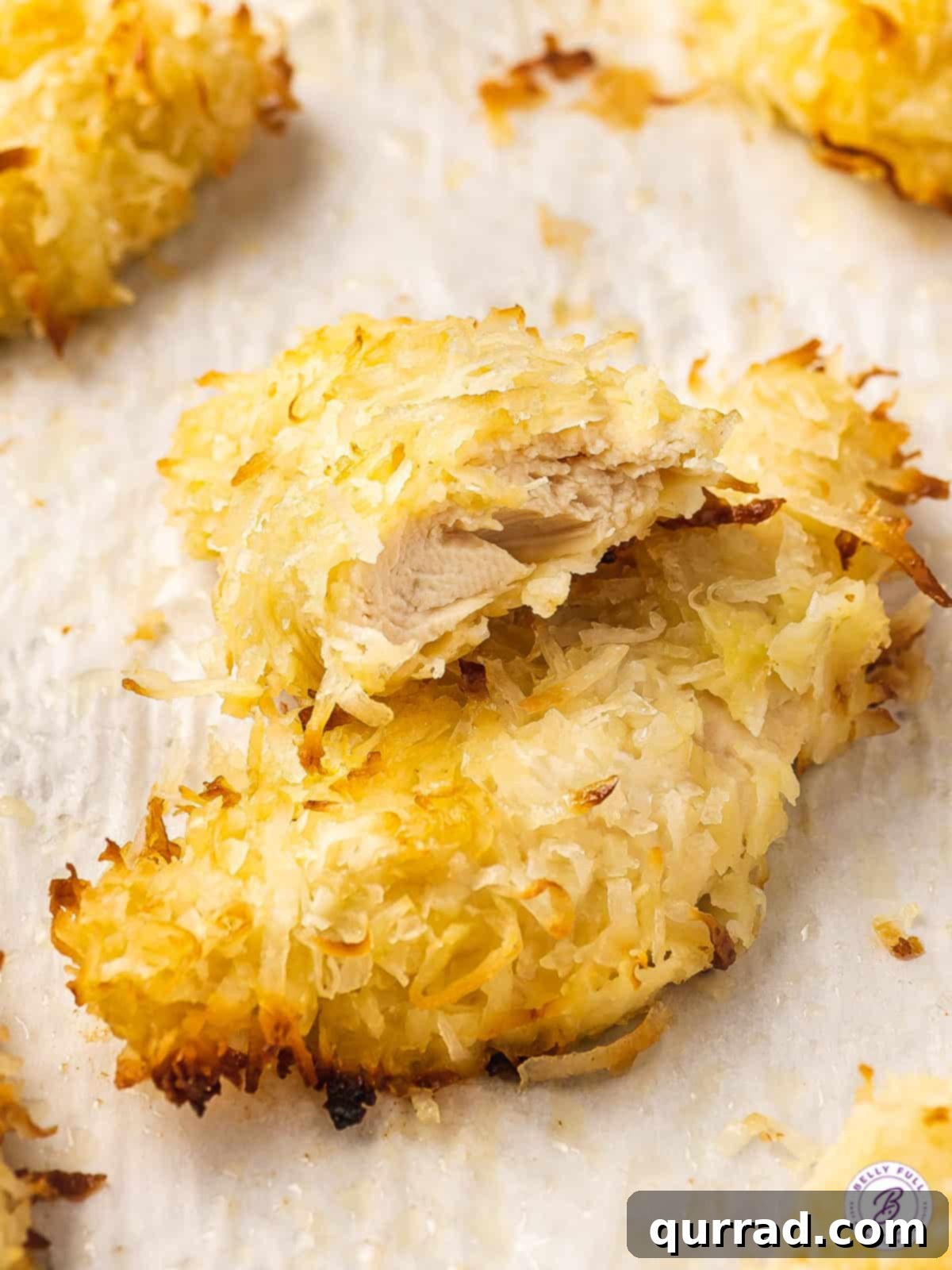
Expert Tips for Unforgettable Coconut Chicken Tenders
Achieving restaurant-quality Baked Coconut Chicken Tenders at home is easy with these insider tips and tricks. Pay attention to these details, and you’ll be rewarded with perfectly crispy, moist, and flavorful results every time.
- The Golden Rule: Pat Chicken Thoroughly Dry: This step cannot be overstated and is perhaps the most critical for a truly crispy coating. Any excess moisture on the surface of the chicken prevents the flour and subsequent coatings from adhering properly. A damp chicken surface will result in a soggy, inconsistent crust instead of a perfectly crisp one. Use paper towels generously to remove all surface moisture before beginning the dredging process.
- Master the Coconut Coating: Press Firmly: When coating the chicken tenders in the sweetened coconut flakes, don’t be shy! Gently but firmly press the chicken into the flakes. This ensures a thick, even, and complete layer of coconut that will become wonderfully crispy and golden brown in the oven. A good, robust coating means maximum flavor and textural contrast in every bite.
- Avoid Overcrowding the Baking Sheet: Resist the urge to pack too many chicken tenders onto a single baking sheet. Overcrowding inhibits proper air circulation around each piece, which can lead to steaming instead of baking. This unfortunate outcome results in soft, rather than delightfully crispy, exteriors. Always arrange tenders in a single layer with ample space between each, using two baking sheets if necessary to give them room to breathe and crisp up.
- Prevent Overcooking: Trust Your Meat Thermometer: Dry chicken is a culinary disappointment nobody wants. While visual cues are helpful, the most accurate and reliable way to ensure your chicken is perfectly cooked and juicy, yet safe to eat, is by using an instant-read meat thermometer. The ideal internal temperature for chicken is 165°F (74°C). Remove the tenders from the oven as soon as they reach this temperature; residual heat will continue to cook them slightly even after removal.
- Smart Browning Control: Tent with Foil: Sweetened coconut flakes can brown quite quickly due to their sugar content, sometimes even before the chicken inside is fully cooked. If, at the halfway point of baking (or even earlier), you notice the coconut coating is getting too dark, loosely tent the entire baking sheet with aluminum foil. This will protect the exterior from further browning while allowing the chicken to continue cooking through without scorching.
- Uniform Tender Size for Even Cooking: If your chicken tenders vary significantly in size, take a moment to cut larger ones into more uniform pieces. This simple preparation step ensures that all your tenders cook at roughly the same rate, preventing some from being undercooked while others become dry and overcooked.
- Don’t Skimp on the Sauce: While the tenders are fantastic on their own, the tangy apricot-Dijon dipping sauce truly elevates the dish to another level. Its bright, sweet, and savory notes perfectly complement the rich coconut. Make sure you have enough for everyone, as it’s a key part of the experience and often disappears quickly!
Perfect Pairings: What to Serve with Coconut Chicken Tenders
The sweet and savory profile of our Baked Coconut Chicken Tenders makes them incredibly versatile, pairing beautifully with a wide array of sides and sauces. While our signature tangy apricot and Dijon mustard sauce is a match made in heaven, don’t hesitate to experiment with other complementary flavors to suit your mood or meal.
Dipping Sauce Variations:
- Sweet Apricot-Dijon Sauce (Included): The classic choice! The fruity sweetness of apricot jam with the zesty kick of Dijon mustard perfectly cuts through the richness of the coconut, creating an irresistible balance.
- Sweet Chili Sauce: For those who enjoy a little heat and a touch of Asian-inspired flavor, a good quality sweet chili sauce provides a fantastic sweet and spicy contrast that highlights the coconut.
- Copycat Chick-fil-A Sauce: A creamy, tangy, and slightly smoky sauce that’s always a hit, especially with kids and adults alike, offering a familiar comfort.
- Honey Mustard: A perennial favorite, a simple homemade or store-bought honey mustard sauce offers a delightful sweet and tangy balance that complements chicken perfectly, providing a milder alternative to Dijon.
- Mango Chutney: For a more exotic and tropical touch, a fruit-forward mango chutney can add a delightful burst of flavor, a hint of spice, and an interesting texture to each bite.
Ideal Side Dishes:
Whether you’re planning a casual lunch, a fun appetizer spread, or a more substantial dinner, these tenders are happy to share the plate with a variety of delicious accompaniments.
- For a Quick Lunch or Appetizer:
- Crispy French Fries or Golden Onion Rings: Classic comfort food pairings that are always a hit, adding another layer of satisfying crunch.
- Air Fryer Pineapple: The natural sweetness and slight caramelization of pineapple cooked in the air fryer is an amazing tropical complement, echoing the sweet notes of the coconut.
- Coleslaw: A creamy, crunchy coleslaw adds a refreshing contrast in texture and a cool element to the meal.
- Fresh Fruit Salad: A simple side of mixed berries, melon, or grapes offers a light and refreshing counterpoint.
- For a Satisfying Dinner:
- Coconut Rice: Double down on the tropical flavors with a fragrant and slightly sweet coconut rice, creating a cohesive and flavorful meal.
- Simple Green Salad: A light, fresh salad with a vinaigrette dressing offers a healthy and refreshing balance, cutting through the richness of the chicken.
- Pineapple Cucumber Salad: A vibrant, zesty salad that brings a delightful freshness, crunch, and a hint of exotic flavor to the table.
- Roasted Sweet Potatoes or Plantains: Their natural sweetness and soft, yielding texture pair wonderfully with the crispy tenders, adding a wholesome side.
- Steamed Green Beans or Asparagus: Simple, healthy vegetable options that don’t compete with the main dish, seasoned lightly with salt and pepper.
- Quinoa Salad: A protein-rich and flavorful quinoa salad with fresh herbs and a lemon dressing can offer a complete and nutritious meal.
Storage and Reheating Tips for Leftover Coconut Chicken Tenders
One of the many benefits of these Baked Coconut Chicken Tenders is how well they store and reheat, making them perfect for meal prep or enjoying delicious leftovers. Follow these guidelines to maintain their incredible flavor and texture, ensuring you can enjoy them long after they’re initially baked.
- Refrigerator Storage: Allow any cooked leftover chicken tenders to cool completely to room temperature (within two hours of cooking) before storing. Transfer them to an airtight container to prevent them from absorbing other fridge odors and to keep them fresh. Stored properly in the refrigerator, they will maintain their quality and freshness for up to 3 days.
- Freezer Storage for Longer Enjoyment: These tenders are an excellent candidate for freezing, offering a convenient future meal option for busy days.
- Cool Completely: Ensure the cooked tenders are entirely cooled before freezing; never freeze warm food as it can affect quality and food safety.
- Flash Freeze: To prevent the tenders from sticking together in one large block, arrange the cooled tenders in a single layer on a baking sheet. Place this baking sheet in the freezer for about 2-3 hours, or until the tenders are solid. This “flash freezing” step ensures they remain individual pieces.
- Transfer to Freezer Bag: Once flash-frozen, transfer the solid tenders to a heavy-duty freezer-safe ziploc bag or an airtight freezer container. Make sure to remove as much air as possible from the bag to prevent freezer burn, which can compromise taste and texture.
- Storage Duration: They will keep beautifully in the freezer for up to 2 months. Label the bag with the date to keep track.
- Thawing: For best results and more even reheating, always thaw frozen tenders overnight in the refrigerator before proceeding to reheat them.
- Reheating for Optimal Crispiness: To bring your leftover tenders back to their crispy glory, avoid the microwave if possible, as it will soften the coating and make it chewy rather than crisp.
- Oven Method: Preheat your oven to 400°F (200°C). Arrange the thawed (or even frozen, adding a few extra minutes to cooking time) tenders in a single layer on a baking sheet. Reheat for about 8-12 minutes for thawed tenders (15-20 minutes for frozen), flipping halfway through, until thoroughly heated through and the coating has regained its crispness.
- Air Fryer Method: For even quicker crisping, place thawed tenders in a single layer in your air fryer basket, ensuring not to overcrowd it. Cook at 350°F (175°C) for approximately 4-6 minutes, shaking the basket halfway through, until heated through and crisp. For frozen tenders, increase cooking time to about 8-10 minutes.
- Microwave (Least Recommended): If time is truly of the essence and crispness isn’t your top priority, you can reheat in the microwave for 1-2 minutes until warm. However, be aware that the coconut coating will lose its characteristic crispness and become softer.
Explore More Delightful Chicken Recipes
If you’re a fan of versatile and delicious chicken dishes, you’re in the right place! Our recipe collection features a wide variety of chicken preparations to inspire your next meal. From quick weeknight solutions to impressive family feasts, there’s something for every palate. Don’t miss these other fan favorites from our kitchen:
- Crispy Air Fryer Chicken Nuggets: A healthier, incredibly crispy take on a classic kid-friendly (and adult-approved) favorite, perfect for quick meals.
- Perfectly Baked Chicken Breast: Learn the secrets to cooking simple, succulent, and endlessly adaptable chicken breasts that are never dry.
- Effortless Crockpot BBQ Chicken: Tender, flavorful BBQ chicken made easy in your slow cooker, ideal for sandwiches, salads, or main courses.
- Comforting Crockpot Chicken and Stuffing: A hearty and comforting one-pot meal that requires minimal fuss, bringing classic flavors to your table.
- Zesty Salsa Verde Chicken: Baked chicken infused with bright, tangy salsa verde, offering a burst of Mexican-inspired flavor in every bite.
- Creamy Chicken Alfredo: A classic Italian-American dish that’s rich, decadent, and satisfying, perfect for a special dinner.
We truly hope you adore this incredibly delicious and surprisingly simple recipe for Baked Coconut Chicken Tenders! Your feedback means the world to us, so please don’t hesitate to leave a review and share your cooking experience below. We love hearing from our community and seeing your culinary creations!
For more mouth-watering recipes, cooking tips, and culinary inspiration, make sure to follow Belly Full across our social media channels. Join our growing community on TikTok, Facebook, Instagram, Pinterest, and YouTube. Happy cooking!
Baked Coconut Chicken Tenders Recipe Card
Here’s a condensed, easy-to-follow version of our delicious Baked Coconut Chicken Tenders recipe for your convenience!
Rating: 5 out of 5 stars (based on 9 reviews)
Prep Time: 15 minutes
Cook Time: 22 minutes
Total Time: 37 minutes
Yields: 6 servings
Summary: Moist and tender chicken, surrounded by a crispy sweet shell of coconut, and then dipped into a tangy apricot-Dijon sauce. This recipe is completely delicious, incredibly easy to make, and freezes well for a convenient future meal!
Ingredients
- 1/2 cup all-purpose flour
- 1 teaspoon garlic powder
- 1 teaspoon kosher salt
- 1/2 teaspoon black pepper
- 1 large egg
- 1-2 tablespoons milk (any kind)
- 2 1/2 cups sweetened coconut flakes
- 1 3/4 pounds chicken tenders, patted very dry
- 1/4 cup unsalted butter, melted
- 1/2 cup apricot jam (for dipping sauce)
- 2 tablespoons Dijon mustard (for dipping sauce)
Instructions
- Preheat your oven to 400°F (200°C). Line a large baking sheet with parchment paper; set aside.
- In a medium shallow bowl, whisk together the flour, garlic powder, kosher salt, and black pepper.
- In a second medium bowl, beat together the egg and milk to create the egg wash.
- Place the sweetened coconut flakes in a third shallow bowl, spreading them out.
- Dredge each chicken tender first in the seasoned flour (shaking off excess), then dip into the egg wash (letting excess drip off), and finally coat thoroughly in the coconut flakes, pressing gently to ensure adherence. Place coated tenders on the prepared baking sheet, ensuring they are in a single layer with space between each piece. Repeat for all tenders.
- Drizzle the melted unsalted butter evenly over all the coated chicken tenders.
- Bake for approximately 22 minutes, or until the internal temperature of the chicken reaches 165°F (74°C). Flip the tenders halfway through cooking time to ensure even browning. If coconut starts browning too quickly, loosely tent the baking sheet with aluminum foil.
- While the chicken bakes, prepare the dipping sauce by mixing the apricot jam and Dijon mustard together in a small bowl until smooth and well combined. Keep refrigerated until ready to serve.
- Serve the hot, crispy Baked Coconut Chicken Tenders immediately with the tangy apricot-Dijon dipping sauce and enjoy!
Recipe Notes
- Chicken Selection: For best results, use actual chicken tenders or cut chicken breasts into uniform strips. Tenders cook more quickly and evenly due to their smaller size and consistent thickness.
- Don’t Skip Patting Dry: A very dry chicken surface is absolutely crucial for the flour and coconut coating to adhere properly and for achieving maximum crispiness in the final product.
- Internal Temperature: Always use an instant-read meat thermometer to confirm the chicken reaches a safe internal temperature of 165°F (74°C). This ensures both food safety and that your chicken remains juicy and tender, avoiding overcooking.
- Even Baking: Ensure chicken tenders are arranged in a single layer with space between them on the baking sheet to allow for proper air circulation and even crisping. If necessary, use two baking sheets.
Nutrition Information (per serving)
Please note: Nutritional information provided is an estimate based on standard ingredient calculations and can vary based on specific product brands, exact measurements, and any substitutions or changes you make to the recipe. If precise nutritional values are essential for your dietary needs, we recommend calculating them yourself using your specific ingredients.
- Calories: 483kcal
- Carbohydrates: 40g
- Protein: 32g
- Fat: 22g
- Saturated Fat: 15g
- Polyunsaturated Fat: 1g
- Monounsaturated Fat: 4g
- Trans Fat: 0.3g
- Cholesterol: 136mg
- Sodium: 618mg
- Potassium: 673mg
- Fiber: 4g
- Sugar: 22g
- Vitamin A: 366IU
- Vitamin C: 3mg
- Calcium: 27mg
- Iron: 2mg