
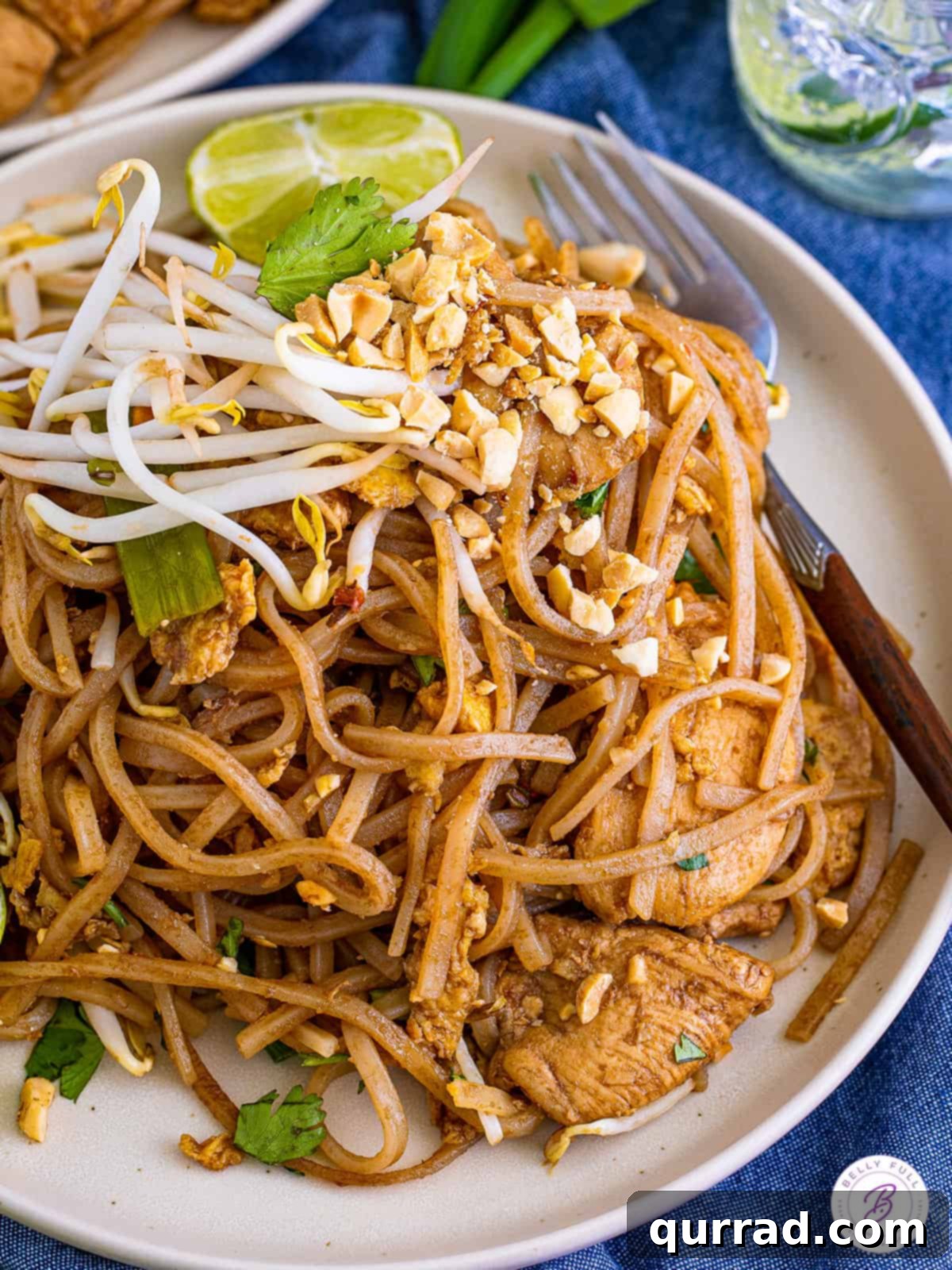
Imagine savoring the vibrant, complex flavors of your favorite Thai restaurant from the comfort of your own home. With this authentic Chicken Pad Thai recipe, that dream becomes a delicious reality. This globally cherished dish, known for its perfect harmony of sweet, savory, and tangy notes, is surprisingly simple to master. It’s an ideal choice for a fantastic, easy weeknight meal that tastes like you spent hours in the kitchen.
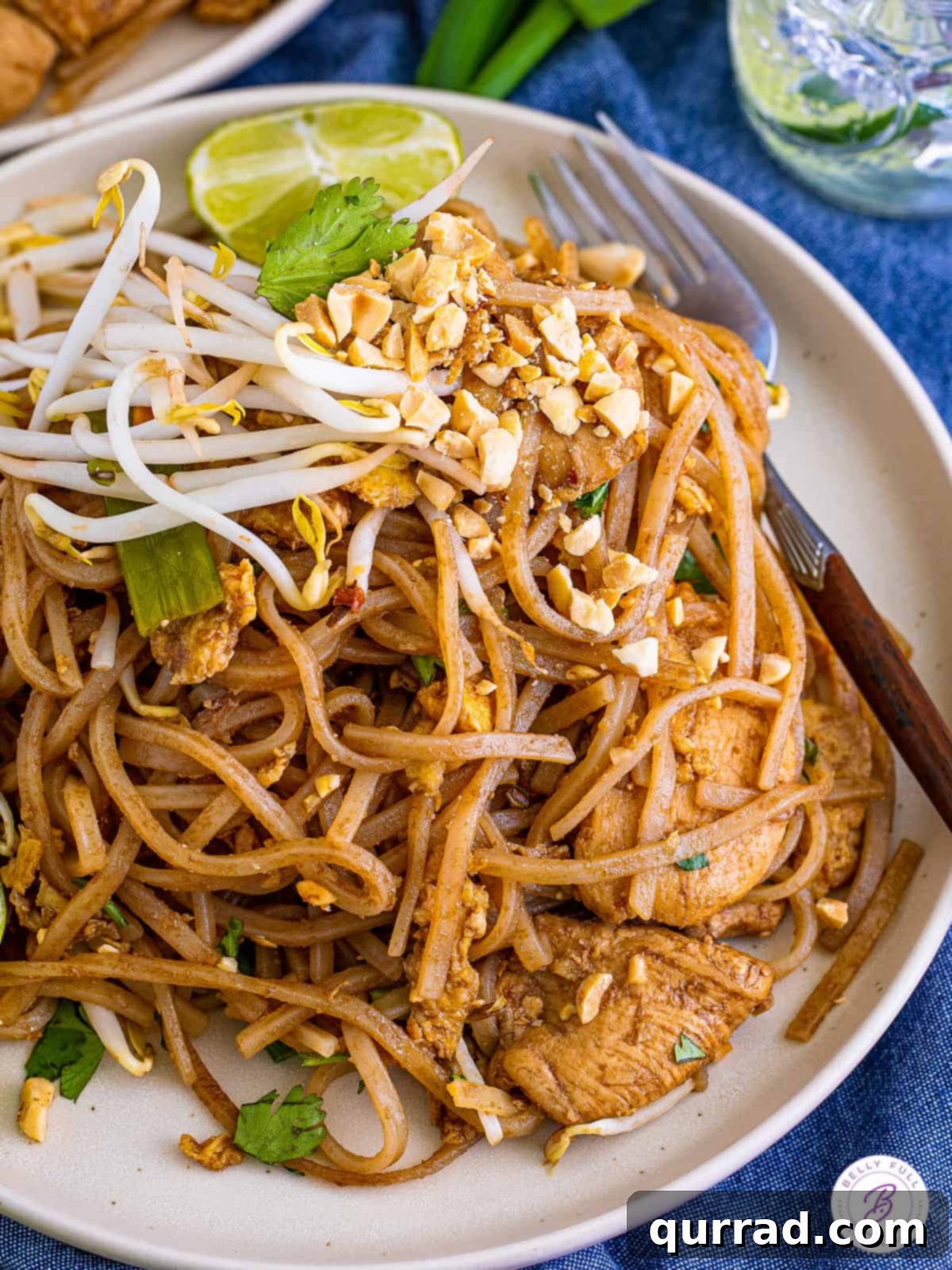
Authentic Chicken Pad Thai Recipe: Bring Thailand’s Favorite Dish to Your Table
The name “Pad Thai” literally translates to “Thai stir-fry,” a fitting description for a dish that has become synonymous with Thai cuisine worldwide. This iconic noodle dish gained national prominence in Thailand during the 1930s and has since evolved into a beloved staple, celebrated for its intricate balance of flavors and textures. It typically features thin, flat rice noodles stir-fried with eggs, a choice of protein, fresh vegetables, and a distinctive sauce that combines the fundamental tastes of Thai cooking: sweet, sour, salty, and often a touch of spicy.
Whether you are a seasoned admirer of Thai food or venturing into its culinary landscape for the very first time, this Chicken Pad Thai recipe is guaranteed to impress. We’ve streamlined the cooking process to be quick and straightforward, a welcome departure from many complex recipes that can seem daunting. While prioritizing authentic flavors, we’ve also ensured that all the necessary ingredients are readily available at most local supermarkets or Asian grocery stores, making your culinary adventure both authentic and convenient.
This recipe provides a complete and satisfying meal, featuring tender chicken breast, delicate rice noodles, and crisp, fresh vegetables. The magic truly happens with the sauce – a harmonious blend of fish sauce, tamarind paste, and palm sugar. This creates a deep umami flavor profile that perfectly balances savory richness with a subtle sweetness and a refreshing tang. Unlike some restaurant versions that can be overly saccharine, our recipe aims for a balanced sweetness, which you can easily adjust to your personal preference by adding more sugar if desired.
The Advantages of Making Homemade Pad Thai
Preparing Chicken Pad Thai from scratch at home offers a multitude of benefits that extend beyond just saving money. When you cook at home, you have absolute control over the quality of your ingredients. You can opt for fresh, organic chicken, vibrant seasonal vegetables, and select high-quality sauces, ensuring a meal that is both delicious and wholesome. This control also allows for complete customization: adjust the spice level to your liking, modify the sweetness, or swap out the protein and vegetables to suit dietary needs or personal preferences.
Beyond the practical advantages, there’s immense satisfaction in crafting a beloved dish with your own hands. The delightful aromas of garlic, chicken, and the rich Pad Thai sauce filling your kitchen create an anticipation that elevates the dining experience. It transforms a simple meal into an engaging and rewarding activity, making your culinary efforts truly worthwhile. Plus, it’s a wonderful way to explore international flavors and expand your cooking repertoire.
Key Ingredients for an Authentic Flavor Profile
Achieving the true taste of authentic Pad Thai relies on a few specific ingredients. While some might seem exotic, they are fundamental to the dish’s unique character and are generally accessible.
The Foundation: Rice Noodles
The ideal choice for Pad Thai is flat, medium-width rice stick noodles. These noodles offer the perfect texture when properly prepared. While the original recipe mentions vermicelli rice noodles, which are much thinner, they can also be used if medium-width noodles aren’t available, but be mindful of their delicate nature. The secret to perfect noodles is proper hydration, not boiling. Soak them in warm water until they are pliable but still firm to the touch (al dente). Immediately rinsing them with cold water after soaking is crucial to stop the cooking process and prevent them from clumping together, ensuring they are ready for the stir-fry.
The Soul of the Dish: Pad Thai Sauce
The Pad Thai sauce is where the magic truly unfolds, creating the characteristic sweet, sour, and savory symphony. Key components include:
- Palm Sugar: This provides a distinct, mellow caramel-like sweetness that is richer and less sharp than white granulated sugar. Granulated palm sugar is the easiest to work with for quick dissolution. If using hard disks, ensure they are finely shaved or chopped to help them dissolve completely.
- Fish Sauce: An absolute cornerstone of Southeast Asian cuisine. It delivers the essential umami, savory, and salty elements. Do not omit this ingredient, as its pungent aroma transforms into a deep, irresistible flavor once cooked.
- Tamarind Paste: This is the source of Pad Thai’s signature tang and sourness. Look for seedless tamarind paste or concentrate in Asian markets or the international aisle of larger supermarkets. If you only find tamarind pulp, you’ll need to rehydrate it and strain out the seeds and fibers to get the concentrated juice.
- Fresh Lime Juice: Adds a bright, zesty freshness that lifts all the other flavors in the sauce. Always use freshly squeezed for the best results.
- Low-Sodium Soy Sauce: Contributes to the overall savory depth without making the sauce excessively salty, especially when balanced with fish sauce.
- Red Pepper Flakes: Used to introduce a subtle or pronounced heat, depending on your preference. Feel free to adjust the quantity.
Fresh Proteins and Vegetables
- Chicken Breast: Thinly sliced chicken breast is a popular and versatile protein that cooks quickly and absorbs the sauce beautifully. As noted, shrimp, pork, beef, or even pressed extra-firm tofu are excellent substitutes, offering flexibility for various diets and tastes.
- Eggs: Scrambled eggs add a wonderful textural element, richness, and additional protein, creating those signature golden strands throughout the dish.
- Garlic: Freshly minced garlic is crucial for building an aromatic base when stir-frying, infusing the entire dish with a fragrant depth.
- Scallions (Green Onions): The green parts are typically added towards the end of cooking for a mild, fresh onion flavor and a delightful crunch.
- Bean Sprouts: These are indispensable for their crisp texture and fresh taste. Traditionally, about half are stir-fried into the dish, and the remainder are served fresh as a garnish, providing a refreshing contrast.
- Garnishes: Finely chopped peanuts offer a nutty crunch, fresh cilantro adds herbaceous brightness, and fresh lime wedges are essential for a final squeeze of citrusy tang, completing the authentic Pad Thai experience.
Chicken Pad Thai
15 mins
30 mins
45 mins
6 servings
Experience the delight of authentic Chicken Pad Thai at home. This recipe brings you a restaurant-quality meal that is sweet, savory, and bursting with incredible Thai flavors, making it a fantastic and easy choice for any occasion.
Ingredients
For the Pad Thai Sauce
- 1 cup palm sugar (see notes for alternatives)
- 1/3 cup fish sauce (essential for authentic flavor)
- 3 tbsp tamarind paste (or tamarind concentrate)
- 2 tbsp fresh lime juice, freshly squeezed
- 1 tbsp low-sodium soy sauce
- ¼ tsp red pepper flakes (adjust to your preferred spice level)
For the Chicken Pad Thai Noodles
- 14 oz. flat rice noodles (medium width are ideal, but vermicelli works)
- 2 tbsp vegetable oil, divided (or peanut oil for flavor)
- 1 lb. boneless, skinless chicken breast, thinly sliced into bite-sized pieces (feel free to substitute with shrimp, pork, beef, or tofu)
- 4 cloves garlic, minced
- 4 large eggs, well beaten
- 4 scallions, green part only, cut into 1-inch pieces
- 2 cups fresh bean sprouts, divided (half for cooking, half for garnish)
- Fresh chopped cilantro, for garnish
- Finely chopped roasted peanuts, for garnish
- Lime wedges, for garnish
Instructions
-
Prepare the Pad Thai Sauce: In a large jar with a lid, combine the palm sugar, fish sauce, tamarind paste, lime juice, low-sodium soy sauce, and red pepper flakes. Secure the lid and shake vigorously until all ingredients are thoroughly mixed and the palm sugar has fully dissolved. If using a bowl, whisk thoroughly until smooth. Set the sauce aside.
-
Cook the Rice Noodles: Follow the package instructions for your chosen rice noodles. Typically, this involves soaking them in warm water until they are tender yet still slightly firm (al dente). Immediately drain the noodles in a colander and rinse them generously with cold water. This step is crucial to prevent them from sticking and to stop the cooking process. Set aside.
-
Cook the Chicken: Heat a large wok (a 14-inch wok is recommended for best results) or a very large, heavy-bottomed skillet over medium-high heat. Add 1 tablespoon of vegetable oil. Once the oil is hot and shimmering, add the thinly sliced chicken. Stir-fry for 6 to 8 minutes, or until the chicken is almost cooked through and lightly browned. Transfer the cooked chicken to a clean plate and set aside.
-
Sauté Garlic: Wipe out the wok if needed to remove any small burnt bits. Add the remaining 1 tablespoon of vegetable oil. Once hot, add the minced garlic and sauté for about 20 seconds, until it becomes fragrant but is not browned or burnt.
-
Scramble Eggs: Pour the well-beaten eggs into the hot wok. Stir them gently, scrambling until they are just set and cooked through. Break them into smaller pieces with your spatula as they cook.
-
Combine Ingredients: Return the cooked chicken to the wok with the scrambled eggs. Add the prepared rice noodles to the pan. Using tongs, gently toss and separate the noodles to ensure they don’t clump together and can evenly absorb the sauce. Mix everything thoroughly.
-
Add the Sauce: Pour the prepared Pad Thai sauce evenly over the noodle mixture in the wok. Stir continuously, ensuring that all the noodles, chicken, and eggs are perfectly coated in the rich, aromatic sauce.
-
Finish Cooking: Continue to cook the mixture over medium-high heat, stirring occasionally, for approximately 8-10 minutes. The noodles will continue to soften and absorb the delicious sauce, developing a beautiful glossy finish. Cook until about three-quarters of the sauce has been absorbed.
-
Incorporate Vegetables: Add the cut scallions (green parts) and 1 cup of fresh bean sprouts to the wok. Toss everything together for another 1-2 minutes, just until the vegetables are slightly tender-crisp, retaining some of their crunch.
-
Serve and Garnish: Remove the wok from the heat immediately. Serve the Chicken Pad Thai onto individual plates. Garnish generously with the remaining fresh bean sprouts, a sprinkle of fresh chopped cilantro, finely chopped peanuts, and a fresh lime wedge for squeezing over the top. Serve hot and enjoy!
Recipe Video Guide
For a visual step-by-step guide, watch our recipe video below. See firsthand how simple it is to achieve perfect Chicken Pad Thai in your home kitchen!
Expert Tips & Recipe Notes
- Palm Sugar Usage: While traditional Pad Thai might use hard disks of palm sugar, granulated palm sugar is far easier and quicker to dissolve. If you opt for hard disks, ensure they are finely shaved or chopped to facilitate complete dissolution within the sauce.
- Sweetness Adjustment: Our recipe delivers a balanced flavor profile, generally less sweet than many Westernized restaurant Pad Thai versions. If you prefer a sweeter dish, you can add an additional ½ cup of palm sugar, granulated white sugar, or brown sugar to the sauce. Taste and adjust to your personal preference.
- Adding More Vegetables: Pad Thai is incredibly versatile for incorporating extra vegetables. Consider adding sliced bell peppers, shredded carrots, snow peas, baby corn, sweet onions, thinly sliced zucchini, cabbage, or broccoli florets. To do so, sauté your chosen vegetables in 1 tablespoon of oil after the chicken has been removed, cooking until they are crisp-tender. Then, transfer them to the plate with the chicken and reintroduce them to the wok when you add the chicken back in.
- Perfect Noodle Texture is Key: The most common mistake is overcooking the rice noodles during the initial soaking. They should be pliable but still possess a slight chew, as they will continue to cook and soften as they absorb the sauce in the wok.
- Maintain High Heat: Remember, Pad Thai is a stir-fry! High heat is essential for developing that signature smoky “wok hei” flavor and preventing the ingredients from steaming, which can lead to soggy noodles. Ensure your wok or skillet is very hot before adding any ingredients.
- Avoid Crowding the Wok: Overcrowding the cooking surface will lower the temperature and cause ingredients to steam rather than stir-fry properly. If you are cooking a large batch or don’t have a very large wok, cook the chicken and possibly other ingredients in batches.
Nutrition Information (per serving)
Carbohydrates: 49g |
Protein: 23g |
Fat: 5g |
Saturated Fat: 2g |
Polyunsaturated Fat: 1g |
Monounsaturated Fat: 2g |
Trans Fat: 0.02g |
Cholesterol: 172mg |
Sodium: 1315mg |
Potassium: 506mg |
Fiber: 2g |
Sugar: 23g |
Vitamin A: 321IU |
Vitamin C: 9mg |
Calcium: 49mg |
Iron: 2mg
Disclaimer: Nutritional information provided is an estimated calculation based on standard ingredient values and can vary significantly depending on the exact brands, quantities, and any modifications you make to the recipe. If precise nutritional values are crucial for your dietary needs, we recommend calculating them independently using a reliable nutritional analysis tool.
Made this delightful Chicken Pad Thai? We’d love to hear from you! Please leave a rating and comment below to share your culinary experience.
How to Make Chicken Pad Thai: Visual Step-by-Step Guide
For those who benefit from visual aids, this section provides a detailed step-by-step walkthrough, complete with images, to ensure your homemade Chicken Pad Thai turns out perfectly every single time. Follow along to confidently create this Thai masterpiece.
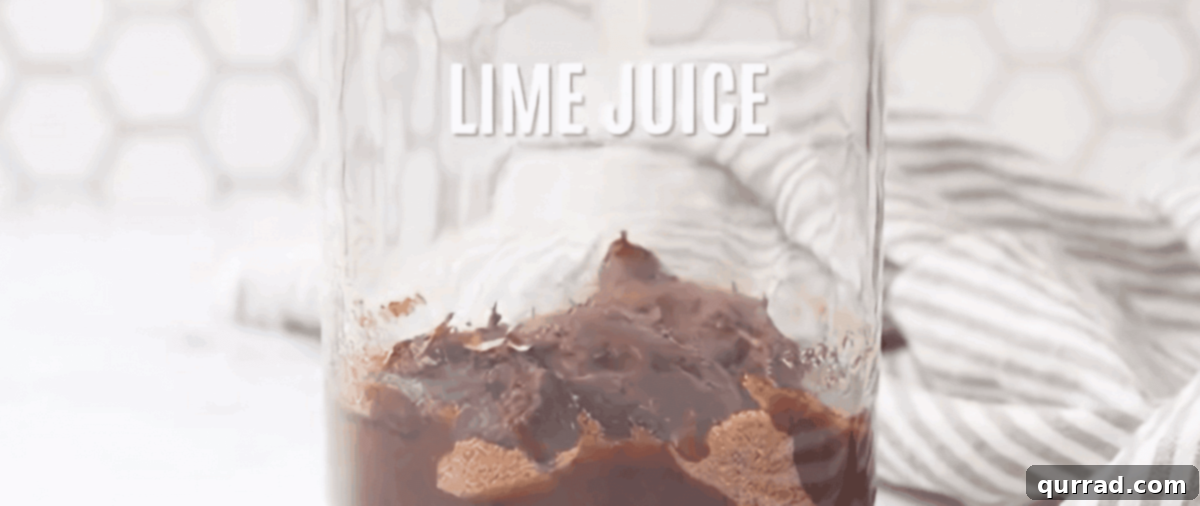
To kick off your Pad Thai journey, start by preparing the essential sauce. In a large jar equipped with a tight-fitting lid, combine 1 cup of palm sugar, 1/3 cup of fish sauce, 3 tablespoons of tamarind paste, 2 tablespoons of freshly squeezed lime juice, 1 tablespoon of low-sodium soy sauce, and ¼ teaspoon of red pepper flakes. Once all ingredients are in, secure the lid and shake vigorously for approximately 1 to 2 minutes. The goal is to achieve a smooth, well-blended sauce where the palm sugar has fully dissolved. If you prefer, a medium-sized bowl and a whisk will accomplish the same task. Set this flavorful sauce aside as you move on to the next stages of preparation.
Next, focus on preparing your rice noodles, ensuring they are cooked to perfection without becoming mushy. Carefully follow the directions provided on your noodle package. Typically, flat rice noodles are soaked in very hot, but not boiling, water until they become pliable and tender, yet still possess a slight chew (al dente). Once they reach this ideal consistency, promptly drain them in a colander and rinse them generously with cold water. This crucial rinsing step serves two purposes: it halts the cooking process, preventing overcooked, mushy noodles, and it washes away excess starch, which helps to keep the noodles from sticking together in clumps. Set your perfectly prepared noodles aside, ready for their starring role in the wok.
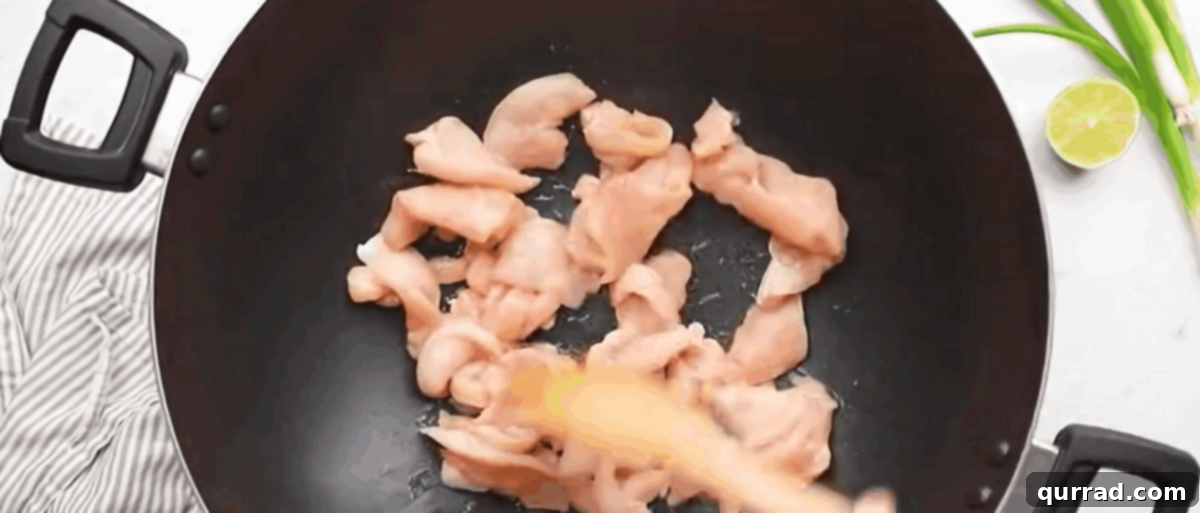
Now, it’s time to cook the protein. Place a large wok (we recommend a 14-inch wok for optimal stir-frying space) or a very large skillet over medium-high heat. Add 1 tablespoon of vegetable oil to the hot pan. Once the oil is shimmering and hot, add the 1 lb of thinly sliced chicken breast. Stir-fry the chicken for approximately 6 to 8 minutes, continuously moving it around until it is almost completely cooked through and has developed a light golden-brown sear. To avoid overcrowding the pan and ensure even cooking, you may need to cook the chicken in two batches if your wok is smaller. Once cooked, transfer the chicken to a clean plate and set it aside, preventing it from overcooking later.
After the chicken is removed, quickly wipe out any residue from the wok using a paper towel. Add the remaining 1 tablespoon of vegetable oil and bring the wok back to medium-high heat. Add the 4 cloves of minced garlic and stir-fry for about 20 seconds. Be very careful at this stage, as garlic can burn quickly and turn bitter; you just want it fragrant and lightly golden.
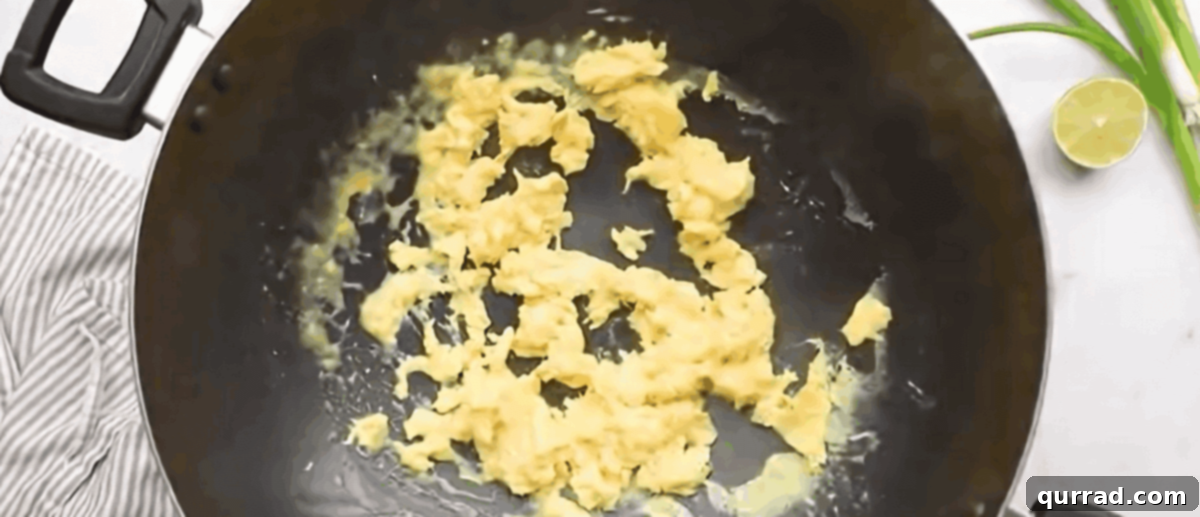
Once the garlic is fragrant, push it to one side of the wok to make space, or simply add the eggs directly into the center. Pour the 4 well-beaten large eggs into the hot wok. Using your spatula or cooking spoon, gently stir and scramble the eggs until they are just set and cooked through. Break them into smaller, bite-sized pieces as they solidify. The goal is to have tender, fluffy pieces of egg that will integrate beautifully into the Pad Thai, adding richness and texture.
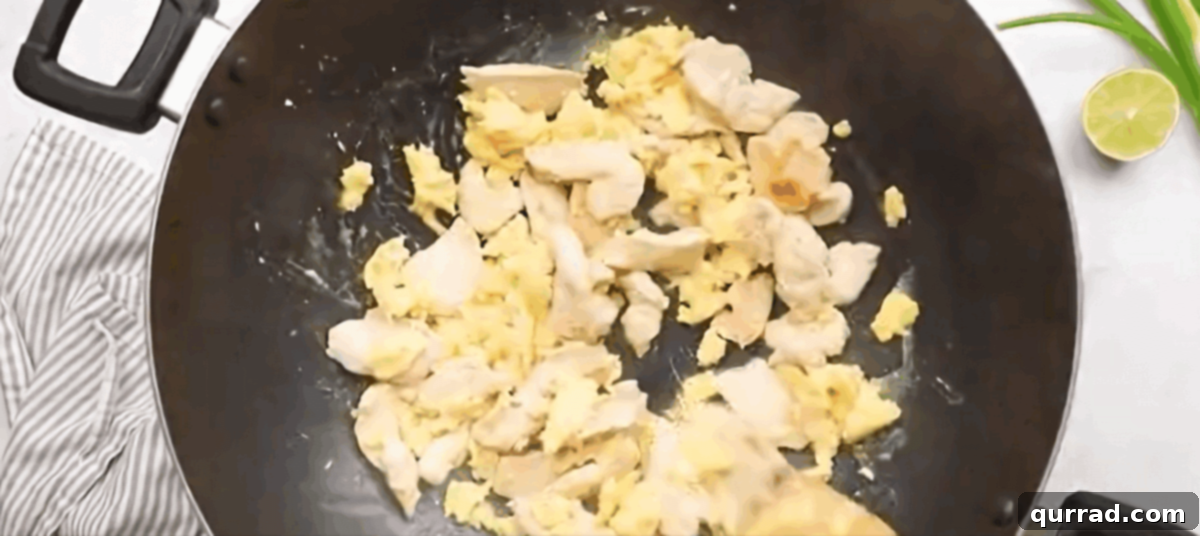
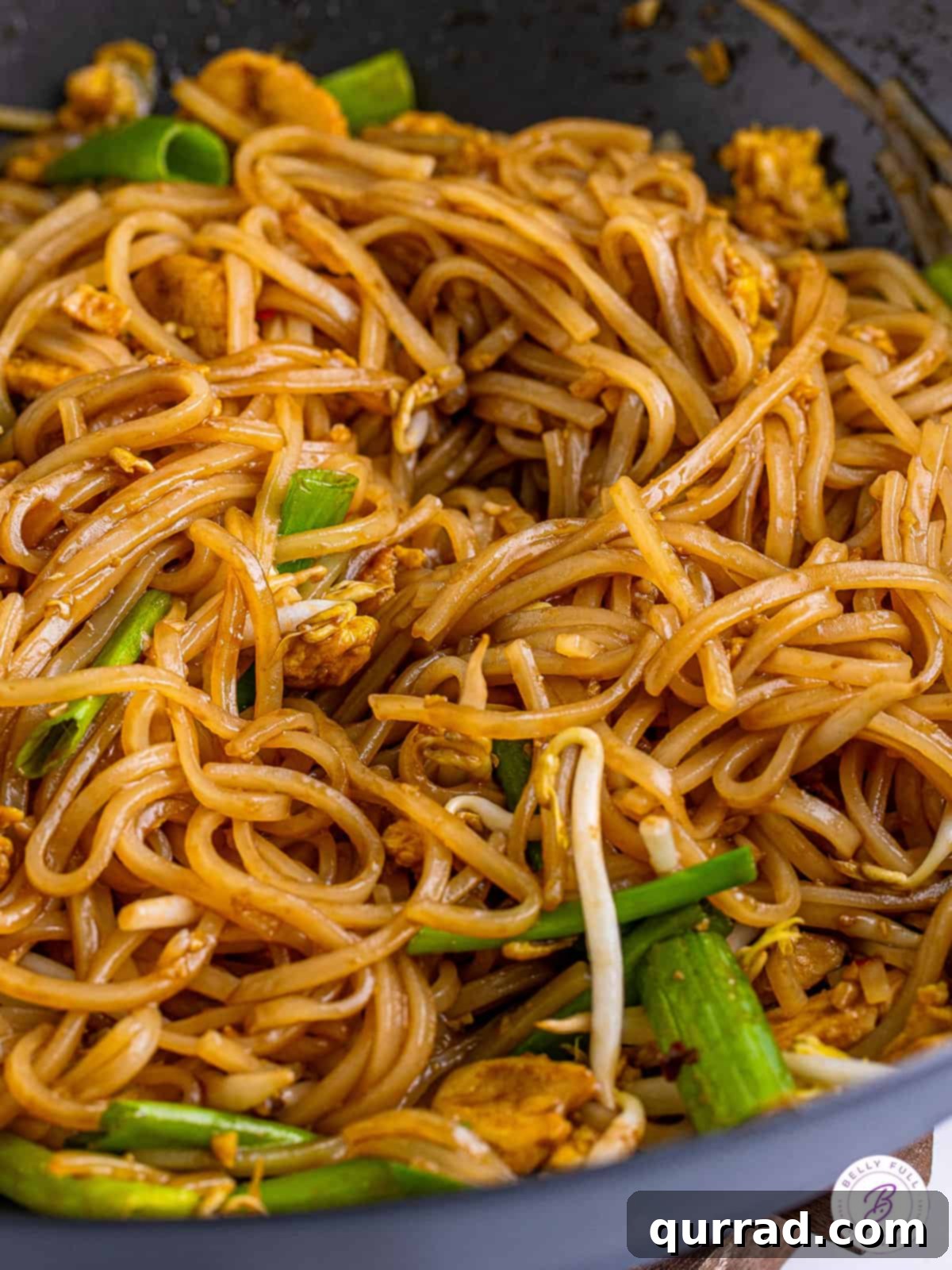
Now, bring all the main components together. Return the cooked chicken from the plate back into the wok, mixing it with the scrambled eggs. Next, add the drained and rinsed rice noodles. Using a pair of tongs, gently separate and break up any noodle clumps to ensure they are evenly distributed and ready to absorb the sauce. Pour the prepared Pad Thai sauce evenly over the entire mixture in the wok. Stir everything vigorously and continuously, ensuring that every single strand of noodle, every piece of chicken, and all the eggs are thoroughly coated in the rich, aromatic sauce. Continue to cook, stirring occasionally, for approximately 8-10 minutes. During this time, the noodles will fully soften and absorb the incredible flavors of the sauce, developing a beautiful glossy sheen. Aim for about three-quarters of the sauce to be absorbed, leaving a perfect, clinging coating on your Pad Thai.
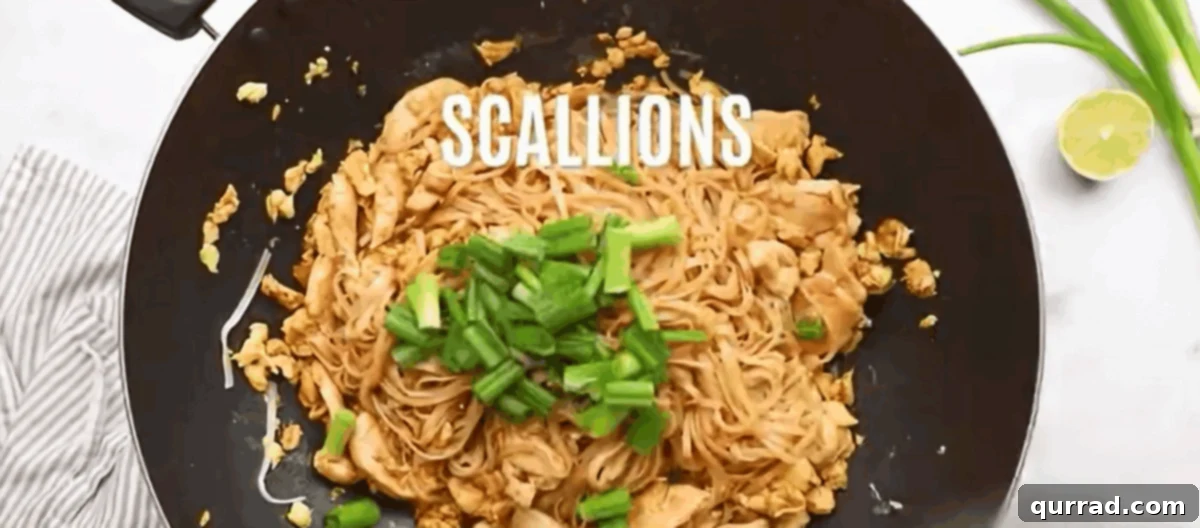
To finish, add the final fresh elements that provide crunch and color. Introduce the 4 cut scallions (using only the green parts for a milder flavor) and 1 cup of fresh bean sprouts to the wok. Give everything a final toss and stir for just another 1 to 2 minutes. The goal here is to heat the vegetables through slightly while still allowing them to retain their crisp, fresh texture. This ensures that every bite of your Pad Thai offers a delightful contrast of tender noodles and crunchy vegetables.
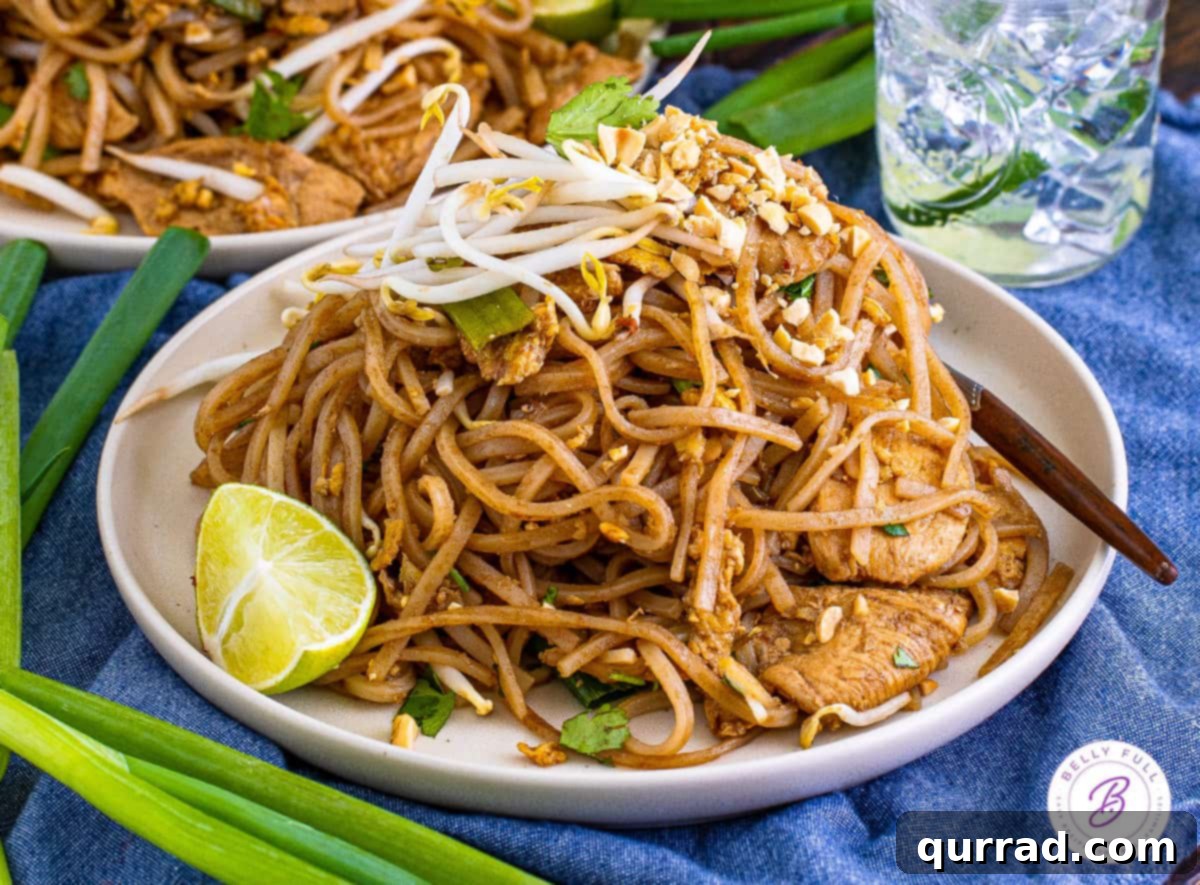
Your authentic Chicken Pad Thai is now complete and ready to be enjoyed! Serve it immediately onto individual plates or a large communal platter. For the full, traditional experience, garnish each serving generously with the remaining fresh bean sprouts, a sprinkle of fresh chopped cilantro for herbaceous notes, a handful of finely chopped roasted peanuts for added crunch and nuttiness, and fresh lime wedges. Squeeze a lime wedge over your portion for an extra burst of zesty tang that perfectly complements the dish’s rich flavors. Enjoy your homemade Thai culinary masterpiece!
How to Store and Reheat Your Delicious Chicken Pad Thai
While Chicken Pad Thai is undoubtedly at its peak when enjoyed fresh off the wok, any leftovers can still be incredibly delicious with the right storage and reheating techniques. The noodles tend to absorb the sauce quickly, so understanding how to revitalize them is key.
Refrigerating Leftovers
If you have any leftover Chicken Pad Thai, allow it to cool completely to room temperature before transferring it to an airtight container. Store it in the refrigerator for up to 3 days. Proper cooling helps prevent condensation, which can make the noodles soggy.
Reheating for Best Results
When reheating Pad Thai, you’ll likely notice that the noodles have absorbed most of the sauce, becoming a bit drier and potentially clumping. To bring them back to life:
- Microwave Method: For a quick reheat, place a single portion in a microwave-safe dish. Add a tablespoon or two of water or unsalted chicken/vegetable stock over the noodles before microwaving. Heat on medium power, stirring occasionally, until thoroughly warmed through. This added liquid helps rehydrate the noodles.
- Stovetop Method (Highly Recommended): For the absolute best results, reheat your Pad Thai in a wok or large skillet over medium heat. Add a splash of unsalted chicken or vegetable stock (about ¼ to ½ cup, depending on the amount of leftovers) to the pan. This liquid is a game-changer; it helps to loosen the noodles and refresh the absorbed sauce. Stir gently and continuously until the noodles separate, and the dish is heated through. Add more stock, a tablespoon at a time, if necessary, to reach your desired moisture and consistency. This method helps restore the noodles’ texture and moisture, making the leftovers almost as good as fresh.
Freezing Pad Thai for Later
Yes, Pad Thai can be frozen! It holds up reasonably well for longer storage. Once completely cooled, transfer your leftovers to a freezer-safe container or a heavy-duty freezer bag. It can be stored in the freezer for up to 3 months. When you’re ready to enjoy it, thaw the frozen Pad Thai overnight in the refrigerator. Once thawed, reheat it using the stovetop method described above, remembering to add a bit of chicken or vegetable stock to rehydrate and loosen the noodles. While the texture might be slightly softer than freshly made, the flavors will still be wonderfully satisfying.
What to Serve with Your Chicken Pad Thai
Chicken Pad Thai is often considered a complete and satisfying meal on its own, offering a wonderful balance of carbohydrates, protein, and vegetables. However, if you’re looking to create a more expansive Thai-inspired feast or simply desire some complementary dishes, here are some excellent suggestions:
- Appetizers: Begin your meal with a light and aromatic Thai curry soup with shrimp. Its gentle warmth and subtle spice will beautifully prepare your palate. Other great options include crispy spring rolls, fresh salad rolls, or chicken satay with peanut sauce.
- Side Salads: For a refreshing contrast to the richness of Pad Thai, consider a simple cucumber salad with a light vinaigrette. A vibrant green papaya salad (Som Tum) or a fresh mango salad would also add a delightful tart and spicy element.
- Additional Proteins: If you’re hosting a dinner party and want to offer more variety, Thai grilled shrimp with pineapple cucumber salad provides a different texture and a burst of fresh flavors that complement the noodles beautifully.
- Refreshing Drinks: To balance the flavors of Pad Thai, a cooling beverage is essential. A homemade cherry limeade offers a sweet and tart counterpoint. Traditional Thai iced tea, refreshing fresh coconut water, or even a chilled jasmine tea are also perfect for an authentic dining experience.
- Dessert: Conclude your Thai meal with a classic sweet treat such as mango sticky rice, or a refreshing scoop of coconut ice cream.
Explore More Delicious Asian Recipes
If you’ve enjoyed mastering this Chicken Pad Thai and are eager to continue your culinary exploration of Asian cuisine, we have a variety of other fantastic recipes that you might love to try:
- Homemade All-Purpose Stir Fry Sauce: A versatile base that will elevate countless stir-fry dishes.
- Comforting Miso Soup: A classic Japanese staple, perfect as a light, warming appetizer.
- Classic Egg Drop Soup: A simple, quick, and comforting Chinese soup.
- Flavorful Beef Fried Rice: A hearty and customizable one-pan meal that’s great for using leftovers.
- Quick and Easy Moo Shu Pork: A vibrant dish with tender pork and crisp vegetables, often served with Mandarin pancakes.
- Easy Shrimp Lo Mein: Another popular noodle dish, quick to prepare and packed with savory flavor.
- Spicy Peanut Noodles with Tofu: A delicious vegetarian option featuring a creamy, nutty, and slightly spicy sauce.
Frequently Asked Questions About Pad Thai
What type of noodles is best for Pad Thai?
For authentic Pad Thai, medium-width flat rice stick noodles (typically 1/4 to 3/8 inch wide) are traditionally preferred. They absorb the sauce beautifully and offer the ideal chewy texture. While vermicelli rice noodles (thinner) can be used as an alternative, they tend to be more delicate and may absorb the sauce differently, resulting in a slightly softer dish.
Where can I find specialty ingredients like tamarind paste and palm sugar?
Tamarind paste and palm sugar are crucial for achieving the signature flavor of Pad Thai. You can typically find both in the international or Asian food aisle of larger supermarkets. Specialty Asian grocery stores are also excellent sources for these and other authentic ingredients. Online retailers are another reliable option if local stores don’t carry them.
Can I adapt this Pad Thai recipe for vegetarian or vegan diets?
Yes, absolutely! To make it vegetarian, simply omit the chicken and replace it with extra-firm tofu (pressed and cubed). For a vegan version, in addition to replacing the chicken with tofu, you will need to substitute the fish sauce with a high-quality vegan fish sauce alternative (often made from seaweed and mushrooms) or use a combination of tamari/soy sauce and a dash of rice vinegar. Also, skip the eggs entirely or use a plant-based egg substitute. Ensure your palm sugar is certified vegan, as some brands may use bone char in processing.
How can I adjust the spice level of my Pad Thai?
The primary source of heat in this recipe comes from red pepper flakes. For a milder Pad Thai, simply reduce the amount of red pepper flakes or omit them entirely. If you enjoy a spicier dish, feel free to increase the quantity of red pepper flakes. You can also serve additional Thai chili flakes or Sriracha on the side, allowing each diner to customize their spice level.
My noodles are sticky, what could be the reason?
Sticky noodles are a common challenge but usually easy to remedy. This often occurs if the noodles were overcooked during the initial soaking phase or if they weren’t thoroughly rinsed with cold water afterwards. Rinsing removes excess starch, which is a major culprit for clumping. Additionally, ensure your wok or skillet is very hot and not overcrowded during the stir-frying process; overcrowding can cause ingredients to steam rather than fry, contributing to stickiness. Continuously tossing and separating the noodles with tongs throughout the stir-fry also helps prevent them from sticking together.
We genuinely hope this comprehensive guide empowers you to confidently prepare and savor your very own authentic Chicken Pad Thai at home. Enjoy the delightful process of bringing these incredible Thai flavors to life in your kitchen!