

Welcome to the ultimate guide for creating the most Irresistible Irish Soda Bread right in your kitchen! This recipe is a true gem, celebrated for its simplicity and the remarkably delicious results it yields. Imagine a bread so effortlessly made that it feels like a quick bread, yet it boasts a depth of flavor and a tender, hearty crumb that suggests you’ve spent hours perfecting it. This isn’t just any bread; it’s a comforting, slightly sweet, and immensely satisfying loaf that truly tastes like a giant, soft biscuit.
Whether you’re seeking a warm, comforting slice straight from the oven on its own or dreaming of pairing it with a generous slab of creamy butter or a unique savory onion jam, this Irish Soda Bread is destined to become a staple in your home. Its versatility makes it perfect for any meal, from a hearty breakfast to a delightful afternoon snack or a comforting side with dinner.
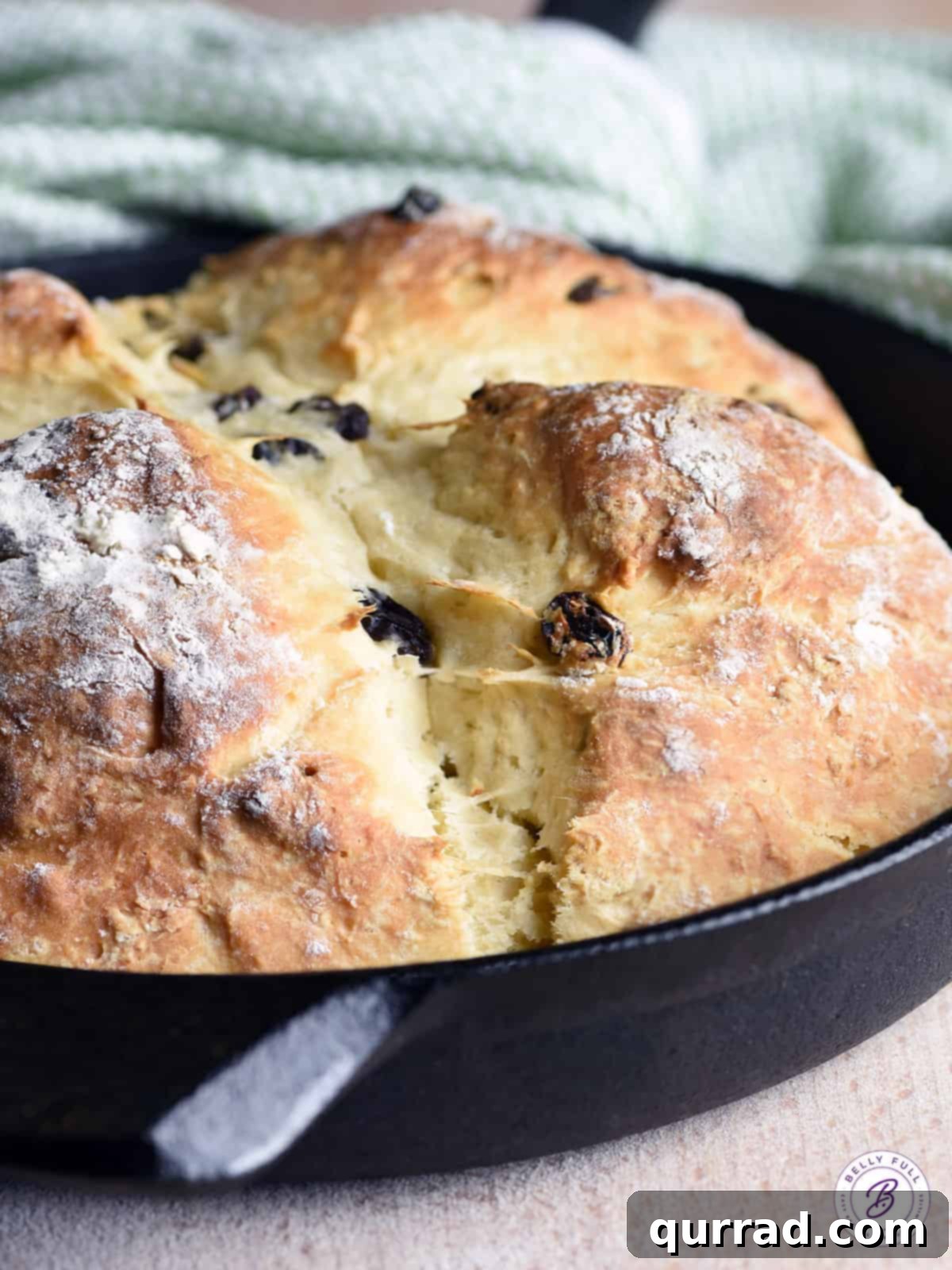
Mastering the Easy Irish Soda Bread Recipe
While I certainly appreciate the craft of a yeast bread, with its intricate kneading, proofing, and patient waiting, there’s an undeniable charm and efficiency in a recipe that skips those steps. That’s precisely where Irish Soda Bread shines. It falls into the category of “quick breads,” meaning it relies on baking soda rather than yeast for its rise, eliminating the lengthy fermentation process. This means no kneading, no waiting for the dough to rise (or punch down and rise again), and significantly less time between craving homemade bread and savoring your first warm slice.
My obsession with Irish Soda Bread stems from this very ease: simply mix the ingredients, gently shape the dough, pop it into a pan, and let the oven work its magic. The result is a loaf that’s wonderfully soft and hearty, with a subtle sweetness and a texture that evokes a gigantic, fluffy biscuit. The secret to its incredible flavor and tender crumb lies in the combination of buttermilk and raisins, which contribute a perfect balance of tanginess and sweetness. While it’s utterly delicious on its own, it’s also divine with a smear of butter or your favorite jam.
Understanding Irish Soda Bread: A Culinary History
Contrary to popular belief, what we now call “Irish Soda Bread” didn’t originate in Ireland. Its roots actually trace back to Native American culinary traditions, where a similar “soda bread” was made long before European settlers arrived. The Irish, particularly in the 19th century, adopted and popularized this bread out of necessity and practicality. At the time, wheat was not widely cultivated in Ireland, making yeast-based breads challenging to produce. Furthermore, the available flour was often soft wheat, which isn’t ideal for the extensive kneading required by yeast breads.
Baking soda, combined with sour milk (or buttermilk, which was a common byproduct of butter-making), provided a simple yet effective leavening agent. The chemical reaction between the acid in the buttermilk and the baking soda produces carbon dioxide, causing the bread to rise without any yeast. This made soda bread an accessible and economical staple for many Irish households. Its no-knead nature and quick preparation time further cemented its place in Irish cuisine, eventually earning its distinctive name and becoming a cherished symbol of Irish culinary heritage.
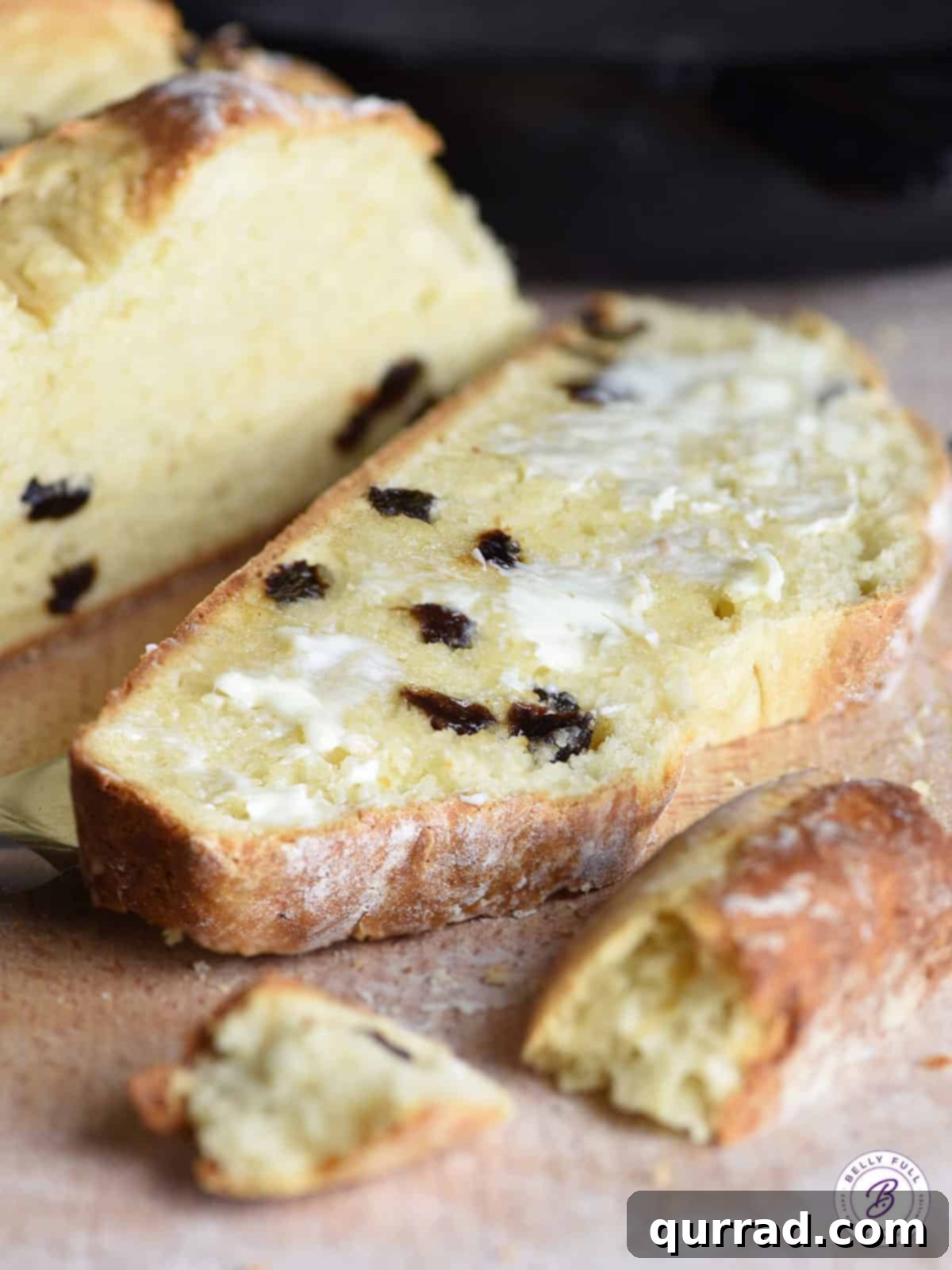
Why You’ll Adore This Easy Irish Soda Bread Recipe
If you’ve ever been intimidated by homemade bread or simply don’t have the time for lengthy baking projects, this Irish Soda Bread recipe is your perfect solution. Here’s why it stands out as an absolute must-try:
- Effortless Preparation: Say goodbye to complicated steps. This recipe comes together with minimal fuss, making it ideal for novice bakers and seasoned pros alike.
- No Yeast, No Waiting: The beauty of soda bread lies in its reliance on baking soda for leavening. This means no proofing, no multiple rises, and no hours spent waiting for your dough to cooperate.
- Incredibly Quick: From mixing bowl to a warm, fragrant loaf, this bread is ready in under an hour. It’s the perfect last-minute addition to any meal or a quick comfort food fix.
- Rich, Satisfying Flavor: Despite its simplicity, the bread boasts a rich, slightly tangy flavor from the buttermilk, complemented by a hint of sweetness and plump raisins.
- Rustic Charm: Its unpretentious, rustic appearance adds to its appeal. There’s no need for perfect shaping; the slightly tousled look is part of its charm.
- Versatile Pairing: It’s a bread that pairs wonderfully with sweet and savory toppings, making it suitable for breakfast, brunch, or dinner.
Essential Ingredients for the Best Irish Soda Bread
Crafting this delightful soda bread requires only a handful of common pantry staples. Each ingredient plays a crucial role in achieving the perfect texture and flavor profile. Below is a detailed look at what you’ll need:
- All-Purpose Flour: The foundation of our bread. It’s crucial to measure flour correctly by spooning it into your measuring cup and then leveling it off. Scooping directly from the bag can compact the flour, leading to an excess amount that results in a dry, crumbly loaf.
- Granulated Sugar: We use just a touch of sugar to enhance the bread’s natural flavors and provide a subtle sweetness that balances the tanginess of the buttermilk.
- Baking Soda: This is the primary leavening agent. When baking soda reacts with the acid in buttermilk, it produces carbon dioxide gas bubbles, which are responsible for giving the bread its lift and tender crumb.
- Kosher Salt: A pinch of salt is essential for seasoning and brightening all the other flavors in the bread, preventing it from tasting flat.
- Cold Unsalted Butter: Using cold butter, cut into small cubes, is key. When you work the cold butter into the flour, it creates pockets of fat that melt during baking, producing a tender, flaky texture similar to a scone or biscuit. Unsalted butter allows you to control the exact amount of salt in your recipe.
- Egg: A large egg adds richness to the dough and acts as a binder, helping all the ingredients come together and contributing to a more cohesive and tender crumb.
- Buttermilk: This is a cornerstone ingredient for Irish Soda Bread. Its acidity is vital for activating the baking soda, causing the bread to rise. Beyond its leavening properties, buttermilk imparts a distinct tangy flavor and contributes significantly to the bread’s moist, rich, and soft interior. Whole buttermilk is preferred for its richness, but low-fat versions work well without drastically altering the taste or texture.
- Raisins (or Currants): These sweet, chewy additions are a traditional component of Irish Soda Bread, adding pockets of sweetness and a delightful textural contrast. If you’re not a fan of raisins, you can certainly omit them or substitute with other dried fruits like cranberries or even a sprinkle of orange zest for a citrusy note.
Step-by-Step Guide: How to Bake Irish Soda Bread
This recipe is renowned for its straightforward process, delivering impressive results with minimal effort. Follow these simple steps to ensure your loaf turns out perfectly golden and delicious:
- Step 1: Prepare Your Oven and Pan. Preheat your oven to 425 degrees F (220 degrees C). Lightly coat a 10-inch cast iron skillet with nonstick cooking spray. A cast iron skillet is ideal for even heat distribution and a wonderfully crisp crust, but a parchment-lined baking sheet will also work.
- Step 2: Combine Dry Ingredients. In a large mixing bowl, whisk together the measured all-purpose flour, granulated sugar, baking soda, and kosher salt until well combined.
- Step 3: Incorporate the Butter. Add the cold unsalted butter, cut into small cubes, to the dry ingredients. Using your fingertips or a pastry blender, work the butter into the flour mixture until it resembles coarse crumbs. This step is crucial for creating a tender texture. Then, toss in the raisins, ensuring they are evenly distributed.
- Step 4: Mix Wet Ingredients. In a separate bowl, lightly beat the large egg. Add the egg and the shaken buttermilk to the flour-butter mixture. Using a wooden spoon or spatula, mix until just combined. The dough will be quite sticky and shaggy – this is exactly what you want. Avoid overmixing, as this can develop the gluten too much and lead to a tough bread.
- Step 5: Form the Loaf. Lightly dust your hands and a clean work surface with a little flour. Gently turn the sticky dough out onto the floured surface. Carefully press and shape the dough a few times into a round loaf, just enough for it to hold together. Remember, this is a rustic bread, so embrace its natural, slightly uneven form. Do not knead excessively; over-working the dough will result in a tough loaf.
- Step 6: Score and Bake. Transfer the formed loaf to your prepared cast iron skillet. Using a sharp, serrated knife, score a deep “X” on the top of the dough, about an inch deep. This scoring allows heat to penetrate the center of the bread, ensuring it bakes through evenly. Bake for 35-40 minutes, or until the top is golden brown and a long, thin skewer inserted into the center comes out clean. If the top begins to brown too quickly, you can loosely tent it with aluminum foil during the last 10-15 minutes of baking.
- Step 7: Cool and Serve. Once baked, carefully remove the skillet from the oven (the handle will be extremely hot!). Let the bread cool in the skillet for about 5-10 minutes before transferring it to a cutting board. Slice generously and enjoy warm, either plain, with a pat of butter, or a dollop of jam. It’s truly irresistible!
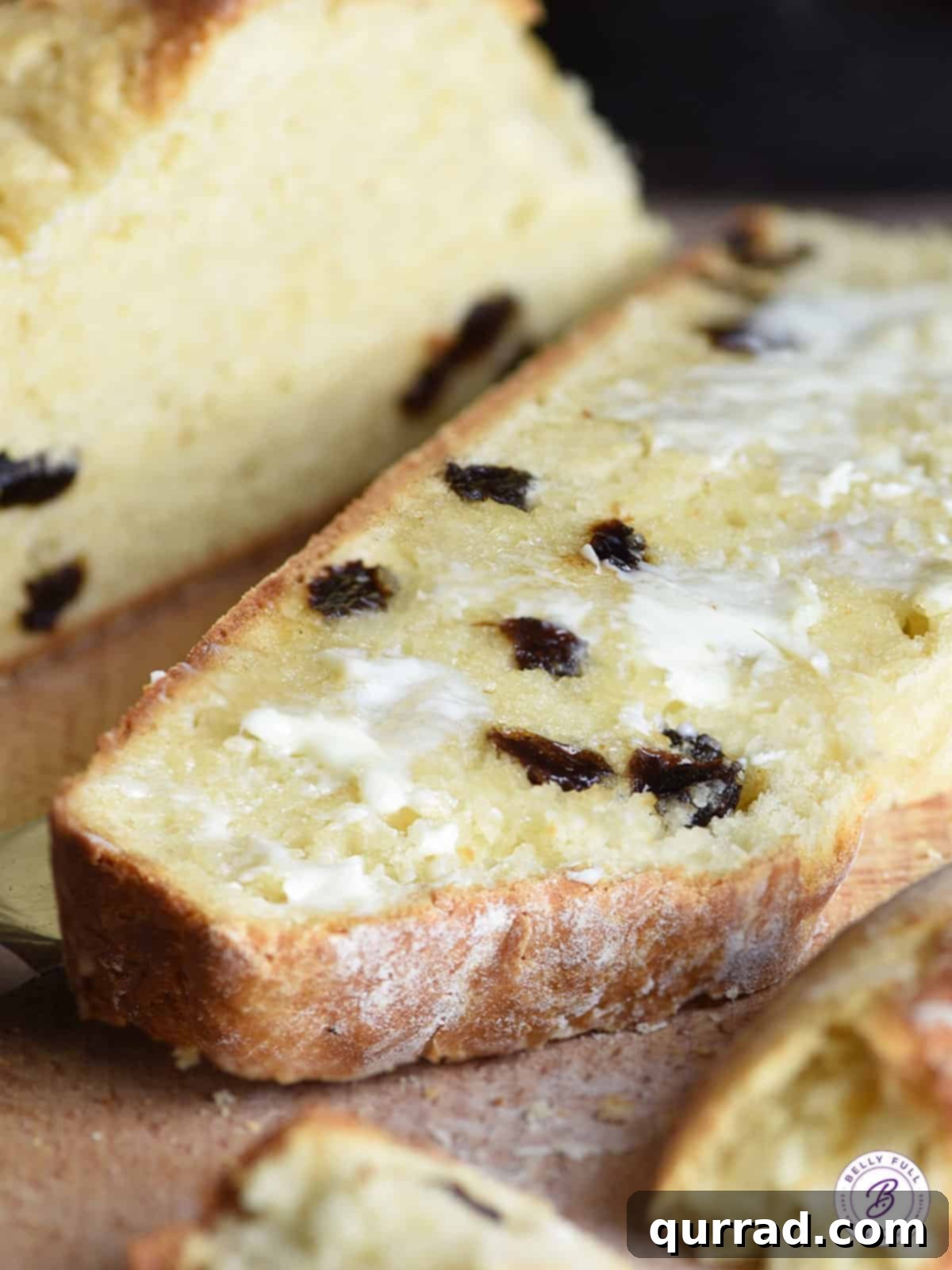
Pro Tips for a Flawless Irish Soda Bread Loaf
Achieving a perfectly tender and flavorful Irish Soda Bread is simple, especially with these helpful tips:
- Do Not Over-Knead: This is perhaps the most crucial rule for Irish Soda Bread. Unlike yeast breads that benefit from extensive kneading, soda bread becomes tough if over-worked. Mix the dough just until the ingredients are combined and gently shape it. Embrace its rustic nature!
- Measure Flour Accurately: As mentioned, spoon and level your flour. Too much flour will make your bread dense and dry.
- Cold Butter is Best: Just like with scones or biscuits, cold butter cut into small cubes will create steam pockets as it melts in the oven, leading to a lighter, more tender crumb.
- Buttermilk is Essential: The acidity of buttermilk reacts with baking soda to create the necessary lift. While you can make a substitute by adding a tablespoon of lemon juice or vinegar to regular milk and letting it sit for 5-10 minutes, authentic buttermilk yields the best flavor and texture.
- Don’t Skip the Score: The “X” cut on top isn’t just for decoration. It allows the heat to penetrate the center of the dense dough, ensuring it cooks evenly throughout. Historically, this cross was also believed to ward off evil and bless the house.
- Adjust Baking Time: Oven temperatures can vary. Keep an eye on your bread, especially towards the end of baking. If the top is browning too quickly, tent it loosely with aluminum foil to prevent burning while the inside finishes cooking.
- No Cast Iron? No Problem: While a cast iron skillet provides a fantastic crust, you can absolutely bake this bread on a parchment-lined baking sheet. The shape might be a little flatter, and the baking time might be slightly reduced, but the delicious taste will remain.
- Listen to Your Dough: The dough should be sticky and shaggy. If it feels too dry, add a tiny bit more buttermilk. If it’s too wet, a touch more flour can be added, but sparingly.
Serving Suggestions & Delightful Pairings
Irish Soda Bread is incredibly versatile and can be enjoyed in countless ways. While many prefer it fresh from the oven with a simple spread of butter, here are some other ideas to elevate your experience:
- Classic Breakfast: Enjoy a slice with a perfectly poached egg, fluffy scrambled eggs, or a side of crispy bacon.
- Sweet Spreads: Beyond butter, try it with fruit jams, marmalade, honey, or even a decadent hazelnut spread for a sweet treat.
- Savory Enhancements: Pair it with unique spreads like our recommended onion jam, cream cheese, or a savory pesto.
- Soup and Stew Companion: Its tender yet sturdy texture makes it an excellent bread for dipping into hearty soups and stews. It’s robust enough to soak up rich broths without falling apart.
- Sandwich Base: Use slices of Irish Soda Bread to create delicious open-faced or regular sandwiches. It’s particularly good with cheese and ham, or even some leftover roast beef.
- Cheese Board Addition: Serve alongside a selection of cheeses, cured meats, and fresh fruits for an elegant appetizer.
- With Coffee or Tea: A warm slice makes a perfect accompaniment to your morning coffee or afternoon tea.
Proper Storage and Freezing Instructions
To keep your Irish Soda Bread fresh and delicious, follow these simple storage guidelines:
- How long does Irish Soda Bread Last? This bread is best enjoyed within 2-3 days of baking. To store, allow the loaf to cool completely. Then, wrap it tightly in plastic wrap or aluminum foil, or place it in an airtight container. Store at room temperature in a cool, dry place.
- Can I freeze Irish Soda Bread? Absolutely! Irish Soda Bread freezes beautifully. To freeze, ensure the loaf is completely cooled. Double-wrap it tightly, first in plastic wrap, then in aluminum foil or transfer it to a freezer-safe plastic bag. It will maintain its quality in the freezer for up to 2 months.
- Thawing Frozen Bread: When you’re ready to enjoy, thaw the bread overnight in the refrigerator. For best results, allow it to come to room temperature before serving, or gently warm it in a low oven for a few minutes to restore its fresh-baked feel.
Delicious Variations to Try
While the classic Irish Soda Bread with raisins is wonderful, feel free to experiment with these delicious variations to suit your taste:
- Caraway Seeds: For a more traditional Irish flavor, add 1-2 teaspoons of caraway seeds to the dry ingredients. They impart a distinctive, slightly peppery aroma.
- Orange or Lemon Zest: Incorporate the zest of one orange or lemon for a bright, citrusy note that complements the sweetness of the raisins.
- Mixed Dried Fruits: Swap raisins for a mix of dried cranberries, chopped apricots, or candied peel for a different flavor profile.
- Cheese and Herbs: For a savory loaf, omit the sugar and raisins. Instead, add ½ cup of shredded cheddar or a blend of Irish cheeses, along with 1-2 tablespoons of fresh chopped herbs like chives or rosemary.
- Nutty Addition: For added crunch and flavor, mix in ¼ cup of chopped walnuts or pecans with the dry ingredients.
- Brown Sugar Swirl: For a sweeter, almost dessert-like bread, create a cinnamon-brown sugar swirl. After forming the dough, flatten it slightly, sprinkle with a mixture of brown sugar and cinnamon, then gently fold and reshape.
Frequently Asked Questions About Irish Soda Bread
Here are answers to some common questions about this beloved quick bread:
- Why is my Irish Soda Bread dense? Over-mixing the dough is the most common reason for dense soda bread. Kneading develops gluten, which is great for yeast breads, but makes soda bread tough. Mix only until just combined. Also, ensure your baking soda is fresh and your buttermilk is acidic enough.
- Can I make Irish Soda Bread without buttermilk? Yes, you can create a substitute. For every cup of buttermilk required, pour 1 tablespoon of white vinegar or lemon juice into a liquid measuring cup, then fill the rest of the cup with regular milk (dairy or non-dairy). Let it sit for 5-10 minutes until it slightly curdles. While this works, authentic buttermilk provides the best flavor and texture.
- What kind of flour is best for soda bread? All-purpose flour is typically used. Historically, softer wheat flours were common in Ireland, which suited soda bread better than hard wheat flours used for yeast breads.
- Do I have to use raisins? No, while traditional, raisins can be omitted if you’re not a fan. You can also substitute them with currants, dried cranberries, or other dried fruits.
- How can I tell if my soda bread is fully baked? The crust should be golden brown, and a long, thin skewer or toothpick inserted into the center of the loaf should come out clean. You can also gently tap the bottom of the loaf; it should sound hollow.
More Easy Bread Recipes:
- Easy Beer Bread
- Homemade White Bread
- Dutch Oven Bread
- Focaccia Bread
- Easy Bagel Recipe
- Challah Bread
We truly hope you love this delicious and incredibly easy Irish Soda Bread recipe. It’s a testament to how simple ingredients and minimal effort can result in a profoundly satisfying and heartwarming loaf. Don’t hesitate to give it a try and share your experience!
Irish Soda Bread
15 mins
40 mins
55 mins
8 (1 loaf)
This Irish Soda Bread recipe could not be easier or more delicious, made more like a quick bread, but tastes like you labored over it all day. It’s soft and hearty, with a touch of sweetness and almost tastes like a giant biscuit!
Ingredients
- 4 cups all-purpose flour, spooned and leveled
- 1/4 cup granulated sugar
- 1 teaspoon baking soda
- 1 & 1/2 teaspoons kosher salt
- 4 tablespoons cold unsalted butter, cut into small cubes
- 1 cup raisins (or currants)
- 1 large egg, lightly beaten
- 1 & 3/4 cups buttermilk, shaken
Instructions
- Preheat oven to 425 degrees F. Coat a 10-inch cast iron skillet with nonstick cooking spray; set aside.
- In a large bowl, whisk together the flour, sugar, baking soda, and salt. Using your hands, work the butter into the flour mixture until it resembles coarse crumbs. Toss in the raisins.
- Add in the buttermilk and egg and mix with a wooden spoon until combined. Dough will be sticky.
- Dust your hands with a little flour and dump the dough onto a well-floured work surface; press it a few times into a round loaf until it just comes together (do not over-work the dough!).
- Transfer to the prepared skillet. Using a serrated knife, score an “X” on the top of the dough about an inch deep.
- Bake for 35-40 minutes or until a long thin skewer inserted in the center comes out clean and the top is golden. (You can tent loosely with foil toward the end if the top is over-browning.)
- Remove skillet from oven (CAREFUL – handle will be hot!) and allow to sit for 5-10 minutes. Transfer to a cutting board and slice! Enjoy with butter, jam, or on its own. So good!
Notes
This bread is best enjoyed fresh, but stores well tightly wrapped at room temperature for up to 3 days. It can also be frozen for up to 2 months. Thaw overnight in the fridge and warm before serving.
Nutrition
Nutritional information given is an automatic calculation and can vary based on the exact products you use and any changes you make to the recipe. If these numbers are very important to you, I would recommend calculating them yourself.