
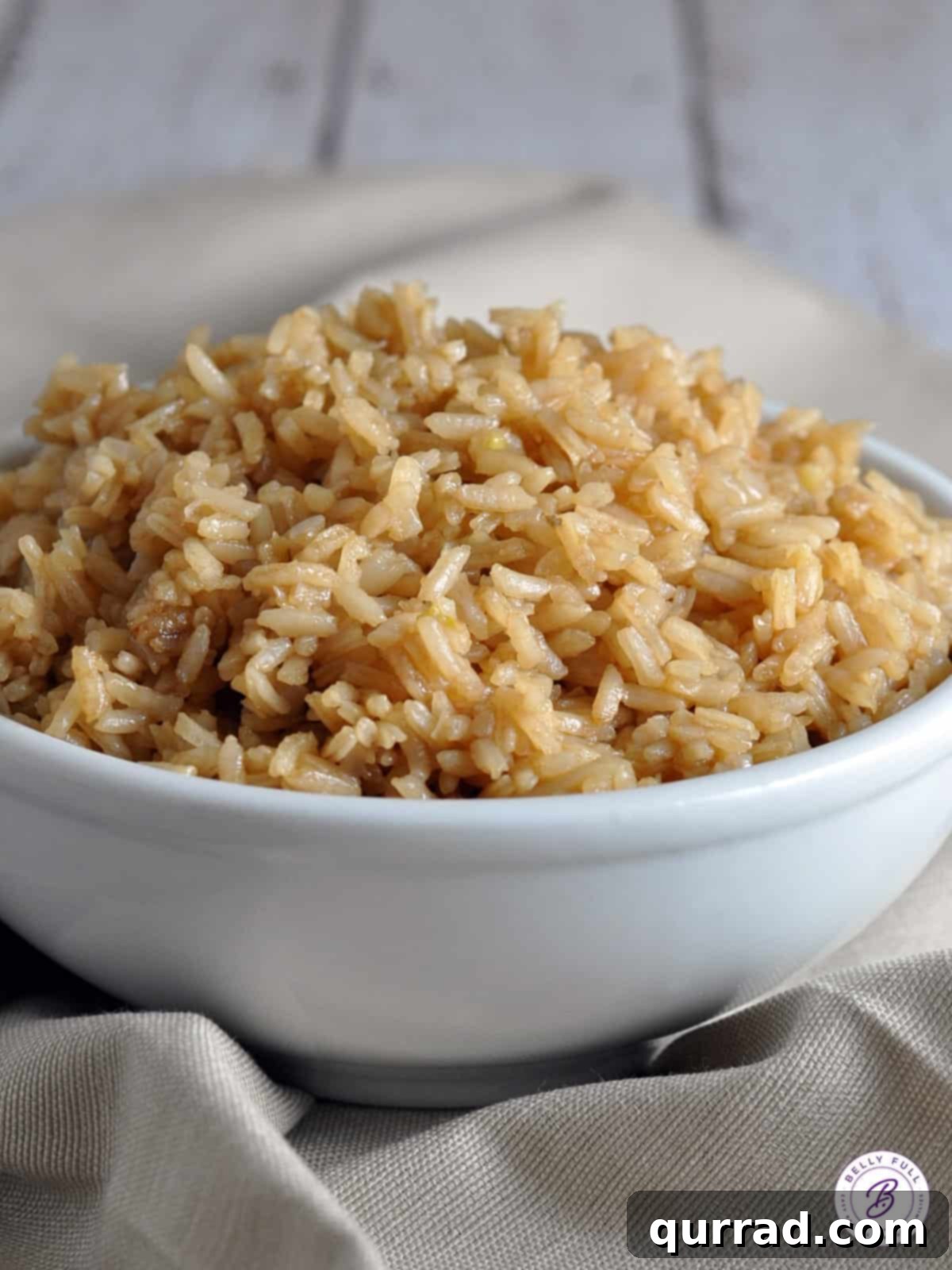
Prepare to elevate your dinner table with this incredibly fast and simple Rice Pilaf recipe. It takes humble white rice and, through the magic of sautéed butter, sweet caramelized onions, and rich beef consommé, transforms it into an extraordinarily flavorful and creamy dish that will captivate your taste buds. This versatile pilaf pairs beautifully with a wide array of main courses, or, like us, you might find yourself happily indulging in it as a stand-alone meal!
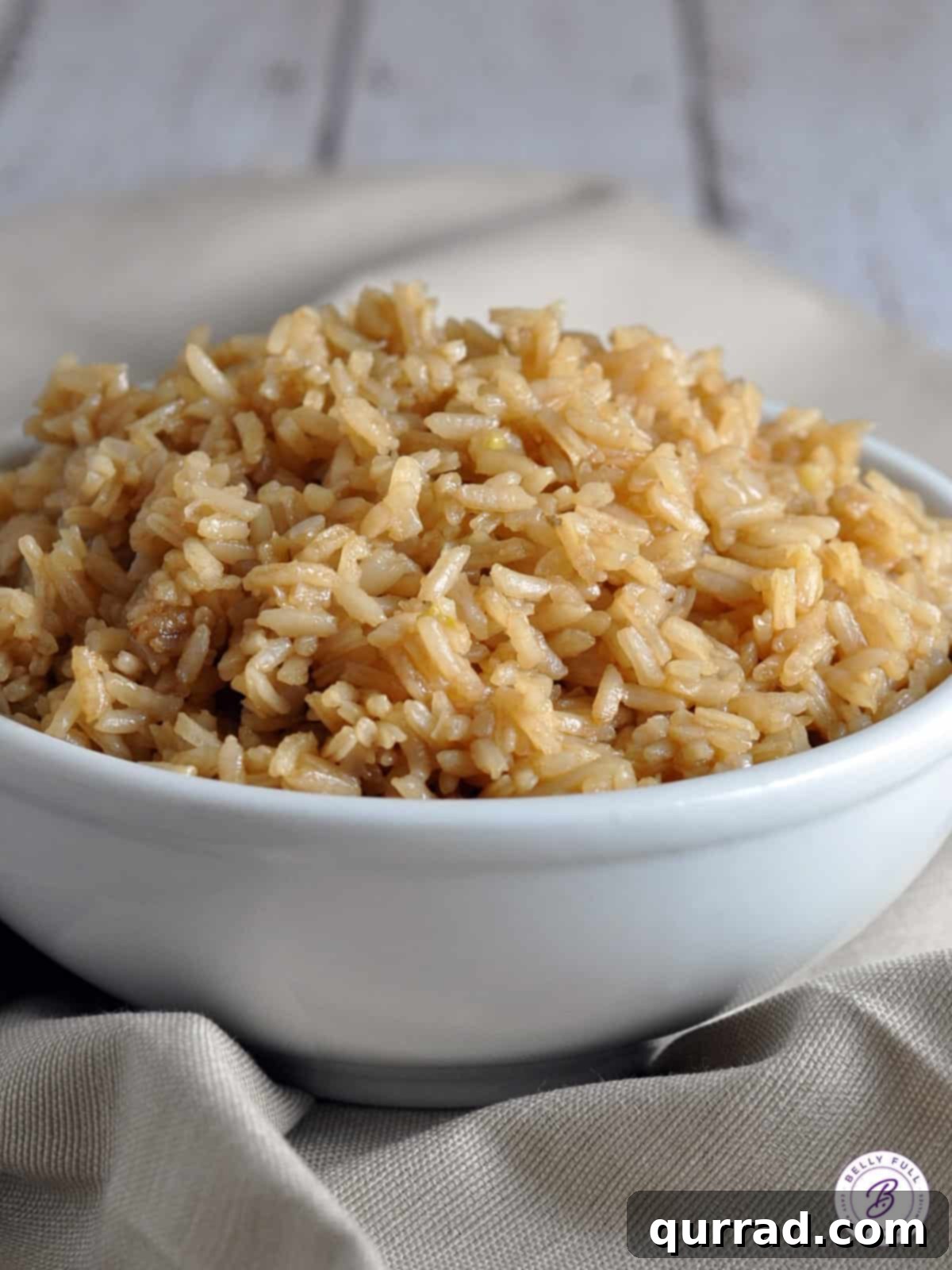
The Best Rice Pilaf Recipe: A Nostalgic Journey to Unforgettable Flavor
There are certain dishes that transcend mere sustenance, becoming interwoven with cherished memories and the warmth of home. For me, this easy rice pilaf recipe is one such dish. It conjures up vivid memories of my youth, filled with the comforting presence of my grandparents and the delectable meals my mom would lovingly prepare. This flavorful rice pilaf was a constant companion to her legendary Roasted Tri-Tip and crispy Roasted Broccoli. It was, and remains, a combination so perfect that if I had to choose a last meal, that trio would undoubtedly be it.
The origins of my mom’s recipe are a mystery to me – whether she meticulously sourced it from a vintage magazine or simply concocted this culinary masterpiece on her own, its brilliance is undeniable. What makes this creamy rice pilaf so exceptional is its elegant simplicity and the incredible depth of flavor it achieves with just a few key ingredients. It’s a testament to how humble ingredients can create something truly extraordinary, proving that the best rice pilaf doesn’t have to be complicated.
Why This Easy Rice Pilaf Will Become Your Go-To Side Dish
Beyond the nostalgia, there are concrete reasons why this beef consommé rice pilaf stands out and is consistently praised as one of the best rice pilaf recipes you’ll ever make. Its combination of simple ingredients and straightforward technique yields a result that is far greater than the sum of its parts:
- Unrivaled Flavor Foundation: Unlike many basic rice dishes, our recipe begins with onions meticulously sautéed in a harmonious blend of both rich butter and savory olive oil. This dual-fat approach ensures a deeper, more complex flavor profile right from the start, contributing to a truly flavorful rice pilaf.
- Perfectly Caramelized Onions: We take the time to gently sauté the onions until they achieve a beautiful, almost caramelized state. This slow cooking process unlocks their natural sweetness and adds an incredible depth of savory-sweet flavor that forms the backbone of the entire dish. These golden, tender onions are a secret weapon for an unbelievably delicious and easy rice pilaf.
- Rich Beef Consommé Base: Instead of plain water, we leverage the power of beef consommé, a highly concentrated and robust beef broth. This ingredient infuses every grain of rice with an unparalleled richness and umami, making this pilaf far more delicious and satisfying than standard rice. It’s the key to its deeply savory character.
- Transformed Texture: Witness ordinary white rice transform into a dish that is both perfectly seasoned and wonderfully creamy. The pilaf method of lightly toasting the rice before adding liquid, combined with the rich consommé, results in individual grains that are tender yet distinct, enveloped in a luxurious, creamy coating. This balance of fluffy and creamy texture is what sets this recipe apart.
- Incredibly Versatile: Whether you need a sophisticated side for a holiday feast, a simple yet satisfying accompaniment for a weeknight dinner, or even a light lunch, this easy rice pilaf adapts effortlessly. Its robust flavor profile makes it compatible with nearly any cuisine, proving its status as a true kitchen staple. You might even find it satisfying enough to serve as a light main course on its own!
What is Rice Pilaf? Exploring a Global Comfort Food
Often, the terms “rice” and “rice pilaf” are used interchangeably, but there’s a crucial distinction in their preparation that leads to vastly different results. Traditional rice is typically prepared by simply boiling grains in plain water until tender, often resulting in separate, unseasoned grains.
Rice pilaf, on the other hand, is a revered culinary technique found in various forms across countless cuisines, including Middle Eastern, Central Asian, South Asian, Eastern European, and even Caribbean traditions. Its defining characteristic is the initial sautéing or “toasting” of the rice grains with aromatics – typically onions, garlic, or a blend of spices – in oil, butter, or ghee. This crucial toasting step, known as *pilafing*, helps to seal the outer surface of the rice, preventing it from becoming sticky and ensuring each grain remains distinct, fluffy, and perfectly al dente after cooking. Following this, the toasted grains are simmered in a flavorful liquid, such as broth or stock (rather than plain water), allowing the rice to absorb rich, complex flavors as it cooks. Our specific easy rice pilaf recipe beautifully embodies the best of these traditional pilaf principles: delivering perfectly seasoned, distinct grains while also achieving a delightful creaminess that is simply irresistible.
Essential Ingredients for Your Perfect Rice Pilaf
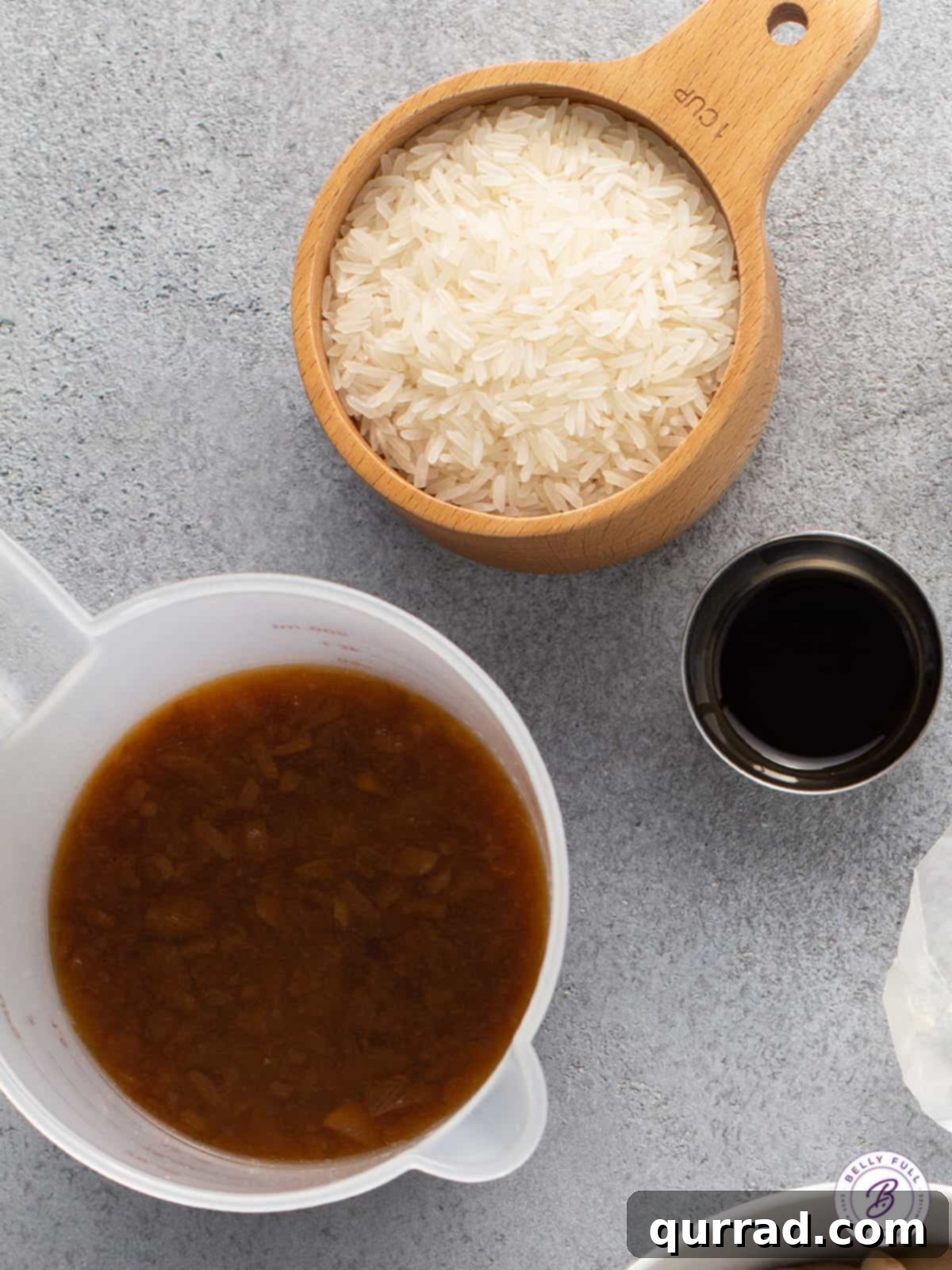
Crafting this flavorful rice pilaf requires a handful of simple, high-quality ingredients, each playing a vital role in achieving its signature taste and texture. Here’s a closer look at what you’ll need and why each component is essential for achieving the best results (full measurements provided in the static recipe card below):
- Long Grain White Rice: This is our preferred choice for its ability to remain distinct and fluffy when cooked, offering the ideal texture for pilaf. Varieties like Basmati or Jasmine can also be used for their aromatic qualities. A crucial step often overlooked is rinsing your rice thoroughly under cold water until the water runs clear. This removes excess starch, which helps prevent stickiness and ensures those perfectly separated, tender grains characteristic of the best rice pilaf.
- Beef Consommé: This is arguably the “secret weapon” for an intensely savory and rich flavor that elevates this dish far beyond ordinary rice. Consommé is a strong, clarified beef broth, offering a depth of flavor far superior to regular beef broth. You’ll typically find it in cans alongside other condensed soups in most grocery stores. If beef consommé is unavailable, a high-quality, low-sodium beef broth can be substituted, though you might lose some of that intense, concentrated richness. For an interesting twist that still delivers incredible flavor, consider using a can of low-sodium condensed French onion soup – it’s surprisingly delicious in this recipe, especially if you want to lean into that caramelized onion essence! For a vegetarian option, simply swap beef consommé with a flavorful vegetable stock.
- Sweet Onion: An integral aromatic component, sweet onion contributes a foundational layer of flavor to the pilaf. When gently sautéed, it softens, sweetens, and develops a natural caramelized sugar profile that complements the savory beef consommé beautifully. Dicing it small ensures it disperses evenly throughout the rice, imparting flavor in every bite without being overtly chunky.
- Unsalted Butter: Used alongside olive oil, butter adds a rich, creamy mouthfeel and a nuanced depth of flavor that can’t be replicated. Butter is key to the initial sautéing and contributes significantly to the overall taste of this creamy rice pilaf. We recommend unsalted butter to maintain control over the overall sodium content, especially since beef consommé already provides considerable seasoning.
- Extra-Virgin Olive Oil: The addition of olive oil works synergistically with butter to sauté the onions and toast the rice. Olive oil provides a subtle fruity undertone and helps prevent the butter from burning at higher temperatures, while both fats contribute to the overall moisture, richness, and beautiful golden color of the toasted rice grains.
- Water: A precisely measured amount of water is combined with the beef consommé to create the perfect steaming liquid for the rice. This balance ensures proper hydration and absorption without overwhelming the incredibly rich flavor provided by the consommé, leading to perfectly cooked, fluffy rice.
How to Make the Best Rice Pilaf: Step-by-Step Guide for Fluffy Perfection
This easy rice pilaf recipe is remarkably straightforward, following a cooking method similar to many classic rice preparations but with a few key differences that unlock its exceptional flavor and texture. Forget complicated steps; this guide is designed for delicious results with minimal effort, ensuring you get a perfectly fluffy and flavorful rice pilaf every time.
- Sauté the Aromatics: In a medium-sized heavy-bottomed pot or Dutch oven, combine the unsalted butter and extra-virgin olive oil over medium heat. Once the butter is melted and shimmering, add the finely diced sweet onion. Sauté the onion gently for about 5-7 minutes, stirring occasionally, until it becomes soft, translucent, and just begins to turn a light golden brown, approaching caramelization. This patient step is crucial for building the dish’s flavor foundation and is key to the “best rice pilaf” experience.
- Toast the Rice: Add the rinsed and thoroughly drained long-grain white rice to the pot with the sautéed onions, butter, and olive oil. Stir well to ensure every single grain of rice is thoroughly coated in the fatty mixture. Continue to cook for another 2-3 minutes, stirring frequently, until the rice grains become slightly translucent around the edges and emit a faint, inviting nutty aroma. This toasting step is fundamental to achieving separate, fluffy grains and enhancing the overall depth of flavor in your homemade rice pilaf.
- Add Liquids and Bring to a Boil: Carefully pour in the beef consommé and water. Give the mixture a gentle stir once to combine all the ingredients evenly. Increase the heat to medium-high and bring the liquid to a robust, rolling boil.
- Cover and Cook Undisturbed: Once the liquid is boiling, immediately reduce the heat to its absolute lowest setting. Cover the pot tightly with a lid and let the rice simmer undisturbed for approximately 20 minutes. The tight-fitting lid is essential to trap all the steam, which cooks the rice evenly. Resist the urge to lift the lid during this time, as escaping steam can disrupt the precise cooking process and result in unevenly cooked or dry rice.
- Rest for Perfection: After 20 minutes of simmering, remove the pot from the heat (but still keep it covered tightly) and let it stand for at least 3-5 minutes. This critical resting period allows the steam to redistribute throughout the rice, ensuring the grains fully absorb any remaining moisture and finish cooking to a tender, perfectly plump texture. It also helps prevent the rice from being mushy.
- Fluff and Serve: Finally, uncover the pot, and gently fluff the rice with a fork. This action separates the grains and incorporates the delicious flavors throughout. Serve your creamy, flavorful rice pilaf immediately as a delightful side dish or a light main meal.
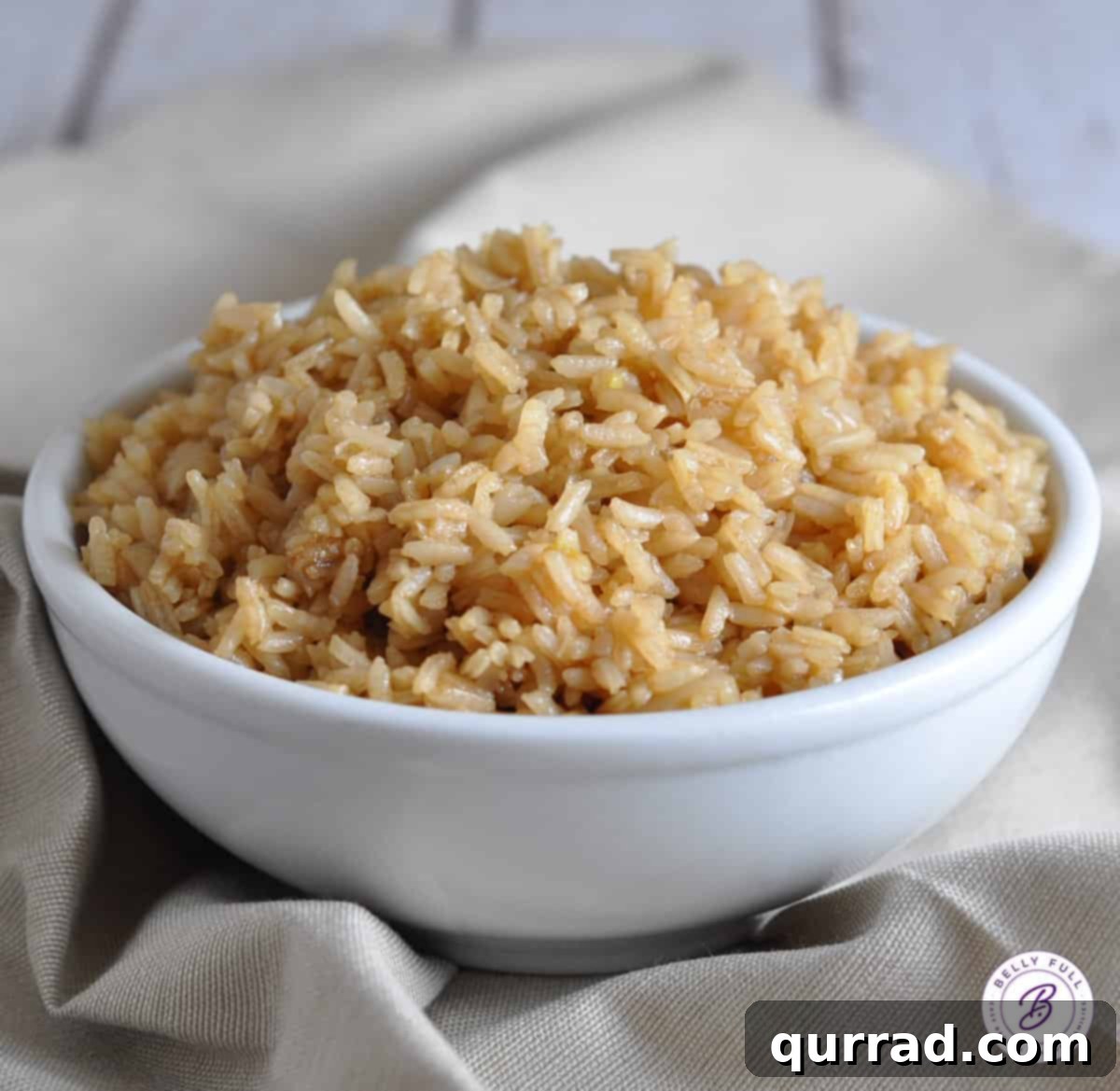
Tips for Achieving the Best Rice Pilaf Every Time
While the recipe is simple, a few expert tips can elevate your homemade rice pilaf from good to absolutely fantastic:
- Rinse Your Rice Thoroughly: This step cannot be overstated! Rinsing long-grain rice under cold running water until the water runs clear is key to removing excess surface starch. This is what prevents the grains from sticking together and ensures you achieve fluffy, distinct grains rather than a gummy or clumpy mass.
- Don’t Rush the Onions: The slow and gentle caramelization of the onions is where a significant portion of this pilaf’s deep, savory-sweet flavor comes from. Take your time to get them truly golden and soft; don’t just cook them until translucent. This patience will pay off in a richer, more complex flavored rice.
- Toast the Rice Properly: Coating the rice in fat (butter and olive oil) and then lightly toasting it before adding liquid is the hallmark of a true pilaf. This step develops nutty flavors, helps the grains hold their shape, and is crucial for that desirable non-sticky texture. You’ll notice the grains becoming slightly translucent and smelling faintly nutty.
- Maintain the Correct Liquid Ratio: While the recipe provides a tested ratio, different brands or types of long-grain rice can absorb liquid slightly differently. Stick to the recommended amount initially. If, after resting, your rice seems a little too firm, you can add a tiny splash more hot broth or water, cover, and let it steam for another minute or two. If it’s too wet, remove the lid and let it stand longer, fluffing occasionally.
- Resist the Urge to Peek: Keeping the lid on tight throughout the cooking process is paramount. It traps the steam, which is essential for even and consistent cooking of the rice. Lifting the lid releases valuable heat and steam, prolonging cooking time and potentially resulting in unevenly cooked grains.
- Always Rest the Rice: This critical final step allows the residual steam to finish cooking the rice, ensuring all moisture is perfectly absorbed and the grains firm up without becoming dry or mushy. Fluffing immediately after cooking without resting can break the delicate grains.
Delicious Variations and Add-ins to Customize Your Pilaf
While this classic easy rice pilaf is perfect as is, its simple yet robust flavor profile also serves as an excellent canvas for creative culinary experimentation. Here are a few ideas to customize your next batch and make it truly your own:
- Fresh Herbs: Stir in a generous handful of fresh chopped parsley, dill, chives, or cilantro just before serving for a burst of vibrant freshness and color.
- Garlic Infusion: For an extra aromatic kick, add 2-3 cloves of minced garlic to the pot during the last minute of onion sautéing. Be careful not to burn it.
- Earthy Mushrooms: Sauté sliced mushrooms (cremini or button work wonderfully) with the onions for an earthy, umami boost that complements the beef consommé beautifully.
- Nutty Crunch: Toasted slivered almonds, pine nuts, or even chopped pecans can be folded into the pilaf at the very end for added crunch and richness. This is a common addition in many traditional Middle Eastern pilafs.
- Vegetarian Alternative: As mentioned, vegetable stock is a fantastic alternative to beef consommé for a savory vegetarian version of this flavorful rice pilaf. Ensure your vegetable stock is high-quality for the best flavor.
- Bright Citrus Zest: A little lemon zest grated over the top just before serving can brighten the flavors beautifully and add a fragrant, zesty note.
- Colorful Vegetables: For added color and nutrition, stir in frozen peas, finely diced cooked carrots, or corn during the last few minutes of cooking or while the pilaf is resting.
- Spice It Up: A pinch of turmeric can add a lovely golden hue, or a dash of black pepper and a bay leaf during simmering can enhance the savory notes.
Storing and Reheating Your Flavorful Rice Pilaf
Proper storage is crucial for enjoying your delicious rice pilaf for days to come, ensuring its quality and safety. Once the rice is completely cooled to room temperature (this is important for food safety), transfer it to an airtight container. It will keep beautifully in the refrigerator for up to 3 days. To reheat, you have a few convenient options, each designed to revive its fluffy texture:
- Stovetop Method: Transfer the desired portion of cold rice to a saucepan. Add a tablespoon or two of broth or water (per cup of rice) to help loosen the grains and prevent drying. Cover the saucepan tightly with a lid and heat over low heat, stirring occasionally, until the rice is warmed through. The added liquid creates steam, rehydrating the grains.
- Microwave Method: Place the rice in a microwave-safe bowl. Add a splash of broth or water, cover loosely with a microwave-safe lid or damp paper towel, and microwave in 30-second intervals. Stir the rice gently in between each interval to ensure even heating, continuing until it is heated evenly and fluffy.
Yes, you can also freeze this rice pilaf for longer storage! Allow the cooked pilaf to cool completely, then transfer it to freezer-safe bags or containers. Press out as much air as possible to prevent freezer burn. It can be frozen for up to 2 months. To thaw, simply transfer the frozen rice to the refrigerator overnight. Once thawed, reheat using the stovetop or microwave methods described above for a quick and easy meal.
What to Serve with Your Creamy Rice Pilaf
The versatility and rich flavor of this easy rice pilaf make it an ideal accompaniment to a vast array of dishes, transforming any meal into a more robust and satisfying experience. Here are some personal favorites and classic pairings that perfectly complement its creamy texture and savory notes:
- Hearty Meats: This flavorful rice pilaf truly shines alongside rich and savory meat dishes. Consider serving it with our succulent Honey Orange Glazed Ham, a perfectly seared Skillet Steak, tender Slow Cooker Barbecue Beef Brisket, or the ever-popular Roasted Tri-Tip. Its creamy texture and deep flavors wonderfully complement the robust profiles of these main courses, soaking up any delicious juices.
- Poultry Perfection: From a simple roasted chicken to grilled turkey cutlets or a savory chicken and mushroom dish, this pilaf acts as a fantastic absorbent for savory drippings and gravies, creating a complete and balanced meal.
- Fish and Seafood: Lighter proteins like baked salmon, pan-seared scallops, or grilled shrimp also find a perfect partner in this pilaf, which adds substance and flavor without overpowering delicate seafood tastes.
- Vegetarian Mains: For a delicious vegetarian meal, pair this creamy rice pilaf with roasted root vegetables, a hearty lentil stew, grilled halloumi, or a robust vegetable curry. It provides a satisfying base for a meat-free feast.
- Simple Green Salad: Sometimes, all you need to complete the meal is a fresh, crisp green salad with a light vinaigrette. The brightness of the salad beautifully balances the richness of the pilaf, creating a refreshing contrast.
- Holiday Feasts: This easy rice pilaf is a fantastic addition to holiday menus, offering a comforting and flavorful alternative to traditional potato or bread-based sides.
More Delicious Rice Recipes to Explore
If you’ve enjoyed mastering this easy and flavorful rice pilaf, you’re sure to love these other rice-centric dishes from our collection. Expand your culinary repertoire with these diverse and tasty recipes:
- Bright and Zesty Cilantro Lime Rice
- Savory and Earthy Mushroom Rice
- Sweet and Tropical Coconut Rice
- Classic Simple Spanish Rice
- Hearty and Quick Beef Fried Rice
- Comforting Rice and Beans with Kielbasa
We truly hope you enjoy making and savoring this incredibly delicious and easy Rice Pilaf recipe! Your feedback means the world to us, so please consider leaving a review below once you’ve tried it. And don’t forget to connect with us and discover even more amazing recipes by following Belly Full on TikTok, Facebook, Instagram, Pinterest, and YouTube!
Flavorful Beef Consommé Rice Pilaf

Pin Recipe
Print Recipe
This fast and simple Rice Pilaf recipe is so crazy flavorful and creamy, and pairs well with just about everything!
Ingredients
- 1 tablespoon unsalted butter
- 2 teaspoons extra-virgin olive oil
- 1 medium sweet onion, diced small
- 1 cup long grain white rice, rinsed
- 10 ounce can beef consommé
- 2/3 cup water
Instructions
- In a medium pot or Dutch oven, over medium heat, sauté the diced sweet onion in butter and olive oil for 5-7 minutes, until soft, translucent, and lightly golden.
- Add the rinsed long grain white rice to the pot; stir well to coat every grain with the fat. Continue to cook for another 2-3 minutes, stirring, until the rice is slightly translucent and fragrant.
- Pour in the beef consommé and water. Stir once to combine all ingredients.
- Bring the mixture to a rolling boil over medium-high heat.
- Once boiling, immediately reduce the heat to its lowest setting, cover the pot tightly, and simmer undisturbed for about 20 minutes, or until all the liquid has been absorbed by the rice.
- Remove the pot from the heat and let it stand, covered, for at least 3-5 minutes. This allows the steam to redistribute and perfect the texture.
- Uncover, gently fluff the rice with a fork, and serve immediately.
Nutrition Information
Carbohydrates: 29g |
Protein: 3g |
Fat: 4g |
Saturated Fat: 1g |
Cholesterol: 5mg |
Sodium: 183mg |
Potassium: 127mg |
Fiber: 1g |
Sugar: 3g |
Vitamin A: 58IU |
Vitamin C: 3mg |
Calcium: 23mg |
Iron: 1mg
Nutritional information is an estimate and can vary based on specific product brands, preparation methods, and ingredient adjustments. If these values are critical, please calculate them independently using your specific ingredients.
Loved this recipe? Please leave a rating below to let us know! Your feedback helps us share more delicious dishes with everyone.