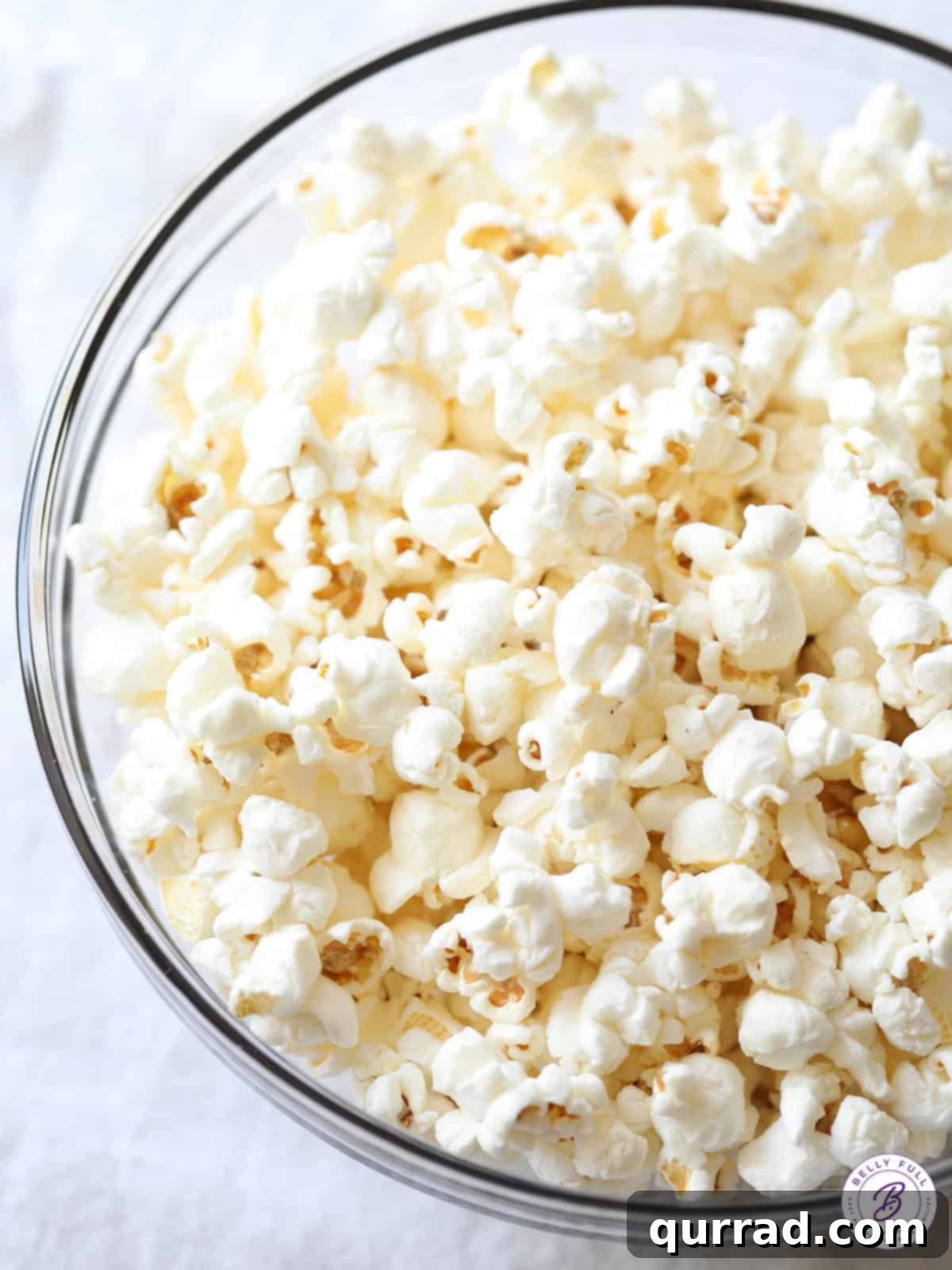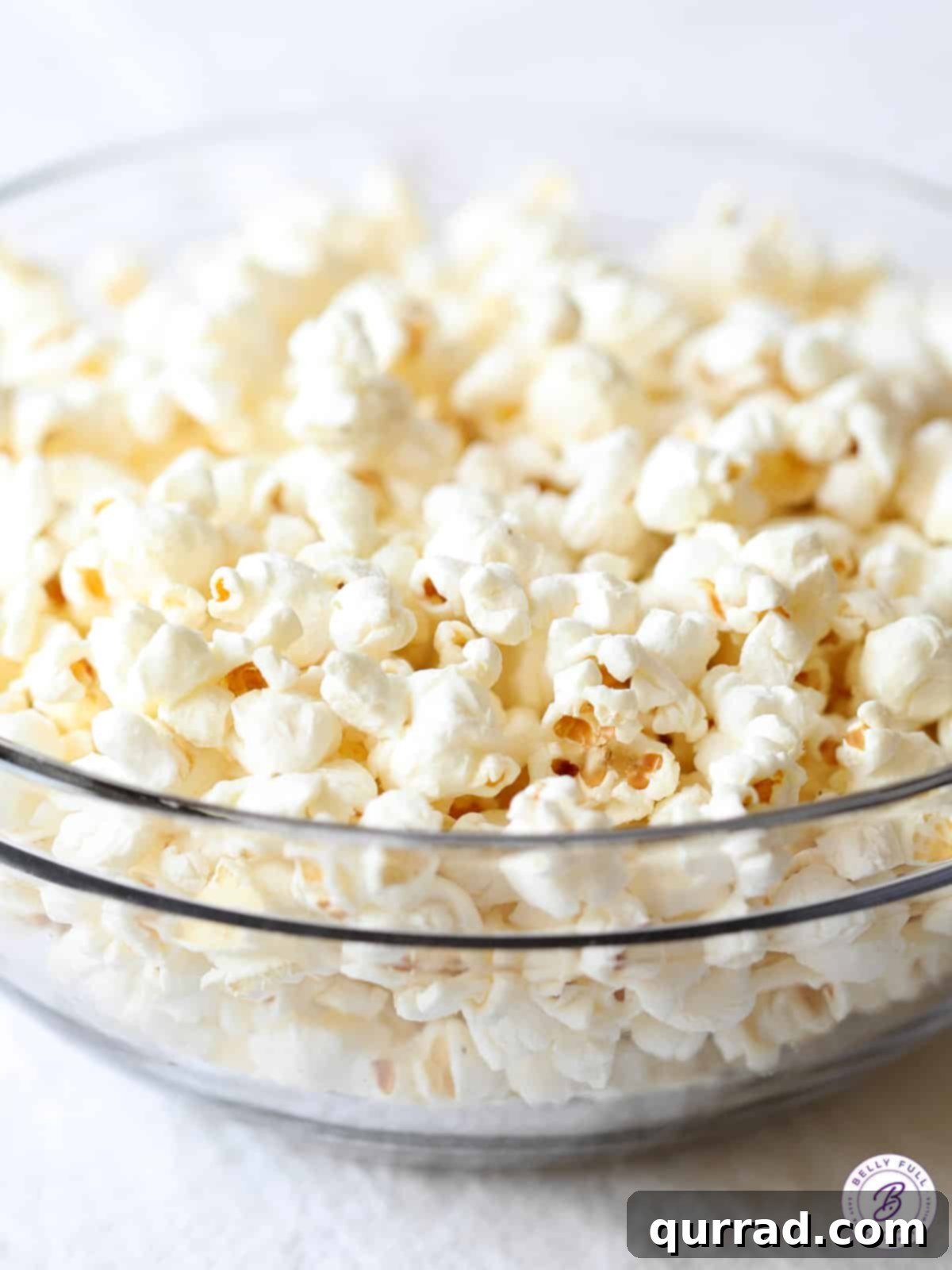
Perfect Stovetop Popcorn: Your Guide to Fluffy, Flavorful Kernels Every Time
Forget store-bought bags and microwave anxieties. This comprehensive guide unveils the secrets to making perfect stovetop popcorn at home. With this simple, foolproof method, you’ll achieve nearly every kernel popped, no burning, and a consistently crisp, tender, and utterly delicious bowl of popcorn that rivals any movie theater experience. Get ready to transform your snack routine!
Rave Reviews for Our Stovetop Popcorn Method
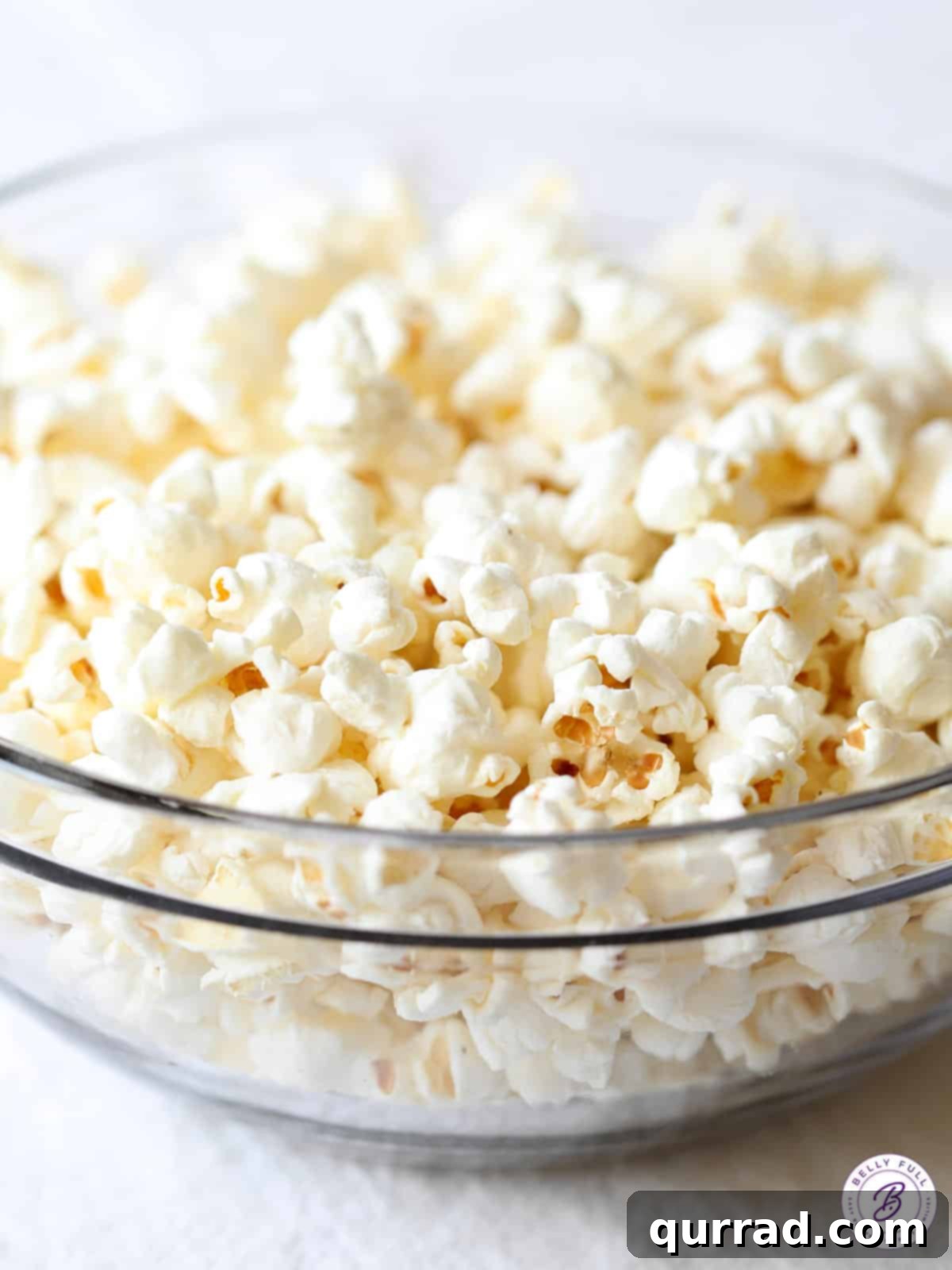
Christy, a satisfied home cook, raves: “This was the absolute best batch of popcorn I’ve ever made! I was so skeptical, but maybe 1 unpopped kernel and the popcorn was so tender. 10/10 method, thank you!”
Join Christy and countless others who have discovered the magic of perfectly popped popcorn on the stove. This technique is a game-changer!
Popcorn isn’t just a snack in our household; it’s a nightly ritual. There’s something inherently comforting and satisfying about a freshly popped batch. While modern gadgets like air poppers and microwave bags offer convenience, I’m a firm believer in the old-school charm and superior results of making popcorn right on the stovetop.
The secret to this exceptional stovetop method lies in reaching an even, optimal temperature for the kernels before they begin to pop. This crucial step ensures that almost every single kernel bursts open simultaneously, yielding minimal waste and a uniformly crisp, wonderfully tender batch of popcorn. You’ll be amazed at how few unpopped kernels, often called “old maids,” are left at the bottom of the bowl.
While we adore it simply seasoned with a touch of salt, homemade stovetop popcorn is also the perfect foundation for more elaborate treats. Imagine crafting nostalgic Popcorn Balls for holidays or indulging in a rich, chewy batch of Caramel Corn. The possibilities are endless. So, grab your favorite kernels, a good pot, and let’s get popping!
Why Choose Stovetop Popcorn Over Other Methods?
In a world of quick fixes, why bother with the stovetop? The answer is simple: taste, texture, control, and health. Stovetop popping gives you unparalleled control over the heat, the oil, and the seasoning, resulting in a significantly better product than microwave bags or even many air poppers. You achieve a crispier texture and a fresher flavor that simply can’t be matched by pre-packaged alternatives.
- Superior Taste & Texture: The direct heat and chosen oil impart a richer flavor and a more satisfying crunch than air-popped or microwave versions.
- Fewer Unpopped Kernels: Our method ensures almost every kernel pops, meaning less waste and more deliciousness.
- Healthier Option: You control the type and amount of oil and salt, avoiding the artificial flavors, preservatives, and excessive sodium often found in microwave popcorn bags.
- Cost-Effective: Buying bulk popcorn kernels is significantly cheaper than individual microwave bags, saving you money in the long run.
- Engaging Experience: There’s a certain satisfaction and nostalgic charm in hearing the kernels pop and watching them transform right before your eyes.
The Science Behind the Perfect Pop
Understanding a little bit about how popcorn works helps appreciate this method. Each popcorn kernel contains a small amount of water stored within a soft starch core, encased by a hard outer shell called the hull. When heated, this water turns into steam, building immense pressure inside the kernel. Once the pressure becomes too great for the hull to contain, the kernel bursts open, turning itself inside out to create that fluffy, irregular shape we love.
Our stovetop method capitalizes on this science by ensuring uniform heat distribution. The initial few kernels act as a temperature gauge, telling you exactly when the oil is hot enough. The subsequent 30-second rest off the heat allows the remaining kernels to come up to temperature evenly without burning the oil or the first few kernels that would pop too early. This thermal equilibrium is key to maximizing pops and achieving consistent results every time.
Perfect Stovetop Popcorn
5
5
10
14 cups
Print Recipe
Ingredients
- 1/4 cup vegetable or coconut oil
- 1/2 cup popcorn kernels (yellow or white)
- Salt , to taste
Instructions
-
Pour the oil into a large, heavy-bottomed pot with a lid. Ensure the oil generously covers the entire bottom surface of the pot. A heavy bottom helps distribute heat evenly.
-
Place the pot over medium-high heat. You want the oil to get hot enough to pop the kernels, but not so hot that it starts to smoke.
-
Add just 3 popcorn kernels to the oil, placing them in the center of the pot. Cover the pot and wait for these test kernels to pop. This indicates the oil has reached the perfect temperature.
-
Once the 3 test kernels pop, remove them with a slotted spoon and discard them. Immediately add the remaining 1/2 cup of popcorn kernels to the pot, making sure they form a single, even layer across the bottom.
-
Cover the pot tightly and remove it from the heat. Count to 30 seconds. This step is crucial! It allows all the kernels to come to an optimal, even temperature before popping, leading to fewer unpopped kernels.
-
Return the pot to the medium-high heat. In a short while, the kernels will begin popping rapidly and almost all at once, creating a delightful cascade of popcorn.
-
Once the popping becomes more intense and steady, gently shake the pot back and forth continuously over the burner. Leave the lid slightly ajar (a small gap) to allow steam to escape. This prevents the popcorn from becoming soggy and results in wonderfully crisp kernels.
-
Continue shaking until the popping slows down significantly, with several seconds between individual pops. Immediately remove the pan from the heat, take off the lid, and pour the hot popcorn into a large serving bowl. Do not leave it in the hot pot, as residual heat can cause burning.
-
Sprinkle the hot popcorn with a little salt to taste. If you’re a fan of buttery popcorn, drizzle it with melted butter at this stage and toss gently to coat. Serve immediately and enjoy your perfect homemade stovetop popcorn!
Notes for Stovetop Popcorn Perfection
Nutrition Information (per 1 cup serving)
Serving: 1 cup
|
Calories: 56 kcal
|
Carbohydrates: 4 g
|
Protein: 1 g
|
Fat: 4 g
|
Saturated Fat: 3 g
|
Sodium: 1 mg
|
Potassium: 16 mg
|
Fiber: 1 g
|
Sugar: 1 g
|
Iron: 1 mg
Please note: Nutritional information provided is an automatic calculation and can vary based on the exact products you use and any changes made to the recipe. If these numbers are critical for your dietary needs, we recommend calculating them independently.
Did you make this? We’d love to hear from you! Leave a rating below!
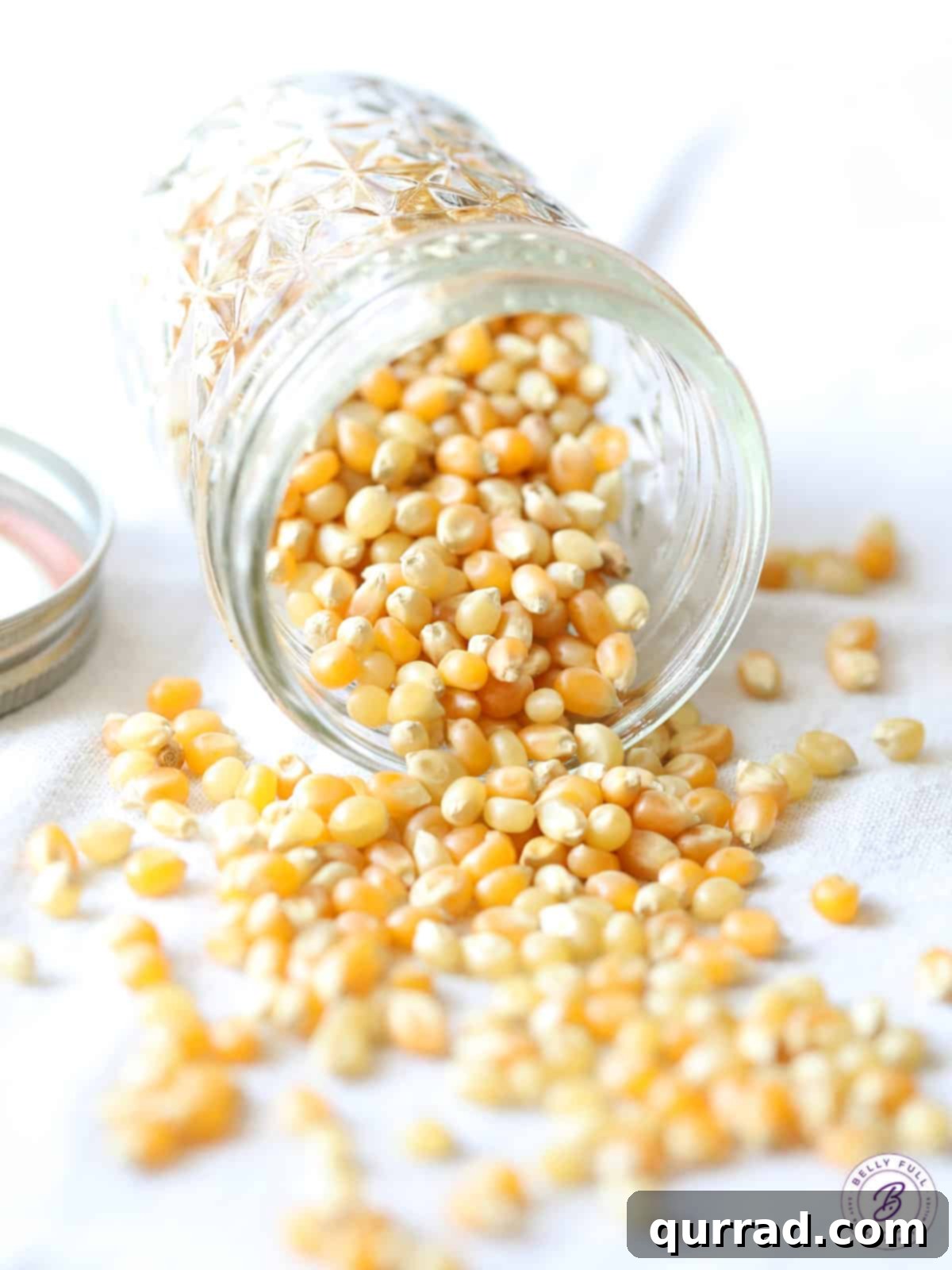
Yellow vs. White Popcorn: Unveiling the Subtle Distinctions
While some might jokingly say “one is yellow and one is white,” there are indeed noticeable differences between yellow and white popcorn kernels that affect their popped texture and size. Understanding these can help you choose the perfect kernel for your preferences:
- Yellow Popcorn: This is the most common variety, often found in movie theaters. Yellow kernels tend to be larger and have a more robust, “butterfly” shape when popped, characterized by irregular wings. The hull, or outer shell, of a yellow kernel is generally thicker than that of white popcorn. This results in a slightly chewier texture and a more pronounced hull, though it also means a sturdier flake that holds up well to butter and toppings.
- White Popcorn: White kernels are typically smaller and pop into a “mushroom” shape, which is rounder and more uniform. The hull is less thick, leading to a more tender, delicate, and often described as “hull-less” eating experience (though technically all popcorn has a hull). Because their flakes are smaller and more tender, white popcorn is excellent for lighter seasonings or when you prefer a less noticeable hull.
Experimenting with both, or even combining them, can be a fun way to discover your ultimate stovetop popcorn preference. I sometimes mix them for a delightful textural contrast!
Choosing the Best Oil for Your Stovetop Popcorn
The type of oil you choose plays a significant role in the flavor and success of your stovetop popcorn. The most crucial factor is using an oil with a high smoke point, which means it can be heated to high temperatures without burning and imparting a bitter taste. Here are some excellent choices:
- Vegetable Oil: This is my personal go-to for its neutral flavor and consistently high smoke point. It’s affordable and readily available, making it a reliable choice for perfect popcorn every time.
- Canola Oil: Similar to vegetable oil, canola oil has a neutral taste and a high smoke point, making it another fantastic option for achieving crisp and evenly popped kernels.
- Coconut Oil: If you’re aiming for that classic, slightly sweet “movie theater” flavor, coconut oil is your best bet. It has a distinctive aroma and taste that pairs wonderfully with popcorn. Opt for unrefined coconut oil for a stronger flavor or refined for a more subtle hint.
- Olive Oil: For a healthier twist and a distinct Mediterranean aroma, extra light olive oil (not extra virgin, which has a lower smoke point) works well. It adds a lovely depth of flavor and contributes healthy monounsaturated fats.
- Grapeseed Oil: This is another great neutral-flavored oil with a high smoke point, often praised for its clean taste that allows the popcorn’s natural flavor to shine.
Avoid oils with low smoke points like extra virgin olive oil or butter (which burns easily) for the popping process. If you want a buttery flavor, add melted butter *after* the popcorn is popped.
Homemade Stovetop Popcorn vs. Bagged Microwave Popcorn: A Clear Winner
While the allure of microwave popcorn is undeniable for its speed, opting for homemade stovetop popcorn offers numerous advantages that make the minimal extra effort well worth it:
- Superior Flavor & Texture: Homemade popcorn, especially when made on the stove, simply tastes better. It’s fresher, crisper, and free from the often-stale or artificial flavors associated with microwave bags.
- Healthier Choice: You have complete control over the ingredients. Microwave popcorn often contains hydrogenated oils (trans fats), artificial butter flavorings, excessive sodium, and other preservatives. With stovetop popcorn, you choose your healthy oil and control the salt, making it a genuinely wholesome snack. For reference, our recipe yields approximately 14 cups of popcorn with only 56 calories and 4g carbs per cup, significantly outperforming many microwave options.
- Inexpensive: A bag of bulk popcorn kernels is incredibly economical compared to buying individual microwave bags. You get far more popcorn for your money, making it a budget-friendly snack.
- More Yield: One standard microwave popcorn bag typically yields around 4.5 cups of popped popcorn. Our stovetop recipe, using just 1/2 cup of kernels, consistently produces about 14 cups – a generous, movie-night-sized bowl for everyone to enjoy!
- No Mystery Ingredients: With stovetop popcorn, you know exactly what you’re eating – just kernels, oil, and salt (or your preferred seasonings).
Is Popcorn a Healthy Snack? Debunking Myths and Celebrating Benefits
The perception of popcorn as healthy largely depends on how it’s prepared and what’s added to it. Air-popped or stovetop popcorn, made with a minimal amount of healthy oil and lightly seasoned, is indeed a remarkably healthy snack. Here’s why:
- Whole Grain Powerhouse: Popcorn is a 100% whole grain, meaning it contains all parts of the kernel. Whole grains are packed with essential nutrients, including fiber.
- Rich in Fiber: A serving of popcorn provides a good amount of dietary fiber, which is crucial for digestive health, helps regulate blood sugar levels, and promotes a feeling of fullness, aiding in weight management.
- Antioxidant Boost: Popcorn contains polyphenols, powerful antioxidants that can help protect cells from damage.
- Low in Calories (when prepared correctly): As demonstrated by our nutrition facts, one cup of our stovetop popcorn is only 56 calories. This makes it a satisfying, low-calorie alternative to many other snacks.
- Low in Carbohydrates: With only 4g of carbohydrates per cup, it can fit well into various dietary plans when consumed in moderation.
The “unhealthy” reputation of popcorn typically comes from excessive amounts of butter, cheese, sugar, or artificial ingredients often found in pre-packaged or cinema popcorn. By making it yourself on the stovetop, you transform it into a wholesome and nutritious treat.
How to Store Homemade Stovetop Popcorn for Lasting Freshness
While freshly popped popcorn is always best, sometimes you might have leftovers, or perhaps you made an extra-large batch for a gathering. Proper storage is key to keeping your homemade stovetop popcorn crisp and delicious:
- Cool Completely: Before storing, ensure the popcorn has cooled completely to room temperature. Storing warm popcorn will trap condensation, making it soggy.
- Airtight Container is Essential: Transfer the cooled popcorn to an airtight container. A plastic food storage container with a tight-fitting lid, a glass jar with a sealed lid, or even a heavy-duty zip-top bag (squeezing out excess air) will work effectively.
- Seal for Maximum Freshness: For an extra layer of protection against moisture and air, you can place a piece of plastic cling wrap directly on top of the popcorn before putting on the lid of your container. This creates an even tighter seal.
- Room Temperature: Store the container at room temperature in a cool, dry pantry or cupboard. Refrigeration is not necessary and can actually make the popcorn tougher.
- Longevity: Properly stored homemade popcorn can last for 1 to 2 weeks. However, its crispness and fresh flavor will gradually diminish over time, so it’s best enjoyed within the first few days.
Avoid leaving popcorn uncovered, as exposure to air quickly leads to staleness and loss of crispness.
Beyond the Bowl: Creative Ways to Enjoy Your Stovetop Popcorn
While a simple sprinkle of salt is often all you need, homemade stovetop popcorn is an incredibly versatile base for a myriad of flavor combinations. Don’t be afraid to get creative!
Savory Stovetop Popcorn Variations:
- Cheesy Popcorn: Toss with grated Parmesan cheese, a sprinkle of garlic powder, and a dash of dried herbs like oregano or basil. For an extra cheesy kick, try nutritional yeast – it provides a distinct umami, cheesy flavor without dairy.
- Spicy Popcorn: Dust with a pinch of cayenne pepper, chili powder, or a smoked paprika blend for a fiery kick.
- Ranch Popcorn: Sprinkle with a homemade or store-bought ranch seasoning mix for a tangy, herbaceous treat.
- Everything Bagel Popcorn: A generous shake of everything bagel seasoning (sesame seeds, poppy seeds, dried garlic, dried onion, salt) adds incredible texture and flavor.
- Herb & Garlic: Toss with melted butter (or olive oil for a dairy-free option) and a blend of finely chopped fresh rosemary, thyme, and minced garlic.
Sweet Stovetop Popcorn Variations:
- Cinnamon Sugar Popcorn: A classic for a reason! Mix granulated sugar with ground cinnamon and sprinkle generously over warm popcorn.
- Caramel Corn: As mentioned, this recipe is perfect for making a sticky, sweet caramel corn.
- Chocolate Drizzle: Melt your favorite chocolate (dark, milk, or white) and drizzle it over the popcorn. Let it set for a decadent treat.
- Honey Butter Popcorn: Melt butter with a touch of honey and drizzle over popcorn for a subtly sweet and rich coating.
The key is to season the popcorn while it’s still warm, which helps the seasonings adhere better. A light drizzle of melted butter or olive oil can also help dry seasonings stick.
More Easy Snack Recipes to Try:
- Ranch Oyster Crackers
- Cinnamon Toast
- Roasted Chickpeas
- Baked Beet Chips
- Hot Buttered Cheerios
- Almond Joy Snack Bites
We truly hope you enjoy this delicious and incredibly easy recipe for perfect stovetop popcorn. It’s a method that promises consistent, mouth-watering results every time you crave this classic snack. Once you try it, you’ll wonder why you ever made popcorn any other way!
If you’ve made this recipe, please take a moment to give it a review below and share your thoughts. Your feedback helps us and other home cooks discover new favorites!
Don’t forget to follow Belly Full on TikTok, Facebook, Instagram, Pinterest, and YouTube for more delightful recipes and cooking tips!