
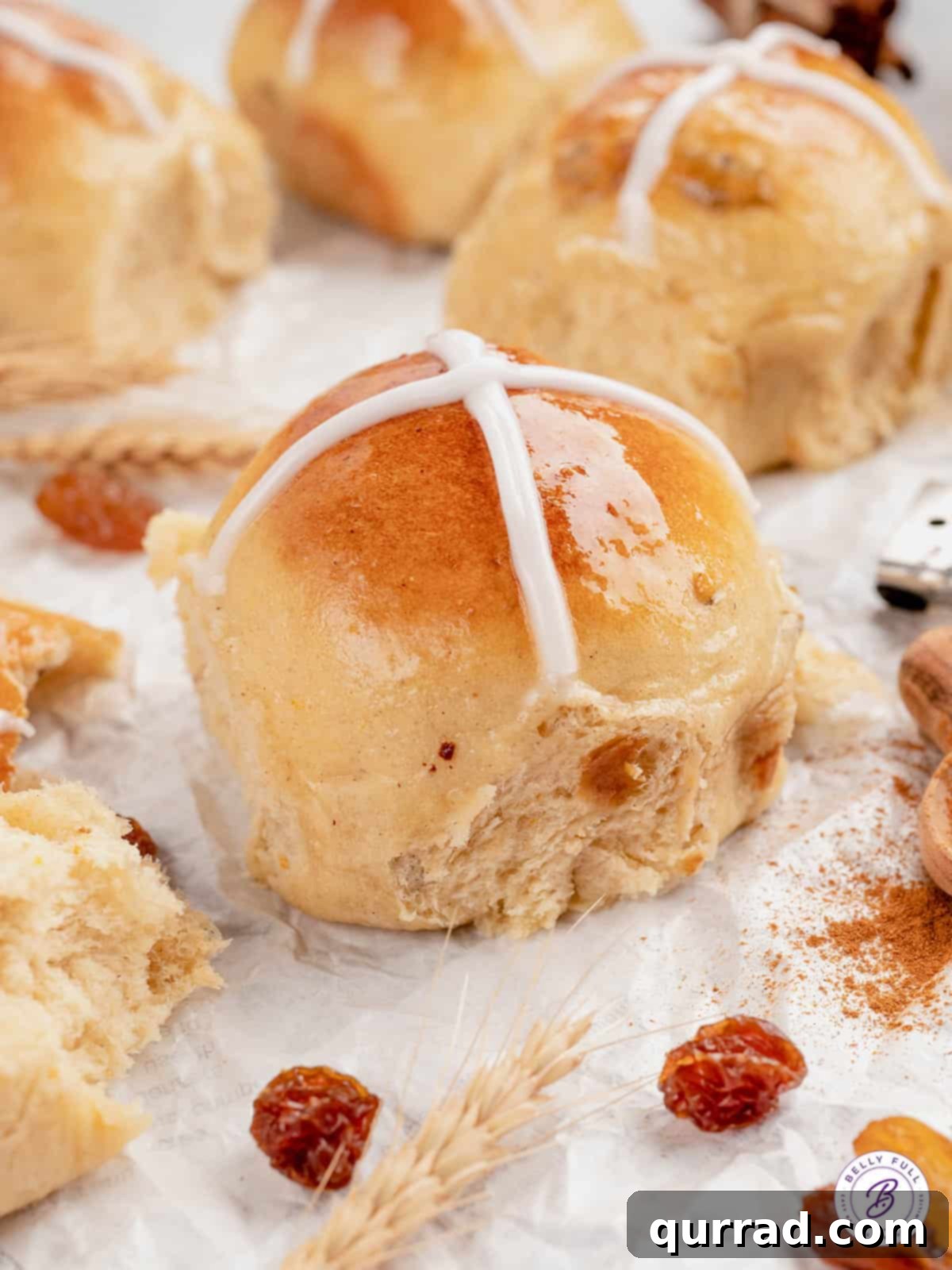
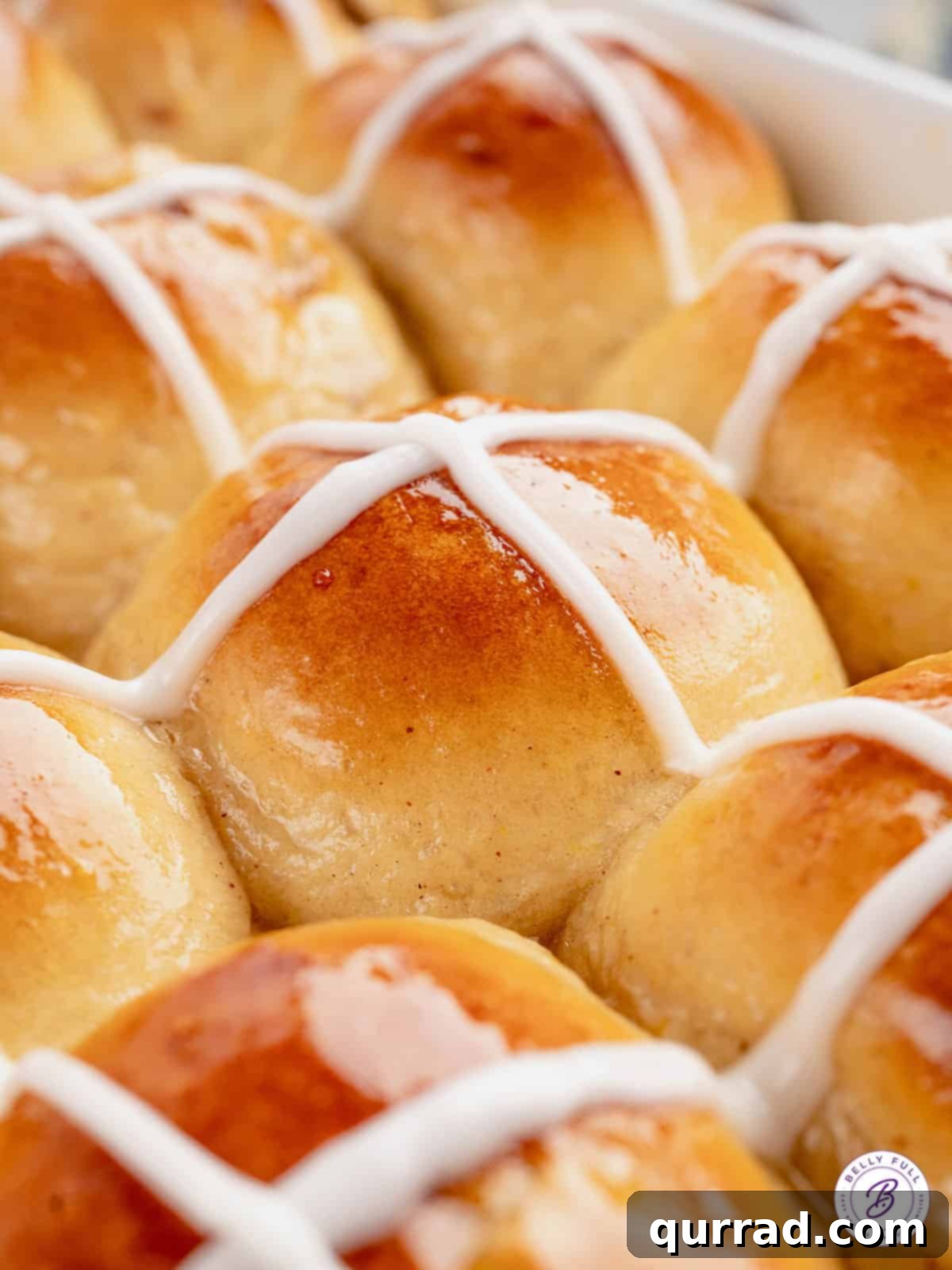
Welcome to the delightful world of homemade Hot Cross Buns – a beloved Easter tradition that fills your home with an irresistible aroma of warm spices and citrus. These soft, fluffy, and tender yeasted rolls are brimming with plump, juicy raisins, lovingly brushed with a bright orange-scented glaze, and crowned with an iconic royal icing cross. More than just a simple pastry, these buns are a symbol of springtime, renewal, and togetherness, making them a perfect centerpiece for your Easter buffet, nestled beside a glazed ham or roasted carrots.
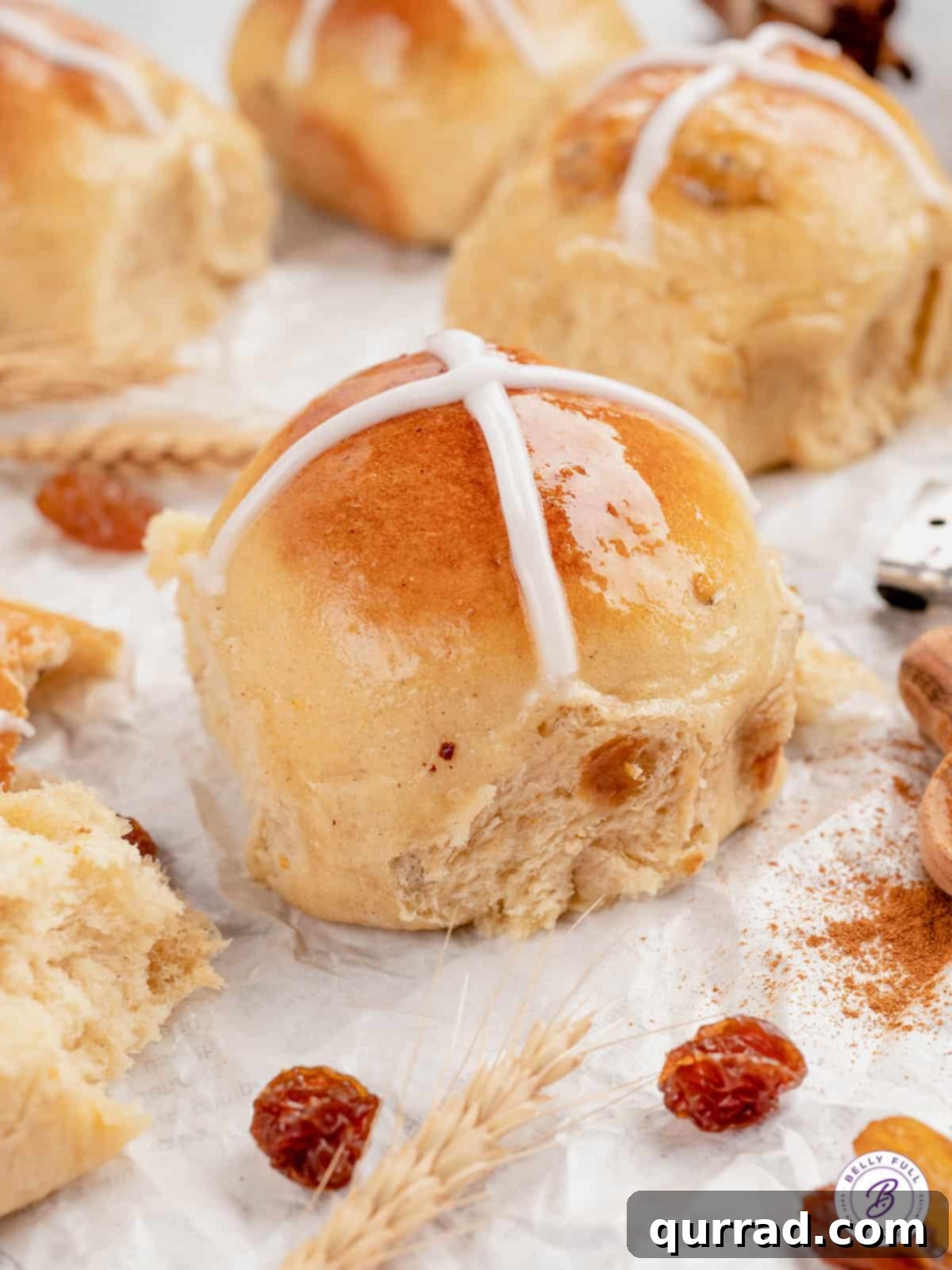
Embrace the Tradition: The Joy of Homemade Hot Cross Buns
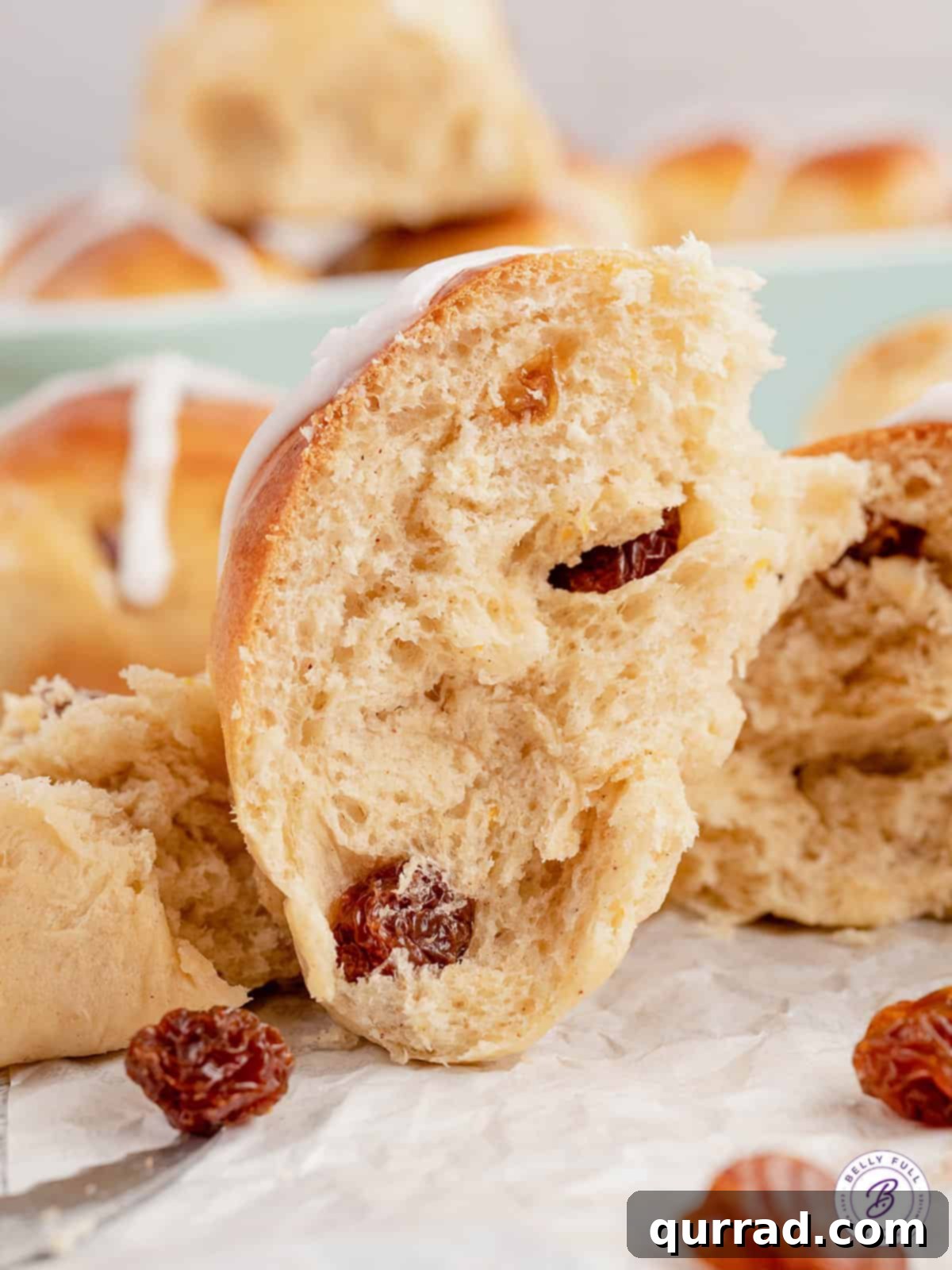
There’s something truly magical about baking Hot Cross Buns from scratch. This recipe transforms simple pantry staples into a delectable treat that is both visually stunning and incredibly delicious. Each bun offers a harmonious blend of textures and flavors: a soft, pillowy interior studded with sweet raisins, a hint of comforting warm spices like cinnamon and nutmeg, and a vibrant burst of orange from both the dough and the glistening glaze. It’s a sensory experience that defines Easter for many families.
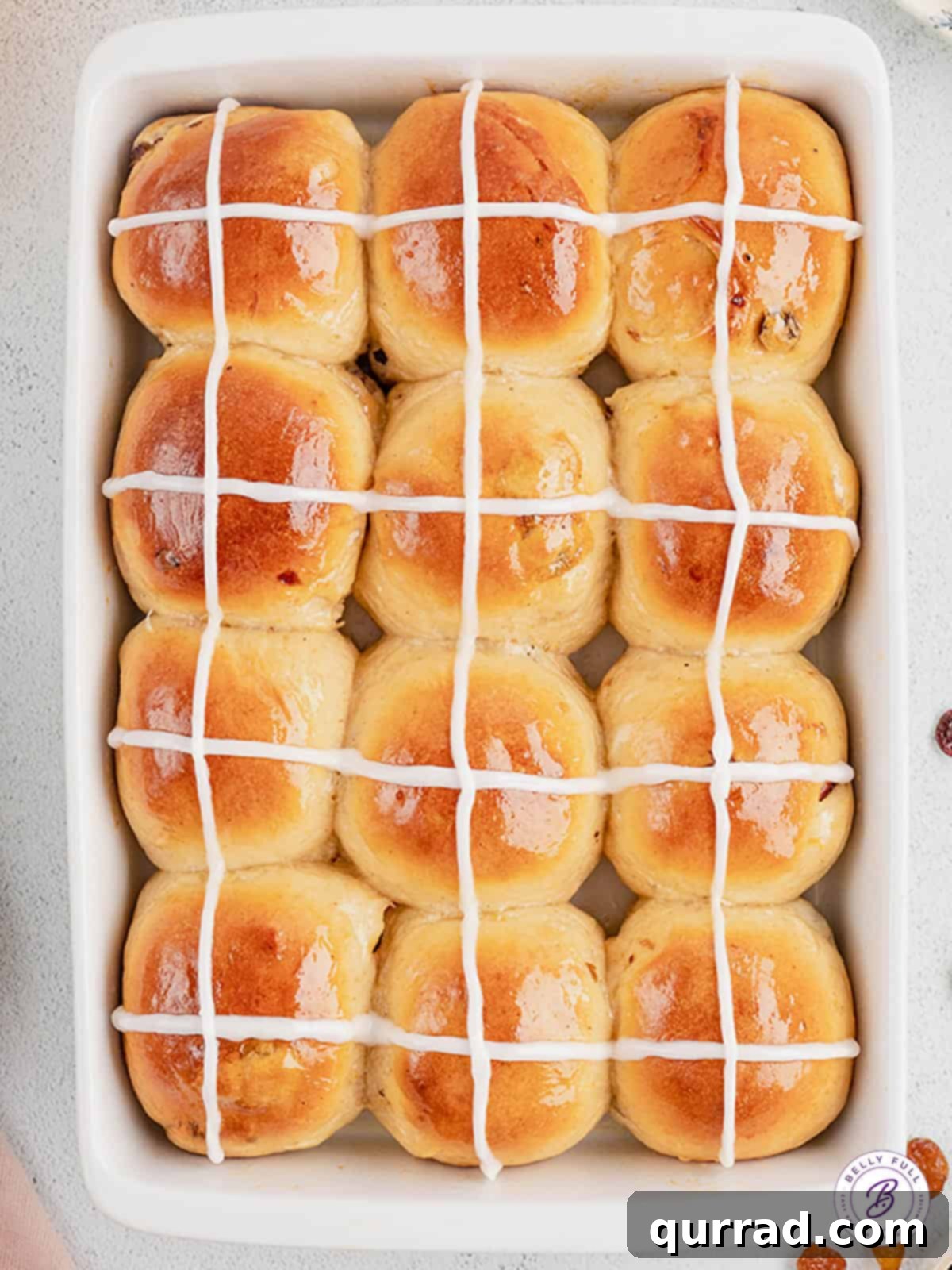
While some traditional recipes call for a flour paste cross applied before baking, we find that a delicate royal icing cross piped on after the buns have cooled offers a beautiful, crisp contrast in texture and a touch of elegance. This method also allows for a more pronounced cross, making it a favorite for our Easter spread.
If you’re new to working with yeast dough, don’t be intimidated! This recipe is designed to be accessible for beginners. The dough is forgiving, and with clear, step-by-step instructions, you’ll be amazed at how quickly and easily these beautiful buns come together. Forget about spending an entire day in the kitchen; this recipe allows you to enjoy the process without excessive wait times, rewarding you with fresh, warm buns in just a few hours.
What Exactly Are Hot Cross Buns? A Taste of History
Hot Cross Buns are sweet, spiced, yeasted rolls traditionally enjoyed during the Christian observance of Lent, particularly on Good Friday. Their history dates back centuries, with mentions as early as the 12th century. The most distinctive feature of these buns is the cross marked on top, which symbolizes the crucifix and Easter. This religious symbolism gives the buns their poignant connection to the Easter season.
Beyond their historical roots, Hot Cross Buns are celebrated for their distinctive flavor profile. They are typically infused with warm spices such as cinnamon and nutmeg, and often contain dried fruits like raisins or currants. Our rendition elevates this classic with fragrant orange zest, both in the dough and the final glaze, adding a bright, citrusy note that perfectly complements the spices and sweet fruit. While traditionally consumed on Good Friday, many families, including ours, enjoy these delightful treats throughout the Easter weekend, making them a staple on the Easter Sunday buffet.
Essential Ingredients for Fluffy Hot Cross Buns
Crafting the perfect Hot Cross Buns begins with a careful selection of fresh, high-quality ingredients. This recipe relies on a combination of pantry staples and a few key flavor enhancers to achieve its signature taste and texture. Each component plays a vital role:
- Milk: Crucial for activating the yeast. It needs to be warm, ideally between 100-110°F (38-43°C). Too cold, and the yeast won’t activate; too hot, and it will kill the yeast. A quick zap in the microwave for about 30 seconds usually does the trick.
- Sugar: Not just for sweetness, sugar provides essential food for the active dry yeast, encouraging it to bloom and create that desirable airy texture in your buns.
- Active Dry Yeast: The leavening agent that makes these buns so soft and fluffy. Always check the expiration date to ensure your yeast is fresh and active. Inactive yeast will result in dense, flat buns.
- All-Purpose Flour: The structural foundation of the buns. For best results and to prevent a dry, crumbly dough, always measure flour using the “spoon and level” method rather than scooping directly from the bag.
- Salt: A small but mighty ingredient, salt balances the sweetness and enhances the overall flavor profile of the buns.
- Nutmeg & Cinnamon: These classic warm spices infuse the buns with their comforting, traditional aroma and taste. For an added layer of complexity and a delicate floral note, consider incorporating a quarter teaspoon of ground cardamom into your spice mixture.
- Vanilla Extract: A splash of good quality vanilla extract deepens the flavor, adding a subtle sweetness and aromatic richness.
- Eggs: Eggs contribute to the dough’s structure, richness, and tenderness, ensuring a beautifully soft crumb. Make sure they are at room temperature for better incorporation into the dough.
- Butter: Softened butter adds moisture, flavor, and helps create a tender, rich dough. It should be very soft, almost at room temperature, but not melted, for optimal mixing.
- Orange Zest: The star citrus note that brightens the entire bun. You’ll use it in both the dough and the glaze for a cohesive, vibrant flavor. Always use fresh zest for the best aroma.
- Raisins: Plump, juicy raisins are a hallmark of Hot Cross Buns. While regular dark raisins are perfectly fine, I love using tri-colored raisins for an extra visual appeal. Soaking them in hot water before adding to the dough ensures they are extra plump and moist.
- Powdered Sugar: The essential base for the smooth, pipeable royal icing cross. Sifting it prevents lumps.
- Corn Syrup: A secret ingredient for the icing, corn syrup lends a beautiful sheen and helps the icing set and harden properly, preventing it from being too sticky.
Creative Variations & Thoughtful Substitutions
While the classic Hot Cross Bun recipe is a timeless delight, there are plenty of ways to customize it to suit your preferences or dietary needs. Don’t be afraid to experiment and make this recipe truly your own:
- Infuse Raisins with More Flavor: To elevate the taste of your raisins, consider soaking them in more than just hot water. A splash of vanilla or almond extract added to the soaking liquid can provide an extra layer of sweetness and aroma. For an adult-friendly version, a good quality rum can be used to soak the raisins, adding a sophisticated depth of flavor. Ensure the raisins are thoroughly drained and patted dry before incorporating them into the dough.
- Explore Different Dried Fruits: Raisins are traditional, but they’re not your only option! Currants offer a slightly tart, smaller bite, while dried cranberries can add a beautiful color and a tangier flavor profile. For a truly unique twist, you could even try finely chopped candied orange peel or a mix of dried cherries and apricots.
- Adjust the Spice Blend: The recipe calls for nutmeg and cinnamon, which are wonderful. However, you can personalize the spice blend further. A pinch of ground cloves, allspice, or ginger can add more warmth and complexity. Many traditional British recipes use “mixed spice,” a pre-blended concoction that often includes these very ingredients.
- Chocolate Chip Surprise: For a modern twist that kids and adults alike will love, swap out some or all of the dried fruit for mini chocolate chips. The melting chocolate within the warm bun is absolutely divine.
- Nuts for Crunch: Finely chopped pecans or walnuts can be folded into the dough along with the raisins for a delightful textural contrast.
- Alternative Glazes: While the orange-scented glaze is fantastic, you could opt for a simpler honey glaze (equal parts honey and hot water, brushed on) or a lemon glaze (lemon juice and powdered sugar) for a different citrus note. You can even skip the glaze entirely and just rely on the icing cross if you prefer a less sweet bun.
- Egg Wash Considerations: Our recipe includes an optional egg wash for a beautiful, golden-brown, shiny crust. However, if you prefer, you can skip the egg wash and still achieve delicious results. The buns will just have a slightly softer, less glossy exterior.
- Dairy-Free Option: To make these buns dairy-free, simply substitute the milk with a non-dairy milk alternative like almond or soy milk, and replace the butter with a high-quality dairy-free butter substitute or coconut oil.
How to Make Hot Cross Buns: A Detailed Guide
Creating these iconic Easter buns is a rewarding process. Follow these steps carefully to ensure a batch of perfectly fluffy, aromatic Hot Cross Buns every time:
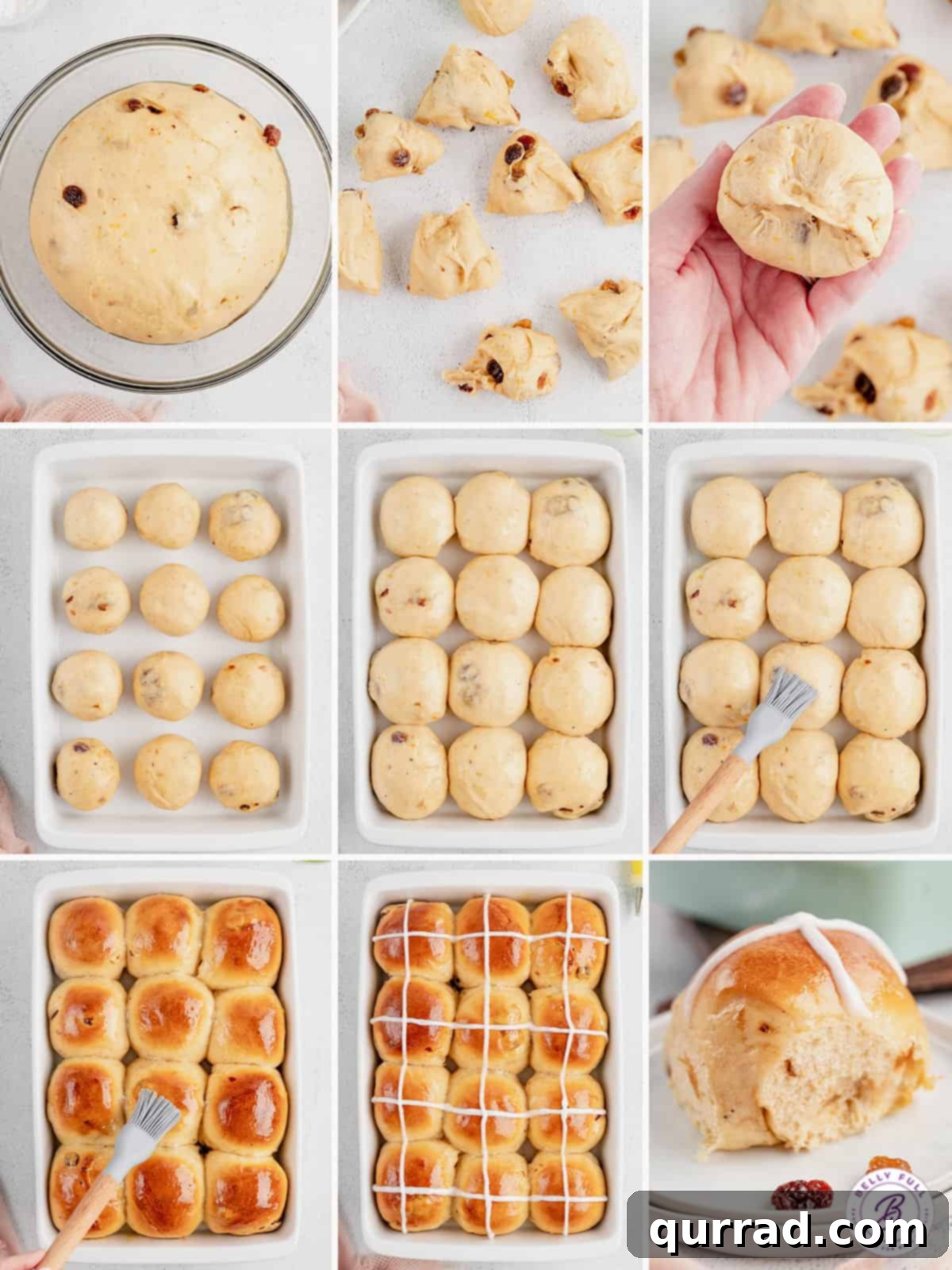
- Activate the Yeast and Prepare Raisins: In the bowl of your stand mixer, combine the warmed milk (100-110°F), sugar, and active dry yeast. Give it a gentle stir and let it sit for about 10 minutes. During this time, the yeast should “bloom,” forming a foamy layer on the surface, indicating it’s active and ready. Simultaneously, place your raisins in a small heat-proof bowl and cover them with very hot water. Let them soak to plump up, then drain thoroughly and pat them dry before adding to the dough. This prevents them from absorbing too much moisture from the dough.
- Combine Dry Ingredients: In a separate large bowl, whisk together the all-purpose flour, salt, nutmeg, and cinnamon. Ensure these dry ingredients are well combined before adding them to the wet mixture.
- Prepare the Wet Mixture: To the foamy yeast mixture in the stand mixer, add the vanilla extract, room-temperature eggs, and very soft butter. Using the paddle attachment, mix these ingredients until just combined. The butter will likely break into small pieces, which is perfectly normal.
- Form the Dough: Add half of the whisked flour mixture to the wet ingredients and mix on low speed until just combined. Switch from the paddle attachment to the dough hook. Gradually add the remaining flour mixture, mixing until a shaggy dough forms and most of the flour is incorporated.
- Knead the Dough: With the dough hook still attached, add the drained and patted dry raisins and the fresh orange zest to the dough. Knead on medium-low speed for approximately 5-7 minutes. The dough should transform from sticky to smooth and elastic, pulling away from the sides of the bowl. To test for proper kneading, perform the “windowpane test”: gently stretch a small piece of dough; if it stretches thin enough to see light through it without tearing, it’s ready.
- First Rise (Bulk Fermentation): Lightly drizzle a large clean bowl with olive oil or another neutral-flavored vegetable oil. Place the kneaded dough ball into the bowl, then flip it over to ensure it’s lightly coated in oil. Cover the bowl tightly with plastic wrap or a damp kitchen towel. Place it in a warm, draft-free spot to rise until it has doubled in size. This usually takes between 45 minutes to 1.5 hours, depending on the warmth of your environment.
- Shape the Rolls and Second Rise: Lightly grease a 9×13 inch baking dish with non-stick cooking spray, or line a rimmed baking sheet with parchment paper. Gently punch down the risen dough to release the air. Transfer the dough to a lightly floured surface and divide it into 12 equal pieces. For precise, uniformly sized buns, use a kitchen scale to measure each piece (they should be about 3.2 ounces or 90 grams each). Form each piece into a smooth, tight ball by rolling it between your palm and the counter. Arrange the shaped buns evenly spaced in your prepared baking dish. Cover them again with a damp towel or plastic wrap and let them rise in a warm place for another 30 minutes, or until they have visibly doubled in size and look puffy.
- Bake to Golden Perfection: While the buns are on their second rise, preheat your oven to 375°F (190°C). If using, brush the tops of the risen buns lightly with an egg wash (one egg white mixed with a splash of milk) for a deeper golden brown and shinier finish. Bake for 15-20 minutes, or until the buns are beautifully golden brown on top and cooked through.
- Prepare the Orange Glaze: As the buns bake, prepare the vibrant orange glaze. In a small saucepan, combine water, sugar, and fresh orange zest. Bring the mixture to a boil over medium heat, then simmer for 2-3 minutes, stirring occasionally, until it thickens slightly into a light syrup. For a smoother glaze, you can strain out the orange zest before applying, though leaving it in adds visual appeal and more intense flavor.
- Glaze the Warm Buns: As soon as the hot cross buns emerge from the oven, brush them generously with the warm orange glaze. This step infuses them with moisture and flavor while they’re still hot. Allow the buns to cool completely on a wire rack before proceeding to the icing step. This is crucial; if they are still warm, the icing will melt.
- Pipe the Royal Icing Crosses: To prepare the royal icing, combine the sifted powdered sugar, milk, corn syrup, and your chosen flavoring (vanilla or almond extract) in a small bowl. Whisk until smooth. Adjust the consistency by adding more milk a tiny drop at a time for thinner icing, or more powdered sugar for thicker icing, until it’s perfect for piping – it should hold its shape without being too stiff or too runny. Transfer the icing to a piping bag fitted with a small round tip, or a re-sealable plastic bag with a small corner snipped off. Carefully pipe crosses on top of each cooled bun. Let the buns sit for about 15 minutes to allow the icing to set and harden before serving.
Expert Tips for Baking Perfect Hot Cross Buns
Achieving bakery-quality Hot Cross Buns at home is entirely possible with a few key considerations in mind. Here are some pro tips to guide you, especially if it’s your first time baking yeast rolls:
- Ensure Yeast is Active: This is perhaps the most critical step. If, after 10 minutes, your yeast mixture doesn’t become foamy and bubbly, it means your yeast is likely inactive or your milk temperature was incorrect. Discard the mixture and start again with fresh yeast and properly warmed milk. Active yeast is the secret to light and airy buns.
- Measure Flour Accurately: Precision in baking, especially with yeast dough, is key. Always use the “spoon and level” method for measuring flour: use a spoon to lightly scoop flour into your measuring cup until it’s overflowing, then use the back of a knife or a straight edge to level it off. Never pack the flour or scoop directly from the bag, as this can add too much flour, leading to a dry, dense dough.
- Divide Dough Evenly: For consistent baking and uniform rolls, it’s important to divide the dough into equal pieces. While eyeballing it can work for experienced bakers, using a kitchen scale is the most accurate method. Each dough ball should weigh approximately 3.2 ounces (about 90 grams) for this recipe. This ensures all buns bake at the same rate and have the same delightful texture.
- Cool Completely Before Icing: Patience is a virtue when it comes to the icing. It is absolutely imperative that your Hot Cross Buns are completely cooled to room temperature before you pipe on the royal icing crosses. If the buns are even slightly warm, the icing will melt, creating a messy rather than decorative cross.
- Don’t Over-Knead: While kneading is crucial for developing gluten, over-kneading can make the dough tough. Knead until the dough is smooth and elastic and passes the windowpane test, then stop.
- Warm Environment for Rising: Yeast thrives in warmth. Place your covered dough in a warm, draft-free spot for rising. Options include a slightly warmed (but turned off) oven, near a sunny window, or on top of a warm appliance.
- Avoid Over-Proofing: While under-proofed dough will result in dense buns, over-proofed dough can also lead to issues, such as a strong yeasty flavor or a collapsed structure during baking. The dough should double in size, appearing puffy and light, but not excessively so.
Serving Suggestions for Your Hot Cross Buns
Hot Cross Buns are an indispensable part of the Easter season, and their versatility means they can be enjoyed in various delightful ways:
- Easter Brunch or Buffet: As a traditional Easter staple, these buns truly shine when served as part of your holiday brunch or dinner buffet. They pair beautifully with savory dishes like honey glazed spiral ham, fluffy scrambled eggs, or even alongside festive sides such as roasted carrots and asparagus.
- Simple Breakfast or Tea Time: These buns are also perfect on their own for a comforting breakfast, a midday snack, or an elegant accompaniment to your afternoon tea or coffee. The combination of sweet glaze and spiced dough means they are perfectly complete without any additional toppings.
- Warm or Room Temperature: While best enjoyed at room temperature to allow the icing to remain firm, a quick, gentle warming can enhance their softness and release their aromatic spices. However, be cautious not to overheat them, especially with the icing.
Proper Storage for Freshness & Convenience
To ensure your homemade Hot Cross Buns remain delicious for as long as possible, proper storage is essential. They are always best enjoyed fresh on the day they are baked, but they can be kept for a few days:
- Storing Leftovers: Any leftover Hot Cross Buns should be stored at room temperature in an airtight container or tightly wrapped in plastic wrap. They will remain wonderfully fresh for up to 2 days. Beyond that, the texture may start to change, becoming a little firmer.
- Reheating: To revive day-old buns, gently reheat individual rolls in the microwave for about 8-10 seconds. This will soften them beautifully, making them taste almost as good as freshly baked. Be very careful not to overheat, as the delicate royal icing will melt.
- Freezing for Later: For longer storage, homemade Hot Cross Buns freeze exceptionally well. Once they have completely cooled and the icing has fully set, wrap each bun individually in parchment paper, then place them in a freezer-safe airtight container or heavy-duty freezer bag. They can be stored in the freezer for up to 2 months. This individual wrapping allows you to thaw only the portions you need, minimizing waste. Thaw at room temperature or gently reheat from frozen in a low oven for a few minutes.
More Festive Easter Recipes to Explore
Looking to complete your Easter menu? Here are more delightful recipes that are perfect for the holiday:
- Broken Glass Jello
- Hummingbird Cake
- Pea Salad
- Roasted Pork Tenderloin
- Creamed Corn
- Lemon Tart
We truly hope you enjoy making and sharing this delicious and easy Hot Cross Buns recipe. Your feedback means the world to us, so please consider leaving a review below! For more culinary inspiration and daily recipe ideas, be sure to follow Belly Full on TikTok, Facebook, Instagram, Pinterest, and YouTube!
Complete Hot Cross Buns Recipe
These traditional Hot Cross Buns boast a total preparation time of approximately 2 hours and 15 minutes, including two crucial rising periods. With a prep time of 25 minutes and a cook time of 20 minutes, this recipe yields 12 wonderfully soft and spiced buns.
Ingredients
FOR THE BUNS
- 3/4 cups milk, warmed to 100-110°F
- 1/4 cup sugar
- 1 package active dry yeast (2 & 1/4 teaspoons)
- 3 & 1/2 cups all purpose flour, spooned and leveled
- 1/2 teaspoon salt
- 1/4 teaspoon nutmeg
- 1/2 teaspoon cinnamon
- 1 teaspoon vanilla extract
- 2 eggs, room temperature
- 4 tablespoons butter, very soft
- 1 teaspoon orange zest
- 1 cup raisins (tri-colored or regular)
EGG WASH (OPTIONAL)
- 1 egg white
- Splash of milk
FOR THE GLAZE
- 1/4 cup water
- 1/4 cup sugar
- 1 teaspoon orange zest
FOR THE ICING
- 1 cup powdered sugar, sifted
- 3 teaspoons milk
- 2 teaspoons corn syrup
- 1/4 teaspoon vanilla or almond extract
Instructions
- In the bowl of your stand mixer, combine the warmed milk, sugar, and yeast. Let sit for 10 minutes until it becomes foamy.
- While the yeast blooms, soak the raisins in very hot water in a small bowl.
- In a large bowl, whisk together the flour, salt, and spices. Set aside.
- With the paddle attachment, add the vanilla, eggs, and butter to the yeast mixture and mix to combine. The butter will break up into little pieces. Add in half of the flour mixture and mix until well combined. Switch to the dough hook and add the remaining flour, mixing until mostly combined.
- Drain raisins and pat dry. Add the orange zest and raisins to the dough. Knead on medium-low speed with the dough hook until the dough becomes smooth and elastic, about 5-7 minutes.
- In a large bowl, add a drizzle of vegetable oil. Place the dough ball in the bowl, flipping it around to cover it in a light layer of oil. Cover the bowl with plastic wrap or a damp towel and set in a warm place to rise until doubled in size, 45 minutes to 1 & 1/2 hours.
- Spray a 9×13 inch baking dish with non-stick cooking spray, or line a rimmed baking sheet with parchment paper. Punch down the dough and divide into 12 equal pieces. Form each piece into a small ball and roll it on the counter between your hands to create a tight ball of dough (each ball should weigh about 3.2 ounces if you have a kitchen scale). Place rolls evenly spaced in the baking dish. Cover with a damp towel or plastic wrap and let rise again in a warm area for 30 minutes or until rolls are double in size.
- Preheat oven to 375°F (190°C). Brush with egg wash, if using (for browner rolls). Bake for 15-20 minutes, or until golden brown.
- While rolls are baking, create the syrup by bringing the water, sugar, and orange zest to a boil in a small saucepan. Boil for 2-3 minutes, or until the mixture thickens slightly. Strain zest out if desired.
- Brush buns with the glaze mixture as soon as they come out of the oven. Then let the rolls cool completely before icing.
- To make the icing, combine the powdered sugar, milk, corn syrup, and flavoring. Continue adding more milk or powdered sugar until you get a good consistency for piping. Place the icing in a piping bag or ziploc with the corner cut off, and pipe crosses on the buns. Let sit for 15 minutes to harden. Serve and enjoy!
Recipe Notes
- Add flavor to the raisins: For extra flavor, add a splash of vanilla or almond extract to the soaking liquid, or soak them in rum for an adult version.
- Swap out the raisins: You can substitute currants or dried cranberries for the raisins.
- Egg wash: An egg wash (egg white + splash of milk) adds extra shine and a deeper golden color, but the buns will still be delicious without it.
Nutritional information is an estimate and can vary based on exact products used and any modifications to the recipe. If precise nutritional values are crucial, we recommend calculating them independently.