
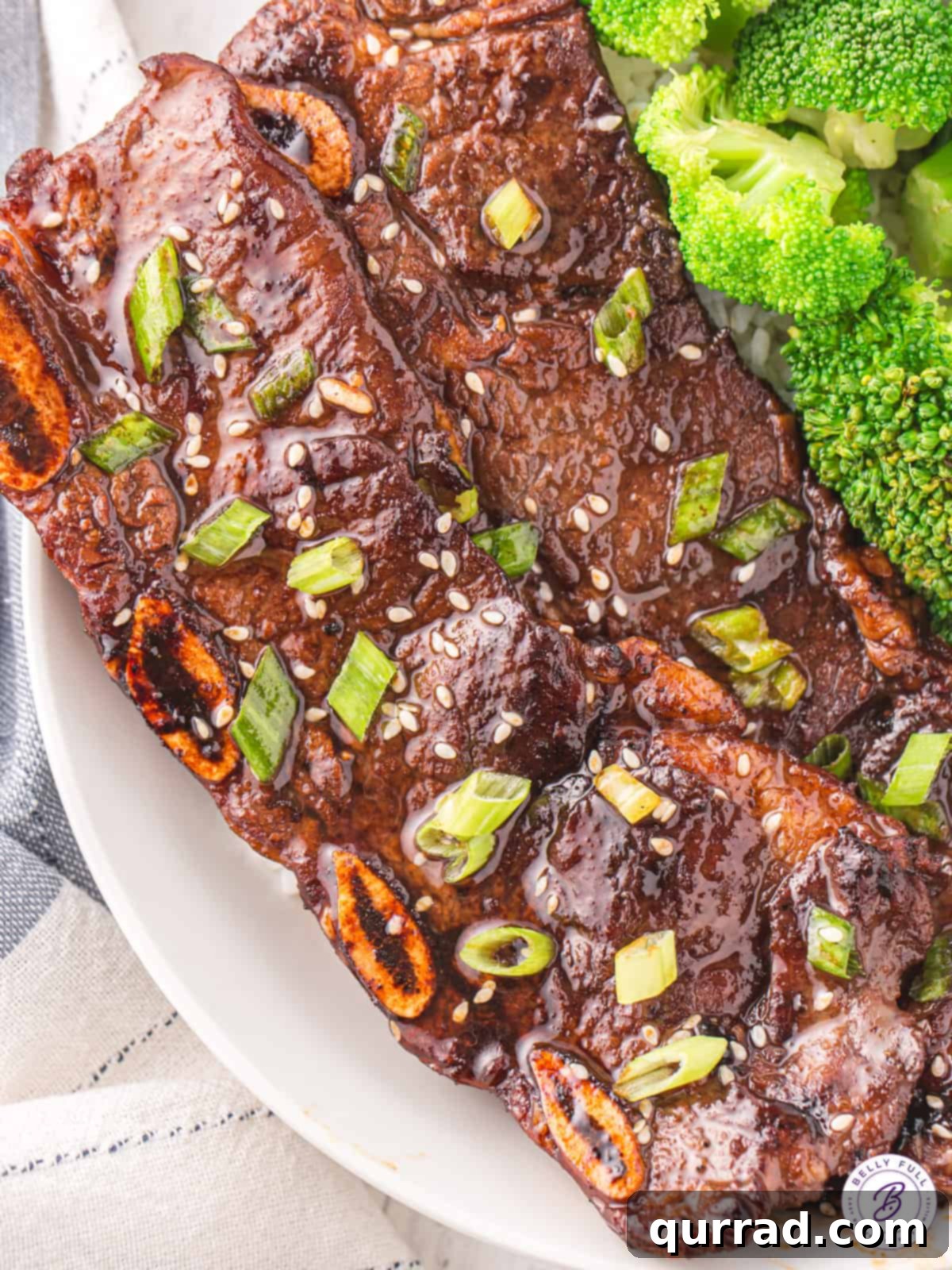
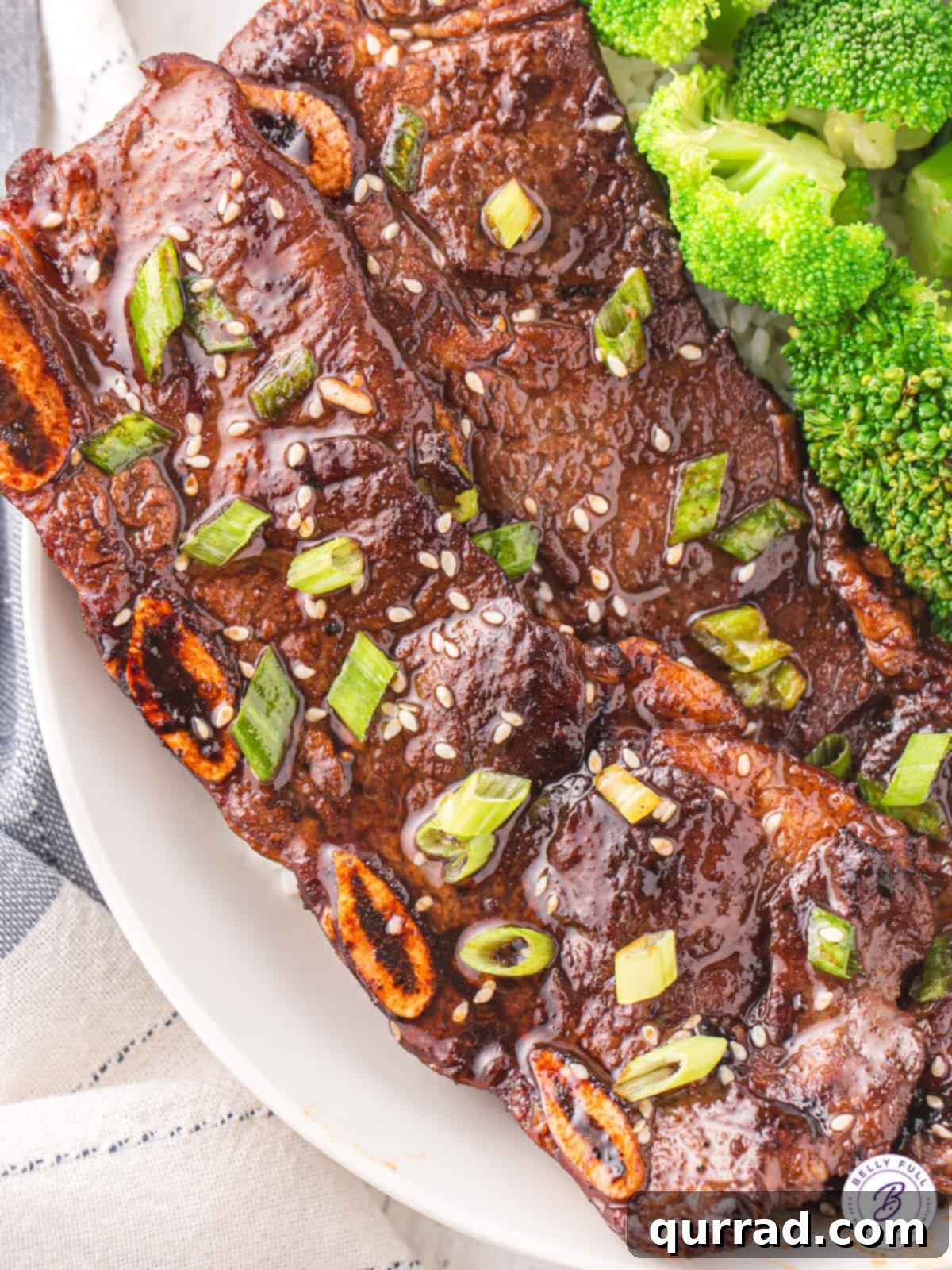
Indulge in the irresistible flavors of tender, marinated Korean Short Ribs, perfectly grilled and ready to delight your taste buds. This comprehensive Kalbi (Galbi) recipe brings the authentic taste of Korean BBQ right to your home kitchen, promising a fantastic balance of sweet, savory, and umami notes with surprisingly little effort. Whether it’s a special occasion or a simple weeknight meal, these succulent ribs are sure to become a family favorite.
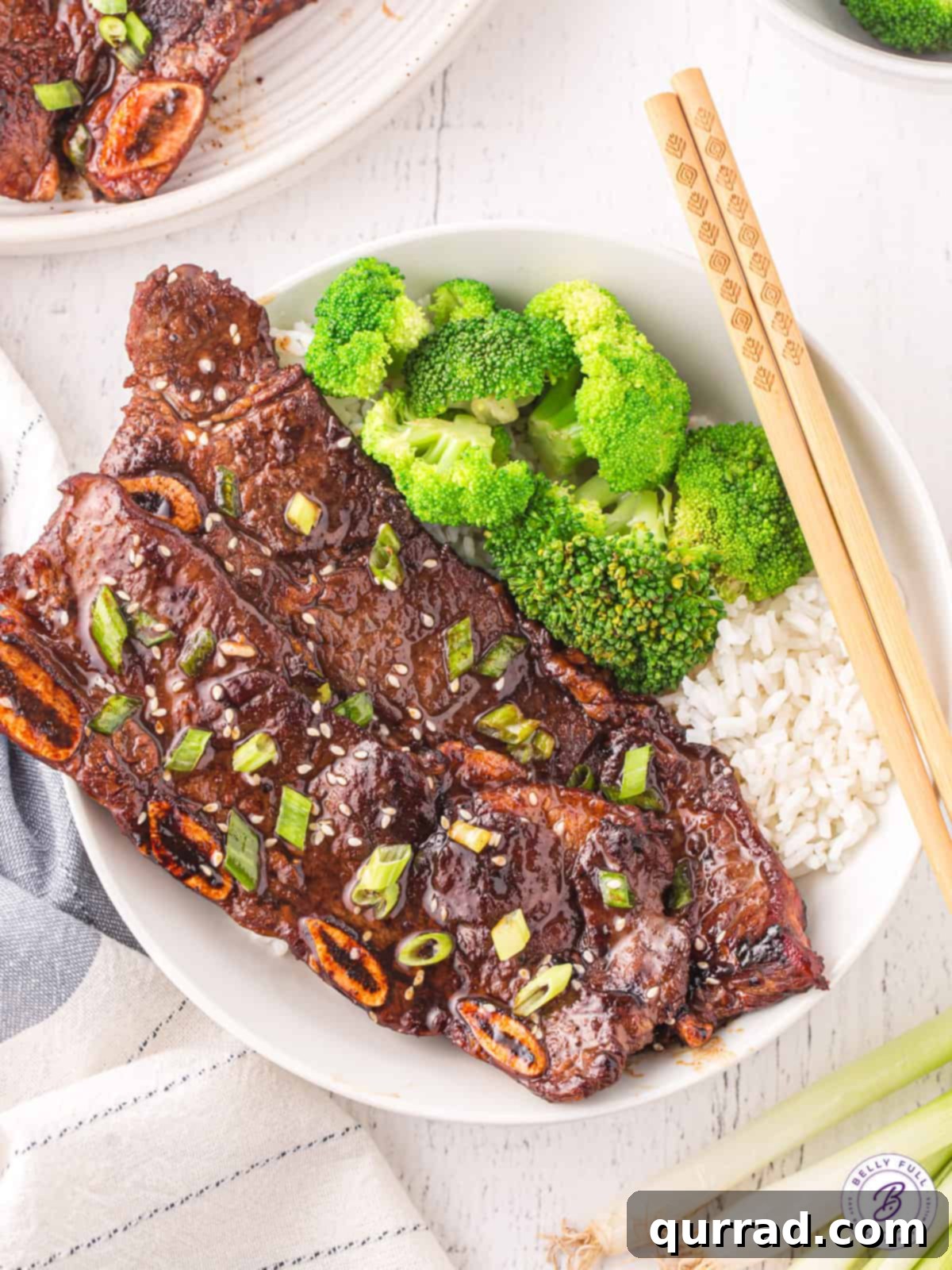
The Ultimate Homemade Korean Short Rib (Kalbi) Recipe
Korean short ribs, affectionately known as Kalbi or Galbi, have captivated palates worldwide, cementing their status as a beloved staple in Korean cuisine. While they are a star attraction at Korean barbecue restaurants, you don’t need to live near one to savor their exquisite taste. This detailed guide makes preparing these flavorful ribs at home not just possible, but incredibly easy and rewarding. Famed for their succulent texture and deep, rich flavor profile, Kalbi ribs perfectly marry a signature umami-rich marinade with the natural juiciness of thinly sliced beef short ribs. Get ready to impress your family and friends with this truly authentic and easy-to-follow recipe.
What Are Korean Short Ribs (Kalbi/Galbi)?
Korean Short Ribs, widely recognized as Kalbi (갈비) or Galbi, refer to a specific cut of beef short ribs that is central to many traditional Korean dishes. The distinctive “flanken” style cut is what sets them apart. Unlike American-style short ribs which are cut parallel to the bone, flanken ribs are cut across the bone into thin slices, typically about 1/2-inch thick. Each slice usually contains several small cross-sections of bone, which not only adds to the visual appeal but also contributes to the rich flavor during cooking.
This unique cutting method serves a dual purpose: it significantly reduces cooking time compared to thicker cuts, allowing the ribs to cook quickly on a grill or barbecue, and it maximizes the surface area for the marinade to penetrate deeply into the meat. The result is an incredibly tender and flavorful bite every single time.
The magic of Korean short ribs lies largely in their iconic marinade. This flavorful concoction typically features a harmonious blend of soy sauce for umami depth, brown sugar for a touch of sweetness and caramelization, sesame oil for its distinctive nutty aroma, and fresh aromatics like minced garlic and ginger. These ingredients work in synergy, not only infusing the beef with a sweet and savory taste but also acting as natural tenderizers. Many recipes, including this one, also incorporate mirin (a sweet Japanese rice wine) to add an extra layer of complexity and subtle tang, and a hint of red chili flakes for a gentle warmth that balances the richness of the meat.
Why Make Kalbi at Home?
While dining out at a Korean BBQ restaurant is an experience in itself, preparing Kalbi at home offers numerous advantages that make it an even more appealing option:
- Unbeatable Freshness and Quality Control: When you cook at home, you have complete control over the quality of your ingredients, from selecting the freshest beef to choosing your preferred brands of soy sauce and sesame oil. This ensures a superior flavor and a healthier meal for your family.
- Cost-Effective Indulgence: Enjoying a substantial portion of premium Korean short ribs at a restaurant can be quite pricey. Making Kalbi at home allows you to savor this gourmet dish for a fraction of the cost, making it a more accessible luxury.
- Customization to Your Palate: Are you sensitive to spice? Do you prefer a sweeter marinade? Cooking Kalbi yourself means you can easily adjust the marinade to suit your personal taste preferences. Add more chili flakes for heat, less sugar for a more savory profile, or even experiment with additional aromatics.
- The Joy of the Process: There’s immense satisfaction in preparing a delicious meal from scratch. From whisking together the fragrant marinade to grilling the ribs to perfection, the entire process is a rewarding culinary journey that culminates in a spectacular dish.
- Convenience for Weeknight Meals: With the marinating done overnight, the actual cooking time for Kalbi is remarkably short—often less than 15 minutes. This makes it an ideal choice for a delicious and quick weeknight dinner that feels special without demanding hours in the kitchen.
Key Ingredients for Authentic Kalbi
This Kalbi Korean BBQ recipe relies on a carefully selected blend of ingredients to create an explosion of authentic Korean flavors. Each component plays a vital role in achieving the perfect balance.
- Flanken Beef Short Ribs: The cornerstone of this dish. These thin-cut ribs, sliced across the bone (approximately 1/2-inch thick), are essential for the traditional Kalbi experience. The presence of bone fragments not only enhances flavor but also helps tenderize the meat. Look for them at your local Asian market or ask your butcher for “flanken-style” or “Korean-style” short ribs.
- Soy Sauce: The foundation of our savory marinade. While any good quality soy sauce works, a Chinese dark soy sauce (which often contains a touch of molasses) offers a deeper color and richer umami flavor, though it can be saltier. For those mindful of sodium intake, low-sodium soy sauce is an excellent alternative without compromising taste.
- Mirin (Sweet Japanese Rice Wine): A crucial ingredient that adds a distinct sweetness, subtle acidity, and a beautiful glaze to the ribs. Similar to sake but with a lower alcohol content and higher sugar level, mirin contributes significantly to the marinade’s depth. It’s readily available in the Asian section of most major grocery stores or at any Asian specialty market.
- Sesame Oil: A small amount of toasted sesame oil delivers an intensely aromatic, nutty flavor that is indispensable in Asian cooking. Its unique profile is a key identifier of authentic Korean cuisine – don’t skip it!
- Dark Brown Sugar: Provides the necessary sweetness to balance the savory soy sauce and the tangy mirin, also aiding in caramelization during grilling for that beautiful charred exterior.
- Minced Garlic and Ginger: These fresh aromatics are non-negotiable for an authentic flavor. They infuse the meat with pungent, zesty notes that are characteristic of Korean marinades. Freshly minced is always best for maximum impact.
- Red Chili Flakes (Optional but Recommended): For those who appreciate a touch of heat, red chili flakes add a subtle warmth that beautifully complements and balances the other flavors. Adjust the quantity to match your personal spice preference.
- Optional Garnishes:
- Sliced Green Onions (Scallions): Add a fresh, mild onion flavor and vibrant color as a garnish.
- Sesame Seeds: Toasted sesame seeds provide a delicate crunch and nutty finish, enhancing the overall presentation and taste.
- Optional Sides:
- Steamed Rice: A classic accompaniment to soak up the delicious marinade juices.
- Steamed Vegetables: Broccoli, bok choy, or asparagus offer a fresh, healthy contrast to the rich ribs.
- Kimchi: The quintessential Korean side dish, offering a spicy, fermented tang that cuts through the richness.
Mastering Your Kalbi: Recipe Variations and Tips
While this recipe provides a classic and authentic Kalbi experience, there are many ways to customize it to your liking or adapt to available ingredients:
- Marinade Versatility for Other Cuts of Meat: This incredibly flavorful marinade isn’t exclusive to flanken short ribs. Feel free to use it with other cuts such as regular bone-in or boneless short ribs, pork ribs, thin-cut steak (like sirloin or ribeye), chicken thighs, or even firm tofu for a vegetarian option. Remember that cooking times will vary significantly depending on the thickness and type of meat used, so always cook to the appropriate internal temperature for safety and best results.
- Mirin Substitutes: Mirin offers a truly unique flavor, and we highly recommend seeking it out for the most authentic taste. However, if it’s unavailable or you prefer an alternative, a good substitute can be created by mixing dry sherry with a small amount of granulated sugar (about 1 teaspoon of sugar per tablespoon of sherry). It’s crucial to avoid rice wine vinegar, as its high acidity will impart an overly sour taste to the marinade, altering the desired sweet and savory balance.
- Ginger Alternatives: Freshly grated ginger provides the most vibrant and pungent flavor, which is ideal for this recipe. If fresh ginger isn’t accessible, you can use ground ginger powder or ginger paste. As ginger powder is more concentrated, use approximately 1/4 of the amount specified for fresh ginger (e.g., 1/4 teaspoon ginger powder for 1 tablespoon fresh ginger). Ginger paste can be used in a 1:1 ratio.
- Adjusting the Heat Level: The amount of red chili flakes can be easily adjusted to match your preference. Omit them entirely for a mild version, use 1/4 teaspoon for a subtle kick, or increase to 1/2 teaspoon or more for a noticeably spicier Kalbi.
- Make it Gluten-Free: For those with gluten sensitivities or dietary restrictions, simply substitute regular soy sauce with Tamari sauce. Tamari is a gluten-free alternative that offers a similar savory flavor profile. Always check the labels of other ingredients, like mirin, to ensure they are also gluten-free.
- Adding Fruit for Extra Tenderization and Sweetness: Many traditional Kalbi recipes incorporate grated Asian pear or apple into the marinade. These fruits contain enzymes that naturally tenderize the meat even further, while also contributing a delicate sweetness and depth of flavor. If adding, use about 1/4 to 1/2 of a small grated pear or apple.
Step-by-Step Guide: How to Make Irresistible Korean Short Ribs
The beauty of this recipe is that once the beef has marinated overnight, a delicious dinner is literally just 10-15 minutes away!
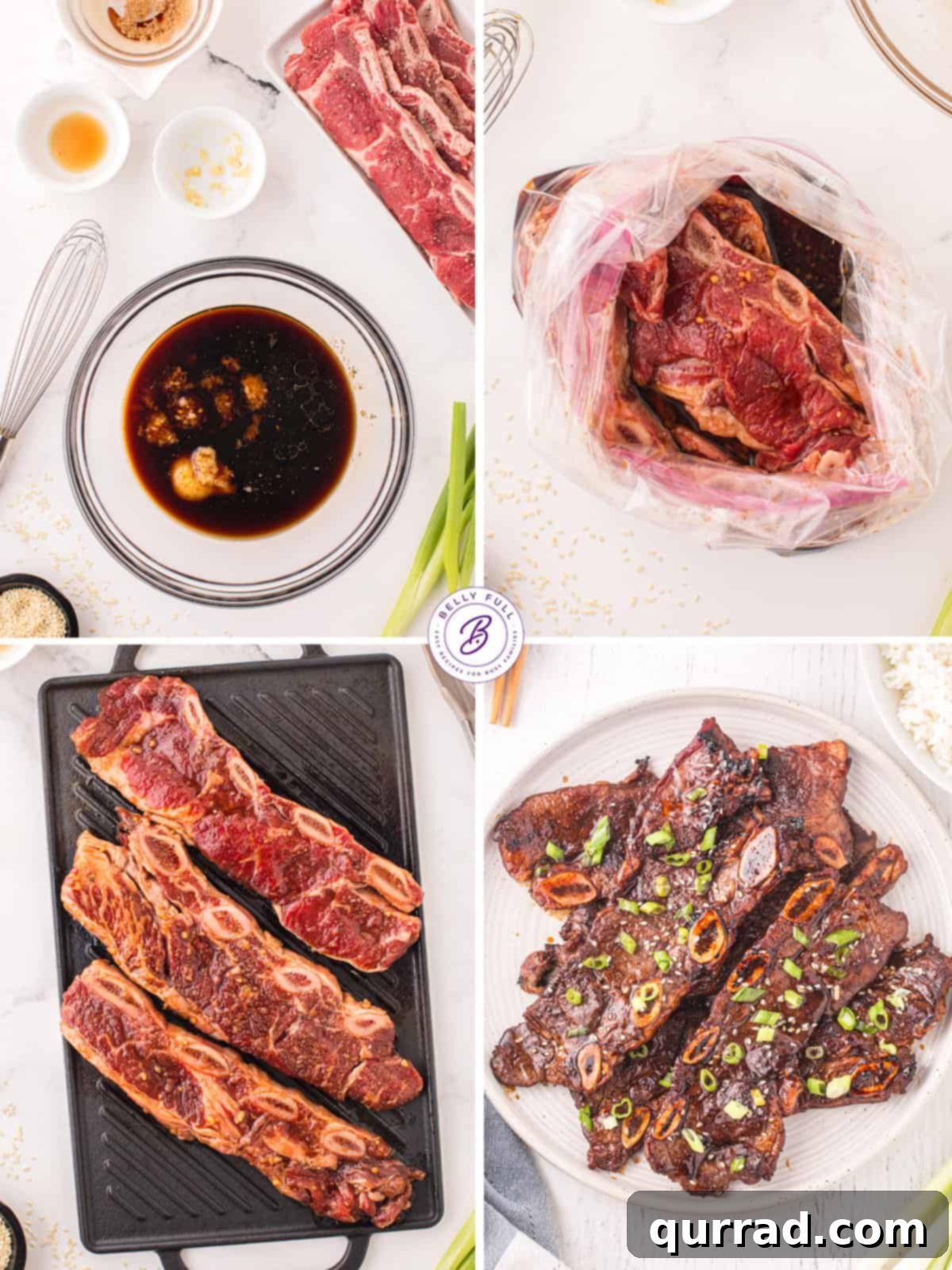
- Prepare the Marinade: In a medium-sized mixing bowl, whisk together all the marinade ingredients: soy sauce, dark brown sugar, sesame oil, mirin, minced garlic, minced ginger, and red chili flakes (if using). Stir until the sugar is fully dissolved.
- Marinate the Beef: Place the flanken beef short ribs into a large, sealable plastic bag or a shallow non-reactive dish. Pour the prepared marinade over the ribs, ensuring each piece is thoroughly coated. Gently massage the bag or turn the ribs in the dish to distribute the marinade evenly. Remove any excess air from the bag, seal it tightly, and refrigerate. Marinate for at least 4 hours, but ideally overnight (8-12 hours) for the best flavor penetration and tenderization.
- Preheat Your Grill: When you are ready to cook, preheat your indoor or outdoor grill to medium-high heat. Once hot, generously grease the grill grates with sesame oil or another high-smoke point cooking oil (such as canola or grapeseed oil) to prevent sticking.
- Cook the Ribs: Remove the marinated ribs from the bag, allowing any excess marinade to drip off. Place the ribs directly onto the hot, greased grill. Cook for 3-4 minutes per side, or until beautiful char marks appear and the internal temperature of the thickest part of the meat reaches 160°F (71°C) for medium doneness. The thin cut cooks quickly, so watch them closely to avoid overcooking.
- Serve and Garnish: Carefully remove the cooked ribs from the grill. Arrange them on a serving platter and garnish generously with sliced green onions and a sprinkle of toasted sesame seeds. Serve immediately while hot.
Don’t have an outdoor grill? No problem!
While Korean short ribs are traditionally grilled for that authentic smoky char, they are incredibly versatile and can be cooked using several other methods:
- Oven Broil: For an easy indoor alternative, preheat your oven broiler. Arrange ribs in a single layer on a foil-lined baking sheet (for easy cleanup). Broil for 4-6 minutes per side, keeping a close eye to prevent burning, until browned and cooked through.
- Stove-Top (Cast Iron Skillet/Griddle): Heat a heavy-bottomed cast-iron skillet or griddle over medium-high heat. Add a touch of oil and sear the ribs for 3-5 minutes per side until caramelized and tender. This method yields fantastic results and a delicious crust.
- Tabletop Electric Grill: Perfect for a Korean BBQ experience right at your dining table! Follow the same cooking times as an outdoor grill.
- Air Fryer: Preheat your air fryer to 400°F (200°C). Arrange ribs in a single layer (you may need to cook in batches). Air fry for 8-12 minutes, flipping halfway through, until crispy and cooked to desired doneness.
Cooking times will vary depending on the chosen method and the thickness of your ribs, so always use a meat thermometer to ensure they reach the safe internal temperature of 160°F (71°C).
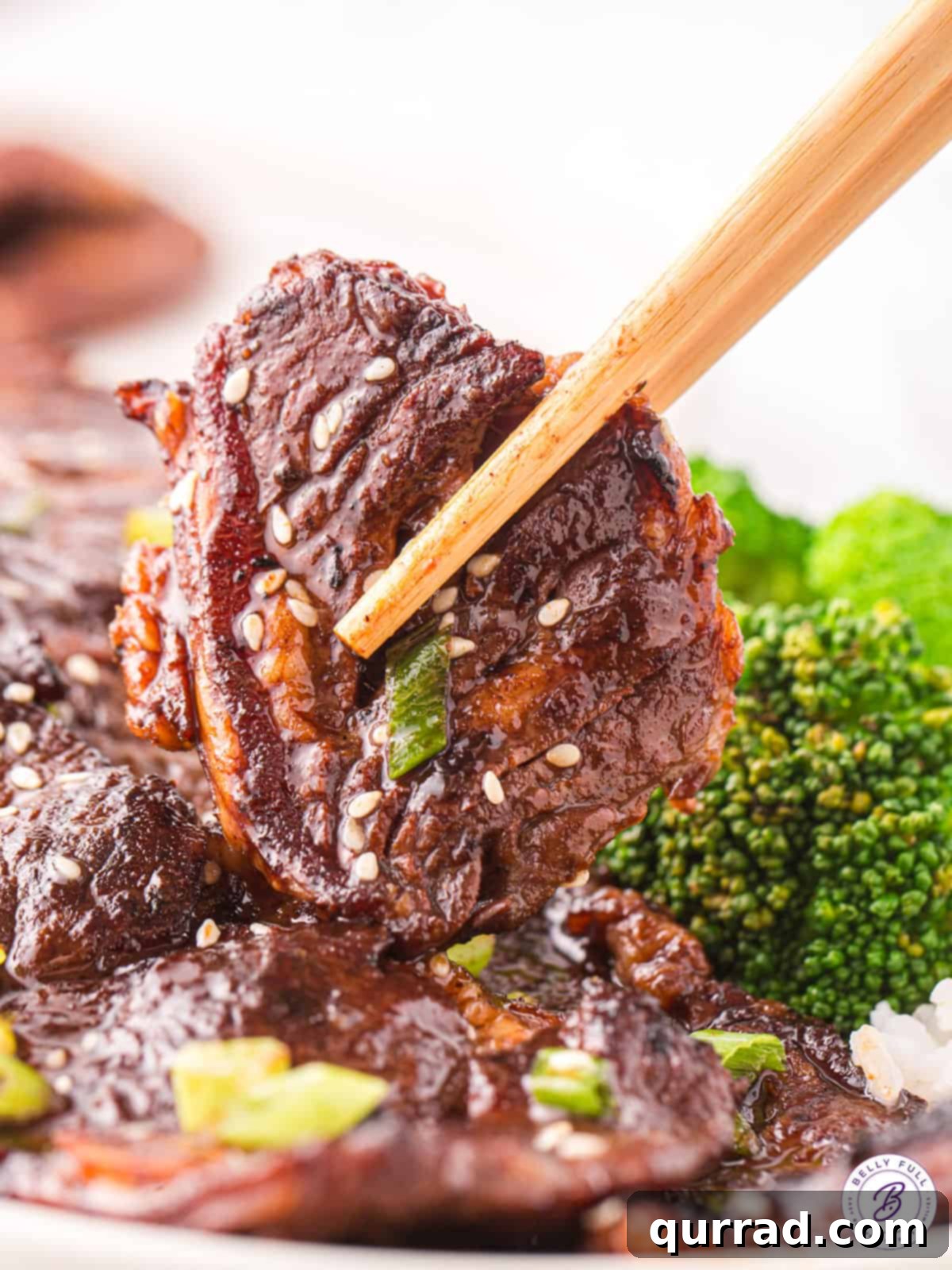
Perfect Pairings: What to Serve with Korean Short Ribs
Korean short ribs are incredibly flavorful on their own, but they truly shine when paired with complementary side dishes. Here are some of our favorite accompaniments that enhance the overall Korean BBQ experience:
- Steamed White Rice: An absolute classic. The plain rice is perfect for soaking up the delicious juices and balancing the rich, savory flavors of the ribs.
- Kimchi: This spicy fermented cabbage is a quintessential Korean side dish. Its pungent, tangy, and spicy notes provide a fantastic contrast to the sweet and savory Kalbi, awakening your palate with every bite.
- Quick Pickled Radish or Cucumber: Light, crunchy, and tangy, pickled vegetables (like daikon radish or cucumber salad) offer a refreshing counterpoint to the richness of the meat, cleansing the palate between bites.
- Roasted or Steamed Vegetables: Simple roasted broccoli, asparagus, or steamed bok choy provide a healthy, fresh element. A light dressing of sesame oil and a pinch of salt can elevate them.
- Korean-Style Green Salad: A simple salad with a light, vinegary dressing often accompanies Korean BBQ to add freshness and crunch.
- Miso Soup or Wonton Soup: A warm, comforting bowl of soup can be a lovely starter or side, adding a different texture and flavor dimension to the meal.
- Steamed Dumplings (Mandu): Whether filled with pork, beef, or vegetables, steamed dumplings are a satisfying addition that rounds out the meal beautifully.
Proper Storage and Reheating Tips
If you happen to have any leftover Korean Short Ribs, proper storage ensures they remain delicious for future enjoyment.
- Fridge: Allow any leftover ribs to cool completely to room temperature. Transfer them to an airtight container or wrap them tightly in aluminum foil or plastic wrap. Stored this way, they will keep fresh in the refrigerator for up to 3 days.
- Freezer: For longer storage, you can freeze cooked Korean short ribs. Once cooled, place them in a freezer-safe airtight container or heavy-duty freezer bag. They can be frozen for up to 2 months.
- Reheating:
- From the Fridge: Reheat in a microwave until warmed through, or for best results, gently warm them in a skillet over medium-low heat. You can also use an air fryer at 350°F (175°C) for 5-7 minutes. To prevent drying out, consider basting them with a spoonful of freshly made marinade (if available) or a dash of water or broth.
- From the Freezer: Thaw frozen ribs overnight in the refrigerator. Reheat using one of the methods above, adjusting heating time as needed.
Frequently Asked Questions About Korean Short Ribs (Kalbi)
What is the difference between Kalbi and Galbi?
Kalbi and Galbi are simply two different romanizations of the same Korean word (갈비), which means “rib.” Both terms refer to the same delicious dish of marinated and grilled beef short ribs. You might see either term used interchangeably on menus or in recipes, but they signify the exact same culinary delight.
What cut of beef is best for Korean Short Ribs?
The best and most traditional cut for Korean short ribs is the “flanken-style” beef short rib. This cut involves slicing the ribs thinly across the bone, resulting in strips that contain several small pieces of bone. This unique cut allows for quick cooking and maximum absorption of the marinade, leading to incredibly tender and flavorful meat. Look for them specifically labeled as “Korean-style short ribs” or “flanken cut” at your butcher or Asian grocery store.
How long should I marinate Korean short ribs?
For optimal flavor and tenderness, Korean short ribs should be marinated for at least 4 hours. However, for the most authentic and deeply infused flavor, marinating overnight (8-12 hours) in the refrigerator is highly recommended. The longer marination time allows the enzymes in the marinade (especially if using pear/apple) to tenderize the meat and the flavors to penetrate every fiber.
Can I cook Korean short ribs in the oven if I don’t have a grill?
Absolutely! While grilling provides the best smoky char, you can achieve fantastic results in the oven. The best method is often broiling. Preheat your oven broiler, arrange the ribs on a foil-lined baking sheet, and broil for 4-6 minutes per side, watching carefully to prevent burning. You can also bake them at a higher temperature (e.g., 400°F / 200°C) for slightly longer, though broiling gives a more grilled-like finish.
Is Korean Kalbi typically spicy?
Traditional Korean Kalbi is generally more savory and sweet rather than overtly spicy. The primary flavors come from soy sauce, brown sugar, garlic, ginger, and sesame oil. However, many recipes, including ours, include red chili flakes for a subtle background warmth that complements the richness of the meat. The level of spiciness is entirely customizable; you can omit the chili flakes for a completely mild dish or increase them for a spicier kick.
More Asian-Inspired Beef Recipes to Explore:
- Easy Korean Ground Beef
- Classic Beef and Broccoli
- Quick Pepper Steak Stir Fry
- Flavorful Beef Fried Rice
We hope you thoroughly enjoy preparing and savoring this incredible Korean Short Rib recipe! Its ease and deliciousness make it a standout. We’d love to hear your thoughts, so please feel free to leave a review below! Don’t forget to follow us on TikTok, Facebook, Instagram, Pinterest, and YouTube for more delicious recipes!
Recipe: Korean Short Ribs (Kalbi)
Prep time: 5 mins
Cook time: 8 mins
Marinate: 4 hrs (min)
Total time: 4 hrs 13 mins
Servings: 5
Ingredients
- 2 pounds beef flanken (Korean short ribs)
- 2/3 cup soy sauce
- 1/2 cup packed dark brown sugar
- 3 tablespoons mirin
- 2 tablespoons sesame oil
- 3 cloves garlic, minced
- 1 tablespoon minced ginger
- 1/4 to 1/2 teaspoon red chili flakes, optional but recommended
Instructions
- Place the beef ribs in a large, sealable plastic bag or a shallow non-reactive dish.
- In a medium mixing bowl, whisk together the soy sauce, dark brown sugar, mirin, sesame oil, minced garlic, minced ginger, and red chili flakes until well combined.
- Pour the marinade over the beef ribs, ensuring they are completely coated. Remove any excess air from the bag and seal it. Marinate in the fridge for at least 4 hours, or ideally overnight (8-12 hours).
- When ready to cook, preheat an indoor or outdoor grill to medium-high heat. Generously grease the grill grates with sesame oil or another high-smoke point cooking oil.
- Remove the ribs from the marinade, allowing any excess to drip off.
- Place the ribs on the hot grill. Cook for 3-4 minutes per side, or until they reach an internal temperature of 160°F (71°C).
- Remove from the grill and serve hot, garnished with sliced green onions and sesame seeds.
Nutrition Information (per serving)
Calories: 397kcal | Carbohydrates: 28g | Protein: 29g | Fat: 19g | Saturated Fat: 7g | Polyunsaturated Fat: 3g | Monounsaturated Fat: 8g | Cholesterol: 78mg | Sodium: 1900mg | Potassium: 575mg | Fiber: 0.3g | Sugar: 24g | Vitamin A: 30IU | Vitamin C: 0.1mg | Calcium: 36mg | Iron: 4mg
Nutritional information provided is an automatic calculation and can vary based on the exact products you use and any changes made to the recipe. If these numbers are critically important to you, we recommend calculating them independently using your specific ingredients.
Did you make this recipe?
If you tried these delicious Korean Short Ribs, we’d love to hear from you! Please leave a rating and comment below to share your experience.
Rate This Recipe