Easy Tanghulu Recipe: A Step-by-Step Guide to Candied Fruit Perfection
Prepare to delight your senses with this incredibly easy Tanghulu recipe, transforming simple fresh fruit into a dazzling, crunchy, candied treat. Originating from the bustling streets of China, this popular delicacy features vibrant fruit skewers meticulously dipped in a hard, glass-like sugar coating. With just three core ingredients – your favorite fresh fruits, granulated sugar, and water – you’re set to create an impressive dessert that’s as fun to make as it is to eat. Whether you’re a seasoned chef or a kitchen novice, this guide will walk you through every step to achieve that perfect, satisfying crackle with each bite. Get ready to experience the sweet, juicy burst of fruit encased in a brittle, shimmering shell that has taken social media by storm!
What Exactly is Tanghulu? Unraveling the Viral Candied Fruit Sensation
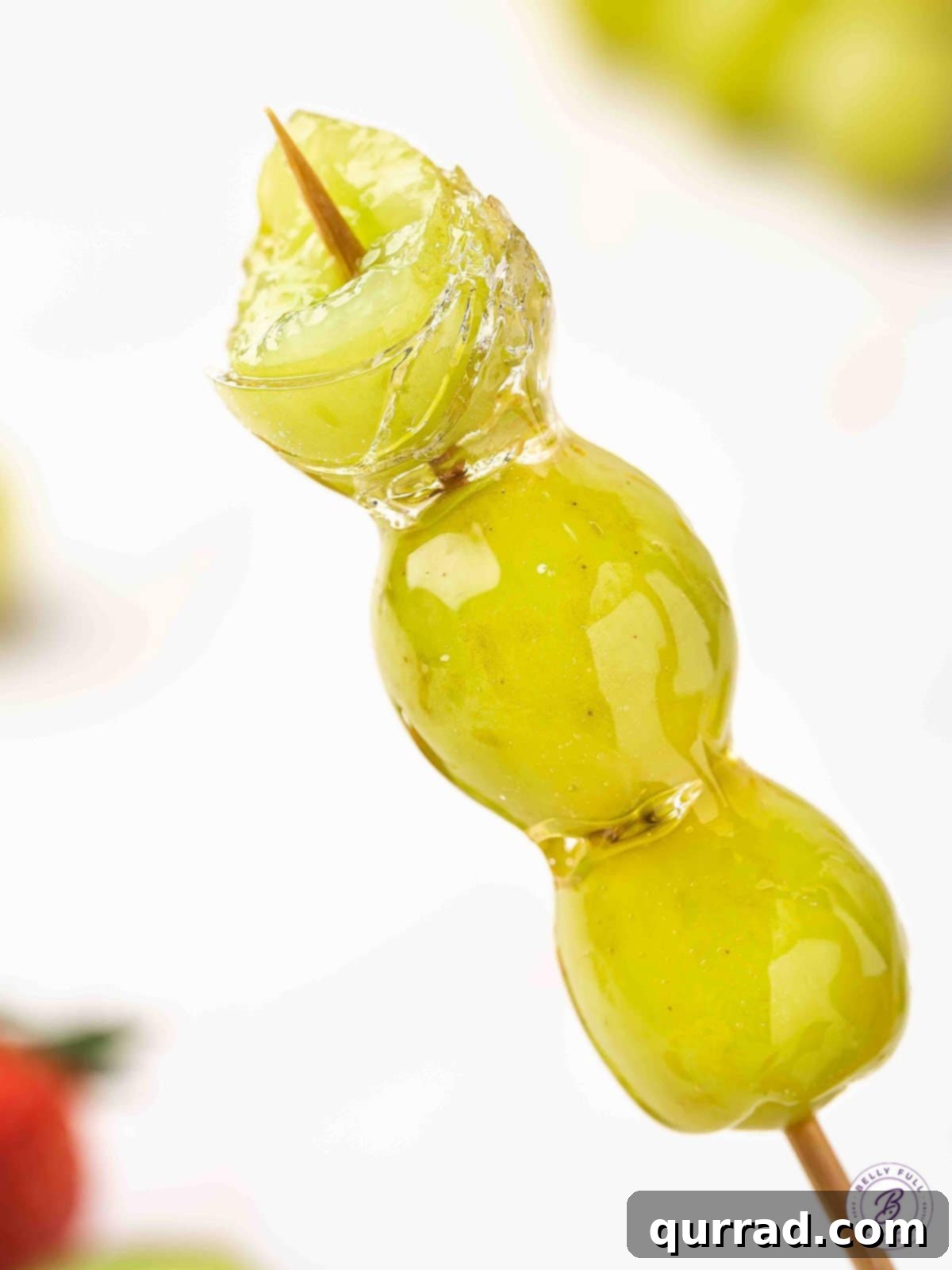
Tanghulu (糖葫芦), a name that literally translates to “sugar calabash,” is a traditional Chinese candied fruit snack that has captivated taste buds for centuries. Tracing its origins back to the Song Dynasty (960-1279 AD) in northern China, this delightful street food was traditionally made with hawthorn berries, known for their tartness which beautifully complements the sweet, crunchy sugar. Over time, its popularity soared, and it became a winter staple, often sold by street vendors with long skewers of fruit, glistening under a thin layer of hardened sugar, particularly during festive seasons like Chinese New Year.
Beyond China, Tanghulu has found a fervent following across Asia, becoming a beloved treat in South Korea and Japan, where variations have also emerged. Its recent explosion onto the global culinary scene, largely fueled by viral videos on platforms like TikTok, has introduced this charming confection to a whole new generation and Western audiences. People are mesmerized by the simple magic of transforming everyday fruit into a visually stunning and texturally exciting dessert. The process involves dipping fresh fruit skewers into a boiling sugar syrup, which then hardens into a transparent, brittle shell upon cooling. It’s a culinary spectacle, offering a satisfying crunch followed by the burst of juicy fruit, making it far more than just a sweet snack – it’s an experience.
While often compared to caramel apples or other candied fruits, Tanghulu stands distinct due to its incredibly thin, glass-like coating that shatters with a satisfying sound upon impact. Unlike chewy caramel, the aim here is pure, unadulterated crunchiness. This unique texture contrast – the crisp shell against the soft, fresh fruit – is what makes Tanghulu so irresistibly addictive and a truly memorable dessert. It’s a nostalgic treat for many in Asia and a newfound obsession for foodies worldwide, promising a delightful sensory journey with every bite.
Mastering Tanghulu: Essential Tips & Expert Tricks for Success
Creating perfect Tanghulu might seem intimidating with the intricacies of sugar syrup, but armed with these crucial tips, you’ll achieve that ideal glassy coating every single time. Precision, patience, and attention to detail are your best friends in this sweet endeavor, ensuring a crackling success rather than a sticky disappointment.
- Do Not Stir the Sugar Syrup: This is perhaps the most critical rule for achieving a clear, hard candy coating. Stirring the sugar and water mixture introduces air bubbles and promotes sugar crystallization. These tiny crystals act as “seeds,” causing the entire batch to become grainy or cloudy instead of forming a smooth, transparent shell. Instead, let the sugar dissolve naturally and cook undisturbed over the heat. If you need to distribute the heat, a gentle swirl of the pot is acceptable, but avoid any aggressive stirring motion.
- Reheat if Crystallization Occurs: If your sugar mixture does crystallize and becomes clumpy, don’t despair! You can often salvage it. Add a very small amount of hot water (about 1-2 tablespoons per cup of sugar used) to the pot. Gently reheat the mixture over very low heat, allowing the sugar crystals to dissolve back into a liquid state. Bring it back up to the required temperature, monitoring closely with a thermometer. Be extremely careful not to overheat the syrup during this process, as excessive heat can lead to caramelization, which, while delicious, is not the desired outcome for Tanghulu’s clear, brittle coating.
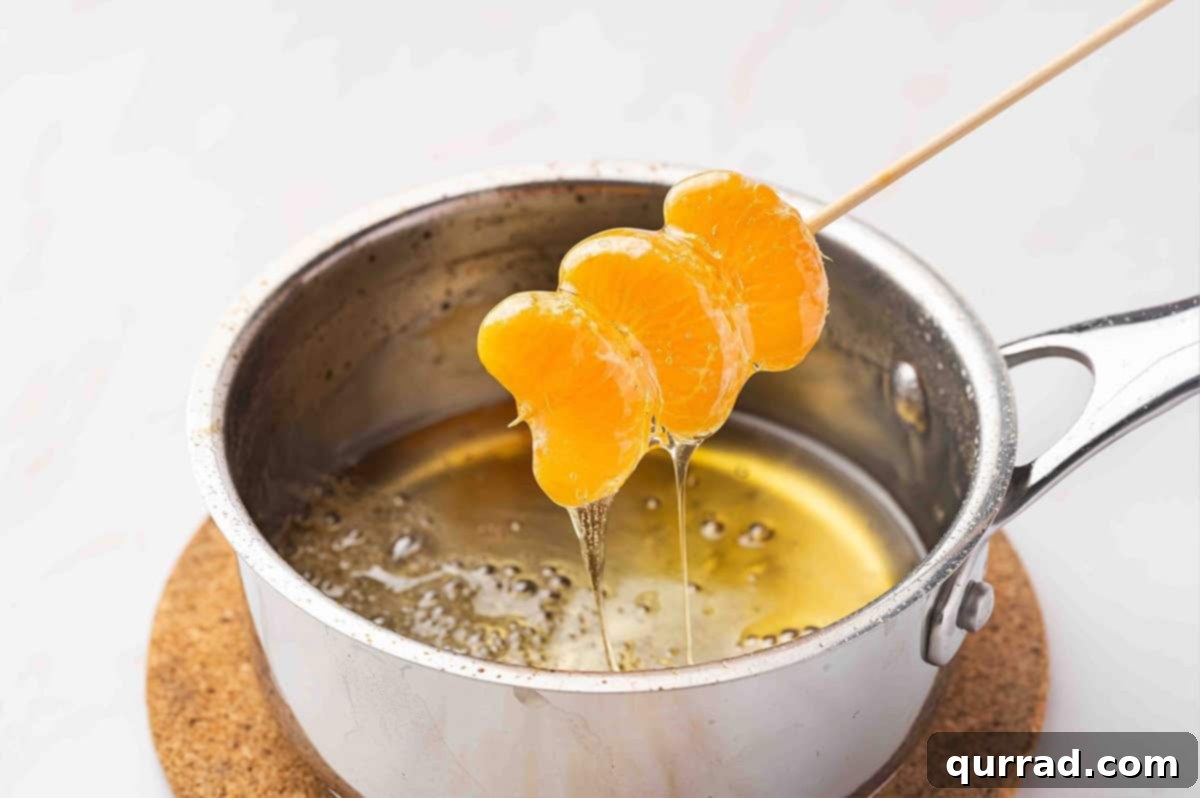
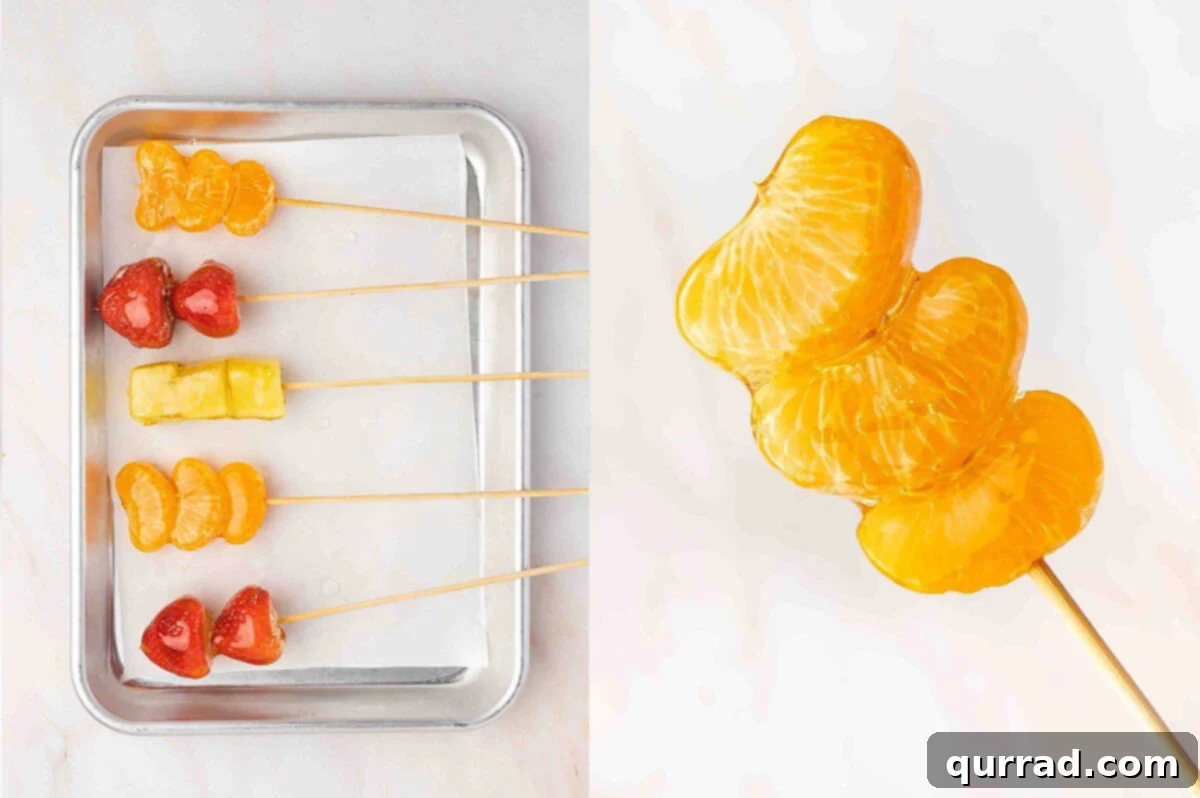
- Achieve a Thin, Even Coating with a Quick Swirl and Drip: The goal for authentic Tanghulu is a delicate, thin sugar shell. When dipping your fruit skewers, swirl them quickly in the hot syrup, then immediately lift and allow any excess sugar to drip off back into the pot. A thick coating might look impressive, but it can be surprisingly difficult to bite into and could potentially chip a tooth. A thin, elegant layer provides the perfect satisfying crunch without being overly hard.
- Maintain the 2:1 Sugar-to-Water Ratio: The foundation of perfect Tanghulu lies in this consistent ratio. Always use two parts granulated sugar to one part water (e.g., 2 cups sugar to 1 cup water, or 1 cup sugar to 1/2 cup water). This precise proportion ensures that the syrup reaches the ‘hard crack’ stage necessary for that signature glass-like crunch. You can easily scale the recipe up or down to accommodate more or less fruit by maintaining this fundamental ratio.
- Know When the Sugar Syrup is Ready: The Hard Crack Stage (300°F / 149°C): Initially, your sugar mixture will appear cloudy. As it heats and the sugar dissolves, it will become clear and smooth. The crucial indicator for readiness is temperature: it needs to reach approximately 300°F (149°C), also known as the hard crack stage. At this point, the sugar will take on a very light, almost honey-like amber hue. If you don’t have a reliable candy thermometer, use the ice water test: carefully drop a small amount of syrup into a bowl of ice water. If it immediately hardens and snaps cleanly when bent or broken, it’s ready. If it’s chewy, soft, or dissolves, continue cooking and test again. Undercooked syrup will inevitably result in a sticky, chewy coating, not a crunchy one.
- Work Quickly and Prepare in Advance: Sugar syrup cools and hardens rapidly once removed from the heat. Therefore, it’s paramount to have all your chosen fruits washed, thoroughly dried, and securely skewered *before* you even begin heating the sugar. Once the syrup reaches the correct temperature, either turn the heat to the absolute lowest setting or remove the pot from the burner entirely, and work swiftly to dip each skewer. Have a parchment-lined baking sheet or tray ready nearby for the dipped fruit to rest and fully harden immediately after the ice bath.
- Ensure Fruit is Completely Dry: Any lingering moisture on the surface of your fruit will prevent the sugar from adhering properly. It can also cause the sugar to crystallize prematurely or turn the coating sticky even after it hardens. After washing, thoroughly pat dry each piece of fruit with paper towels. For extra assurance, you can even let them air dry on a clean rack for an additional 15-30 minutes before skewering. This step is critical for a perfectly smooth and crunchy coating.
Classic Tanghulu Recipe: Your Guide to Sweet Perfection
Tanghulu
15 mins
15 mins
10 people
Tanghulu is a fantastic candied fruit treat featuring fresh fruit skewers coated in a hard, glassy sugar shell. It’s incredibly simple to make with just three main ingredients and offers a delightful crunchy texture that’s both fun and impressive!
Scroll down below this recipe card for detailed step-by-step images and more in-depth explanations to guide you.
Pin This Recipe
Print Recipe
Ingredients
Instructions
-
Prepare the Fruit: Thoroughly wash and completely dry all your chosen fruits. It’s crucial that they are bone dry to ensure the sugar coating adheres properly and remains crisp. Skewer the fruits onto wooden sticks; you can put as few as one or several pieces on each skewer, just ensure there’s enough space to easily dip them into the sugar syrup without touching the pot’s bottom or sides. Have a parchment-lined baking sheet ready.
-
Combine Sugar and Water: In a clean, medium-sized, heavy-bottomed pot, add the granulated sugar and water. Crucially, do NOT stir the mixture at this stage. Stirring can introduce air bubbles and lead to premature sugar crystallization, which would result in a cloudy or grainy coating rather than a clear, glassy one.
-
Cook the Sugar Syrup to Hard Crack Stage: Place the pot over medium-low to medium heat. Allow the mixture to slowly come to a boil without stirring. Be patient; this can take between 10 to 20 minutes as the water evaporates and the sugar concentrates. The syrup needs to reach approximately 300°F (149°C), which is known as the “hard crack” stage. If you have a candy thermometer, this is the most reliable method for accuracy. If you don’t have a thermometer, you can use the ice water test: carefully dip a spoon or the back of a wooden skewer into a small amount of syrup, then immediately plunge it into a bowl of ice water for a few seconds. If the sugar hardens instantly and snaps cleanly when bent, it’s ready. If it’s still soft, chewy, or dissolves, continue cooking and test again. The syrup will also turn a very light amber color, similar to pale honey, when it’s ready.
-
Coat the Fruit Quickly: Once the sugar syrup reaches the ideal temperature and consistency, immediately reduce the heat to its absolute lowest setting, or briefly remove the pot from the burner if working alone. This step requires swift action! Take a prepared fruit skewer, tilt the pot slightly to gather a deeper pool of syrup, and quickly dip the fruit into the hot sugar, rotating it to ensure all sides are evenly coated with a very thin layer. Speed is essential as the syrup begins to cool and thicken rapidly.
-
Allow Excess Syrup to Drip Off: After coating, lift the skewer from the pot and gently rotate it for a few seconds, allowing any excess sugar syrup to drip back into the pot. This step is vital for achieving a thin, elegant, and perfectly crunchy coating, preventing it from becoming too thick and challenging to eat. A thinner coating provides a better texture contrast with the fruit.
-
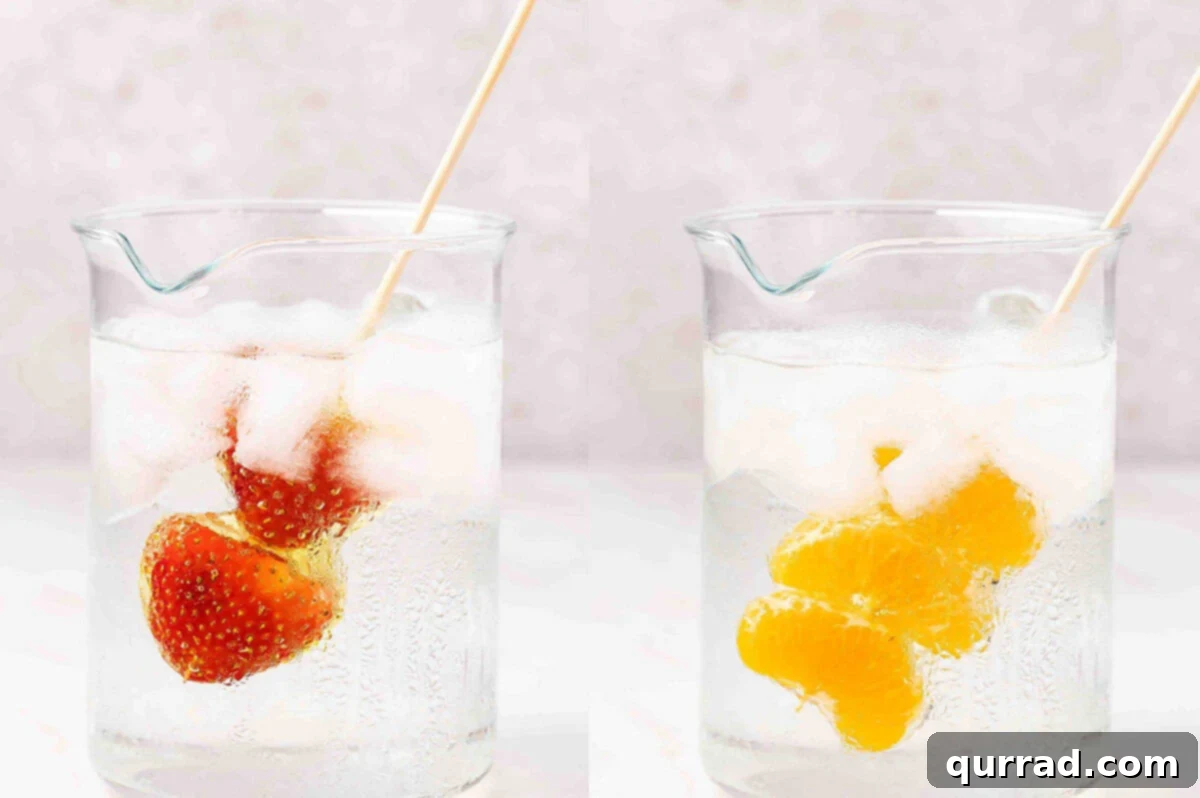
Harden in Ice Water: Immediately after dripping off the excess syrup, plunge the sugar-coated fruit skewer into a prepared bowl of ice water for about 3-5 seconds. This rapid cooling shock will instantly set and harden the sugar coating, giving it that characteristic glass-like crunch. Be careful not to leave it in the water for too long, as prolonged exposure can start to dissolve the sugar, making it sticky.
-
Serve Immediately: Once hardened, remove the Tanghulu from the ice water and place it on your parchment-lined baking sheet to dry any remaining water. For the absolute best texture and crunch, Tanghulu is best enjoyed right away. The longer it sits, especially in humid conditions, the more likely the sugar coating is to absorb moisture from the air and become sticky, losing its signature crispness.
Nutrition Information (per serving)
- Calories: 90 kcal
- Carbohydrates: 23 g
- Protein: 0.1 g
- Fat: 0.1 g
- Saturated Fat: 0.002 g
- Sodium: 2 mg
- Potassium: 21 mg
- Fiber: 0.4 g
- Sugar: 23 g
- Vitamin A: 68 IU
- Vitamin C: 0.5 mg
- Calcium: 2 mg
- Iron: 0.1 mg
Please note: Nutritional information provided is an estimated calculation based on standard ingredients and may vary significantly depending on the specific products used and any modifications made to the recipe. For precise dietary planning or if these numbers are very important to you, it is highly recommended to calculate these values independently using your exact ingredients.
A Visual Guide: How to Make Tanghulu Step by Step
Sometimes, seeing is believing, and a visual walkthrough can make all the difference in mastering a recipe, especially one involving delicate sugar work. Follow these illustrated steps to ensure your homemade Tanghulu turns out perfectly crunchy, glossy, and delightful every time you make it.
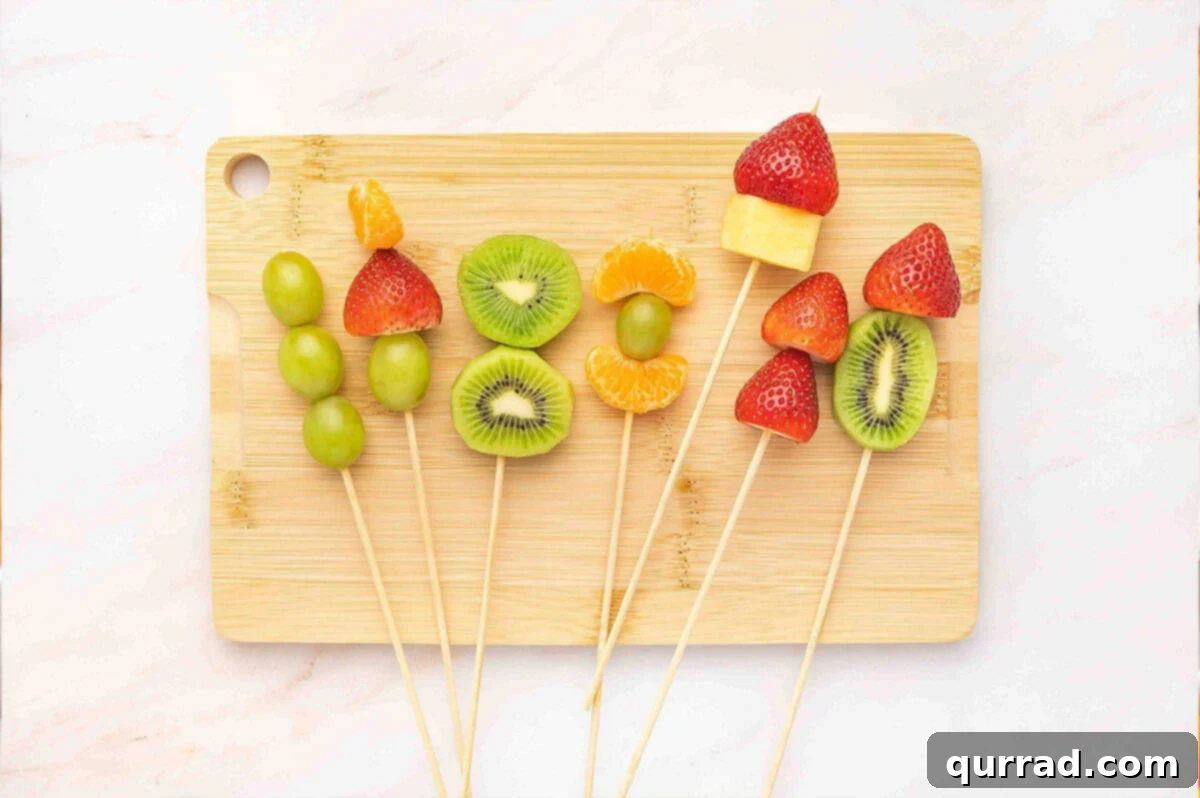
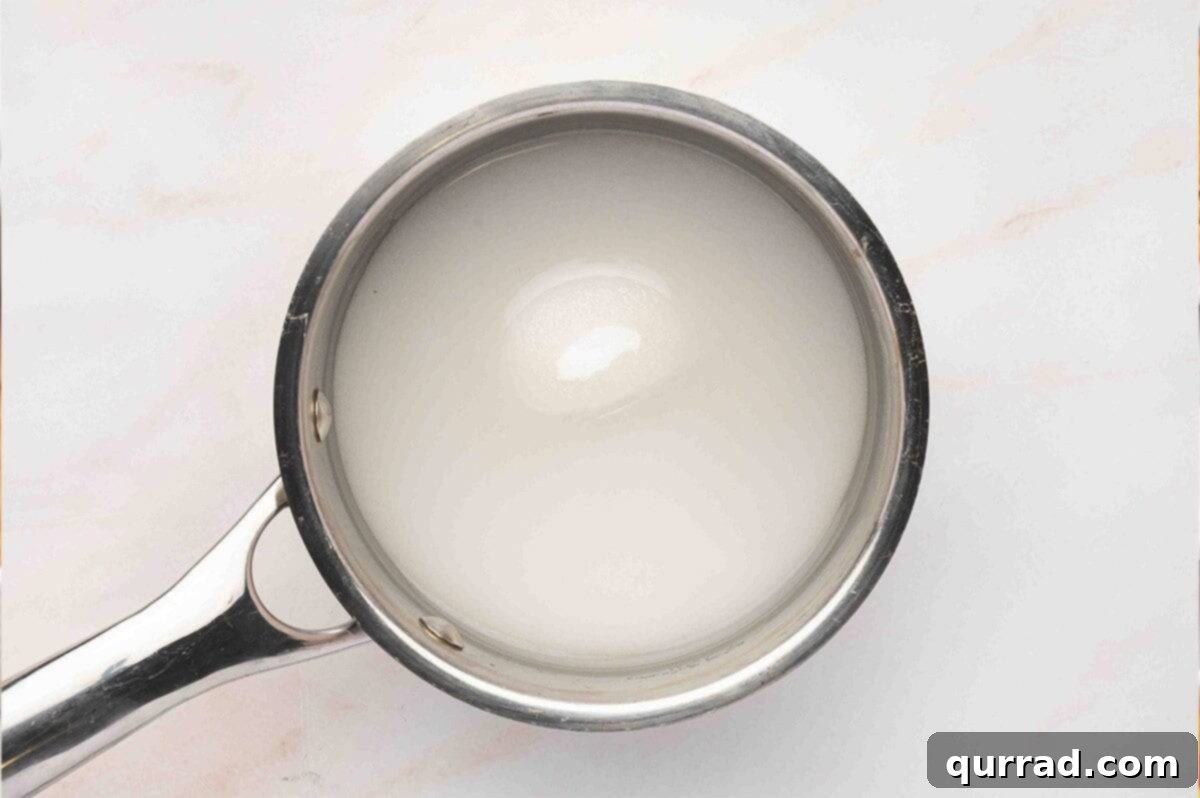
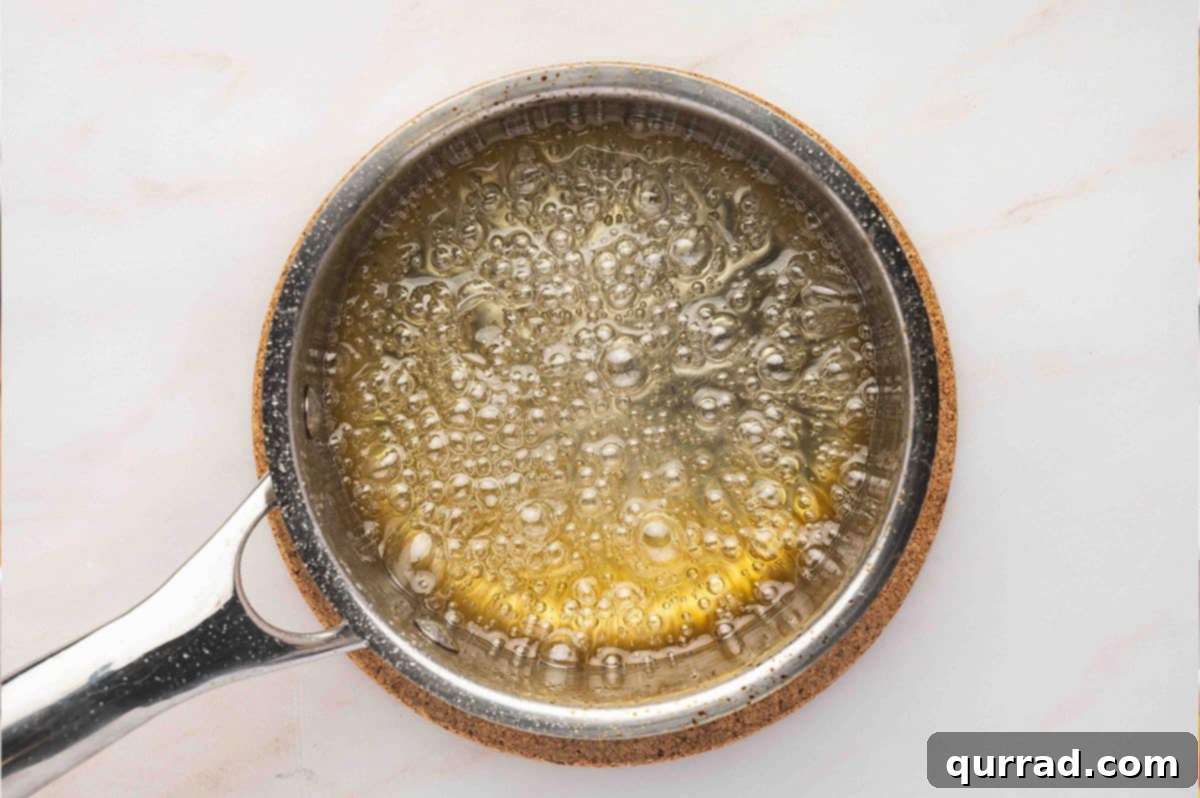
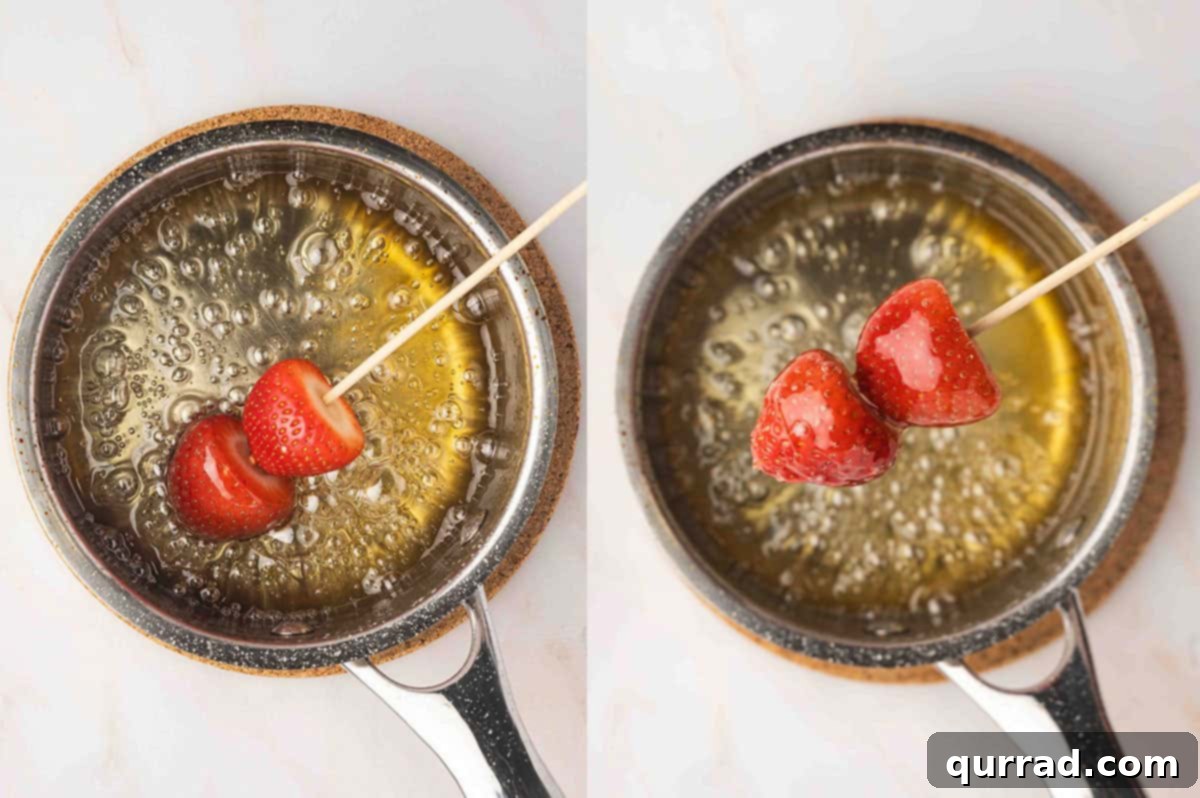
Choosing Your Canvas: What Fruits Are Best for Tanghulu?
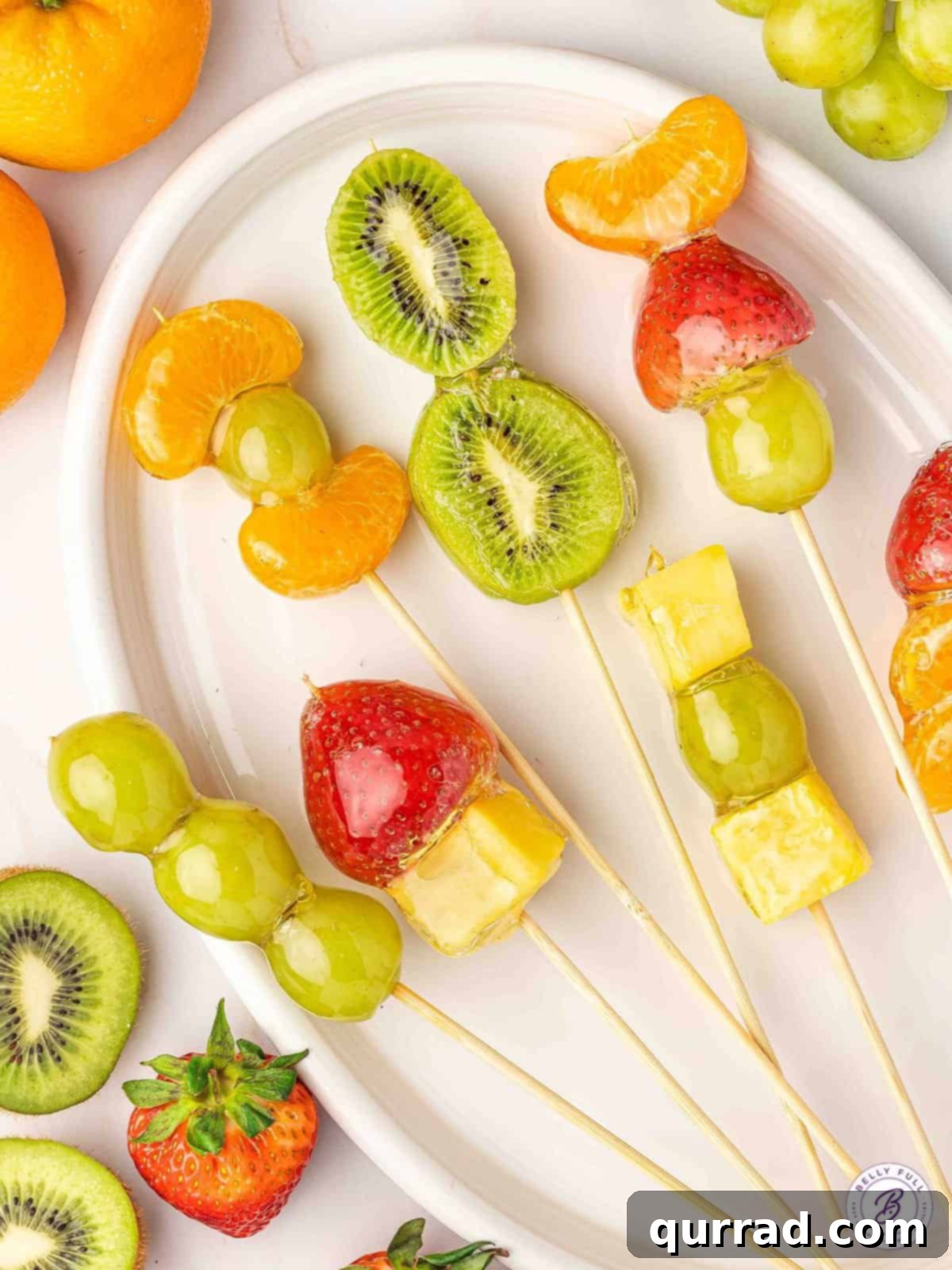
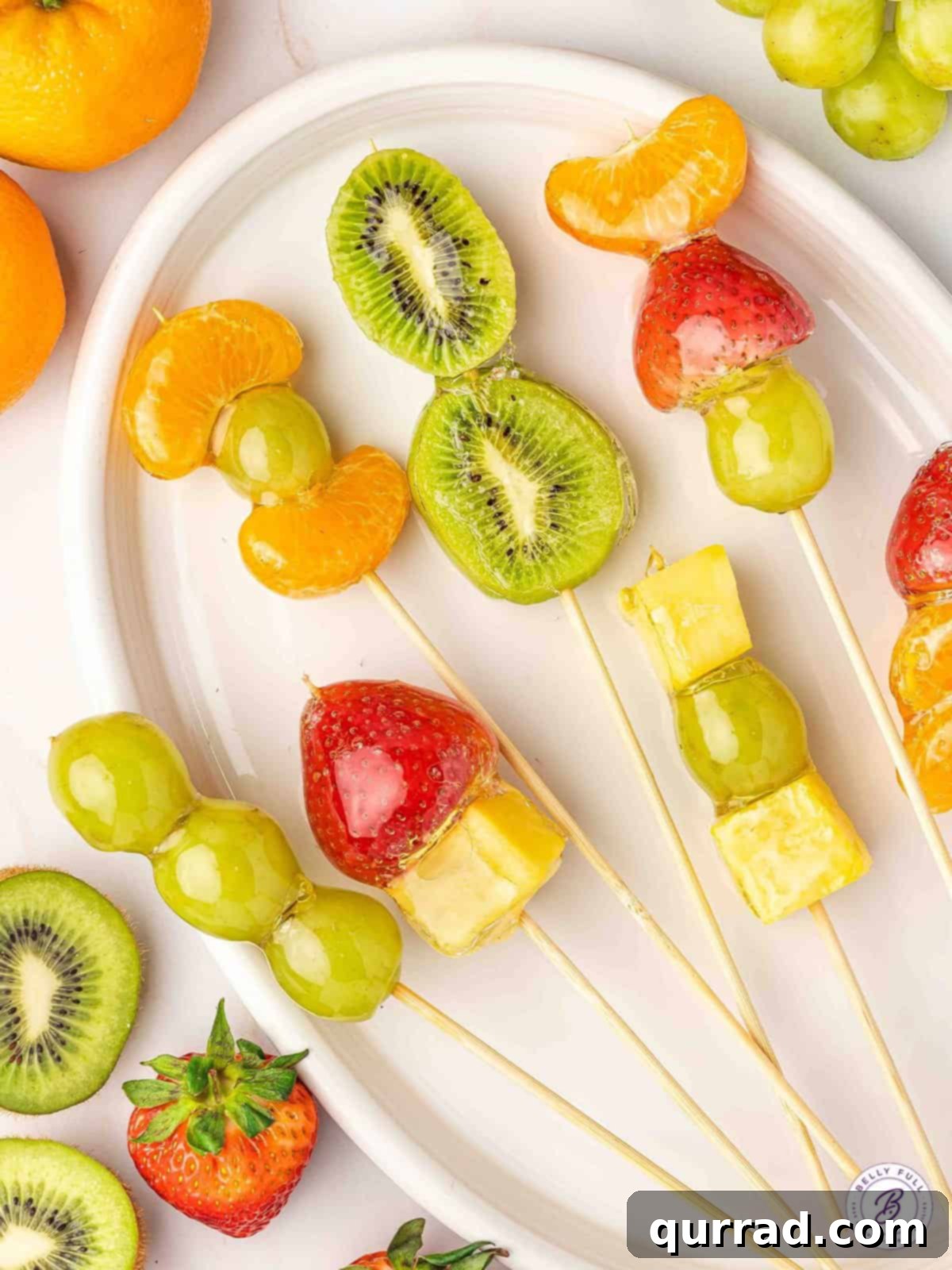
The beauty of Tanghulu lies in its incredible versatility. While traditional versions in China often feature hawthorn berries, you have the freedom to experiment with a wide array of fresh fruits to discover your ultimate favorite combinations. The key is to select fruits that are firm enough to be skewered and hold their shape during the dipping process, and ideally, those with a slightly tart or balanced flavor to provide a refreshing counterpoint to the sweetness of the sugar coating. Here are some popular and highly recommended choices, along with considerations for each:
- Strawberries: A timeless and incredibly popular choice. Their vibrant color and perfect balance of sweet-tart flavor are an ideal match for the crisp sugar shell. Opt for firm, fresh strawberries and ensure they are thoroughly dry.
- Grapes: Seedless grapes, particularly red or green varieties, are fantastic for Tanghulu. Their small, spherical shape makes them exceptionally easy to coat evenly, and their juicy burst provides a delightful textural and flavor contrast to the candy.
- Pineapple: When cut into small, bite-sized wedges or chunks, pineapple offers a tropical tang that is wonderfully complemented by the sweet coating. Be sure to cut uniform pieces for even coating.
- Kiwis: Peel and slice kiwis into thick rounds or half-moons. Their unique texture and distinct, slightly sour flavor provide an interesting and exotic twist to traditional Tanghulu.
- Orange Segments: Use small mandarin orange segments or carefully peel and section larger oranges, ensuring all white pith and membranes are meticulously removed. The bright, citrusy burst is incredibly refreshing against the sweet sugar.
- Cherries: Pitted cherries work beautifully, offering a concentrated sweet-tart flavor that pairs excellently with the crunchy candy. Look for firm, ripe cherries.
- Blueberries & Raspberries: While trickier to skewer individually due to their size, these berries can be done carefully. Their intense flavor bursts are incredibly rewarding. Consider skewering several together in small groups on shorter skewers.
- Apples: Slice crisp apples into small wedges. Choose firm, slightly tart varieties like Granny Smith or Honeycrisp for the best experience, as their tartness will balance the sugar well.
- Cherry Tomatoes: For an unconventional but surprisingly delicious savory-sweet experience, try firm cherry tomatoes. Their unique flavor profile works surprisingly well with the sugary coating.
When selecting your fruits, always prioritize freshness and firmness. Avoid overly ripe, soft, or mushy fruits, as they can break apart easily on the skewer and release too much moisture. Excess moisture on the fruit is the enemy of a perfect Tanghulu coating, as it can prevent the sugar from adhering properly, lead to crystallization, or cause the coating to become sticky. Remember, the drier the fruit, the better the sugar will adhere and harden into that coveted glass-like shell!
Storing Your Tanghulu: Keeping the Crunch Alive
Tanghulu is truly a dessert meant to be enjoyed immediately. The magic of its glass-like coating, with its delicate shattering crunch, is at its absolute peak right after it has fully hardened. This immediate enjoyment is crucial for the optimal Tanghulu experience. However, if you do find yourself with leftovers, proper storage can help preserve some of its integrity for a short period, though it will inevitably lose some of its initial crispness and pristine texture.
To store leftover Tanghulu, place the skewers gently in an airtight container. It’s best to arrange them in a single layer, or separate multiple layers with sheets of parchment paper, to prevent them from sticking together. Refrigerate for no longer than one day. Be aware that the sugar coating is highly hygroscopic, meaning it readily absorbs moisture from the air, especially in a refrigerator environment. This moisture absorption is the enemy of crunch; it will cause the coating to soften, become sticky, and eventually dissolve over time, losing its signature brittle quality. For this reason, making smaller batches to enjoy fresh is always recommended over preparing a large quantity for later consumption, ensuring every bite is as perfect as the first.
Get Creative: Variations and Flavor Enhancements for Your Tanghulu
While classic Tanghulu is undeniably perfect in its elegant simplicity, there’s always room for a little creative twist once you’ve mastered the basic technique. Experimenting with variations and subtle flavor enhancements can elevate your homemade Tanghulu, allowing you to impress your guests or simply treat yourself to something new and exciting:
- Spice It Up: Before boiling the sugar syrup, you can add a small piece of fresh ginger or a cinnamon stick to the sugar and water mixture. This will infuse a subtle, aromatic flavor into the coating. Remember to remove the spice piece before dipping the fruit to maintain a smooth texture.
- A Touch of Acid: Some traditional Tanghulu recipes, and indeed many candy-making guides, call for a tiny splash of white vinegar or lemon juice in the sugar syrup (about 1/4 teaspoon per cup of sugar). This can act as an invert sugar, helping to prevent crystallization and contributing to a clearer, glossier coating, often without imparting a noticeable sour taste to the final product.
- Colorful Sprinkles: For a vibrant and festive look, immediately after dipping the fruit in sugar and before the ice water bath, you can lightly dust the coated fruit with colorful sprinkles or nonpareils. They will stick to the still-warm syrup and harden beautifully as the coating sets.
- Toasted Sesame Seeds: A delicate sprinkle of toasted white or black sesame seeds while the sugar is still warm can add a wonderful nutty flavor and an interesting visual contrast to the glossy fruit. This is a common addition in some Asian versions of candied fruit.
- Chocolate Drizzle: Once your Tanghulu has fully hardened and is completely dry, you can take it a step further by drizzling melted dark, milk, or white chocolate over the skewers. This adds an extra layer of indulgence and a beautiful decorative touch. Allow the chocolate to set before serving.
- Flavored Syrups: For a very subtle hint of flavor, you could try adding a few drops of food-grade flavoring extract (like almond or vanilla) to the sugar syrup *after* it has reached temperature and you’ve removed it from the heat, but just before dipping. Be cautious with this, as some extracts can cause the sugar to seize.
Troubleshooting: What If My Tanghulu Isn’t Perfect?
Don’t be discouraged if your first batch of Tanghulu isn’t absolutely flawless. Making candy, especially with precise sugar work, is a craft that often requires a little practice. A few common issues can arise, but understanding their causes will help you identify and overcome them for future perfect batches. Here’s how to troubleshoot common Tanghulu problems:
- Sticky or Chewy Coating: This is by far the most frequent problem and almost always indicates that your sugar syrup did not reach the correct temperature (300°F / 149°C, the hard crack stage). The syrup needs to be cooked long enough for sufficient water to evaporate, concentrating the sugar to a point where it becomes brittle upon cooling. Ensure your candy thermometer is accurate and calibrated, or practice the ice water test thoroughly to confirm readiness. Undercooked syrup will remain soft and sticky.
- Cloudy or Granular Coating: This unpleasant texture is usually a clear sign of crystallization. It happens if you stirred the sugar and water mixture while it was cooking, or if there were stray sugar crystals clinging to the sides of the pot that fell back into the syrup. Remember the golden rule: no stirring! Also, ensure your pot is perfectly clean before starting, as any impurities can act as nucleation points for crystals. You can sometimes wipe down the sides of the pot with a wet pastry brush during cooking to prevent crystals from forming.
- Sugar Dissolves in Ice Water: If the sugar coating instantly melts or becomes excessively soft when dipped in the ice water bath, it means the syrup was not hot enough (refer to “Sticky or Chewy Coating”). The syrup hasn’t reached the hard crack stage where it holds its structure. The rapid cooling will simply turn it back into a soft, sticky mess if not properly cooked.
- Coating is Too Thick or Brittle: If your sugar coating is overly thick, making it difficult to bite into or causing it to shatter unevenly, it typically means you didn’t allow enough excess sugar syrup to drip off the fruit after dipping. After removing the skewer from the pot, gently rotate it over the pot for a few extra seconds to allow the extra syrup to thin out and drip away before plunging it into the ice bath.
- Fruit Releases Water and Makes Coating Soft: If your sugar coating becomes soft and sticky shortly after hardening, even if the syrup was cooked correctly, the culprit is often residual moisture on the fruit. If your fruit wasn’t completely dry before dipping, the water released from the fruit can soften the sugar coating. Always pat your fruits thoroughly dry, and even let them air dry for a bit longer!
- Sugar Syrup Burns or Turns Dark Caramel: This unfortunate outcome occurs if the heat is too high, or if you cook the syrup significantly past 300°F (149°C). Keep a close eye on the temperature and color of the syrup; a very light amber is ideal, while a dark amber or brown hue indicates it’s caramelizing and will have a burnt taste, which isn’t suitable for Tanghulu.
With a bit of practice, careful attention to these details, and a good candy thermometer, you’ll be creating stunning, perfectly crunchy Tanghulu that rivals any street vendor’s treat in no time!
Explore More Delightful Fruit Recipes
If you loved making Tanghulu and are keen to explore more refreshing and delicious ways to incorporate fresh fruit into your culinary adventures, check out these other fantastic and easy-to-make recipes from our collection:
- Vibrant Fresh Fruit Salad
- Whimsical Dessert Fruit Pizza
- Creamy Sweet Fruit Dip
- Deliciously Unique Grape Salad
- Homemade Fruit Salsa with Crispy Cinnamon Pie Chips
We truly hope you thoroughly enjoy creating and savoring this unique and easy Tanghulu recipe! If you make it, please consider leaving a review below to share your experience and tips with other readers. Don’t forget to connect with us on social media for more inspiring recipes, culinary tips, and delightful food adventures. Find Belly Full on TikTok, Facebook, Instagram, Pinterest, and YouTube! Happy cooking!