

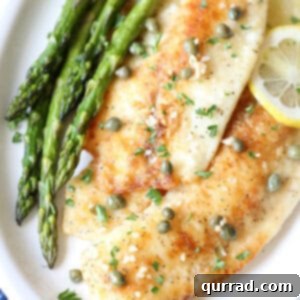
Transform your dinner routine with this exquisite Fish Piccata recipe, a delightful and lighter interpretation of the classic Italian-American dish. This elegant meal features tender, flaky white fish bathed in a vibrant, zesty sauce made with butter, white wine, fresh lemon juice, and briny capers. Despite its sophisticated appearance and gourmet flavor profile, it’s incredibly straightforward to prepare, coming together in less than 30 minutes. Perfect for a busy weeknight or an impressive gathering, Fish Piccata offers a fresh take on a beloved classic that promises to tantalize your taste buds.
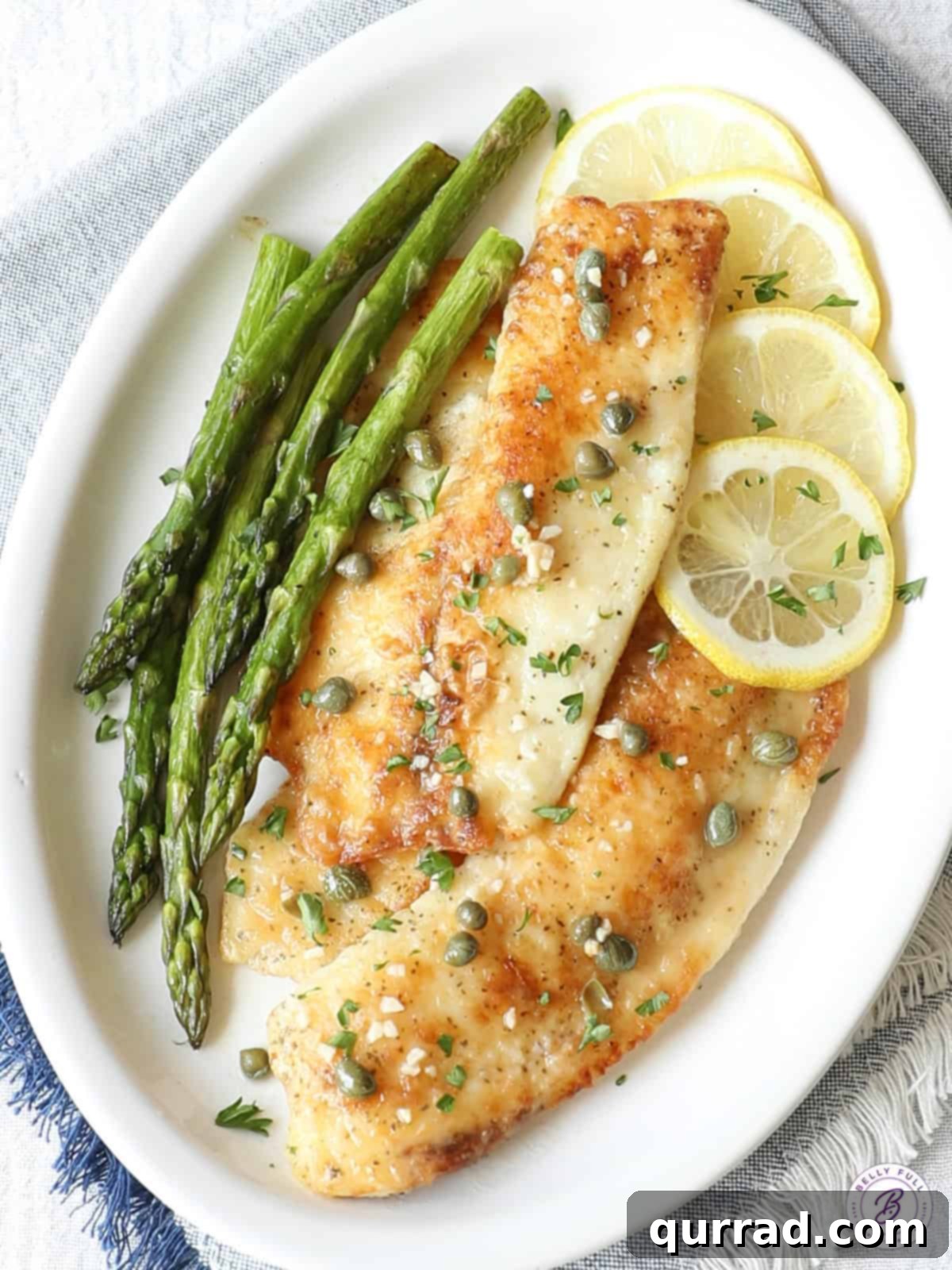
The Allure of Fish Piccata: A Gourmet Meal in Minutes
Many claim they’re not fans of fish, but often, it’s simply a matter of finding the right recipe. This Fish Piccata is designed to convert even the most skeptical palates. If you’ve enjoyed the rich, tangy flavors of traditional Chicken Piccata, where tender chicken cutlets are pan-fried and then simmered in a luscious sauce of wine, lemon juice, butter, and capers, then prepare to be amazed by its aquatic cousin. The culinary magic of piccata truly shines with delicate white fish.
We discovered that the very same method, which yields such incredible depth of flavor and tender results with chicken, works wonders with fish. The quick cooking time of fish fillets perfectly complements the rapid creation of the bright, savory piccata sauce, making it an ideal choice for a complete and utterly delicious meal prepared in as little as 25 minutes. Imagine roasting crisp asparagus in the oven while your fish gently cooks on the stovetop – everything comes together harmoniously for a truly unforgettable dining experience. This dish isn’t just a meal; it’s an experience, transforming simple ingredients into a sophisticated and satisfying plate.
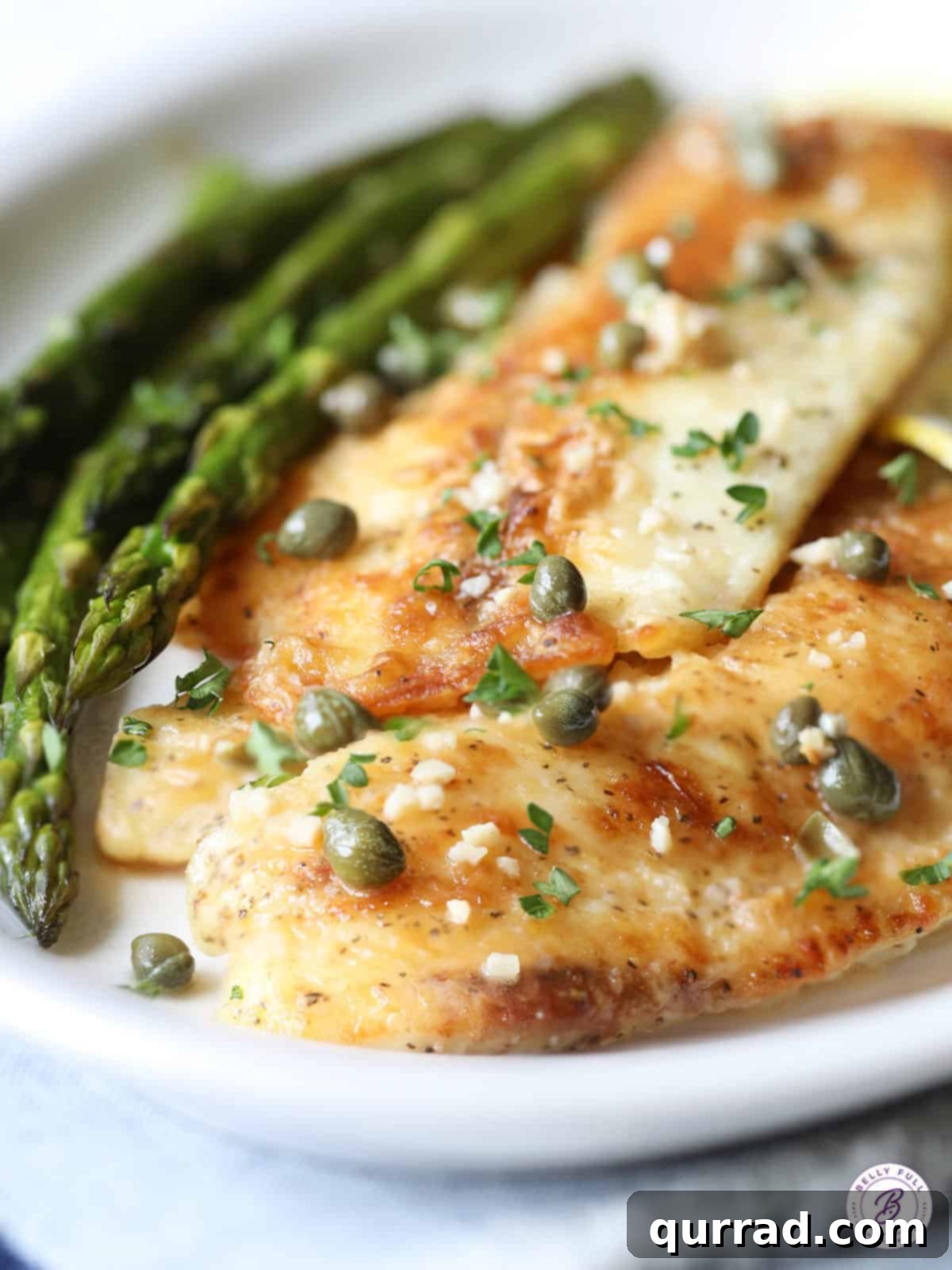
Essential Ingredients for Your Perfect Fish Piccata
Crafting this exquisite Fish Piccata requires a selection of fresh, high-quality ingredients, each playing a crucial role in developing its signature flavor profile. Here’s a detailed look at what you’ll need and why each component is vital for creating a truly memorable dish:
- The Fish: The cornerstone of this dish is, naturally, the fish itself. For an optimal Fish Piccata, opt for thin, yet firm, flaky white fish fillets. Our top recommendation is tilapia due to its mild flavor and quick cooking capabilities. However, several other varieties make excellent substitutes, including halibut, sole, snapper, cod, or even flounder. The key is to choose a fish that holds its shape well during pan-frying and flakes easily when cooked through. Ensure the fish is skinless for the best texture in this preparation.
- The Coating: A light dredge in all-purpose flour, seasoned simply with salt and freshly ground black pepper, is essential. This coating serves multiple purposes: it helps create a beautifully golden and slightly crisp exterior on the fish, protects the delicate flesh from overcooking, and most importantly, it provides a subtle thickening agent for the sauce, allowing it to cling beautifully to each fillet.
- The Piccata Sauce: This is truly the star of the show, a symphony of bright and savory notes.
- White Wine: A dry white wine, such as Sauvignon Blanc or Pinot Grigio, is crucial for deglazing the pan and adding a layer of sophisticated depth and acidity to the sauce. It contributes a complexity that is difficult to replicate.
- Low-Sodium Chicken Broth: This provides the savory base for the sauce, allowing you to control the overall sodium content.
- Fresh Lemon Juice: The bright, citrusy acidity of freshly squeezed lemon juice is paramount to the piccata flavor, cutting through the richness and elevating all other ingredients.
- Garlic: Minced garlic adds an aromatic warmth and a foundational layer of savory flavor to the sauce.
- Capers: These small, briny flower buds introduce a unique salty and tangy punch that is characteristic of piccata. Drained capers add a wonderful texture and burst of flavor.
- Unsalted Butter: Swirled in at the end, butter emulsifies the sauce, adding a luxurious richness, silky texture, and glossy finish that ties all the flavors together.
- For Serving: While versatile, this dish pairs exceptionally well with roasted asparagus, which offers a delightful textural contrast and a fresh, earthy counterpoint to the vibrant piccata sauce. Fresh lemon slices and chopped fresh parsley are perfect garnishes, adding both visual appeal and a burst of complementary flavor.
Mastering Fish Piccata: A Step-by-Step Culinary Guide
Don’t let the elegant presentation of Fish Piccata intimidate you; it’s surprisingly simple to master. This recipe is designed for efficiency, allowing you to cook a gourmet meal in under half an hour. Follow these easy steps to achieve perfect results every time:
- Prepare the Asparagus: Begin by preheating your oven to 425°F (220°C). Wash and thoroughly dry about 1/2 pound of asparagus, then snap or trim off the tough, woody ends. Spread the trimmed asparagus in a single layer on a rimmed baking sheet. Drizzle with 2 tablespoons of extra-virgin olive oil and season generously with salt and freshly ground black pepper to taste. Roast in the preheated oven for approximately 10 minutes. The cooking time may vary slightly depending on the thickness of your asparagus, but you’re looking for spears that are tender-crisp, or al dente, still retaining a slight bite.
- Prepare and Cook the Fish: While the asparagus roasts, prepare your fish. Gently pat 4 firm white fish fillets (about 5-6 ounces each) dry with paper towels. Season both sides of each fillet with salt and pepper. Place 1/4 cup of all-purpose flour in a shallow dish, then dredge each fish fillet in the flour, ensuring it’s lightly coated on all sides. Shake off any excess flour to prevent a gummy sauce later. Heat a large nonstick pan over medium-high heat. Coat the pan with a light layer of nonstick cooking spray, then add the remaining 2 tablespoons of extra-virgin olive oil. Once the oil is shimmering, carefully add the floured fish fillets to the pan. Avoid overcrowding; cook in batches if necessary. Pan-fry for about 2 minutes per side, or until the fish is beautifully golden brown and flakes easily with a fork. Overcooking will result in dry fish, so watch it closely. Once cooked, transfer the fillets to a clean platter and keep warm.
- Deglaze the Pan and Create the Sauce: With the fish set aside, it’s time to build the glorious piccata sauce in the same pan. Pour 1/4 cup of dry white wine into the hot pan. Using a wooden spoon or spatula, scrape up any browned bits (known as “fond”) from the bottom of the pan. These bits are packed with flavor and will enrich your sauce. Allow the wine to cook and reduce until it has mostly evaporated, which typically takes 1-2 minutes. Add 2 minced cloves of garlic to the pan and stir constantly for about 20 seconds, until it becomes fragrant but not browned.
- Finish the Sauce and Serve: Pour in 1/2 cup of low-sodium chicken broth and 2 tablespoons of fresh lemon juice. Stir in 1 tablespoon of drained capers and 2 tablespoons of unsalted butter. Continue to stir gently until the butter is completely melted and the sauce is a pale, creamy yellow, slightly thickened, and glossy. Taste the sauce and adjust seasonings if necessary, adding more salt, pepper, or lemon juice to your preference. Once the butter is fully incorporated, spoon the warm piccata sauce generously over the cooked fish fillets on the platter. Garnish with fresh lemon slices and a sprinkle of chopped fresh parsley for a burst of color and herbaceous aroma. Serve immediately with the roasted asparagus on the side. Enjoy this quick, elegant, and incredibly flavorful meal!
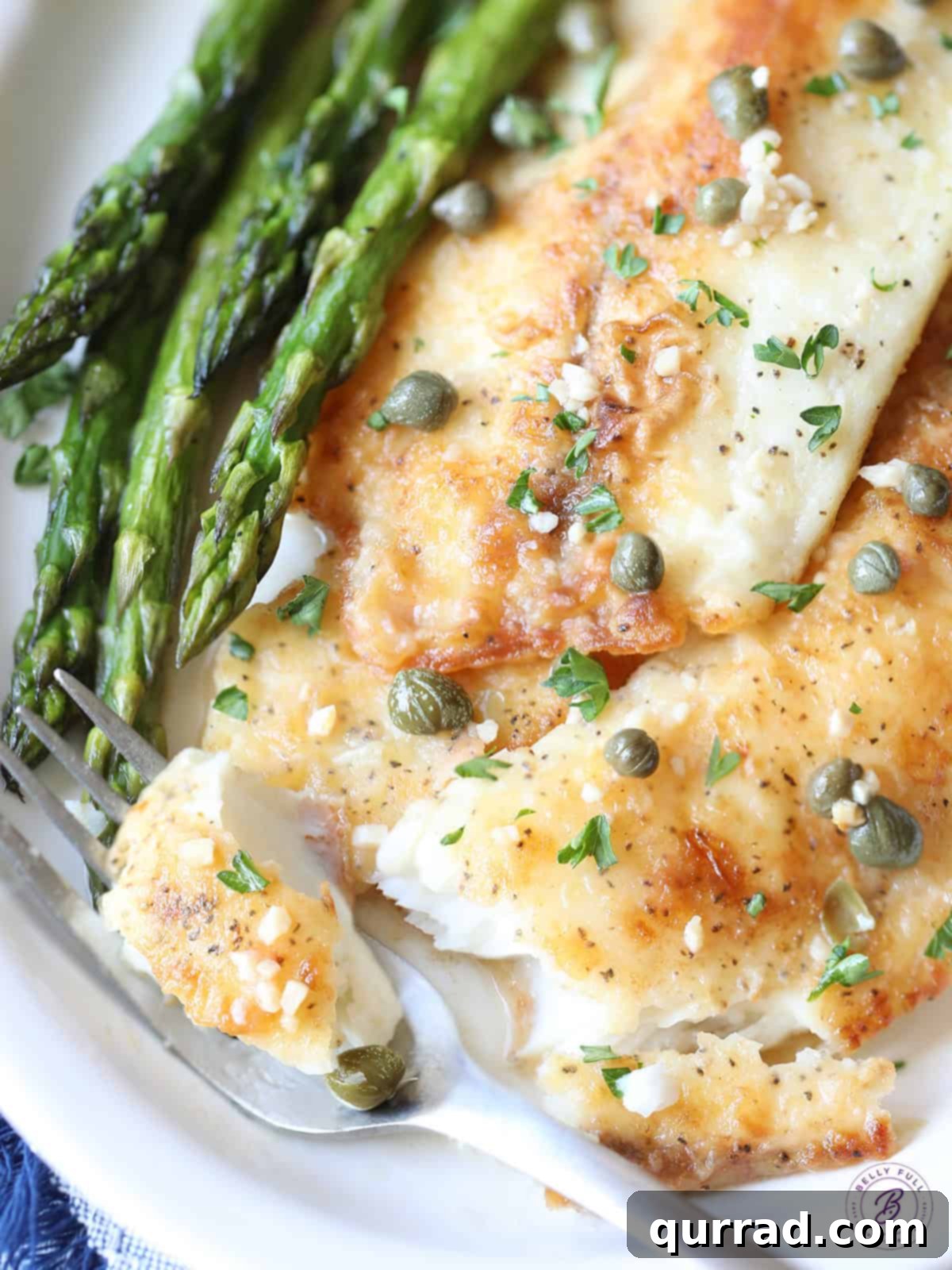
Tips for Fish Piccata Success
Achieving a perfect Fish Piccata is simple with a few key techniques. Here are some expert tips to ensure your dish is flavorful and perfectly cooked every time:
- Pat Your Fish Dry: Before seasoning and dredging, always pat your fish fillets thoroughly dry with paper towels. This is crucial for achieving a good sear and a crispy exterior, as excess moisture will steam the fish instead of frying it.
- Don’t Overcrowd the Pan: Cook the fish in batches if necessary. Overcrowding the pan will lower the temperature of the oil, preventing the fish from browning properly and causing it to steam rather than sear. This results in a less crispy texture.
- Use Fresh Lemon Juice: While bottled lemon juice can be convenient, fresh lemon juice provides a brighter, more vibrant flavor that is essential to the piccata sauce. The difference in taste is significant.
- Choose a Good Dry White Wine: You don’t need an expensive bottle, but pick a wine you would enjoy drinking. Sauvignon Blanc, Pinot Grigio, or even a dry vermouth work beautifully. Avoid sweet wines, as they will alter the sauce’s intended flavor profile. For an alcohol-free version, see the variations section.
- Control the Heat: Pan-frying fish requires medium-high heat. Too low, and the fish won’t brown; too high, and it will burn before cooking through. Adjust your stove as needed to maintain a consistent sizzle.
- Taste and Adjust: Always taste your sauce before serving. You may want to add a pinch more salt, pepper, or an extra squeeze of lemon juice to achieve your desired balance of flavors.
- Serve Immediately: Fish piccata is best enjoyed fresh off the stove. The fish is at its most tender, and the sauce is at its most vibrant when served right away.
Creative Variations & Substitutions
While the classic Fish Piccata recipe is perfect as is, it’s also wonderfully adaptable. Feel free to experiment with these variations to suit your taste preferences or dietary needs:
- Wine Alternatives: If you prefer to avoid alcohol, the dry white wine can be replaced with an equal amount of additional low-sodium chicken broth. While the sauce will still be delicious and bright, note that the depth of flavor and subtle complexity that wine contributes will be slightly diminished. A splash of white wine vinegar can also mimic some of the wine’s acidity.
- Boost the Lemon Flavor: For those who truly love a pronounced citrus kick, add a little lemon zest along with the lemon juice. The zest contains essential oils that impart an even more intense and aromatic lemon-y flavor to the sauce without increasing its acidity.
- Creamy Piccata Sauce: To achieve a richer, more luxurious sauce, stir in 3-4 tablespoons of heavy cream at the very end, just before adding the butter. This will transform the light sauce into a decadent, velvety creation.
- Thicker Sauce: If you prefer a sauce with more body, you can whisk in 1 tablespoon of all-purpose flour or cornstarch (mixed with a tablespoon of cold water to create a slurry) into the pan after deglazing with wine and before adding the broth. Cook for a minute or two, stirring, to allow the thickener to activate.
- Different Herbs: While parsley is traditional, consider experimenting with other fresh herbs. A sprinkle of fresh dill can complement fish beautifully, or chives can add a delicate oniony note.
- Add Vegetables to the Sauce: For extra texture and nutrition, you can stir in some blistered cherry tomatoes or a handful of fresh spinach leaves into the sauce during the final minutes of cooking.
- Gluten-Free Option: To make this dish gluten-free, simply substitute the all-purpose flour for a gluten-free flour blend (ensure it’s suitable for pan-frying) or a cornstarch mixture for dredging the fish.
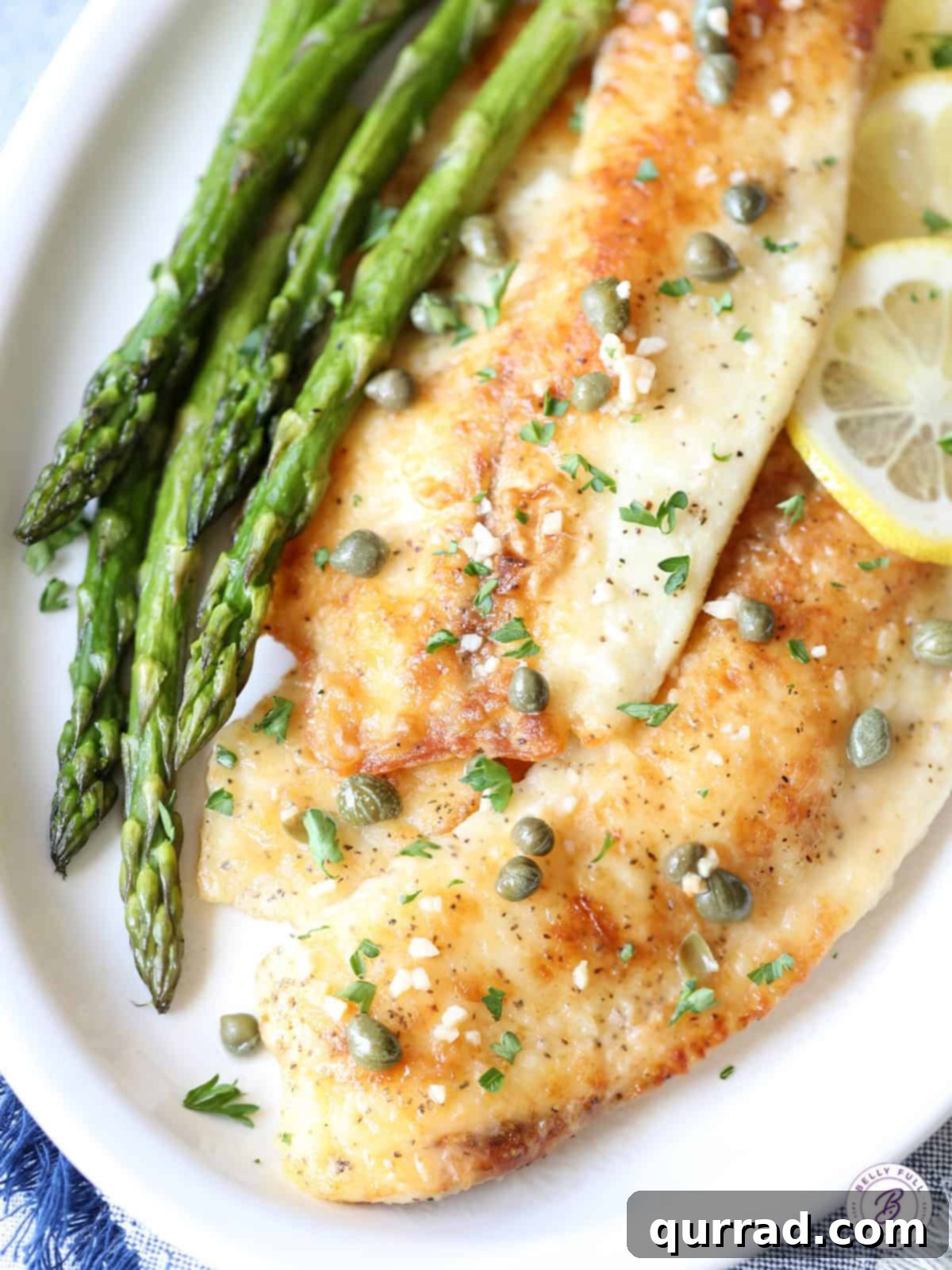
Perfect Pairings: What to Serve with Fish Piccata
Lemon Fish Piccata, with its bright and savory profile, is incredibly versatile when it comes to side dishes. While it traditionally pairs beautifully with various types of pasta, many delicious options can round out your meal, from lighter vegetable accompaniments to more substantial grains.
- Classic Pasta: A natural partner for the rich, tangy sauce, long pasta varieties like spaghetti, fettuccine, or linguine are excellent choices. The pasta absorbs the delicious piccata sauce, creating a satisfying and comforting meal. Consider tossing the cooked pasta directly with a spoonful of the sauce before serving.
- Roasted Vegetables: To keep the meal lighter and add a healthy dose of fiber, roasted vegetables are a fantastic complement.
- Roasted Asparagus: As suggested in the recipe, this is a perfect match. Its slightly bitter, earthy flavor and tender-crisp texture beautifully contrast the vibrant fish.
- Roasted Green Beans: Similar to asparagus, green beans offer a fresh, slightly crunchy element that works well with the fish.
- Roasted Broccoli: The florets become delightfully caramelized in the oven, adding a nutty sweetness that complements the piccata sauce.
- Other great options include roasted zucchini, bell peppers, or a medley of seasonal vegetables.
- Grains: For a gluten-free alternative to pasta or simply a different texture, consider serving your Fish Piccata with:
- Rice Pilaf: A light and fluffy rice pilaf, perhaps with some herbs, can soak up the sauce beautifully.
- Quinoa or Couscous: These nutritious grains offer a slightly different texture and are quick to prepare.
- Creamy Polenta: For a more decadent and comforting option, soft, creamy polenta provides a wonderful base for the fish and sauce.
- Simple Salad: A fresh, crisp green salad with a light vinaigrette can add a refreshing contrast to the richness of the piccata sauce. This is an excellent choice for a very light meal.
- Crusty Bread: Don’t forget a good loaf of crusty bread to soak up every last drop of that amazing lemon-caper sauce!
Whether you opt for traditional pasta, a medley of roasted vegetables, or a wholesome grain, Fish Piccata’s versatile flavors ensure a delightful pairing for any preference.
Storing & Reheating Fish Piccata for Later Enjoyment
Fish Piccata is best enjoyed fresh, but sometimes leftovers are inevitable or planned. Proper storage and reheating are key to maintaining its delicious flavors and textures:
- Refrigeration: Cooked and cooled Fish Piccata can be stored in an airtight container, covered in its sauce, in the refrigerator for up to 2 days. Keeping the fish submerged in the sauce helps prevent it from drying out.
- Freezing: This recipe’s sauce is cream-free, which makes it excellent for freezing. However, for best results, it’s recommended to store the sauce and the fish separately. Place the cooled fish fillets in one airtight freezer-safe container and the sauce in another. It will keep well for up to 2 months. Thaw frozen fish and sauce overnight in the refrigerator before reheating.
- Reheating for Best Results: Reheating fish can be tricky, as it can easily dry out.
- Oven (Recommended): For the best quality, gently reheat fish piccata in the oven. Preheat your oven to a low temperature, around 275°F (135°C). Place the fish and sauce in an oven-safe dish, adding a tablespoon or two of extra chicken broth to the sauce to help rehydrate and prevent drying. Cover the dish loosely with foil and bake for 10-15 minutes, or until just heated through.
- Stovetop: You can also reheat on the stovetop over low heat. Place the fish and sauce in a nonstick pan, adding a splash of chicken broth. Heat gently, covered, until warmed through, being careful not to overcook.
- Microwave: While convenient, the microwave is generally the least recommended method for reheating fish, as it can easily lead to a rubbery texture. If using, reheat in short bursts (30 seconds) on a lower power setting, stirring the sauce and checking the fish between intervals. Add a little broth to the sauce.
Frequently Asked Questions About Fish Piccata
Here are answers to some common questions about making Fish Piccata:
- Can I use frozen fish for this recipe? Yes, you can. Ensure the frozen fish is fully thawed in the refrigerator overnight and thoroughly patted dry before seasoning and dredging. Excess moisture from thawing can prevent a good sear.
- What kind of white wine is best for piccata? A dry white wine like Sauvignon Blanc, Pinot Grigio, or even a dry Chardonnay (unoaked) is ideal. These wines add a crisp acidity and depth of flavor without sweetness. Avoid cooking wines, which often contain extra salt and preservatives, and sweet wines, which will alter the sauce’s taste.
- How can I make this recipe gluten-free? To make Fish Piccata gluten-free, simply swap the all-purpose flour for a cup-for-cup gluten-free flour blend. Ensure the blend is suitable for dredging and frying.
- Is Fish Piccata spicy? No, Fish Piccata is not spicy. Its flavor profile is bright, tangy, savory, and slightly briny, with a richness from butter. There are no spicy ingredients in the traditional recipe.
- My sauce isn’t thickening. What can I do? Ensure you’ve reduced the wine sufficiently and allowed the butter to melt and emulsify properly. If it’s still too thin, you can whisk in a tiny amount (1/2 teaspoon) of cornstarch mixed with an equal amount of cold water (a slurry) into the simmering sauce. Stir constantly for a minute until it thickens.
- How do I prevent the fish from sticking to the pan? Use a good quality nonstick pan, ensure the pan and oil are adequately heated before adding the fish, and don’t overcrowd the pan. Patting the fish dry and a light flour dredge also help create a protective barrier.
- Can I prepare any parts of this recipe in advance? While the fish is best cooked fresh, you can prep the asparagus (trim and season) and mince the garlic a few hours ahead of time. The sauce itself is so quick to make that it’s best prepared right before serving.
Explore More Delicious Fish Recipes
If you’ve fallen in love with the vibrant flavors of this Fish Piccata, you’ll be delighted to explore other fantastic fish recipes that are both healthy and delicious. Here are some of our favorites:
- Grilled Fish Tacos
- Tuscan Butter Salmon
- Honey Glazed Salmon
- Salmon Patties
- Creamy Baked Halibut
- Sheet Pan Cod with Asparagus and Cherry Tomatoes
We truly hope you enjoy creating and savoring this delicious and easy Fish Piccata recipe. It’s a testament to how simple ingredients can come together to form an unforgettable meal. We’d love to hear about your experience – please be sure to leave a review below! And don’t forget to follow Belly Full on TikTok, Facebook, Instagram, Pinterest, and YouTube for more culinary inspiration and easy-to-follow recipes!
Fish Piccata Recipe Card
This Fish Piccata recipe is a delicious twist on traditional chicken piccata, made with mild flaky white fish, butter, wine, lemon, and capers. It looks so elegant, but is incredibly quick and easy to prepare in less than 30 minutes.
Prep Time: 15 mins
Cook Time: 10 mins
Total Time: 25 mins
Servings: 4
Ingredients
- 1/2 pound asparagus, rinsed and dried, tough ends chopped off
- 4 tablespoons extra-virgin olive oil, divided
- salt and freshly ground black pepper, to taste
- 4 fillets (5-6 ounces each) firm white fish, skinned removed (such as tilapia, halibut, sole, or snapper)
- 1/4 cup all-purpose flour
- 1/4 cup dry white wine
- 2 cloves garlic, minced
- 1/2 cup low-sodium chicken broth
- 2 tablespoons lemon juice
- 1 tablespoon capers, drained
- 2 tablespoons unsalted butter
- fresh lemon slices, for serving
- chopped fresh parsley, for serving
Instructions
- Preheat oven to 425 degrees F (220°C).
- Spread the asparagus out in a single layer on a rimmed baking sheet. Toss in 2 tablespoons olive oil and sprinkle with salt and pepper, to taste. Roast for about 10 minutes (depending on thickness), until tender, but still al dente.
- In the meantime, season the fish fillets with salt and pepper, then dredge in flour, shaking off any excess.
- Coat a large nonstick pan with nonstick spray, add remaining 2 tablespoons olive oil, and heat over medium-high. Pan fry fillets for about 2 minutes on one side; gently flip over and pan fry the other side for about 2 more minutes until golden and fish flakes easily with a fork. Transfer fillets to a platter.
- Deglaze pan with the wine until liquid is mostly evaporated, scraping up any brown bits, about 1-2 minutes. Add in minced garlic and stir until fragrant, about 20 seconds.
- Add broth, lemon juice, capers, and butter.
- Once butter is melted, pour sauce over fillets.
- Garnish with lemon slices and chopped fresh parsley. Serve immediately with the roasted asparagus and enjoy!
Notes
Replace the wine. The wine can be replaced with more chicken broth, but the flavors will not be as deep.
Make it even more lemon-y. Add in a little lemon zest along with the lemon juice.
Want a creamier sauce? Stir in 3-4 tablespoons of heavy cream.
Make the sauce thicker. If you prefer a thicker sauce, you could whisk in 1 tablespoon of flour or cornstarch.
Nutrition Information (Approximate Per Serving)
- Calories: 396 kcal
- Carbohydrates: 10g
- Protein: 37g
- Fat: 23g
- Saturated Fat: 7g
- Polyunsaturated Fat: 2g
- Monounsaturated Fat: 13g
- Trans Fat: 0.2g
- Cholesterol: 100mg
- Sodium: 156mg
- Potassium: 683mg
- Fiber: 1g
- Sugar: 1g
- Vitamin A: 607 IU
- Vitamin C: 6mg
- Calcium: 37mg
- Iron: 3mg
Nutritional information given is an automatic calculation and can vary based on the exact products you use and any changes you make to the recipe. If these numbers are very important to you, we recommend calculating them yourself using a reliable nutrition calculator.
Did you make this? We’d love your feedback!
If you tried this Fish Piccata recipe, please consider leaving a rating and comment below to share your experience with other home cooks!