
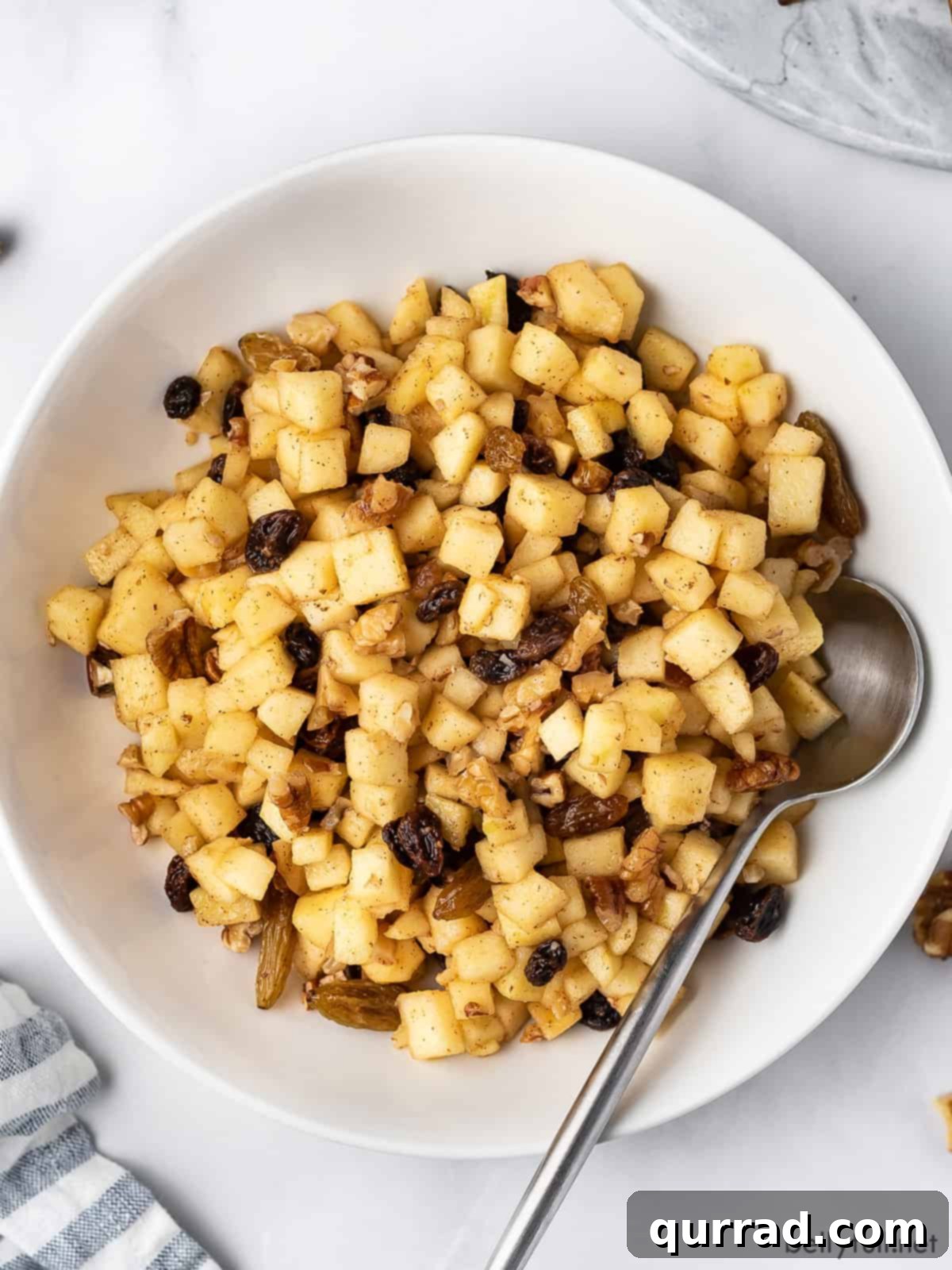
Welcome to the essential guide for creating the perfect Charoset recipe, a beloved staple for any Passover Seder. This delightful sweet blend of fruits, nuts, and cinnamon is more than just a dish; it’s a symbolic cornerstone of the Jewish holiday, and no Seder plate feels truly complete without it. Whether enjoyed on its own as a vibrant, flavorful spread or as a traditional condiment atop a piece of matzo, this easy Charoset comes together quickly and effortlessly. As a bonus, this traditional haroset recipe is naturally gluten-free, making it a wonderful addition to any dietary need.
For our annual holiday meal with family, I love pairing this flavorful apple Charoset with hearty beef brisket and a comforting, generous bowl of matzo ball soup (always prepared without egg noodles, as is our family tradition). The sweet and tangy notes of Charoset provide a beautiful contrast to the savory main courses, enhancing the overall festive experience.
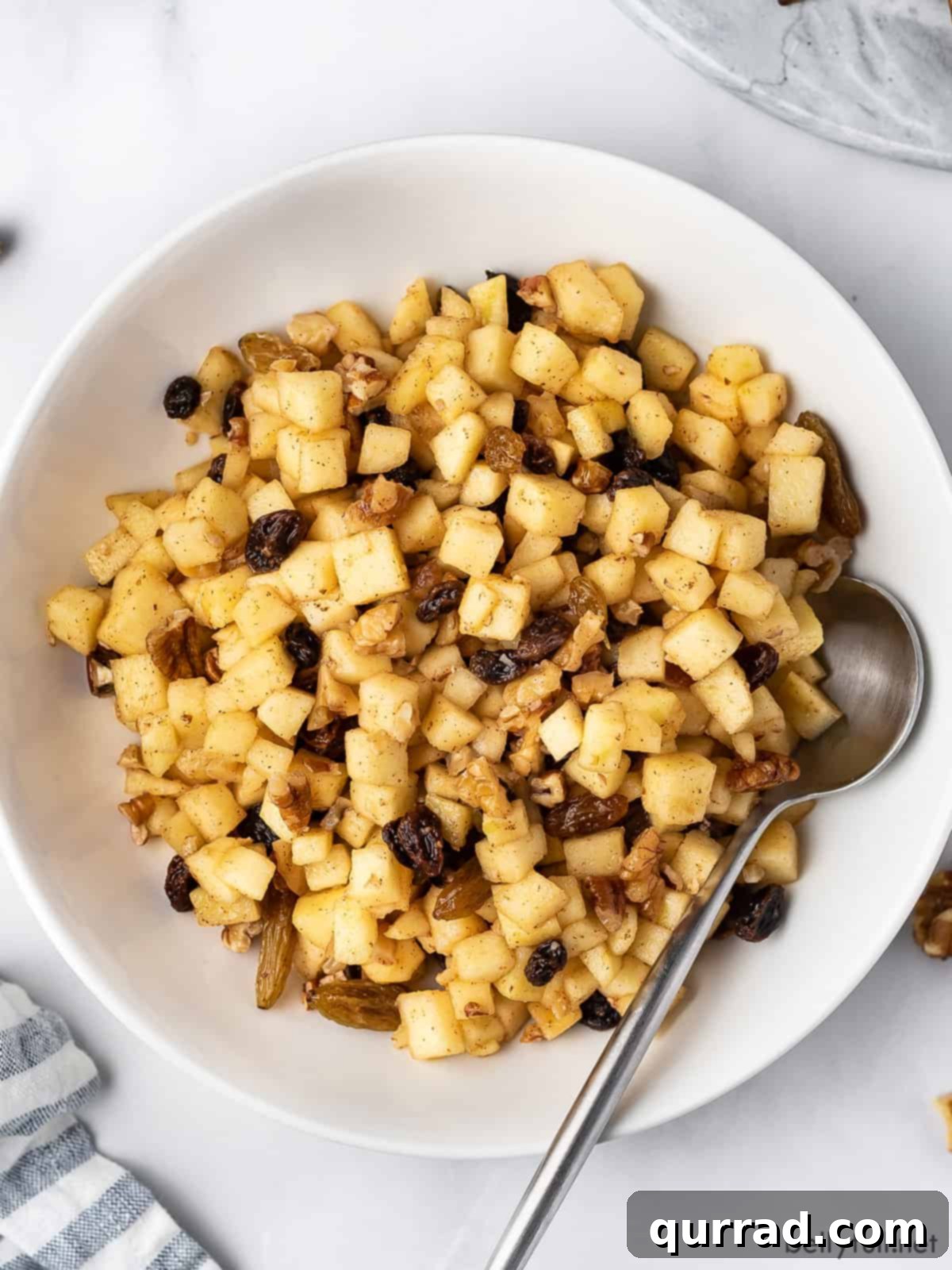
Mastering the Classic Charoset Recipe for Passover
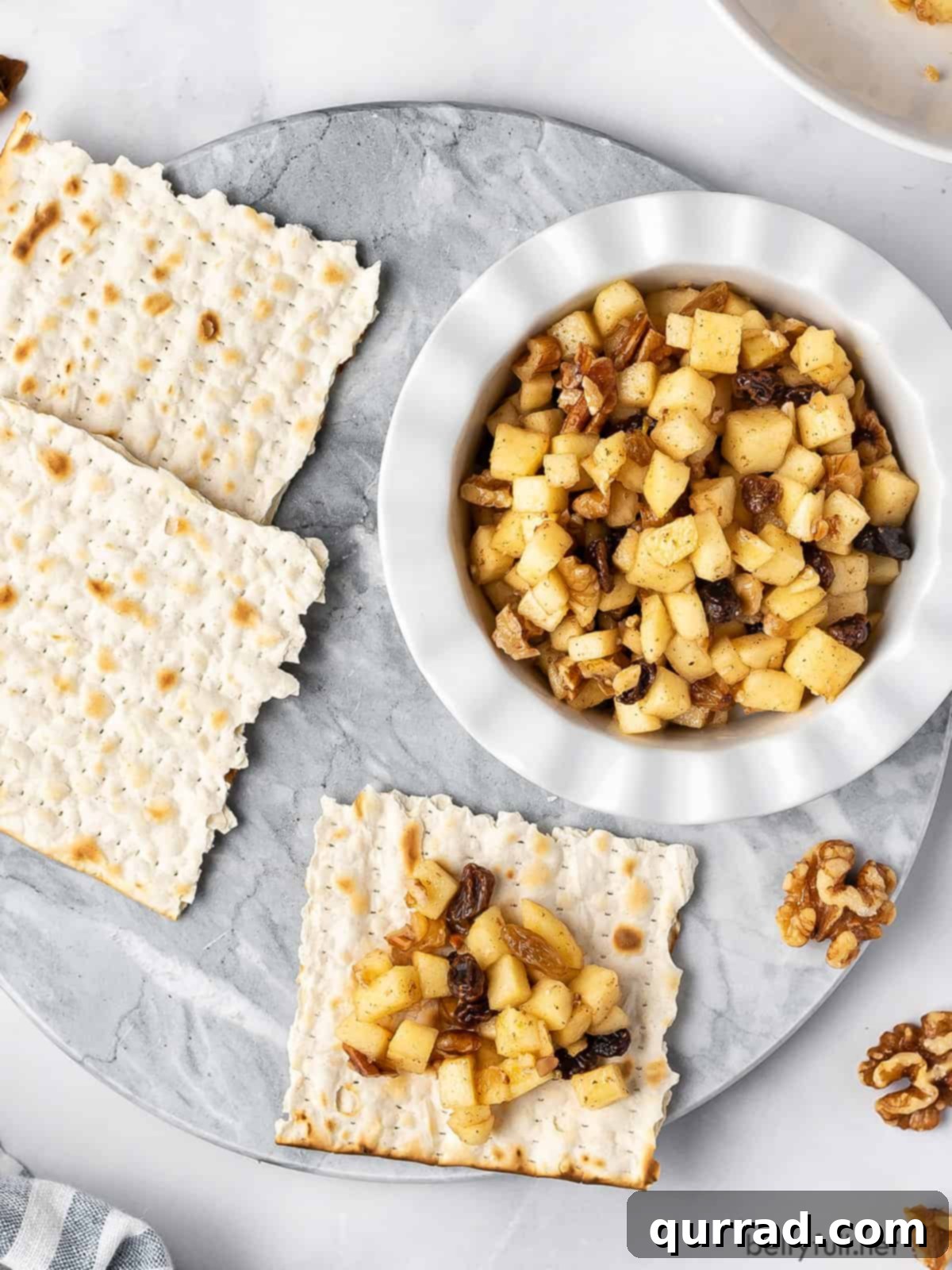
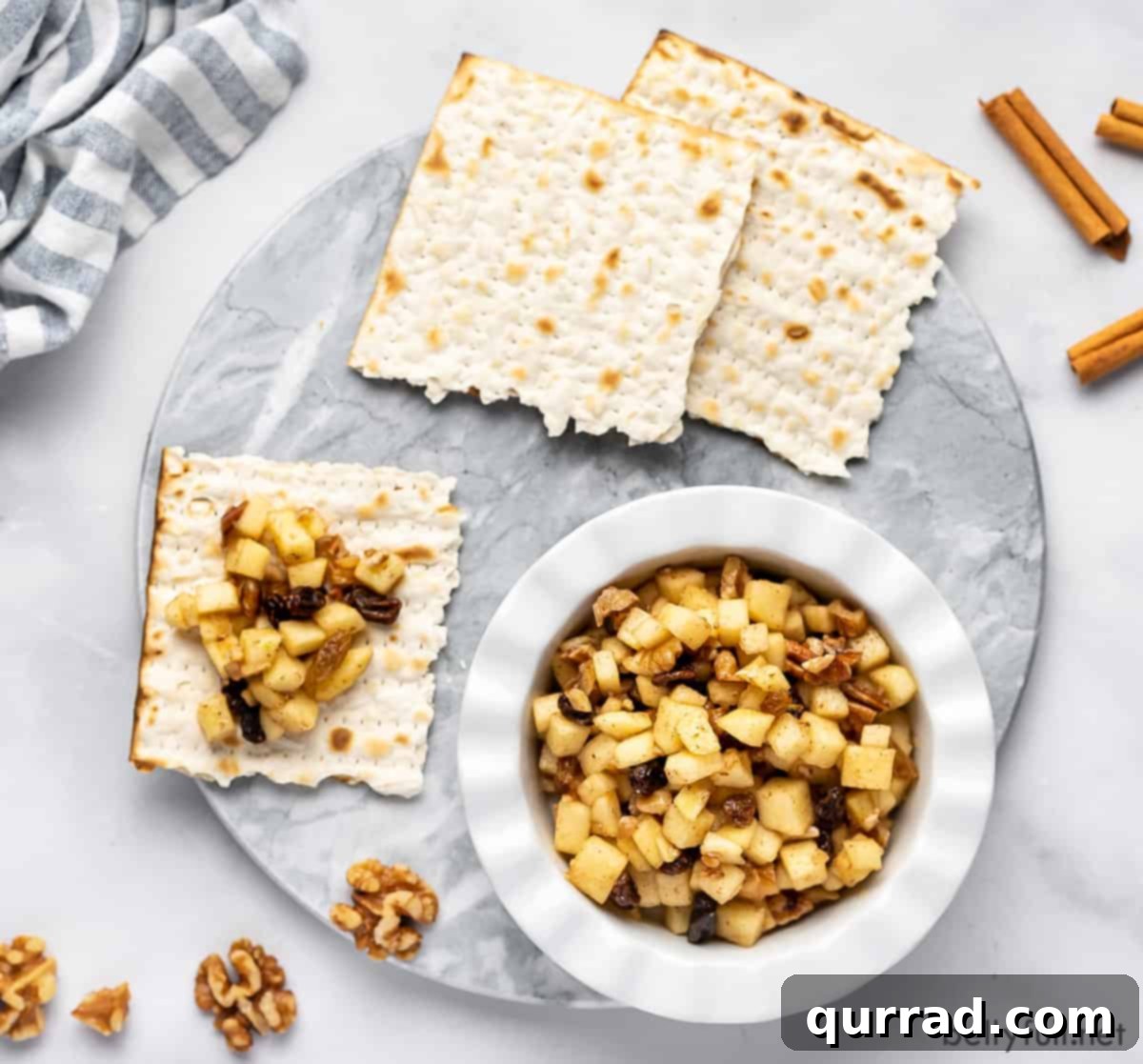
Passover stands as one of the most significant Jewish holidays, and it’s virtually impossible to envision a Seder plate without the presence of Charoset. This sweet, textured mixture is not just a food item; it’s a deeply rooted symbol of freedom and resilience. Growing up, the anticipation of this small bowl of cinnamon-laced fruit and nuts was always high. We’d eagerly spoon it directly into our mouths or pile it generously onto crisp pieces of matzo, savoring every sweet, crunchy bite.
At its heart, traditional Charoset is a simple yet profound creation, typically made from finely chopped apples, walnuts, a splash of sweet red wine, and a warming touch of cinnamon. Over the years, I’ve found that adding a handful of plump raisins, a drizzle of golden honey, a squeeze of fresh lemon juice, and just a pinch of kosher salt elevates the flavors, making it truly exceptional. While it’s an undeniable essential for the Passover holiday, its delightful simplicity and utterly delicious taste often inspire me to prepare it throughout the year, long after the Seder candles have been extinguished. Its versatility and refreshing sweetness make it a perfect snack or spread for any occasion.
The Profound Symbolism and Meaning Behind Charoset
Charoset, often referred to as Haroset or Haroseth, is much more than a delicious fruit and nut spread; it holds profound symbolic meaning on the Seder plate during the Jewish Passover holiday. This unique mixture, crafted from blended dried fruit and nuts, vividly represents the mortar (or clay) that the enslaved Israelites were forced to use in ancient Egypt to build structures for Pharaoh. The granular texture, the earthy tones of the nuts, and the binding quality of the fruit evoke this historical labor and suffering.
However, the narrative of Charoset is not solely one of hardship. Its inherent sweetness serves a crucial purpose: to beautifully offset the sharp bitterness of the horseradish (maror), another symbolic item on the Seder plate that represents the bitterness of slavery. This deliberate balance of sweet and bitter elements within the Seder ritual is said to signify the optimism and hope that emerged from oppression, reminding participants of the redemption and joy that followed a period of immense suffering. The very name “Charoset” is derived from the Hebrew word “cheres,” which translates directly to “clay,” reinforcing its deep connection to the story of the Exodus.
Key Ingredients for Your Perfect Charoset
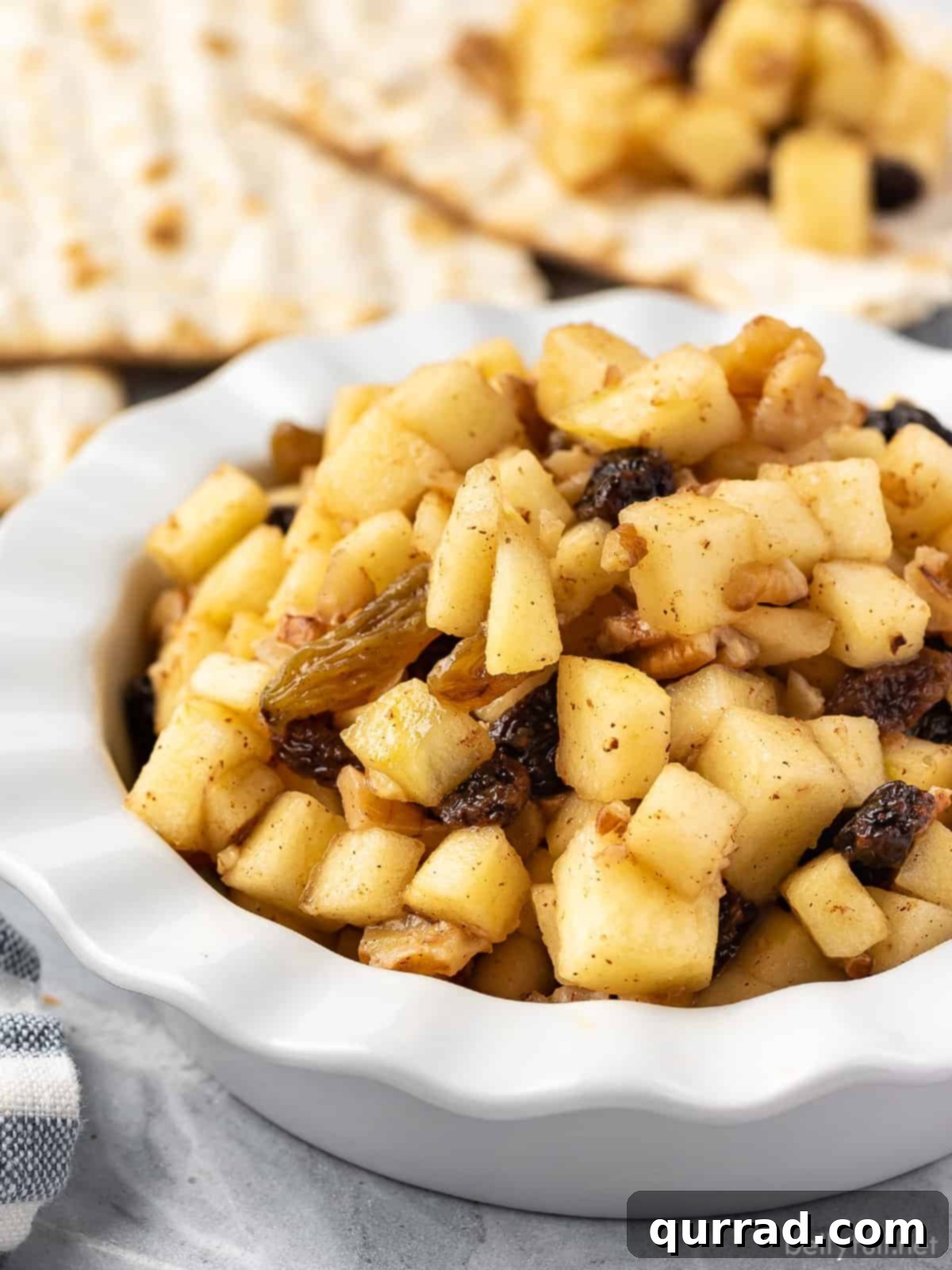
Crafting this delightful Charoset recipe requires a harmonious blend of fresh and vibrant ingredients, culminating in a sweet and aromatic spread that is truly a highlight of any Passover meal. Its quick and easy preparation ensures it’s always a big hit with family and friends. Here’s a closer look at what you’ll need to create this Passover essential:
- Apples: The foundation of any good Charoset. I prefer sweet, crisp varieties like Fuji, Honeycrisp, or Pink Lady for their excellent flavor and firm texture. You’ll want to peel and finely dice them to a size comparable to raisins.
- Walnuts: These provide a delightful crunch and earthy depth. Lightly toasting them before chopping unlocks their full, rich flavor.
- Raisins: Adding a touch of concentrated sweetness and chewiness. A blend of regular and golden raisins can offer a nice visual and flavor contrast.
- Sweet Red Wine: A traditional binder and flavor enhancer. Manischewitz is a popular choice for its classic sweetness and authenticity.
- Honey: Contributes natural sweetness and helps to bind the ingredients, adding a lovely depth of flavor.
- Fresh Lemon Juice: A vital ingredient that brightens the flavors, prevents the apples from browning, and adds a refreshing tang.
- Cinnamon: The quintessential spice for Charoset, infusing it with warmth and aromatic complexity.
- Kosher Salt: Just a tiny pinch is enough to enhance all the other flavors, bringing them into perfect balance.
For precise measurements and detailed step-by-step instructions, please refer to the complete printable recipe card located further down this page.
Exciting Charoset Recipe Variations to Explore
While we absolutely adore this classic Charoset recipe as it is, one of its greatest strengths is its adaptability. You can easily adjust the flavors and textures to perfectly suit your personal preferences or to add an exciting new twist to your Seder plate. Here are some fantastic variations to inspire you:
- Experiment with Apple Texture: I typically prefer my apples finely diced for a distinct texture. However, my mom often shreds her apples, which results in a smoother, more paste-like consistency. After shredding, you can chop them further with a knife until you reach your desired texture. This can be a delightful change if you prefer a less chunky spread.
- Swap Out Dried Fruits: If raisins aren’t your favorite, or if you simply want to try something new, feel free to substitute them. Finely chopped dates, dried apricots, or even dried cranberries can add different dimensions of sweetness and tartness, making for a unique Charoset.
- Incorporate Different Nuts: Walnuts are traditional and delicious, but don’t hesitate to explore other options. Toasted pecans or almonds can introduce new flavors and textures that are equally delightful in Charoset. Remember to toast any nuts you choose for enhanced flavor.
- Alternative Sweeteners: For those who prefer different sweetening agents, maple syrup makes an excellent alternative to honey, offering a slightly different flavor profile while maintaining the desired sweetness.
- Flavor Boosters: A tablespoon of apricot jam can add an extra layer of fruity sweetness and a lovely sheen. A hint of orange zest will introduce a bright, citrusy aroma, and a tiny pinch of nutmeg can deepen the spice complexity, complementing the cinnamon beautifully.
- Charoset Without Wine: If you’re looking for a non-alcoholic version, or simply prefer to omit the wine, unsweetened grape juice is an excellent and widely accepted substitute. It maintains the traditional sweetness and helps bind the ingredients without the alcohol.
Simple Steps to Prepare Delicious Charoset
Making Charoset is remarkably straightforward, requiring minimal effort for a truly impactful dish. Follow these easy steps to bring this symbolic Passover staple to life:
- Prepare the Apples: Begin by thoroughly washing your chosen apples. Peel them if desired (though some prefer to leave the peel on for extra fiber and color). Then, finely dice the apples into very small, uniform pieces. Aim for a size roughly comparable to that of a raisin. Uniform dicing ensures an even texture and allows the flavors to meld beautifully.
- Combine All Ingredients: Transfer the diced apples into a large mixing bowl. Add all the other prepared ingredients: the finely chopped, lightly toasted walnuts, raisins, sweet red wine, honey, fresh lemon juice, cinnamon, and the pinch of kosher salt.
- Mix Thoroughly: Using a sturdy spoon or spatula, stir all the ingredients together until they are thoroughly combined. Ensure that the wine, honey, and lemon juice coat all the fruit and nuts evenly. Taste the mixture and adjust seasonings as desired. You might wish to add a little more cinnamon for extra warmth or a touch more honey for added sweetness.
- Allow Flavors to Marry: Once mixed, let the Charoset stand at room temperature for at least 30 minutes. This crucial resting period allows the flavors to fully meld and deepen, resulting in a more complex and harmonious taste.
- Serve and Enjoy: Your Charoset is now ready to be served! Enjoy it on its own as a delightful snack or spread, or traditionally, pile it onto pieces of matzo during your Passover Seder.
For a printable version of this recipe with exact quantities, please see the dedicated recipe card below.
Expert Tips for Crafting the Best Charoset
While Charoset is a simple recipe, a few key tips can elevate your creation from good to truly outstanding. Pay attention to these details for a remarkably flavorful and textured dish:
- Select the Right Apples: The quality of your apples significantly impacts the final taste and texture of your Charoset. Opt for sweet, firm apple varieties that hold their shape well and offer a delightful crispness. Our top recommendations for this recipe are Pink Lady, Fuji, or Honeycrisp. These varieties boast an excellent balance of sweetness and tartness, along with the perfect firm texture that won’t become mushy in the mixture. Feel free to use a single type or combine a couple for added complexity. As for peeling versus not peeling, and shredding versus dicing, these are matters of personal preference. I personally prefer my apples peeled and finely diced for a cleaner look and distinct bites, but my mother, for instance, always shreds hers for a smoother paste.
- Toast Your Walnuts for Superior Flavor: This is a small step that yields immense flavor rewards. Before you chop your walnuts, I highly recommend toasting them. Toasting enhances their natural nuttiness and brings out a depth of flavor that raw walnuts simply can’t match. It only takes a few minutes and is incredibly worth the effort. You can toast them in a dry pan on the stovetop over medium heat, stirring frequently, or spread them on a baking sheet in a preheated oven (around 350°F or 175°C) for 5-7 minutes. Keep a very close eye on them, as nuts can go from perfectly golden and fragrant to burnt in an instant! Once cooled, chop them to your desired fineness.
- Allow Ample Resting Time: While Charoset can be eaten immediately, its flavors truly develop and deepen after resting. Aim for at least 30 minutes at room temperature, but ideally, prepare it a few hours in advance. This allows the wine, honey, and cinnamon to thoroughly infuse into the apples and nuts, creating a more cohesive and mellow flavor profile.
Serving Suggestions and Proper Storage
For the absolute best flavor experience, I strongly recommend making your Charoset at least 30 minutes before you plan to serve it. This crucial resting period allows all the vibrant ingredients to meld together, creating a more harmonious and complex flavor profile. Ideally, I prefer to prepare it a few hours in advance. This not only allows the flavors to deepen significantly but also mellows out the strong, sometimes sharp, taste of the red wine that can be quite noticeable if eaten immediately after preparation.
When it comes to serving, Charoset is incredibly versatile. It’s traditionally served as part of the Seder plate, often scooped onto matzo. Beyond the Seder, it makes a wonderful spread for crackers, a topping for yogurt, or even a delightful accompaniment to roasted meats. Its sweet and tangy notes can complement a variety of dishes.
Any leftover Charoset should be stored in an airtight container, covered, and refrigerated promptly. When properly stored, it will maintain its delicious flavor and texture for up to 3 days. Unfortunately, Charoset is not suitable for freezing. The delicate texture of the apples will break down upon thawing, resulting in an unpleasant, mushy consistency. For optimal enjoyment, it’s best to consume it fresh within a few days of preparation.
More Essential Passover Recipes for Your Feast:
- Perfect Roasted Carrots
- Classic Roast Chicken
- Decadent Matzo Toffee Brittle
- Savory Matzo Brei
- Sweet Coconut Macaroons
- Delicate Meringue Cookies
Charoset Recipe
This easy Charoset recipe is a beloved staple for any Passover meal – no Seder plate is truly complete without it. It’s a sweet blend of fruits, nuts, and cinnamon, perfect on its own or as a condiment with matzo. Simple, quick, and naturally gluten-free.
Prep time: 10 minutes
Stand time: 30 minutes
Total time: 40 minutes
Yields: 4 servings (approx. 2 1/2 cups)
Ingredients
- 2 medium apples, peeled and very finely chopped (Fuji or Honeycrisp are preferred)
- 1/2 cup finely chopped lightly toasted walnuts
- 1/4 cup raisins (a mixture of regular and golden is recommended)
- 1 tablespoon sweet red wine, such as Manischewitz
- 1 tablespoon honey
- 1 teaspoon fresh lemon juice
- 1/4 teaspoon cinnamon
- Pinch of kosher salt
Instructions
- Place all of the ingredients in a large bowl, then stir until thoroughly combined. Taste the mixture and add more cinnamon or honey if desired to suit your preference.
- Let the Charoset stand at room temperature for at least 30 minutes before serving. For enhanced flavor, it can be covered and refrigerated for up to 8 hours.
- Enjoy this delightful spread on its own, or traditionally, with matzo during your Passover Seder.
Nutrition Information (Estimated Per Serving)
Calories: 190 kcal | Carbohydrates: 26g | Protein: 3g | Fat: 10g | Saturated Fat: 1g | Polyunsaturated Fat: 7g | Monounsaturated Fat: 1g | Sodium: 4mg | Potassium: 246mg | Fiber: 4g | Sugar: 14g | Vitamin A: 53 IU | Vitamin C: 5mg | Calcium: 24mg | Iron: 1mg
Nutritional information provided is an automatic calculation and serves as an estimate. Values can vary based on the exact products you use and any modifications made to the recipe. If precise nutritional figures are critical to you, it is recommended to calculate them independently using your specific ingredients.
We truly hope you love this delicious and easy Charoset recipe! If you make it, please consider leaving a review below to let us know your thoughts. And don’t forget to follow Belly Full on TikTok, Facebook,Instagram,Pinterest, and YouTube for more incredible recipes and culinary inspiration!