
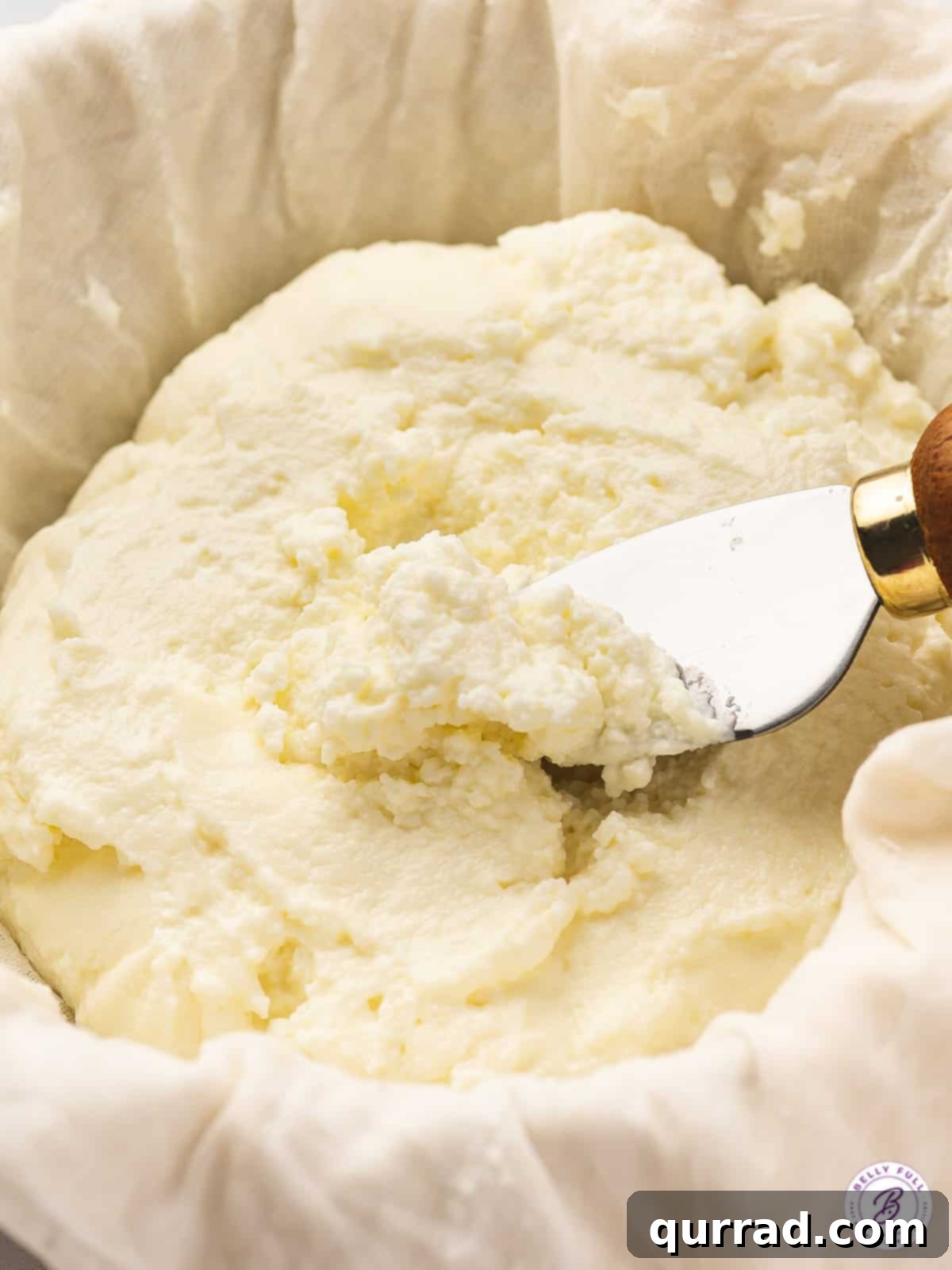
Homemade Ricotta Cheese is an absolute game-changer in your kitchen, surprisingly simple to create with just four basic ingredients and less than 20 minutes of active time. Forget everything you thought you knew about ricotta from the supermarket shelf; homemade ricotta offers a luxuriously light, fluffy, and melt-in-your-mouth texture that is simply incomparable. Whether you enjoy it warm, fresh from the pot, or chilled, its delicate curds provide an amazing base or topping for countless dishes. From savory fillings to sweet spreads, the versatility of fresh ricotta knows no bounds.
In this comprehensive guide, we’ll walk you through the effortless process of making your own ricotta, share invaluable tips for perfection, and inspire you with over 15 delectable ideas for incorporating this culinary gem into your meals. Prepare to elevate your cooking and delight your taste buds!
Easy Homemade Ricotta Cheese Recipe: A Culinary Revelation
If you’ve never experienced the exquisite taste and texture of homemade ricotta cheese, prepare to have your culinary world transformed. The stark contrast between a freshly made batch and its store-bought counterpart is astounding. While commercial ricotta often has a slightly rubbery or granular consistency, homemade ricotta boasts delicate, pillowy curds that are incredibly soft and creamy. Each spoonful delivers a subtle, milky sweetness with a hint of tang, making it a blissful ingredient to savor on its own or as part of a more elaborate dish. This recipe is not just about making cheese; it’s about rediscovering a fundamental ingredient in its purest, most delicious form.
What Exactly is Ricotta Cheese?
To truly appreciate ricotta, it’s helpful to understand its origins and how it’s made. The word “ricotta” literally translates from Italian to “recooked,” which perfectly describes its unique production process. Unlike many cheeses that are made directly from milk, ricotta is traditionally a “whey” cheese. When regular cheese is produced, milk is coagulated, separating into solid curds (which become cheese) and a liquid byproduct called whey.
Instead of discarding this nutrient-rich whey, skilled cheesemakers repurpose it. They heat the whey, often with a small addition of fresh milk or cream, and then introduce an acidic agent such as lemon juice or vinegar. This re-heating and acidification cause the remaining proteins in the whey, primarily albumin and globulin, to coagulate and form new, tiny curds. These delicate curds are then gently transferred to a cheesecloth and allowed to drain, resulting in the incredibly light, fluffy, and naturally sweet cheese we know as ricotta. It can be made from the whey of sheep, cow, goat, or Italian water buffalo milk, each imparting a slightly different flavor profile and richness.
Why You Should Make Ricotta at Home
Beyond the sheer satisfaction of crafting something delicious from scratch, there are several compelling reasons to embrace homemade ricotta:
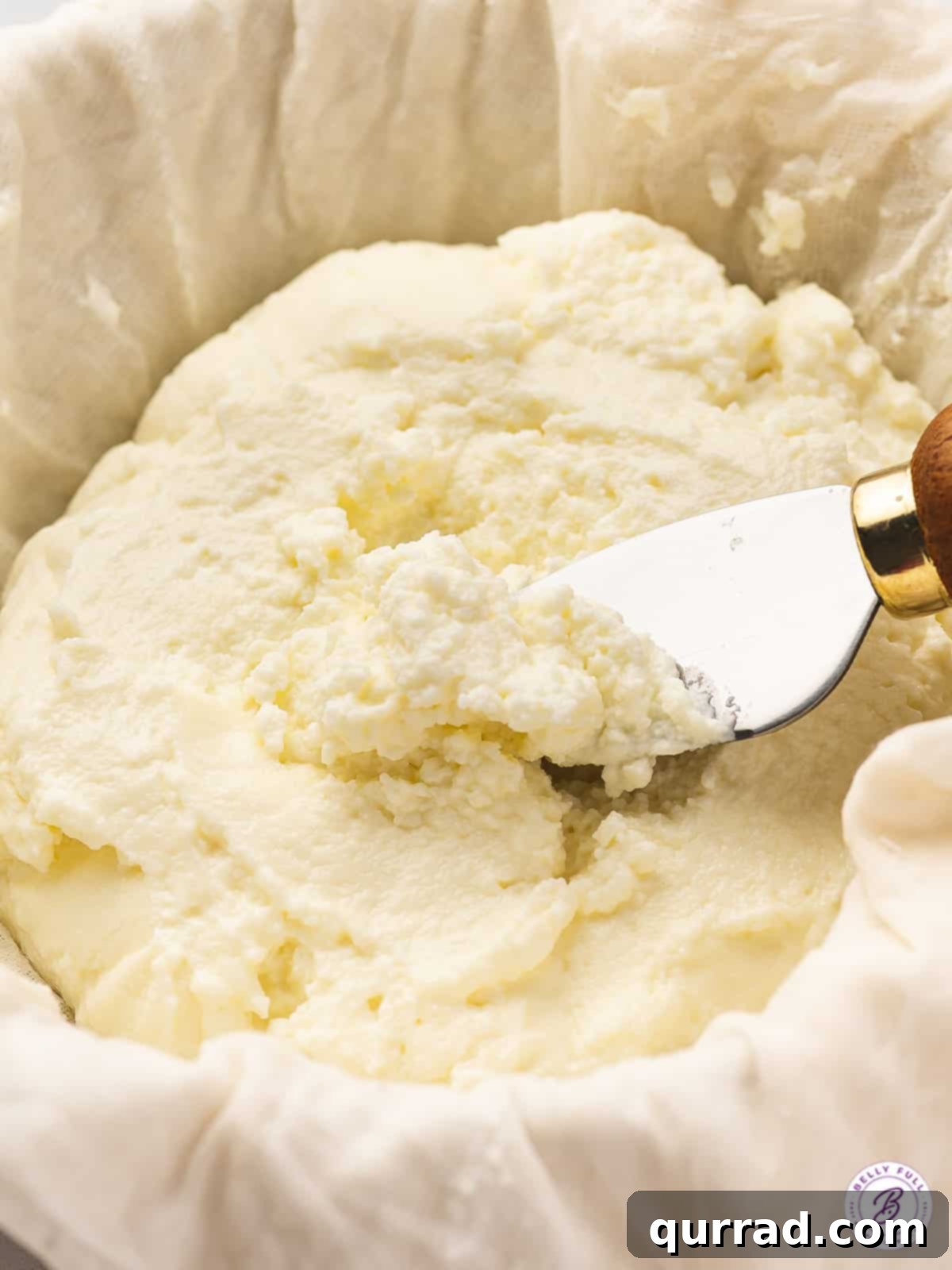
- Unmatched Flavor and Texture: This is the primary driver. Homemade ricotta is incredibly fresh, creamy, and boasts a delicate sweetness and airy texture that store-bought versions simply cannot replicate. The subtle nuances of the milk and cream shine through beautifully.
- Superior Freshness: You control the ingredients and the process, ensuring the freshest possible product without any additives, preservatives, or stabilizers often found in commercial brands.
- Cost-Effective: Making your own ricotta is often more economical than buying artisanal brands, especially considering the quality you achieve.
- Simple Ingredients, Impressive Results: With just four common kitchen staples and minimal effort, you can produce a gourmet-quality cheese. It’s a wonderful beginner-friendly cheese-making project.
- Customization: You can experiment with different types of milk (though whole cow’s milk is recommended for beginners), varying the amount of acid for a tangier or milder flavor, or even adding herbs and spices to the mixture for infused ricotta.
Ingredients Needed for Authentic Ricotta
The beauty of this recipe lies in its simplicity and reliance on high-quality, readily available ingredients. You only need four core items to create your own luscious ricotta cheese:
- Whole Milk: This is the foundation of our ricotta. Using whole milk is crucial for achieving a rich, creamy texture and robust flavor. The higher fat content contributes significantly to the delicate curds and prevents a grainy result. Avoid skim or low-fat milk, as they will yield a less flavorful and drier ricotta.
- Heavy Cream: Adding heavy cream elevates the richness and creaminess of the ricotta to an entirely new level. It complements the whole milk perfectly, resulting in a truly decadent and melt-in-your-mouth product. Do not substitute with half-and-half or lighter creams; heavy cream is key here.
- Lemon Juice: Freshly squeezed and strained lemon juice acts as the acid that causes the milk to coagulate and form curds. The freshness of the lemon juice contributes a bright, subtle tang to the finished cheese. While you can substitute white vinegar (use 2 tablespoons instead of 3), lemon juice is generally preferred for its more delicate flavor profile. Ensure it’s freshly squeezed for the best results.
- Kosher Salt: A pinch of kosher salt is essential to enhance the natural flavors of the milk and balance the subtle sweetness of the ricotta. It doesn’t make the ricotta taste salty but rather brings out its inherent deliciousness.
Essential Equipment for Ricotta Making
Before you begin, gather these simple tools to ensure a smooth and successful ricotta-making process:
- Heavy-Bottomed Saucepan: A sturdy, heavy-bottomed stainless steel pot is ideal. It distributes heat evenly, preventing the milk from scorching on the bottom, which is crucial for perfect ricotta.
- Fine-Mesh Strainer or Colander: This will hold your cheesecloth and curds while the whey drains.
- Cheesecloth: Essential for straining the delicate curds. Look for food-grade, unbleached cheesecloth. If you don’t have cheesecloth, a few layers of clean, unused coffee filters or a very thin, clean kitchen towel can work in a pinch.
- Large Bowl: To place under the strainer to catch the whey.
- Heat-Proof Spatula or Slotted Spoon: For gently scooping the curds.
- Measuring Cups and Spoons: For accurate ingredient measurements.
- Instant-Read Thermometer (Optional but Recommended): While not strictly necessary for this recipe, a thermometer can help ensure you reach the correct temperature, especially for more advanced cheese-making.
How to Make Ricotta Cheese: A Step-by-Step Guide
You’ll be amazed at how quickly and easily you can transform milk and cream into fresh, artisanal ricotta. Follow these three straightforward steps for perfect results:
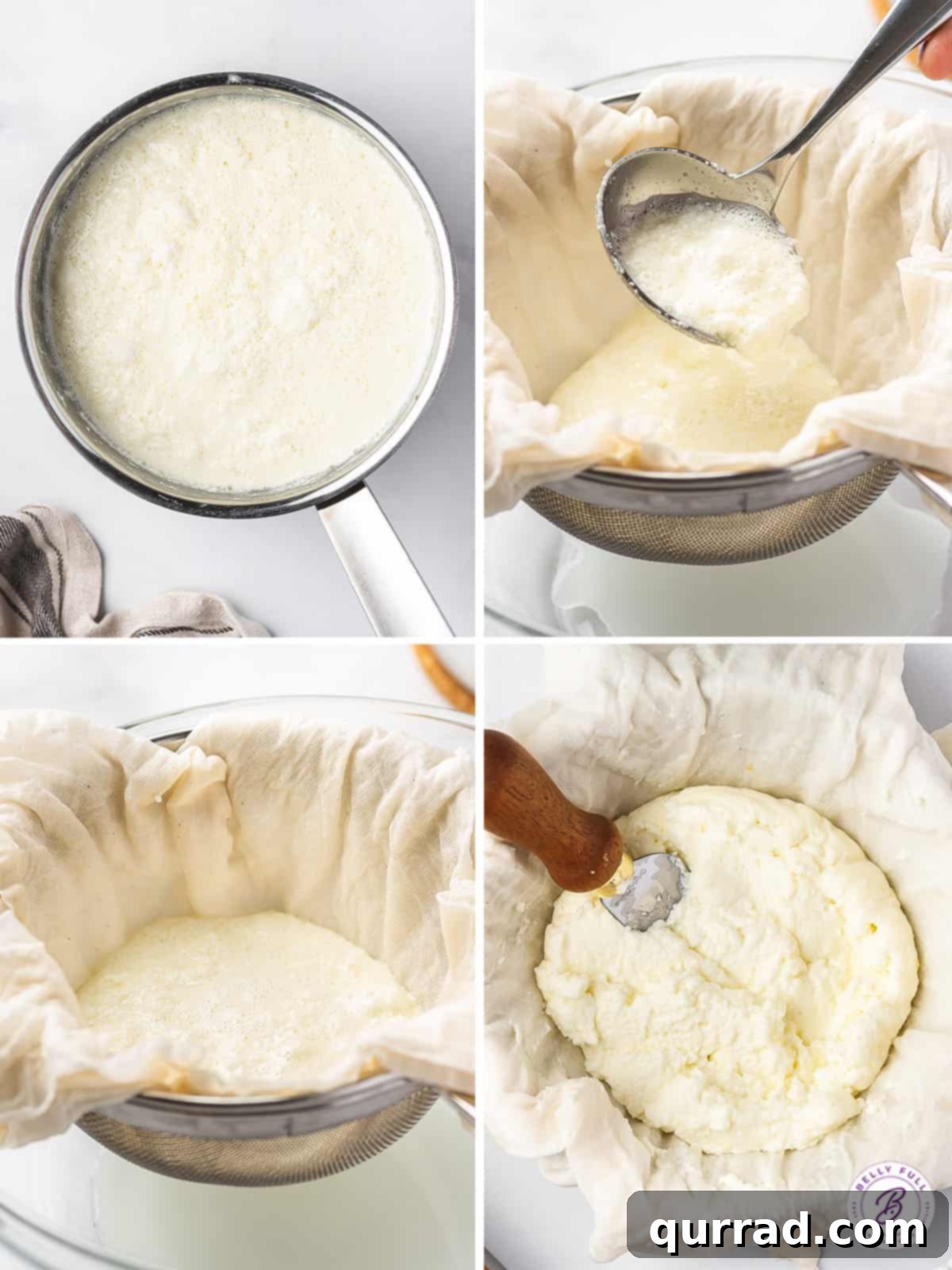
- Combine Ingredients and Bring to a Boil: Into your small, heavy-bottomed stainless steel saucepan, gently pour the whole milk, heavy cream, fresh lemon juice, and kosher salt. It’s crucial not to stir the mixture at this stage. Place the pot over medium-high heat and bring the liquid to a gentle boil. Keep a close eye on it to prevent it from boiling over. Once it reaches a rolling boil, immediately remove the pot from the heat.
- Allow the Curds to Form: After removing the pot from the heat, simply set it aside and let the mixture rest undisturbed for 5 to 10 minutes. During this time, the magic happens: the acid from the lemon juice will cause the milk proteins to coagulate, and you’ll visibly notice the clear, yellowish whey separating from the delicate white curds. The longer it sits, the firmer the curds will become. For a super creamy ricotta, aim for the shorter end of the resting time.
- Strain the Curds: Prepare your straining station by lining a fine-mesh strainer or colander with two layers of cheesecloth. Place this lined strainer over a deep bowl (to catch the whey) or directly in your sink. Using a slotted spoon or a heat-proof spatula, very gently scoop the formed curds out of the saucepan and transfer them into the prepared cheesecloth-lined strainer. Avoid pouring the entire mixture, as this can break up the delicate curds and result in a less fluffy texture. Allow the curds to drain for 15-30 minutes, depending on your desired consistency. For a creamier ricotta, drain for less time; for a firmer, dryer ricotta, drain longer.
TIP! What if I don’t have cheesecloth?
If you find yourself without cheesecloth, don’t fret! You can achieve similar results by lining your strainer with 2-3 layers of sturdy coffee filters or a very clean, thin, tightly woven kitchen towel. Just make sure the material is food-safe and has not been washed with strong detergents that could impart flavors.
Tips for Success and Troubleshooting Common Issues
While making ricotta is generally straightforward, a few tips can ensure perfect results every time, and knowing how to troubleshoot can save a batch:
- Don’t Stir! Resisting the urge to stir the milk mixture after adding the acid is vital. Stirring can disrupt the delicate curd formation, leading to smaller, less defined curds and a potentially grainier texture.
- Gentle Handling: Always scoop the curds gently into the cheesecloth. Rough handling can break them apart, compromising the creamy texture.
- Temperature Matters: Ensure your milk and cream come to a full boil. The heat helps the proteins coagulate effectively when the acid is introduced. If curds don’t form, the liquid might not have been hot enough, or your acid might be weak.
- Adjusting Acidity: If after 10 minutes the curds haven’t separated well, you can gently reheat the mixture for a minute and add another teaspoon of lemon juice or vinegar.
- Achieving Desired Consistency: The draining time directly impacts the final texture. For a light, spreadable ricotta, drain for a shorter period (15-20 minutes). For a firmer ricotta suitable for baking or fillings, drain longer (up to 30-40 minutes).
- Use Fresh Ingredients: The quality of your milk, cream, and lemon juice will directly impact the flavor of your ricotta. Opt for fresh, good-quality ingredients.
Recipes with Ricotta Cheese: Culinary Inspirations
Once you’ve experienced the unparalleled taste of homemade ricotta, you’ll be eager to incorporate it into every meal. Its delicate flavor and creamy texture make it incredibly versatile. Here are over 15 delicious ideas:
Savory Uses for Ricotta
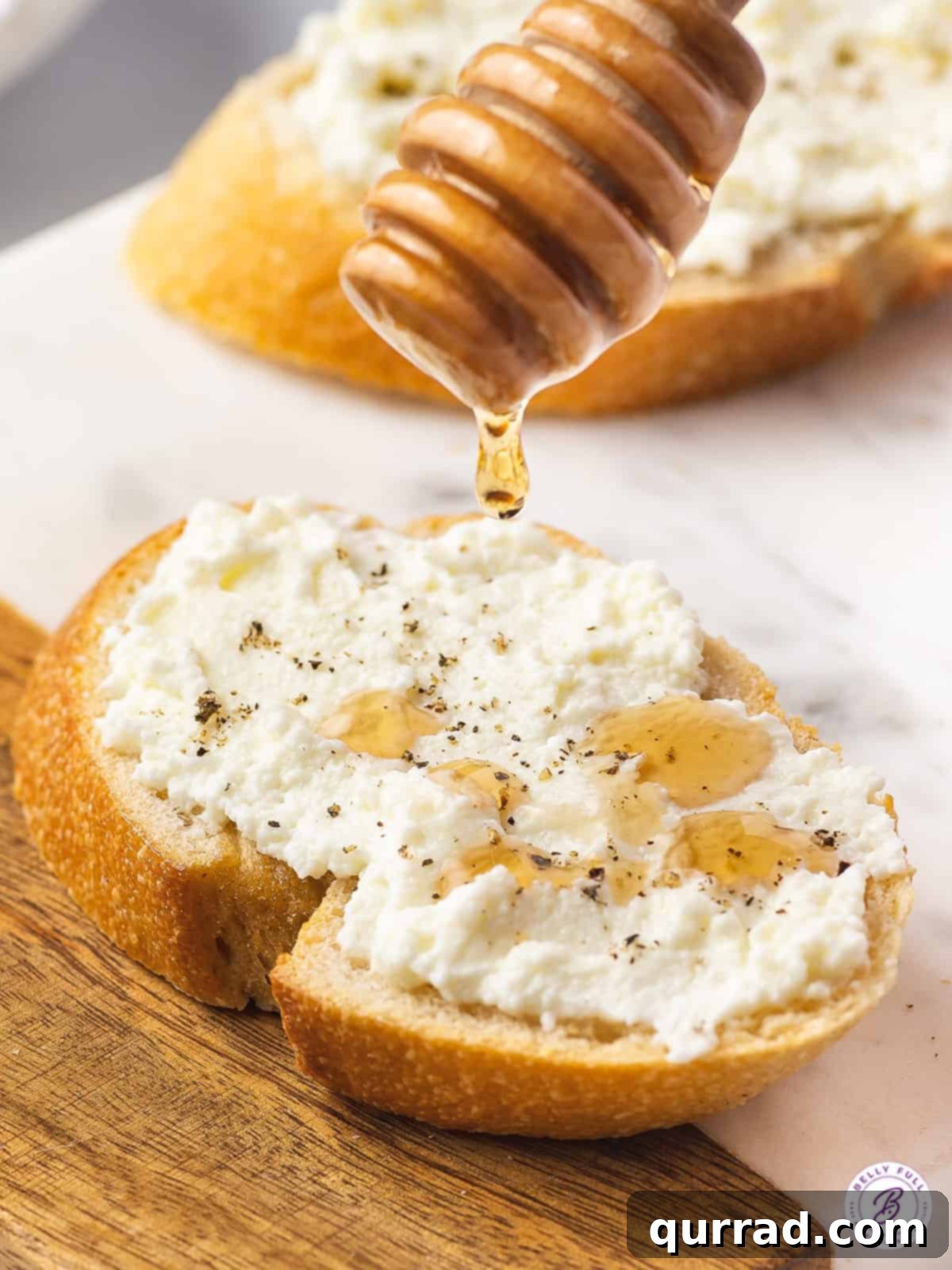
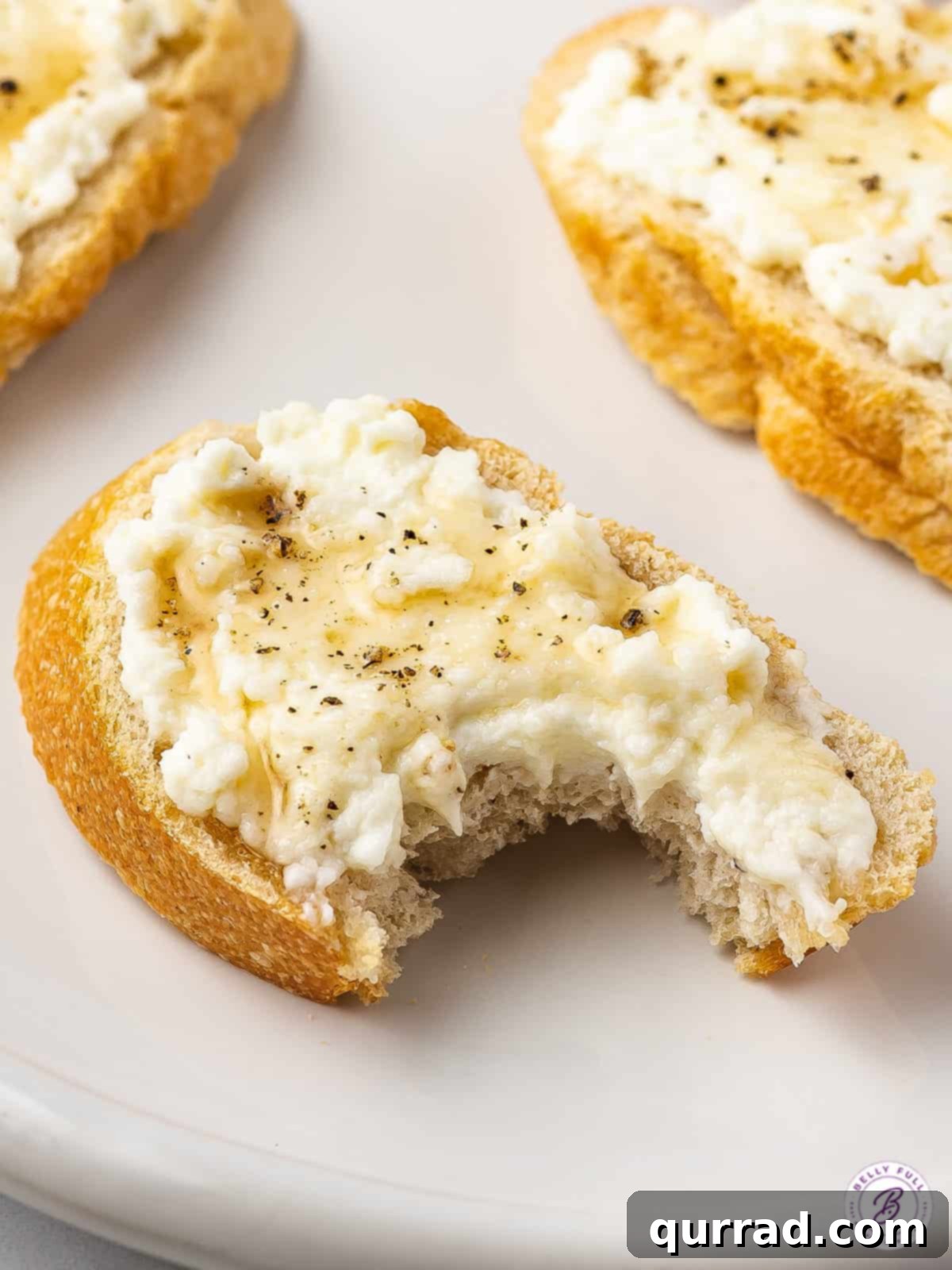
- Simple Crostini: Dollop a generous spoonful onto crusty toasted bread, drizzle with high-quality olive oil, and sprinkle with a pinch of flaky sea salt and freshly ground black pepper. Add fresh herbs like basil or chives for an extra layer of flavor.
- Elevated Breakfast: Spoon a dollop onto scrambled eggs for an incredibly creamy and luxurious breakfast experience, or serve alongside your favorite avocado toast.
- Italian Classics: Ricotta is a staple in Italian cuisine. Use it as a key ingredient in the filling for lasagna roll-ups, stuffed shells, or cannelloni. A spoonful stirred into a bowl of lasagna soup adds richness.
- Meatball Magic: Incorporate it into the mixture for homemade Italian meatballs to keep them incredibly moist and tender.
- Creamy Pasta Dishes: Stir it into lemon ricotta pasta for a light and zesty sauce, or mix it with your favorite spaghetti sauce to add creaminess and depth.
- Baked Delights: A fantastic addition to our easy baked ravioli casserole, or spread onto flatbreads before adding other toppings for a gourmet pizza.
- Savory Dips and Spreads: Combine with sautéed spinach, garlic, and Parmesan cheese for a quick and flavorful dip or spread.
- Flavorful Fritters: Mix with grated zucchini, herbs, and a little flour, then pan-fry for delicious zucchini ricotta fritters.
Sweet Delights with Ricotta
- Life-Changing Snack: Pair with roasted grapes – the sweet, jammy grapes with creamy, salty ricotta are an unforgettable combination.
- Light Dessert: Combine with grilled or fresh fruit, a sprinkle of homemade granola, and a drizzle of honey for a simple yet elegant dessert.
- Pancakes and Waffles: Create incredibly fluffy lemon ricotta pancakes or even zucchini ricotta pancakes for a brunch treat.
- Traditional Pastries: While traditionally made with a specific cheese, ricotta is a fantastic base for Italian pastries like sfogliatelle or the filling for cannoli dip.
- Mediterranean Inspired: Use as a filling for savory pastries like spanakopita, or in sweet dessert tarts with honey and nuts.
TIP! Don’t discard the liquid (whey)!
While it might seem like a lot of liquid yields only a modest amount of ricotta (approximately 1 & 1/4 cups from this recipe), the leftover whey is far from waste! This nutrient-rich liquid is a fantastic byproduct. Use it as a substitute for water or milk in any yeast bread recipe, adding tenderness and a subtle tang. It’s also excellent for cooking rice or pasta, imparting extra flavor and nutrients.
Proper Storage for Your Homemade Ricotta
To enjoy your homemade ricotta at its best, proper storage is key:
- Storing Fresh Ricotta: While warm, freshly made ricotta is undeniably the most divine, you can certainly enjoy it cold or save leftovers. Once the ricotta has drained to your desired consistency, untie the cheesecloth bundle and gently transfer the fresh ricotta to an airtight container. Store it in the refrigerator and consume it within 7-10 days for optimal freshness and flavor.
- Can You Freeze Ricotta Cheese? Freezing homemade ricotta is generally not recommended. As a soft cheese with high moisture content, the water within it turns into ice crystals upon freezing. When thawed, these ice crystals rupture the delicate curd structure, leading to a noticeable separation of whey and curds. This results in a drier, grainier, and less appealing texture. While it’s technically safe to eat, the quality significantly diminishes, making it less pleasant for most applications. It’s best to make smaller batches more frequently to enjoy it fresh.
Homemade ricotta cheese is a simple luxury that will undoubtedly enhance your culinary endeavors. Its ease of preparation and superior flavor make it a must-try for any home cook. Don’t hesitate to experiment with the various uses suggested, and let your creativity flow!
Homemade Ricotta Cheese
Rating: 5 out of 5 stars (12 reviews)
Cook: 2 mins
Stand: 10 mins
Total: 17 mins
Homemade Ricotta Cheese is surprisingly easy to make, only requiring 4 simple ingredients and 20 minutes of time. And tastes a million times better than store bought!
Ingredients
- 4 cups whole milk
- 1 cup heavy cream
- 3 tablespoons fresh squeezed, strained lemon juice
- 1 & 1/2 teaspoons kosher salt
Instructions
- Without stirring, pour all of the ingredients into a small heavy-bottom stainless steel saucepot; bring to a boil. Turn off the heat and set the saucepan aside until the mixture cools slightly, 5-10 minutes. (You’ll see the mixture separating into curds.)
- Line a strainer (or colander) with cheesecloth and place in a deep bowl (or in the sink). Very gently scoop the curds out of the saucepan (don’t pour! which will break up the curds) and into the strainer to drain.
- That’s it! Serve warm or chill for later.
- NOTE: We’ve got a lot of recipes with ricotta cheese. Refer to the article for over 15 suggestions of how to use it!
Notes
What if I don’t have a cheesecloth? If you don’t have a cheesecloth, 2 layered coffee filters does the trick, too!
Don’t discard the liquid/whey. Unfortunately, it takes a lot of liquid to get a mere 1 & 1/4 cups of product. But don’t waste it. Use the reserved liquid (whey) to replace water or milk in any yeast bread recipe, and also for cooking rice or pasta!
What to make with ricotta cheese? We’ve got a lot of recipes with ricotta cheese. Refer to the article for over 15 suggestions!
Nutrition
Calories: 238kcal | Carbohydrates: 9g | Protein: 6g | Fat: 20g | Saturated Fat: 12g | Cholesterol: 71mg | Sodium: 666mg | Potassium: 252mg | Sugar: 8g | Vitamin A: 847IU | Vitamin C: 3mg | Calcium: 210mg | Iron: 1mg
Nutritional information given is an automatic calculation and can vary based on the exact products you use and any changes you make to the recipe. If these numbers are very important to you, I would recommend calculating them yourself.