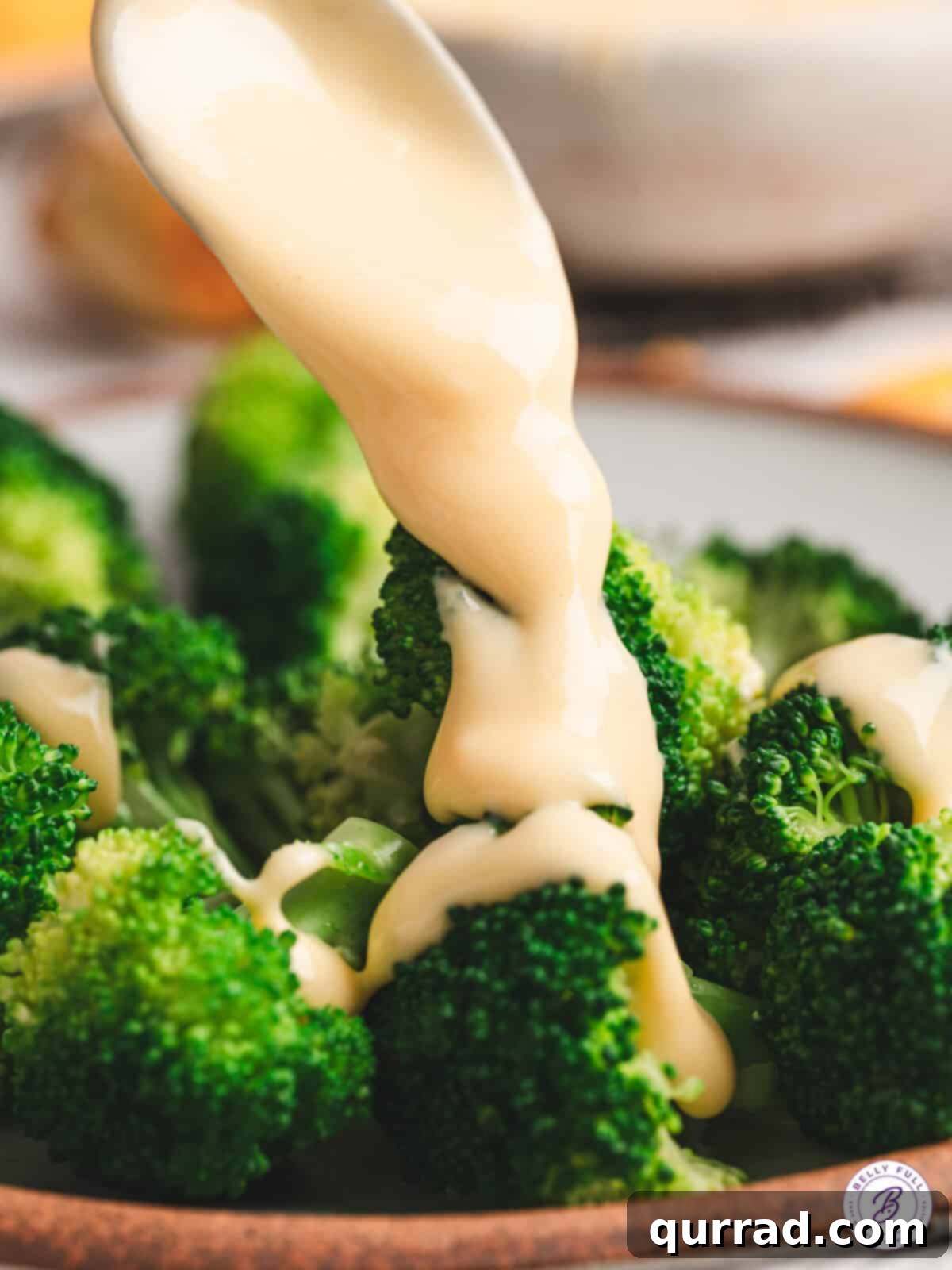
The Ultimate Homemade Cheese Sauce: Velvety, Creamy, and Ready in Minutes
Once you experience the rich, luscious texture and unparalleled flavor of this homemade cheese sauce, you’ll never reach for a store-bought jar again. Forget artificial ingredients and bland taste; this recipe delivers a buttery, cheesy dream in just minutes, using only five simple pantry staples. Whether you’re craving a decadent drizzle over crisp veggies, a comforting addition to pasta, a vibrant topping for nachos, or a warm dip for soft pretzels, this easy cheese sauce is an absolute game-changer. It’s truly the best cheese sauce recipe you’ll find, guaranteed to satisfy every time.

This recipe was crafted with simplicity and incredible flavor in mind. Using readily available ingredients and requiring only about 5 minutes of active cooking, it’s proof that gourmet taste doesn’t have to mean complicated processes. The result is a smooth, perfectly melted, and incredibly adaptable cheese sauce that elevates any dish. It’s ideal for transforming weeknight dinners, enhancing party platters, or simply indulging in a comforting treat. Get ready to impress yourself and your loved ones with this effortlessly delicious creation.
Why Homemade Cheese Sauce is a Game-Changer
Beyond its quick preparation, homemade cheese sauce offers distinct advantages over its store-bought counterparts. The most significant benefit is the control you have over the ingredients. You can select high-quality cheeses for superior flavor, avoid artificial colors, preservatives, and excessive sodium often found in packaged sauces. This means a fresher, more vibrant taste and a velvety texture that simply can’t be replicated by a jarred product. Plus, mastering this basic sauce opens up a world of culinary possibilities, allowing you to customize flavors and applications with ease.
Essential Tips for the Perfect Velvety Cheese Sauce Every Time
Achieving that perfectly smooth, silky cheese sauce is simpler than you might think, especially with a few expert tips. Follow these guidelines to ensure your homemade cheese sauce is consistently flawless:
- Use Freshly Shredded Cheese: This is arguably the most crucial tip for any cheese sauce. Pre-shredded bagged cheese often contains anti-caking agents like cellulose, which prevent the cheese from clumping together in the bag but also inhibit it from melting smoothly. These agents can result in a grainy or lumpy sauce. Grating your own cheese from a block ensures a pure, creamy, and wonderfully silky melt every single time.
- Add the Cheese Over Very Low Heat: Once your butter and flour roux has been combined with the milk and thickened, reduce the heat to the absolute lowest setting before introducing the shredded cheese. High heat can cause the cheese proteins to seize up, leading to a gritty texture or even separation (where the oil leeches out from the cheese). A gentle, low heat allows the cheese to melt gradually and seamlessly emulsify into the sauce, creating that desirable smooth consistency.
- Whisk Constantly: From the moment you whisk the flour into the butter to the final step of melting in the cheese, consistent whisking is your best friend. When adding the milk, whisking prevents lumps from forming. When adding the cheese, it ensures even melting and helps the cheese fully integrate into the sauce, preventing it from sticking to the bottom of the pan and ensuring a homogeneous, luscious result. Don’t step away from the stovetop during these critical stages!
- If the Sauce Breaks: Even experienced cooks can have a sauce “break” or separate. This usually happens if the sauce gets too hot, if the cheese is added too quickly, or if the fat and liquid separate. Don’t despair, it’s often salvageable! Immediately remove the pot from the heat. Whisk in a splash of warm milk or cream (1-2 tablespoons at a time) very gently and patiently until the sauce comes back together. Another effective method is to create a slurry with a teaspoon of cornstarch mixed with a tablespoon of cold water, then slowly whisk it into the broken sauce off the heat. Return to very low heat if needed, whisking continuously until it re-emulsifies.
- Bring Ingredients to Room Temperature (Optional but Recommended): While not strictly necessary, allowing your milk and cheese to come closer to room temperature before cooking can help them incorporate more smoothly and melt more evenly, contributing to a consistently creamy sauce.
- Choose the Right Pot: A medium-sized, heavy-bottomed saucepan is ideal. Heavy-bottomed pots distribute heat more evenly, which helps prevent scorching and ensures a more consistent temperature, crucial for a smooth cheese sauce.
- Season to Taste: The recipe includes a basic amount of salt, but always taste and adjust the seasoning at the end. Depending on the saltiness of your cheese, you might need a little more or less. A tiny pinch of white pepper or a dash of hot sauce can also enhance the flavor profile.
Cheese Sauce
5
5
10
8 servings

Print Recipe
This homemade cheese sauce is smooth, creamy, and ready in just 10 minutes. It’s perfectly versatile for veggies, pasta, nachos, or as a delicious dip!
Step-by-step photos can be seen below the recipe card.
Ingredients
- 2 tablespoons unsalted butter
- 2 tablespoons all-purpose flour
- 1/4 teaspoon coarse salt
- 1 cup whole milk
- 1 & 3/4 cups freshly shredded sharp Cheddar cheese
Instructions
-
Add butter to a medium pot and melt over medium heat. Once it bubbles, whisk in the flour and salt.
-
Stir until no white patches remain and a smooth paste (roux) forms.
-
Slowly pour in the milk, a little at a time. Whisk continuously, making sure it’s fully incorporated and smooth before adding more. Continue whisking for about 2 minutes until the sauce begins to thicken.
-
Turn the heat down to the lowest setting. Add in the shredded cheese. Whisk constantly until the cheese is completely melted, smooth, and thickened, which should take 1 to 2 minutes.
-
Remove from the heat and use as desired. The sauce will continue to thicken slightly as it cools.
Video
(Video of cheese sauce preparation would appear here.)
Notes
Possible variations: Experiment with different cheeses like Monterey Jack, Gruyère, or Fontina for unique flavor profiles. Elevate the taste with a pinch of paprika, garlic powder, or mustard powder. For a spicy kick, stir in a dash of hot sauce or finely diced jalapeños (fresh or pickled).
Nutrition Facts
Serving: 1serving |
Calories: 184.4kcal |
Carbohydrates: 3.68g |
Protein: 10.02g |
Fat: 15.59g |
Saturated Fat: 8.82g |
Polyunsaturated Fat: 0.82g |
Monounsaturated Fat: 4.95g |
Trans Fat: 0.79g |
Cholesterol: 39.5mg |
Sodium: 154.4mg |
Potassium: 95.6mg |
Fiber: 0.05g |
Sugar: 1.56g |
Vitamin A: 494.4IU |
Calcium: 272.8mg |
Iron: 0.17mg
Nutritional information given is an automatic calculation and can vary based on the exact products you use and any changes you make to the recipe. If these numbers are very important to you, I would recommend calculating them yourself.
Step-by-Step Guide to Crafting Your Perfect Cheese Sauce
Creating this rich, creamy cheese sauce is a straightforward process, broken down into a few simple steps. Follow along with these detailed instructions and accompanying images for flawless results every time.
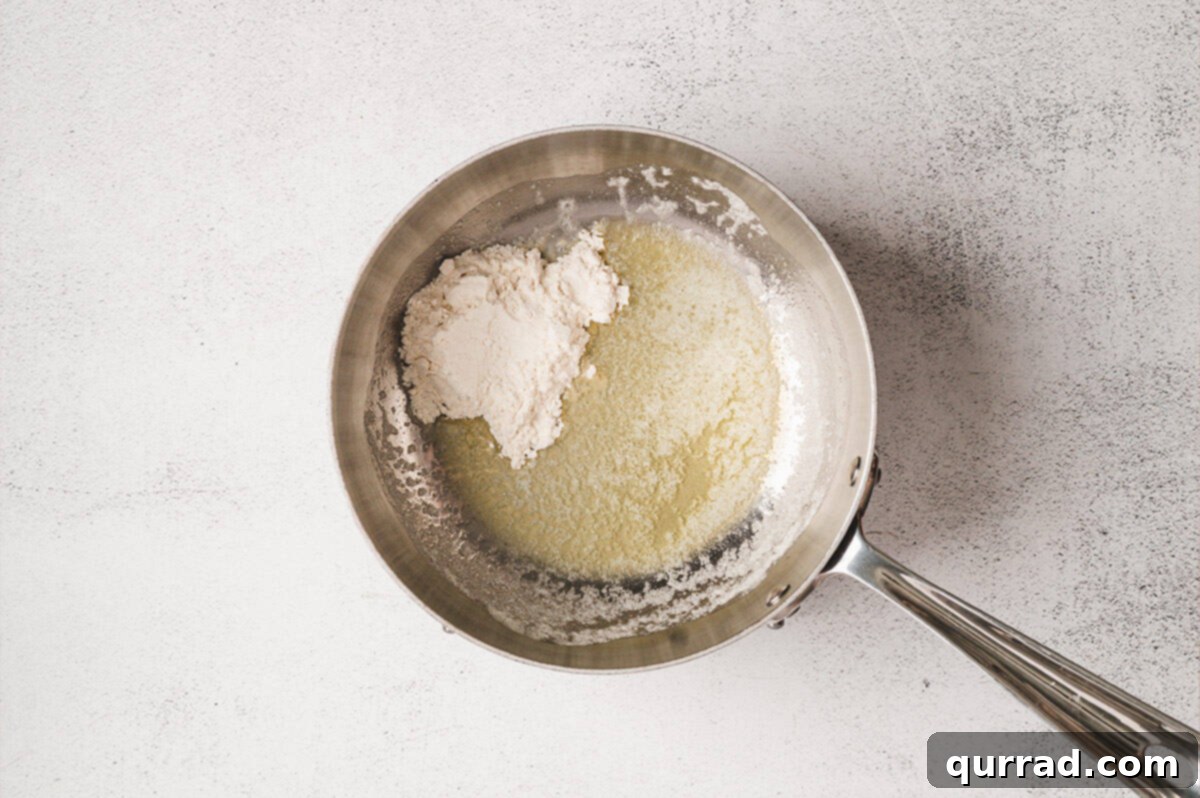
1. Make the Roux: Begin by melting 2 tablespoons of unsalted butter in a medium-sized, heavy-bottomed pot over medium heat. Once the butter is fully melted and starts to bubble gently, whisk in 2 tablespoons of all-purpose flour and ¼ teaspoon of coarse salt. This combination creates a roux, which will be the thickening agent for your sauce.
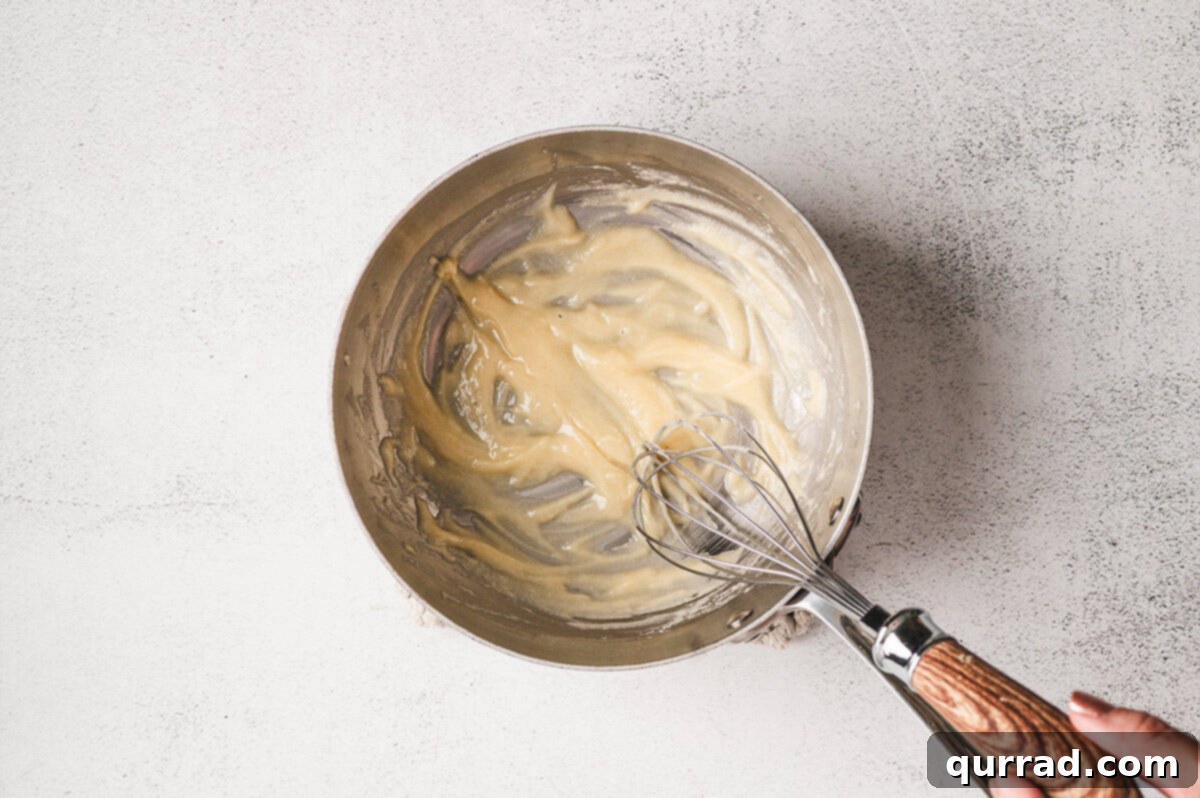
2. Whisk Until Smooth: Continue to whisk the flour and butter mixture constantly for about 1-2 minutes. You want to ensure that no white patches of raw flour remain and that a smooth, thick paste forms. This cooking step is crucial for eliminating the raw flour taste and creating a stable base for your sauce.
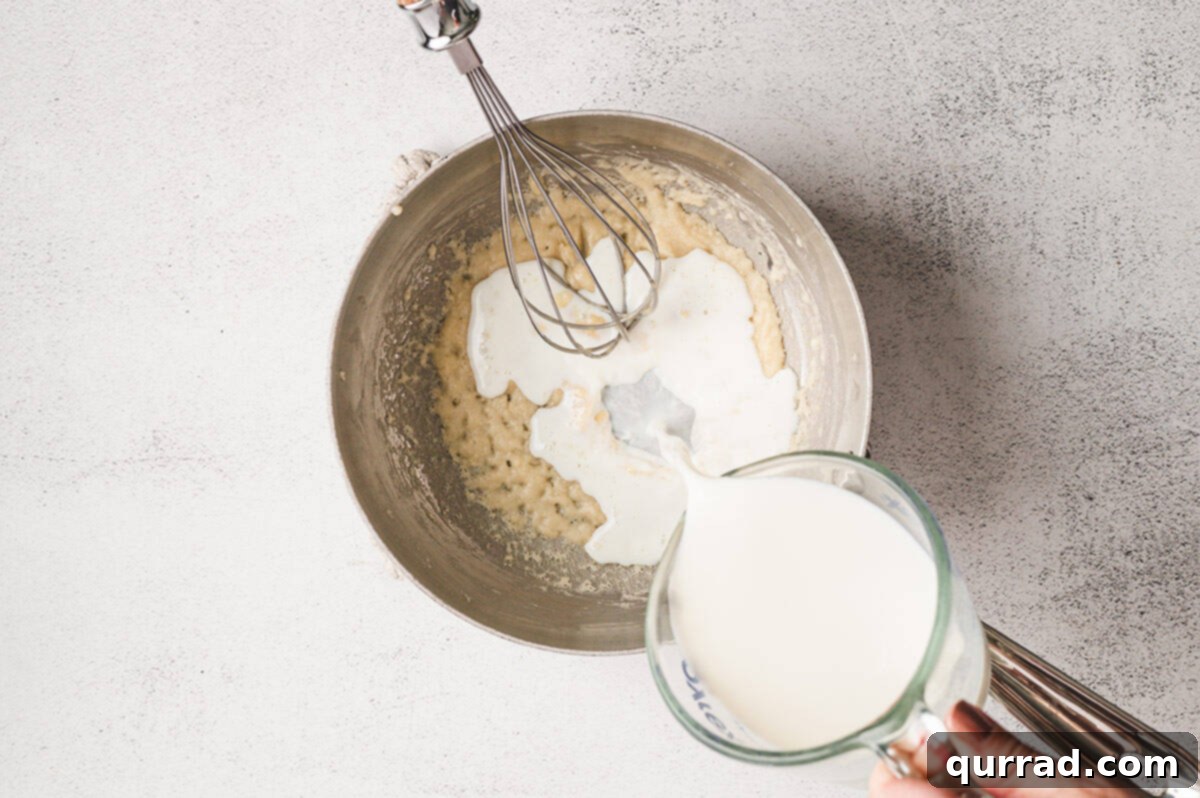
3. Gradually Incorporate the Milk: Slowly pour in 1 cup of whole milk, adding only a small amount at a time. Whisk continuously as you add the milk, making sure each addition is fully incorporated and the mixture remains smooth before pouring in more. This gradual approach prevents lumps and ensures a velvety consistency. Continue whisking until all the milk is added and the sauce has visibly thickened, which typically takes about 2 minutes.

4. Melt in the Glorious Cheese: Once the milk mixture is thick, reduce the heat to the absolute lowest setting. Add 1¾ cups of freshly shredded sharp Cheddar cheese. Whisk constantly and gently until the cheese is completely melted, smooth, and fully integrated into the sauce. This step should take approximately 1 to 2 minutes. The low heat is key here to prevent the cheese from seizing or becoming grainy.
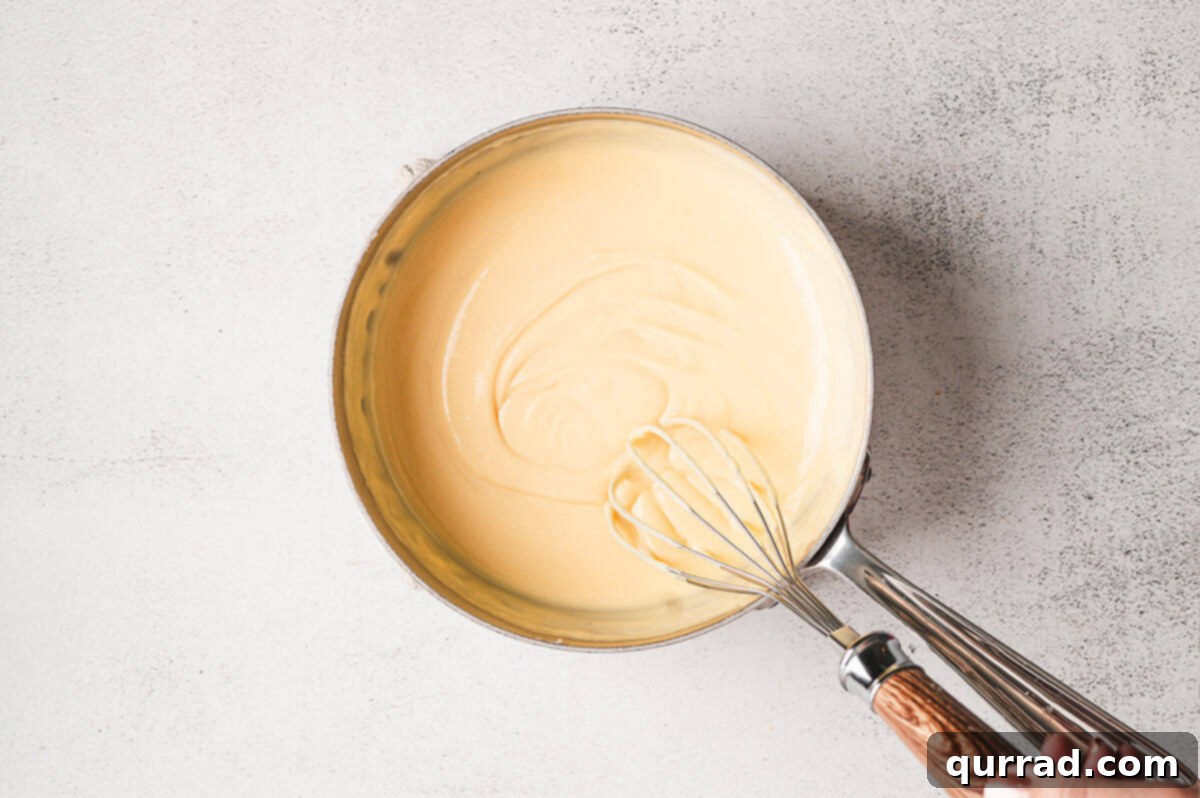
5. Serve Warm and Savor: Remove the pot from the heat immediately after the cheese has melted and the sauce is smooth. Serve your glorious homemade cheese sauce right away. Keep in mind that the sauce will continue to thicken slightly as it cools. Drizzle it generously over steamed broccoli or roasted cauliflower, spoon it onto crispy nachos for the ultimate indulgence, use it as a warm, comforting dip for soft pretzel bites, or mix it into cooked pasta for a quick and easy mac and cheese. Enjoy the rich, homemade goodness!

Endless Possibilities: Delicious Cheese Sauce Variations
One of the best things about homemade cheese sauce is its incredible adaptability. Once you master the basic recipe, you can easily customize it to suit your taste preferences or the dish you’re pairing it with:
- Flavor Boosters: For an extra layer of depth, try adding a tiny pinch of cayenne pepper for a subtle warmth, a dash of onion powder or garlic powder for aromatic richness, or a teaspoon of dry mustard powder for a classic, tangy complement to the cheese. A splash of Worcestershire sauce can also add a savory, umami note.
- Cheese Swaps for a Fun Twist: While sharp Cheddar is a fantastic choice, don’t limit yourself! Experiment with different cheeses to create unique flavor profiles.
- Monterey Jack: Offers a milder, very meltable option, perfect for a lighter sauce.
- Gruyère: Adds a nutty, complex flavor that pairs wonderfully with sophisticated dishes.
- Fontina: Known for its exceptional meltability and buttery taste, creating an incredibly smooth sauce.
- Colby Jack: A popular blend that offers a mild flavor and beautiful orange and white marbling.
- White Cheddar: For a sharper flavor and a more elegant, pale yellow sauce.
- Pepper Jack: If you love a bit of heat, this cheese infused with peppers will deliver a spicy kick.
You can also combine different cheeses to create your own signature blend!
- Spice It Up: If you’re a fan of heat, there are several ways to make your cheese sauce spicy. Stir in a dash of your favorite hot sauce (like Tabasco, Frank’s RedHot, or Sriracha) at the end. For fresh, vibrant heat, finely dice some fresh or pickled jalapeños and mix them in. A pinch of red pepper flakes can also add a quick, easy kick.
- Herbal Infusion: For a fresh, aromatic touch, stir in a tablespoon of finely chopped fresh chives or parsley just before serving. These bright herbs can cut through the richness of the cheese.
Versatile Serving Suggestions for Your Homemade Cheese Sauce
This homemade cheese sauce is incredibly versatile and has the power to elevate almost any meal. Its creamy texture and rich flavor make just about everything taste better. Here are some fantastic ways to enjoy your delicious creation:
- Vegetable Upgrade: Transform humble vegetables into a gourmet side dish. Drizzle it generously over steamed or roasted broccoli, roasted cauliflower, asparagus, or green beans. It also works beautifully over baked potatoes, sweet potatoes, or even as a base for cheesy potato casserole.
- Nachos & Dips: It’s the ultimate topping for nachos – layer it over tortilla chips with your favorite toppings for an irresistible snack or meal. Use it as a warm, comforting dip for soft pretzels, tortilla chips, or a platter of fresh crudités (carrots, celery, bell peppers). Spoon it into breakfast burritos for an extra creamy texture and rich flavor.
- Pasta Perfection: Stir it into cooked pasta for an instant, creamy stovetop mac and cheese. It’s perfect with elbow macaroni, shells, or even fusilli. You can also pour it over plain pasta, tortellini, or ravioli for a quick and satisfying dinner.
- Comfort Food Sides: Make your favorite comfort foods even more indulgent. Ladle it over crispy French fries, tater tots, or even chili cheese dogs. It’s also fantastic on open-faced hot sandwiches or grilled cheese sandwiches.
Storing and Reheating Your Creamy Cheese Sauce
While this cheese sauce is best enjoyed fresh, you can certainly store and reheat leftovers. Proper storage and reheating techniques will help maintain its creamy texture and rich flavor.
Store any leftover cheese sauce in an airtight container in the refrigerator for up to 4 days. To reheat, gently warm the sauce on the stovetop over very low heat. Whisk constantly as it heats to prevent it from scorching or separating. Cheese sauces tend to thicken significantly when chilled; if your sauce is too thick, gradually whisk in a splash of milk (1-2 tablespoons at a time) until it reaches your desired consistency. Avoid high heat during reheating, as it can cause the sauce to break or become oily. Microwave reheating is possible in short bursts (30 seconds at a time) with frequent stirring, but the stovetop method generally yields better results.
Freezing cheese sauce is generally not recommended as the dairy and cheese can separate and become grainy or watery upon thawing and reheating. However, if you must, freeze it in an airtight, freezer-safe container. Thaw overnight in the refrigerator and reheat very gently on the stovetop, whisking constantly and adding milk as needed to restore consistency.
Frequently Asked Questions About Homemade Cheese Sauce
Here are some common questions about making and enjoying this delicious cheese sauce:
- Q: Can I use pre-shredded cheese?
A: While freshly shredded cheese is highly recommended for the smoothest texture due to anti-caking agents in pre-shredded varieties, you can use pre-shredded cheese in a pinch. If you do, ensure you melt it over very low heat and whisk continuously to help minimize graininess. Adding a splash of cream cheese or a tiny amount of sodium citrate (a food emulsifier) can also help improve the melt of pre-shredded cheese, though this adds complexity to the “simple” recipe. - Q: How can I make this cheese sauce gluten-free?
A: To make this recipe gluten-free, simply substitute the all-purpose flour in the roux with an equal amount of a gluten-free all-purpose flour blend (ensure it contains xanthan gum for thickening) or cornstarch. If using cornstarch, create a slurry by mixing 2 tablespoons of cornstarch with 2 tablespoons of cold milk, then whisk this slurry into the heated milk instead of making a roux with butter and flour. Cook until thickened. - Q: What if my sauce is too thick?
A: If your sauce becomes too thick, simply whisk in a tablespoon or two of warm milk (or cream, for an even richer sauce) at a time until it reaches your desired consistency. Do this slowly and gently to avoid thinning it too much. - Q: What if my sauce is too thin?
A: If your sauce is too thin, you can try whisking it over low heat for a few more minutes to allow it to reduce and thicken naturally. If it still needs more body, make a small cornstarch slurry (1 teaspoon cornstarch mixed with 1 tablespoon cold water) and slowly whisk it into the sauce while heating gently. Cook for another minute until thickened. - Q: Can I prepare cheese sauce ahead of time?
A: Yes, you can prepare it ahead of time. Store it in an airtight container in the fridge for up to 4 days. When ready to use, reheat gently on the stovetop over low heat, whisking constantly and adding a splash of milk if needed to restore its creamy texture.
More Delicious Sauces to Elevate Your Meals
If you enjoyed making this versatile cheese sauce, you might love exploring other homemade sauce recipes that can transform your everyday meals into something special:
- Tartar Sauce: Perfect for seafood.
- Homemade Alfredo Sauce: A classic creamy pasta sauce.
- Peanut Sauce: Great for dipping, salads, and stir-fries.
- Hollandaise Sauce: The ideal companion for Eggs Benedict and asparagus.
- Copycat Chick-fil-A Sauce: A beloved dipping sauce for chicken and fries.
We hope you love this delicious and easy cheese sauce recipe! Be sure to give it a review below if you try it out. Don’t forget to follow Belly Full on TikTok, Instagram, Facebook, Pinterest, and YouTube for more delightful recipes!